Cheap Countries in South America: Compare Real Trip Costs
The cheapest country in South America depends on where you start, how fast you move, and whether your dream involves a city café or a boat in the Galápagos. Local lunch prices are only one line in the budget, so this comparison focuses on complete country routes rather than a suspiciously precise daily number.

The short answer
Bolivia, Paraguay, Peru, Ecuador, and parts of Colombia are strong lower-cost candidates for many independent travelers. Argentina can also deliver excellent value when exchange rates and payment methods align, but none is uniformly cheap across every region and travel style.
- Best for dramatic overland value: Bolivia.
- Best for a quieter city-and-history route: Paraguay.
- Best for established backpacker infrastructure: Peru.
- Best for compact mainland variety: Ecuador.
- Best for affordable city choice with a safety caveat: Colombia.
- Best for exchange-rate-dependent value: Argentina.
These are planning categories, not medals. A cheap week in Cuenca does not make a Galápagos cruise cheap, and a modest room in La Paz does not erase a private Uyuni tour or an expensive flight from home.
Use one budget basket for every country
Choose the same dates, departure airport, trip length, and comfort level for every comparison. Price a realistic route, such as two cities and one defining experience, instead of comparing entire countries as if Patagonia and downtown Asunción were neighboring hotel districts.
Your basket should include round-trip airfare, bags, airport transport, well-located lodging, breakfast, lunch, dinner, water, local transportation, intercity movement, one paid highlight, travel insurance, entry requirements, payment fees, and a disruption cushion. Add any health preparation or high-altitude buffer the itinerary requires.
Convert every local price on the same date and record the source. Card exchange rates, ATM fees, cash-exchange spreads, foreign transaction fees, and dynamic currency conversion can make two travelers pay different dollar totals for the same room.
Finally, divide by traveler and by vacation, not only by day. A country with lower daily costs can lose when its airfare requires two connections or its essential route consumes three domestic flights.
1. Bolivia for high-altitude overland adventure
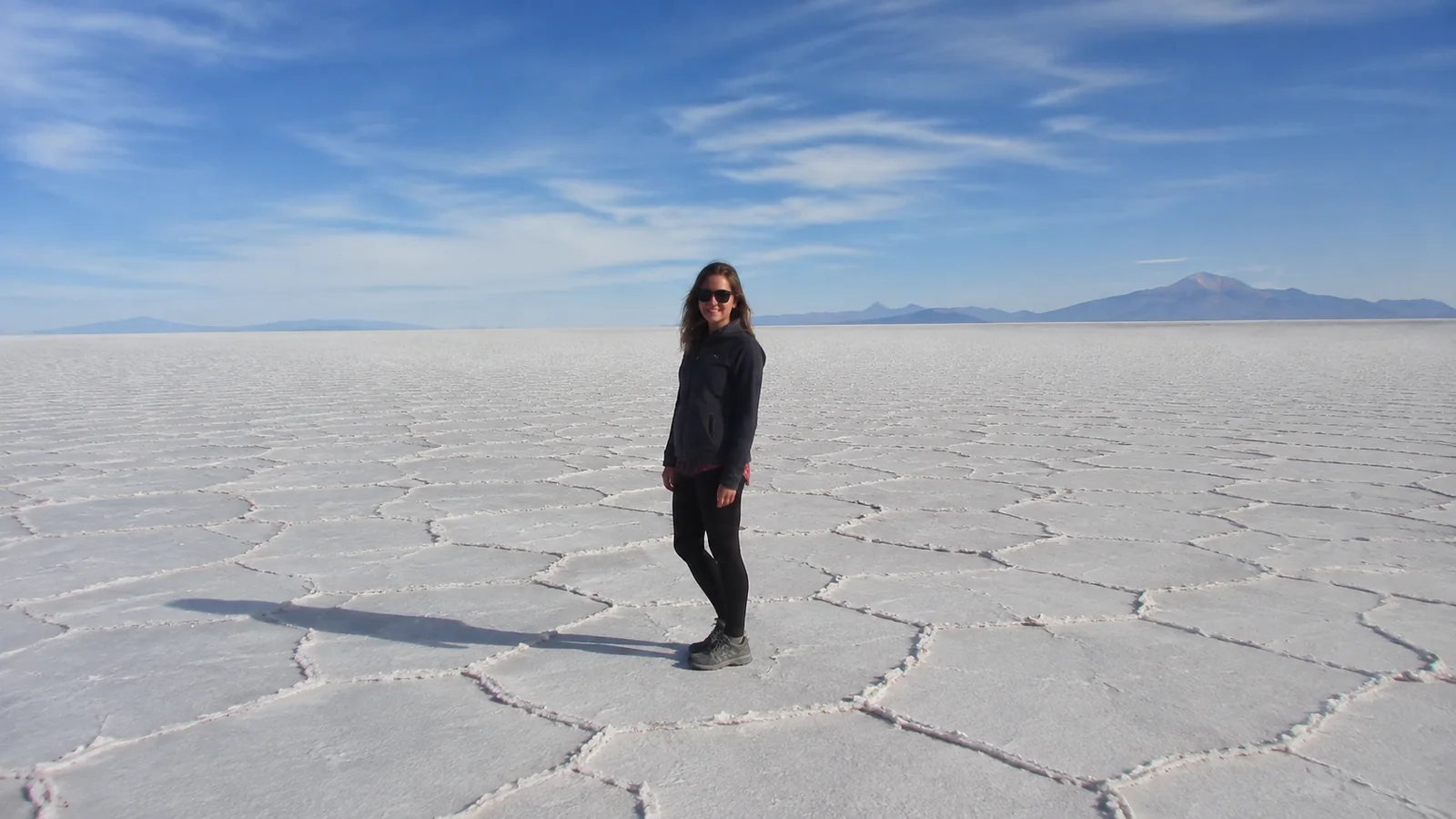
Bolivia often works for travelers who want La Paz, Sucre, Potosí, Lake Titicaca, and the Uyuni salt flats on one mostly overland journey. Lodging, everyday meals, and buses can be modestly priced, while guided remote tours and flight access create the larger bill.
The main tradeoff is altitude and transport uncertainty. La Paz, El Alto, Uyuni, Potosí, and other common stops sit at elevations where travelers may need acclimatization, and roadblocks or demonstrations can disrupt an itinerary.
Build two slow nights before demanding activities, keep schedule slack, and choose reputable transport and Uyuni operators. Cheap is not a persuasive feature if the vehicle, driver rest, oxygen plan, communications, or emergency procedure is vague.
Entry rules changed for some travelers in 2026, which is a fine reminder not to trust an old budget that includes an obsolete visa cost. Verify nationality-specific requirements with Bolivia’s General Directorate of Migration and an official consulate before booking.
Best fit: Flexible adults who tolerate altitude, long road days, basic services, and itinerary changes. Budget spoiler: A private salt-flats tour, last-minute flight, premium lodge, or medical evacuation coverage.

2. Paraguay for slower, less touristic travel
Paraguay can suit travelers who prefer local city life, history, food, and long-distance buses over a stack of famous paid attractions. Asunción, the Jesuit mission region near Encarnación, and selected eastern stops can form a focused route.
Its challenge is access rather than constant admission spending. International flight choices may be less convenient from your origin, English-language tourism infrastructure is thinner, and a broad Chaco or nature trip can require specialist transport.
Compare flying directly into Asunción with entering overland from Argentina or Brazil, including border time and onward transport. Do not add Paraguay simply to collect a country when the detour costs more than the days are worth.
The national tourism authority has promoted connections between Asunción and Encarnación, but schedules and operating transport still need date-specific confirmation. Keep remote Chaco travel outside a starter budget unless a reliable operator, season, and emergency plan are established.
Best fit: Spanish-speaking or patient independent travelers interested in a less packaged route. Budget spoiler: Awkward international airfare, private guiding, or a remote nature extension.
3. Peru for strong infrastructure and expensive icons
Peru makes budget travel relatively easy along established routes linking Lima, Arequipa, Cusco, the Sacred Valley, and southern coastal stops. Buses, hostels, guesthouses, set lunches, and group tours create choices at several comfort levels.
Machu Picchu changes the equation because admission, timed route, trains or hiking logistics, local transport, and lodging must be priced together. Buy admission through the Peruvian Ministry of Culture’s official Tu Boleto platform, and treat the selected circuit as part of the product.
Altitude also deserves time in Cusco and the Andes, while Peru’s long geography can make an overstuffed route exhausting. A Lima, Paracas, and Arequipa trip is a different product from Lima, Cusco, and the Amazon.
For a lower-altitude coastal module, this Paracas planning overview separates reserve access, boat conditions, and transport. Keep the Amazon as a separately priced lodge or guided experience rather than calling it another cheap city stop.
Best fit: First-time backpackers, history travelers, and groups wanting broad tourism infrastructure. Budget spoiler: Machu Picchu transport, premium Inca Trail permits, Amazon packages, or too many domestic flights.
4. Ecuador for compact mainland routes
Mainland Ecuador can combine Quito, the Andes, cloud forest, markets, Cuenca, and parts of the coast without crossing a continent-sized country. The U.S. dollar also removes currency-conversion math for American travelers, though ATM and card fees still apply.
The Galápagos must be treated as a separate trip category. Flights, the transit process, park entry, boats, guided visitor sites, and island or cruise lodging can exceed an entire mainland budget.
The Galápagos Governing Council currently lists a substantial national park entrance fee based on age and visitor category. Recheck the amount and transit-card process, then compare land-based island travel with a cruise using the same included activities.
Safety conditions vary sharply by area, especially on parts of the coast, so cheap lodging cannot override current official guidance. The Manta transport and coastal planning notes show why a cruise call, city stay, and wider coast route require different budgets.
Best fit: Travelers seeking mainland variety with shorter intercity distances. Budget spoiler: Galápagos, Amazon lodges, private drivers, or changing a route around security conditions.
5. Colombia for affordable cities with a serious safety gate
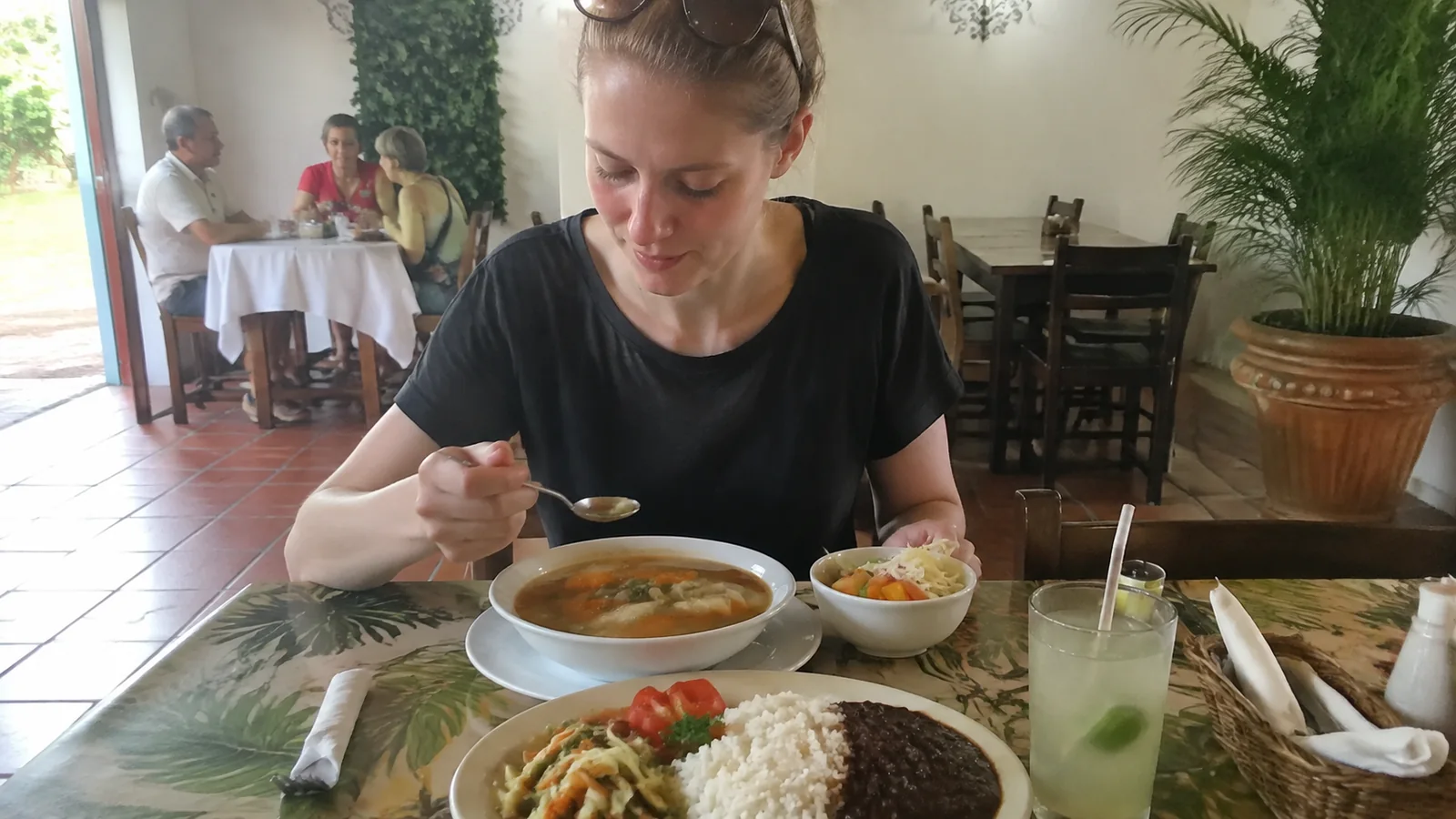
Colombia offers very different trips in Bogotá, Medellín, the coffee region, Caribbean cities, and smaller mountain towns. Lodging and food can be good value outside the most in-demand neighborhoods and event dates, while domestic flights may be practical across long distances.
Price airport transfers carefully because some gateways sit far from the city they serve. Add safe evening transportation and a well-located room instead of assuming the lowest map pin is the wisest bargain.
The current U.S. advisory was Level 3, Reconsider Travel, on this article’s September 2026 check date, with specific Level 4 areas. Review the live official travel advisories and your own government’s guidance before treating Colombia as a routine budget recommendation.
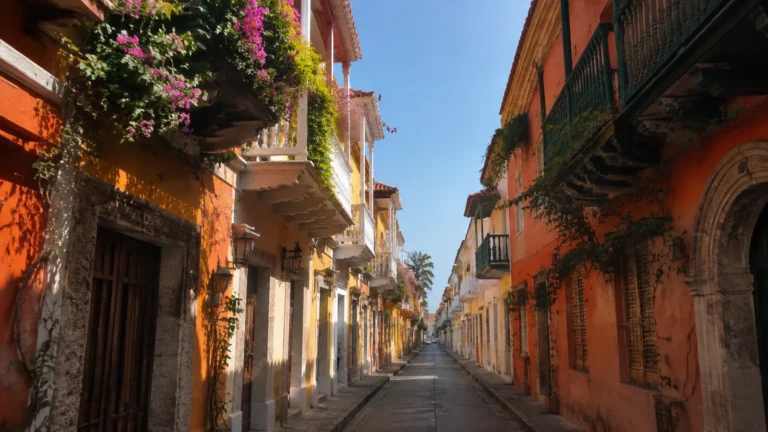
Cartagena often costs more than inland alternatives, especially in the historic center and during busy periods. If it is the priority, this Cartagena attraction plan helps separate a compact city day from a weather-dependent island tour.
Best fit: Travelers who choose specific regions, neighborhoods, and transport with current information. Budget spoiler: Peak Cartagena, remote tours, frequent flights, nightlife transport, or safety-driven rerouting.
6. Argentina when the exchange-rate math works
Argentina can offer striking value for meals, culture, and lodging when exchange rates align with a traveler’s payment method. It can also change quickly, so a year-old dollar budget is decorative rather than useful.
Check official and card-network rates on the pricing day, then test the actual card, ATM, and cash costs you can legally access. The Central Bank of Argentina is the official monetary source, but your final consumer rate also depends on issuer and transaction type.
Distance is the larger trap. Buenos Aires, Mendoza, Salta, Iguazú, Bariloche, El Calafate, and Ushuaia are not one economical loop unless time and transport are nearly unlimited.
Choose Buenos Aires plus one region for a shorter trip, or build a longer overland route where geography cooperates. Patagonia lodging, excursions, rental cars, and flights belong in their own budget rather than under a national “cheap” label.
Best fit: Travelers comfortable checking rates and limiting a route. Budget spoiler: Patagonia, peak domestic tourism dates, repeated flights, or using the wrong exchange method.
A comparable five-night ground budget
Planning example: these are illustrative spending allocations in US dollars, not sampled hotel quotes or claims about current market averages. Each row uses two adults sharing one modest private room for 5 nights and 6 days, casual meals, local transportation, and the listed activity allowance, with airfare excluded.
Room allocations are whole-room nightly targets including taxes and mandatory lodging fees; food and local transport are daily totals for both people. Replace every target with an actual refundable quote for the same dates, including cancellation terms, before using the result to book.
- Base and defining outing: Bolivia: La Paz and an acclimatized city-focused stay
- Room per night: $45
- Food per day: $35
- Local transport per day: $10
- Activities, trip total: $80
- Ground total for two: $575
- Base and defining outing: Paraguay: Asunción and a nearby town outing
- Room per night: $50
- Food per day: $40
- Local transport per day: $12
- Activities, trip total: $70
- Ground total for two: $632
- Base and defining outing: Peru: Arequipa and the historic center
- Room per night: $55
- Food per day: $40
- Local transport per day: $12
- Activities, trip total: $100
- Ground total for two: $687
- Base and defining outing: Ecuador: Quito and an easy mainland day trip
- Room per night: $60
- Food per day: $45
- Local transport per day: $15
- Activities, trip total: $100
- Ground total for two: $760
- Base and defining outing: Colombia: Medellín and a guided city outing, after safety checks
- Room per night: $65
- Food per day: $45
- Local transport per day: $18
- Activities, trip total: $120
- Ground total for two: $823
- Base and defining outing: Argentina: Buenos Aires neighborhoods and one museum day
- Room per night: $75
- Food per day: $50
- Local transport per day: $15
- Activities, trip total: $100
- Ground total for two: $865
I would use these totals as a screening tool: if a destination’s real room quote breaks the target, rerun the math before paying a deposit. A lower ground total can still lose once flights, checked bags, an airport hotel, and transfers from your own departure city are added.
A six-day Arequipa-based Peru example totals $687 for two under these assumptions: $275 lodging, $240 food, $72 local transport, and $100 activities. That total deliberately excludes Machu Picchu, Colca Canyon tours, domestic flights, and long-distance buses, so adding one of those changes the trip rather than fitting invisibly into the daily rate.
For a first trip I would choose one base and its nearby outings, then add a second city only after pricing the transfer and allowing recovery time. The Bolivia route requires acclimatization, while Paraguay’s lower-key sightseeing can suit travelers who want a slower city-and-town visit more than a flagship excursion.
Countries that may be good value without being the cheapest
Brazil can work beautifully when international airfare is favorable and the route stays regional, but its scale, domestic flights, and famous beach periods can raise costs. Chile has efficient tourist infrastructure and spectacular landscapes, yet Patagonia, Atacama, Easter Island, and ski travel are rarely bargain add-ons.
Uruguay is compact and easy to pair with Buenos Aires, but coastal summer demand can make it pricier than neighboring choices. Guyana and Suriname may have modest local expenses in places, while flights, guided interior access, and limited tourism supply change the full trip.
Build a realistic South America budget
Price one seven-to-14-day route in each finalist using the same standard. For city-level alternatives, compare the candidates in this South America destination shortlist without transferring one city’s estimate to the whole country.
- Choose exact dates and two or three bases that connect logically.
- Add international airfare, bags, arrival transport, and one recovery night.
- Price lodging in a neighborhood you would actually use.
- Add a consistent meal and local-transport basket.
- Include every intercity bus, flight, transfer, and checked bag.
- Add the defining attraction, tour, or park experience.
- Include visas, vaccines, insurance, ATMs, cards, and exchange spreads.
- Add a 10 to 15 percent disruption cushion.
Now remove any country that fails your current safety, health, accessibility, or entry requirements. The larger worldwide method in comparing affordable places to travel uses the same principle: price never overrules feasibility.
Cheap South America questions
What is the cheapest South American country?
Bolivia and Paraguay are strong candidates for low local costs, while Peru, mainland Ecuador, and parts of Colombia can be affordable on established routes. Your airfare, safety needs, flagship experience, and travel pace decide the real winner.
How much should I budget per day?
Use live prices for your dates and build a personal basket rather than copying one universal number. Separate ordinary days from Machu Picchu, Uyuni, Galápagos, Amazon, or Patagonia days because those experiences can dominate the average.
Is it cheaper to travel fast or slowly?
Slower travel usually reduces intercity costs and can unlock weekly lodging rates, but only when the longer stay does not require more flights or expensive activities. Two well-connected regions often cost less than collecting six capitals.

Which country is best for a first budget trip?
Peru is the easiest starting comparison for established infrastructure, while mainland Ecuador offers compact variety and Bolivia offers powerful value for altitude-ready travelers. Choose the route that passes your current safety and health checks, then let the complete total decide.