Top Attractions in Cartagena, Colombia: Realistic Trip Plans
Cartagena hits you with coral-colored walls, bright plazas, Caribbean heat, and more sellers than your souvenir budget requested. The best visit keeps the route tight: historic Cartagena first, a carefully chosen island day second, and enough shade to remain fond of everyone.
Choose the right Cartagena day
Cartagena’s major sights fall into three clusters. The Walled City and Getsemaní are walkable, Castillo San Felipe and La Popa need short road transfers, and the Rosario Islands require a separate boat plan.
- Short cruise call: Walled City plus one museum or guided walk.
- Six to eight hours ashore: Castillo San Felipe, Walled City, and Getsemaní.
- Two hotel nights: One full historic day plus food, art, or a relaxed waterfront evening.
- Three or more nights: Add a weather-dependent Rosario Islands day.
The cruise terminal is in the port area, not at the historic walls. Use authorized or prearranged transportation, and keep the terminal’s own current passenger information with your sailing details.
The top attractions in Cartagena
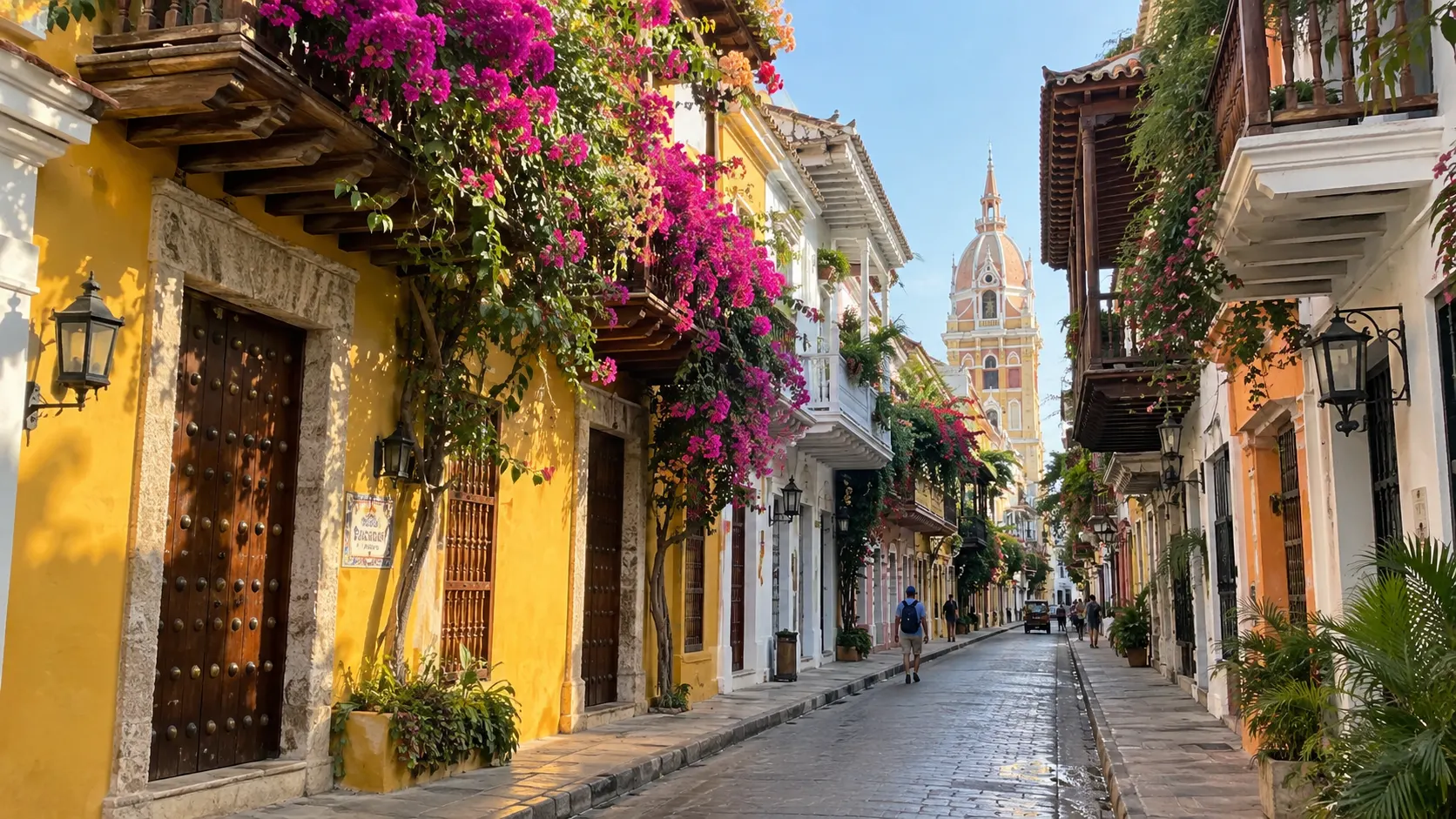
1. Walk the Walled City with context
Cartagena’s port, fortresses, and monuments form a UNESCO World Heritage property because of the city’s extensive military architecture and its strategic Caribbean role. The UNESCO listing is the useful starting point, not a reason to treat every pretty balcony as interchangeable scenery.
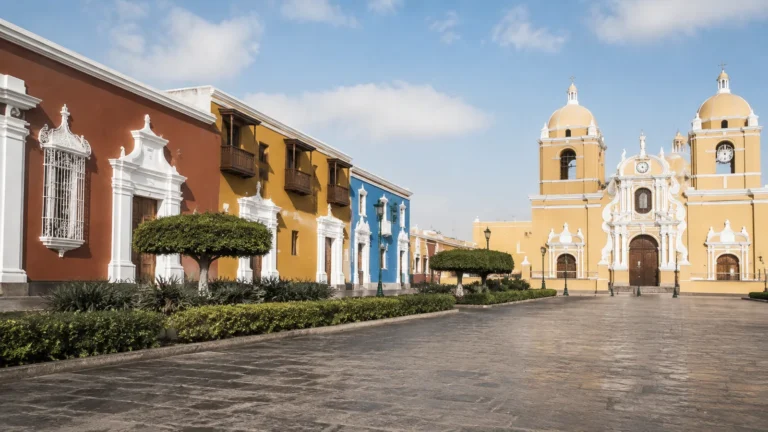
Enter through the Clock Tower area, then connect the main plazas, San Pedro Claver, and quieter San Diego streets. A licensed guide adds the Indigenous, African, Spanish, slavery, independence, and modern context that a door-photography marathon cannot.
Walk early or later in the afternoon because shade is uneven and the stone holds heat. If midday is unavoidable, alternate short outdoor sections with a museum, café, church, or properly air-conditioned lunch.
2. Explore Castillo San Felipe de Barajas
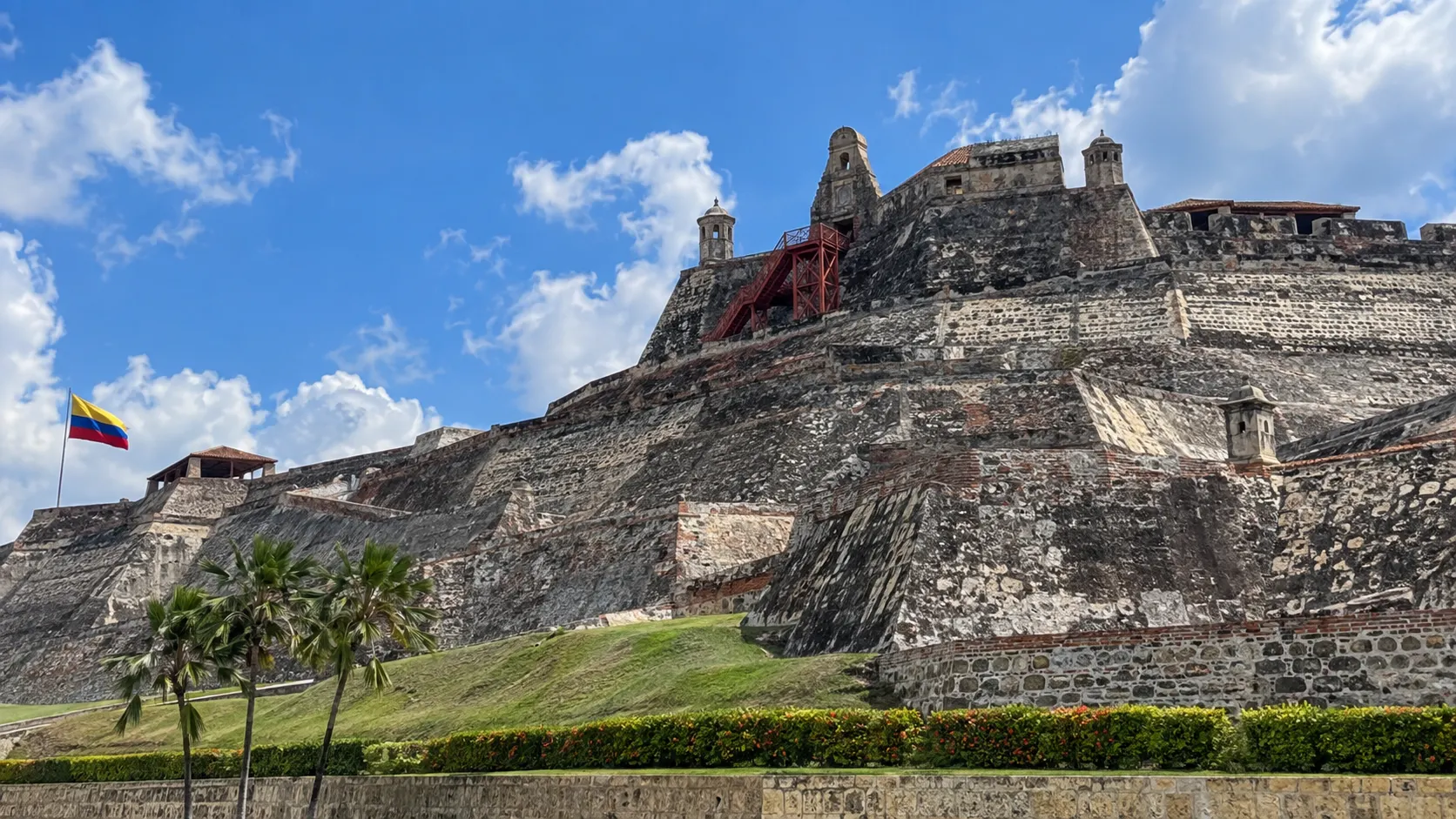
Castillo San Felipe rises on San Lázaro Hill outside the Walled City and belongs to Cartagena’s larger fortification system. Its ramps, batteries, sightlines, and tunnels explain the city’s defenses more clearly than simply spotting the fortress from a bus window.
Allow roughly 90 minutes, wear shoes with dependable grip, and bring water. The site includes slopes, exposed stone, low or dim tunnel sections, and limited shade, so travelers with heat, balance, respiratory, or mobility concerns should choose the parts that suit them.
Going early makes the climb kinder and leaves the Old City for later. Cruise visitors can start here by vehicle, continue to the walls, and then make one final road transfer back to the ship.
3. Spend time in Getsemaní without reducing it to murals
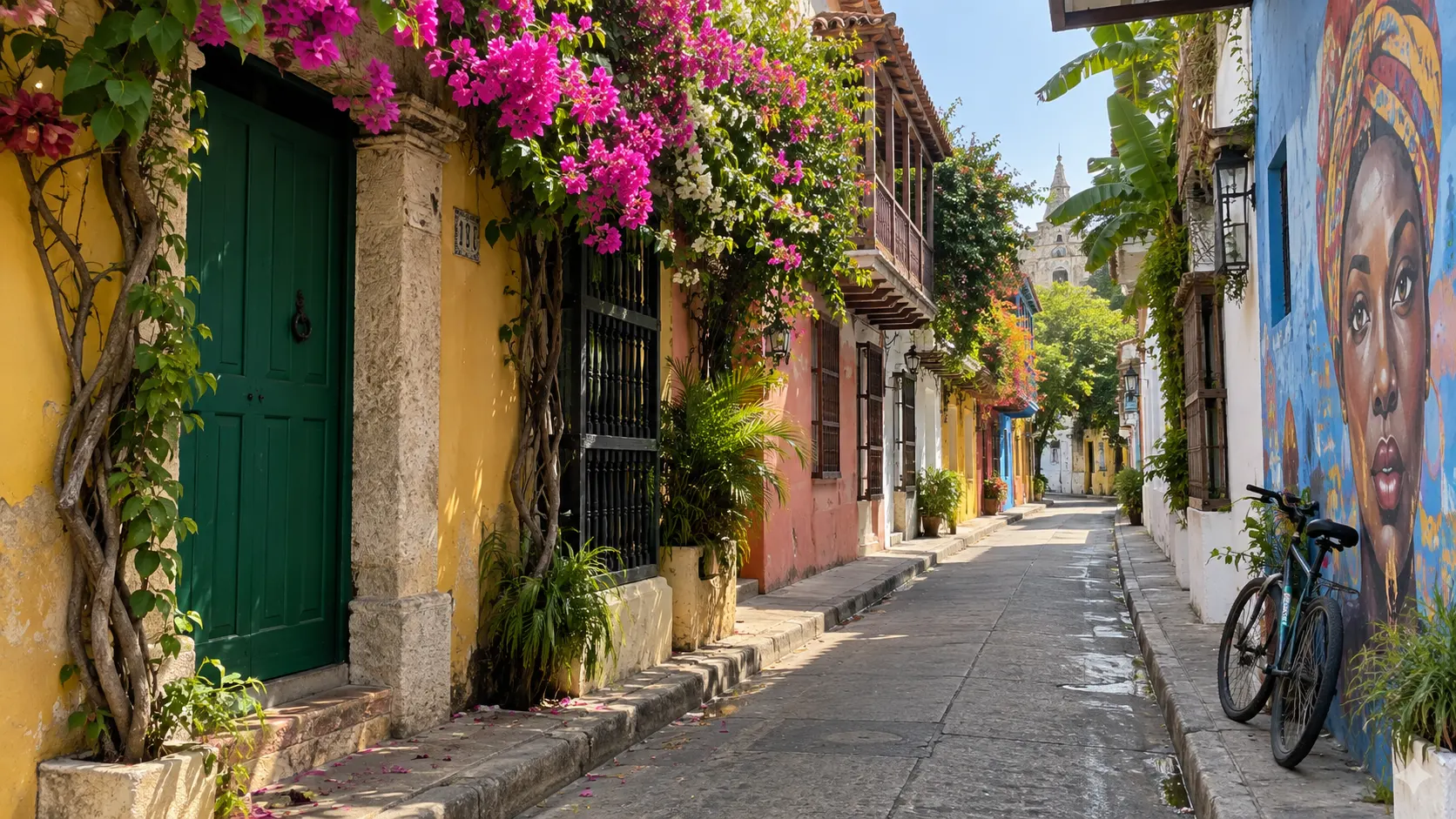
Getsemaní sits just beyond the Walled City and rewards a slower walk through plazas, neighborhood streets, small restaurants, and public art. Plaza de la Trinidad is a useful orientation point, but the neighborhood is a living community rather than an outdoor photo set.
Visit with a guide who can explain the area’s history and current pressures. Ask before photographing residents, avoid blocking doorways, and spend money with local businesses.
Daytime is easiest for a first visit, while evening brings more food and social energy. Cruise travelers should leave before traffic turns the return into a rush.
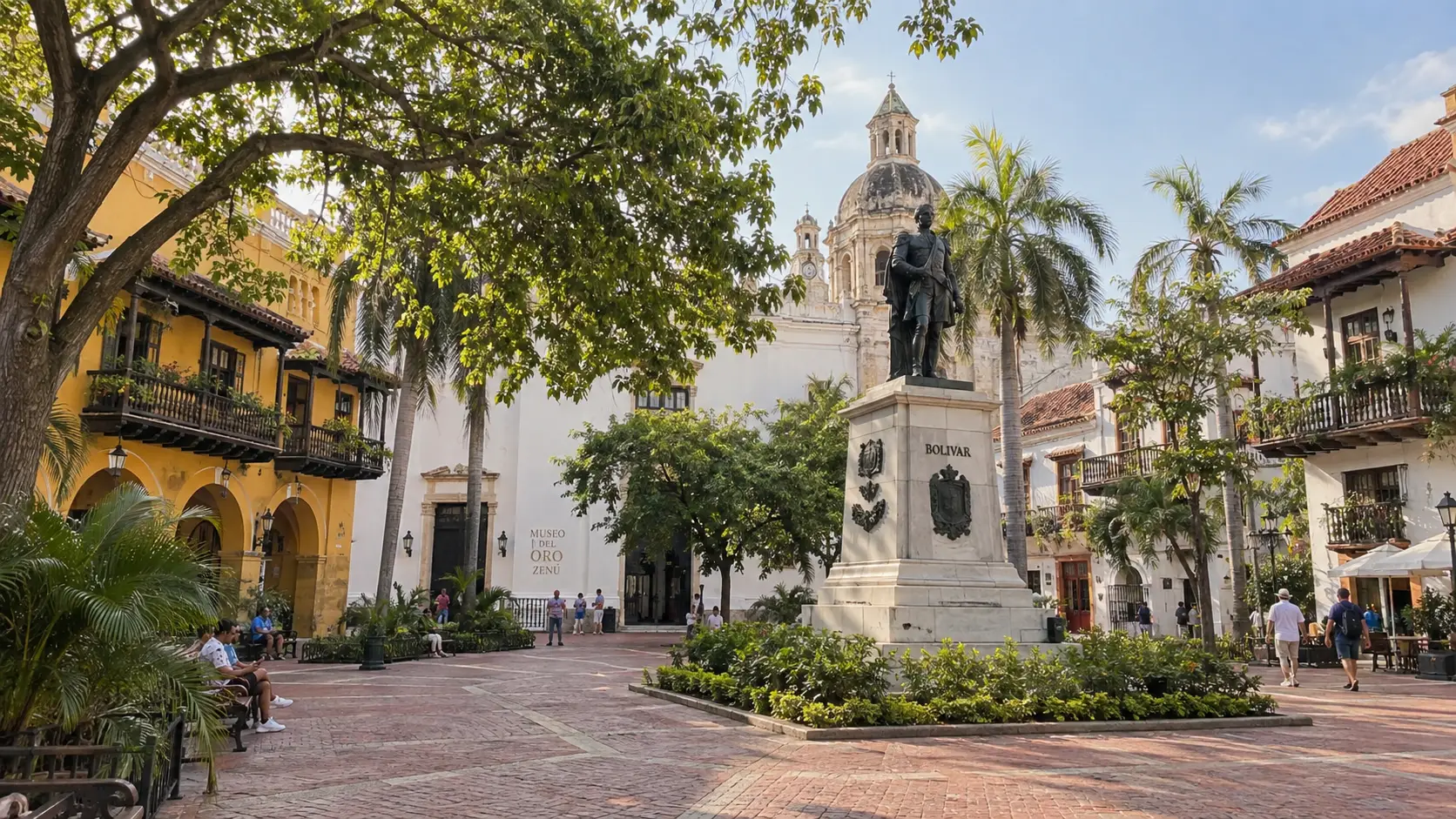
4. Pair the Zenú Gold Museum with Plaza de Bolívar
The Museo del Oro Zenú focuses on the region’s Indigenous metalwork, water management, environment, and cultural continuity. Its renewed exhibitions present thousands of years of life between land and water, as the Banco de la República museum page explains.
This is an excellent compact indoor stop near Plaza de Bolívar, especially during the hottest part of the day. Check same-day opening hours and admission information because museums can close on particular weekdays or holidays.
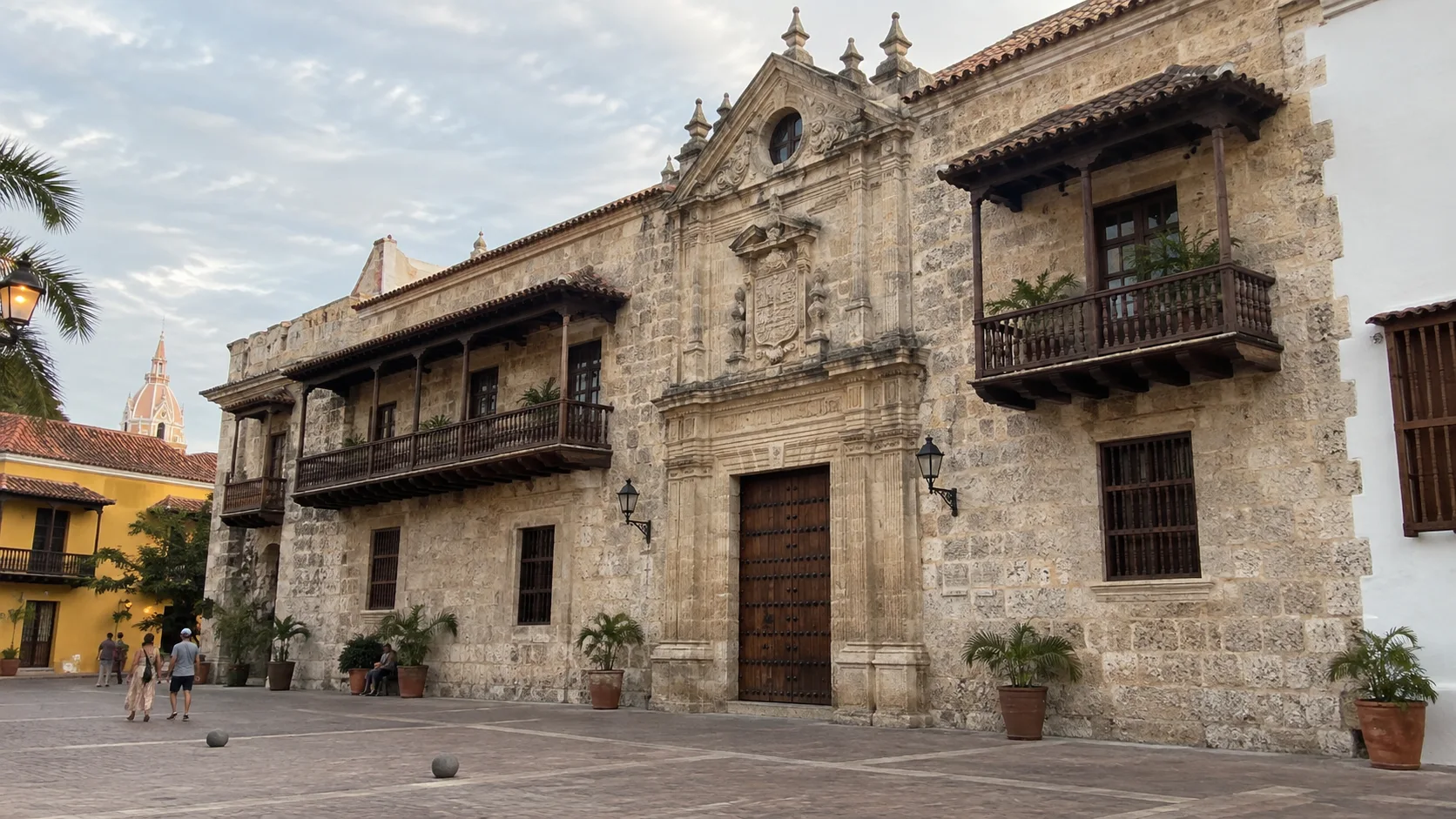
5. Decide whether the Palace of the Inquisition fits your interests
The Palacio de la Inquisición houses Cartagena’s historical museum in a major colonial building. Exhibits address the city and the Inquisition, but the subject is serious and deserves more than a hunt for sensational objects.
Choose it if you want political, religious, and social history, or admire the exterior and spend limited time elsewhere. Families should review current exhibit content and accessibility before purchasing tickets.
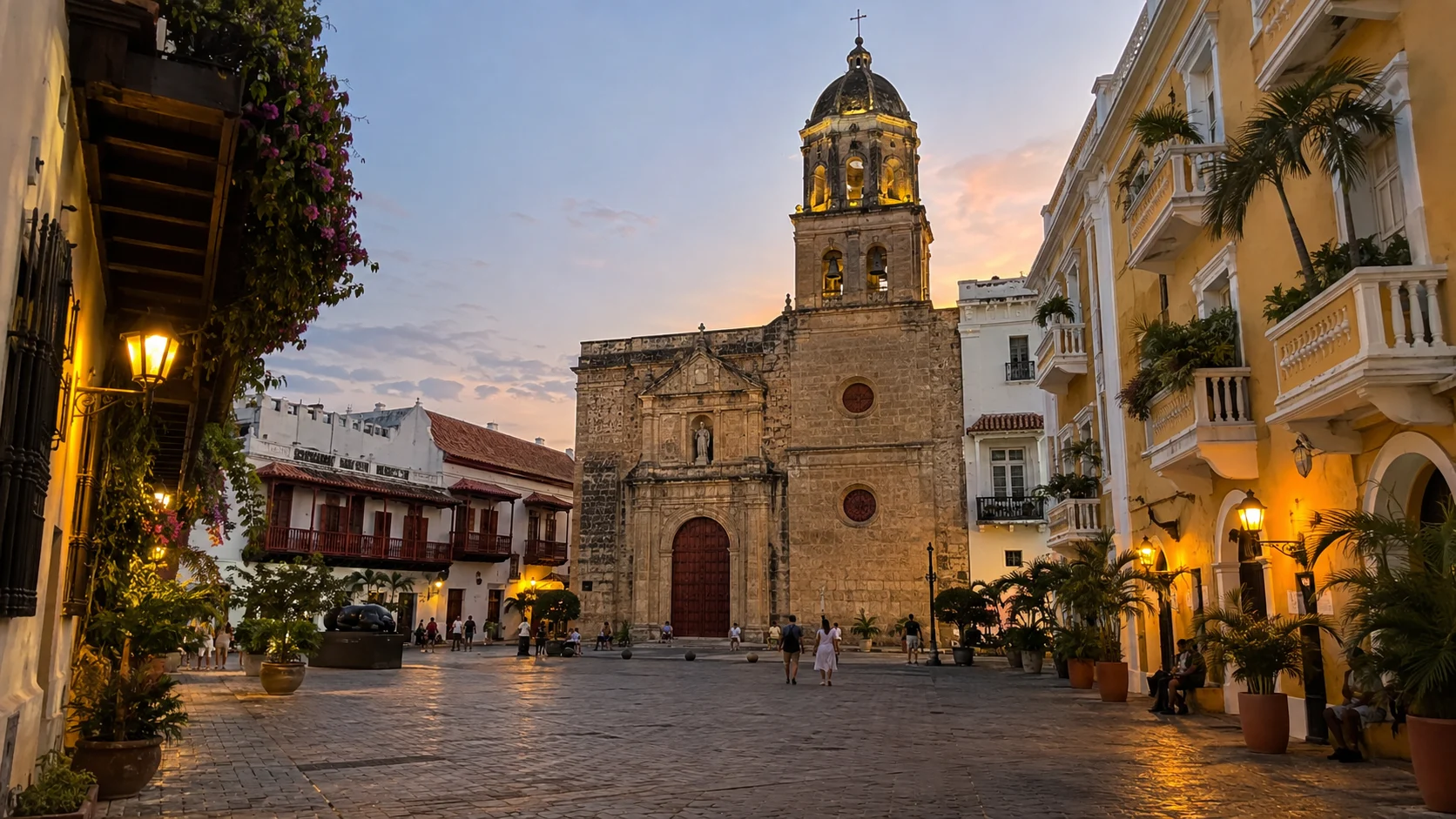
6. Visit the Sanctuary of Saint Peter Claver thoughtfully
The church, sanctuary, and former Jesuit spaces are tied to Peter Claver and Cartagena’s history as a major slave-trading port. This is an appropriate place to confront that history rather than letting bright façades soften the human story.
Check worship schedules, dress respectfully, and keep voices and photography unobtrusive. It pairs naturally with Plaza de la Aduana and the waterfront without adding another vehicle transfer.
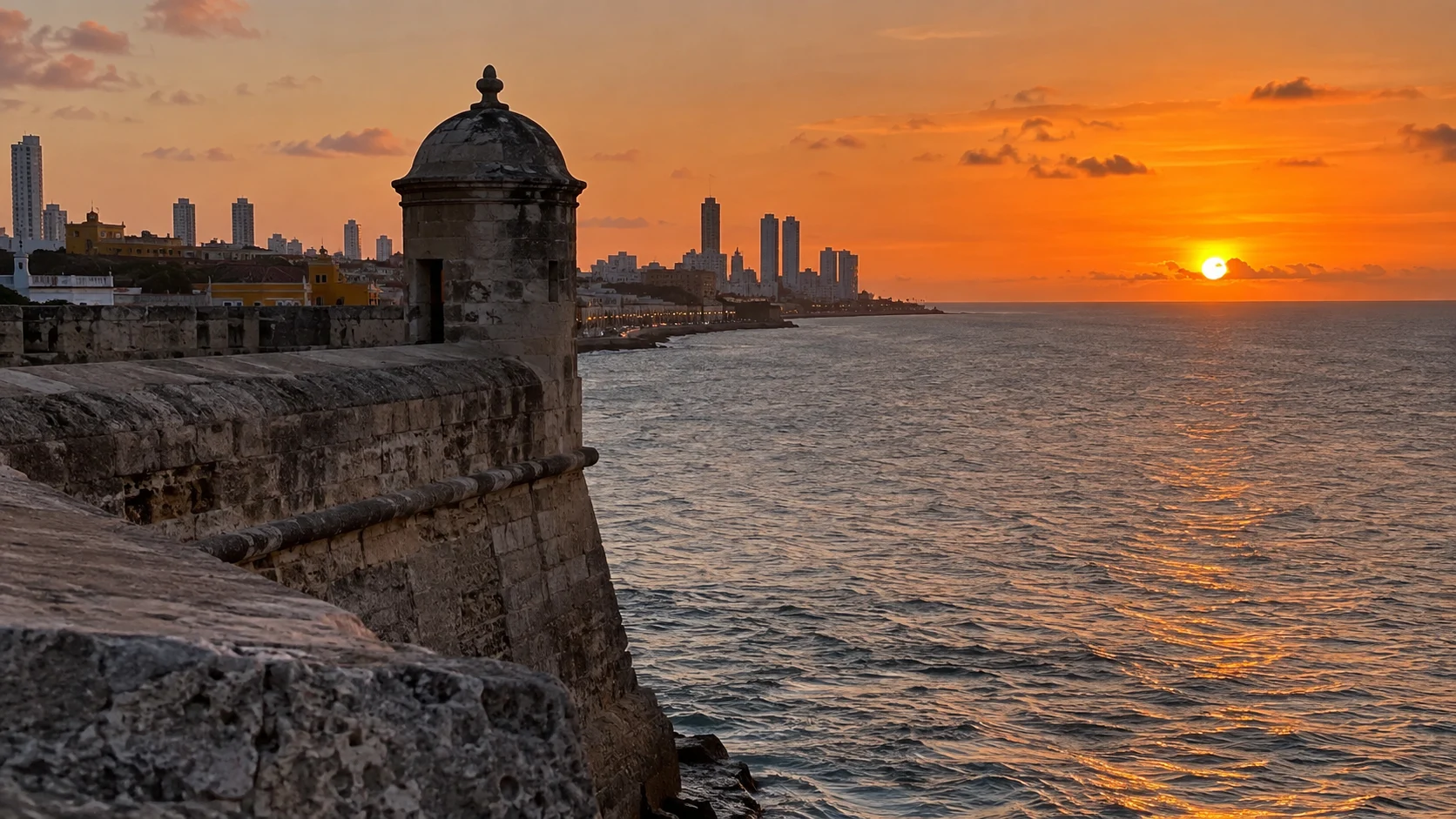
7. See the walls at sunset, with a backup
The walls give broad views of the sea, rooftops, and modern skyline, and late afternoon brings softer light. Sunset is also popular, hot, and weather-dependent, so avoid building a nonrefundable evening around a perfect sky.
Wear stable shoes and stay aware near steps, edges, and traffic crossings. A shaded plaza or early dinner makes a perfectly respectable backup when rain or fatigue wins.
8. Choose the Rosario Islands only when you have a full day
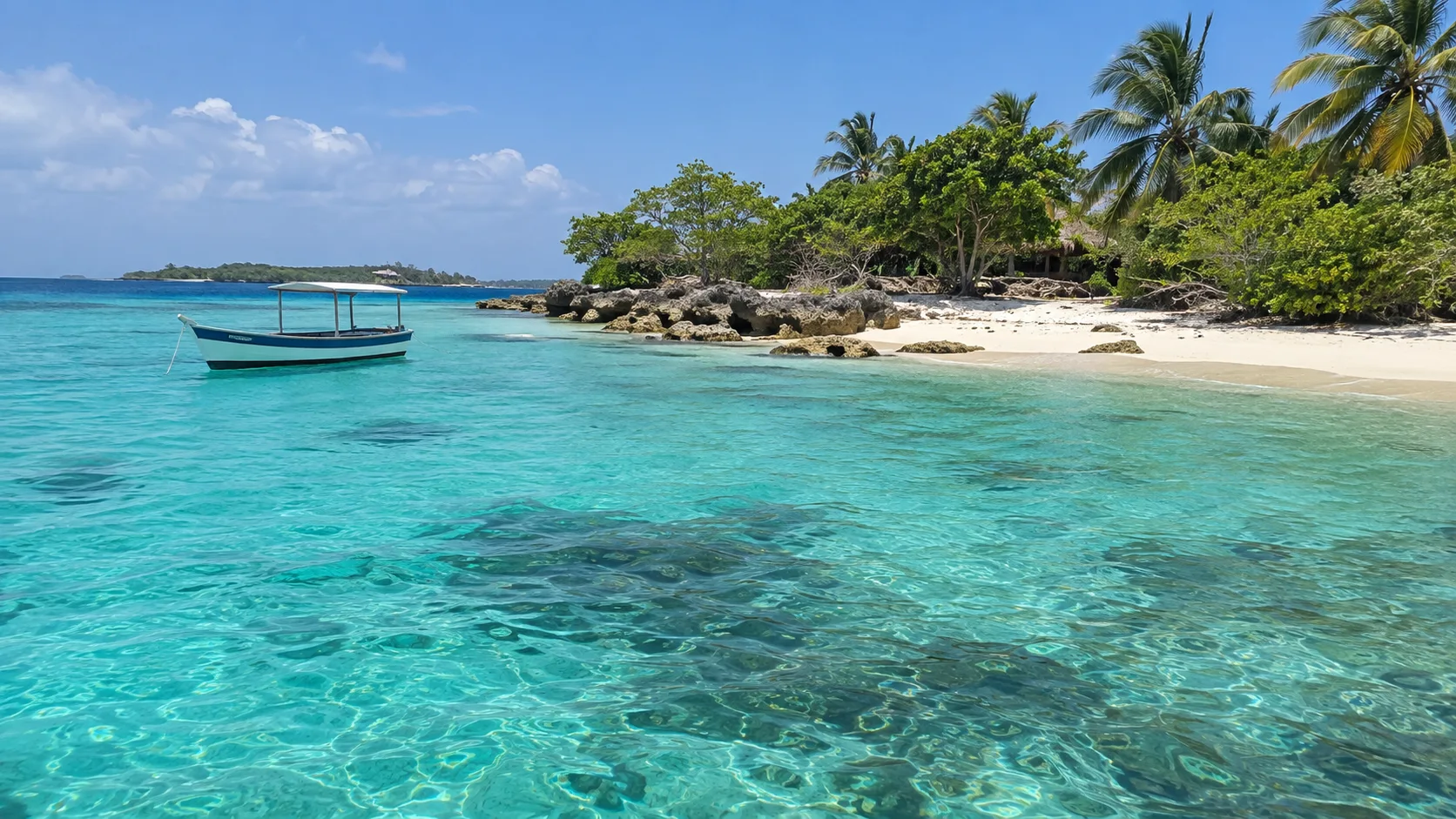
Corales del Rosario and San Bernardo National Natural Park protects coral reefs, seagrass, mangroves, and other coastal and marine ecosystems. The current national park page describes a 120,000-hectare protected area, roughly 463 square miles.
A responsible island day needs an authorized operator, named dock, written fees, life jackets, passenger limits, and a clear return. Maritime authorities can restrict departures in unsafe wind or waves, so cancellation may be the correct call.
Ask about the vessel, crossing time, landing place, and whether snorkeling is guided. Never stand on coral, touch wildlife, collect shells, or accept a vague “five islands” promise without a stop list.
I would not book this independently during a routine cruise call. A city day has fewer failure points, while hotel guests can move the islands outing to the best marine-weather day.
9. Consider La Popa for the view, not as an automatic stop
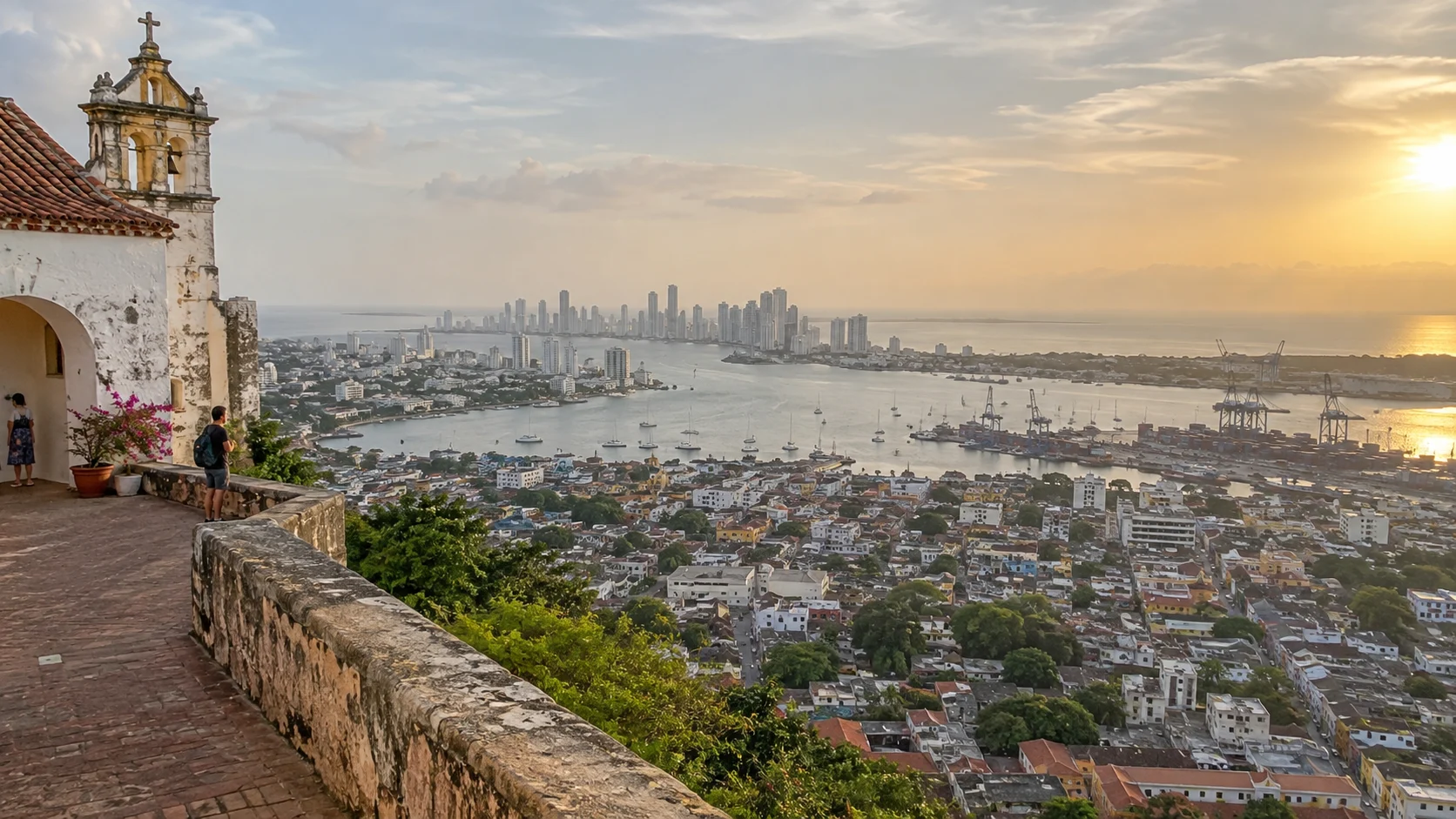
Convento de la Popa occupies a high point above Cartagena and can provide wide city and harbor views. It requires road transport, adds a climb or vehicle dependency, and competes directly with museum or neighborhood time.
Add it to a private city tour if the viewpoint and religious site matter to you. Skip it on a short call when San Felipe and the Old City already fill the day well.
What I would skip on a first short visit
Totumo Mud Volcano is outside Cartagena and consumes road time that a first-time visitor could use in the historic city. The experience also depends heavily on the operator, crowd level, changing areas, payment expectations, and whether being handled in mud sounds relaxing to you.
Playa Blanca can be attractive, but travel time, crowds, sellers, and service pricing make it a deliberate beach day. Bocagrande is convenient, yet it is not a substitute for the Rosario Islands if snorkeling is the goal.
Bazurto Market is important to Cartagena’s food system, but it is intense, sprawling, and not a casual independent first stop. Visit with a reputable local food guide if the market is a priority.
A realistic Cartagena cruise-day plan
For about five usable hours
Take authorized transport directly to the Clock Tower or San Felipe, depending on your mobility and heat tolerance. Spend three focused hours walking the Walled City, choose one indoor stop, eat something simple, and return with a generous traffic and security margin.
For seven or more usable hours
Start at San Felipe, transfer to Getsemaní, then walk into the Walled City for lunch, a museum, and the walls. This sequence limits backtracking and keeps the final portion close to easy vehicle pickup points.
A call printed as eight hours is not eight hours of sightseeing. Apply the timing buffers in these first-time cruise tips, including on Panama Canal cruise itineraries that pair the canal with Cartagena.
A three-day Cartagena plan
- Day 1: Guided Walled City walk, Zenú Gold Museum, San Pedro Claver, lunch, rest, and a later wall walk.
- Day 2: Castillo San Felipe early, Getsemaní, a food experience, and an unhurried evening.
- Day 3: Rosario Islands in suitable marine weather, with a city or museum backup.
With a fourth day, add La Popa, a cooking class, more museum time, or a slow neighborhood meal instead of another checklist sprint. Cartagena improves when the midday break is treated as planning, not defeat.
Booking transport and tours
For road trips, arrange pickup through the cruise terminal, hotel, attraction, or a known app or dispatcher rather than hailing an unknown car on the street. Confirm destination, fare method, currency, and pickup point before the vehicle moves.
Tourism providers that are required to register in Colombia should have a current Registro Nacional de Turismo, or RNT. Ask for the legal business name and registration number, then verify it through the Ministry of Commerce, Industry, and Tourism.
For island boats, confirm the dock, vessel, insurance, life jackets, passenger limit, fees, cancellation terms, and weather policy. “Lunch included” does not mean every drink, chair, snorkel, transfer, and tax is included.
Heat, money, and street interactions
Wear breathable clothing, a hat, sunglasses, and shoes that handle stone, ramps, and sudden rain. Carry water and use sunscreen, then borrow the compact day-bag logic from this cruise packing list.
Colombian pesos are the cleanest basis for comparing prices. Ask for an itemized amount before accepting food, drinks, chairs, massages, photos, tours, or services, and decline clearly before anyone begins.
Keep phones and jewelry discreet, split payment methods, and use indoor or protected ATMs. A polite “no, gracias” followed by continued walking usually works better than turning every sales pitch into a committee meeting.
Current safety and entry checks
As of March 31, 2026, the U.S. State Department rates Colombia Level 3, Reconsider Travel, because of crime, terrorism, civil unrest, kidnapping, and natural disasters. Cartagena is not in the advisory’s named Level 4 departments, but travelers should still read the full current Colombia advisory, avoid demonstrations, keep a low profile, and monitor local news.
The same official source advises using a dispatched taxi or car-service app rather than hailing a street taxi and keeping wealth out of view. Emergency services in Colombia use 123.
Air travelers should verify passport, onward-ticket, visa, and free Check-Mig requirements for their citizenship and complete route. Cruise passengers should follow the cruise line’s document instructions without assuming the rules for a round-trip sailing apply to a flight or hotel stay.
Frequently asked questions
Can I walk from the Cartagena cruise port to the Old City?
The historic center is not beside the terminal, and walking sacrifices time while exposing you to heat and an unhelpful route. Use authorized transport, then walk once inside the historic area.
Is one day enough for Cartagena?
One day covers San Felipe and a focused Walled City route, or the Walled City at a gentler pace. It does not comfortably cover those sights plus La Popa, beaches, and the Rosario Islands.
Are the Rosario Islands worth it?
Yes for travelers with a full day, suitable sea conditions, and a well-defined operator. They are a weaker choice for short cruise calls, motion-sensitive guests, or anyone expecting empty beaches from a heavily marketed group tour.
How many days should I spend in Cartagena?
Three nights allow one historic day, one fort and neighborhood day, and one flexible island or city day. Four or five nights are better if you want slower meals, nightlife, or weather flexibility.
My practical pick
On a first cruise call, I would book a reputable city guide, start at San Felipe, and finish inside the Walled City with one museum and a proper lunch. For a hotel stay, I would add Getsemaní at a slower pace and reserve the Rosario Islands for the calmest available day.
Cartagena does not need every distant excursion to justify the trip. Its strongest day is already waiting inside a compact route of fortifications, plazas, museums, food, and stories that deserve more attention than a hurried balcony photo.