12 Cheapest Destinations in South America for Value
The cheapest destinations in South America are not always in the cheapest countries. A city with a $25 room can be poor value if reaching it takes two flights, an overnight bus, and an expensive tour, while a pricier capital may win with cheap transit and dozens of free things to do.
What “cheap” means in this guide
This guide compares destinations and routes, not vague country averages. Use it to find the places where your airfare, ground transportation, lodging, food, and sightseeing can work together.
No honest travel writer can crown one permanent cheapest city. Exchange rates, inflation, flight schedules, local holidays, weather, and political events can reorder the list quickly.
Instead, these destinations offer strong potential value for independent travelers who book simple lodging, eat some local meals, and use public transportation carefully. A destination earns its place through a useful combination of affordable daily life and experiences worth the journey.
If you want a country-level starting point, our comparison of lower-cost South American countries asks a broader question. This article zooms into cities and practical routes, where your real trip budget is decided.
1. Buenos Aires, Argentina
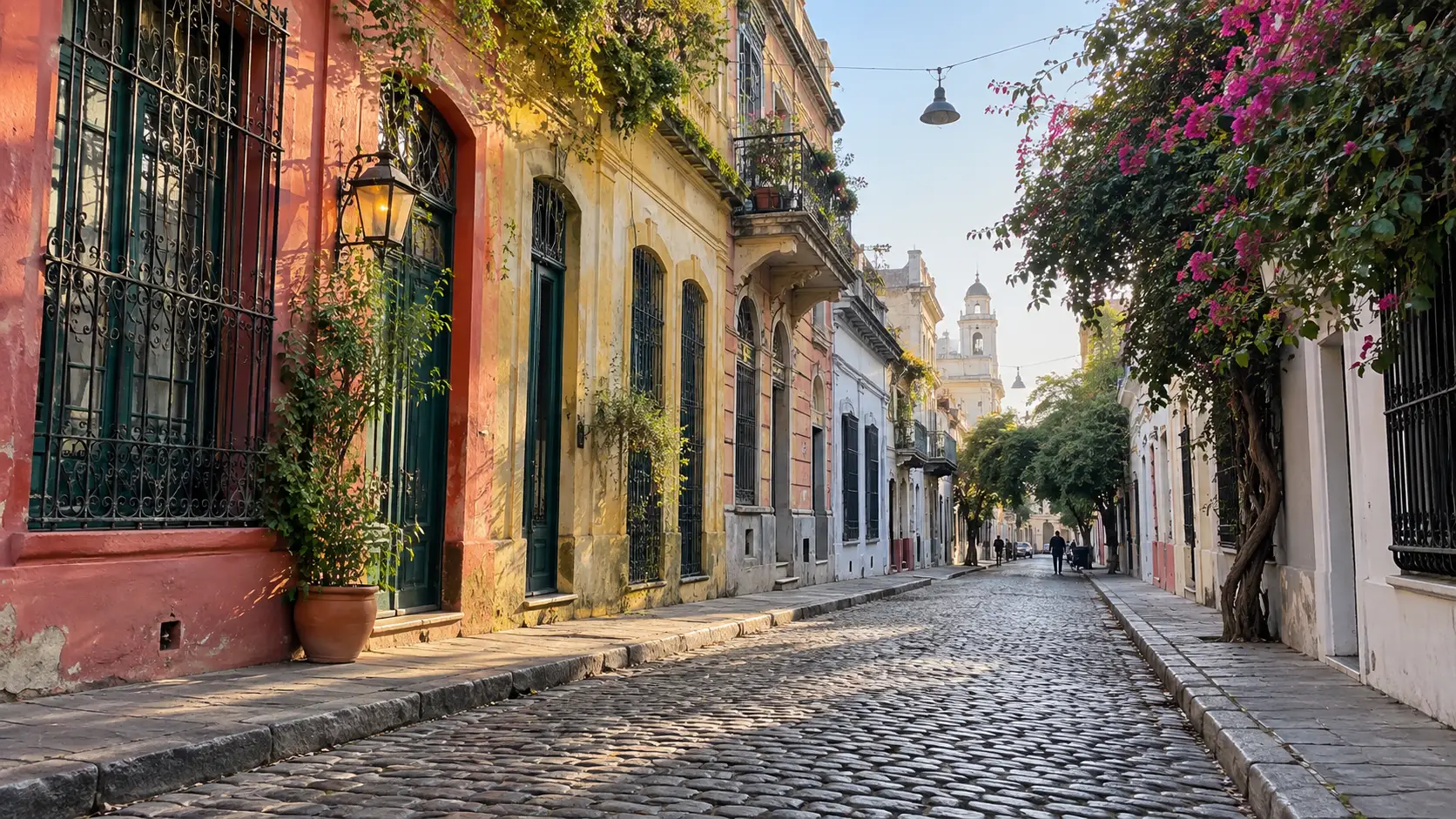
Buenos Aires can deliver remarkable city value because walking, public transit, parks, architecture, neighborhood wandering, and long café breaks fill a day without a required tour. International flight competition can also make it a practical gateway compared with smaller South American cities.
The catch is price volatility. Argentina’s inflation, exchange rules, and card or cash conversion arrangements can change, so a cost quoted in an old post may be useless by the time you arrive.
Choose one walkable neighborhood base near transit rather than chasing the lowest room at the edge of the city. Palermo, Recoleta, San Telmo, and the central districts offer different tradeoffs in nightlife, atmosphere, and access.
Free pleasures include plazas, markets, architecture, parks, and self-guided neighborhood walks. Paid tango shows and polished steak dinners can raise the budget quickly, but neither is required to enjoy the city.
Best route: Stay four or five nights, then continue by domestic flight or overnight bus only if the next destination adds enough value to justify Argentina’s vast distances.
Our Buenos Aires port and city guide is useful even for non-cruisers because it breaks down neighborhoods and major sights near the waterfront.
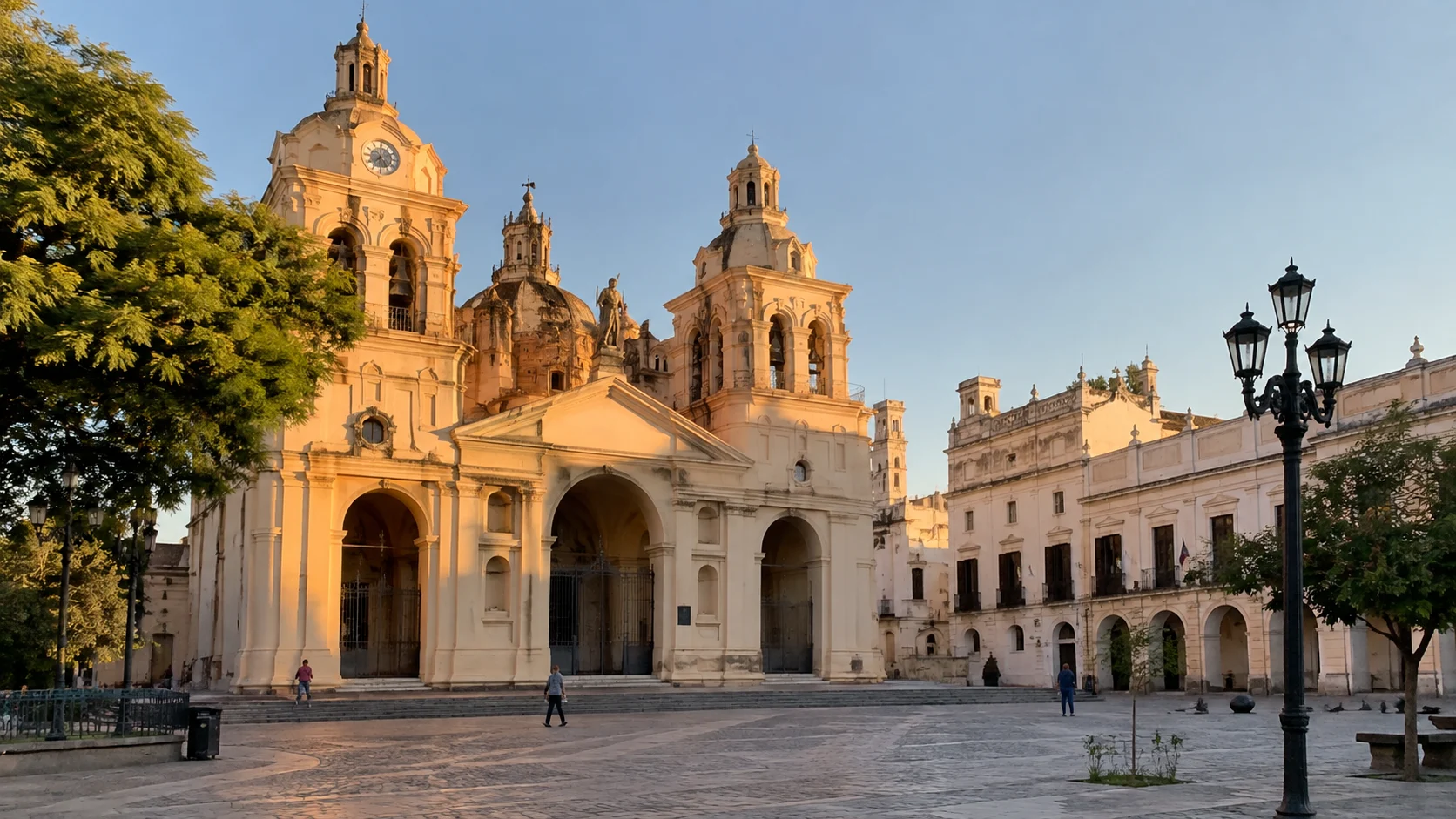
2. Córdoba, Argentina
Córdoba offers a busy university-city rhythm, colonial-era architecture, and a strong food and nightlife scene without requiring Buenos Aires prices at every turn. The compact center supports inexpensive days built around churches, plazas, markets, and museums.
Its main budget advantage appears when it fits a larger Argentina route. A special international connection solely to visit Córdoba may erase the savings, while a bus or domestic flight from Buenos Aires can make sense for a longer stay.
Use the city as a base for nearby towns only after pricing the excursion or rental car. A low room rate does not automatically make daily private transportation cheap.
Best route: Pair three city nights with a few nights in the surrounding hills, then continue north toward Salta if your schedule supports the distance.
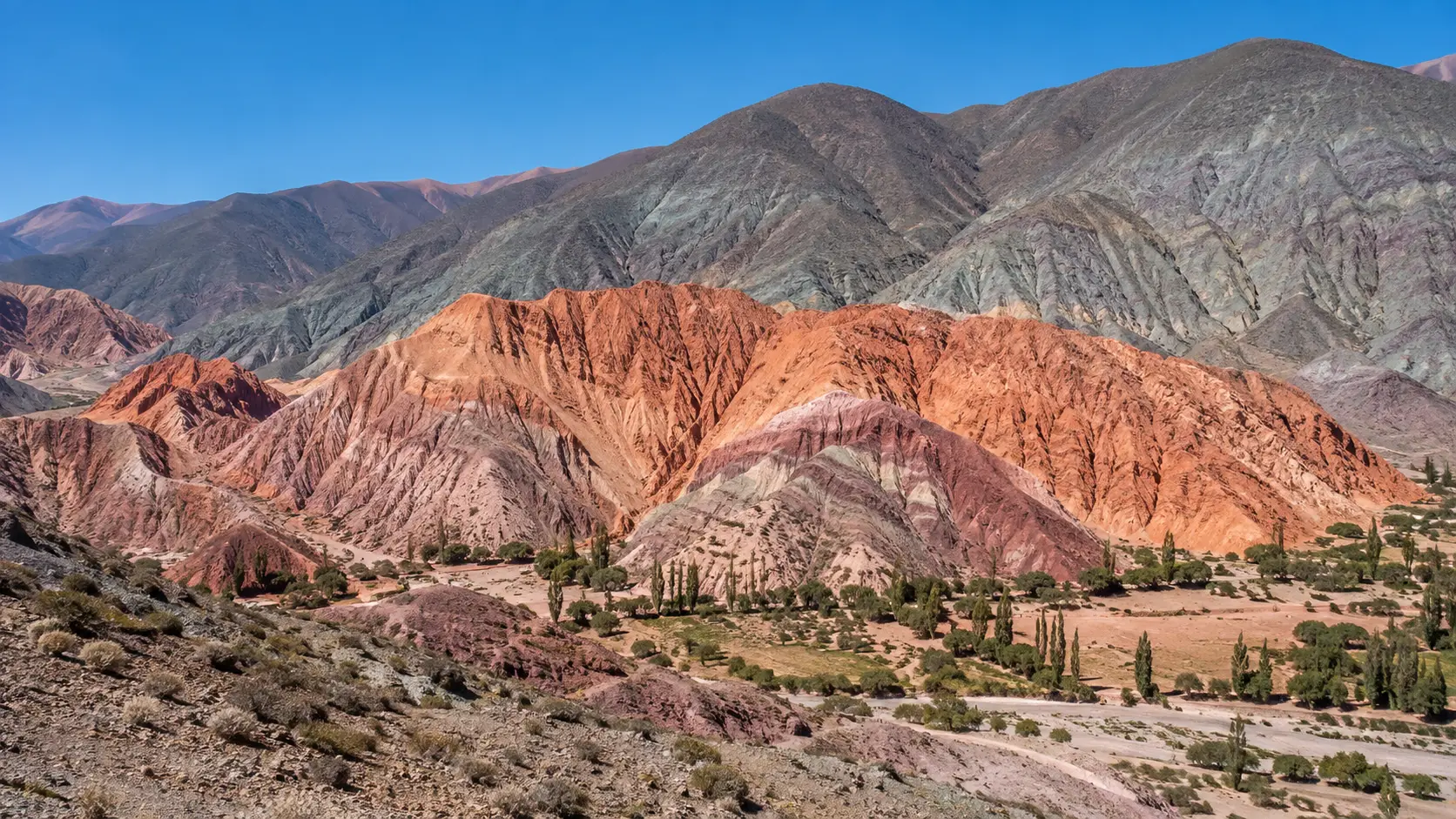
3. Salta and Jujuy, Argentina
Northwestern Argentina can feel like several trips in one, with Salta’s handsome center, high desert, colorful rock formations, mountain valleys, and Andean villages. Food and simple lodging may be good value, especially when shared transportation costs are controlled.
The expensive mistake is imagining every photographed valley sits beside Salta. Reaching places such as Purmamarca, Tilcara, Cafayate, or the higher landscapes requires time, fuel, buses, a rental car, or organized tours.
Pick one direction rather than zigzagging across the region. Stay in Salta for the city, then move to a second base for two or three nights so each scenic day does not begin with the same long transfer.
Best route: Fly or bus to Salta, explore one regional loop, and depart from the same gateway unless an open-jaw ticket saves meaningful backtracking.
American travelers should review the State Department’s current Argentina entry and safety information before booking. Financial conditions and local procedures deserve a fresh check close to departure.
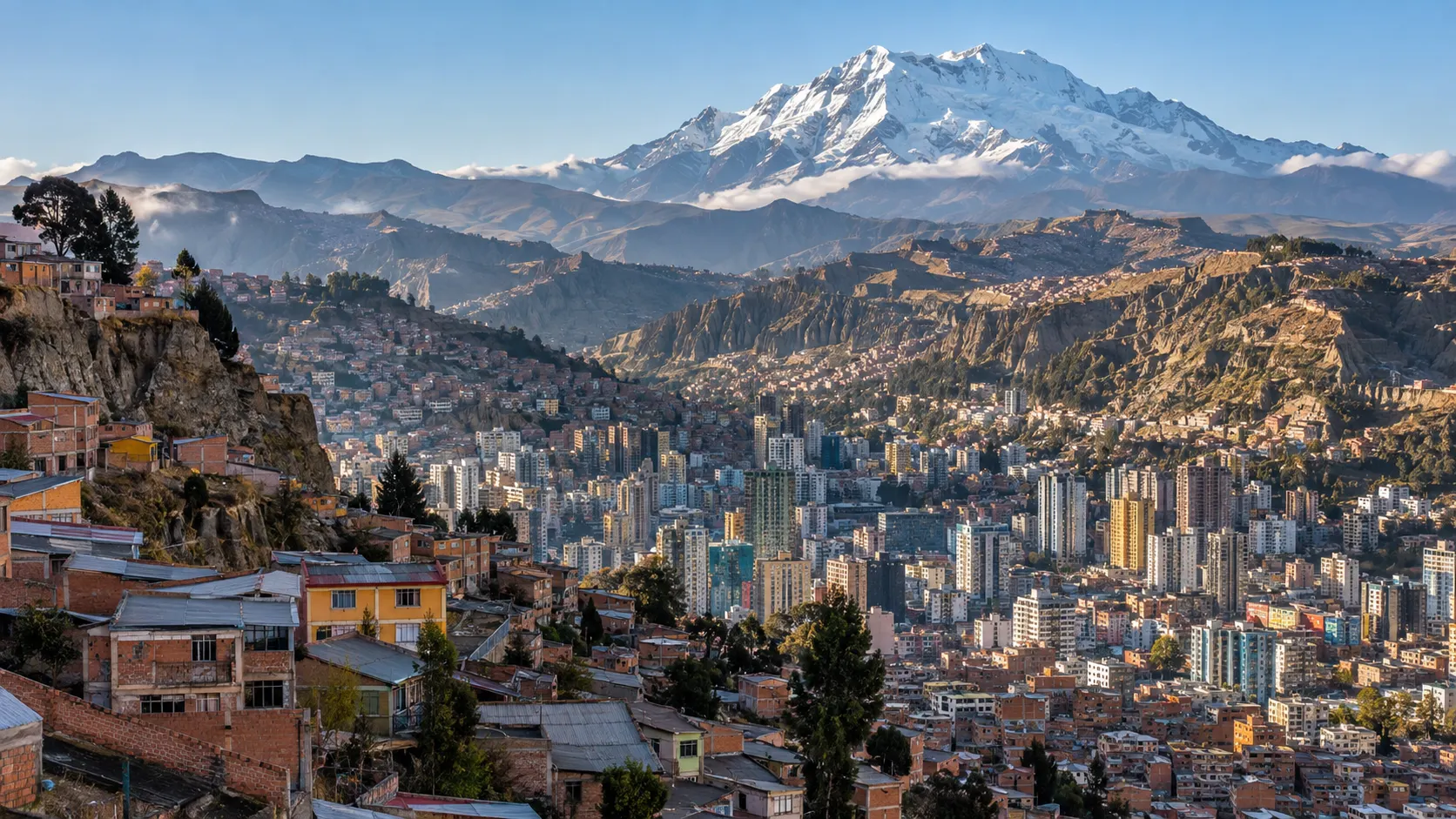
4. La Paz, Bolivia
La Paz is one of the continent’s most visually extraordinary lower-cost capitals, with markets, dramatic topography, and cable cars that double as transportation and sightseeing. Simple meals and locally oriented lodging can keep daily costs manageable.
The city sits at very high altitude, with central elevations around 12,000 feet. Landing and immediately scheduling an intense hike, overnight bus, or full-day excursion is a false economy if your body needs rest.
Budget two easy arrival days, choose lodging with reliable heat and hot water, and drink safe water regularly. Anyone with medical concerns should discuss altitude travel with a qualified clinician before the trip.
Best route: Begin slowly in La Paz, add Lake Titicaca or another nearby destination, and avoid stacking multiple overnight buses simply to save on rooms.
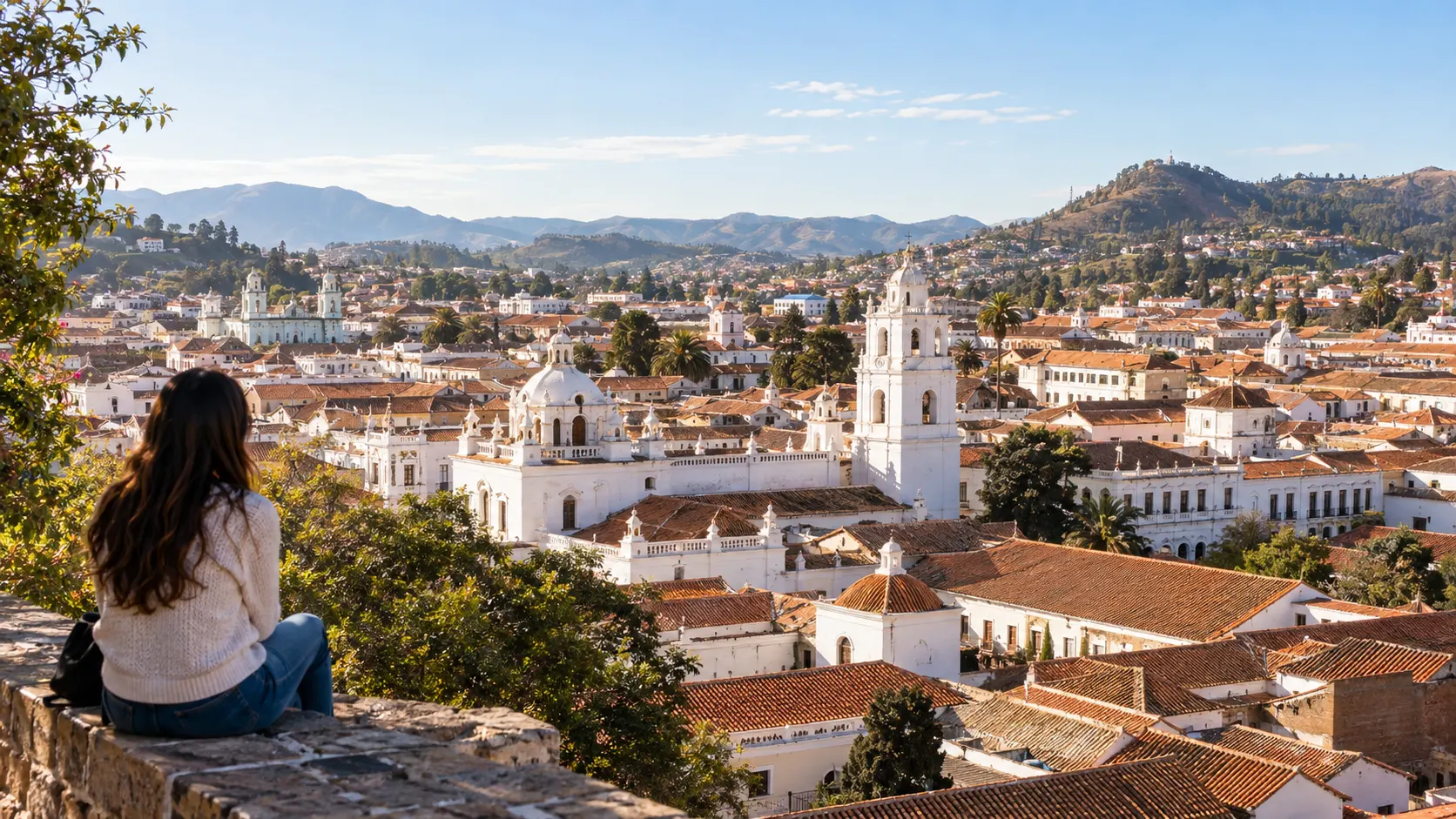
5. Sucre, Bolivia
Sucre is a strong choice for travelers who want to settle in rather than race onward. Whitewashed architecture, courtyards, markets, museums, Spanish lessons, and café time can support an affordable week without constant paid activities.
UNESCO recognizes the historic city for its preserved religious architecture and blend of local and European traditions. The center’s concentration of sights means walking can replace taxis on many days.
Access is the tradeoff. Compare a domestic flight with a long bus from La Paz, and remember that the cheapest overnight seat may cost you the following day in energy.
Best route: Give Sucre at least four nights, especially if you plan language classes, so the extra transfer buys a real stay rather than one rushed afternoon.

6. Uyuni and the salt-flat route, Bolivia
Uyuni is often placed on cheap-destination lists, but the town itself is not the main reason to go. Most travelers are budgeting for a guided salt-flat and high-desert trip, which makes this a packaged-experience cost rather than a low daily city cost.
A multi-day shared tour can still deliver impressive value because transportation, basic lodging, meals, and a guide may be bundled. The lowest quote is not automatically the best choice when vehicles, driver rest, emergency equipment, warmth, and food safety matter.
Ask exactly what is included, how many passengers share the vehicle, what sleeping conditions are like, and how weather changes the route. Carry enough warm layers for cold high-elevation nights even when the departure city feels sunny.
Best route: Combine Uyuni with La Paz or Sucre, and allow a buffer around buses, trains, flights, and tours because remote transport is vulnerable to disruption.
Bolivia’s current rules and safety conditions should come from the State Department’s official Bolivia travel guidance, not an old forum answer. Requirements for children and overland movement deserve particular attention.
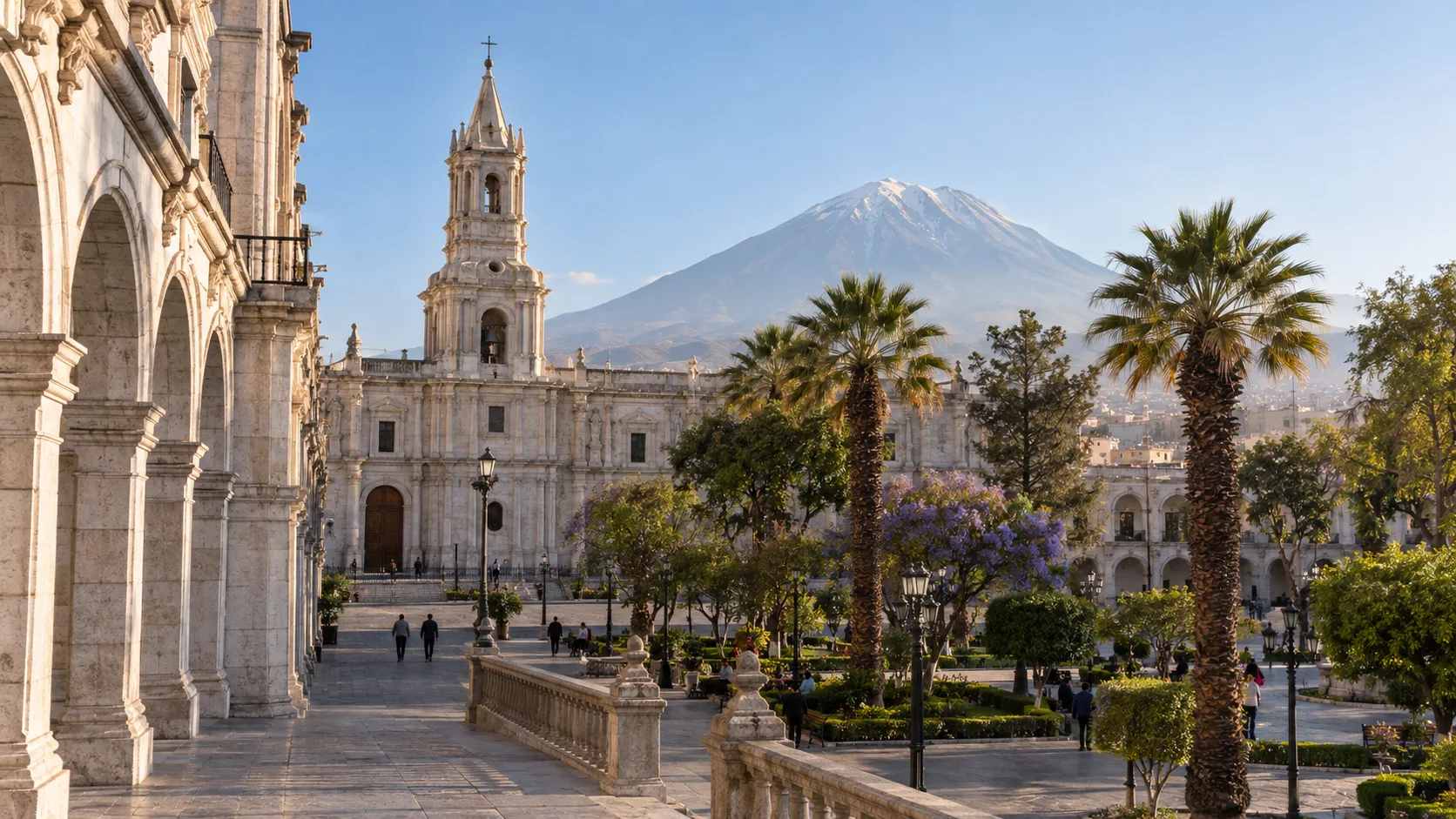
7. Arequipa, Peru
Arequipa combines an impressive historic center, strong regional food, sunny courtyards, markets, and volcanic scenery. It can fill several modest-cost days before you spend anything on a canyon trip.
Colca Canyon is a separate budget decision. Transport, guide, park fees, lodging, early departures, and the physical demands of hiking can make that side trip cost more than your days in the city.
Travelers arriving from Lima can compare a domestic flight with a long bus, while those continuing to Puno can make Arequipa part of a logical southern route. Avoid retracing huge distances merely because each individual ticket looks cheap.
Best route: Spend three nights in Arequipa, then add Colca only if the scenery is a priority and you have priced the complete outing.
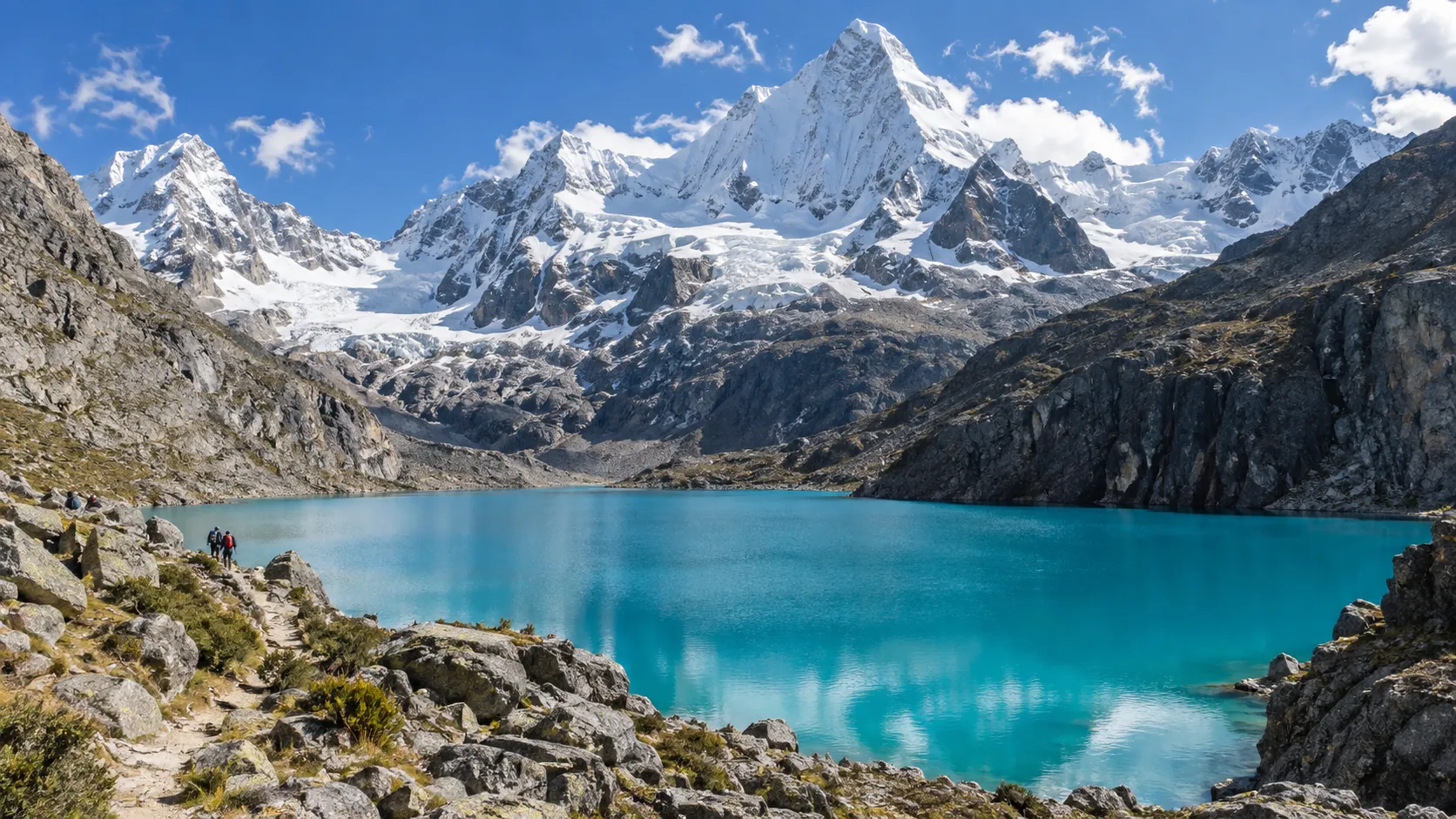
8. Huaraz, Peru
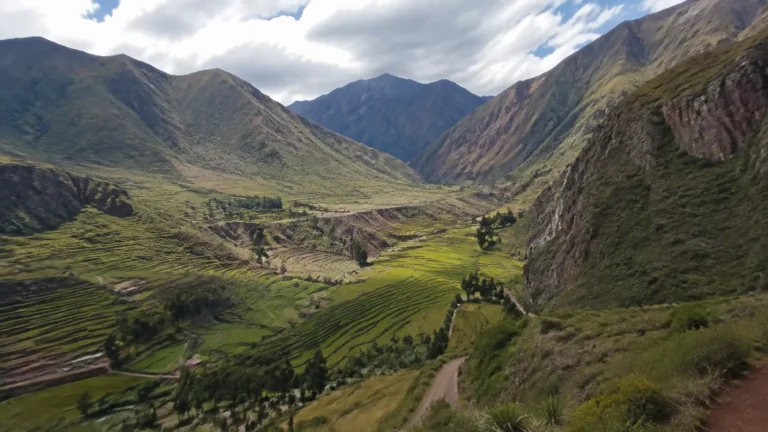
Huaraz is a gateway to remarkable mountain scenery and can be good value for hikers who use the city as a base. Shared day tours and simple guesthouses may cost less than comparable alpine experiences elsewhere.
The mountains are not a free city park, and the altitude is serious. Park admission, guides, transportation, equipment, weather delays, and acclimatization days belong in the budget.
Huaraz is commonly reached overland from Lima, making it most efficient as a focused out-and-back segment. Travelers who dislike long buses should price the entire journey before assuming the city is a bargain.
Best route: Stay at least four nights, begin with a gentle acclimatization day, and choose hikes by current conditions and ability rather than social-media fame.
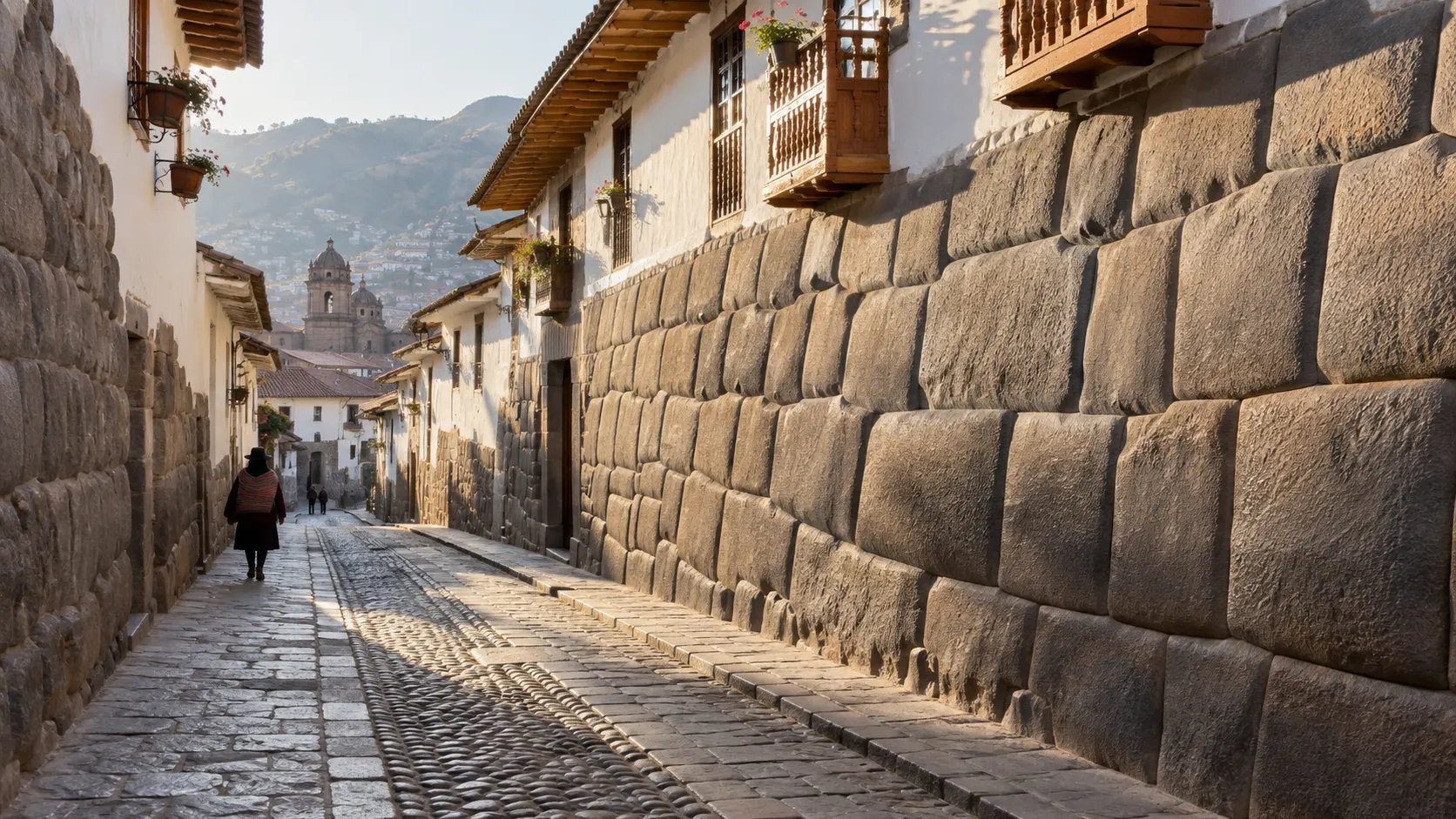
9. Cusco with a controlled itinerary, Peru
Cusco is not automatically cheap because demand, premium tours, destination dining, and Machu Picchu logistics can make it one of Peru’s easiest places to overspend. It belongs here because a careful traveler can still get excellent value from the city’s markets, neighborhoods, architecture, and nearby sites.
Choose accommodations slightly outside the most photographed blocks but close enough to walk safely. Eat a mix of market meals, neighborhood menus, and a few special dinners rather than treating every meal as a bucket-list event.
Machu Picchu requires its own transport and ticket calculation, and availability can control the route. Never book flights around an assumed entrance time before confirming current official ticket and train arrangements.
Best route: Allow acclimatization in Cusco, group Sacred Valley nights together, and avoid repeated taxis or transfers across the same corridor.
The State Department’s Peru travel page contains current entry rules and location-specific safety guidance. Our detailed Paracas planning guide can help if you want to add a coastal stop without automatically defaulting to Cusco.
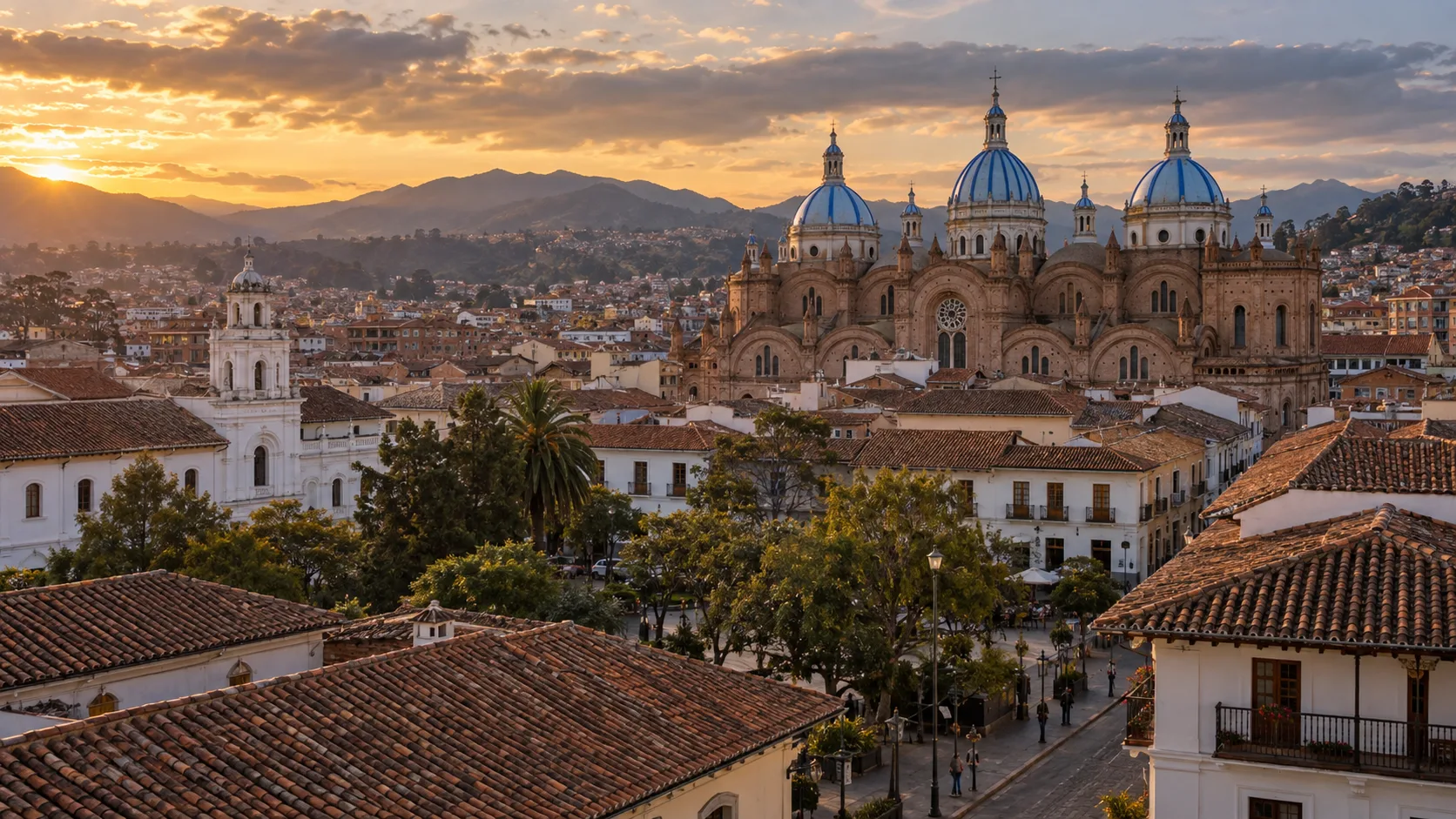
10. Cuenca, Ecuador
Cuenca is one of the easiest places on this list to enjoy slowly. A walkable historic center, markets, riverside paths, museums, and cafés let travelers build affordable days without booking a new excursion every morning.
Ecuador uses the U.S. dollar, which removes exchange-rate arithmetic for American visitors but does not make every neighborhood or service cheap. Lodging value depends on location, noise, hot water, and whether breakfast or laundry is included.
Getting there is the important calculation. A domestic flight can save time, while a bus may cost less but consume much of a day depending on your starting point and current road conditions.
Best route: Stay four or more nights and use Cuenca as the restful center of an Ecuador trip rather than squeezing it between long transfers.
Conditions in Ecuador can change by province and route. Check the State Department’s current Ecuador guidance before choosing overland transportation or accommodation.
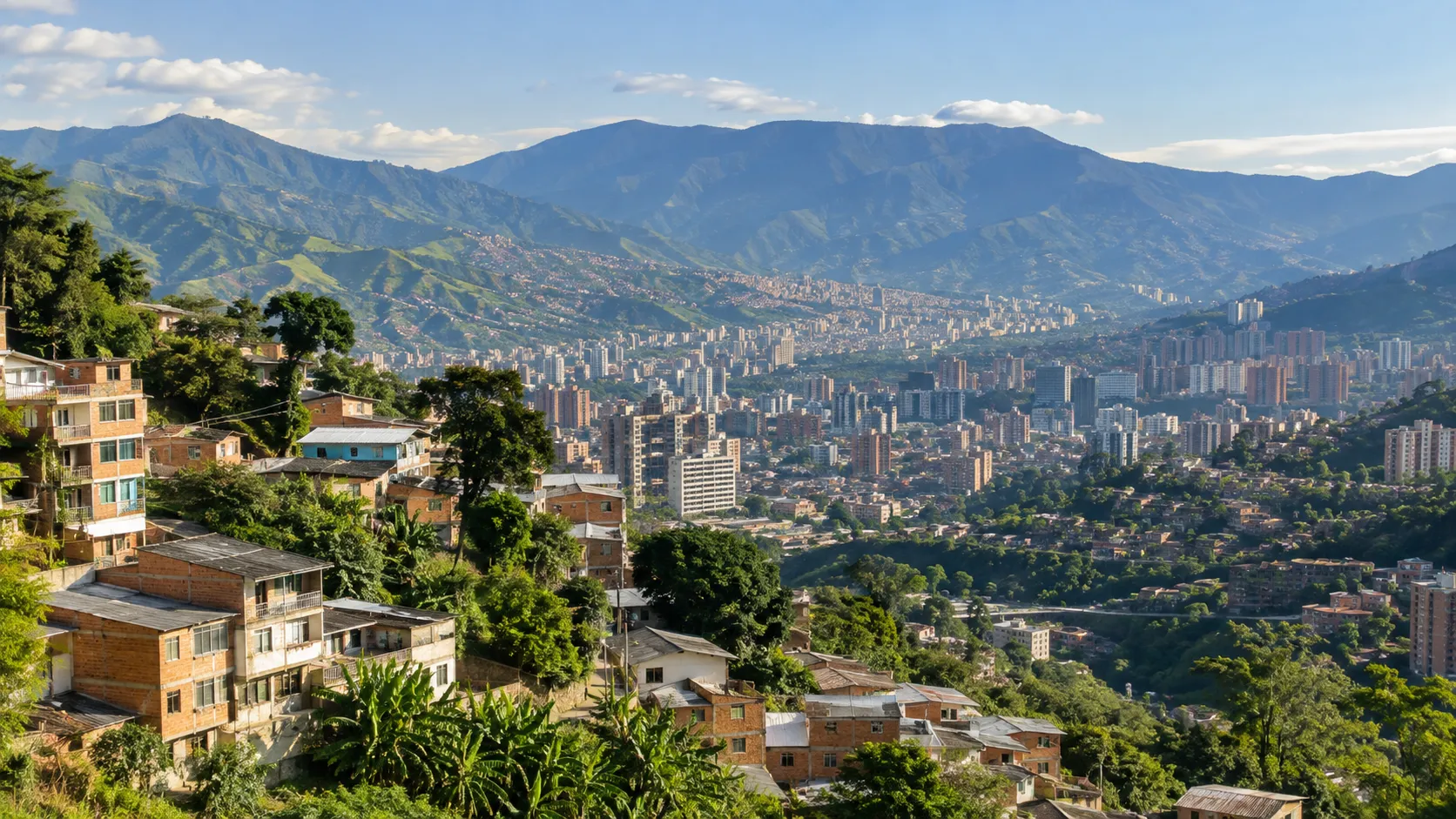
11. Medellín, Colombia
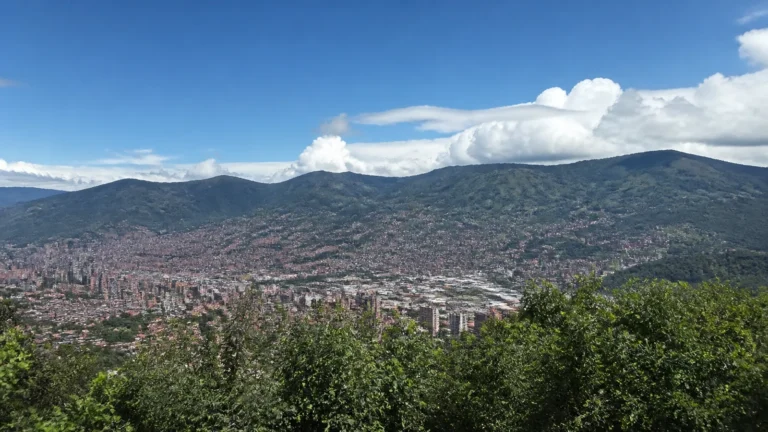
Medellín can offer good urban value through an extensive transit system, neighborhood food, museums, public spaces, and nearby day trips. It also has broad flight connections, which may make access cheaper than reaching a smaller destination.
Popularity has raised prices in traveler-heavy neighborhoods, and the cheapest room may not be well located for your plans. Compare total travel time, nighttime transportation, building security, and recent reviews rather than sorting by price alone.
Do not romanticize safety risks or treat local warnings as fearmongering. Keep dating-app meetings cautious, limit visible valuables, use reputable transportation at night, and follow current local advice.
Best route: Use Medellín as a flight gateway, stay near transit, and add only the day trips that matter instead of paying for a packaged outing every day.
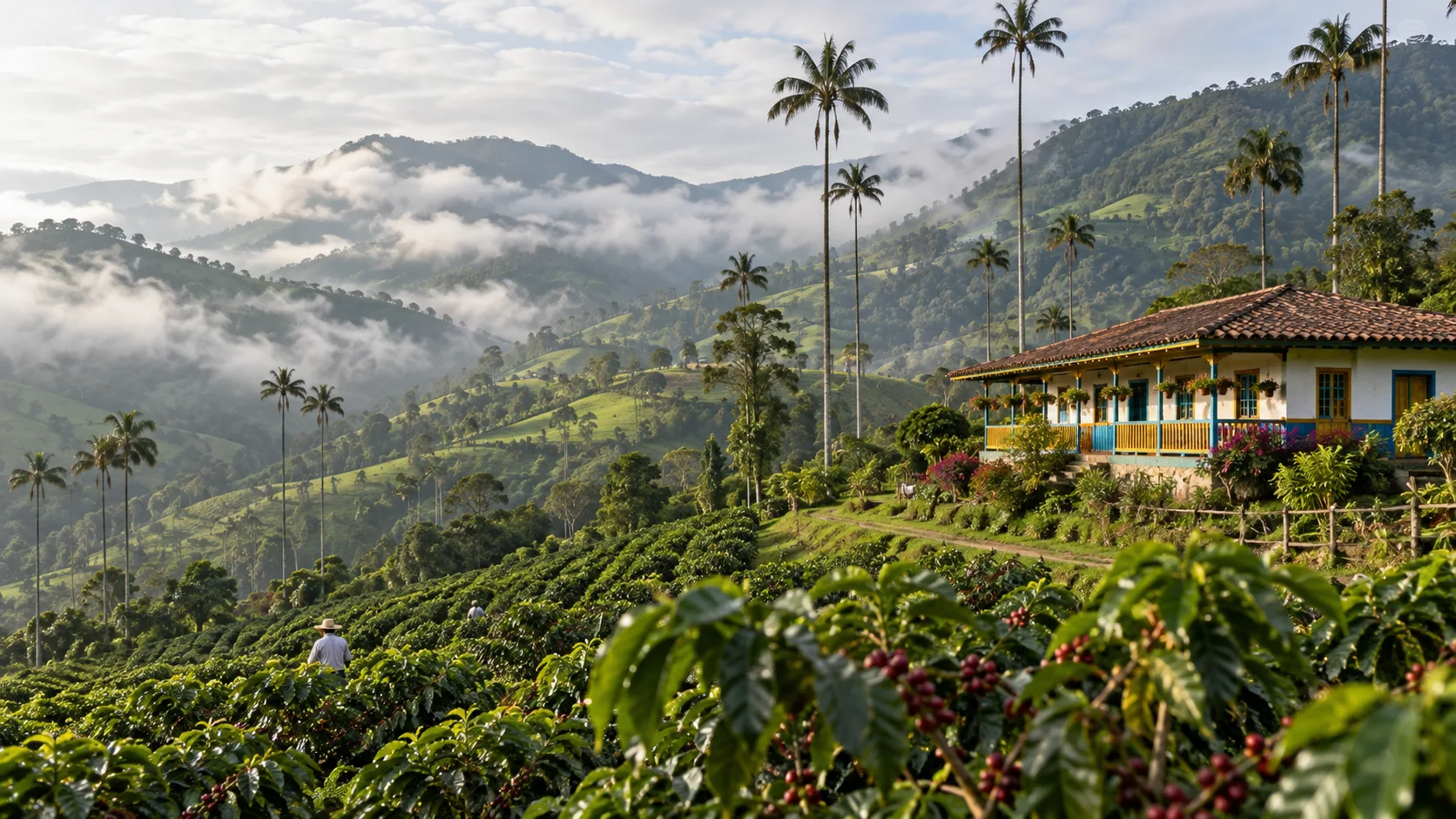
12. Colombia’s Coffee Region
Salento, Filandia, and the wider coffee region pair colorful towns with green hills, farms, and hiking. The daily budget can be gentle, but transfers between airports, bus terminals, towns, and rural stays require coordination.
Salento is popular and not always the cheapest base. Compare nearby towns and confirm whether your lodging sits in town or requires a taxi on every outing.
A coffee-farm visit is worth paying for when it compensates local expertise and teaches more than a quick photo stop. Ask how long the tour lasts, whether transportation is included, and which language is offered.
Best route: Fly or bus into Pereira or Armenia, choose one town as a base, and stay three or four nights so arrival costs are spread across a meaningful visit.
Before finalizing any Colombia route, review the State Department’s current security and entry guidance. Some regions carry much stronger warnings than the country-level headline alone suggests.
A comparable five-night ground budget
Planning example: these are illustrative spending allocations in US dollars, not sampled hotel quotes or claims about current market averages. Each row uses two adults sharing one modest private room for 5 nights and 6 days, casual meals, local transportation, and the listed activity allowance, with airfare excluded.
Room allocations are whole-room nightly targets including taxes and mandatory lodging fees; food and local transport are daily totals for both people. Replace every target with an actual refundable quote for the same dates, including cancellation terms, before using the result to book.
- Base and defining outing: Buenos Aires: neighborhood walks and museums
- Room per night: $75
- Food per day: $50
- Local transport per day: $15
- Activities, trip total: $100
- Ground total for two: $865
- Base and defining outing: Córdoba: city architecture and a nearby outing
- Room per night: $60
- Food per day: $45
- Local transport per day: $12
- Activities, trip total: $80
- Ground total for two: $722
- Base and defining outing: Salta: city base; Jujuy transport priced separately
- Room per night: $55
- Food per day: $40
- Local transport per day: $15
- Activities, trip total: $100
- Ground total for two: $705
- Base and defining outing: La Paz: city cable-car and market days after acclimatizing
- Room per night: $45
- Food per day: $35
- Local transport per day: $10
- Activities, trip total: $80
- Ground total for two: $575
- Base and defining outing: Sucre: historic center and museums
- Room per night: $40
- Food per day: $35
- Local transport per day: $10
- Activities, trip total: $70
- Ground total for two: $540
- Base and defining outing: Uyuni: town allocation only; salt-flat expedition extra
- Room per night: $45
- Food per day: $35
- Local transport per day: $10
- Activities, trip total: $40
- Ground total for two: $535
- Base and defining outing: Arequipa: old city; Colca excursion extra
- Room per night: $55
- Food per day: $40
- Local transport per day: $12
- Activities, trip total: $100
- Ground total for two: $687
- Base and defining outing: Huaraz: acclimatization base; trekking and guides extra
- Room per night: $45
- Food per day: $35
- Local transport per day: $12
- Activities, trip total: $100
- Ground total for two: $607
- Base and defining outing: Cusco: city stay; Machu Picchu trip extra
- Room per night: $60
- Food per day: $45
- Local transport per day: $15
- Activities, trip total: $100
- Ground total for two: $760
- Base and defining outing: Cuenca: compact historic-city stay
- Room per night: $50
- Food per day: $40
- Local transport per day: $12
- Activities, trip total: $80
- Ground total for two: $642
- Base and defining outing: Medellín: guided city activity after safety checks
- Room per night: $65
- Food per day: $45
- Local transport per day: $18
- Activities, trip total: $120
- Ground total for two: $823
- Base and defining outing: Salento: Coffee Region base and coffee visit
- Room per night: $60
- Food per day: $40
- Local transport per day: $18
- Activities, trip total: $100
- Ground total for two: $748
I would use these totals as a screening tool: if a destination’s real room quote breaks the target, rerun the math before paying a deposit. A lower ground total can still lose once flights, checked bags, an airport hotel, and transfers from your own departure city are added.
Three route totals with the transfers visible
For an illustrative ten-night Argentina plan, split five nights between Buenos Aires and Salta, with 11 days of food and local transport, $200 activities, and a separately budgeted $400 for two intercity travelers. Using the room and daily allocations above gives about $1,915 for two before international flights, with the exact total depending on which city gets the extra day.
For Bolivia, five nights each in La Paz and Sucre, 11 days of food and local transport, $150 activities, and a $180 intercity allowance produce a $1,250 couple target. Uyuni is an optional paid extension, and I would compare a fully itemized guided package rather than treat a multi-day salt-flat journey as another ordinary town day.
For Peru, a ten-night Arequipa-and-Cusco plan with five nights in each, 11 days of food and local transport, $200 activities, and a $200 intercity allowance totals about $1,587 for two when six days use the Arequipa daily allocation and five use Cusco’s. Machu Picchu, the Sacred Valley’s paid sights, and Colca Canyon remain separate itinerary decisions.
How to compare real quotes with the table
Live prices become stale too quickly for a fixed ranking, but you can build a useful comparison in twenty minutes. Price the same trip shape for each candidate and use the same comfort assumptions.
- Gateway cost: Round-trip airfare from your home airport, including bags and airport transportation.
- Access cost: The flight, bus, train, or transfer from the international gateway to the destination.
- Room cost: A private room or dorm in a neighborhood you would actually choose, with taxes and fees.
- Food cost: A realistic mix of local meals, groceries, cafés, and occasional nicer dinners.
- Essential experience cost: The salt-flat tour, Machu Picchu visit, mountain guide, or other reason you are going.
- Safety and comfort cost: Reputable nighttime rides, travel insurance, reliable lodging, and necessary gear.
- Buffer cost: At least one extra day or enough money to handle a delayed bus, weather change, or missed connection.
Divide that total by the number of nights, but also look at total vacation cost. A cheap daily average on a three-week journey does not help someone with nine days and a fixed airfare budget.
Three low-cost route ideas
Argentina city and northwest route
Combine Buenos Aires with Salta and one Jujuy base rather than crossing the whole country. A domestic flight may cost more than a bus but preserve a full sightseeing day, which can be the better value on a short vacation.
Bolivia highlands route
Link La Paz, Sucre, and Uyuni only if you have at least ten to fourteen days and tolerate high altitude and long transfers. Build rest into the start and do not schedule a nonrefundable international flight immediately after a remote overland segment.
Peru coast and south route
Use Lima as the gateway, add Paracas or Arequipa, and decide whether Cusco truly fits the remaining time. Peru’s headline attractions are spread apart, so a shorter coherent route often costs less and feels far better.
Ways to save without making the trip miserable
- Travel in shoulder season after checking local rain, heat, and road patterns.
- Stay at least three nights after any expensive flight or all-day transfer.
- Use central public-transit access as a value feature, not a luxury.
- Ask accommodations about taxes, payment methods, breakfast, and hot water before arrival.
- Choose lunch specials and markets without treating local food workers as a bargaining exercise.
- Withdraw money in sensible amounts and compare bank, ATM, and card fees.
- Keep an emergency payment method separate from your everyday wallet.
- Pay for qualified guides when altitude, navigation, wildlife, or remote roads make expertise important.
Our broader travel planning and money tips can help you build the budget around transportation, insurance, cards, and backup funds. Cheap travel should feel resourceful, not fragile.
Frequently asked questions
What is the cheapest destination in South America?
There is no permanent winner because exchange rates and access costs change. La Paz, Sucre, Arequipa, Huaraz, and parts of the Coffee Region are strong candidates, but airfare and required activities can reverse their order.
Is South America cheap for American travelers?
Many destinations can cost less on the ground than major American or European cities, but flights, internal distances, and famous attractions remain substantial. The continent is too varied for one reliable daily budget.
Can I visit South America cheaply for one week?
Yes, by choosing one international gateway and at most one nearby secondary destination. Crossing several borders in seven days adds transport cost and turns affordable cities into expensive waiting rooms.
Are night buses the best way to save money?
Sometimes, but only when the operator, route, seat, arrival time, and current safety conditions are acceptable. Saving one hotel night is not worthwhile if you arrive exhausted at an unsafe hour or lose the next day.
Should I bring cash or cards?
Bring more than one payment method and research the current situation in each country. Card acceptance, ATM limits, bank fees, exchange rules, and cash discounts vary, so no single strategy works across the continent.
The best-value destination fits the route
South America rewards travelers who stop comparing isolated room rates and start comparing whole journeys. Buenos Aires may win through flight access, Sucre through a slow affordable stay, and Uyuni through a bundled experience that would be costly to reproduce independently.
Choose two or three places that connect sensibly, price the experience you actually want, and keep a buffer for change. The cheapest trip is not the one with the most pins on the map, but the one where your money buys time and memories instead of endless transfers.