Paracas, Peru Guide: Ballestas Islands, Reserve and Port
Paracas is where Peru’s coastal desert drops straight into a wildlife-rich Pacific bay. The town itself is small, but it is the practical base for two completely different outings, a boat around the Ballestas Islands and a drive through Paracas National Reserve; give it two nights if you can, or plan one very disciplined day.
Is Paracas worth visiting?
Yes, especially if you want wildlife and landscapes rather than another city stop. In one morning you can watch sea lions and seabirds from a boat, then spend the afternoon among red cliffs, pale desert, and empty-looking coastline.
The important thing is to understand what Paracas is not. It is not a grand historic town, the Ballestas Islands are not a place where tourists land, and the national reserve is not a walkable extension of the waterfront.
Plan Paracas around these four pieces:
- El Chaco: The compact tourist waterfront where most visitors stay, eat, and board Ballestas boats.
- Ballestas Islands: A protected offshore wildlife area visited on a boat circuit.
- Paracas National Reserve: A vast protected desert-and-ocean landscape explored by road, tour, or permitted route.
- General San Martín: The working port used by many cruise ships calling at Paracas or Pisco.
Those names are sometimes bundled together in tour listings, which makes the logistics look easier than they are. Once you separate them, the trip becomes wonderfully straightforward.
What Paracas town is actually like
When travelers say they are staying in Paracas, they usually mean the waterfront settlement of El Chaco. It has hotels, guesthouses, restaurants, convenience stores, tour offices, a promenade, and the tourist pier used for island excursions.
The center is compact enough to handle on foot, although larger resorts stretch farther around the bay. Stay near the pier if you have an early Ballestas departure and value an easy morning more than resort seclusion.
Paracas and Pisco are not interchangeable hotel locations. Pisco is the larger city inland from the bay, while Paracas is the more convenient base for the reserve and tourist boats.
The waterfront is pleasant for a meal and sunset walk, but it is not the main reason to travel here. Give the best daylight hours to the protected areas, then enjoy town when the boat and reserve routes are finished.
How the Ballestas Islands boat trip works
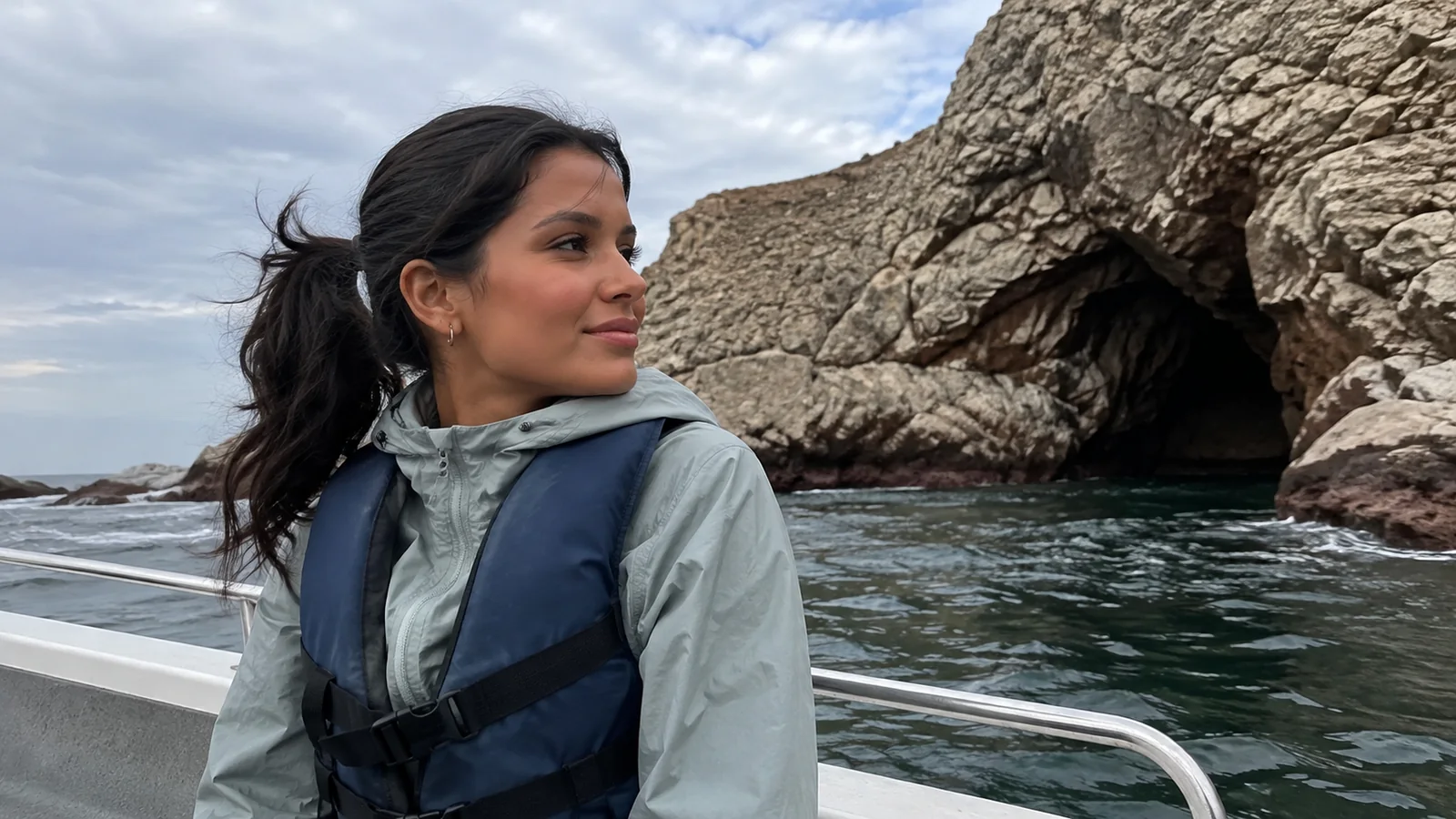
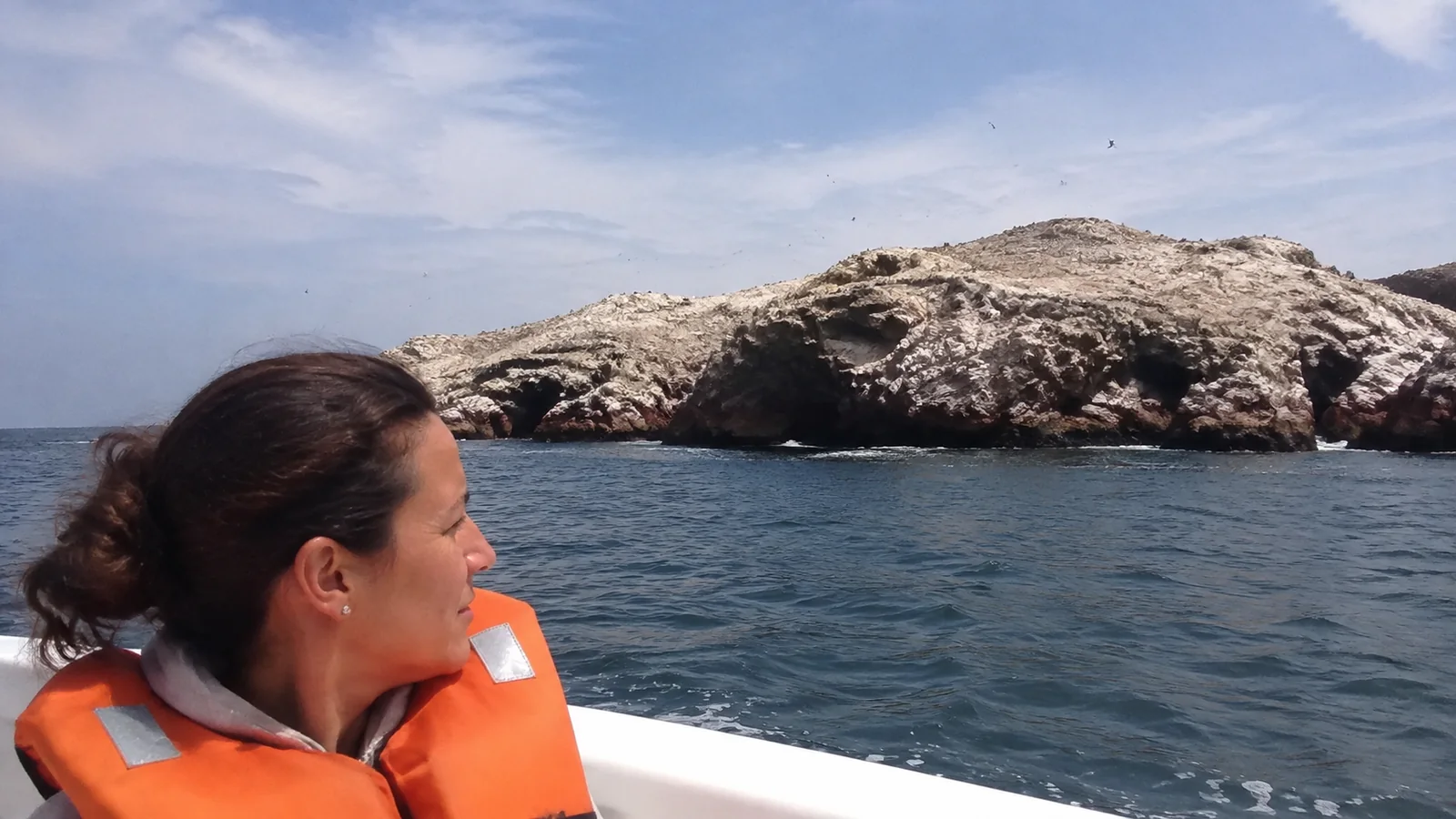
The Ballestas experience is a boat tour, not an island visit on foot. Boats leave from Paracas, pass the Candelabra geoglyph on the peninsula, and continue around rocky islands where sea lions, Humboldt penguins, boobies, cormorants, pelicans, and other wildlife may be visible.
Sightings vary because these are wild animals, not scheduled performers. The islands also serve as feeding, resting, and breeding habitat, so the distance between your boat and the animals is part of the experience rather than a flaw in it.
SERNANP, Peru’s protected-area agency, lists the official Ballestas route as roughly 13 miles from Paracas and about 1 hour 40 minutes round trip. Tour check-in, boarding, harbor movement, and weather delays mean you should protect a larger block of time.
Most departures run in the morning, when operators have the day’s sea conditions in front of them and winds are often more manageable. Even with a reservation, a captain or authority may delay, shorten, or cancel a trip when conditions are unsafe.
What to bring on the boat
- A wind-resistant layer, even when town feels warm
- Sunglasses with a secure strap
- A snug hat rather than a loose wide brim
- Sunscreen applied before boarding
- A protected phone or camera
- Motion-sickness medication only if it is appropriate for you
Expect an open boat, engine noise, wind, sun, spray, and limited ability to move once underway. Ask the operator about boarding steps, seating, shade, flotation devices, and mobility assistance before paying if any of those details could determine whether the trip works for you.
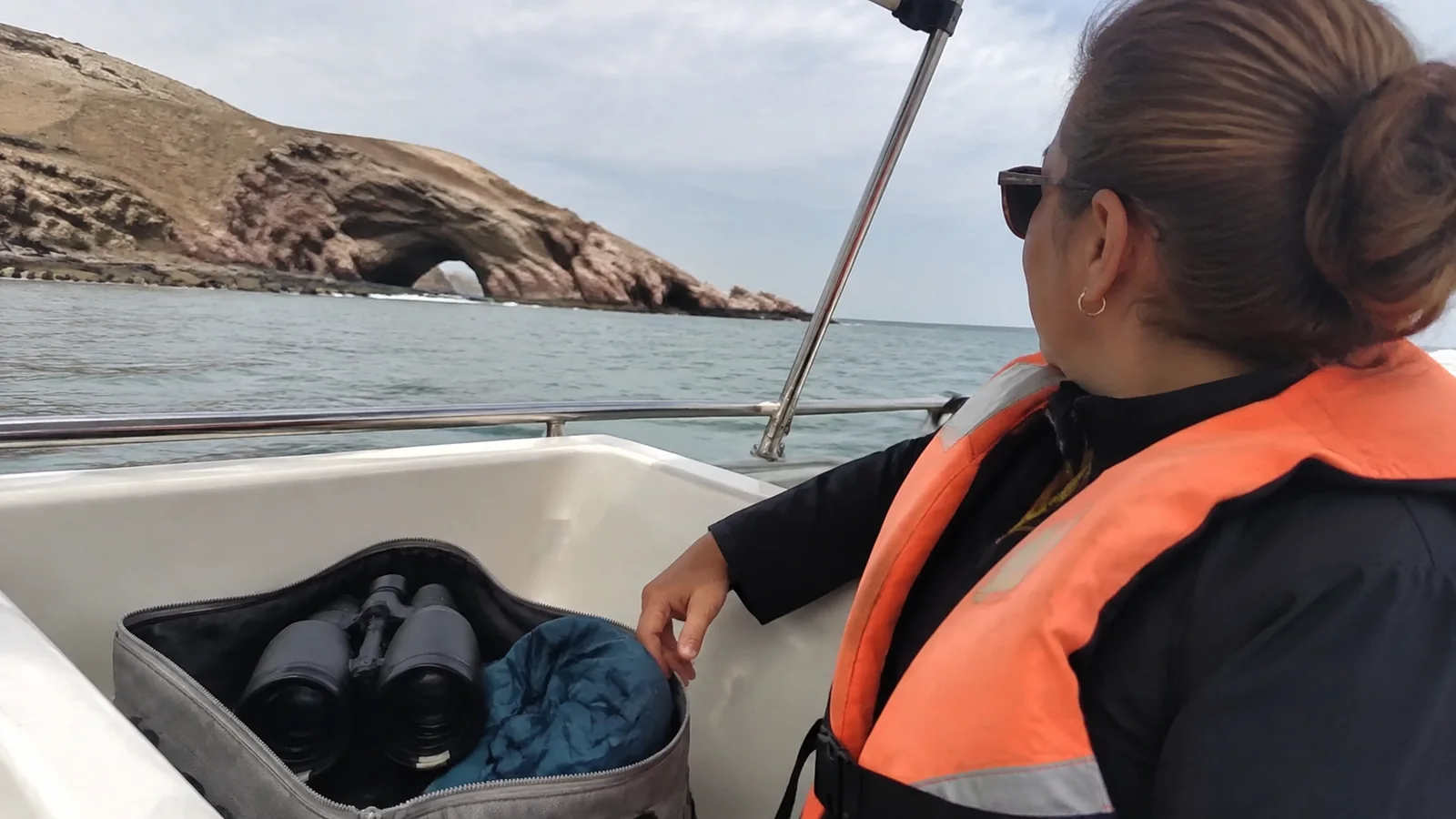
Keep your life jacket on as directed and secure anything that could blow overboard. Binoculars are useful, but a huge camera bag becomes annoying very quickly on a small boat.
Wildlife ethics at the Ballestas Islands
The right tour is the one that protects the animals even when that means a less dramatic photo. Do not feed wildlife, demand that a captain move closer, play animal calls, throw food, or make noise to force movement.
SERNANP specifically tells visitors not to feed marine wildlife or make noises that disturb it. Its guidance also says to keep the life jacket on, avoid single-use plastics, take waste with you, and leave pets behind.
Choose an operator that gives a safety briefing, carries appropriate flotation equipment, controls passenger behavior, and accepts wildlife-viewing limits. A guide who promises guaranteed penguins or pushes into a crowded animal area is not offering a better tour.
The nickname “Poor Man’s Galápagos” is popular, but I’d skip it. Ballestas is a distinct protected ecosystem shaped by the Humboldt Current, and it does not need to be sold as a cheaper version of somewhere else.
Exploring Paracas National Reserve
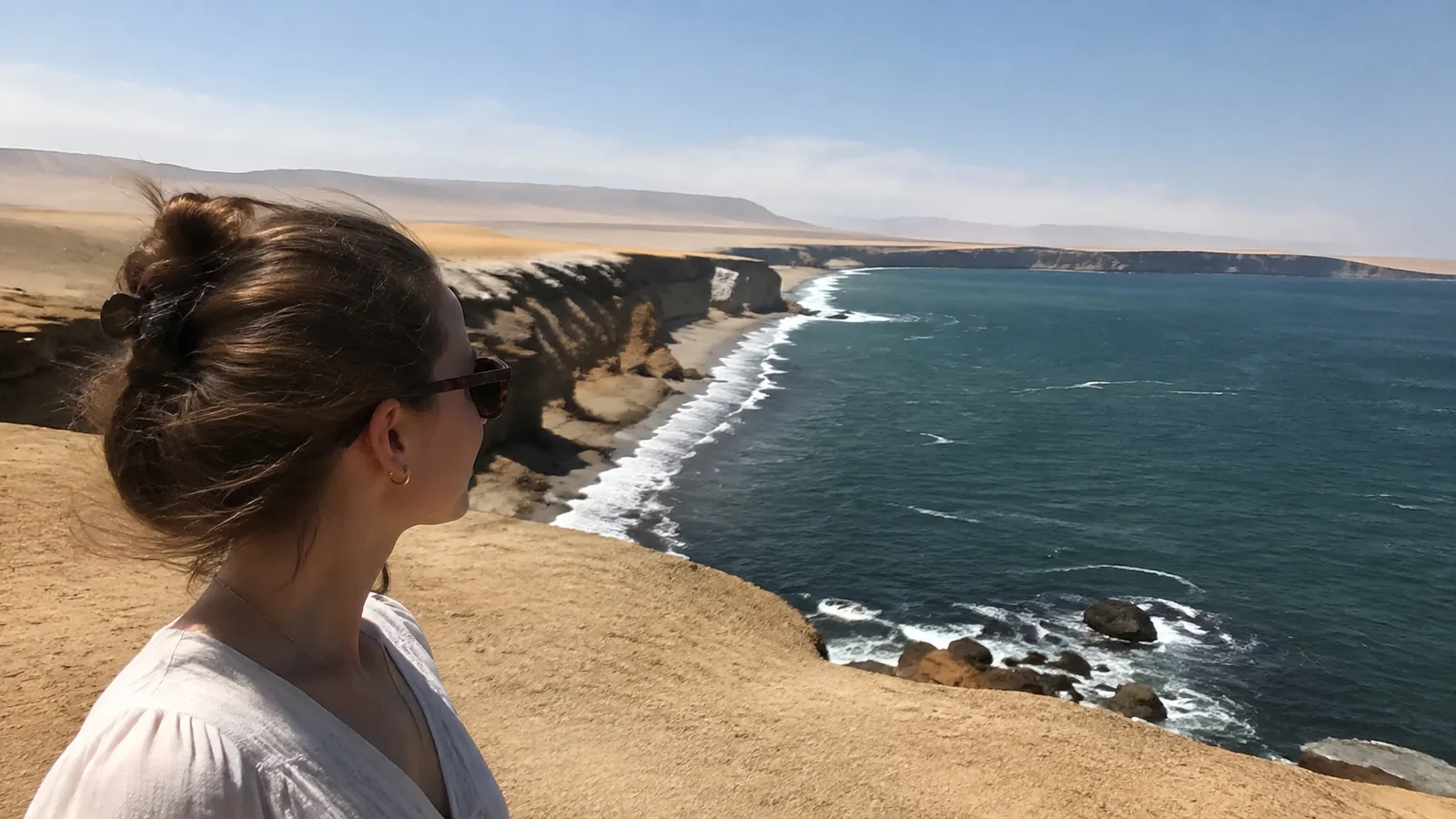
The official Paracas National Reserve page describes a protected area of about 828,000 acres spanning marine and coastal desert habitat. This is a road-based landscape with viewpoints, beaches, marked circuits, and an interpretation center, not a single attraction behind one gate.
Popular stops on the northern tourist circuit include the Playa Roja viewpoint, Supay viewpoint, the Isthmus viewpoint, La Mina, Yumaque, Lagunillas, and views toward the eroded formation known as La Catedral. Access can change for conservation, maintenance, weather, or safety, so use the current park map rather than an old screenshot.
The reserve currently lists visitor access through the Santo Domingo checkpoint from 9 a.m. to 4 p.m. daily. Hours and fees can change, so verify them on the official page shortly before the visit.
The reserve circuit that makes the most sense
Use the signed tourist circuit and ranger directions at the entrance, with the SERNANP reserve route as the starting reference. Allow four to five hours by vehicle with photo stops and lunch, treating the stop times below as my planning allowances rather than a fixed tour timetable.
- Supay viewpoint, 10 to 15 minutes: Start with the cliff-and-ocean panorama on the official circuit; the useful visit is a short walk from the designated stopping area, not a descent onto the exposed shore.
- La Catedral viewpoint, 15 minutes: Continue to the coastal formation viewpoint, keeping to the marked area and looking for the remaining rock shapes after the 2007 earthquake altered the famous arch.
- Playa Roja, 15 minutes: This is my priority for the contrast between red sand and blue water; photograph it from the authorized overlook and obey restrictions on beach entry.
- Isthmus viewpoint, 10 minutes: Stop for the narrow-land-and-two-coasts perspective, with only a short exposed walk if the designated viewpoint is open.
- La Mina, 30 to 45 minutes: Choose this for actual beach time only when rangers permit access and conditions are suitable, allowing extra effort for the descent and return climb from parking.
- Lagunillas, 45 to 60 minutes: Make this the meal break, comparing the posted menu before ordering fish; a lunch stop avoids adding another long beach session.
- Yumaque, 15 to 30 minutes: Use this broad sandy bay as a final shoreline stop on the return circuit, or skip it if wind is already making the earlier stops uncomfortable.
The names above are a vehicle-based selection, not permission to drive across the desert between them, and the driver may adjust their order to the day’s authorized roads. SERNANP distinguishes designated bathing beaches from scenic viewpoints, so do not treat Playa Roja, Supay, and La Catedral as interchangeable swimming stops.
For the easiest half-day, I’d prioritize Supay, La Catedral, Playa Roja, and lunch, with La Mina only if beach conditions cooperate. Anyone who prefers to minimize walking can stay with the designated overlooks, while cyclists need more time, water, and an honest assessment of wind and heat.
Tour, taxi, bicycle, or rental car?
A guided half-day tour is the simplest option for a first visit because the distances are larger than the photographs suggest. It also gives the landscape some ecological and cultural context instead of turning the afternoon into a series of parking stops.
A private driver or taxi gives you more control, but agree on the route, waiting time, entrance fees, and return location before leaving town. Make sure the vehicle is allowed to use the planned circuit and that the driver will not take unofficial tracks.
Cycling is possible on designated routes for prepared riders, but the reserve is exposed, sunny, dry, and famously windy. This is not the place to discover that your water, sun protection, navigation, or fitness plan was optimistic.
A rental car can work for travelers comfortable driving in Peru, although phone service and roadside support should not be treated as guaranteed inside the reserve. Download the current map, stay on permitted roads, and carry water without leaving bottles or other trash behind.
A realistic two-day Paracas itinerary
Day one: Travel from Lima, check in, walk the El Chaco waterfront, confirm the next morning’s boat, and have an early dinner. This keeps a delayed road journey from destroying a prepaid wildlife tour.
Day two: Take a morning Ballestas trip, return for lunch, and spend the afternoon in Paracas National Reserve. Keep the evening open because wind, sea conditions, and reserve routing can shift the order.
Day three: Continue to Ica, Huacachina, or another southern Peru stop, or return to Lima. Huacachina is an inland oasis with commercial dune activities and completely different environmental pressures, not an attraction inside Paracas.
If you have only one day, book a coordinated Ballestas-and-reserve plan and do not add Ica just to collect another pin. Paracas is much better when you leave enough time to look rather than spending the day racing back to a vehicle.
Getting to Paracas from Lima
Paracas sits south of Lima along the Pan-American Highway. SERNANP currently gives the road journey as about 169 miles and four hours, although Lima traffic and the exact pickup point can make the real trip longer.
Intercity bus and private transfer are the usual choices for visitors who are not driving. Bus terminals are scattered around Lima rather than concentrated at the international airport, so include the airport-to-terminal transfer when comparing price and time.
Not plan an international arrival, a separate bus, and a fixed Ballestas departure on the same morning. One delayed flight or slow drive would unravel the entire plan, while a night in Paracas makes the boat easy.
Travelers building a longer route can compare Lima, Paracas, Ica, and Cusco with the site’s South America destination-planning guide. Paracas makes the most geographic sense as part of a southbound road itinerary rather than a rushed out-and-back from the capital.
Arriving by cruise ship
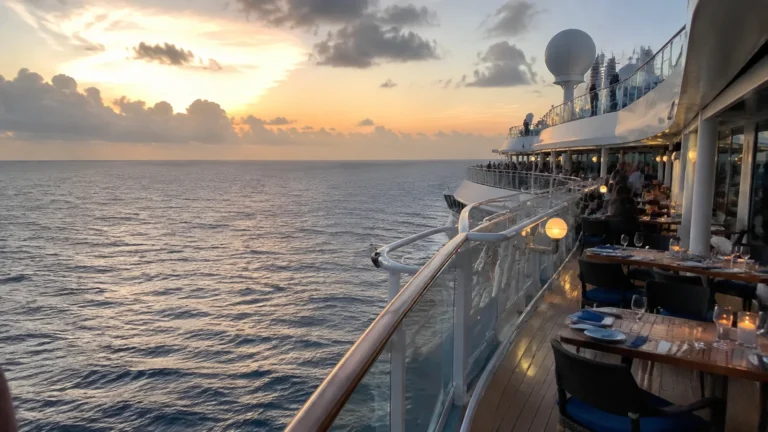
A cruise itinerary may label the call Pisco, Paracas, or General San Martín, but those labels do not place the ship at the El Chaco promenade. Many ships use the General San Martín port terminal, a working port on the Paracas Peninsula with controlled access.
Do not plan to walk out of an industrial terminal and improvise. Use the transportation instructions supplied by the ship, including any shuttle, meeting point, identification rule, and final return time.
A Ballestas trip plus the national reserve can fit a generous port call when booked around the vessel’s actual clearance and all-aboard time. Independent travelers need a firm pickup at the permitted terminal point, a boat departure that waits for cruise arrival, and a generous return buffer.
Do not confuse General San Martín with Callao, the cruise gateway for Lima. Paracas is roughly 169 road miles south of central Lima before Callao traffic is added, so it is not a sensible casual excursion from a standard Lima port day.
If Paracas is one stop within a larger voyage, the world cruise-port planning directory can help place it among the other gateways on the route. Always use the cruise line’s port name and terminal notice as the final word.
Paracas weather and the famous wind
Paracas has a dry coastal desert climate, and rain is scarce. SERNANP describes the reserve as windy and clear, with a listed temperature range of roughly 60°F to 90°F, but the boat can feel much cooler than a sheltered hotel patio.
Peru’s coastal summer runs from roughly December through March, while winter brings cooler conditions and more coastal cloud. The practical packing answer in any month is light clothing plus a wind layer, sun protection, and closed shoes for dusty reserve stops.
Wind often builds as the day develops, which is one reason the boat comes first in most itineraries. It can also redirect sand, slam a loose car door, and turn an unsecured hat into marine debris.
Check both the land forecast and marine conditions, then accept that local authorities make the final call. A calm-looking waterfront at breakfast is not a promise about the open route around the islands.
What to eat and where to stay
Paracas is a seafood town, and ceviche, grilled fish, shellfish, and rice dishes appear widely along the waterfront. Choose a busy, clean restaurant, ask what is fresh, and communicate allergies clearly in Spanish when possible.
For an early boat and one- or two-night stay, I’d favor El Chaco or a bay hotel with reliable pier transportation. Travelers who want pools, quiet, and resort time may prefer a property farther from the center, but should price every transfer rather than assuming it is walkable.
Book ahead for holiday weekends and Peru’s peak domestic travel periods. Verify whether breakfast begins before your tour check-in, because a beautiful included buffet is not very useful when the boat leaves first.
Entry requirements for Peru
Requirements depend on nationality and can change, so check the Peruvian authorities and your airline before departure. As of September 2026, the U.S. Department of State’s Peru guidance says U.S. tourists do not need a visa for stays of 90 days or less.
The same guidance says a U.S. passport must have at least six months of validity from the date of entry and one blank visa page. Peruvian immigration determines the authorized stay, and travelers should confirm that their entry was recorded.
Carry the passport used for entry and protect it from water and loss. A cruise line may impose its own documentation requirements even when immigration rules would otherwise permit the trip.
What to pack for Paracas
- Light layers and a wind-resistant jacket
- Secure hat, sunglasses, and sunscreen
- Closed walking shoes with dependable traction
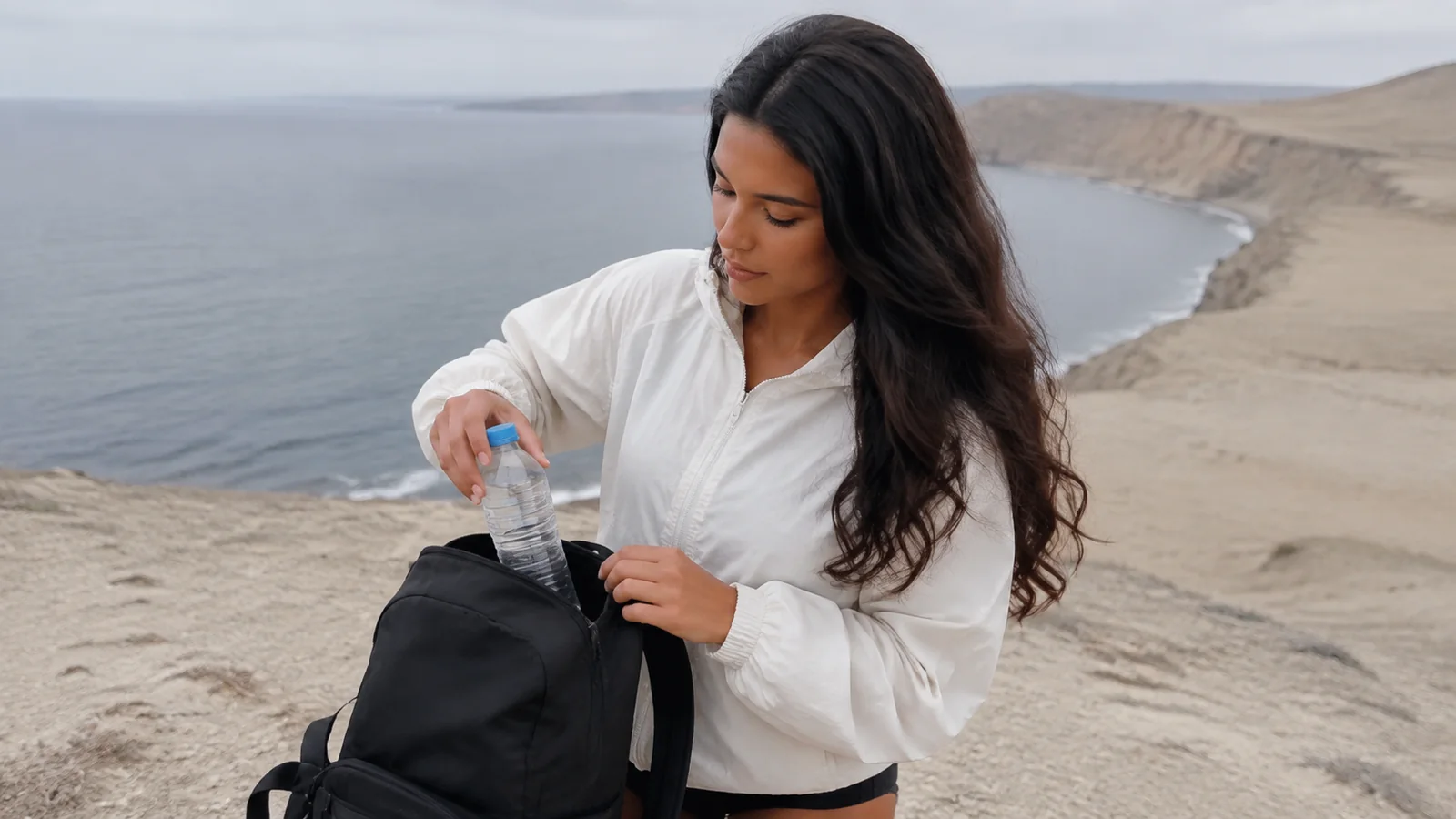
- Refillable water bottle
- Small dry pouch for the boat
- Binoculars if wildlife is a priority
- Cash in Peruvian soles plus a backup payment method
- Offline reservation details and maps
- Any medication you cannot easily replace
Keep the bag small enough to hold on your lap during the boat ride. Cruise travelers can use the site’s complete cruise packing list for the larger trip, then pull only the wind, sun, water, and camera essentials into a Paracas day bag.
The Paracas plan that makes the most sense
Arrive from Lima in the afternoon, sleep near El Chaco, take the Ballestas boat the next morning, and reserve that afternoon for the national reserve. That order respects the geography, gives the boat its best chance, and leaves room for a slow seafood dinner instead of another highway sprint.
Paracas is not about filling every hour. Its appeal is the sharp contrast between a loud, living island colony and a desert coast that can feel almost silent, and the trip works best when you give both halves enough space.