Serengeti in Tanzania: How to Plan the Right Safari
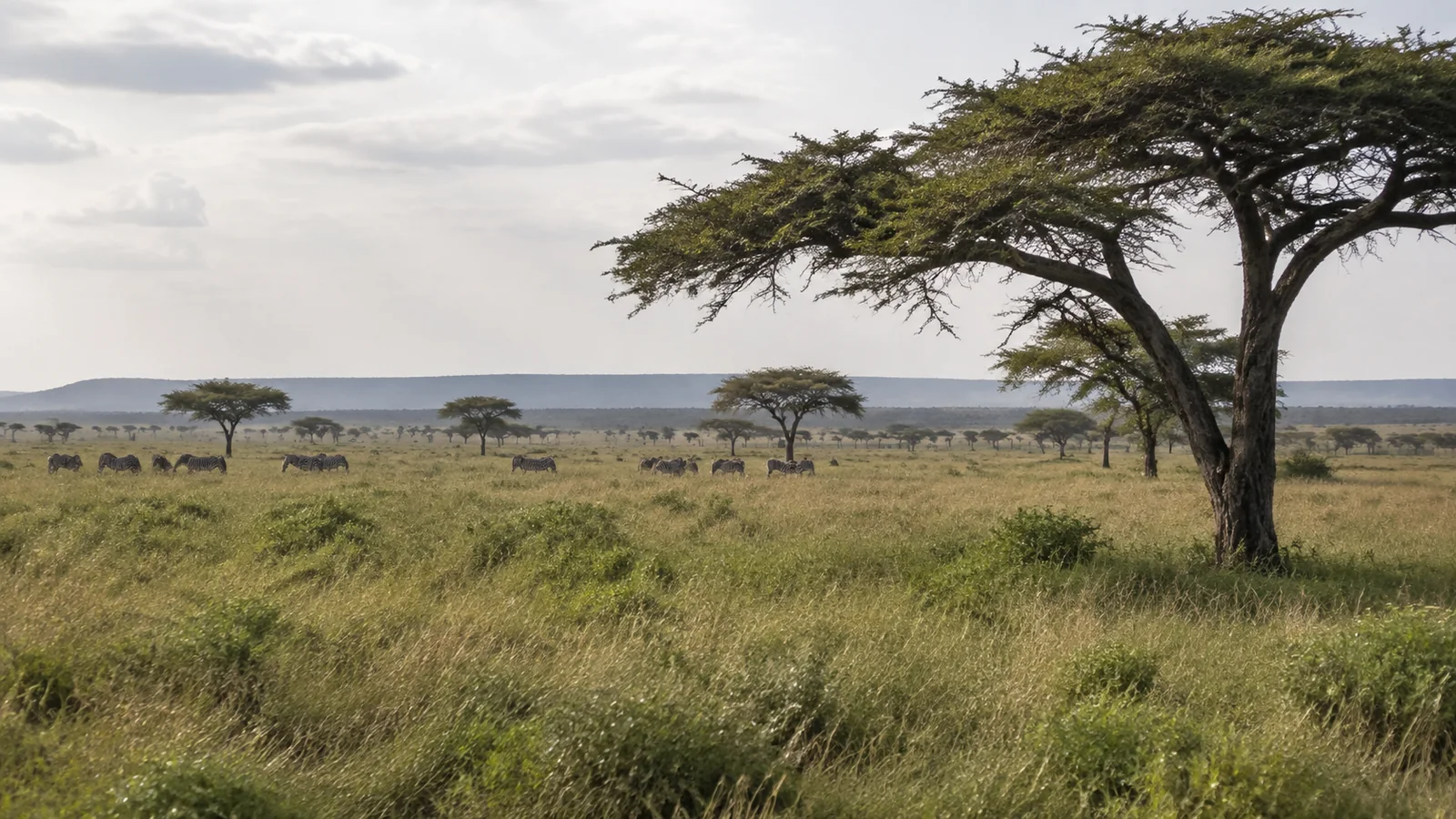
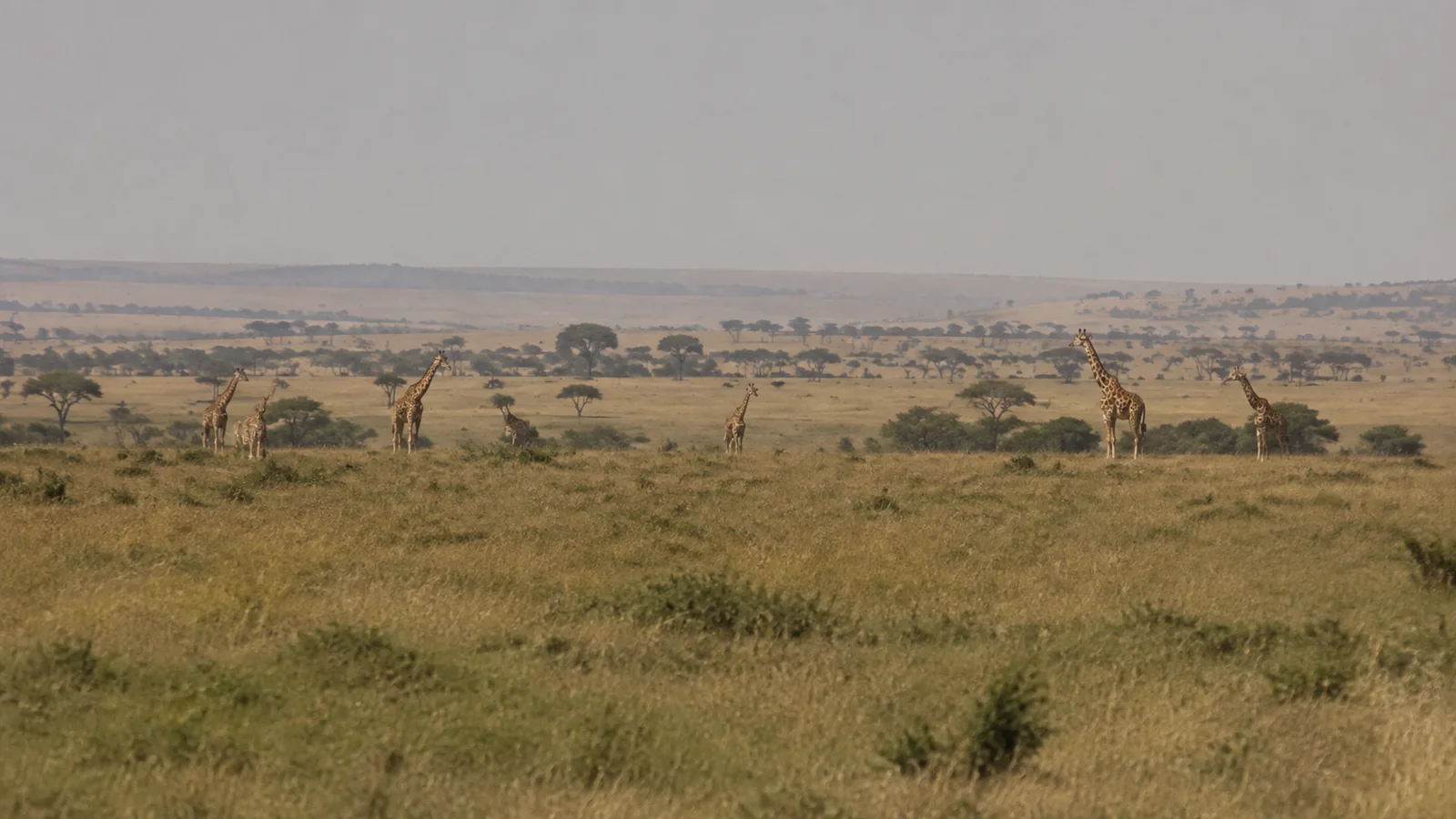
The Serengeti is not one small plain with lions politely arranged beside the road. It is a vast, seasonal ecosystem where region, weather, driving time, lodging, and patience determine the trip, so the smartest safari plan begins with what you want to see and how much moving around you will tolerate.
Is a Serengeti safari right for you?
Choose the Serengeti if wildlife is the main event and you can enjoy long, bumpy drives, early starts, dust, changing conditions, and sightings that nobody can schedule. The reward is time inside one of the world’s great functioning savanna ecosystems, not a checklist delivered on demand.
The park covers about 5,700 square miles within a wider cross-border ecosystem. UNESCO recognizes it for exceptional biodiversity and the annual movement of huge herds, as its Serengeti World Heritage listing explains.
This trip is less suitable for travelers who need guaranteed close sightings, dislike several hours in a vehicle, or want city nightlife between game drives. Families can have a superb safari, but the youngest traveler’s attention span should shape the schedule.
Choose the region before choosing the lodge
A lodge can be beautiful and still be badly positioned for your priorities. Start with central, southern, western, or northern Serengeti, then compare stays inside and outside park or conservation-area boundaries.
Central Serengeti for a first safari
The Seronera area is the most flexible base because permanent water and varied habitats support resident wildlife through the year. It also has an airstrip and a broad range of camps, which can simplify a short visit.
Central Serengeti suits first-timers, mixed-interest groups, and travelers who care more about a balanced wildlife experience than one migration moment. Its convenience can also mean more vehicles around a major sighting, especially in popular periods.
Southern plains for the green season
The short-grass plains in the southern Serengeti ecosystem become the usual focus after seasonal rains, with calving activity commonly associated with roughly January through March. Herds use both the park and neighboring Ngorongoro Conservation Area, so “Serengeti camp” does not always mean inside Serengeti National Park.
This period can bring dramatic predator activity, newborn animals, lush landscapes, rain, mud, and stormy skies. Ask where the camp physically sits, which fees apply, and how far its vehicles can travel without turning every game drive into a commute.
Western Corridor for a transition period
The western side includes riverine woodland and the Grumeti system, and migrating herds often move through during the broad May-to-July transition. River crossings can occur, but no ethical operator should promise one on your selected Tuesday.
Choose this area for varied habitat and a quieter regional focus rather than a single cinematic event. Water levels, rainfall, fire, grass, and herd decisions all influence what happens.
Northern Serengeti for the dry-season movement
The northern region near the Mara River is commonly targeted from about July into October as herds move through the Serengeti-Mara ecosystem. Crossings are unpredictable, sometimes brief, and never improved by vehicles crowding animals at an entry point.
The north involves greater distances from central areas, so it works best as its own multi-night stay or by air. A rushed one-night detour spends too much of an expensive safari looking through the windshield at the road.
Three camp styles to compare
A beautiful tent is only useful if its location fits the wildlife area you want to explore. These are representative bases to request in a quote, not promises of availability or personal stays.
- A comfortable permanent tented camp: Nyikani Camp Central Serengeti at Banagi Hill lists en suite tents with flush toilets and safari-style bucket showers, plus a roughly 20-minute drive from Seronera Airstrip. Shortlist this style for a first safari when I want canvas atmosphere and a reliable central base.
- A conventional lodge: Serengeti Serena Safari Lodge has stone-built, thatched rooms and a swimming pool. Favor this style for travelers who want a more familiar bedroom and a comfortable afternoon break, while checking how its location fits each day’s drives.
- A seasonal migration camp: Nyikani Migration Camp publishes a southern Ndutu location for December 1 through April 5 and a northern Kogatende location for May 20 through November 20. Choose this style for a season-led trip and confirm the exact camp coordinates before buying flights.
For that migration camp, the operator estimates five minutes from Ndutu Airstrip at its southern site and 25 minutes from Kogatende at its northern site. Ndutu is in the Ngorongoro Conservation Area south of Serengeti National Park, so ask the operator to itemize the correct conservation and transit fees.
Match the airstrip to the camp, not just the park name
Seronera is the practical starting point for a central stay, Kogatende for the northern Mara River area, and Ndutu for a southern-plains itinerary. Have the camp approve the airstrip and landing time, since a bargain flight into the wrong region can swallow a precious wildlife afternoon.
Central Serengeti to Kogatende is a substantial move: a Great Migration Camps itinerary describes about four hours of direct driving and uses most of the day when wildlife stops are included. Protect a full transfer day in my plan, with extra slack for road conditions and sightings, rather than count it as two unrestricted game drives.
My first-trip choice is three or four nights in the central region if that is all the safari time available. With six nights in the appropriate northern season, I’d consider three central and three near Kogatende, then price flying out of the north to avoid retracing the road.
Moving camps means packing, checkout, luggage handling, and a drive governed partly by your destination. You can still see animals en route, but you lose the freedom to linger in one promising area, which is why I’d rarely move for just one night.
When to visit the Serengeti
There is no universally best month because resident wildlife remains even when the largest herds are elsewhere. Dry periods generally make roads easier and animals more concentrated near water, while wetter periods bring greener scenery, young animals, birdlife, and occasional access challenges.
Migration maps show patterns, not reservations. Ask operators what happened in the same week over several recent years, where their mobile camp is scheduled to move, and what the plan becomes if rain shifts the herds.
- Best for a first visit: Three or four nights around Seronera, with no crossing promise.
- Best for migration focus: At least three nights in the seasonally relevant region.
- Best for photography: Fewer bases, longer sightings, and private vehicle control.
- Best for variety: Five to seven nights split between central and one seasonal region.
- Best for lower crowd pressure: Ask about green-season dates and less concentrated areas.
Build a realistic Serengeti itinerary
Three nights: one base
Three nights usually provide two full safari days plus arrival and departure drives. Pick central Serengeti or the most relevant seasonal region, and resist turning limited time into a tour of camp check-in desks.
This is the sensible minimum after a long journey, not a guarantee of every famous animal. If a leopard stays hidden, the safari has not malfunctioned.
Five nights: two complementary areas
Five nights can pair central Serengeti with the south, west, or north when the season supports it. Use a flight or a planned full transfer game drive when the distance justifies the cost.
Confirm luggage limits before booking a small aircraft because soft-sided bag and weight restrictions can be stricter than long-haul airline rules. Store excess baggage through an arranged service rather than arriving with optimism and a giant hard-shell case.
Seven or more nights: slow down or add another ecosystem
A week allows patient wildlife viewing, a weather buffer, and fewer pressured decisions. You can stay within the Serengeti or combine it with Ngorongoro, Tarangire, Lake Manyara, or a culturally responsible community experience.
Do not add every northern-circuit name merely because the map contains it. Each move costs fuel, fees, daylight, and energy, and Tanzania is much larger than a brochure panel suggests.
Road safari or fly-in safari?
A road itinerary from Arusha usually combines naturally with other northern parks and lets one guide stay with you. It costs time on rough roads, though the journey itself can show changing landscapes and rural life.
A fly-in safari saves transfer time and can make the north or west practical on a shorter trip. It usually costs more, requires tighter baggage planning, and may use camp-shared vehicles unless you pay for private use.
Ask exactly where the quote begins and ends: airport, Arusha hotel, airstrip, gate, or camp. A transfer omitted from a bargain quote has a habit of reappearing after the deposit.
How much does a Serengeti safari cost?
There is no useful universal daily price because the total depends on season, private or shared vehicle, camp standard, park location, flights, and number of travelers. Compare identical dates and inclusions, not a “from” price against a complete itinerary.
Ask for park conservation charges, concession or camping fees, vehicle and guide, fuel, lodging, meals, drinks, airstrip transfers, domestic flights, taxes, tips, and payment fees as separate lines. The official Tanzania National Parks authority publishes park information and tariffs, but rates and tax treatment can change.
Private vehicles cost more but give families, photographers, and travelers with mobility needs control over timing and stops. A shared vehicle can be excellent value when everyone agrees about early starts, bathroom breaks, and whether birds count as stopping-worthy celebrities.
Keep the international flight outside the safari-only comparison, then add it back for the real vacation total. The same honest budgeting method used for comparing lower-cost destinations matters even more when remote logistics dominate.
Three safari budget examples
These published operator prices give the scale of the decision in U.S. dollars for two adults traveling together. They are advertised package examples, not confirmed quotes for your dates, and the five-day circuit is not five full days inside the Serengeti.
- Example: Serengeti African Tours five-day camping circuit, including Tarangire, Serengeti, and Ngorongoro
- Published price per person: $1,050
- Package subtotal for two: $2,100
- What I’d weigh: Best starting point for a tighter budget if simple camping and road travel suit you.
- Example: Same five-day operator itinerary, advertised midrange lodging option for two travelers
- Published price per person: $1,900
- Package subtotal for two: $3,800
- What I’d weigh: Ask for the named accommodation and bathroom setup before paying the extra $1,700 per couple.
- Example: Four-day Arusha to Kogatende fly-in itinerary, returning from central Serengeti
- Published price per person: $2,100, midrange option
- Package subtotal for two: $4,200
- What I’d weigh: Includes regional flights, but the published route still changes regions by road during a short stay.
The camping package lists park charges, camping equipment, safari transport, meals, water, and soft drinks; the fly-in package also lists its Arusha–Serengeti flights and airport transfers. International flights, visas, tips, and optional ballooning are outside those examples, and you should obtain a day-by-day meal and lodging confirmation.
To turn the $2,100 camping subtotal into an illustrative planning budget, I’d add a $300 couple’s allowance for arrival accommodation and local transfers, $300 for discretionary tips and incidental spending, and $300 contingency. That makes $3,000 for two before international flights, visas, and travel insurance; those three $300 amounts are my planning allowances, not supplier quotes.
Spend the first upgrade on enough nights and an appropriate base before adding a fancy room. If the fly-in example appeals, ask for a version staying in one northern camp and compare its final price with the published two-region route, because reducing transfers may matter more than the lodge label.
Choose a responsible safari operator
Request the legal company name, registration details, emergency procedure, vehicle plan, guide qualifications, insurance information, and current client references. Pay through traceable business channels and get cancellation, refund, substitution, and price-change terms in writing.
Ask how guides handle crowded sightings, off-road restrictions, animal approaches, waste, and staff welfare. A responsible answer should value space and park rules more than positioning your camera inches closer.
Never ask a driver to chase, surround, call, feed, or block wildlife. Keep voices down at sightings, do not leave the vehicle unless your guide says an area permits it, and do not fly a drone without the required authorizations.
Health, entry, and safety planning
Entry rules depend on nationality and route, so check the official Tanzania eVisa portal and your nearest Tanzanian embassy before paying. U.S. travelers should also review the current State Department Tanzania advisory, which was Level 3 on this article’s September 2026 check date.
The advisory addresses unrest, crime, terrorism, laws affecting LGBTQ+ travelers, tour-company vetting, remote medical access, and documentation. Conditions can change faster than an article can, so recheck shortly before departure.
See a travel-health clinician well ahead of the trip with your complete route, medical history, and onward countries. The current CDC Tanzania guidance covers routine vaccines, malaria medication, yellow-fever rules tied to travel history, food and water precautions, and insect-bite prevention.
Remote-area medical and evacuation coverage deserves specific attention. Confirm who calls for help, where the nearest appropriate facility is, whether evacuation is covered from the bush, and what payment may be required upfront.
What to pack for the Serengeti
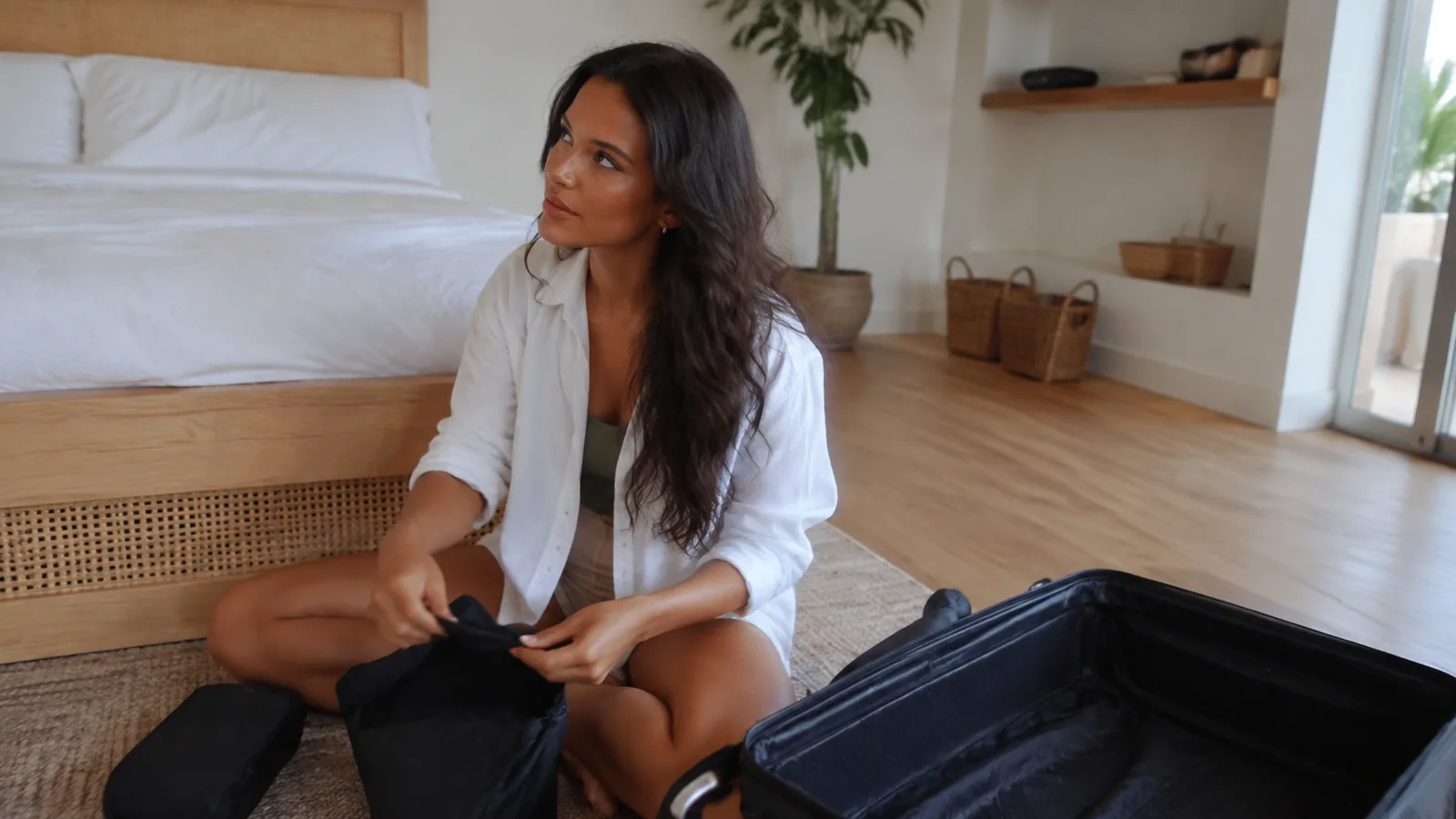
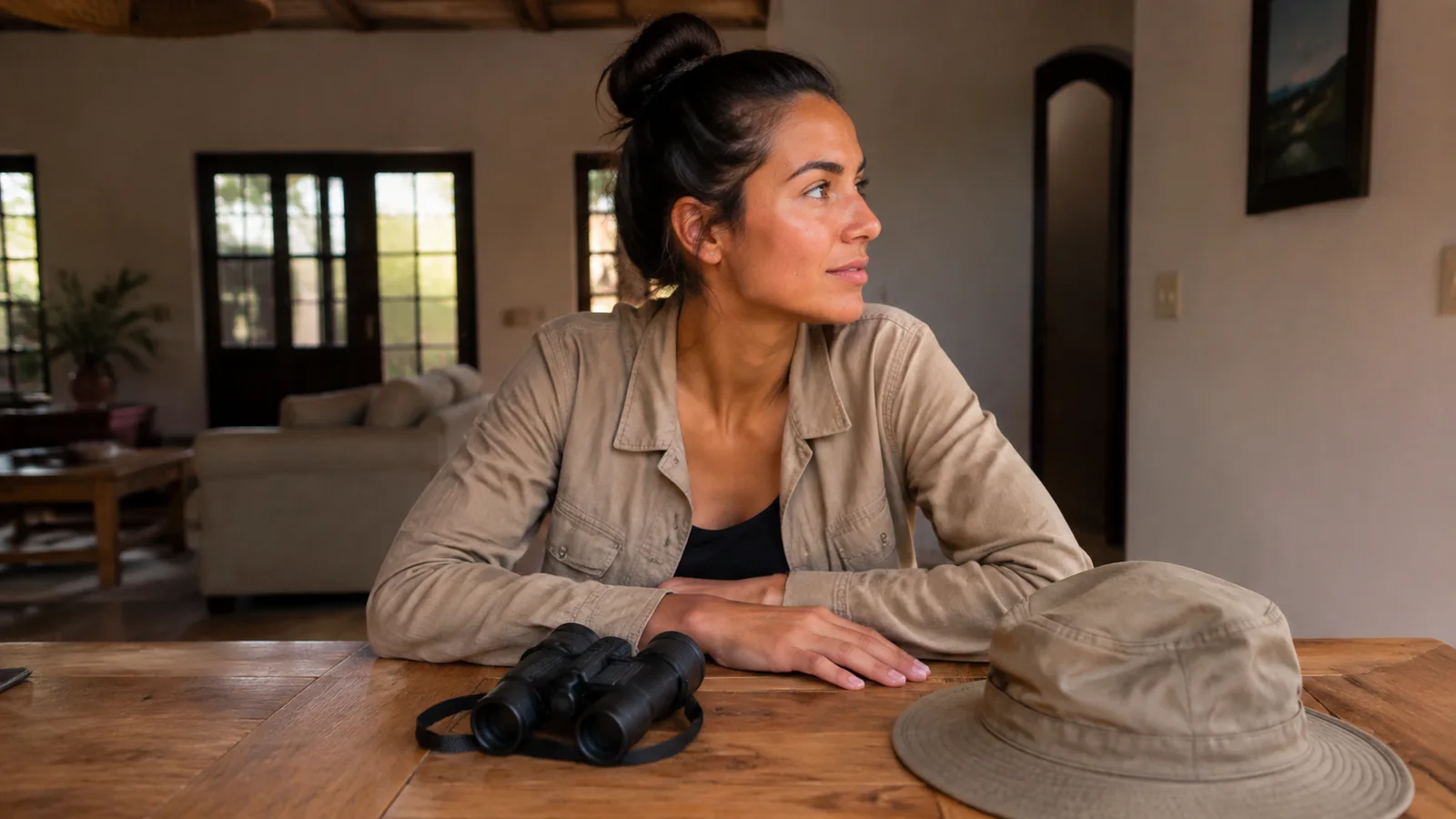
Pack breathable neutral layers, a warm layer for dawn, sun protection, closed shoes, rain protection, binoculars, prescribed medicines, and a small personal first-aid kit. Bright white shows dust beautifully, which is not usually the souvenir anyone wanted.
Bring camera batteries, memory cards, plug adapters, and a dust-protective bag, but keep equipment manageable inside the vehicle. A phone plus good binoculars often produces a happier day than changing three lenses while the cheetah leaves.
Use the health and document sections in these broader international travel tips, then tailor every item to safari flights and camp services. If Tanzania also includes a climb, plan the separate altitude, guide, and gear demands covered in the Kilimanjaro trip overview.
Serengeti safari questions
Can I see the Big Five in the Serengeti?
Lions, leopards, elephants, buffalo, and black rhinos occur in the wider northern Tanzania safari circuit, but no itinerary can guarantee all five. Rhino sightings in particular may be distant or absent, so choose the Serengeti for the whole ecosystem.
Is the Serengeti good for children?
Yes, when the operator accepts the child’s age, camps permit children, and drives are shorter and flexible. Ask about family rooms, pool fencing, food, car seats, tsetse flies, medical plans, and minimum ages for walks or shared drives.
Do I need a private safari vehicle?
Not always, but it is particularly useful for young children, photographers, travelers who need frequent breaks, and anyone with a specialized wildlife interest. Shared drives save money and can be social, provided schedules and seating are clear.

What is the best Serengeti plan?
For a first safari, choose three or four nights in central Serengeti, or five nights split with the most seasonally sensible region. Prioritize an excellent guide, fewer transfers, a current safety and health check, and enough patience for wildlife to be wild.