Manta Ecuador Cruise Port: Safety and Day Plans
Manta is a working Pacific port with seafood, beaches, museums, and easy access to Montecristi’s famous straw-weaving tradition. It is also in Manabí Province, which current U.S. guidance places at “Reconsider Travel,” so a useful port plan begins with today’s security advice, not a carefree list of attractions.
Before planning a Manta cruise day, check current guidance
Ecuador is currently under a U.S. Level 2 advisory overall, but Manabí Province is specifically listed at Level 3, “Reconsider Travel.” Manta is in Manabí, so that higher regional level applies to the port city and nearby excursions.
The U.S. State Department’s Ecuador advisory, dated August 18, 2026, cites crime, terrorism, unrest, and kidnapping risks. It also warns that demonstrations can block roads and disrupt transportation with little notice.
That does not tell every traveler what personal decision to make, and a ship calling at Manta is not a guarantee that every area is suitable to explore. Read the full dated advisory, review your own government’s advice, and consider your health, risk tolerance, and operator arrangements.
My planning approach would be conservative: use a cruise-line excursion or a well-vetted organized operator, avoid improvised transportation and remote detours, and keep the route compact. Staying aboard is a completely reasonable choice if the current guidance exceeds your comfort level.
Where cruise ships dock in Manta
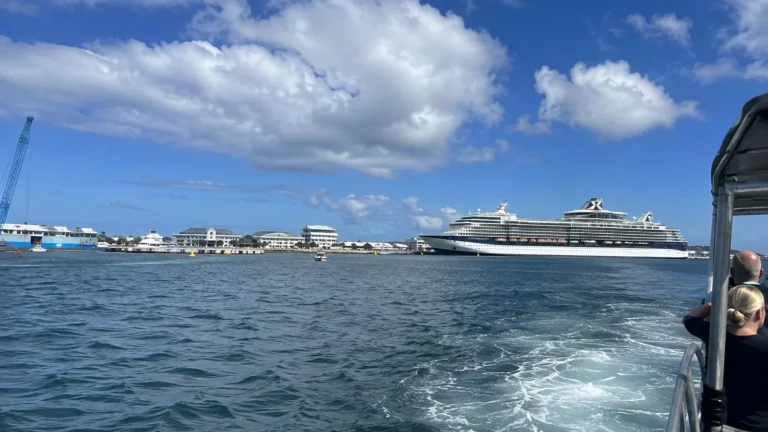
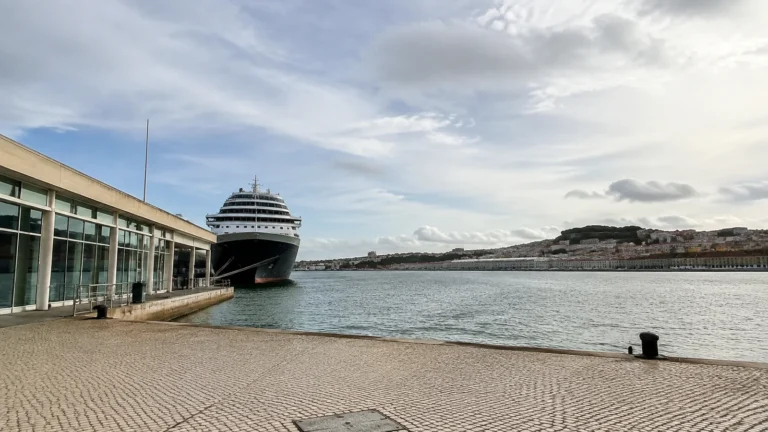
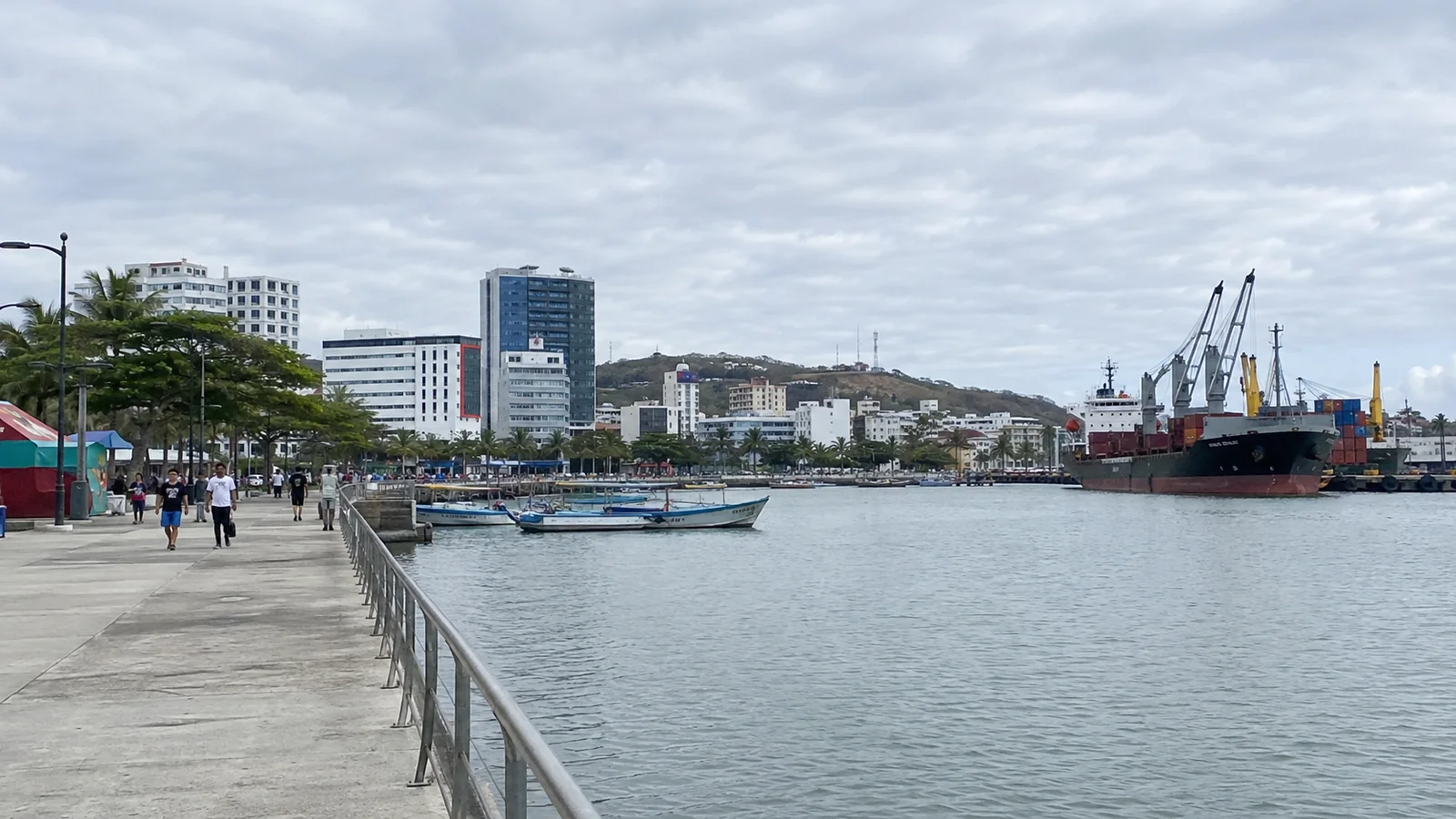
Manta is a major commercial port, not a waterfront designed only for vacation ships. Cruise vessels generally use a secure port berth, with controlled passenger movement between the ship and the cruise terminal area.
The city has Ecuador’s first dedicated cruise-passenger terminal. The Manta Port Authority’s terminal announcement describes a purpose-built facility, while the terminal operator lists passenger screening, information, restrooms, commercial space, bus parking, and transfers between vessel and terminal.
Do not assume you can walk freely across an industrial pier. Follow crew and port staff instructions for shuttles, security screening, meeting points, and the route back to your gangway.
A berth, shuttle pattern, or terminal door used by one ship may differ for another. Check the ship’s daily program and listen to the arrival briefing rather than relying on an old port map.
Is Manta a tender port?
Manta commonly receives cruise ships alongside, but a schedule never guarantees a docking method. Vessel size, berth availability, swell, port operations, or a last-minute change can alter the plan.
Your cruise line’s dated itinerary is the authority for your sailing, and the onboard announcement is the final word that morning. If tendering is used, allow more time for tickets, queues, weather, and the final return boat.
What is close to the port?
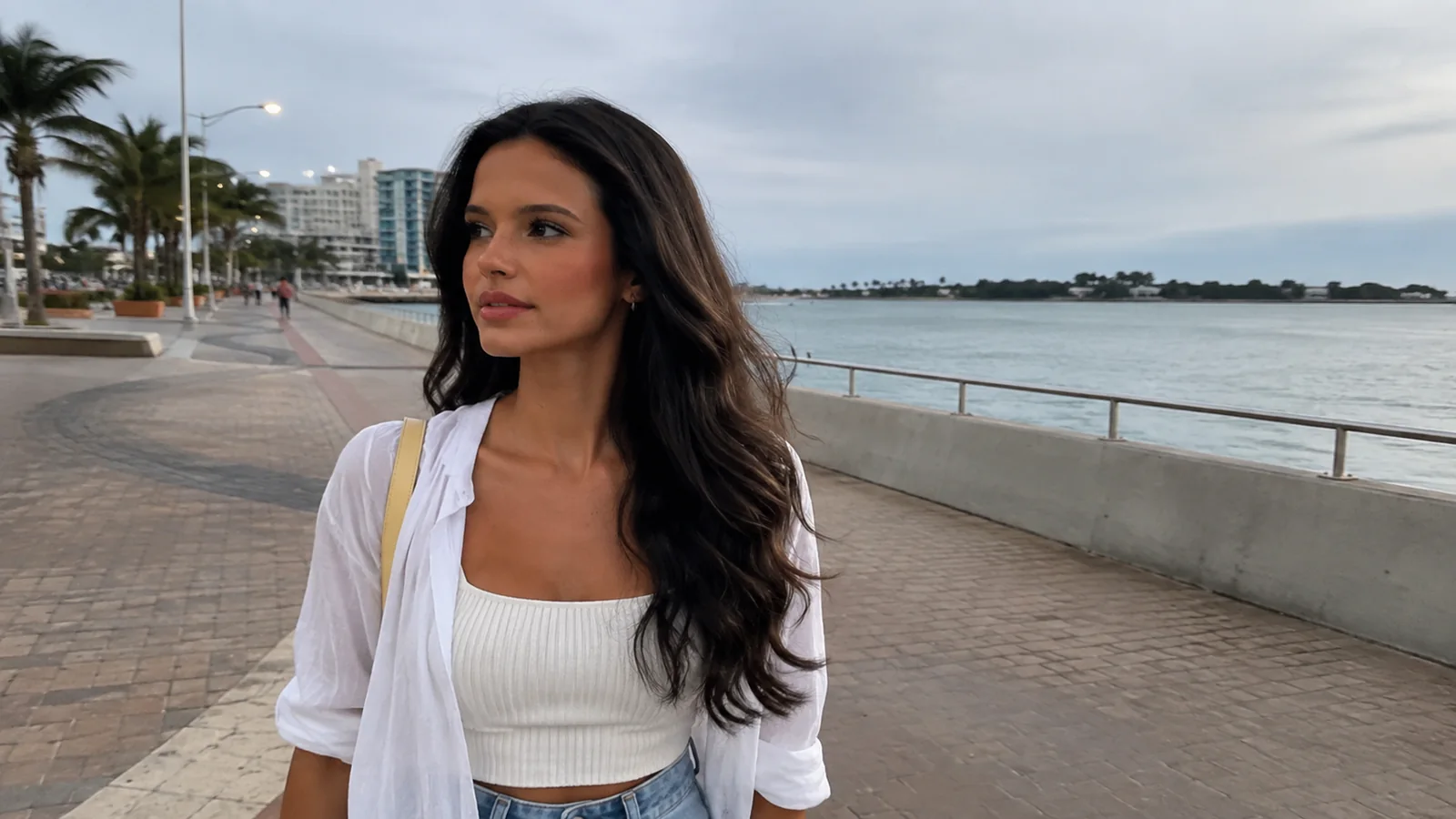
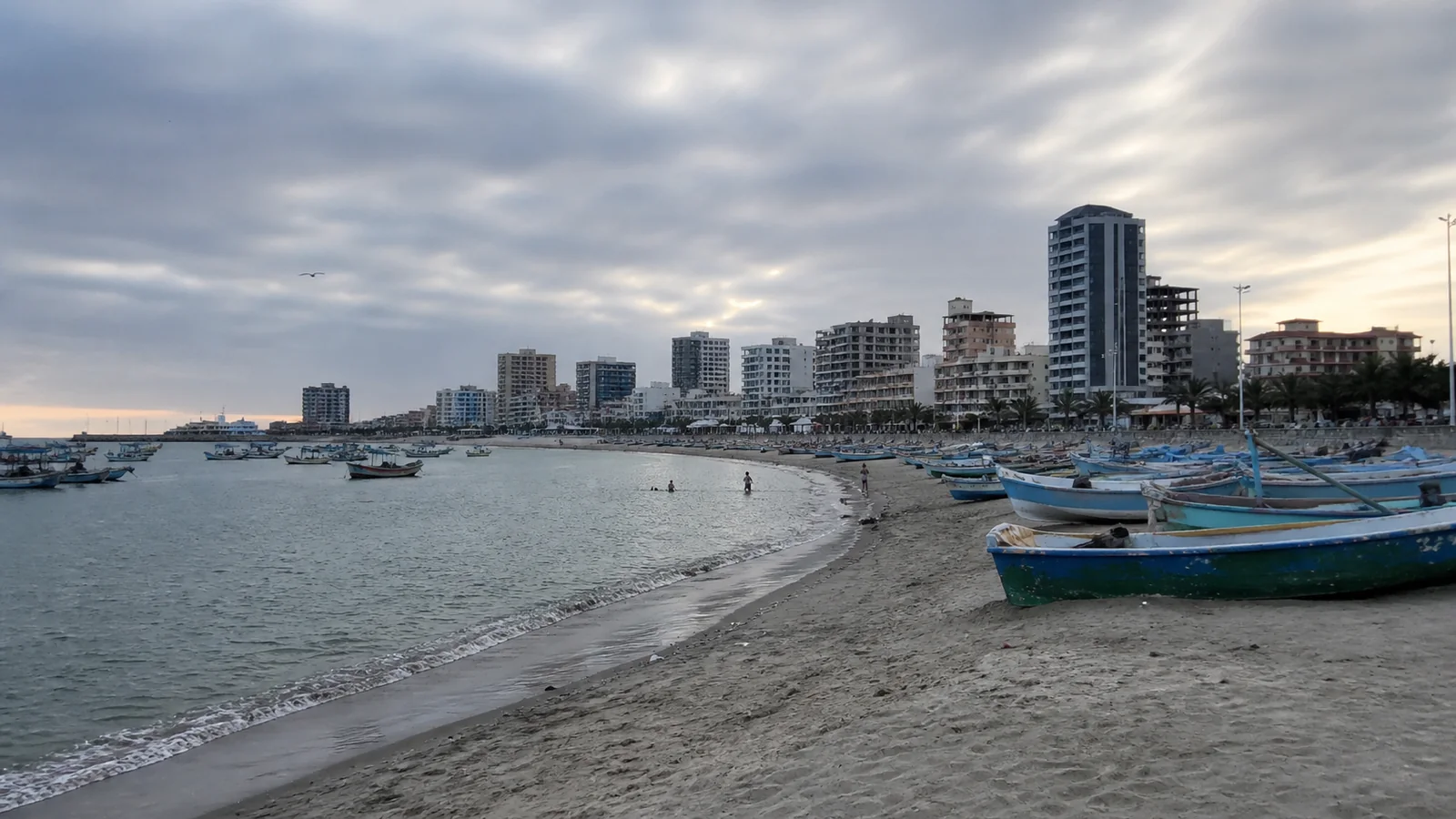
Central Manta and the popular Playa Murciélago waterfront sit near the port complex, but secure exits and the day’s shuttle drop can affect the practical route. “Close on a map” does not automatically mean an advisable independent walk under current security conditions.
Ask ship staff where its transportation drops passengers, whether an organized shuttle is running, and which areas the cruise line currently recommends. Security conditions can change faster than an evergreen travel article.
Manta’s urban appeal is easy to understand: a broad waterfront, fishing culture, tuna industry, markets, local food, and several small cultural stops. The city is a real working place, which makes it more interesting than a sealed resort port and requires more situational awareness.
Best Manta cruise excursions
Under the current Level 3 regional guidance, I would not treat these as casual do-it-yourself suggestions. They are a menu to discuss with the cruise line or a vetted tour professional after checking what is operating safely on your date.
Montecristi and toquilla straw hats
Montecristi is the classic short excursion from Manta, known for fine hats woven from toquilla straw. The world may call them Panama hats, but the craft is Ecuadorian and has deep roots in Manabí.
A tour may combine a workshop, artisan sales, a civic or cultural site, and a town visit. Confirm which stops are included because “Montecristi tour” can describe everything from a quick shopping transfer to a fuller craft demonstration.
Fine weaving takes time and skill, so quality and price vary dramatically. Ask who made the hat, where it was woven, what fiber and weave it uses, and whether the sale directly supports the artisan.
Do not fold a delicate hat just because a souvenir demonstration shows a highly flexible example. Ask the seller how that particular piece should be packed and cared for.
A compact Manta city tour
A city tour can include the waterfront, a market, a museum, a viewpoint, or a food stop depending on current access. It minimizes highway time and makes the return-to-ship calculation simpler.
Look for a tour that explains Manta’s Indigenous heritage, fishing economy, contemporary city, and recovery from the destructive 2016 earthquake. A stop designed only to sell souvenirs leaves most of the story untold.
Urban operating hours can change on holidays or when a cruise arrives outside normal museum times. Judge the tour by its confirmed itinerary, not a generic list copied from another season.
Playa Murciélago
Playa Murciélago is the city’s best-known beach and waterfront zone. It can fit a shorter call when the cruise line or local security information supports the plan, but it is not a private cruise beach.
Ocean conditions, currents, flags, lifeguard coverage, water quality, and facilities can change. Follow local warnings and do not leave valuables unattended while swimming.
A beach appearing calm from the promenade is not proof that conditions are safe. If local staff close the water or recommend staying out, that ends the debate.
Pacoche coastal forest
The Pacoche area protects a distinctive humid forest environment near a much drier coast. Guided walks may focus on plants, birds, and howler monkeys, but wildlife sightings are never guaranteed.
Trails can be muddy, uneven, humid, and buggy, with stairs or roots depending on the route. Ask about current security, road access, trail conditions, difficulty, and the guide-to-guest ratio before booking.
This is not a place I would improvise independently under current regional advice. Use an organized excursion that controls transportation and confirms the site is open.
Machalilla, Agua Blanca, and farther coastal sites
Southern Manabí holds archaeological, community, beach, and nature attractions, but the drive can consume a large share of a normal port day. Longer road exposure also matters when advisories and possible roadblocks are part of the current picture.
Choose a distant outing only when the cruise line offers a clearly timed excursion and the experience is central to your trip. Never add a second faraway stop because a driver says it is “just nearby.”
Whale-watching seasons, marine conditions, and park access are all time-sensitive. No tour should promise a wildlife sighting, and the ship’s call may not align with the relevant season.
Organized excursion or independent day?
In many cruise ports, I happily compare a ship tour with a carefully researched independent operator. In Manta under the September 2026 Level 3 Manabí guidance, the risk calculation is different.
A ship-sponsored excursion creates an organized meeting point, known route, vetted provider, and direct communication channel if conditions change. It cannot eliminate crime, unrest, a road closure, traffic, illness, or every chance of missing the ship.
If you still consider an independent operator, verify licensing, recent reviews, insurance, exact vehicle, driver identity, emergency contact, route, and cancellation terms. Ask specifically how the company monitors security alerts and roadblocks on cruise-call days.
A low price is not enough. Transportation that cannot explain its pickup point, return buffer, and emergency plan has not earned your port day.
How to get around Manta
Ecuador uses the U.S. dollar, which simplifies small purchases for U.S. travelers. Carry modest denominations, keep cash discreet, and confirm any fare before entering a vehicle.
Do not rely on public buses for a short cruise call, especially when official guidance recommends heightened caution and demonstrations may disrupt roads. Use transportation arranged by the cruise line or a verified operator.
Ride-hailing availability, account rules, and pickup access inside a secure port can change. An app showing a car nearby does not mean the driver can reach the terminal or that it is the best choice under current conditions.
Manta traffic can slow around the port and waterfront, while travel toward Montecristi or southern attractions adds highway variables. Build the plan around the slow return, not the fastest estimate shown in an app.
How to avoid missing the ship
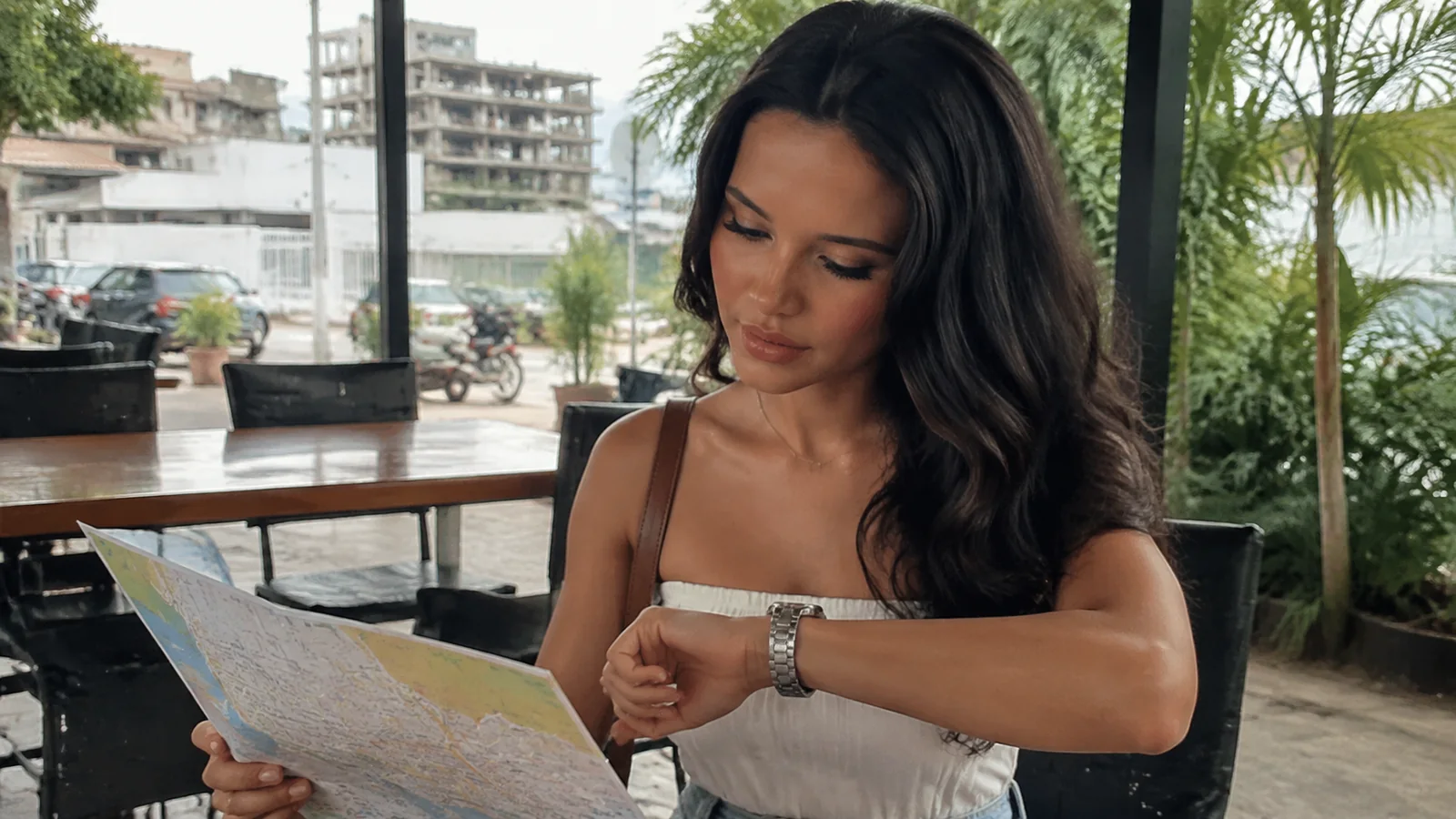
Photograph the all-aboard notice, port-agent contact, and shuttle instructions before leaving the vessel. Departure time is later than all-aboard, and arriving at the port gate at the deadline may already be too late.
Confirm whether the ship uses local time and keep a manual reference if your phone might update incorrectly. Ecuador’s mainland time is UTC minus 5 and does not observe seasonal clock changes, but the ship’s stated time remains the only one that matters onboard.
Return earlier than feels necessary because protests, security activity, traffic, crashes, or weather can slow the road without warning. A distant tour needs a larger cushion than a terminal-area visit.
If the route changes, call the operator and port agent immediately. Do not wait until the gangway deadline to report a transportation problem.
Carry a passport book if your cruise line directs you to take it ashore, or follow its secure-storage instructions if not. Our cruise passport guide explains why emergency air travel is different from routine closed-loop boarding.
Entry requirements for Ecuador
Entry rules depend on nationality, the ship’s itinerary, and whether Manta is a transit call or the beginning or end of travel. Do not copy the requirements for a Galápagos flight, land vacation, or another passport holder.
Ecuador’s official Travel Safe page tells visitors to use a valid passport and check whether a visa or health documentation applies. It currently references six months of passport validity, but your cruise line may impose its own stricter document check.
Passengers may complete immigration formalities collectively through the ship during a transit call, yet that does not excuse anyone from carrying the documents the cruise line requires. Recheck the line’s instructions close to sailing because border procedures can change.
If you fly into or out of Ecuador, the situation differs from a same-day ship visit. Airline checks, transit-country rules, and proof of onward travel may apply.
Food, language, and money
Spanish is the everyday language, and a few polite phrases make transactions smoother. Do not assume every driver, server, craft seller, or security officer speaks English.
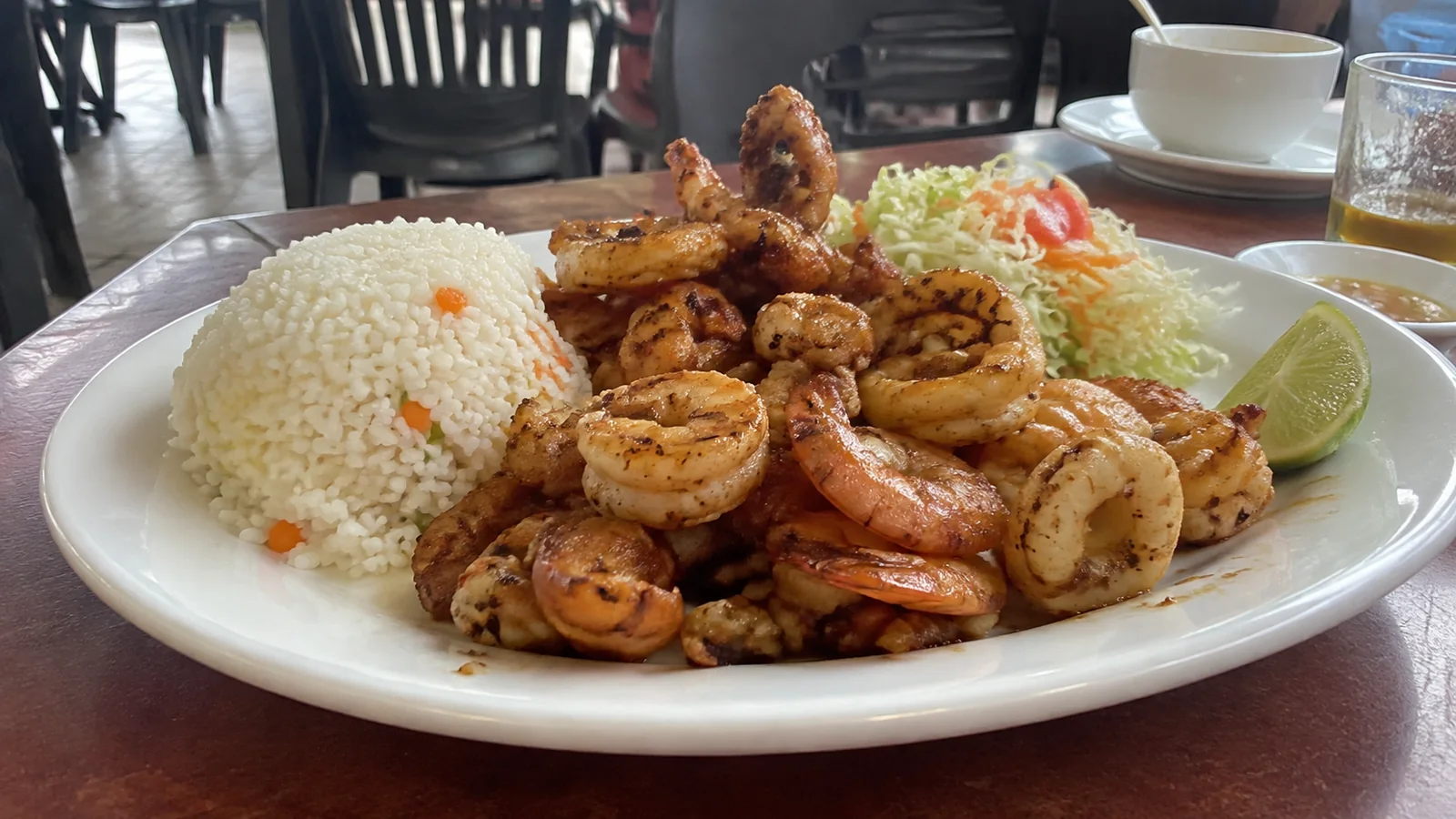
Manta and Manabí are known for seafood, including tuna, shrimp, ceviche, and rich regional soups such as viche. Choose a stop with clear food-handling practices, especially for raw seafood and food held in coastal heat.
Tell a guide about allergies before the meal, not after the dish arrives. Peanuts, fish, shellfish, dairy, and cross-contact can appear in recipes that are unfamiliar to visitors.
Cards may work in established businesses, while markets and tips often favor cash. Keep a backup payment method and avoid displaying a thick wallet.
Weather and what to wear
Manta’s equatorial coast can feel warm, humid, bright, and breezy, while cloud cover does not remove ultraviolet exposure. A hat, sunscreen, water, and breathable clothing belong in the plan year-round.
Rain patterns vary by season and year, and an El Niño event can materially change coastal conditions. Heavy rain can affect roads and excursion access even when the immediate port looks manageable.
Wear closed shoes for forest trails and sturdy sandals or walking shoes in town. Pack a light rain shell instead of relying on a bulky umbrella in wind.
Our cruise packing guide covers medication, documents, and shore-day essentials. Keep critical items with you rather than in a bus luggage compartment.
Accessibility and health planning
Terminal access does not guarantee that a city sidewalk, market, forest trail, beach, or tour vehicle will be accessible. Ask for step heights, lift availability, walking distance, restroom access, surface type, and wheelchair storage in writing.
The State Department notes that access and emergency resources can be limited in Ecuador. Travelers who need refrigeration, oxygen, dialysis, specialty medication, or rapid hospital care should discuss the route with medical and insurance professionals before sailing.
Travel insurance should cover the problems you cannot afford, including treatment and evacuation when applicable. Read exclusions for civil unrest, terrorism, preexisting conditions, and government advisories because policies differ.
Three realistic Manta port-day approaches
Lowest-complexity day
Use only the secure terminal and a cruise-line-supported nearby stop if current guidance permits. This minimizes road exposure and keeps the ship close.
Craft and culture day
Choose an organized Montecristi excursion with a confirmed workshop or cultural program, then return directly. The short geographic scope is more sensible than stacking Montecristi with a distant beach.
Nature day
Book a ship-operated Pacoche or comparable excursion only after current safety and trail conditions are confirmed. Accept that wildlife, weather, and access can change the experience.
For the wider regional picture, our South America cruise guide compares Pacific coast calls with longer Cape Horn, Amazon, and expedition-style routes.
The bottom line
Manta offers a meaningful look at coastal Ecuador through food, working-port life, beaches, forest, and Montecristi craftsmanship. The dedicated cruise terminal makes arrival straightforward, but it does not cancel the current Level 3 guidance for Manabí.
Check the advisory again, use organized transportation, choose a compact route, and protect a large return buffer. If conditions or your comfort level say no, enjoying the ship is a sensible travel decision, not a missed obligation.