Cheapest Places to Travel: 10 Trips With Real Value
The cheapest trip is not always the place with the cheapest lunch. Airfare, safe transportation, season, entry rules, and how many paid tours you need can turn a bargain destination into an expensive vacation.
How these budget ranges work
Every range below is a planning estimate in U.S. dollars per person, per day for two people sharing a simple private room. It includes local meals, ordinary public transportation or modest rides, and one low-cost activity, but excludes international airfare, alcohol, major tours, insurance, and shopping.
Solo travelers should add more for lodging, while hostel users may spend less. Families can sometimes reduce the per-person room cost but will pay more for private transfers, larger rooms, and ticketed attractions.
These are not promises or official prices. I checked current accommodation inventory, transport products, and attraction charges in September 2026, then widened the numbers because currency swings, weekends, festivals, and neighborhood choice can move a real budget quickly.
Cheap on the ground versus cheap from home
Vietnam can cost less per day than Mexico City, yet a traveler from Texas may spend far more reaching it. For a five-night trip, flight cost usually deserves more weight than a $15 difference in daily spending.
For a two- or three-week trip, an expensive long-haul flight has more days over which to spread. That is when Southeast Asia’s low room, food, and train costs become especially powerful.
Use a simple formula: airfare plus ground transportation plus daily range multiplied by trip days, then add insurance and the two experiences you refuse to miss. The broader system in these practical travel tips will help keep cheap choices from creating expensive problems.
1. Mexico City and Puebla, Mexico
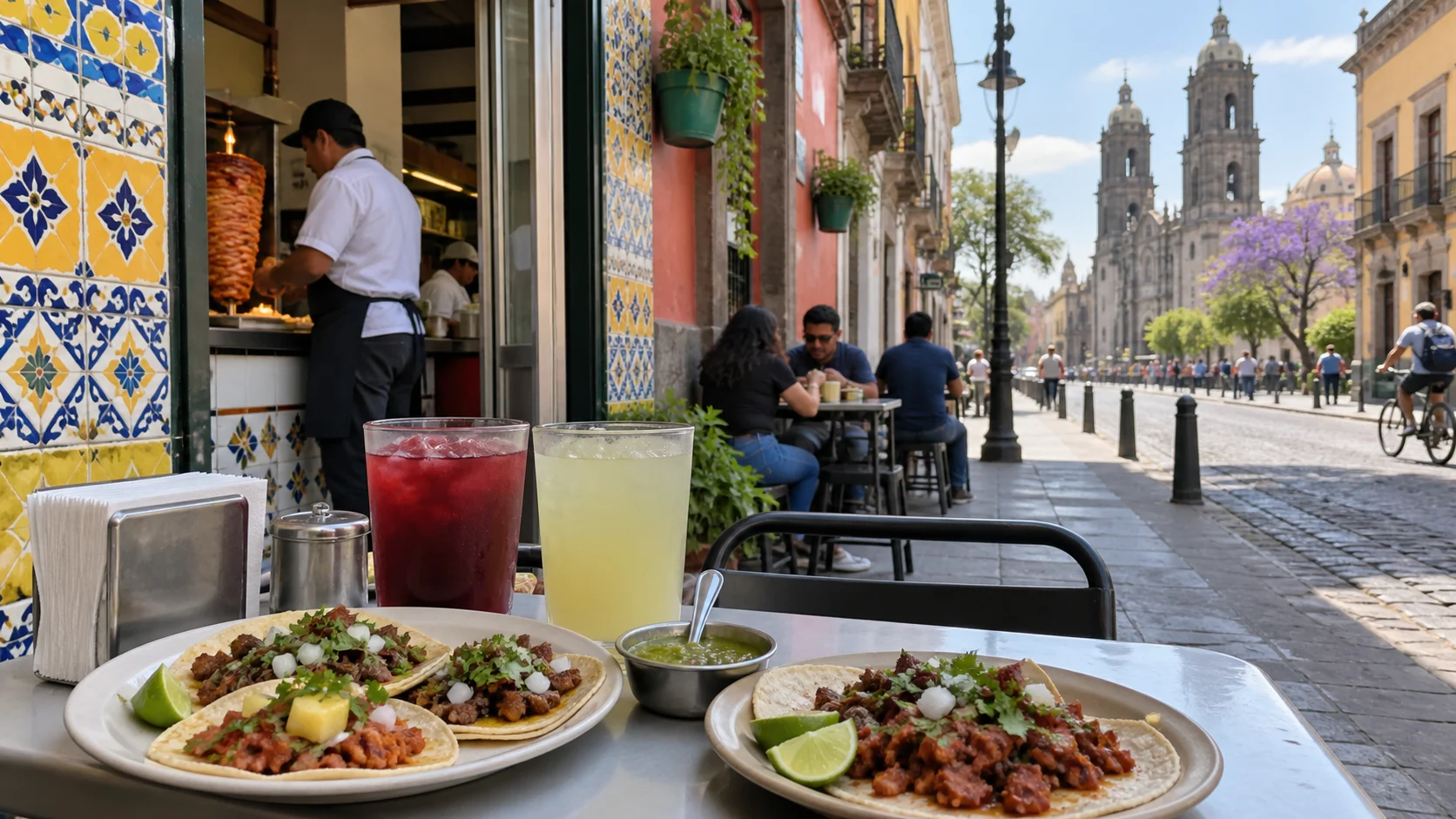
Planning range: $70 to $120 per person per day. Mexico is often the best total-value international trip for U.S. travelers because competitive flights and short travel time can beat a cheaper Asian destination for a one-week vacation.
Mexico City offers major museums, markets, parks, architecture, and a vast food scene without requiring a resort. Puebla adds colonial streets and regional cooking by a manageable intercity bus trip, but changing hotels is not necessary if the vacation is short.
The city’s official visitor site explains the Metro, Metrobús, and other options in its current transportation overview. Public transit can keep costs low, but crowded vehicles require close control of phones, wallets, and bags.
Visit outside major holidays and citywide events for better room value. Summer rain often arrives later in the day, while spring can bring heat and poor air quality, so “off-season” is not automatically comfortable.
Mexico’s U.S. advisory varies sharply by state and sometimes by road or municipality. Mexico City and Puebla should be checked individually, and a cheap fare is never a reason to ignore restricted routes or current local guidance.
Cancún’s Hotel Zone and Tulum are not substitutes for this budget. If you are comparing beach packages, the transport and safety checks in these Cancún travel tips explain why a low flight can still lead to a high total.

2. Hanoi, Ninh Binh, and Hue, Vietnam
Planning range: $45 to $85 per person per day. Vietnam combines inexpensive local meals, a wide lodging range, rail and bus connections, and many low-cost cultural sights.
Hanoi plus Ninh Binh works well for a first week because it limits internal flights and long transfers. Add Hue for a longer trip, but resist building an itinerary that loses every other day to overnight transportation.
The true savings appear over 12 days or more, when the transpacific flight is spread across many inexpensive ground days. A four-night dash from the United States is neither relaxing nor reliably cheap.
Entry rules must be checked through Vietnam’s official electronic visa portal, not a look-alike agency charging a service fee. Passport eligibility, allowed entry points, validity, and processing time can change.
Vietnam’s current U.S. advisory is Level 1, but petty theft is common in tourist areas and unexploded ordnance remains a danger away from ordinary urban routes. Do not touch unknown metal objects or wander off established paths in affected rural areas.
Northern winters can be gray and cool, central Vietnam has a different rainy pattern, and summer humidity is intense. Pick the region for the month rather than assuming the entire long country shares one “best season.”
3. Chiang Mai and Northern Thailand
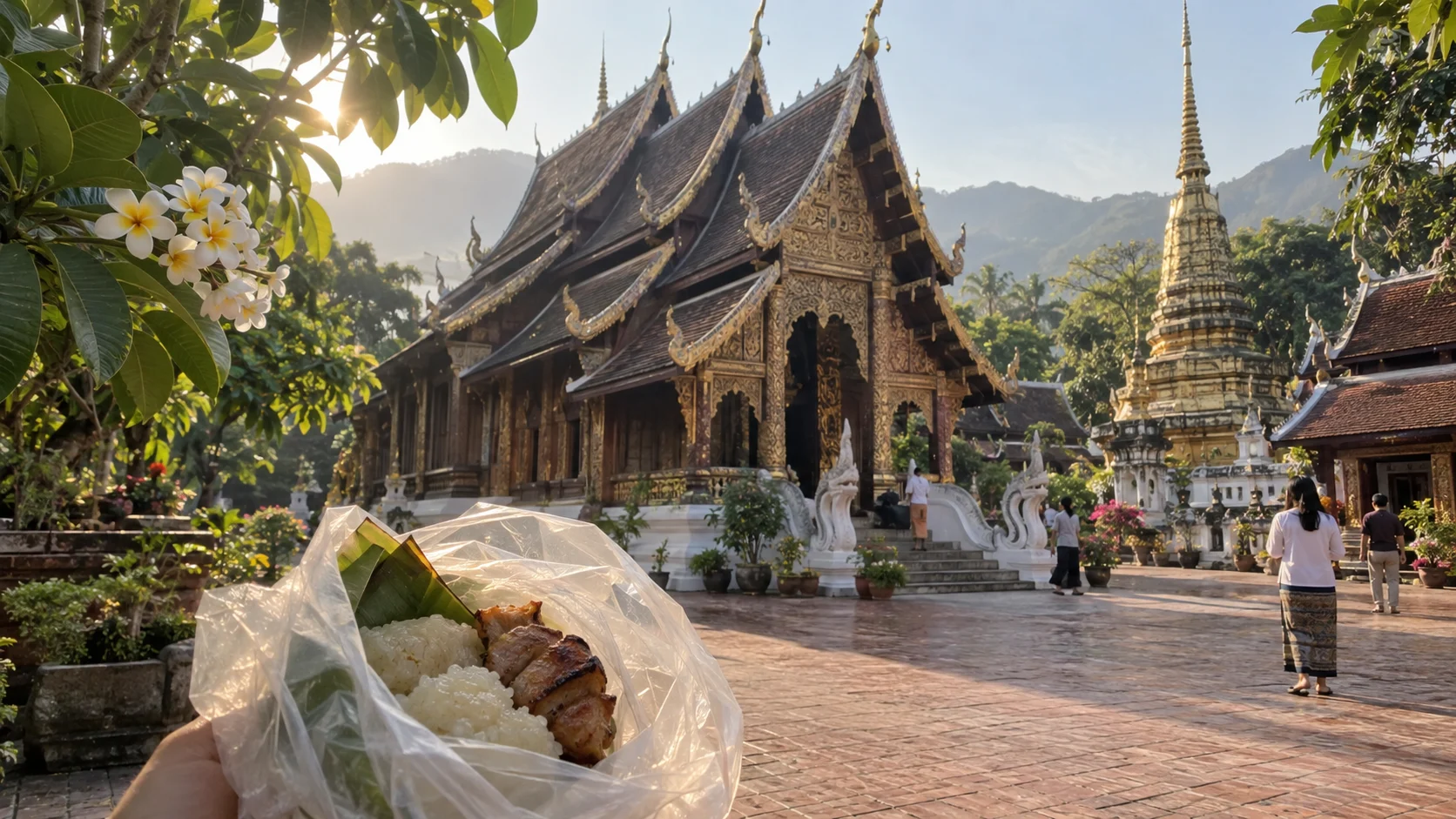
Planning range: $50 to $90 per person per day. Chiang Mai can deliver excellent food, temples, markets, guesthouses, and day trips at a lower cost than many island resorts.
The budget works best when you stay in one walkable area and use shared transportation selectively. Constant private cars, animal attractions, cooking classes, and mountain tours can double an otherwise modest daily spend.
Late winter and early spring can bring severe smoke in the north, so the cheapest room is poor value when air quality undermines outdoor plans. Rainy-season travel can be pleasant and green, but localized flooding and transport disruption remain possible.
Thailand’s current U.S. advisory is Level 1 with higher-risk areas, including caution near the Thai-Cambodian border due to armed-conflict risk. Check the exact route, since a national level does not erase regional warnings.
Bangkok can fit the same broad budget with a careful hotel choice, while Phuket and popular southern islands usually require more. Beachfront location, ferries, and airport transfers change the math much faster than street-food prices do.
4. Kuala Lumpur and Penang, Malaysia
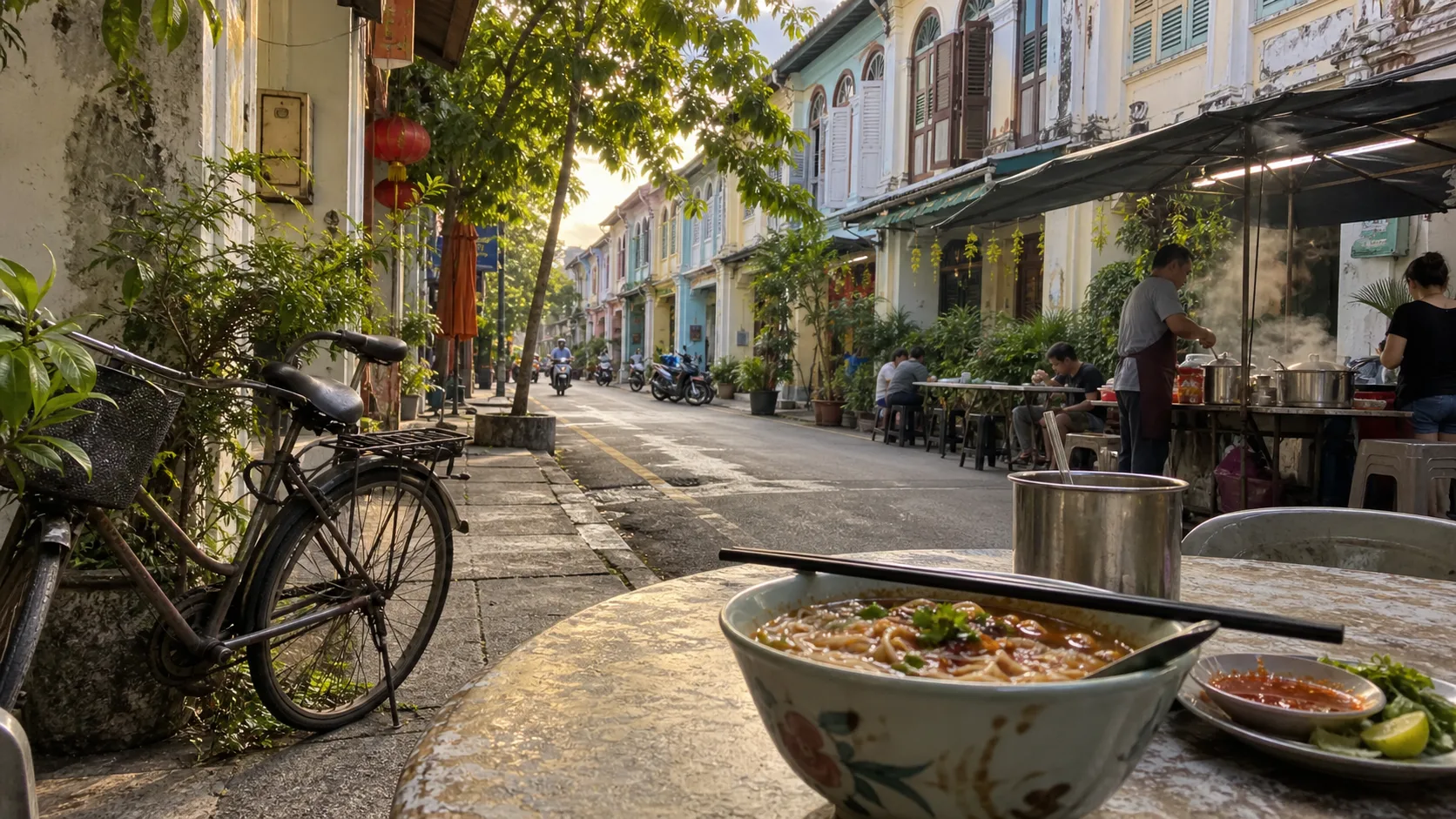
Planning range: $60 to $105 per person per day. Malaysia is one of the easiest value choices in Southeast Asia for travelers who want widespread English, good urban transportation, varied food, and comfortable private rooms.
Kuala Lumpur works without a rental car when the hotel sits near rail. The official KL TravelPass combines an airport train trip with two days of qualifying RapidKL rides, although individual tickets may be cheaper for a light schedule.
Penang adds heritage streets and a famous food culture, but the intercity flight, train, or bus still belongs in the total. Staying several nights is better value than collecting the city as a one-day stop.
Malaysia’s current U.S. advisory is Level 1, with increased caution for islands and maritime areas off eastern Sabah because of kidnapping risk. A safe-feeling capital does not answer the safety question for a remote island.
Heat and heavy rain are year-round realities, with regional monsoon patterns. Choose a well-located room with air conditioning and accept that an inexpensive ride may be worth more than a heroic midday walk.
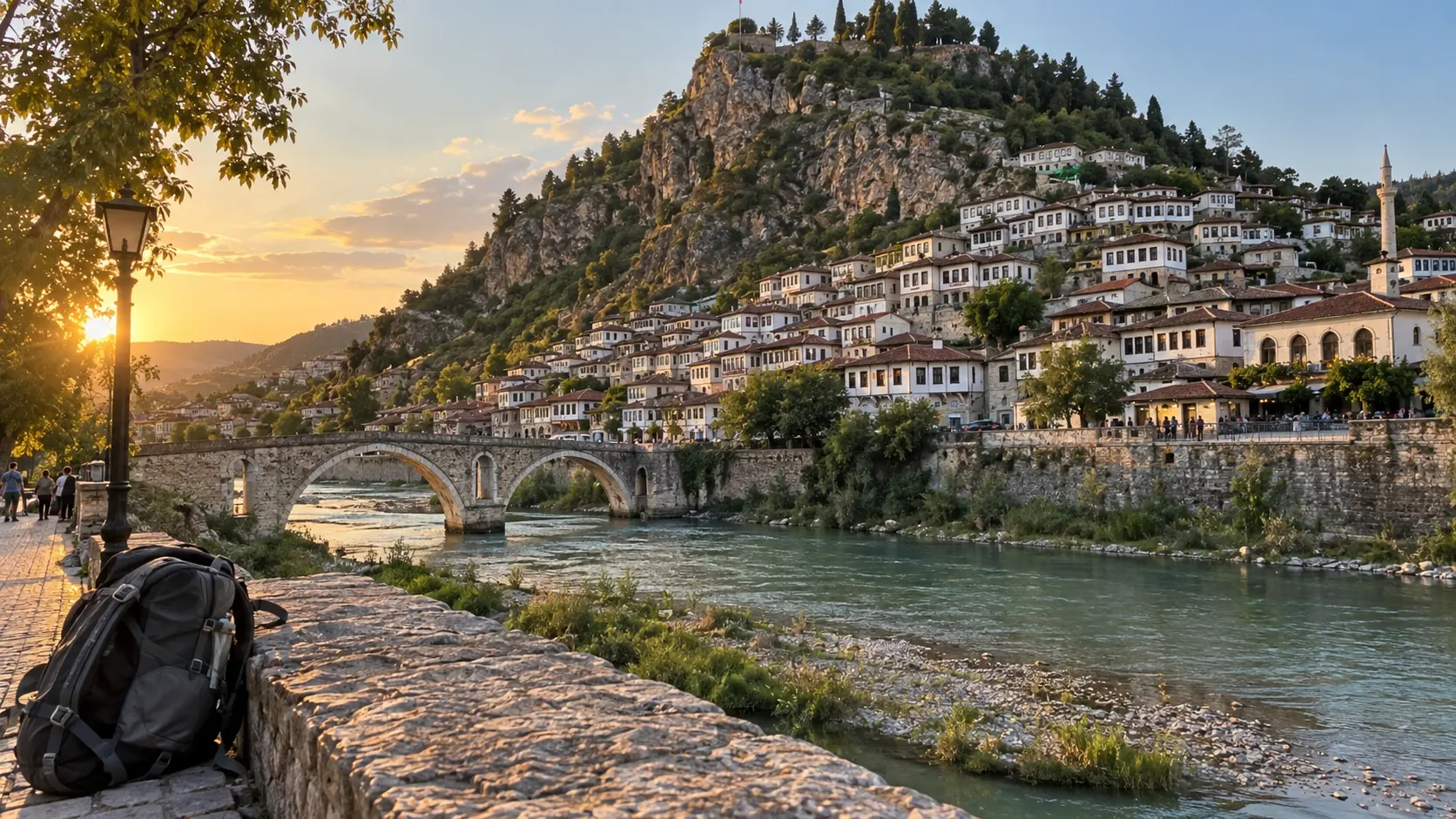
5. Tirana, Berat, and Gjirokastër, Albania
Planning range: $65 to $110 per person per day. Albania can provide strong European value through guesthouses, local restaurants, historic towns, mountain scenery, and a coast that is still less costly than many famous Mediterranean neighbors.
Tirana, Berat, and Gjirokastër form a better budget route than racing from the Alps to the Riviera. Intercity buses and vans are inexpensive, but schedules and departure points can require more local confirmation than a polished rail network.
Summer beach prices can erase Albania’s bargain reputation in Sarandë and Ksamil. Late spring and early fall usually provide better coastal value, while mountain access follows a different weather calendar.
The Albanian National Tourism Agency is a useful starting point for official destinations and seasonal events. Confirm transport locally through the accommodation, because a national inspiration page is not a live bus timetable.
As of late August 2026, the U.S. advisory is Level 2 due to crime. Use registered accommodations and transportation, protect valuables, and review any security alert issued after you book.
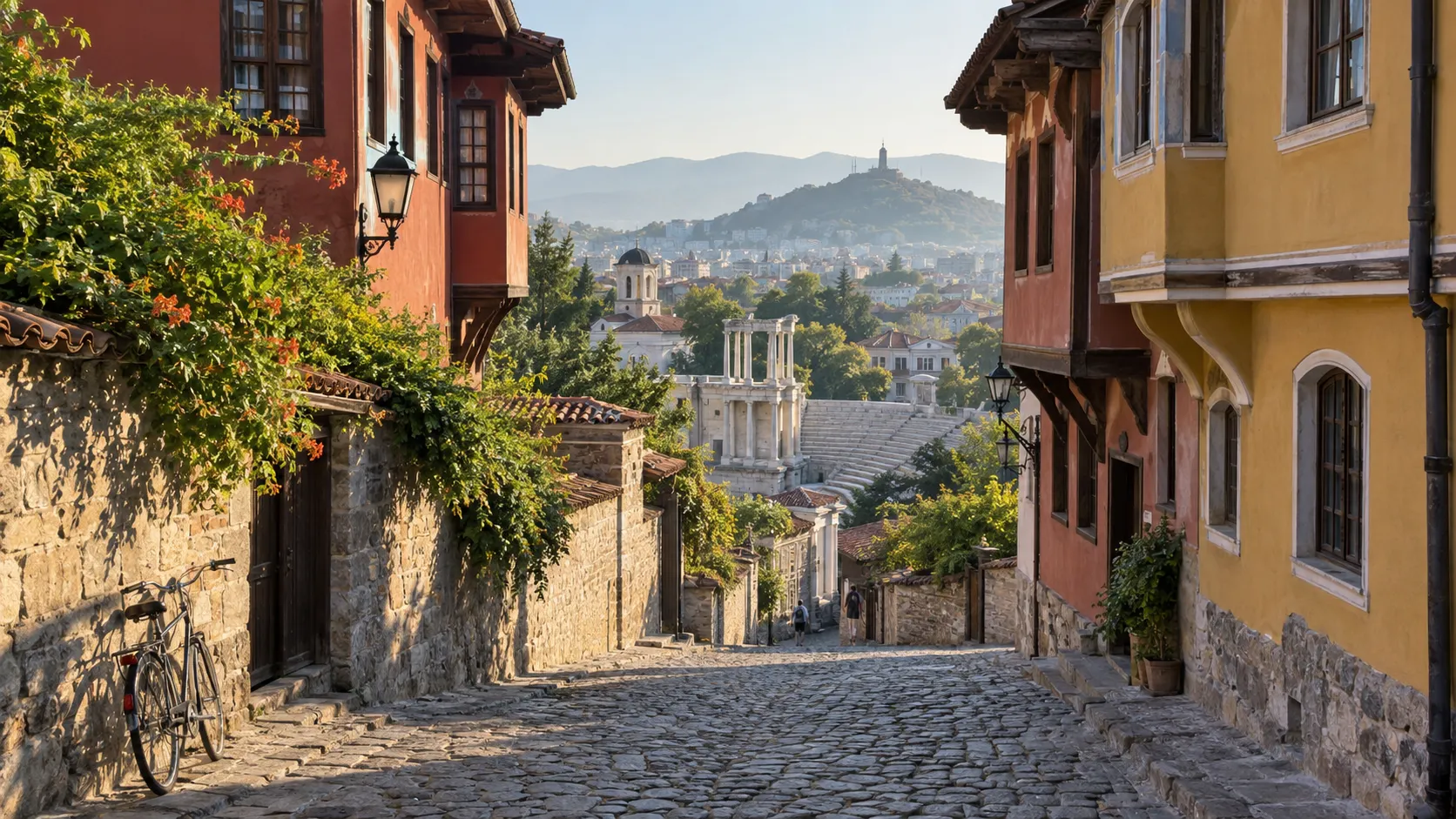
6. Sofia and Plovdiv, Bulgaria
Planning range: $65 to $110 per person per day. Bulgaria offers European city history, inexpensive local food, monasteries, and intercity rail or bus travel without the accommodation prices of Europe’s busiest capitals.
Sofia and Plovdiv make a sensible first route because both reward walking and do not require a car. Adding mountain villages can be wonderful, but private transfers and weather-dependent access need their own allowance.
Spring and fall tend to balance room rates with sightseeing weather. Winter can be attractive for city museums, while ski-resort pricing follows a completely different pattern.
Card acceptance is common in cities, but small cash purchases still occur. Use bank ATMs, decline conversion into dollars, and check the receipt currency before confirming a withdrawal.
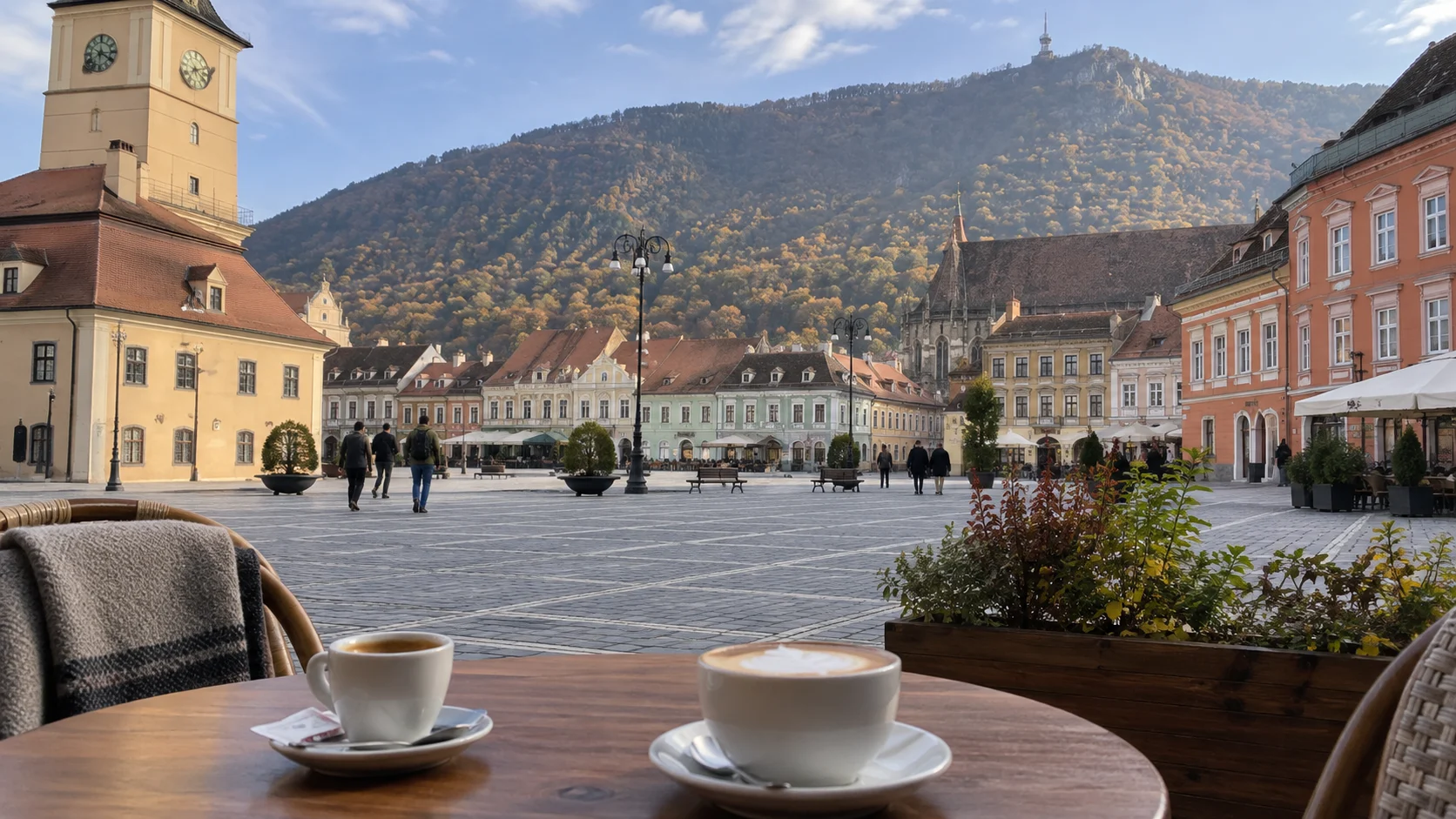
7. Bucharest, Brașov, and Sibiu, Romania
Planning range: $65 to $115 per person per day. Romania works well for travelers who want grand architecture, historic centers, mountain scenery, and train-linked cities at a moderate European cost.
Bucharest is the flight and rail gateway, while Brașov and Sibiu usually deliver the postcard atmosphere visitors imagine. Three bases in six nights create needless transport, so choose two and give day trips realistic rail time.
Castle admissions, guided excursions, and rideshare trips can push the total above the range. A traveler who mainly walks historic districts and uses trains will see much more of the value.
Mountain roads and trails are seasonal, and bears are a serious wildlife issue rather than a photo opportunity. Follow local closures, keep distance, and never approach roadside animals.
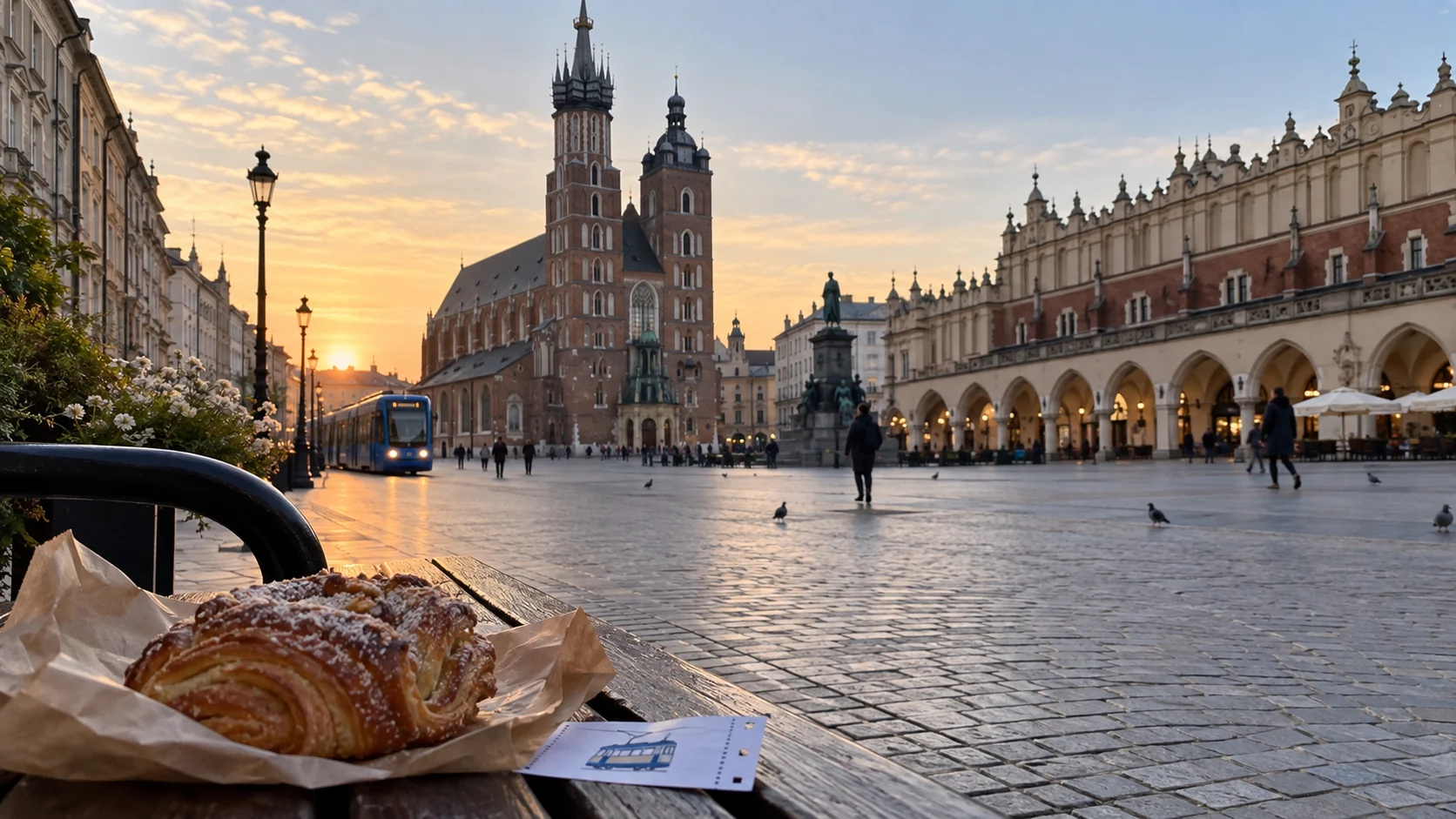
8. Kraków and Wrocław, Poland
Planning range: $75 to $125 per person per day. Poland is not the cheapest country on this list, but its combination of rail connections, substantial museums, walkable historic centers, and good-value rooms can outperform nominally cheaper places that require a car.
Kraków is the easiest first base, with Wrocław a strong second-city option. Warsaw deserves time too, but a three-city week spends too much money and attention moving between hotels.
Major memorial sites require respectful planning and should never be treated as quick entertainment. Reserve official entry or transport early when necessary, and leave enough time for the visit rather than stacking it beside several attractions.
Use these Poland attraction routes to group places realistically. Shoulder months can reduce lodging costs, but cold, rain, and shorter daylight affect how much you can comfortably do.
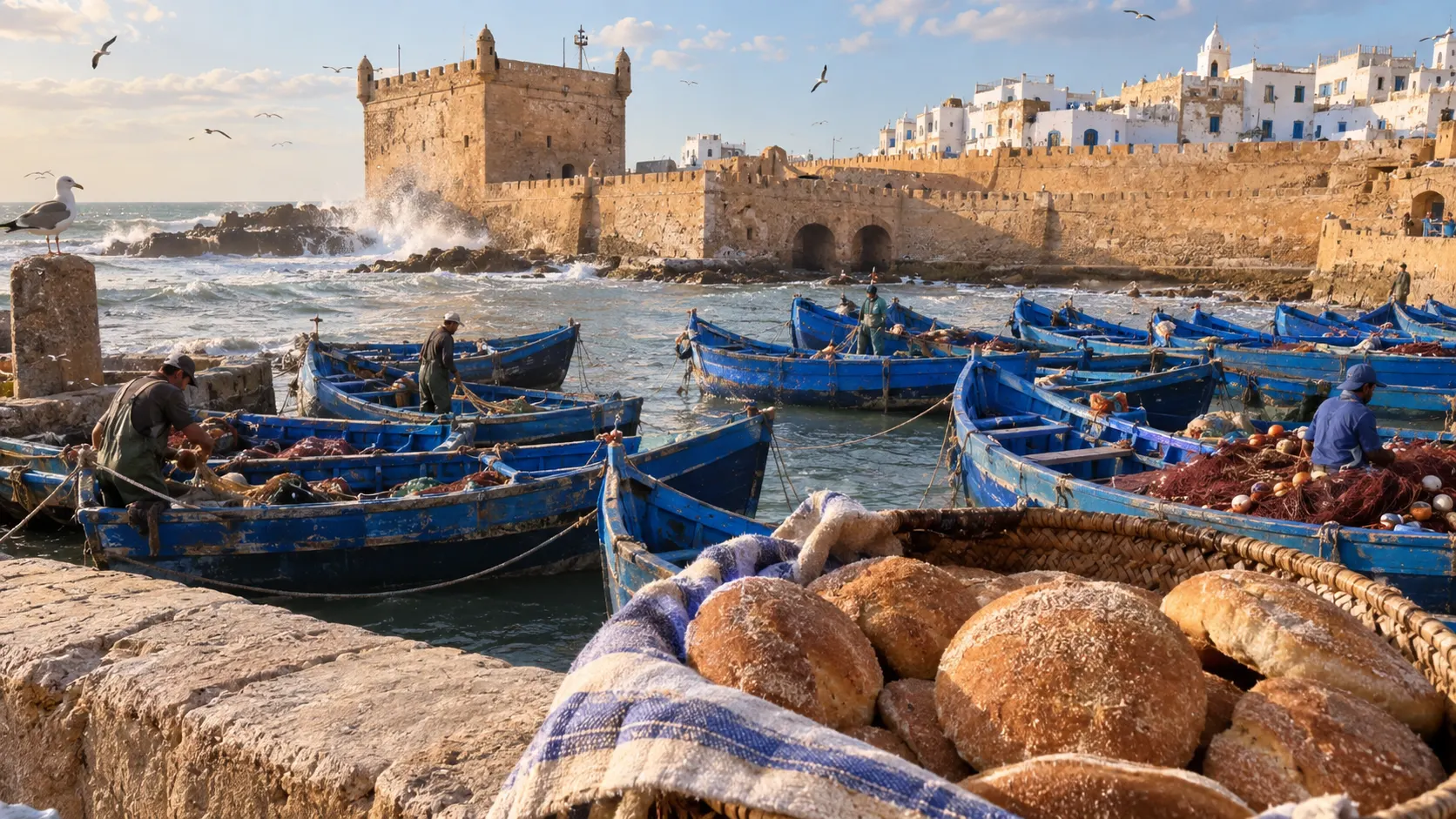
9. Marrakech and Essaouira, Morocco
Planning range: $60 to $110 per person per day. Morocco can be affordable through riads, local meals, trains, buses, and public sights, but guided trips and desert packages vary enormously in quality and price.
Marrakech plus Essaouira is a manageable first route with a clear contrast between inland city and coast. A rushed Sahara tour consumes long hours on the road and is not automatically good value because the advertised price is low.
Heat can make summer sightseeing exhausting, while mountain and desert nights can be cold. Spring and fall often justify a slightly higher room price through more usable daytime hours.
The current U.S. advisory is Level 2 due to terrorism risk. Crowded markets also require ordinary protection against scams and theft, and travelers should respect local laws and cultural expectations.
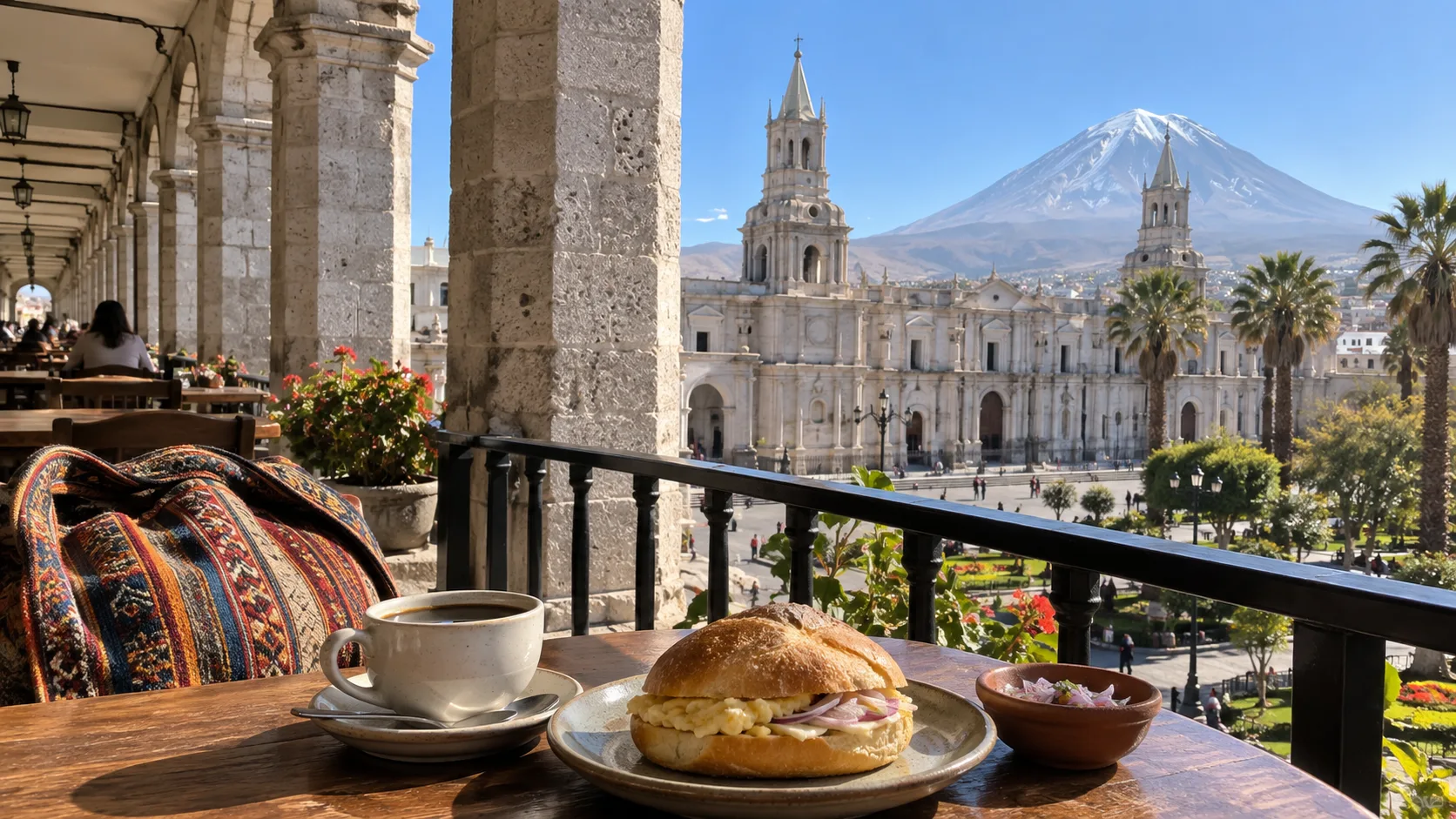
10. Arequipa and Trujillo, Peru
Planning range: $60 to $115 per person per day. Peru becomes much more budget-friendly when the trip is not built entirely around peak-season Cusco, Machu Picchu, and domestic flights.
Arequipa offers architecture, food, and access to highland scenery, while Trujillo adds major archaeological sites on the north coast. They belong on separate regional trips unless you have enough time for a deliberate domestic connection.
Altitude is a health consideration around Arequipa and higher excursions, not a scheduling inconvenience to power through. Build in an easy arrival day and discuss personal medical concerns with a qualified clinician before travel.
For the northern option, this Trujillo attractions guide separates the city, Chan Chan, and Moche sites. Tours can be good value when they solve transport, but verify the operator and included admissions.
Peru’s current U.S. advisory is Level 2 with higher-risk areas, and demonstrations can disrupt roads, trains, and airports. Flexible bookings and an extra buffer day matter more than squeezing out the lowest room rate.
Why Guatemala is not in my top 10 right now
Guatemala can be inexpensive on the ground, and Antigua plus Lake Atitlán is often promoted as a budget classic. As of March 2026, however, the U.S. Department of State advises travelers to reconsider travel because of crime and terrorism, with some areas at a higher level.
That does not make every visit impossible, but it makes a casual “cheap and easy” recommendation irresponsible. Anyone considering it should read the full current advisory, use well-vetted transport, and make an informed personal risk decision.
Safety and entry rules can change the list overnight
Review the exact country page on the U.S. Department of State travel advisory site before booking and again before departure. National levels can contain city, border, maritime, road, or department-specific warnings that matter more than the headline number.
Also check the destination government for passport validity, visas, electronic authorizations, arrival forms, vaccines, driving rules, and local laws. A third-party visa site can cost more and still submit the wrong application.
Insurance is not a substitute for following official warnings. Some policies limit coverage when a traveler enters a warned-against area or when an event was already known at purchase.
How to make any destination cheaper
- Travel just outside peak weather instead of during the worst weather.
- Stay near transit and daily sights, not near the cheapest map pin.
- Choose two bases per week rather than paying to move every day.
- Eat local food because you enjoy it, not because you must skip every comfortable meal.
- Book one signature experience and fill the rest with walks, markets, parks, and public museums.
- Use a card without foreign-transaction fees and decline dynamic currency conversion.
- Carry an emergency buffer that is separate from the daily budget.
The best savings often come from geography, not deprivation. A $90 room beside a train station and major sights can beat a $60 room that requires four rides and wastes two hours every day.
A cheap trip should still include safe transport after dark, adequate food, travel insurance, and a room you can sleep in. If the budget only works by removing those basics, choose a shorter trip or a closer destination.
My bottom line
Mexico City is my strongest short-trip value for many U.S. travelers, while Vietnam wins for low daily costs on a longer trip. Malaysia is the easiest Southeast Asian value, Albania and Bulgaria stretch a European budget, and Poland rewards travelers willing to spend slightly more for straightforward logistics.
Price three complete trips from your own airport before choosing. The winning destination is the one that stays affordable after safe transportation, good timing, entry requirements, and the experiences that made you want to go.