12 Argentina Landmarks: A Regional Planning Guide
Argentina’s landmarks span a country more than 2,600 miles long, so no sensible trip collects all 12 like refrigerator magnets. Pick one major landscape beyond Buenos Aires, protect the travel days between regions, and let this list help you choose a route instead of quietly inventing a six-week vacation.
How to plan an Argentina landmarks trip
Buenos Aires is the main international gateway and deserves at least three full days. From there, domestic flights usually make more sense than long buses when joining Iguazú, Mendoza, El Calafate, Puerto Madryn, or Ushuaia on a short trip.
Argentina’s seasons run opposite those in the United States, and conditions vary sharply by latitude and elevation. The national tourism board’s regional climate overview describes the north as generally warmer, Cuyo as dry with a wide daily range, and Patagonia as colder and windier.
Ten days comfortably fits Buenos Aires plus one distant region, while two weeks can support the capital and two well-connected regions. A map may suggest that “Patagonia” is one stop, which is adorable of the map.
Buenos Aires landmarks
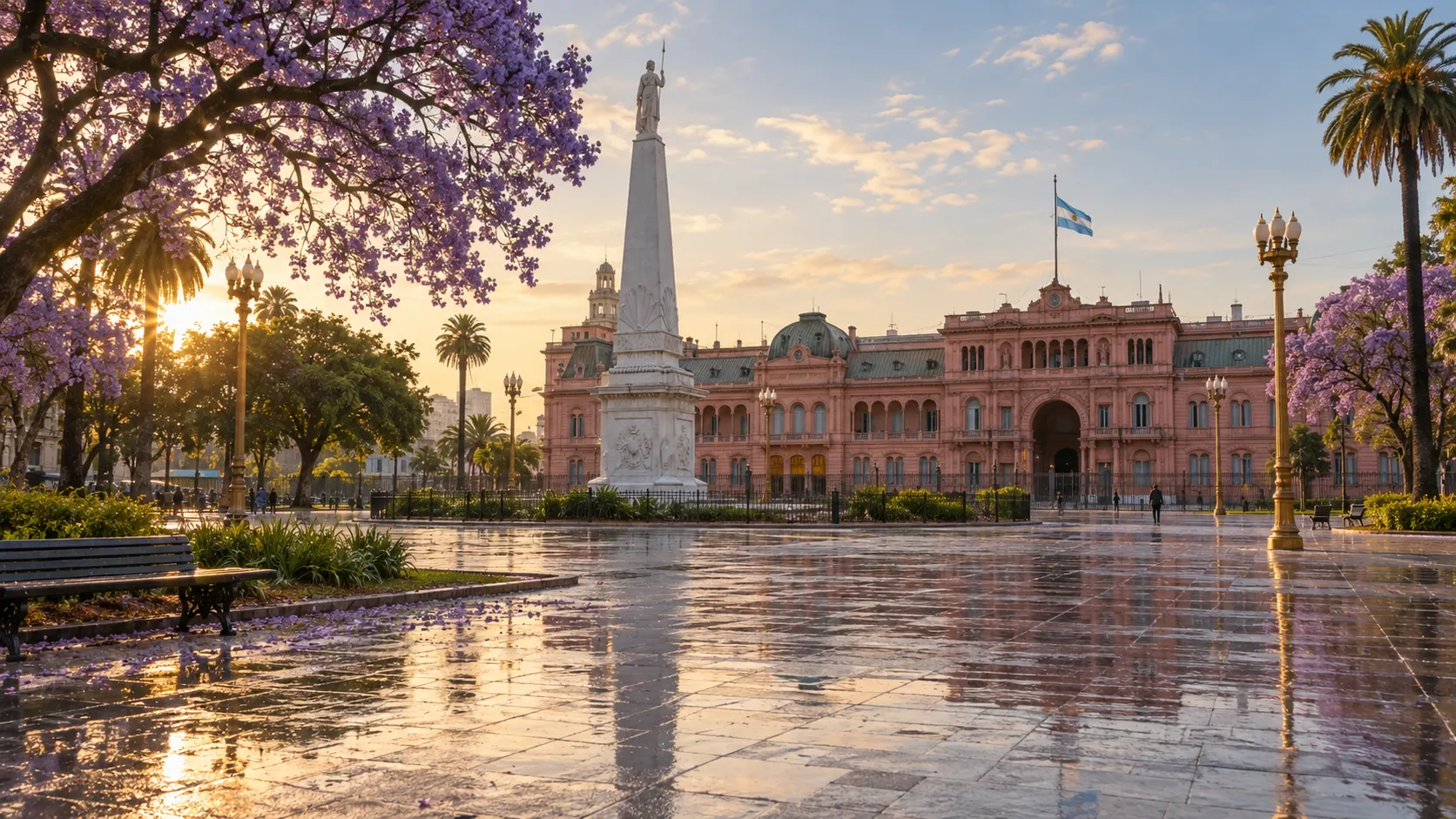
1. Plaza de Mayo and Casa Rosada
Plaza de Mayo is the civic and historical heart of the capital, framed by Casa Rosada, the Metropolitan Cathedral, the Cabildo, and other government buildings. Begin here to understand the city before chasing individual photo spots.
Political events and demonstrations can change access or traffic without much notice. Visit in daylight, check local conditions, and treat barriers around government buildings as instructions rather than composition challenges.
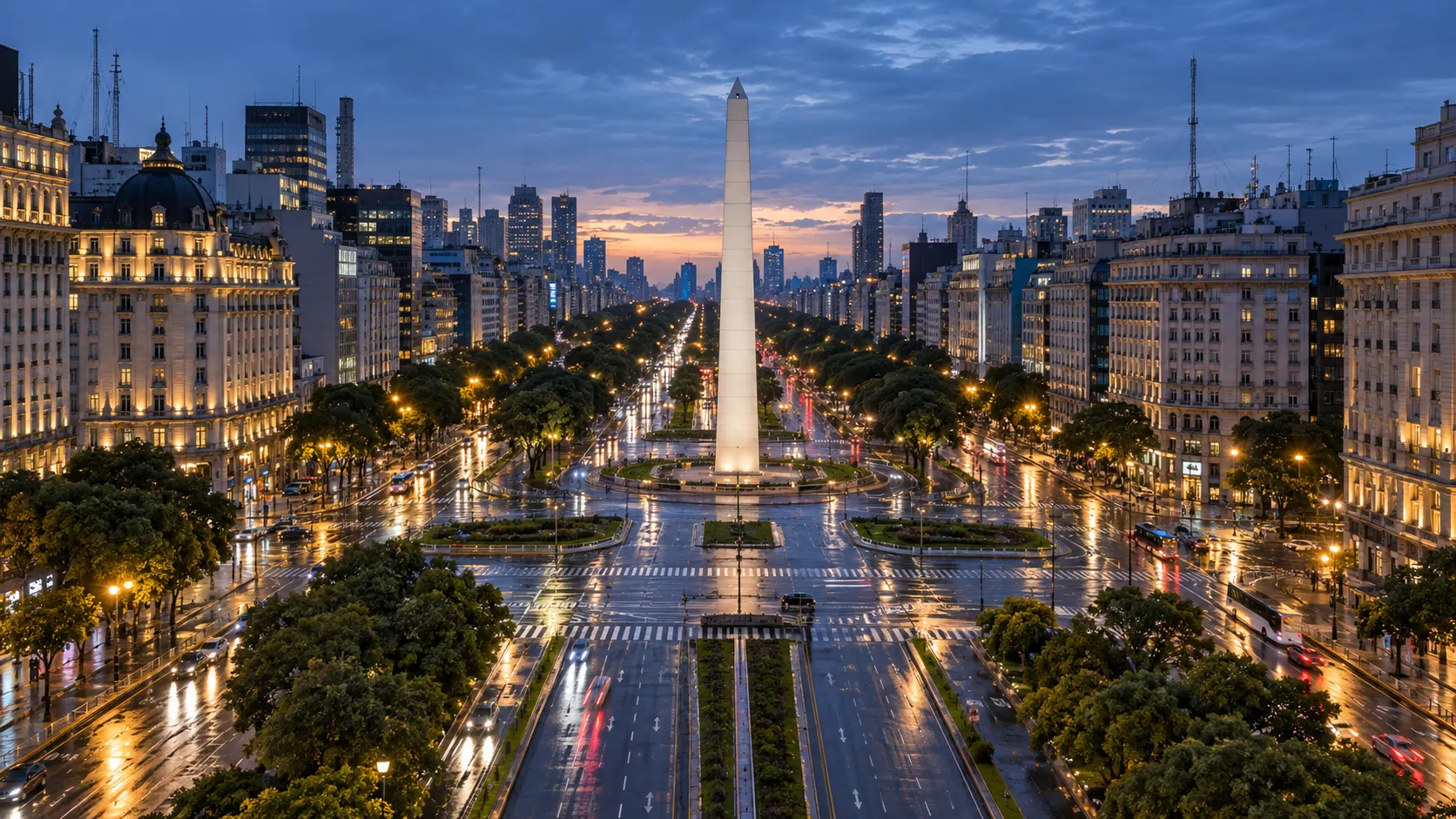
2. The Obelisk and Avenida 9 de Julio
The Obelisk marks the center of Buenos Aires in the public imagination and stands amid one of its busiest traffic landscapes. The monument was built for the fourth centenary of the city’s first foundation, according to the city’s official must-see list.
Pair it with nearby Teatro Colón and an evening walk on Calle Corrientes rather than making a special cross-city trip for one photograph. Use marked crossings because the grand avenue is still an avenue, not a pedestrian plaza with unusually committed taxis.
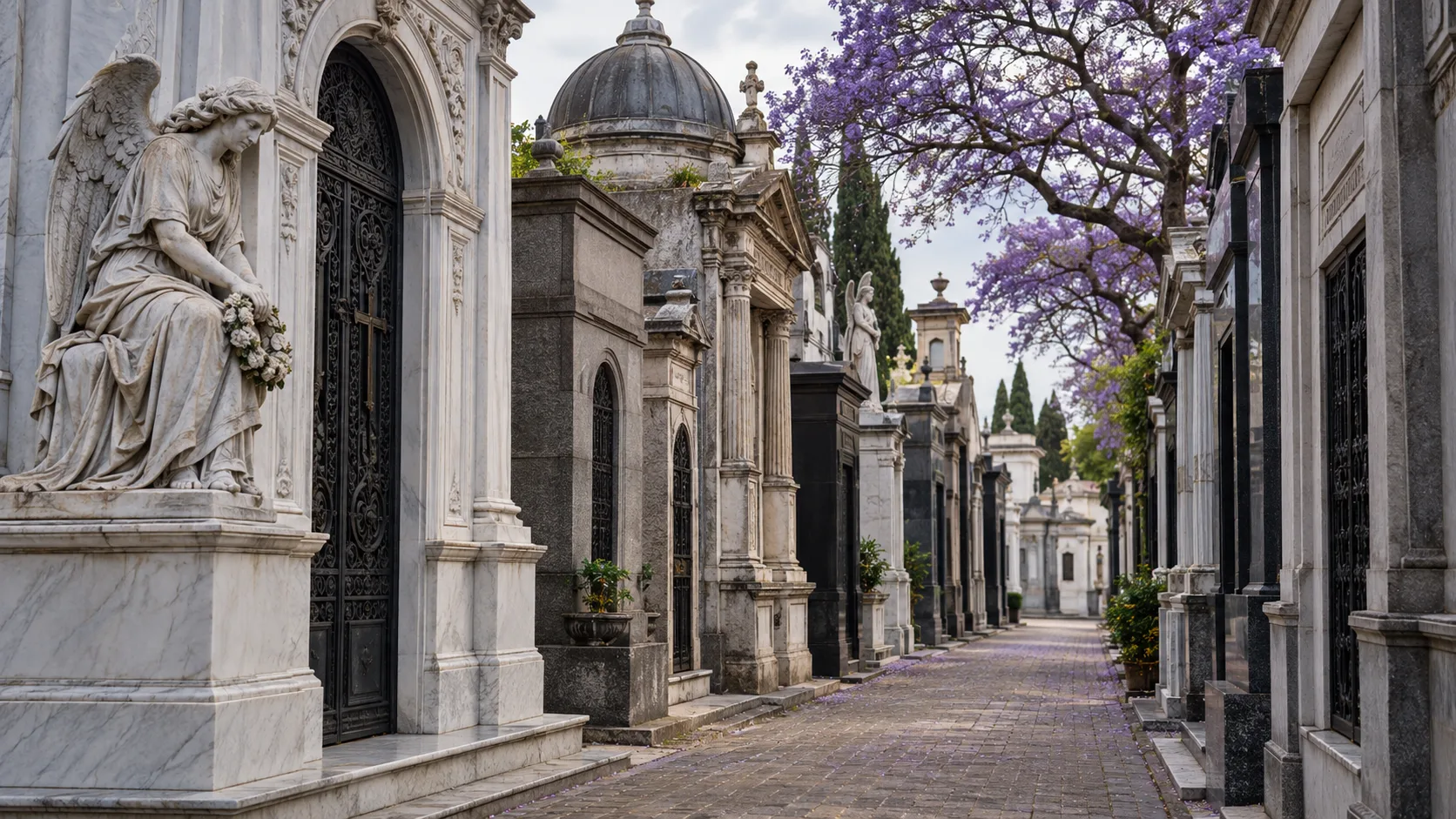
3. Recoleta Cemetery
Recoleta Cemetery is an open-air city of mausoleums associated with national figures, including Eva Perón. Its architecture, sculpture, and history deserve a guided or self-guided visit rather than a single beeline to the most famous tomb.
Check current admission, tour, and opening information directly because visitor procedures can change. Dress for sun and hard paving, speak quietly around mourners, and remember that it remains a cemetery.
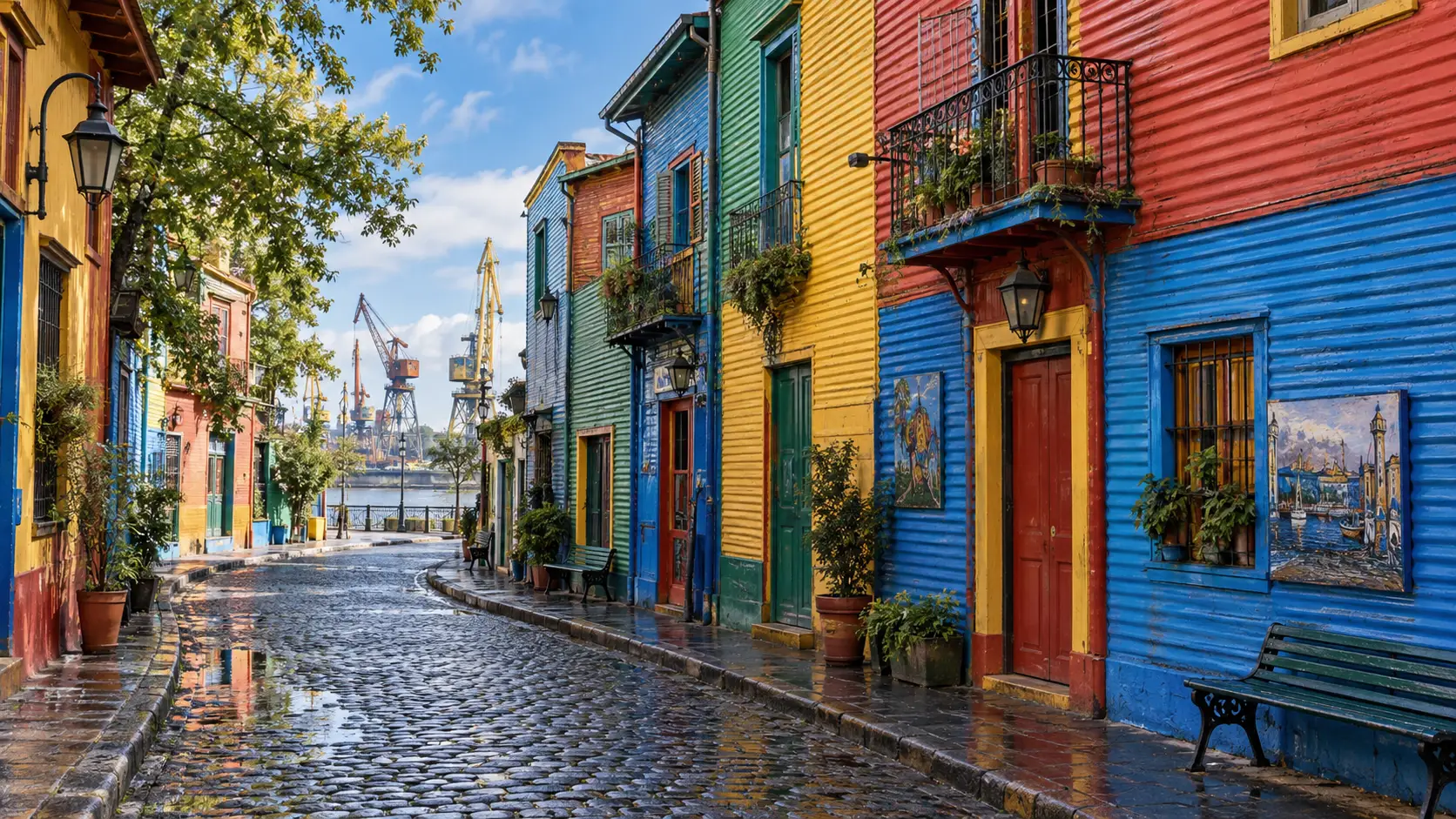
4. Caminito and La Boca
Caminito’s painted facades, public art, tango imagery, and immigrant history make it one of the city’s most recognizable scenes. Stay within the established visitor area, go during active daytime hours, and use a planned ride or trusted route rather than wandering by color alone.
La Boca also contains La Bombonera, the Boca Juniors stadium, but match days and stadium tours need separate planning. For port arrivals and a compact city route, the Buenos Aires cruise-port itinerary helps sequence these neighborhoods.
Northeast Argentina
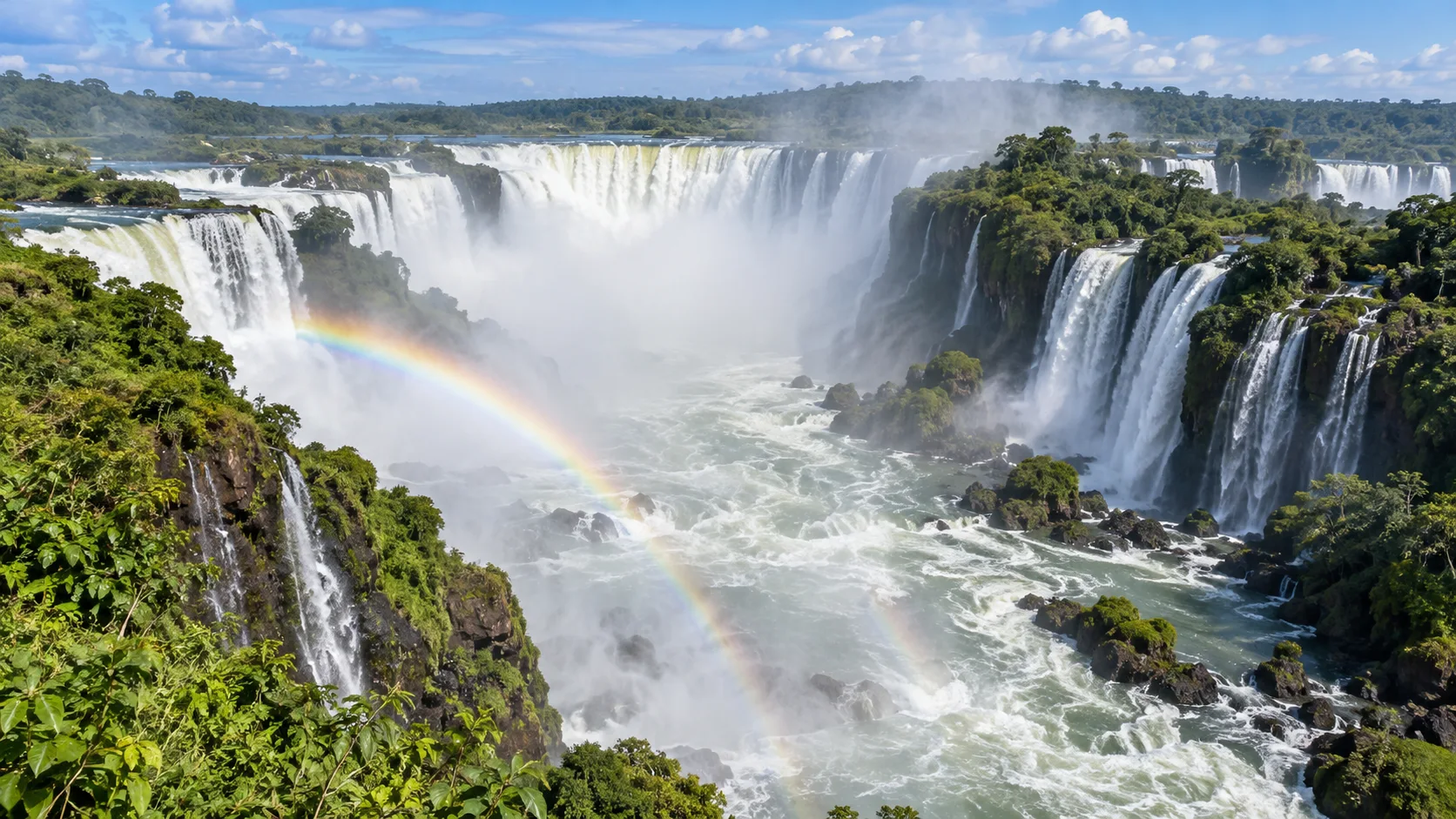
5. Iguazú Falls
Iguazú is not one overlook but a network of rainforest paths, elevated walkways, viewpoints, and an internal train around a vast waterfall system. The Argentine side rewards a full day, while travelers with more time can consider the Brazilian side subject to separate entry requirements.
The official Iguazú National Park page lists daily opening from 8 a.m. to 6 p.m., entry until 4 p.m., and a 3:30 p.m. last train toward Garganta del Diablo. Conditions, water levels, storms, maintenance, and wildlife can close individual circuits, so confirm on the visit date.
Buy park entry through the official channel, arrive early, and wear quick-drying clothing with shoes that grip wet surfaces. Keep food secured and never feed or touch wildlife, even when an animal performs the universal pantomime for “I have never eaten.”
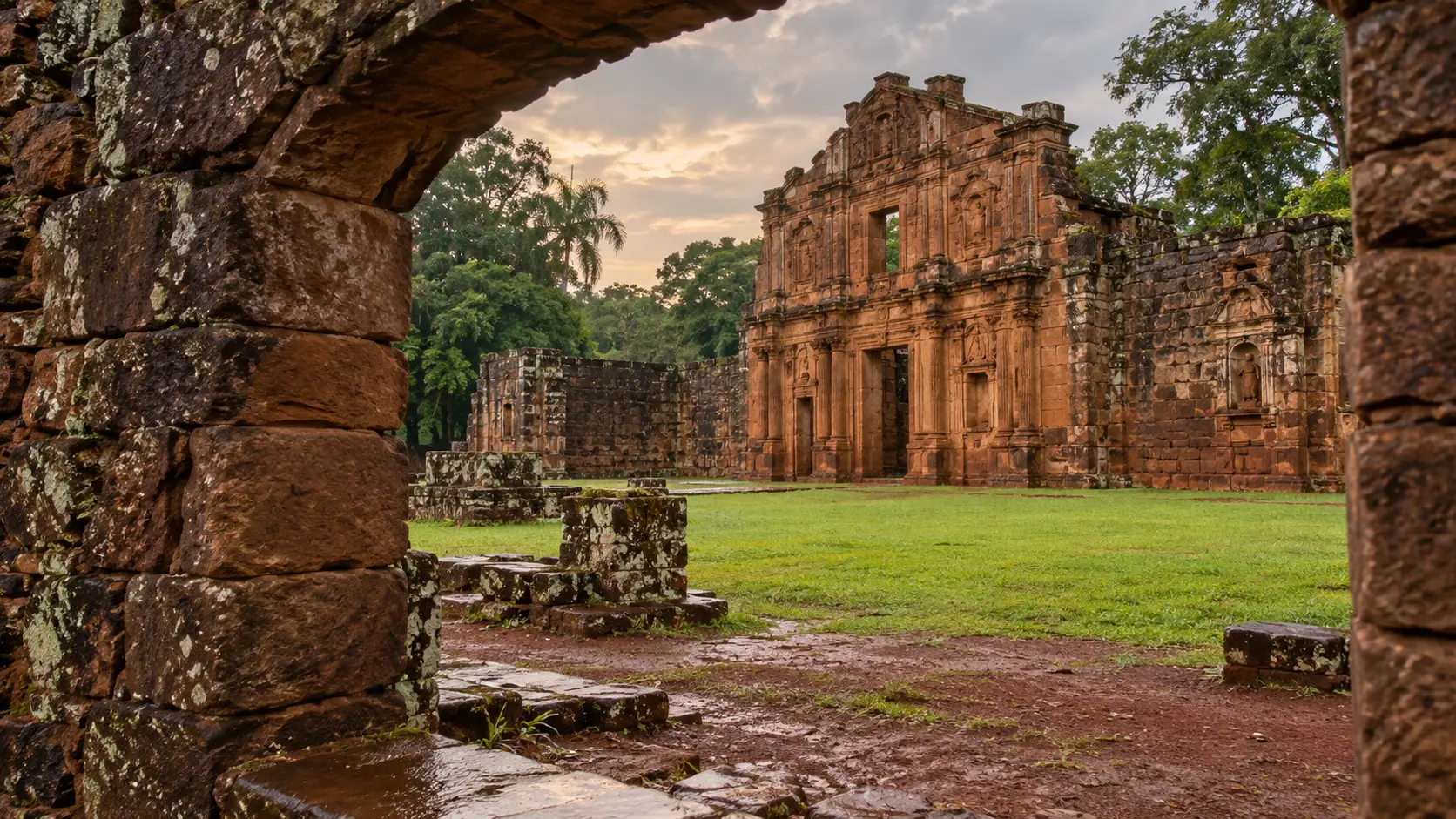
6. San Ignacio Miní
The red-stone ruins of San Ignacio Miní preserve part of the Jesuit Missions of the Guaraní, a UNESCO-listed group shared with sites in Argentina and Brazil. The landmark lies in Misiones Province, but it is not beside the falls, so build it into an overland route rather than a casual lunch break.
Choose it when archaeology and Guaraní-Jesuit history matter as much as rainforest scenery. Heat, humidity, and limited shade favor an earlier visit, with current hours and interpretation checked locally.
Northwest Argentina
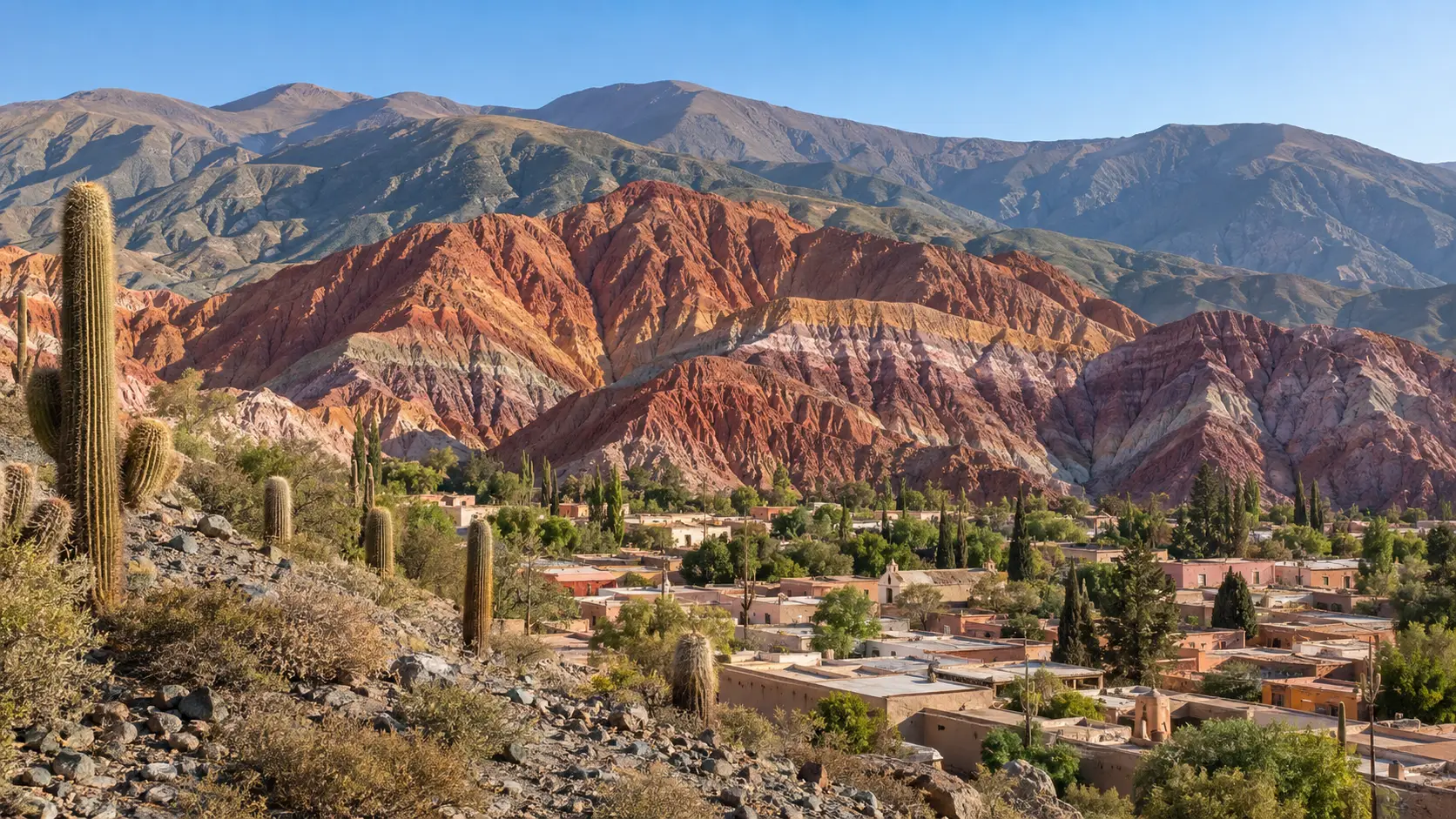
7. Quebrada de Humahuaca
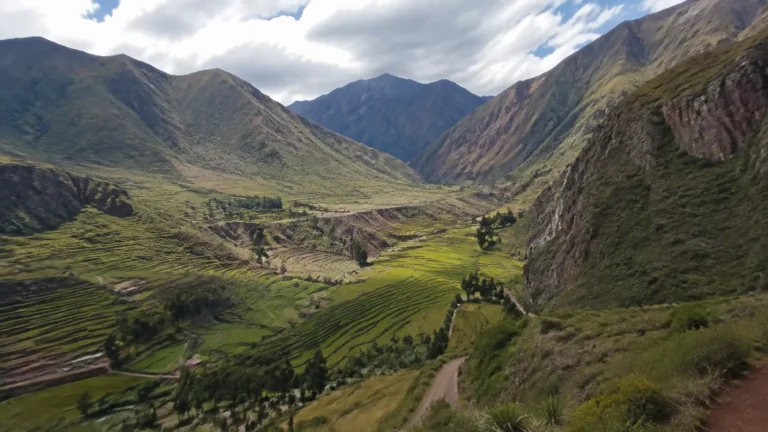
This long mountain valley in Jujuy combines multicolored geology, highland communities, archaeological history, and a travel corridor used for thousands of years. UNESCO describes the Quebrada de Humahuaca cultural landscape as running between the high Puna and eastern wooded areas.
Purmamarca, Tilcara, and Humahuaca work as distinct bases or stops, not interchangeable scenic labels. Travel slowly as elevation increases, hydrate, protect against intense sun, and avoid scheduling a strenuous high-altitude excursion immediately after arriving from Buenos Aires.
Renting a car gives flexibility, while a reputable tour removes navigation and parking stress. Either way, do not block roads or enter private and community land for a cleaner view of a colored hill.
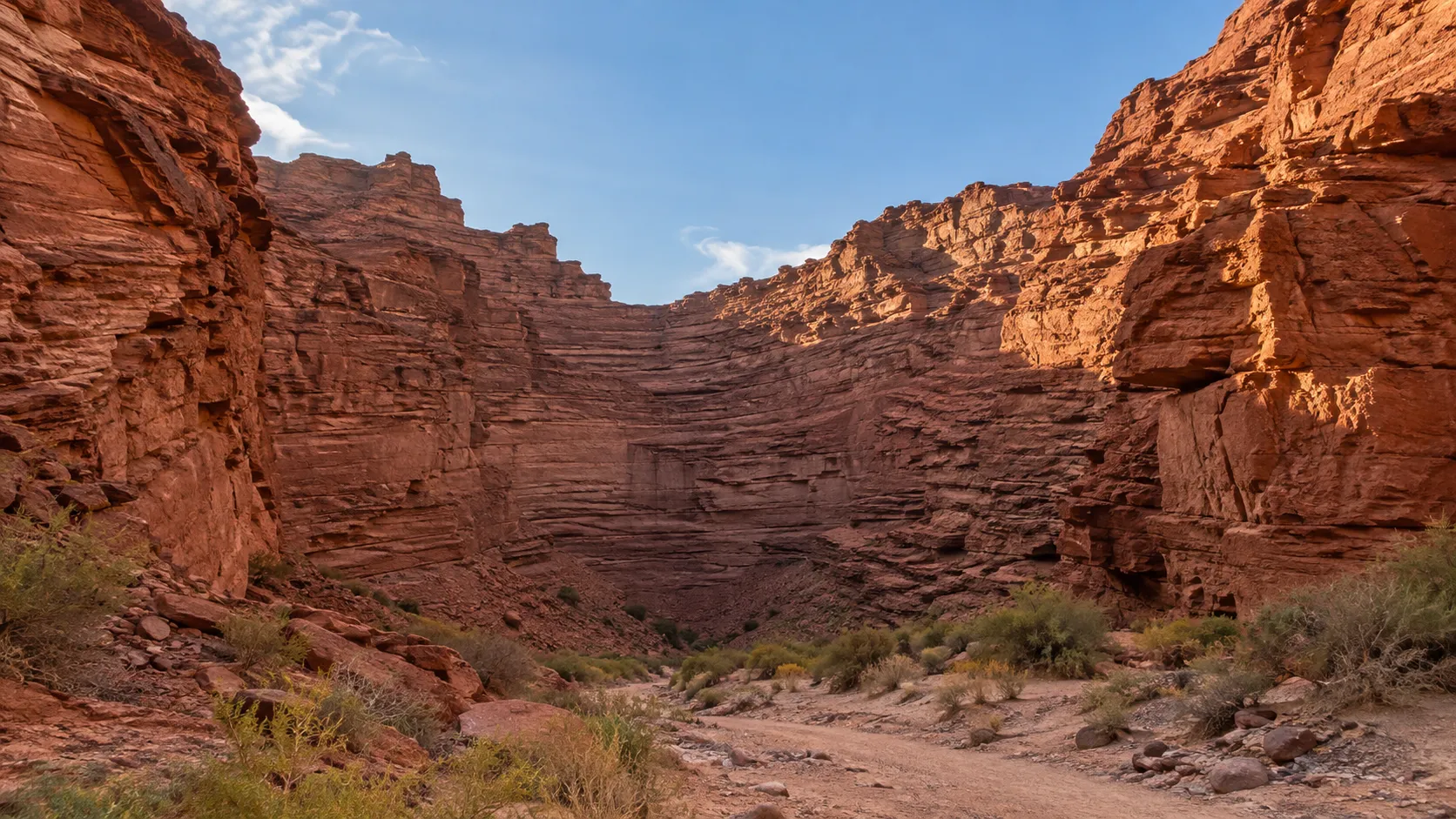
8. Quebrada de las Conchas near Cafayate
South of Salta, the road through Quebrada de las Conchas passes sculpted red-rock formations with named stops such as the Amphitheater and Devil’s Throat. Cafayate adds vineyards and a relaxed overnight base, making this a landscape route rather than one monument.
A day tour from Salta is possible but road time is substantial, while an overnight allows more breathing room. Keep tasting and driving separate, carry water, and check weather because summer storms can affect mountain roads.
Cuyo and western Argentina
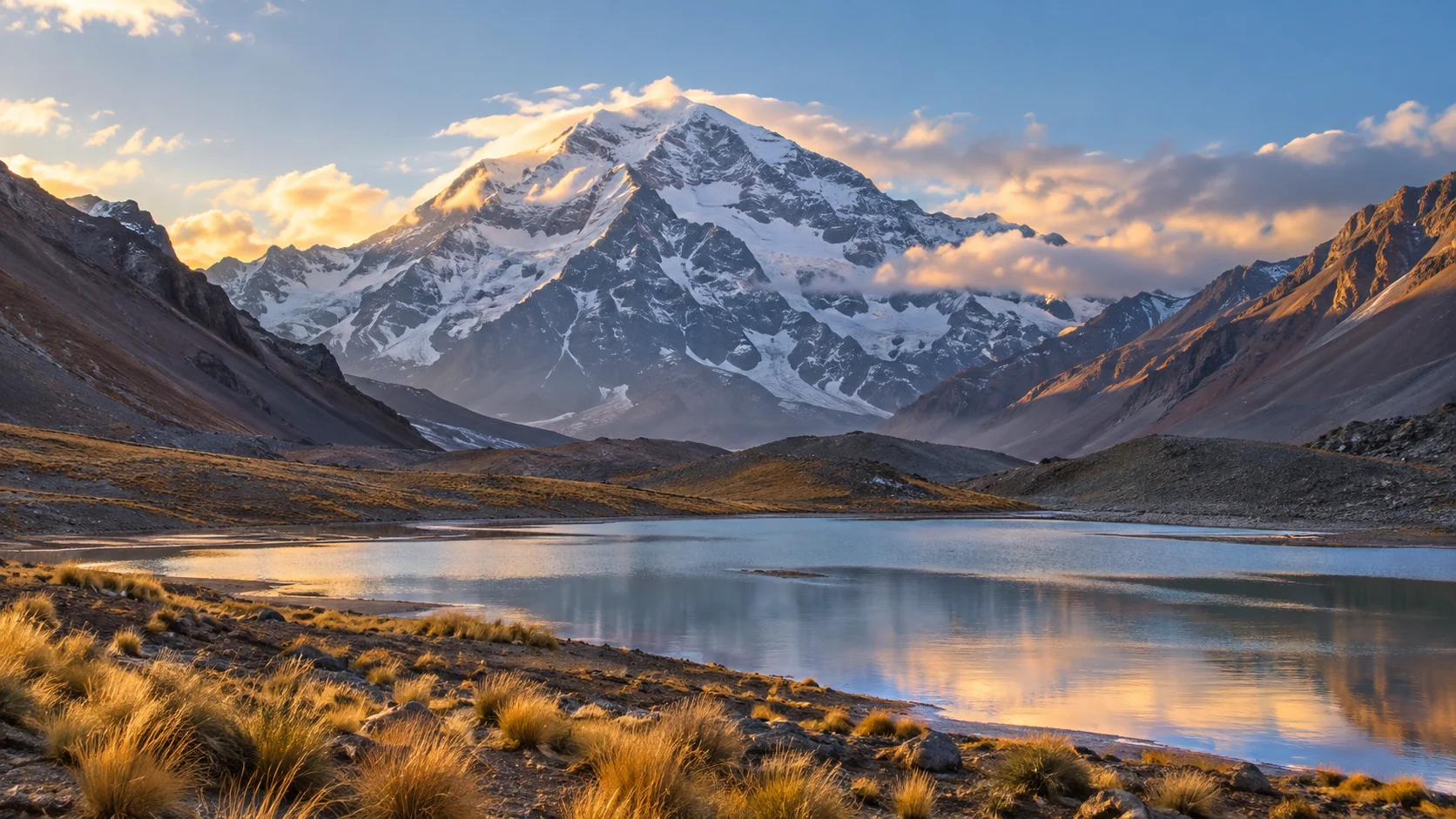
9. Aconcagua Provincial Park
Aconcagua rises about 22,837 feet and is the highest mountain outside Asia. Seeing it on a permitted day visit is entirely different from trekking toward base camps or attempting the summit, which demands permits, preparation, acclimatization, equipment, and serious high-altitude judgment.
Mendoza is the gateway, but the mountain sits far west of the city along the Andean corridor. Confirm the park’s seasonal access, trail status, reservation, transport, and permit category with Mendoza authorities before leaving.
Travelers who want wine and a mountain viewpoint can build a few days around Mendoza without pretending to be mountaineers. That is not a consolation prize; it is excellent vacation design.
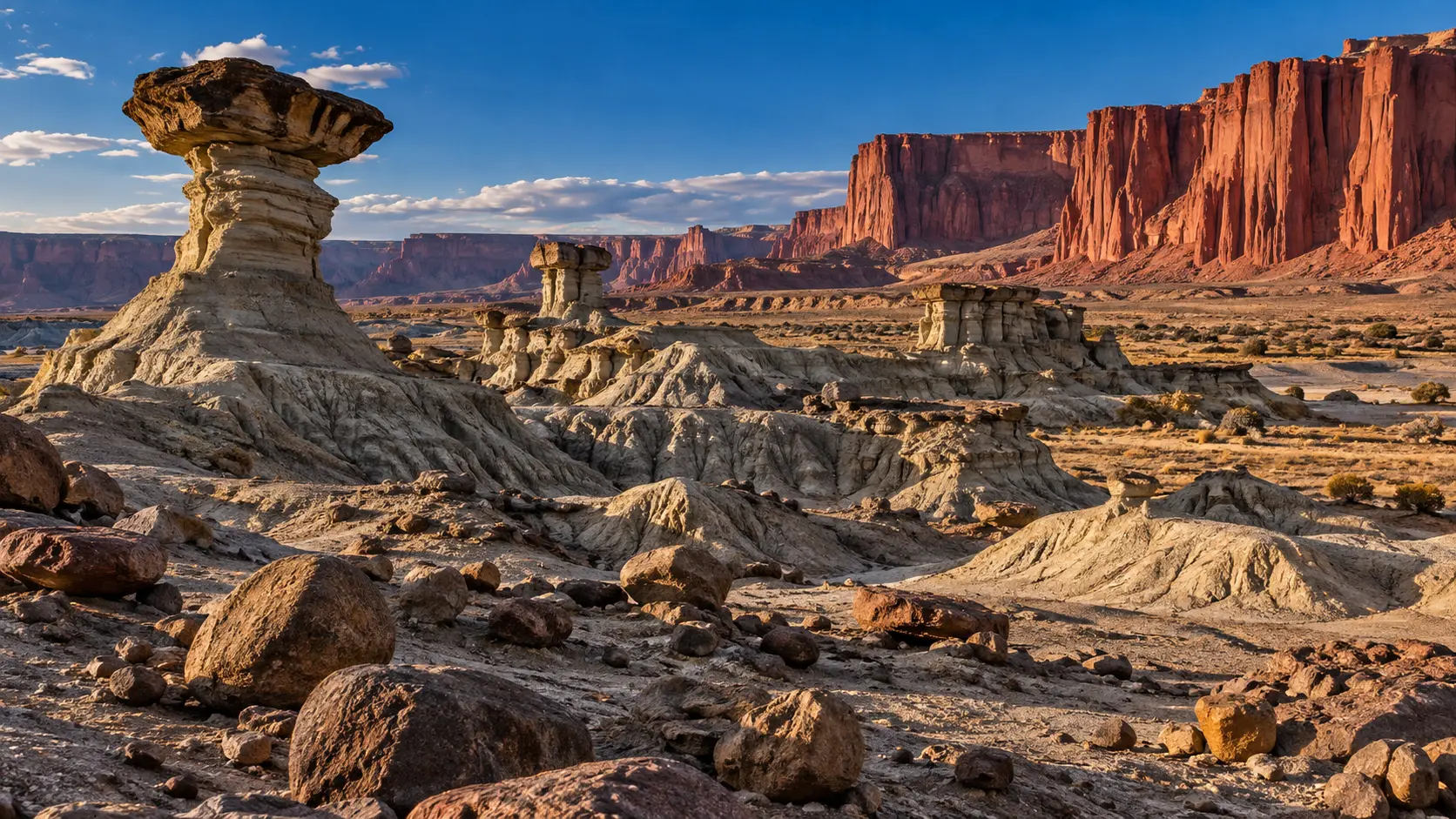
10. Ischigualasto and Talampaya
These neighboring protected landscapes in San Juan and La Rioja provinces reveal desert canyons, striking rock forms, and an exceptionally important fossil record. The paired UNESCO site is remote, and each park has its own entrance, tour system, weather, and operating rules.
Allow at least two nights in a suitable gateway rather than attaching both parks to a rushed cross-country drive. Summer heat, flash-flood risk, long distances, and weak signal make official conditions and a full fuel tank more valuable than a heroic schedule.
Patagonia landmarks
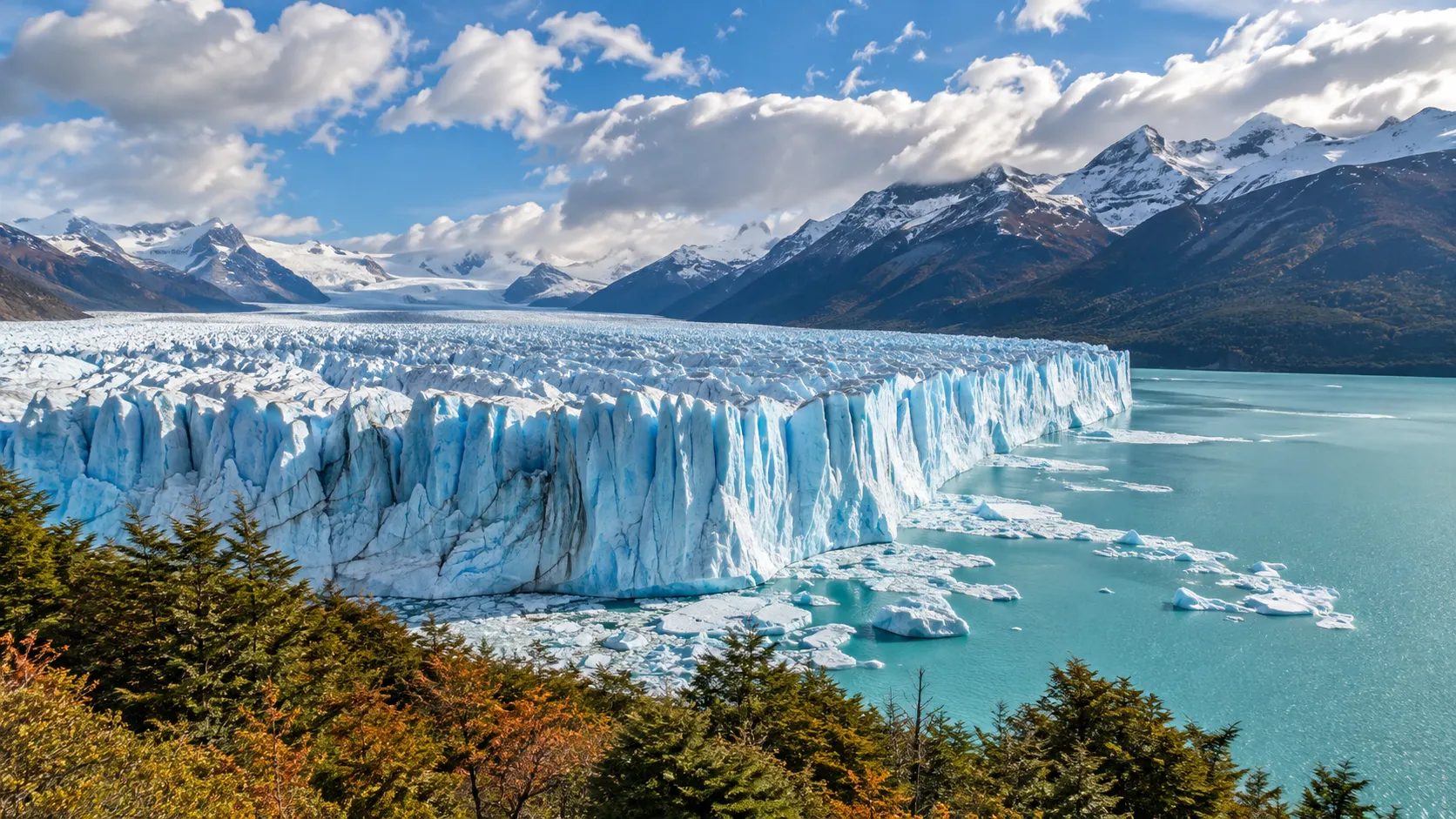
11. Perito Moreno Glacier and Mount Fitz Roy
Los Glaciares National Park has two major visitor sectors: the southern area near El Calafate for Perito Moreno Glacier, and the northern area near El Chaltén for the Fitz Roy massif and hiking. They belong to one park but are not one casual sightseeing stop.
The glacier’s boardwalks make its scale accessible without requiring a trek on ice, while boat or ice activities must be booked with authorized operators and remain weather-dependent. The official Los Glaciares page publishes current sector notices, fees, and safety information.
El Chaltén suits hikers who can allow weather flexibility and carry proper layers, water, food, and navigation. Trails vary in length and difficulty, strong wind changes the experience quickly, and a mountain view is never included in the room rate.
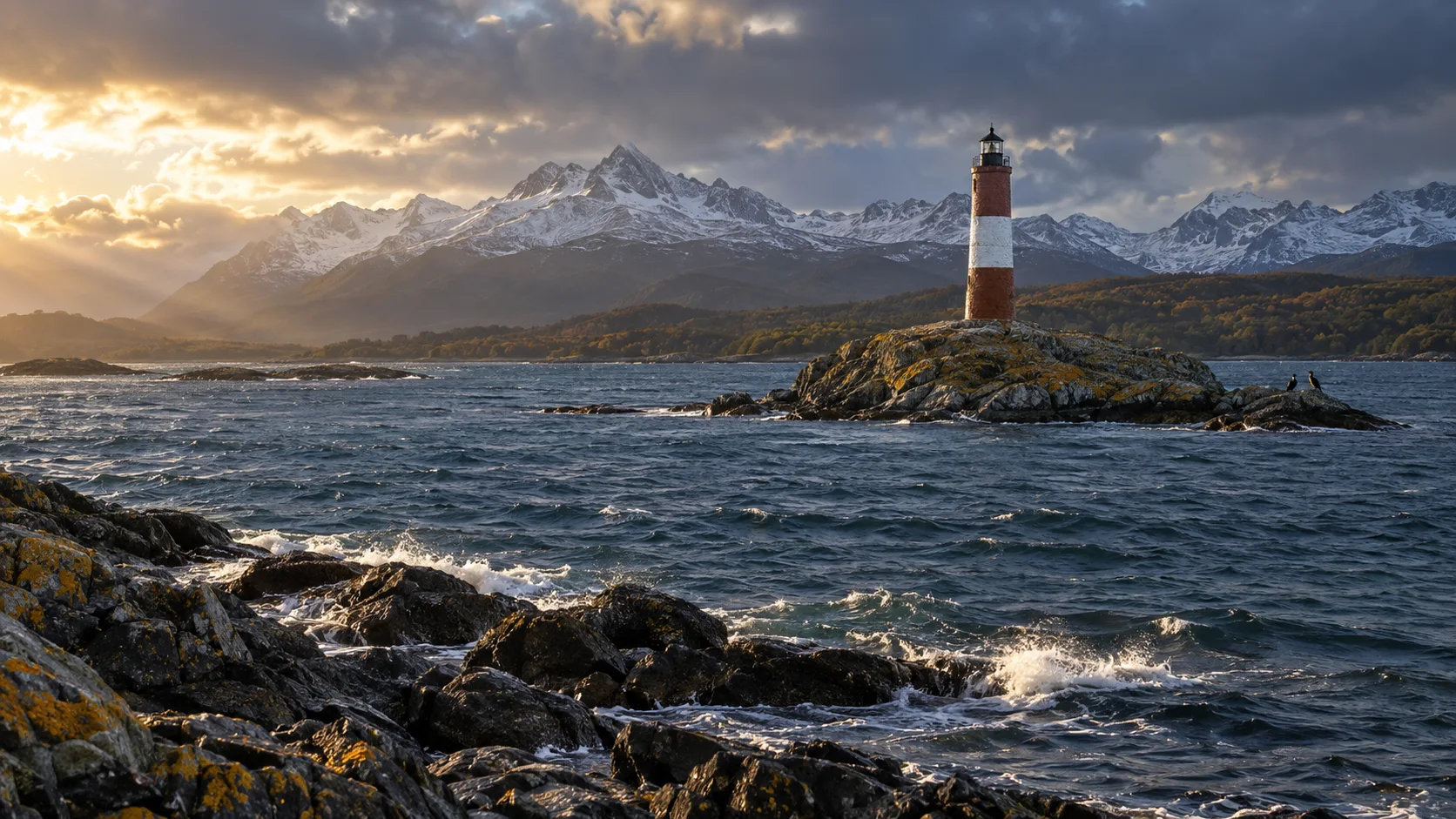
12. Tierra del Fuego and the Beagle Channel
Ushuaia is the gateway to Tierra del Fuego National Park, Beagle Channel navigation, subantarctic scenery, and many Antarctica departures. Its “end of the world” identity is compelling, but the working city and protected landscapes deserve more than a signpost selfie.
Allow three or four nights because wind, rain, snow, and marine conditions can shift plans in any season. Wildlife excursions should use legitimate operators, keep regulated distances, and never promise a particular penguin, whale, or seal appearance.
If marine wildlife drives the trip, compare season and operator standards in the whale-watching destination guide. Península Valdés may fit that priority better than Ushuaia, but it requires its own Patagonian route.
Three realistic route ideas
First visit: Buenos Aires and Iguazú
Use seven to nine days for three or four nights in Buenos Aires, two or three near Iguazú, and protected transfer time. This pairing combines culture and nature without requiring winter gear or a chain of Patagonian flights.
Wine and northwest landscapes
Combine Mendoza with Salta and Jujuy over roughly 12 to 15 days, usually using a flight between regions. Choose Aconcagua day access, vineyard time, Quebrada de Humahuaca, and Cafayate according to elevation tolerance and driving appetite.
Southern Patagonia
Give El Calafate, El Chaltén, and Ushuaia at least two weeks including connections and weather margin. Removing one base often improves the trip more than adding another famous name.
For cost comparisons across the continent, use the methodology in lower-cost South America destinations. Argentina’s inflation, exchange conditions, park fees, and domestic airfares make old daily-budget figures particularly fragile.
Booking and packing checklist
- Verify passport, visa, entry, transit, and insurance requirements.
- Fix domestic flights before adding nonrefundable local tours.
- Buy national-park entry only through official channels.
- Check strikes, demonstrations, roads, trails, weather, and closures.
- Carry sun protection, refillable water, and region-specific layers.
- Download bookings, maps, and emergency contacts for offline use.
- Leave valuables secured and keep phones discreet in busy areas.
Argentina rewards restraint because every region can carry an entire trip. Choose the two or three landmarks that define your version of the country, then give the people, weather, meals, and distances enough space to make them more than a checklist.