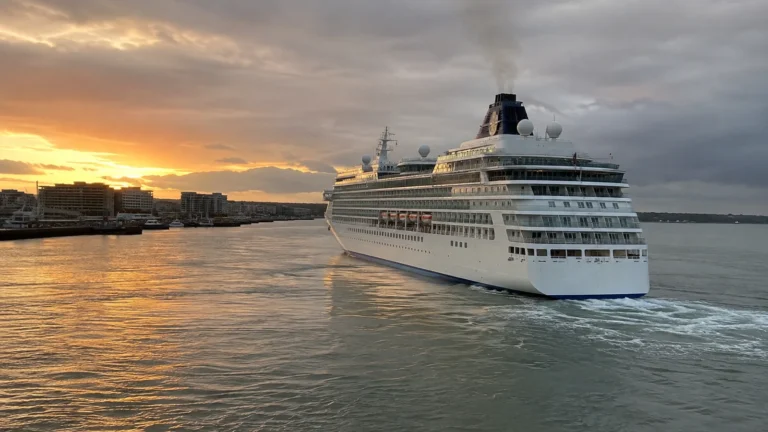
What Is Included in a Cruise Fare? Costs and Line Differences
A cruise fare usually buys your room, meals in included venues, and plenty of entertainment, but it does not buy every experience shown on the ship’s website. Compare the total for the food, drinks, internet, and shore days I actually want.
The useful question is not whether a cruise is “all-inclusive.” It is what your exact fare includes for every person traveling.
What to expect, and what to check
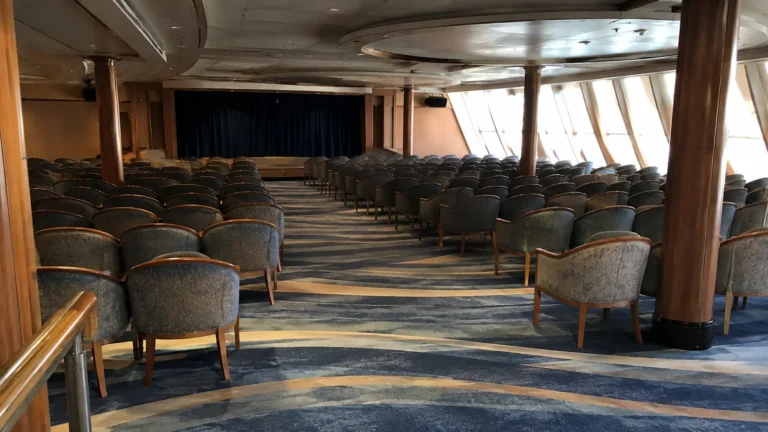
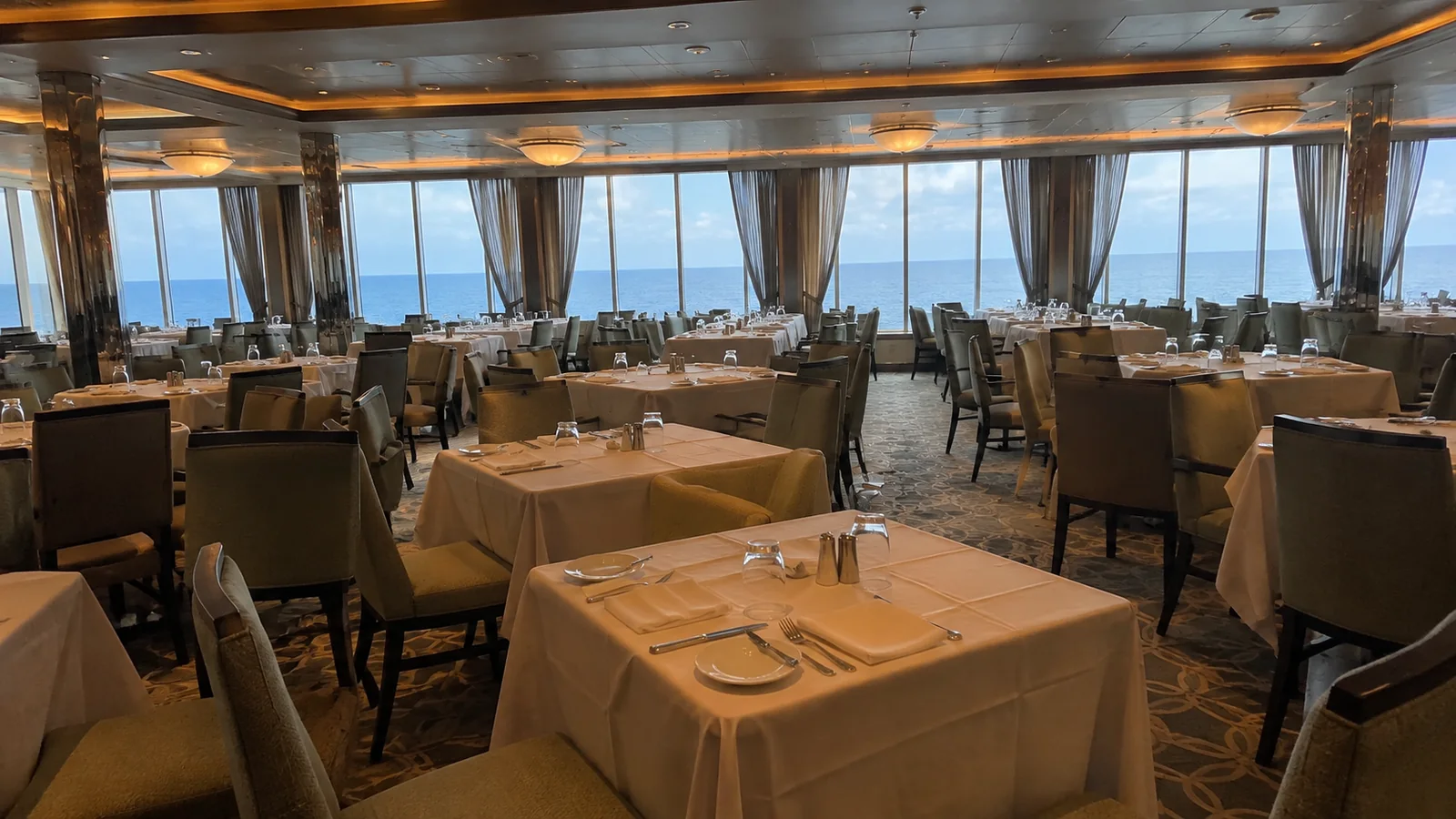
- Usually part of the base experience: your booked cabin, designated complimentary dining, many shows, pools, and general public areas.
- Common extras: alcohol, specialty coffee, premium dining, excursions, spa treatments, and internet.
- Depends heavily on the line and fare: gratuities, basic drinks, fitness classes, room service, and children’s programs.
- Separate from shipboard inclusions: flights, port hotels, transfers, parking, travel insurance, and most spending ashore.
Those are starting categories, not promises for every ship. A small expedition vessel, a family resort ship, and an adults-only cruise can package the vacation very differently.
Use a whole-trip cruise budget to compare them. The fare is one line in that budget, even if it happens to be the largest.
Once you know the fare basics, I’d compare the rest of the trip with my guide to extra cruise costs. That catches the predictable spending outside the base fare before it distorts a comparison between two sailings.
Two details I’d separate from the base-fare question are cruise gratuities and any onboard credit attached to the booking. One is a predictable cost to budget, while the other can reduce eligible onboard spending without changing what the fare itself includes.
If you are still comparing the fare, cabin, timing, and itinerary together, my Cruise Planning Guides page keeps those decisions in a sensible order.
Start with the room and the people the quote covers
A per-person price often assumes two people share the room. Enter the actual adults and children before treating the search result as the price of your vacation.
A solo traveler may pay a supplement, while a third or fourth guest can have a different fare. Neither arrangement tells you what gratuities, packages, or activities cost for those people.
The category also matters: an oceanview cabin has a window, while a balcony cabin has a separate outdoor space or a specifically described alternative. A guarantee category lets the line assign a room under its terms, which is different from choosing a number.
Compare the same type of view and room selection before debating which fare is cheaper. My guide to cabins I’d investigate before booking helps spot a location compromise that a low price can hide.
Mainstream fares can provide a full vacation without packages
On a mainstream ship, it is usually possible to eat regular meals, attend included entertainment, and enjoy public recreation without purchasing every add-on. Paid restaurants and activities broaden the choices, rather than proving the included ones are unusable.
Royal Caribbean’s fare-inclusion guide identifies its complimentary dining, entertainment, and activities while separating optional purchases. Use that as the baseline, then open the actual ship’s venue list.
A restaurant being on the ship does not mean it is included. Look for complimentary, a la carte, cover charge, package access, and any menu supplements.
Plan at least one day’s meals using only included options. If that day looks perfectly enjoyable, the premium dining package is a choice rather than an assumed necessity.
Hours and reservations still matter at included venues. A restaurant can be complimentary and fully booked at the time you prefer.

Royal Caribbean: distinguish included basics from the attractions
Royal Caribbean’s base fare offers a broad included experience, but different ships carry different attractions. Not promise a particular show, slide, surf simulator, or restaurant just because another ship has it.
The same applies ashore: a private-destination visit can include access and basic amenities while premium experiences cost extra. Check the individual beach area, club, cabana, or activity you want.
For drinks, start with the Royal Caribbean beverages available without a package. Then calculate whether premium coffees, bottled drinks, or alcohol justify another purchase.
Pay separately for a few drinks if that matched my habits. Buying a daily package creates value only when its included choices, guest rules, and final price suit the trip.
Norwegian: read the promotion alongside the fare
Norwegian’s bundled offers can change the comparison substantially, but the package name alone does not tell you the allowances. Booking date, sailing date, cabin, and guests included can all matter.
The current Norwegian promotion terms identify the applicable benefits and exclusions. Check beverage inclusions, specialty dining allowances, internet limits, excursion credits, and any service charges separately.
A shore excursion credit is not automatically an excursion for every guest. Likewise, a dining benefit may cover a stated number of meals, rather than every specialty dinner throughout the cruise.
The Norwegian beverage package comparison is useful once you know which offer is on your reservation. Compare the amount you would actually pay, including required charges, with buying the drinks you want.
Also inspect any upgraded bundle independently. More benefits can be worthwhile, but repeating benefits already in the reservation does not create additional savings.
Virgin Voyages: broader inclusions still have boundaries
Virgin’s Always Included details cover its eateries, essential drinks, Wi-Fi, entertainment, and group fitness. That can make its higher initial fare competitive for adults who would otherwise buy those items.
Still distinguish essential drinks from alcohol, specialty beverages, and a promotional bar allowance. A credit for drinks is a limited balance, not an unlimited package.
Fare tiers can also affect flexibility, internet level, and reservation access. Compare the tier on the actual quote instead of assuming every Virgin booking has identical conditions.
The inclusions page is also not evidence that every special dining event, premium menu item, spa visit, or shore excursion is free. Check those individually before assigning the bundle a dollar value.

Food charges need a more precise question than “Are meals included?”
Ask where breakfast, lunch, dinner, snacks, and late-night food are available at no additional charge. Then look for gaps in the hours you are likely to use.
Room service deserves its own check because a complimentary menu may coexist with delivery fees, paid items, or time restrictions. Breakfast in bed can have a different policy from a late-night burger.
A specialty dining package can impose reservation rules, allowances, or supplements. Look at menus before buying one, especially if allergies or a child’s preferences narrow the useful options.
Dietary accommodation and premium dining are different subjects. Contact the line about medical or dietary needs rather than assuming an upgrade is required to obtain suitable food.
Also budget meals ashore when planning full-day excursions. An included shipboard lunch does not help much if you are an hour from the pier.
Internet, the ship’s app, and phone service are different
Using a cruise line’s app for menus and daily activities may not require a paid internet plan. That does not mean browsing outside websites, streaming, or video calling is included.
Check the number of devices that can connect at once, whether devices can be switched, and the type of service offered. A one-device plan and a plan for one person are not always the same thing.
Choose the least expensive plan that covers the actual use, then avoid relying on shipboard internet for a critical work deadline. A premium plan does not remove all limitations of a connection at sea.
Mobile roaming is a separate bill from the cruise line’s Wi-Fi package. Check your carrier’s ship coverage and phone settings rather than assuming a land-based international plan applies offshore.
Families should price childcare and paid activities separately
Included youth programming can have age, capacity, registration, and operating-hour rules. Nursery care, late-night sessions, or special activities may carry additional charges.
Identify the program the child is actually old enough to attend before comparing family fares. A nursery-aged child and a teenager can create very different vacation costs.
An arcade, simulator, or ticketed attraction can also generate repeat spending. Agree on a reasonable allowance before everyone is standing beside the machines.
The family cruise comparison helps match the ship to children’s ages and interests. Rather book a ship with useful included activities than pay extra to compensate for a poor fit.

Gratuities and service charges belong in the comparison
A fare can include some service charges and leave others separate. Check daily crew gratuities and the charges on beverage, dining, or spa purchases individually.
The invoice should identify a benefit such as prepaid gratuities if it is included in the offer. A salesperson’s description of a cruise as nearly all-inclusive is not enough to establish that benefit.
For packages, use the final checkout amount rather than multiplying an advertised daily rate and stopping there. Required service charges can change the comparison.
Keep optional extra tips outside the package calculation. They are personal spending choices, not a reason to inflate the supposed value of an inclusion.
An example of the total to compare
Imagine two seven-night offers for the same two adults, with transportation priced separately. These are illustrative figures, not current quotes.
Offer A costs $2,400 for the room and requires another $260 for daily gratuities, $140 for internet, and $400 for the drinks and meals the couple expects to buy. Its useful onboard total is $3,200.
Offer B costs $3,100 and includes those exact items under acceptable terms. For this couple, B is $100 less, even though its displayed fare started $700 higher.
Now suppose the same couple does not want internet or premium drinks and dining. Offer A would total $2,660 with the illustrative gratuities, making it $440 less than B.
That is why I’d value benefits at what I’d otherwise spend. A cruise line’s suggested retail value is not automatically the savings in my budget.
Five checks before paying
- Does the quote cover the same guests, cabin selection, currency, and nights?
- Are taxes and required fees already included in the displayed total?
- Which benefits appear on the reservation, and which guests receive them?
- What allowances, reservations, supplements, or exclusions limit those benefits?
- What remains to pay for transportation, shore days, and insurance?
Save the quote with the fare name and benefits visible. If a later promotion changes the package, you will have an actual comparison rather than a memory of the advertisement.
Questions that help settle the choice
Can I cruise without buying a drinks package?
Usually, yes, by using included beverages and paying for extras individually. Check the line’s actual included drinks and any package rules tied to your booked offer.
Does a suite include everything?
No, suite benefits vary by ship and category. Confirm dining, lounge access, internet, drinks, and daily service charges rather than inferring them from the word suite.
Is an all-inclusive fare always better value?
Only if its useful benefits justify the difference and the ship suits your trip. Someone who skips alcohol, premium dining, and paid internet may prefer a simpler fare.

What to book
Choose the ship and room first, then compare the total for the extras I expect to use. A modest fare with a few deliberate purchases can be excellent value, and so can a broader bundle that replaces real spending.
The best offer is the one whose invoice matches the vacation you want. Leave imaginary package savings out of that decision.