Best Cruises for Kids: Compare Youth Programs by Age and Ship
The best cruise for kids is not simply the ship with the biggest waterslide. It is the one whose youth-club age band fits every child, whose cabin works at bedtime, and whose itinerary leaves your family excited rather than exhausted.
My quick picks for families
Best for Disney-loving children ages 3 to 10: Disney Cruise Line, especially when character storytelling matters more than thrill rides. The Oceaneer Club age fit is unusually clear, but nursery care costs extra and must be planned.
Best for active school-age kids and mixed generations: Royal Caribbean’s Icon-class ships, including Icon of the Seas and Star of the Seas. They combine substantial family zones with youth programming, although the scale can mean crowds and longer walks.
Best for straightforward age groups starting at age 2: Carnival, whose Camp Ocean separates ages 2 to 5, 6 to 8, and 9 to 11. Mardi Gras, Carnival Celebration, and Carnival Jubilee add the line’s newest large-ship attractions.
Best for flexible play and teens who like a contemporary ship: Norwegian Cruise Line, with Splash Academy for ages 3 to 12 and Entourage for ages 13 to 17. Program capacity and limited port-day care deserve close attention.
Best for international families and clearly divided teen groups: MSC Cruises, which separates ages 12 to 14 from ages 15 to 17. MSC World America and MSC Seashore offer stronger family hardware than many older ships in the fleet.
Choose by child, then by cruise line
Start with each child’s age on the sailing date, toilet-training status, comfort with drop-off care, and favorite way to play. Then check the exact ship, because a cruise line’s advertisements often feature attractions found on only part of its fleet.
A shy 7-year-old who loves crafts may be happier on a smaller ship than in a giant waterpark. A confident 12-year-old may care far more about whether they join children or teens than about the brand name on the hull.
My rule is to find one strong match for every child and one easy win for the adults. If the plan depends on kids loving the club all day, you have not built a backup vacation.
1. Disney Cruise Line: best for immersive storytelling
Disney’s biggest advantage is not simply having characters onboard. The ships weave familiar stories into supervised spaces, dining, stage shows, and family activities, which can make the whole trip feel connected for children already excited by Disney.
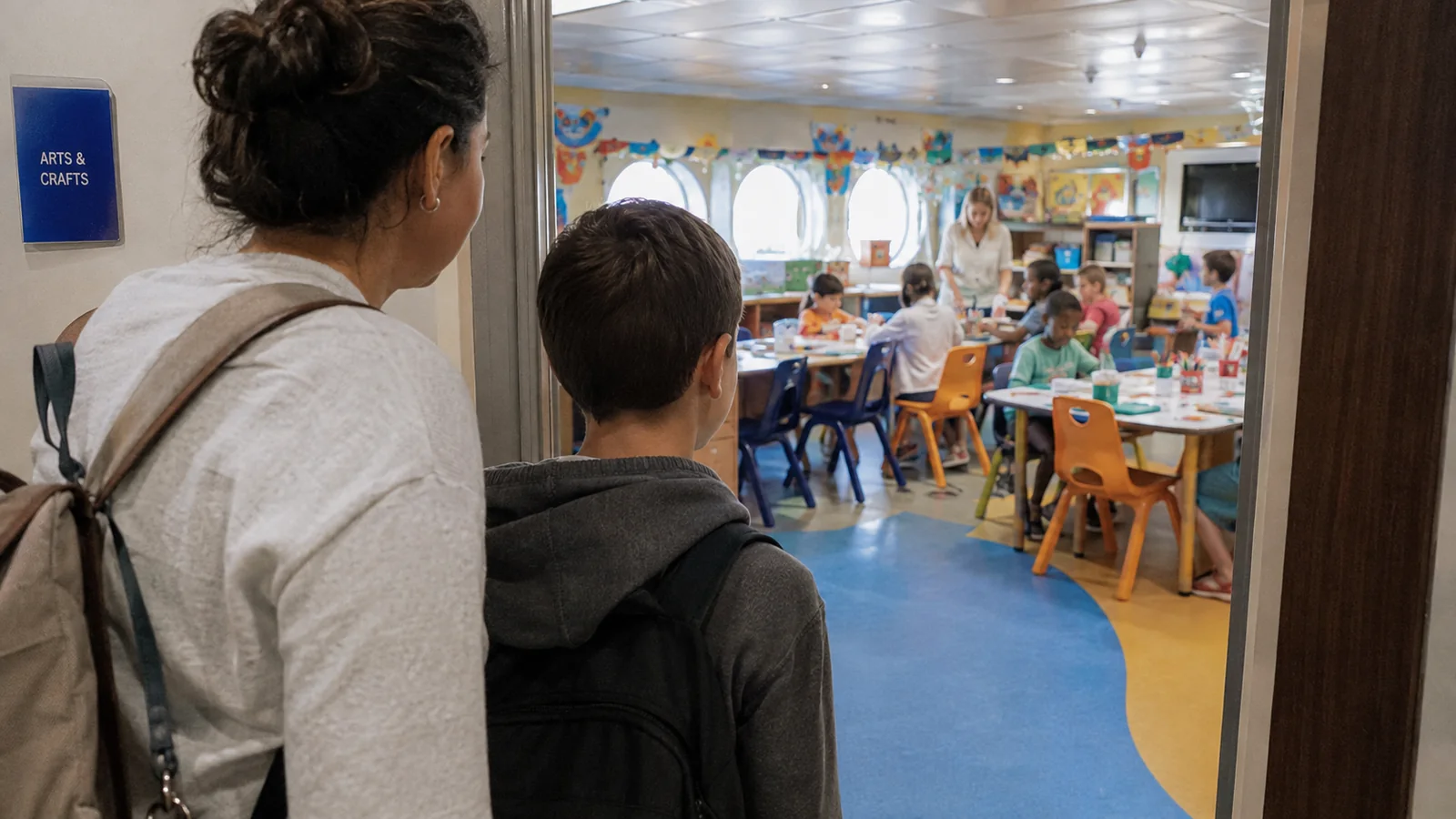
The current Disney youth-club guidance places Oceaneer Club and Oceaneer Lab at ages 3 to 10, Edge at ages 11 to 14, and Vibe at ages 14 to 17. That age-14 overlap can be helpful, but parents should verify access and activities for the exact sailing.
Children in reserved Oceaneer programming must be toilet-trained under Disney’s current rules. The paid “it’s a small world” nursery serves ages 6 months to 3 years across the fleet, with reservations and availability that should be confirmed before sailing.
Which Disney ship is best for kids?
Disney Wish, Disney Treasure, and Disney Destiny suit families who want the newer generation of highly themed spaces and the AquaMouse water attraction. Disney Dream and Disney Fantasy offer the AquaDuck water coaster and a layout many families find easier to understand after the first day.
Disney Magic and Disney Wonder are smaller and lack the newest ships’ giant attraction list, but shorter walks can be a meaningful feature with young children. Disney Adventure has its own layout, attractions, and Singapore-based itineraries, so it should be researched as a separate product rather than another Wish-class ship.
Watch for: Higher fares, paid nursery time, character demand, and the fact that a child may not care about Disney enough to justify the premium. Review our Disney cruise packing priorities once you choose the ship.
2. Royal Caribbean: best for active families
Royal Caribbean is the strongest match when different generations want different things from the same ship. Newer vessels can combine splash areas, waterslides, sports, shows, play spaces, and neighborhood-style zones without making the youth club the only source of fun.
Adventure Ocean generally covers children from age 3 through 12, while teen programming serves older kids. Royal Babies & Tots Nursery offers paid drop-off sessions for ages 6 to 36 months on select ships, which is exactly why families must use the current Royal Caribbean program page and ship details together.
Age grouping inside Adventure Ocean can vary with the ship’s program design and attendance. Do not promise siblings they will stay together until the line confirms how their ages are handled.
Which Royal Caribbean ship is best for kids?
Icon of the Seas and Star of the Seas are the clearest choices for families who want the largest current family offering. Surfside was designed as a stay-and-play family neighborhood, while the ships also have Category 6 waterpark, Adventure Ocean, and a broad mix of entertainment.
Wonder of the Seas and Utopia of the Seas remain activity-heavy choices with different itineraries and family spaces. Utopia often appears on shorter trips, which can be fun but leaves less time for a cautious child to warm up to the club.
Older ships can still make excellent port-focused family vacations, yet their pools, splash zones, nurseries, and signature rides differ dramatically. Verify every must-have on the deck plan and official ship page rather than relying on a fleetwide commercial.
Watch for: Reservations, height or weight rules, fees for some experiences, and long walks on the biggest ships. A spectacular ride is irrelevant if your child is too short, too nervous, or unwilling to wait.
3. Carnival: best for clear age bands and casual energy
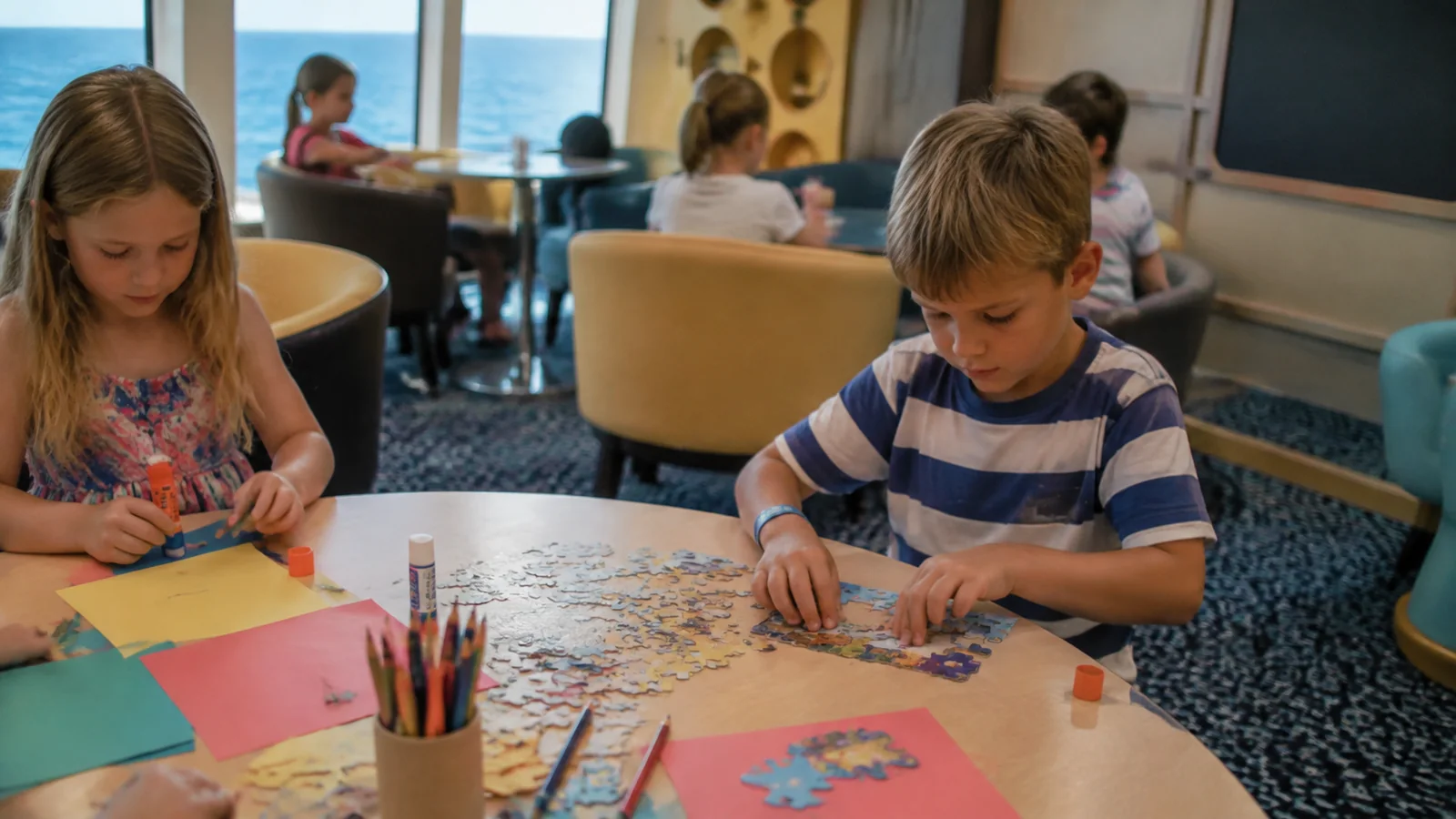
Carnival makes the youth-program ladder easy to understand. Its current Camp Ocean page lists Penguins ages 2 to 5, Stingrays ages 6 to 8, and Sharks ages 9 to 11.
Circle “C” serves ages 12 to 14, while Club O2 serves ages 15 to 17. Turtles programming provides limited opportunities for children under 2, but parents must check current ages, fees, hours, diaper rules, and whether a session is parent-accompanied or drop-off.
Which Carnival ship is best for kids?
Mardi Gras, Carnival Celebration, and Carnival Jubilee are strong choices for thrill-seeking school-age children because they combine WaterWorks, sports and activity spaces, and BOLT roller coaster. Every BOLT rider must meet the current rules, and the ride can stop for weather or maintenance.
Carnival Panorama, Carnival Horizon, and Carnival Vista pair family activities with a somewhat smaller footprint than the newest Excel-class ships. Carnival Breeze and similar ships can still offer Camp Ocean, WaterWorks, mini golf, and teen spaces without every newest feature.
Watch for: A lively atmosphere, busy pool decks, paid late-night care, and ship-to-ship hardware differences. Compare total trip cost, not just a tempting base fare.
4. Norwegian Cruise Line: best for interest-led club time
NCL’s Splash Academy serves ages 3 to 12 with flexible, interest-based programming, while Entourage serves ages 13 to 17. The current NCL youth-program page says age eligibility is based on the child’s age at sailing as shown on the ship manifest.
Guppies Open Play is for children ages 6 months to 3 years with a parent or guardian. It is not the same thing as a fleetwide drop-off nursery, and its location and schedule vary by ship and itinerary.
NCL currently states that Splash Academy is offered while sailing and is not available when the ship is docked or anchored. Late Night Services run for an hourly fee during posted hours, while ordinary sessions remain subject to capacity and schedule changes.
Which Norwegian ship is best for kids?
Norwegian Aqua suits families chasing the line’s newest activity hardware, including Aqua Slidecoaster and Glow Court. Norwegian Prima and Norwegian Viva share a newer design language but do not have an identical attraction list.
Norwegian Encore, Bliss, and Joy offer large-ship activities such as race tracks or laser-tag-style venues in configurations that vary by vessel and may cost extra. Check height limits, operating days, and reservation procedures before presenting one attraction as the vacation centerpiece.
Watch for: Port-day club closures, capacity, reservations, paid attractions, and a ship layout that spreads venues across multiple decks. For teens, compare the itinerary with our cruise picks for teenagers.
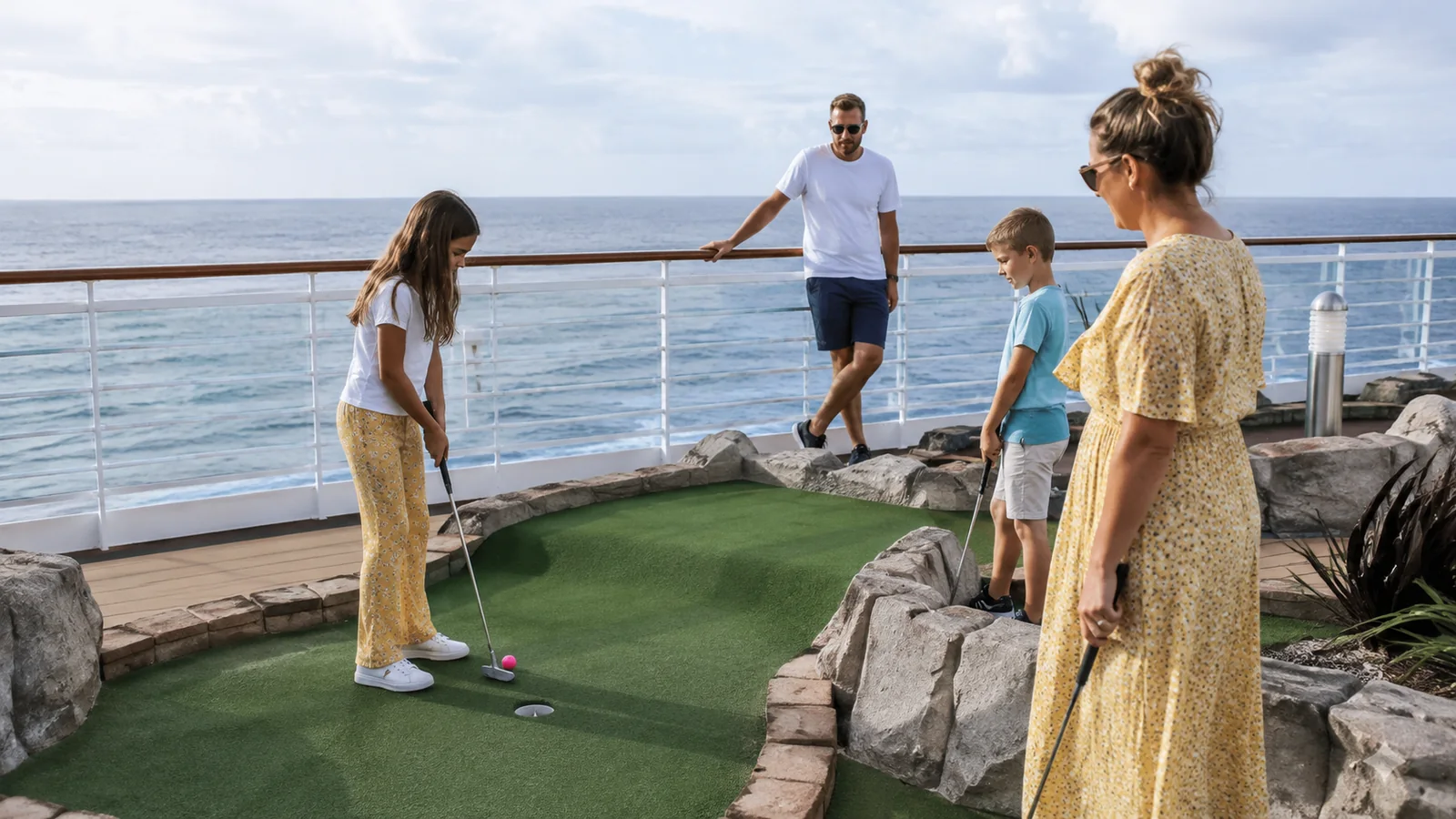
5. MSC Cruises: best for international energy and split teen clubs
MSC’s age ladder is unusually specific: Baby Club under age 3, Mini Club ages 3 to 6, Junior Club ages 7 to 11, Young Club ages 12 to 14, and Teen Club ages 15 to 17. The official MSC Kids Clubs page also distinguishes included programs from paid Baby Care.
The line attracts an international passenger mix, and announcements or activities may use multiple languages depending on the route. Some children find that exciting, while others prefer a club where most communication happens in their primary language.
Which MSC ship is best for kids?
MSC World America is the obvious U.S.-market choice for a new family ship, with The Harbour outdoor family area, waterslides, and a large kids-club program. Check individual attractions because access can depend on age, height, weight, weather, or an extra charge.
MSC Seashore has more than 7,500 square feet of dedicated children’s space, five age-based clubs, and Pirates Cove Aquapark according to its current ship page. MSC Seascape offers a different mix that includes Robotron, while older MSC ships do not automatically carry either feature.
Watch for: Ship differences, paid baby care, language mix, dining pace, and unfamiliar service conventions for first-time U.S. cruisers. A lower fare only represents value when the cabin, program hours, and included activities fit.
Best cruise line by age
Babies 6 months to under 2: Disney has a fleetwide paid nursery, Royal offers nurseries on select ships, Carnival has limited Turtles sessions, MSC offers Baby Club and paid care, and NCL’s Guppies is parent-accompanied open play. Minimum sailing age can rise on longer itineraries, so check the cruise contract before paying.
Ages 2 to 5: Carnival stands out because Camp Ocean begins at age 2, while Disney and NCL drop-off clubs begin at age 3 with their current eligibility requirements. Toilet training, diaper support, separation comfort, and session capacity matter more than marketing.
Ages 6 to 10: This is the easiest range across the major family lines. Let the child’s interests choose between Disney storytelling, Royal activities, Carnival’s casual club, NCL’s interest-led format, and MSC’s international program.
Ages 11 and 12: Read the brackets carefully because Disney moves age 11 into Edge, Carnival places ages 9 to 11 in Sharks and age 12 in Circle “C,” NCL keeps ages 11 and 12 in Splash Academy, and MSC splits at ages 11 and 12. This transition can completely change the social fit.
Ages 13 and 14: Royal and NCL generally place these ages in teen programming, Disney offers Edge through 14 with Vibe overlap at 14, Carnival uses Circle “C,” and MSC uses Young Club. Ask the teenager whether they want scheduled games, a lounge, or freedom with friends.
Ages 15 to 17: The club matters less if the ship lacks activities the teen actually wants. Compare sports, gaming, shows, food, Wi-Fi cost, curfew rules, and port days as carefully as the teen lounge.
The cabin decision parents underestimate
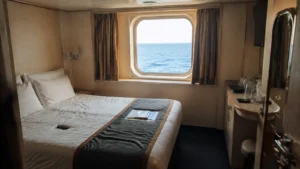
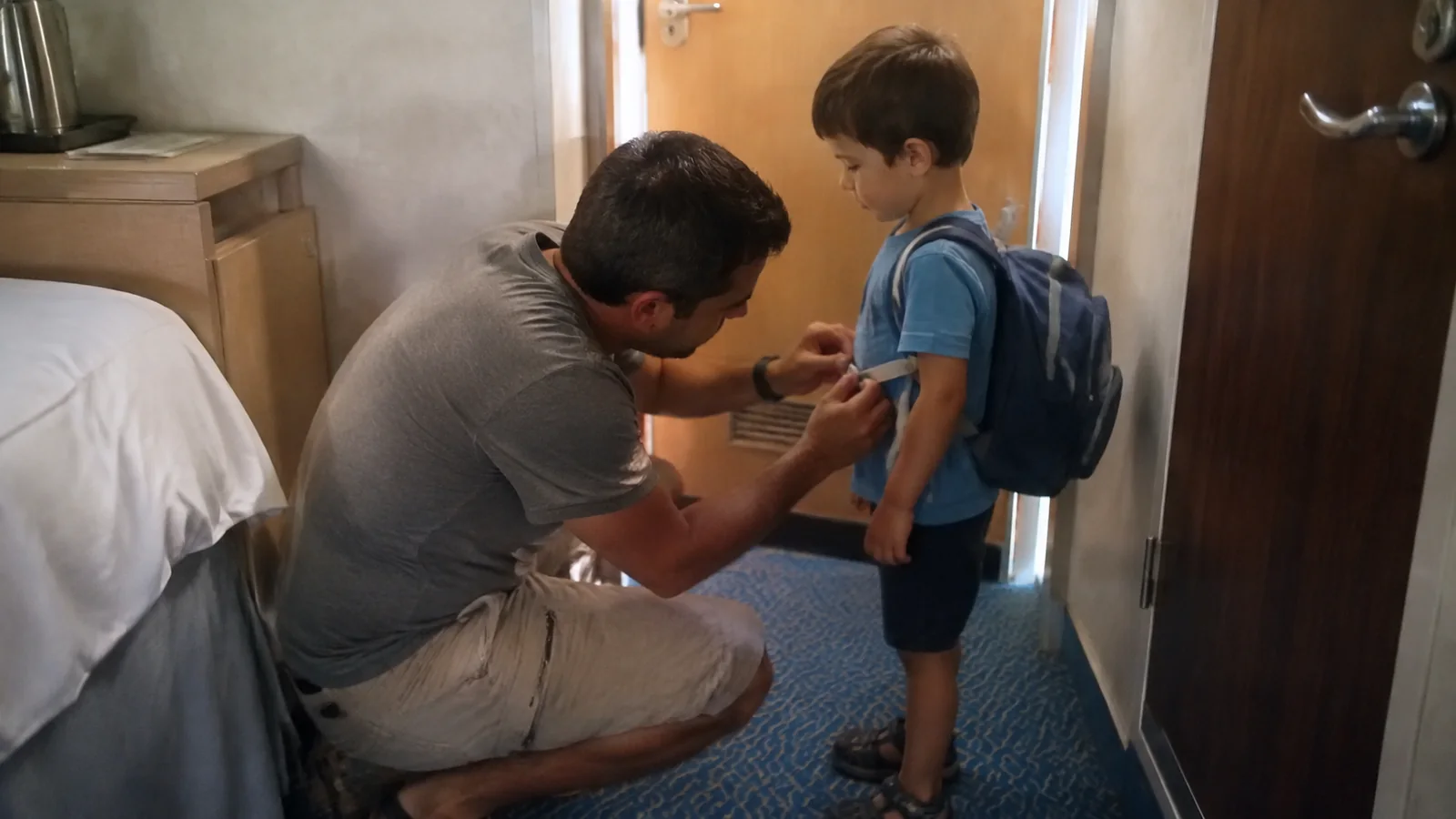
A family cabin needs workable sleep surfaces, storage, bathroom access, and enough separation for different bedtimes. “Sleeps four” may mean two twins that combine, a sofa bed, and an upper berth in one compact room.
Connecting cabins can transform the trip, but “adjacent” is not “connecting.” Verify the connecting-door symbol on the exact deck plan and have the cruise line confirm occupancy rules before booking two rooms.
Balconies require calm, consistent safety rules, while upper berths may not suit young children. Noise from a pool deck, theater, elevator lobby, or adjoining room can derail naps even on the most family-friendly ship.
Questions to ask before booking
- Age: Which club will each child enter based on age at embarkation?
- Care type: Is the session supervised drop-off, parent-accompanied play, or paid babysitting?
- Hours: What is offered on sea days, port days, embarkation day, and late at night?
- Capacity: Can sessions fill, and does registration guarantee a place?
- Needs: What toilet-training, allergy, medication, disability, and communication policies apply?
- Contact: How will staff reach a parent, and must the parent remain onboard?
- Activities: Which exact attractions exist on this ship, and what limits or fees apply?
Ask the cruise line directly about support needs before final payment, not at youth-club check-in. Staff can explain the program, but parents remain responsible for deciding whether its environment and assistance level are appropriate.
Build a family-friendly itinerary
Two sea days can be paradise for a child who loves the ship and miserable for one who needs open space. A port-heavy route creates variety but also brings early mornings, transportation, heat, and the temptation to overbook.
Private islands and easy beach ports often work well for younger children because the day can stay flexible. Alaska and Europe can be fantastic for curious school-age kids, yet long excursions and time changes need honest consideration.
Keep the embarkation-day essentials together with the cruise packing items families need first. Medication, documents, swimwear, sunscreen, diapers, and one familiar comfort object should not disappear into checked luggage.
Final verdict
Disney is the strongest storytelling choice, Royal wins for maximum activity variety, Carnival makes age bands approachable, NCL offers flexible club programming, and MSC separates tweens and older teens clearly. None is best for every child or every ship.
Match the club to the child’s exact age, verify the attractions on the named vessel, and choose a cabin that protects sleep. That unglamorous homework creates a far better family cruise than chasing whichever new ship looks loudest in a commercial.