Ireland’s West Coast Road Trip: Galway to Kerry
A bowl of soup in a tiny village sounds even better after an Atlantic coast walk, and that is the Ireland weekend I would happily stretch into a week.
I would give Galway to Kerry eight days, keep the route focused on a manageable section of the Wild Atlantic Way, and spend evenings in towns where a pub and dinner are within walking distance of the bed.
The Eight-Day Galway to Kerry Route
- Day 1: Galway
- Day 2: Connemara day trip from Galway
- Day 3: Galway through the Burren to Doolin
- Day 4: Cliffs of Moher and County Clare
- Day 5: Clare to Dingle
- Day 6: Dingle Peninsula
- Day 7: Dingle to Killarney
- Day 8: Killarney National Park or the Ring of Kerry
Ireland’s official Wild Atlantic Way stretches about 2,500 kilometers from Donegal to Cork, and Tourism Ireland recommends at least ten days for the entire route, preferably fourteen or more. I would not try to claim the whole thing on an eight-day vacation, which is why this itinerary concentrates on Galway, Clare, and Kerry.
If you want a longer European coastal route, my Northern Spain road trip is another good fit for travelers who like food and small towns as much as scenery. Ireland is simply much slower mile for mile.
Day 1: Galway
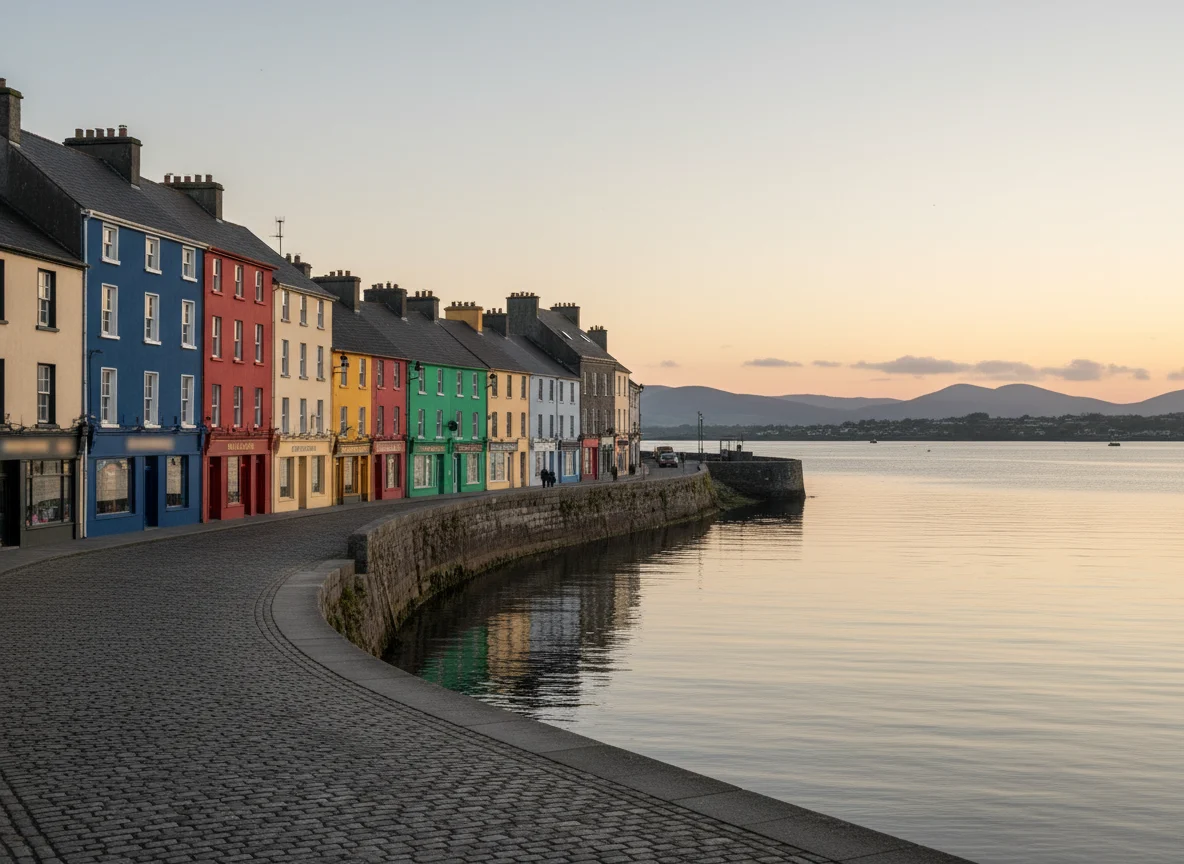
Start with a full day in Galway and leave the rental car parked if you already have it. The compact center, pubs, restaurants, waterfront, and music scene are much more enjoyable on foot.
Do not make Galway only your hotel
Walk the Latin Quarter, continue toward the water, and choose a long meal or music session rather than immediately planning tomorrow. Tourism Ireland describes Galway as compact and walkable, which is exactly why I like using it as the soft landing before rural driving.
Stay two nights
A second Galway night means you can explore Connemara tomorrow without changing hotels. That sounds like a tiny logistical win until you realize how nice it is not to pack a suitcase after your first Irish breakfast.
Day 2: Connemara
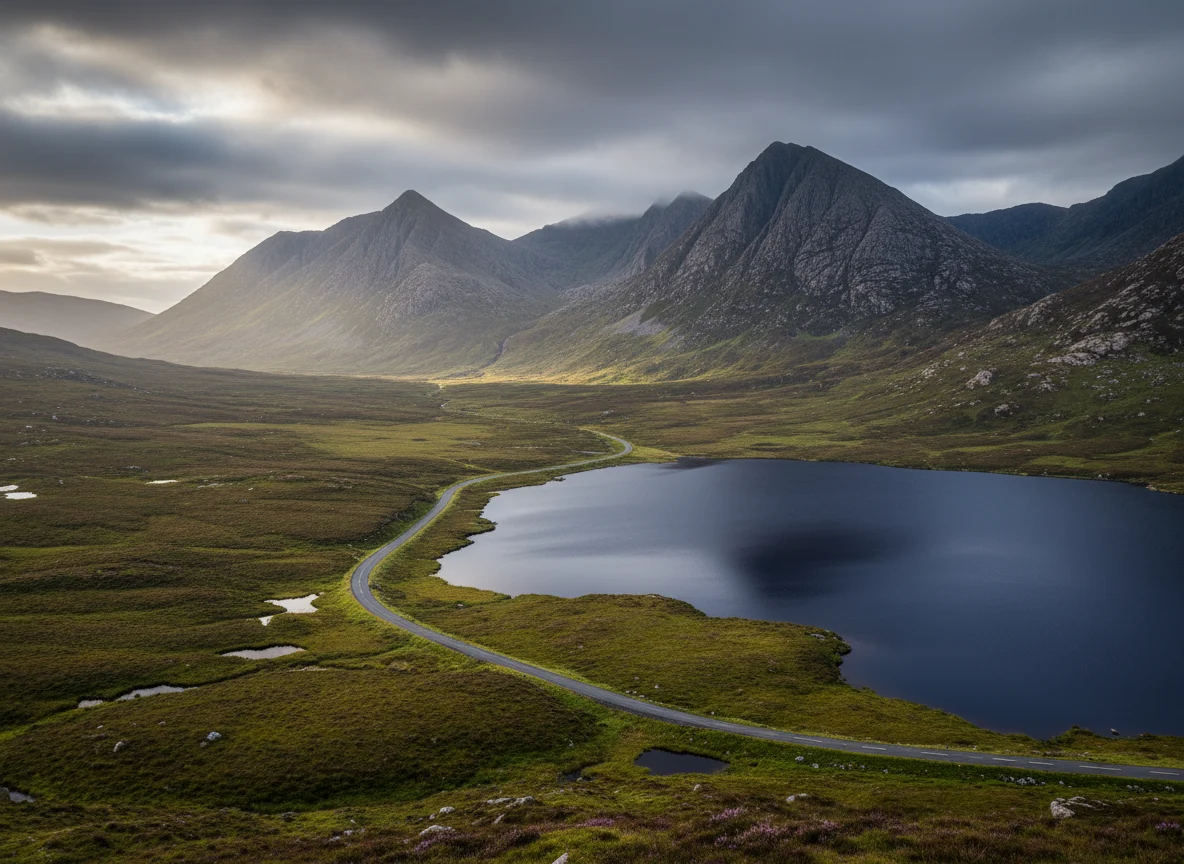
Use today for a loop west through Connemara, where stone walls, lakes, mountains, beaches, and small villages immediately make the country feel wilder. Keep the route modest enough that you can stop whenever the landscape gets distracting.
Choose one major destination
Kylemore Abbey, Connemara National Park, or a coastal village can be the day’s anchor depending on your interests. One substantial stop plus scenic driving works much better than racing among every attraction west of Galway.
Return to Galway before dark
Narrow rural roads require much more concentration than a motorway, especially if you are still adjusting to left-side driving. I would rather be back in town for dinner than learn Irish lane width in the dark.
Day 3: Galway Through the Burren to Doolin
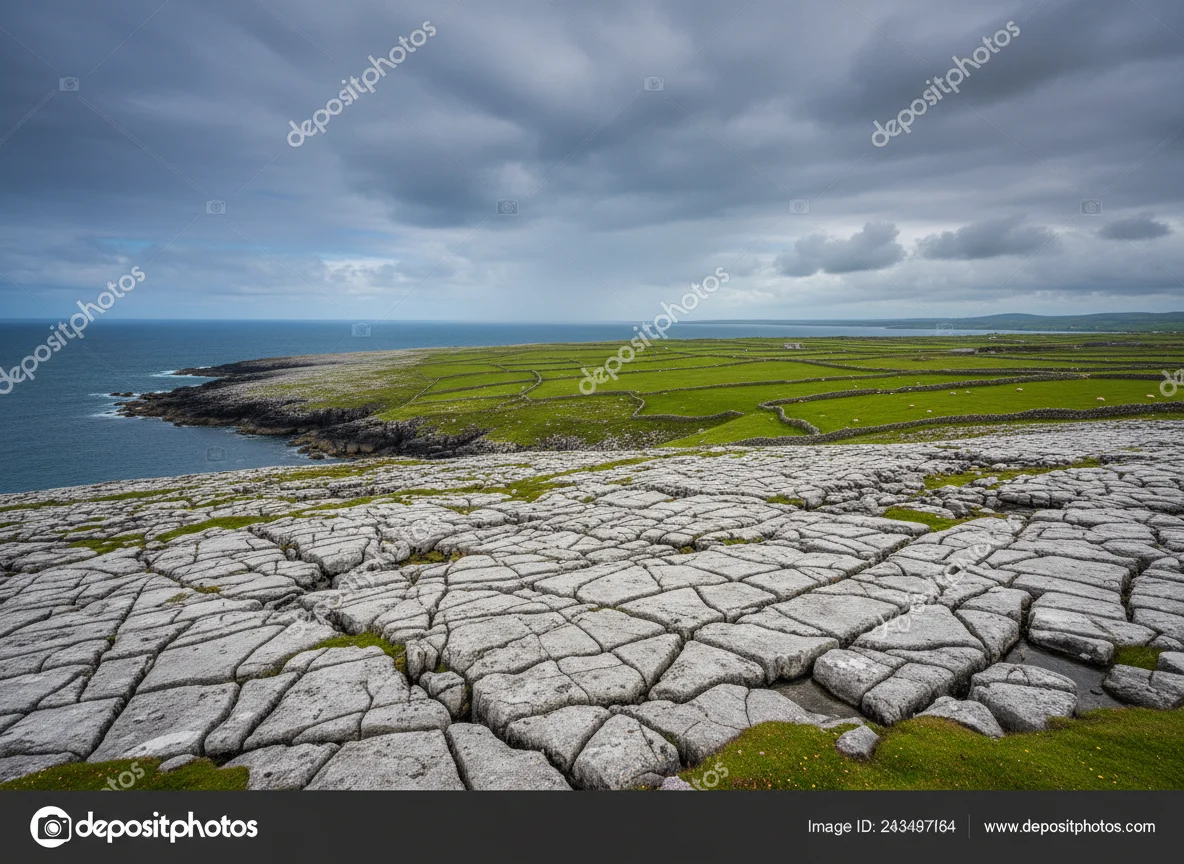
Leave Galway and travel south through County Clare, giving the Burren a real part of the day. The limestone landscape is one of the best examples of why this route deserves more time than its mileage suggests.
Follow the coast selectively
Choose viewpoints and villages that interest you rather than attempting every minor coastal road. Some local roads are extremely narrow, with stone walls and limited sightlines, so a smaller rental car can be much more relaxing than an oversized vehicle.
Explore the Burren
Walk a short trail, visit a heritage site, or simply stop where the limestone landscape is easy to appreciate safely. Protect delicate ground and use designated parking instead of treating a grass verge as an invitation.
Stay around Doolin
Doolin puts you close to the Cliffs of Moher and gives you an evening built around dinner and traditional music rather than another road. It is exactly the kind of place where I would choose lodging within walking distance of the pub I want to visit.
Day 4: Cliffs of Moher and County Clare
Give the Cliffs of Moher a proper morning instead of slotting them between two long drives. Wind, rain, fog, and crowds can all change the experience, so a flexible half day is useful.
Book official parking and entry ahead
The official Cliffs of Moher visitor site recommends online advance booking and asks visitors to arrive close to their reserved time. The main visitor parking is across the road from the cliffs and visitor center.
Stay on designated paths and well back from exposed edges. Atlantic wind and cliff erosion are not conditions I would negotiate with for a better photograph.
Keep the afternoon lighter
Use the rest of the day for another Clare village, a slow lunch, or a coastal walk. If ferries or boat views of the cliffs interest you, verify weather-dependent schedules directly with the operator before relying on them.
Day 5: County Clare to Dingle
This is a relocation day, and I would resist the temptation to make it a full sightseeing marathon. Cross the Shannon area, stop for lunch somewhere that looks inviting, and reach Dingle with enough afternoon left to walk the harbor.
Dingle is worth two nights
The town gives you pubs, seafood, shops, harbor atmosphere, and a very useful base for the peninsula. It is far more enjoyable when you can finish the scenic drive tomorrow and simply walk to dinner.
Day 6: Dingle Peninsula
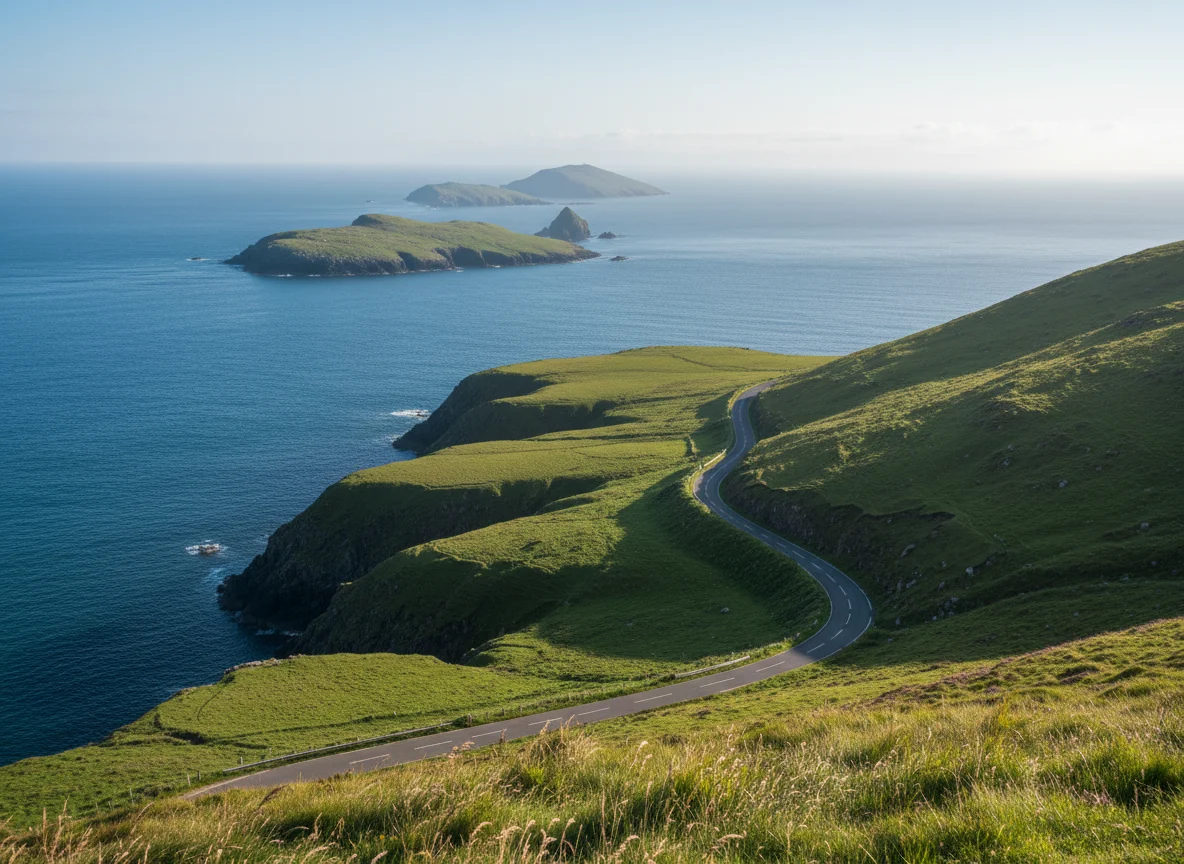
The Dingle Peninsula is one of the sections where Ireland’s official tourism site explicitly encourages several days, not a frantic loop. The roads are narrow enough and the scenery good enough that I agree.
Drive Slea Head slowly
Take the loop in the direction recommended by current local signage and tour-traffic guidance, then use designated pullouts. Buses, cyclists, farm traffic, and oncoming vehicles can make narrow sections much slower than the map predicts.
Choose cultural stops as carefully as viewpoints
Ancient sites, Irish-speaking communities, beaches, and local craft stops give the peninsula depth beyond its coastline. Pick a few that interest you instead of collecting every roadside sign.
Return to Dingle for the evening
Park the car and enjoy the town. If anyone is drinking, the fact that you can walk back to the hotel is one of the best logistical decisions in this entire itinerary.
Day 7: Dingle to Killarney
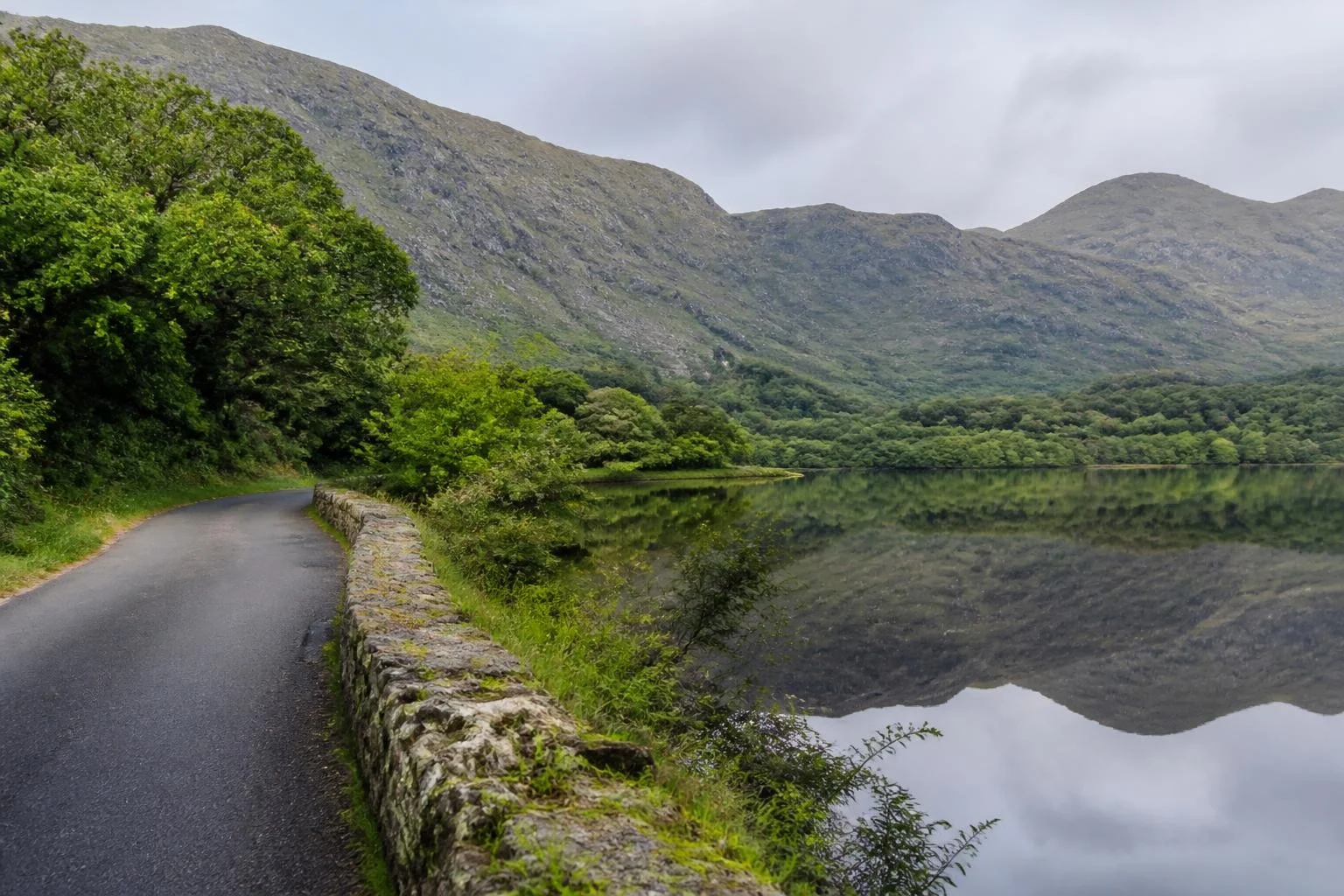
Move east toward Killarney and make this another relatively easy driving day. Killarney gives you a larger hotel base, a lively center, and immediate access to lakes and mountains.
Use the afternoon for the national park
Killarney National Park works beautifully for a walk, bike ride, garden, lake view, or historic stop without a long drive. Save the Ring of Kerry for tomorrow if that is your priority.
Stay at least two nights if you can. A town with this much surrounding scenery should not be reduced to a hotel checkout line.
Day 8: Ring of Kerry or More Killarney
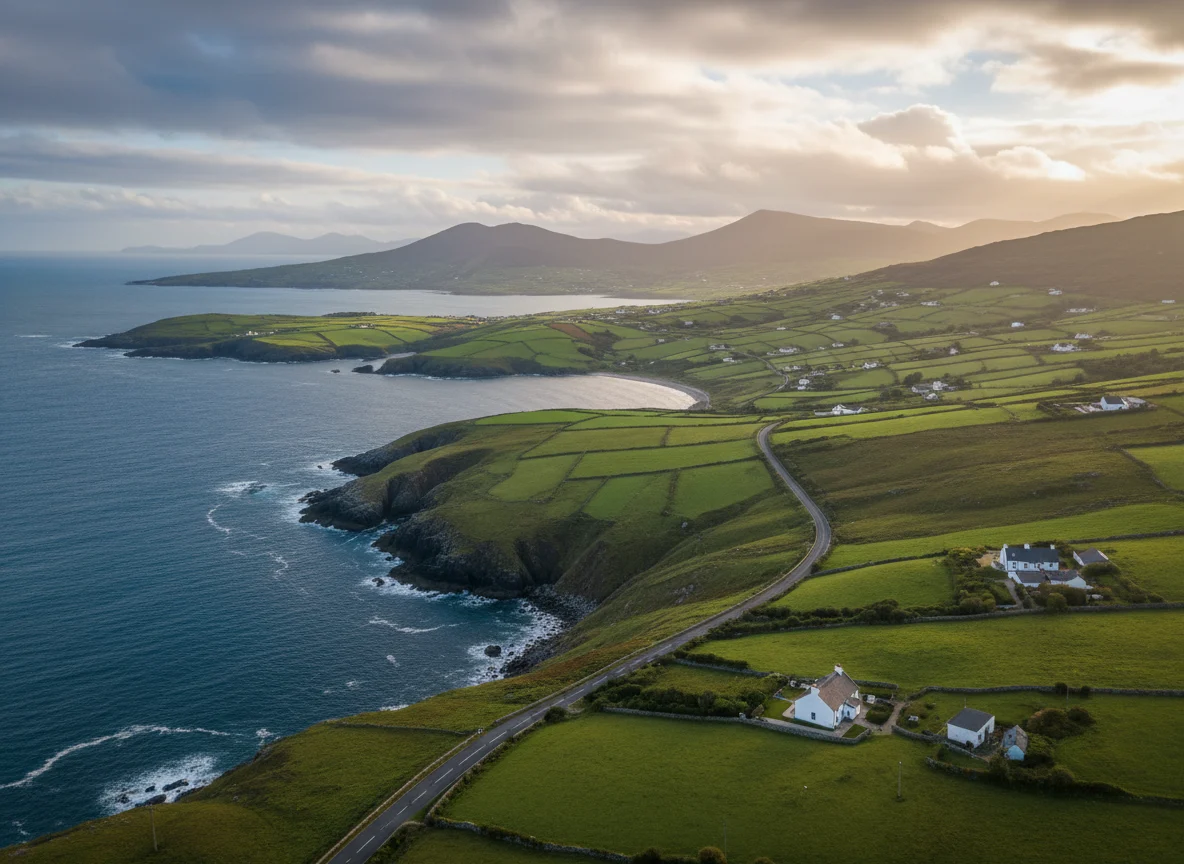
Tourism Ireland’s official Ring of Kerry itinerary allows two days for the 183-kilometer loop, which tells you something important about Irish road-trip math. You can drive it in one long day, but I would choose only the sections and stops you care about most.
Option 1: A selective Ring of Kerry day
Leave early, pick a few coastal or mountain stops, and return before you are tired of narrow roads. Do not let the word “loop” convince you that completion is mandatory.
Option 2: Stay around Killarney
If you are road-tripped out, spend a second full day in Killarney National Park and town. Lakes, walks, historic sites, and a long lunch can be every bit as rewarding as another six hours in the car.
Driving in Ireland for Americans
Ireland drives on the left, and the Road Safety Authority specifically warns visitors to remember this on everything from motorways to narrow rural lanes. Speeds and road signs are metric, with speed limits posted in kilometers per hour.
Read the Road Safety Authority’s tourist guidance before collecting the car. It also explains licensing, seat-belt rules, alcohol limits, narrow roads, farm traffic, and documents drivers should carry.
Book an Automatic if You Want One
If you normally drive an automatic in the United States, I would reserve an automatic transmission rather than learning a manual with your left hand while also learning Irish roundabouts. Automatics can cost more and inventory can be limited, so book early.
Choose the smallest vehicle that comfortably fits your people and luggage. A giant SUV is not a luxury when two stone walls are approaching your side mirrors at once.
Road Speeds Are Not Travel Speeds
A posted speed limit is a maximum, not a promise that a road can comfortably be driven at that speed. Curves, sheep, cyclists, tractors, stone walls, walkers, and oncoming traffic can make an apparently short route much slower.
I build at least thirty percent more time into scenic rural drives and then assume I will still stop for something unexpected. That turns delays into part of the day instead of evidence that you planned badly.
Best Time for Ireland’s West Coast
May and June
Long daylight and comparatively moderate crowds make late spring and early summer appealing. Rain is still perfectly capable of joining you, so waterproof layers remain essential.
July and August
Summer brings the busiest towns and attractions but also the broadest tourism services and long evenings. Reserve small-town lodging early.
September
September can be a lovely compromise with fewer peak-summer families and still-useful daylight. Atlantic weather becomes increasingly changeable, so keep outdoor plans flexible.
What to Pack
- Waterproof jacket
- Layers that can handle sun, wind, and rain in one afternoon
- Comfortable waterproof walking shoes
- Offline maps
- A phone mount suitable for a small rental car
- Small day bag
- Motion-sickness medication if winding roads affect you
My road trip tips cover the general car-planning pieces. Ireland is where I would pack fewer fancy road-trip gadgets and spend more money on a rental car I actually feel comfortable driving.
One More Ireland Planning Resource
My road trip packing list is useful for the wet-weather basics and compact luggage this route rewards. I also check Tourism Ireland for current regional information, events, and official Wild Atlantic Way planning before finalizing the stops.
My Favorite Galway-to-Kerry Pace
The eight-day route uses seven nights: two in Galway, two around Doolin, two in Dingle, and one in Killarney. Add a second Killarney night and a ninth day for a gentler Kerry finish or an easier onward journey.
The Wild Atlantic Way is famous because the coast is slow, winding, and full of distractions. Build the trip to enjoy those qualities instead of planning as if they are obstacles.