Cruise Muster Drill: What to Do and What to Expect
Your cruise muster drill teaches you where to go and what to do if the ship declares an emergency. Follow the instructions for my actual sailing and complete every required step before settling into the first afternoon.
Some lines combine an app briefing with an in-person station visit, while others hold a scheduled assembly for everyone.
What to do after boarding
- Find the assigned muster or assembly station in the ship’s current instructions.
- Check whether the drill uses individual check-in, an app briefing, a scheduled assembly, or a combination.
- Complete the required safety content and physically attend where instructed.
- Make sure every traveler is recorded, including children.
- Ask about any assistance you would need in an actual emergency.
A muster station is an assigned meeting location, not simply the nearest lifeboat. Learn the actual place rather than assume the cabin’s deck number tells me where to go.
What muster is meant to teach you
The briefing explains the ship’s emergency instructions, the assembly process, and how to use the relevant safety equipment. It also gives you a chance to find the meeting point while the situation is calm.
Listen to the instructions given for your ship rather than relying on a previous cruise. The location, route, life-jacket arrangement, and way attendance is recorded can differ.
Pay particular attention to what to do if I am away from my cabin when an alarm sounds. That is more useful than memorizing only the route from the room door.
Ask a crew member if a term or instruction is unclear. The goal is knowing how to respond, not simply getting a box checked in the app.
App-based muster still includes required physical steps
An electronic briefing can let you watch or hear part of the safety information at a convenient time. It does not automatically remove the requirement to report to an assigned station.
Royal Caribbean’s first-cruise guidance describes completing the briefing in the app or on the stateroom TV, followed by a visit to the designated muster location. Check both parts rather than assume a finished video means the drill is complete.
Use the completion indicator for every traveler where the system provides one. If it still shows unfinished after your visit, ask staff to verify the attendance record.
Do not play safety content for someone who is not listening and treat them as briefed. Each passenger needs to understand the instructions that apply to them.
If your phone fails or you do not use a smartphone, ask the crew for the available alternative. A technical problem changes how the information is delivered, not whether you need it.

Carnival’s station check-in is its own process
Carnival describes safety information and a visit to the assigned station in the HUB app’s onboard safety features. Follow the current directions in the app and the announcements on your ship.
Head to the station when it is operating and get the required check-in handled early. That avoids remembering it only after the group has changed for the pool or sat down for a long meal.
Do not assume that another line’s video-first routine is the exact Carnival sequence. Let the team member at the station explain what needs to be demonstrated or confirmed.
If a child receives a safety wristband or another identifier, follow the crew’s instructions for wearing it. Ask what to do if it becomes damaged or goes missing later in the cruise.
Disney uses a mandatory scheduled assembly
Disney’s official safety information describes a required assembly drill before departure and notes that crew services are suspended during it. Plan the afternoon around the announced drill time.
Gather the full party and report to the assigned location when directed. Finding the station earlier is helpful, but it does not replace attending the actual assembly.
Stay until the crew dismisses the group. An attendance scan at the beginning is not an invitation to leave while the instructions are still being given.
This difference matters if you recently sailed on a line with individual check-in. Not tell every cruiser to finish muster before lunch, because that is impossible when the ship schedules the full assembly later.
Find the station using the current ship information
Look for the muster or assembly assignment in the app, cruise credential, stateroom notice, or instructions supplied onboard. Use the information for the current cabin if your room assignment changed.
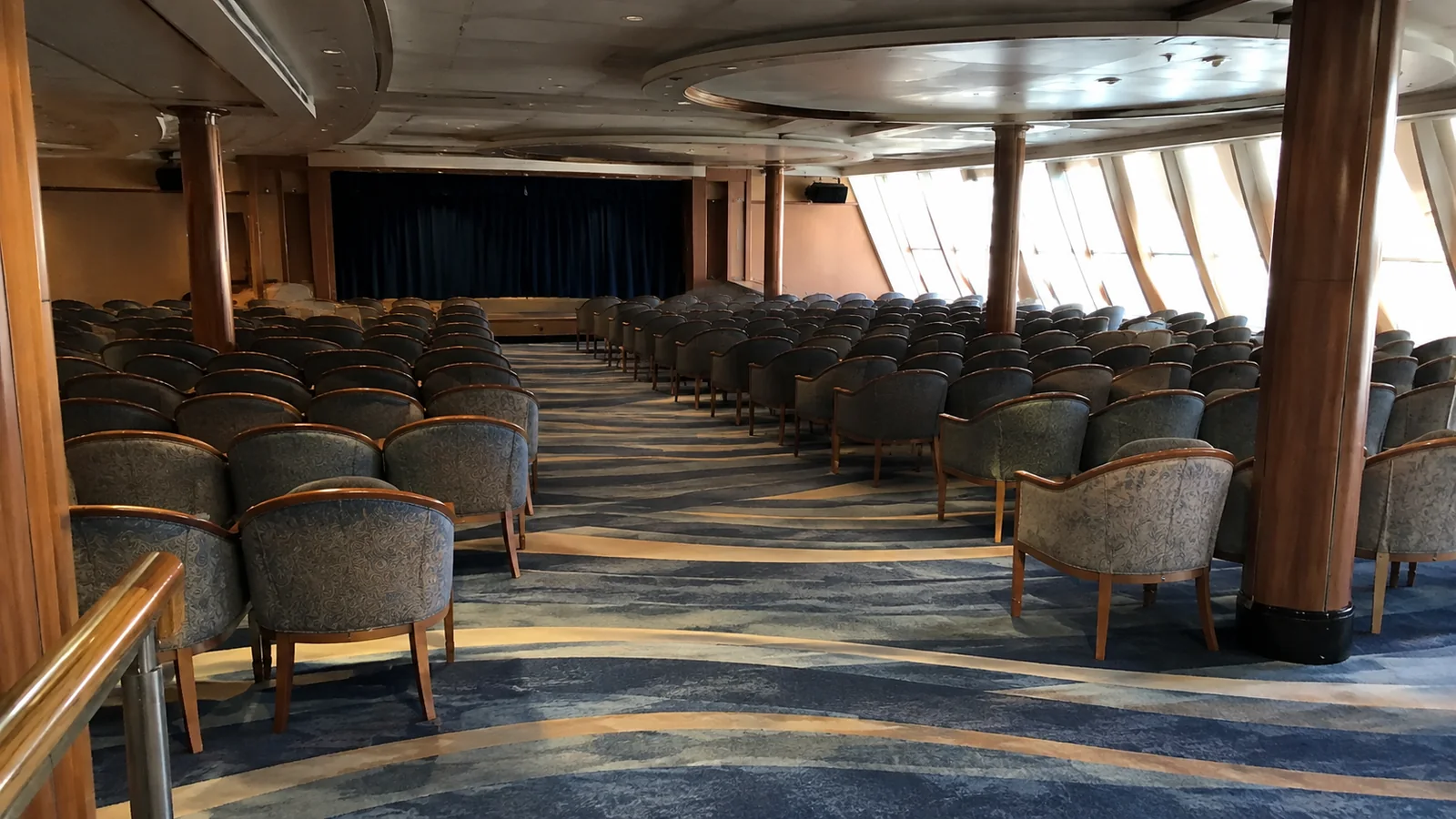
The station code may refer to a lounge, theater, restaurant, or outdoor area. A letter alone is not useful until you know the venue and how to reach it.
My guide to cruise floor plans can help you understand decks and public spaces. For emergency routing, however, use the posted instructions and crew guidance rather than a general map from another sailing.
Walk the route when it is convenient and note a couple of recognizable landmarks. This is especially useful on ships with interrupted corridors or public spaces spread across several decks.
Do not assume the shortest route on a phone map is the route you should take during an emergency. Crew directions and safety signage control what is appropriate at that time.
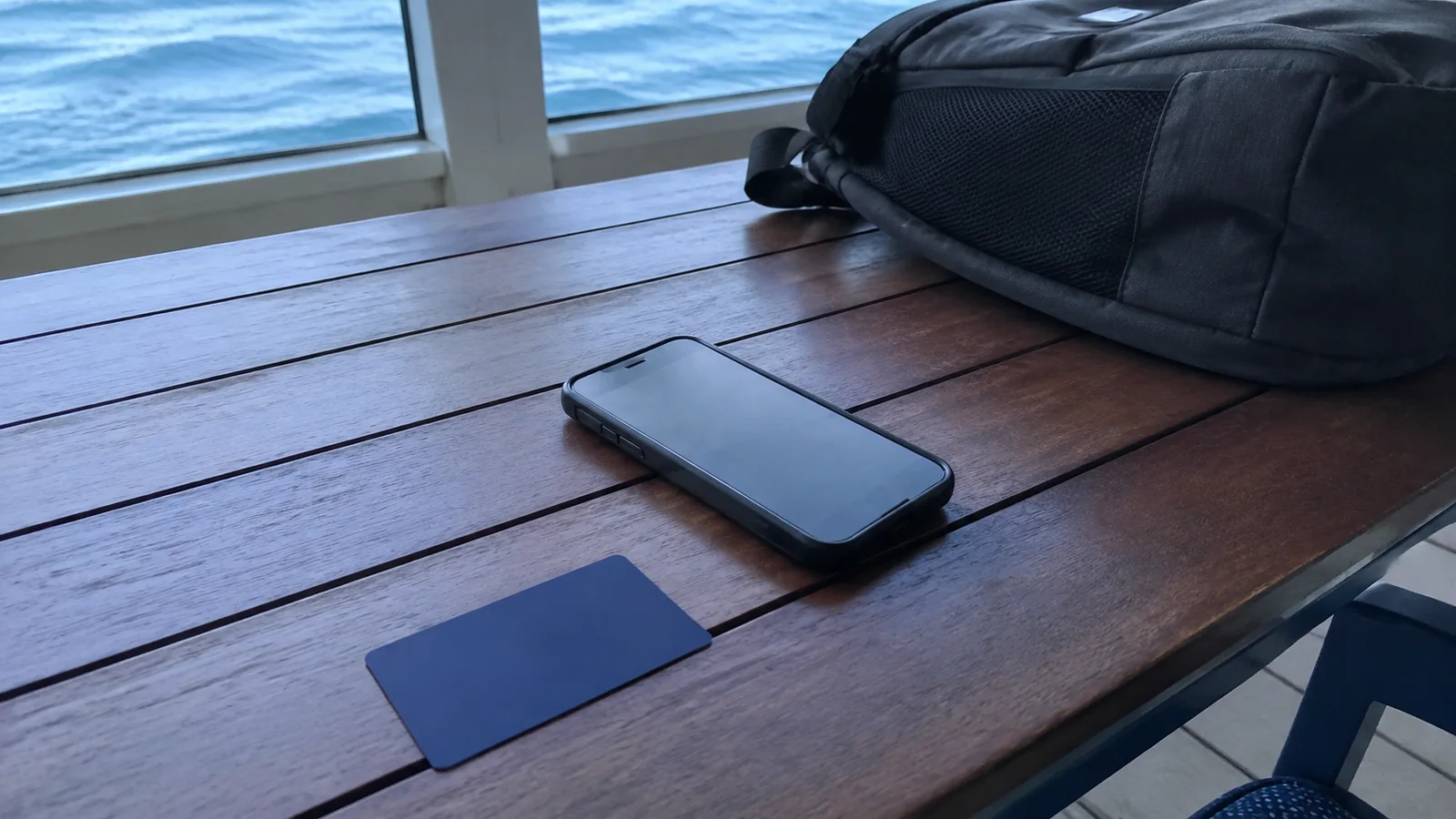
What to bring to the drill
Follow the ship’s list rather than a universal packing rule. You may need the cruise card, app, or other credential used to record attendance.
Wear shoes and clothing that let you move comfortably and stand or sit where directed. If the station is outdoors, prepare for the actual weather without bringing a large collection of bags.
Do not carry a life jacket to the drill unless instructed. Different ships store and demonstrate equipment differently, and carrying unnecessary gear can make a crowded route harder to navigate.
Keep the first-day carry-on light enough that attending muster is manageable. My cruise packing tips help separate the essentials from the items that can wait in checked luggage.
Bring any immediate medical item you normally need to keep with you. If standing, heat, or another condition affects your ability to participate, tell the crew before the drill becomes busy.
Children need more than an attendance scan
Explain in simple terms that the family is learning where to meet if the crew needs everyone together. Keep the explanation calm and practical rather than make the drill sound frightening.
Make sure staff record each child, including infants, under the ship’s process. Do not assume checking in the adults automatically covers every name on the reservation.
Ask the youth-program team how children are handled during an emergency while they are in supervised activities. Follow that procedure rather than inventing a plan to run through the ship to collect them.
Children in different cabins may have different assignments, so clarify the family arrangement before an emergency occurs. Want the crew’s specific instructions about where each person goes.
My family cruise guide compares youth facilities, but safety procedures deserve an onboard conversation. A child’s comfort with the club does not replace knowing the emergency handoff plan.
Accessibility and communication needs
If you need help with mobility, hearing, vision, communication, or understanding instructions, use the line’s advance accessibility process and confirm the arrangement onboard. Tell the crew what assistance is useful to you.
Ask how to get to the assigned station during an emergency, not only how to attend the drill. Normal-day elevator use and emergency movement can involve different instructions.
Do not assume an accessible cabin alone tells the crew everything they need to know. A specific request about assistance is more useful than expecting staff to infer it from the room category.
Ask about a quieter explanation, an accessible route, or an alternative briefing format when needed. The crew can explain the available arrangements without you having to decide which safety requirements can be skipped.
If you use a medical device, ask any relevant power or movement questions before sail-away. Keep those questions focused on the equipment and support you actually need.
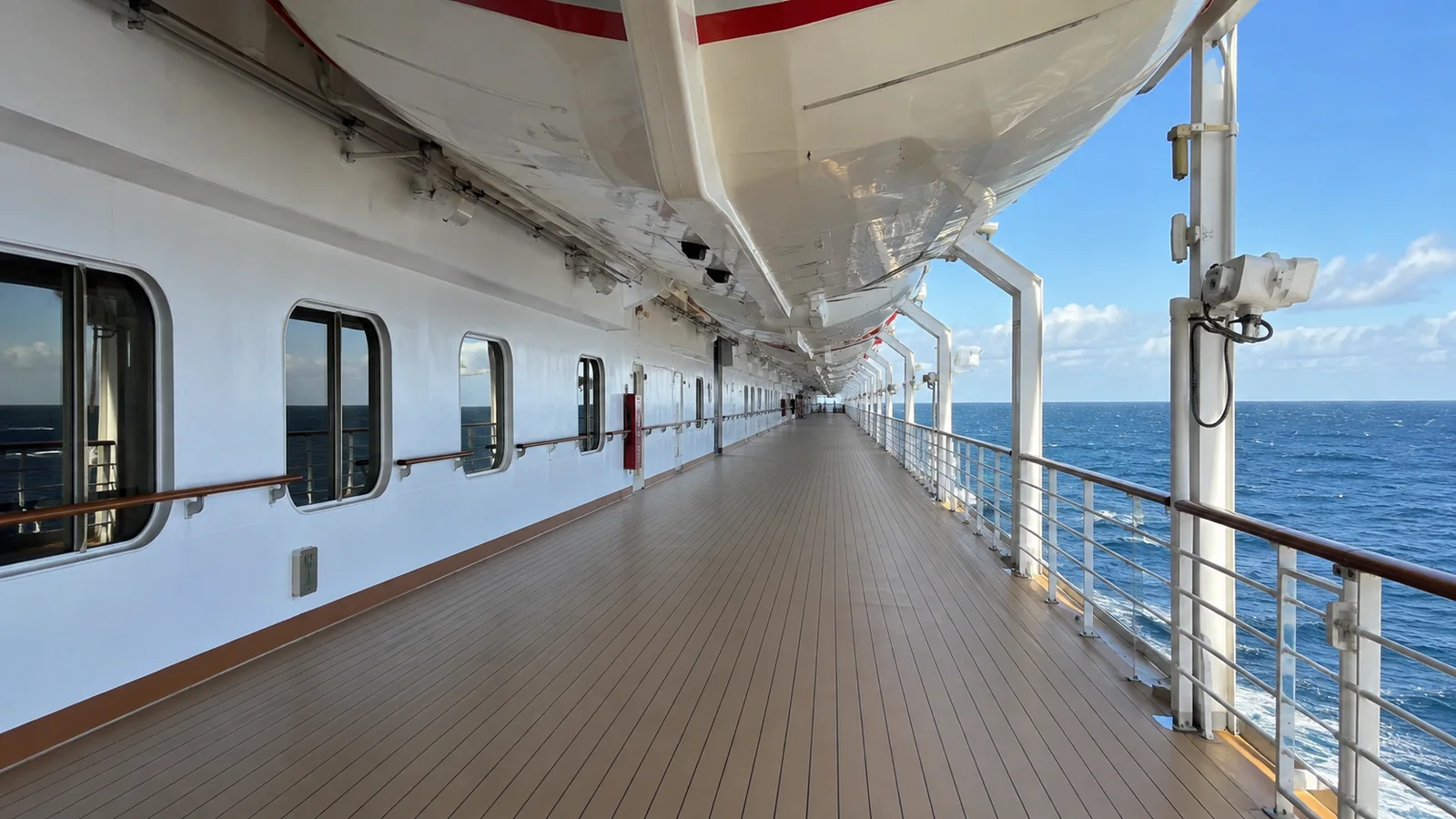
If someone has not completed the drill
Tell the crew immediately and follow the make-up instructions. Do not assume the next morning is an acceptable time to deal with it.
Repeated announcements may ask particular passengers or cabins to report. If your name or room is called after you believe you finished, verify the attendance record rather than ignore the message.
Treat muster as a required part of boarding the ship. Lines can take action for noncompliance, and nobody should plan a vacation around avoiding the safety process.
If illness or another urgent problem prevents normal participation, contact the crew or medical team. They need to know the situation and direct the appropriate arrangement.
After the briefing: remember the useful parts
Check that you know your station, the general route, and the instructions for your travel party. Store the safety information where you can find it again if needed.
Learn the emergency contact method shown in the cabin and ship instructions. Not assume a number used on another cruise works on this ship.
Pay attention to any later safety announcement or changed assignment. A completed embarkation drill does not make future instructions optional.
Also distinguish a drill announcement from an actual emergency instruction. Follow the captain and crew rather than waiting for someone nearby to decide what it means.
Questions to settle before sail-away
Can I attend at my spouse’s station?
Ask the crew if your assignments differ. Report to my own assigned location unless staff give another instruction.
Do repeat cruisers have to participate?
Yes, follow the requirement for each sailing. Familiarity with cruising does not establish that you know the current ship’s procedures.
Can I go back to the cabin for belongings during an emergency?
Follow the actual emergency directions. Do not plan an independent detour that conflicts with the crew’s instructions.
Is an outdoor station a sign of a worse cabin?
No. The assembly location is part of the ship’s safety plan, and an outdoor station does not by itself say anything about cabin quality.

My first-afternoon plan
Identify the station after boarding, complete any available briefing steps, and protect the scheduled drill time if there is one. Once every person is recorded and the instructions are clear, the rest of the afternoon can be about enjoying the ship.