Portugal Road Trip: Porto to Lisbon with Coastal and Small-Town Stops
Porto and Lisbon are close enough by train that renting a car only makes sense if you plan to spend the days between them discovering the places the train is wonderfully efficient at skipping.
I would turn the trip into seven days through Aveiro, Coimbra, Nazaré, Óbidos, and the Atlantic coast, then return the car before Lisbon so parking does not become the final attraction of the vacation.
The Seven-Day Porto to Lisbon Route
- Day 1: Porto
- Day 2: Porto and the Douro or an extra city day
- Day 3: Porto to Aveiro and Coimbra
- Day 4: Coimbra to Nazaré
- Day 5: Nazaré, Peniche, and the coast
- Day 6: Óbidos and a slower central Portugal day
- Day 7: return the car and finish in Lisbon
This route is intentionally more about towns and coast than covering the largest possible section of Portugal. If the Algarve or Alentejo matters more to you, add days rather than turning this into a drive from one end of the country to the other.
For another Iberian itinerary with a stronger mountain-and-coast mix, my Northern Spain road trip is a useful comparison. Portugal’s central coast feels more compact, which gives you more time outside the car.
Day 1: Porto
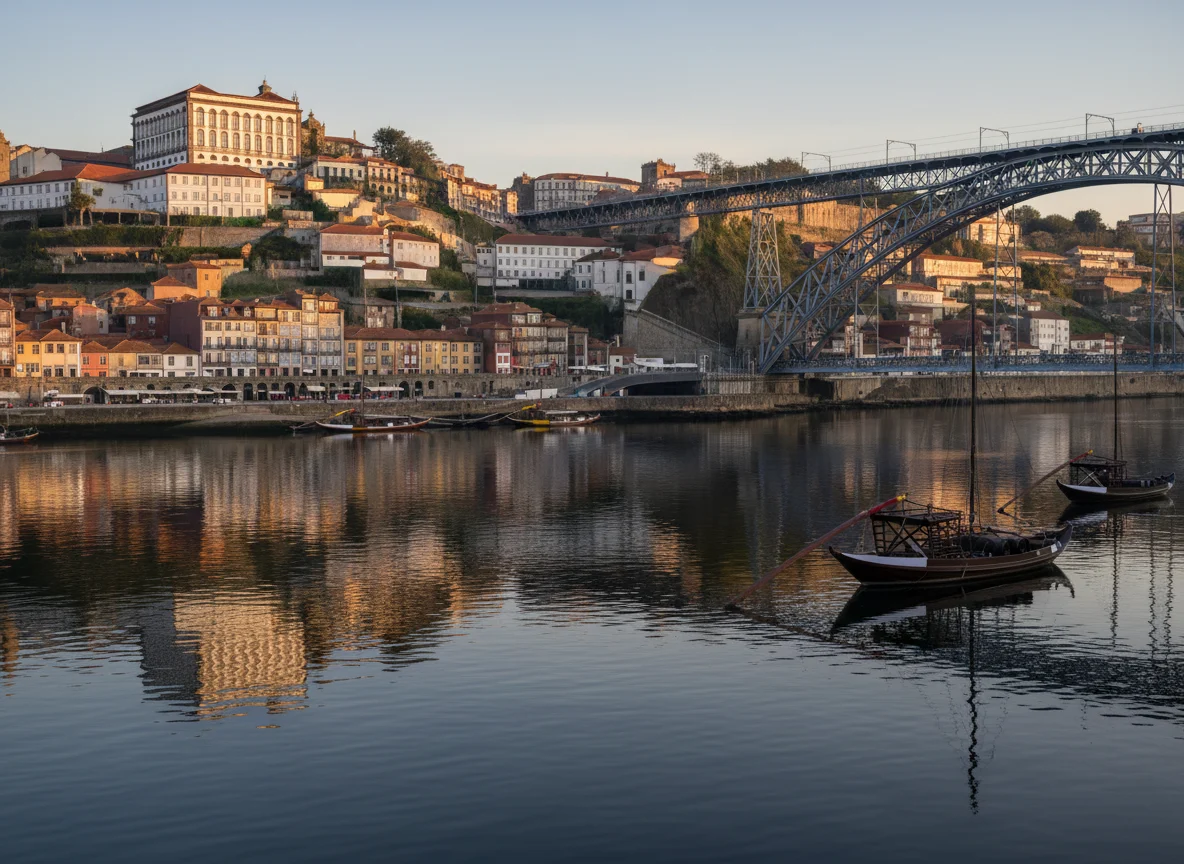
Do not pick up the car until you are ready to leave Porto. The historic center, riverfront, bridges, restaurants, and wine lodges are much easier to enjoy on foot or by public transportation.
Stay central enough to walk
A hotel near the center costs more than an outer suburb, but it removes parking and repeated city driving from your first days. I would rather put that energy into a long dinner and a river walk.
Give the city the whole day
Walk Ribeira, cross the Douro, choose one major church, market, museum, or cellar experience, and leave enough time to simply sit somewhere beautiful. Porto deserves more than a rental-car collection point.
Day 2: Porto or the Douro Valley
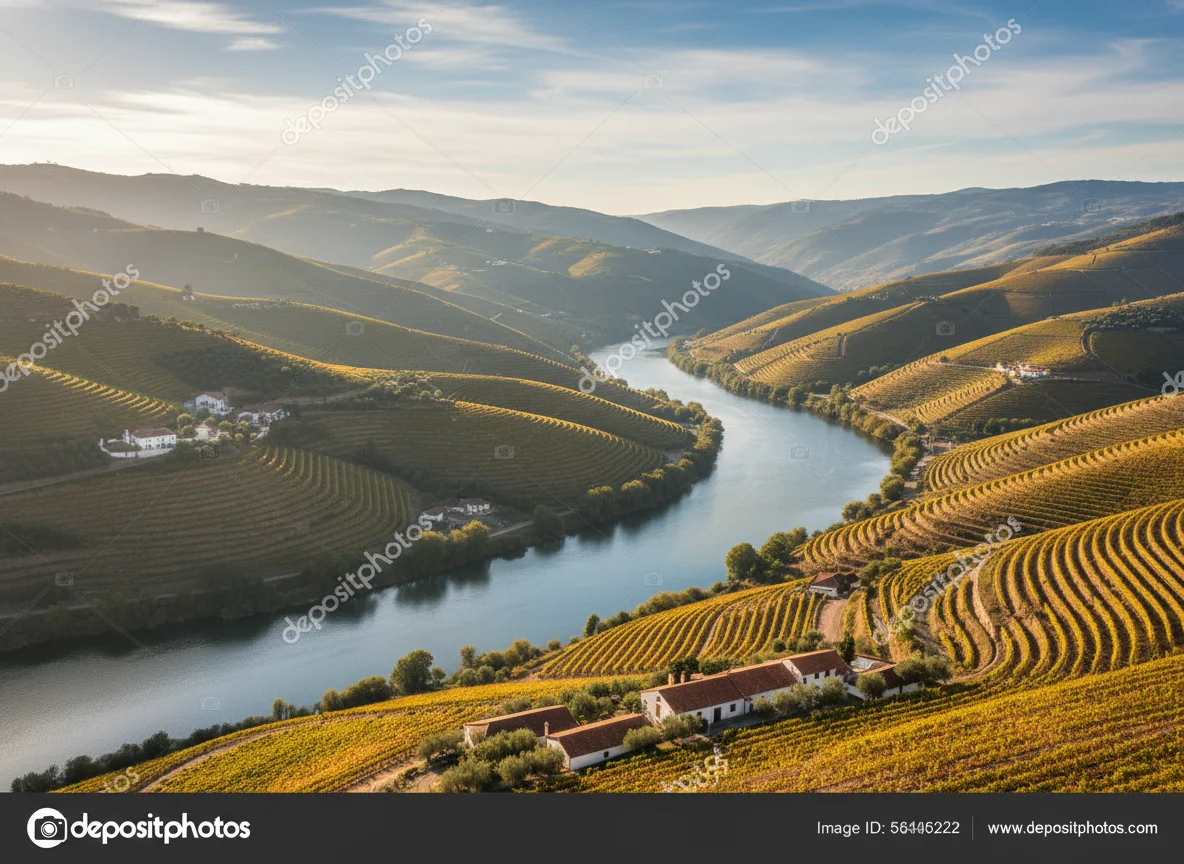
If you only have seven days total, I would decide whether the Douro Valley matters enough to justify a full day. You can visit without driving by using a train, organized tour, or river experience, which avoids combining wine tasting with unfamiliar roads.
If wine is the priority
Use transportation that lets everyone enjoy the tastings safely. The Douro roads can be winding and steep, and this is not where I would nominate a reluctant designated driver after the first glass.
If Porto is the priority
Stay in town for a second day and go deeper instead. An unhurried city day makes the road trip portion feel much less like you started behind schedule.
Day 3: Porto to Aveiro and Coimbra
Collect the car this morning and leave Porto before the city gets busy. Aveiro fits naturally on the route to Coimbra and gives you a very different first road-trip stop.
Aveiro
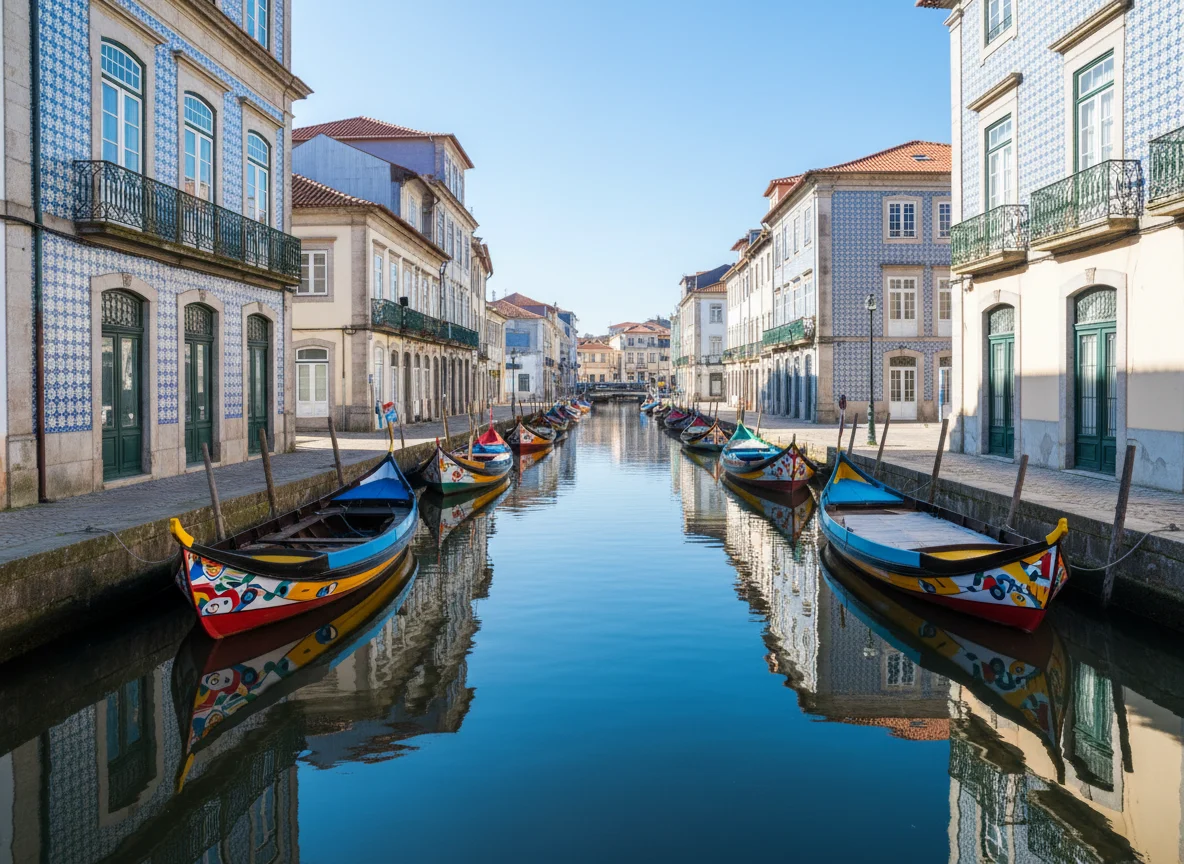
Walk along the canals, see the colorful moliceiro boats, and try ovos moles if you like sweets. I would give the city two or three hours rather than treating it as a ten-minute canal photograph.
Optional Costa Nova detour
If the weather is good and striped beach houses are calling your name, continue to Costa Nova before heading inland. The Atlantic coast can be windy and cool even when the city forecast looks warm, so keep a layer in the car.
Stay in Coimbra
Reach Coimbra by mid-afternoon and park the car for the night. The steep historic center and university area are much better explored on foot than from behind a steering wheel.
Day 4: Coimbra to Nazaré
Spend the morning in Coimbra before moving west. The University of Coimbra is the obvious anchor if history and architecture interest you, but the city is also worth wandering without a tour.
Do not rush the university
Timed-entry areas and visitor procedures can change, so check the university’s current visitor site if a particular library or historic space is essential. Leave enough time for the uphill walking that maps tend to present with suspicious optimism.
Drive to Nazaré
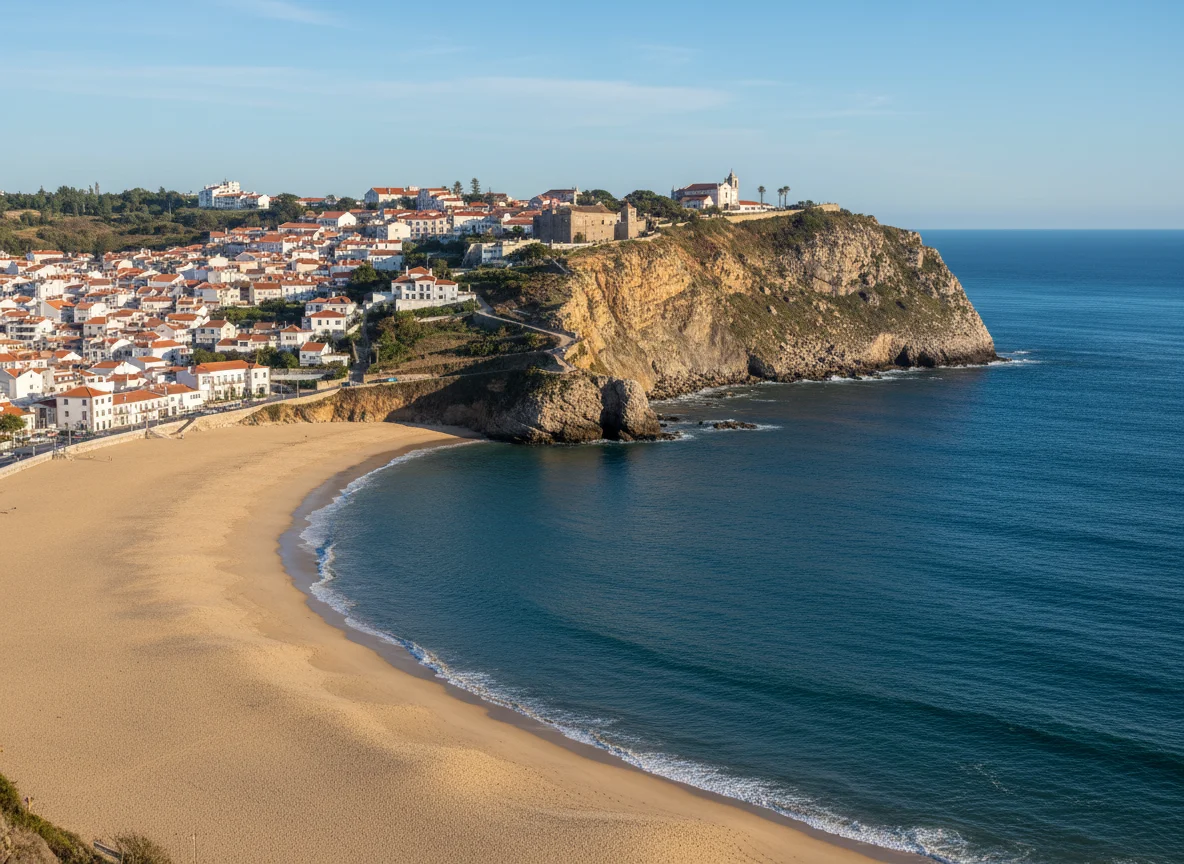
Nazaré gives you the fishing-town-and-beach change of pace this itinerary needs. Check in, walk the waterfront, and ride or walk to the upper town if you want the classic Atlantic view.
The giant waves that made Nazaré famous are seasonal and weather-dependent, not a daily attraction. Go expecting a beautiful coastal town and treat huge surf as a bonus when ocean conditions create it.
Day 5: Nazaré, Peniche, and the Atlantic
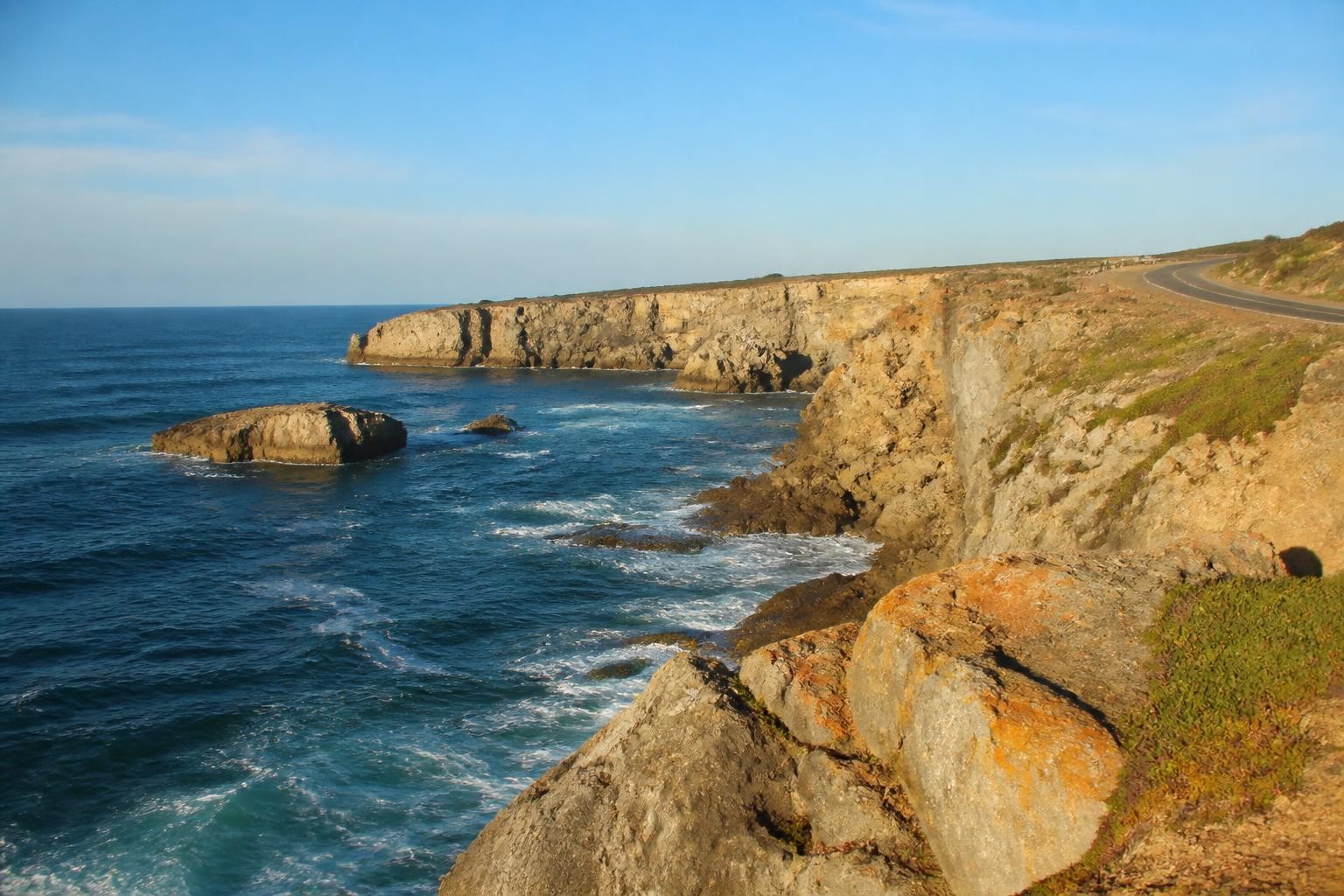
Keep today coastal and relatively loose. Peniche, beaches, cliff viewpoints, and seafood stops give you enough options that you can shape the day around wind and weather.
Peniche
Walk the harbor or coastline and have lunch before deciding how much farther you want to explore. Boat trips to offshore islands are weather-dependent, so confirm schedules directly if that is a priority.
Do not overdo the coastal detours
Portugal has enough pretty beaches that chasing every pin becomes repetitive quickly. Pick one or two places where you actually want to spend time and let the rest remain scenery through the windshield.
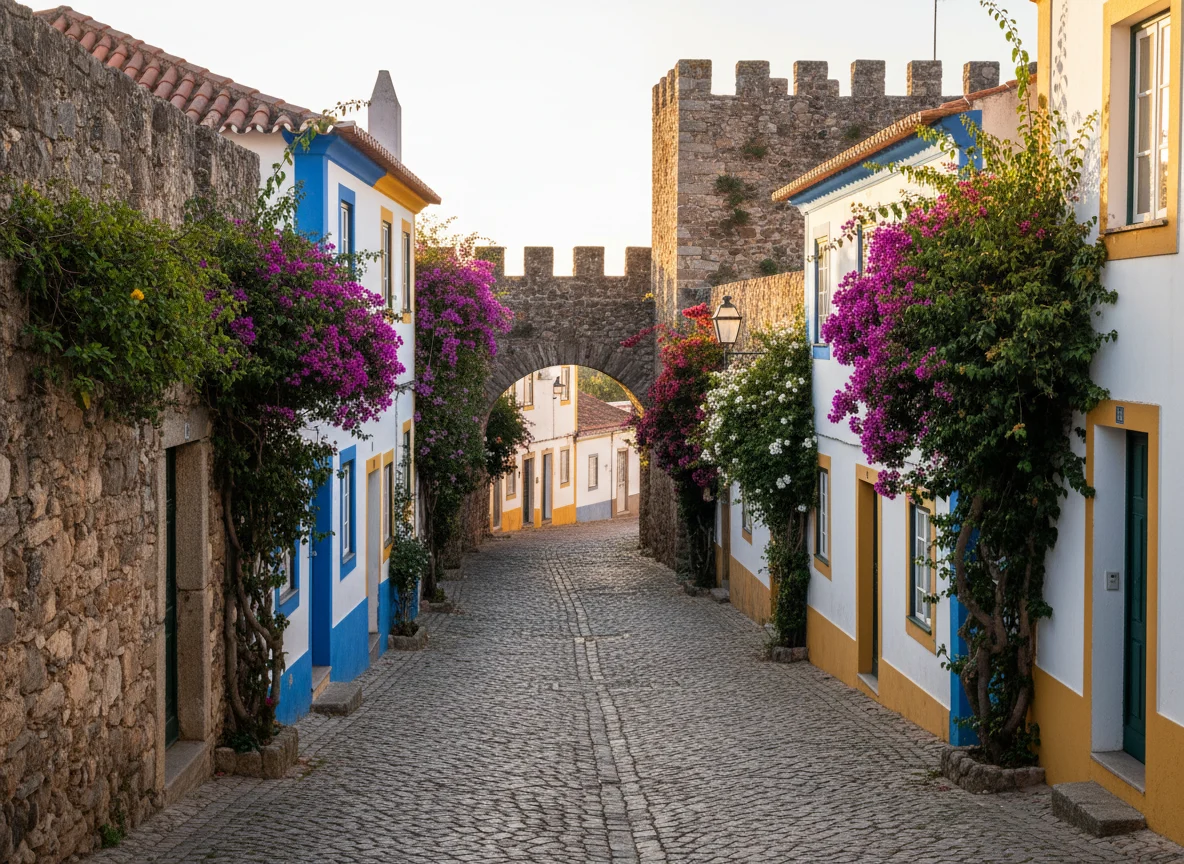
Day 6: Óbidos and Central Portugal
Óbidos is one of the most obvious historic-town stops between Porto and Lisbon, and I would arrive early enough to walk the walls and lanes before the busiest part of the day. The compact medieval center rewards a slow morning more than an aggressive checklist.
Park outside the walls
Leave the car in designated parking and explore on foot. Narrow historic streets are one more reason this road trip works best when the vehicle gets frequent days off.
Stay nearby or continue toward Lisbon
If you want another quiet night, stay around Óbidos or the coast. If you prefer more Lisbon time, return the rental car this evening and wake up in the city without one more parking concern.

Day 7: Finish in Lisbon Without the Car
Lisbon is the place where I would happily hand back the keys. Hills, trams, metro, trains, rideshares, and walkable neighborhoods make the rental car far more nuisance than freedom for most visitors.
Give Lisbon several nights if you can
This seven-day route only brings you to Lisbon, not through it. Add at least two or three more nights if the capital is part of the vacation rather than your departure airport.
If Sintra is a priority, use public transportation or a tour rather than assuming you need to keep the car. Parking and traffic around popular sights can turn a dreamy palace day into a traffic-management exercise.
Portugal’s Toll Roads Need a Little Planning
Portugal has both traditional toll booths and motorways where toll collection is exclusively electronic. The official Visit Portugal toll guide explains the current systems and payment options.
Many rental companies equip vehicles with electronic toll devices and charge tolls later, but policies vary. Ask exactly how tolls are handled before leaving the rental counter and keep the agreement handy.
Do Not Accidentally Use a Toll Lane You Cannot Pay
Electronic-only toll roads are identified by signs and do not have normal booths where you can stop to pay cash. Foreign-registered vehicles have several official payment methods, while Portuguese rental cars may use a rental-company device or post-payment arrangement.
Visit Portugal also directs drivers to Portugal Tolls for current electronic-payment options. I would understand the rental car’s system before the first motorway rather than discovering it from a charge after the trip.
Driving in Portugal
Portugal drives on the right, which makes the transition easy for American drivers, but city streets, roundabouts, parking, and older-town lanes still require attention. Avoid using the car inside historic centers whenever walking is simpler.
The official tourism guidance lists maximum speed limits for ordinary passenger cars at 50 km/h in built-up areas, 90 km/h on normal roads, 100 km/h on roads reserved for motor vehicles, and 120 km/h on motorways, unless signs indicate otherwise.
Rent a Smaller Car
A small car is easier in parking garages, village streets, and older towns. You need enough luggage room, but central Portugal is not the place where an enormous vehicle improves the experience.
If you want an automatic, reserve one when you book. Visit Portugal notes that automatic vehicles are available, but individual rental-company inventory and age requirements vary.
Best Time for Porto to Lisbon
April through June
Spring into early summer gives you comfortable town-walking weather and green landscapes. Atlantic weather can still be cool and windy on the coast.
September and October
Early fall can be excellent for cities and beaches after the biggest summer crowds ease. Daylight shortens, so I would finish unfamiliar rural driving earlier.
July and August
Summer brings heat and heavy tourism in many popular areas. Start outdoor sightseeing earlier, reserve distinctive hotels, and expect beach traffic on weekends.
Winter
Winter can be mild compared with much of Europe, with more rain and fewer beach-oriented services. It is a strong option when food, cities, and historic towns matter more than swimming.
What to Pack
- Comfortable shoes for steep historic streets
- Light rain layer
- Sun protection
- Small cooler or insulated bag
- Offline maps
- Car charger
- One warmer layer for Atlantic evenings
My road trip tips cover the general planning side. In Portugal, I would put most of the practical attention into tolls, hotel parking, and returning the car before the big-city portion.
One More Portugal Planning Check
My road trip hotel guide is useful here because parking and walkability can matter more than the room price in historic towns. I also check Visit Portugal for current destination information and its driving guidance before finalizing the rental-car portion.
My Favorite Porto-to-Lisbon Pace
I would spend two nights in Porto, one in Coimbra, two around Nazaré or the central coast, one around Óbidos, and then return the car for several car-free nights in Lisbon. That lets the road trip connect places that benefit from a car without forcing the car into places that do not.
Portugal is compact enough that you never need a heroic driving day on this route. Use that luxury to make the stops longer instead of making the route bigger.