Cruise Packing Items: What Goes in Each Bag
Use this guide when you want to decide what belongs in your embarkation bag, suitcase, cabin, and port-day bag, plus what should stay home. For the master all-trip checklist, start with my cruise packing list; this page is organized around where each item goes and the prohibited-item check.
This list covers both, from documents and medications to cabin helpers, dinner clothes, and the items security may take away; start here, then trim it to your ship, itinerary, weather, and actual plans.
What goes in each bag at a glance
You do not need every gadget labeled “cruise essential.” You need the things that are difficult to replace, clothes that work together, and a few small items that make a compact cabin easier to live in.
Before closing the suitcase, make sure you have these core groups covered:
- Travel documents, cruise check-in details, and payment cards
- Prescription medications and necessary medical supplies
- An embarkation-day bag that stays with you
- Comfortable clothes, swimwear, dinner outfits, and broken-in shoes
- Weather and excursion gear for the actual itinerary
- Toiletries, sun protection, and basic first aid
- Phone, chargers, approved batteries, and plug adapters if needed
- A few useful cabin organizers
The more specific version starts with your booking. Check the cruise line’s dress code, luggage guidance, onboard laundry options, and prohibited-item list for your exact sailing rather than trusting a product that calls itself cruise-approved.
If you want a last check after sorting the bags, my forgotten cruise items guide catches the small things people skip. Carnival travelers should also check the line-specific Carnival luggage rules, while Disney cruisers can use my Disney cruise packing list for family-specific extras.
If you are still making bigger trip decisions rather than packing yet, the Start Here page is the better place to choose between cruise planning, destinations, road trips, and general travel help.
Pack these documents before anything else
A forgotten swimsuit is annoying, but a missing travel document can end the vacation at the terminal. Put every original document required for boarding in one secure pouch that stays in your personal bag.
- Passport book or other accepted citizenship and identity documents
- Any required visas or electronic travel authorizations
- Cruise boarding pass and luggage tags
- Flight, hotel, transfer, and excursion confirmations
- Travel insurance policy and assistance numbers, if insured
- Emergency contacts and a paper copy of key phone numbers
- Consent or custody documents when required for a child
- Driver’s license if you may rent a car
Document rules depend on citizenship, residency, ports, and whether the cruise begins and ends at the same U.S. port. CBP’s Western Hemisphere Travel Initiative guidance explains the U.S. entry documents accepted in covered situations, but the cruise line or a destination may impose stricter requirements.
A passport book is the least limiting choice for an international cruise. The U.S. Department of State’s cruise guidance recommends one even when it is not required because a passenger who must fly home from abroad cannot use a passport card for that flight.
Save encrypted digital copies separately from the originals, but do not assume a phone photo will be accepted for boarding. Check every name, expiration date, and destination requirement well before departure.
Build an embarkation-day bag that can rescue day one
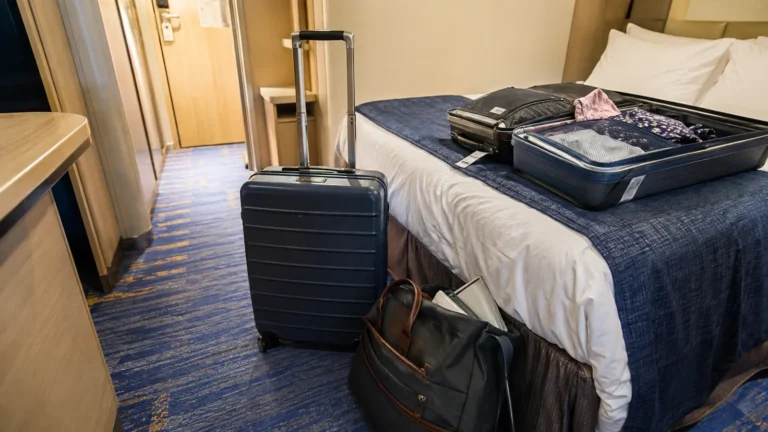
Portered luggage may not reach the cabin until later, so your small carry-on needs to cover boarding afternoon and an unexpected delay. Keep it light enough to manage through check-in and lunch because you may be carrying it before cabins open.
- All travel documents and wallets
- Prescription medication and irreplaceable medical supplies
- Phone, charging cable, and power bank
- Swimsuit and a small sunscreen
- One change of underwear and clothes
- Glasses, contacts, and hearing-device supplies
- Valuables, electronics, and fragile items
- Child essentials for the afternoon
- Refillable water bottle, empty if airport security requires it
If dinner clothing matters on the first night, keep that outfit with you too. A soft tote or backpack that later becomes your port-day bag earns its luggage space twice.
Medications and health supplies
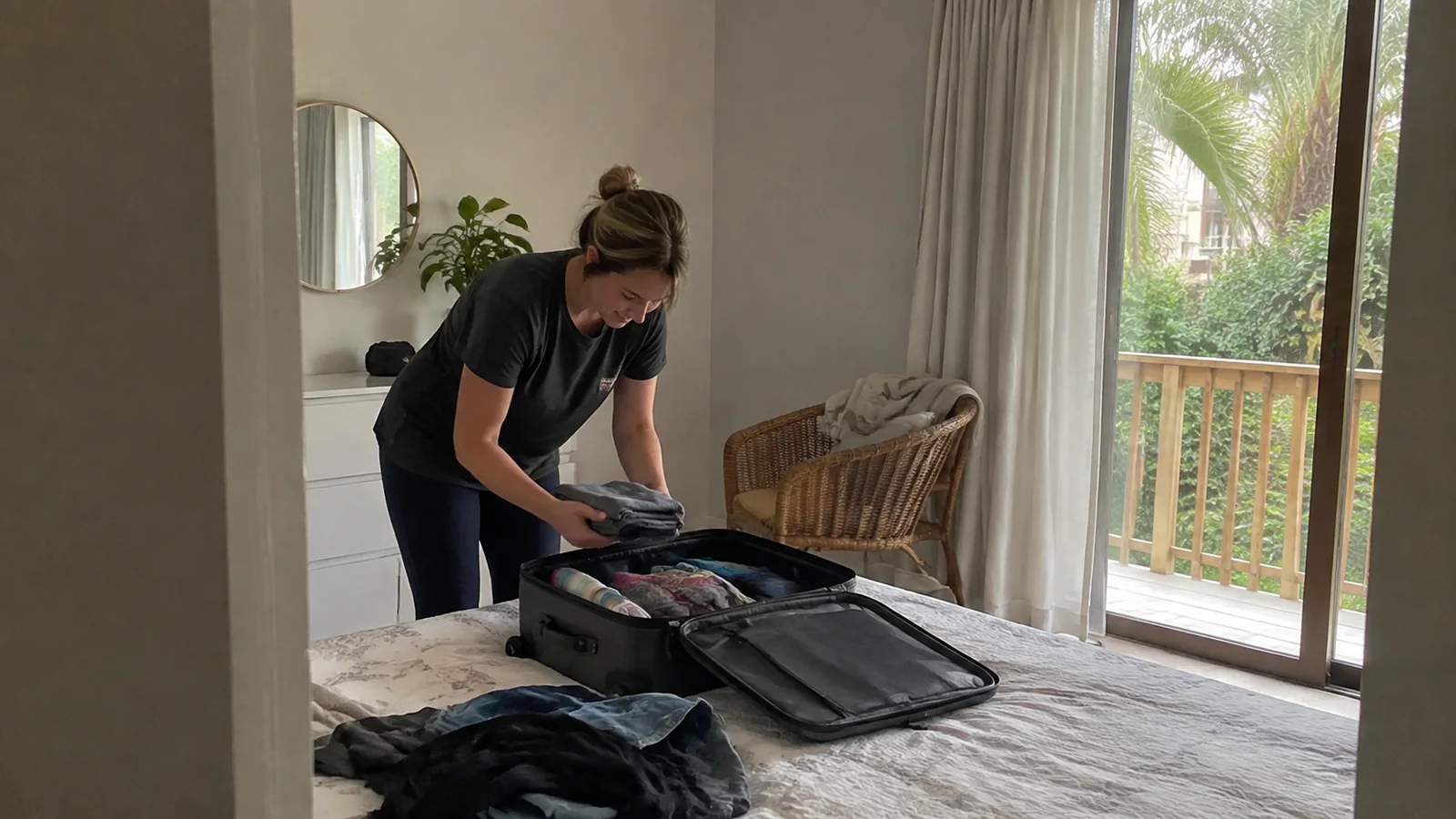
Pack enough prescription medication for the trip plus a reasonable delay, and keep it under your control rather than in portered luggage. Bring a written prescription list with generic drug names, dosages, allergies, medical conditions, and your clinician’s contact information.
Original labeled containers can make identification easier, but medication and controlled-substance rules vary by destination. Ask the cruise line about refrigeration, sharps disposal, oxygen, mobility devices, CPAP arrangements, or other accommodations before sailing.
A compact health pouch can include only the products you already know how to use:
- Bandages and blister protection
- Motion-sickness remedy chosen with a pharmacist or clinician
- Pain reliever and stomach medication appropriate for you
- Hand sanitizer and a few disinfecting wipes
- Broad-spectrum sunscreen and lip balm with SPF
- Insect repellent for itineraries where it is useful
- Spare glasses or contact-lens supplies
Do not count on the ship or a port pharmacy carrying your exact medicine, formula, or device part. Hard-to-replace health items belong in the nonnegotiable pile, while the giant just-in-case pharmacy can stay home.
Clothes for a seven-night cruise
The easiest cruise wardrobe is a small group of repeatable outfits rather than a different look for every event. For a typical seven-night warm-weather sailing, this is a sensible starting point, not a rule:
- Five to seven casual tops
- Three to five pairs of shorts, skirts, or casual pants
- Two swimsuits so one can dry
- One or two cover-ups
- Seven sets of underwear and the socks you will actually wear
- Sleepwear
- Two dinner outfits that can be repeated with different accessories
- One light sweater or jacket for cool indoor spaces and breezy decks
- One compact rain layer
- Workout clothing only if it matches a real plan
Start with the line’s current dress guidance, then choose clothing that feels like you. “Formal” can mean very different things among cruise lines, ships, and venues, so a polished outfit is usually more useful than packing for an imaginary ballroom.
Bring no more than three practical pairs of shoes if the itinerary allows it: broken-in walking shoes, pool or beach sandals, and one dinner-friendly pair. Your feet will care much more about comfort and traction than the outfit photo.
Alaska, Northern Europe, and shoulder-season itineraries need warm and rain-ready layers instead of a tropical formula. A breathable base, insulating middle, waterproof outer layer, warm hat, and gloves can adapt to changing conditions without filling the suitcase with bulky coats.
Toiletries that are worth the space
Ships normally provide some soap and shampoo, but the exact products and cabin amenities vary. Bring travel-size versions of anything your skin, hair, or routine genuinely depends on.
- Toothbrush, toothpaste, floss, and retainer supplies
- Deodorant and preferred hair products
- Face wash, moisturizer, and sunscreen
- Razor and shaving products
- Makeup and remover
- Menstrual or continence supplies
- Contact-lens solution
- Hairbrush, comb, and simple hair ties
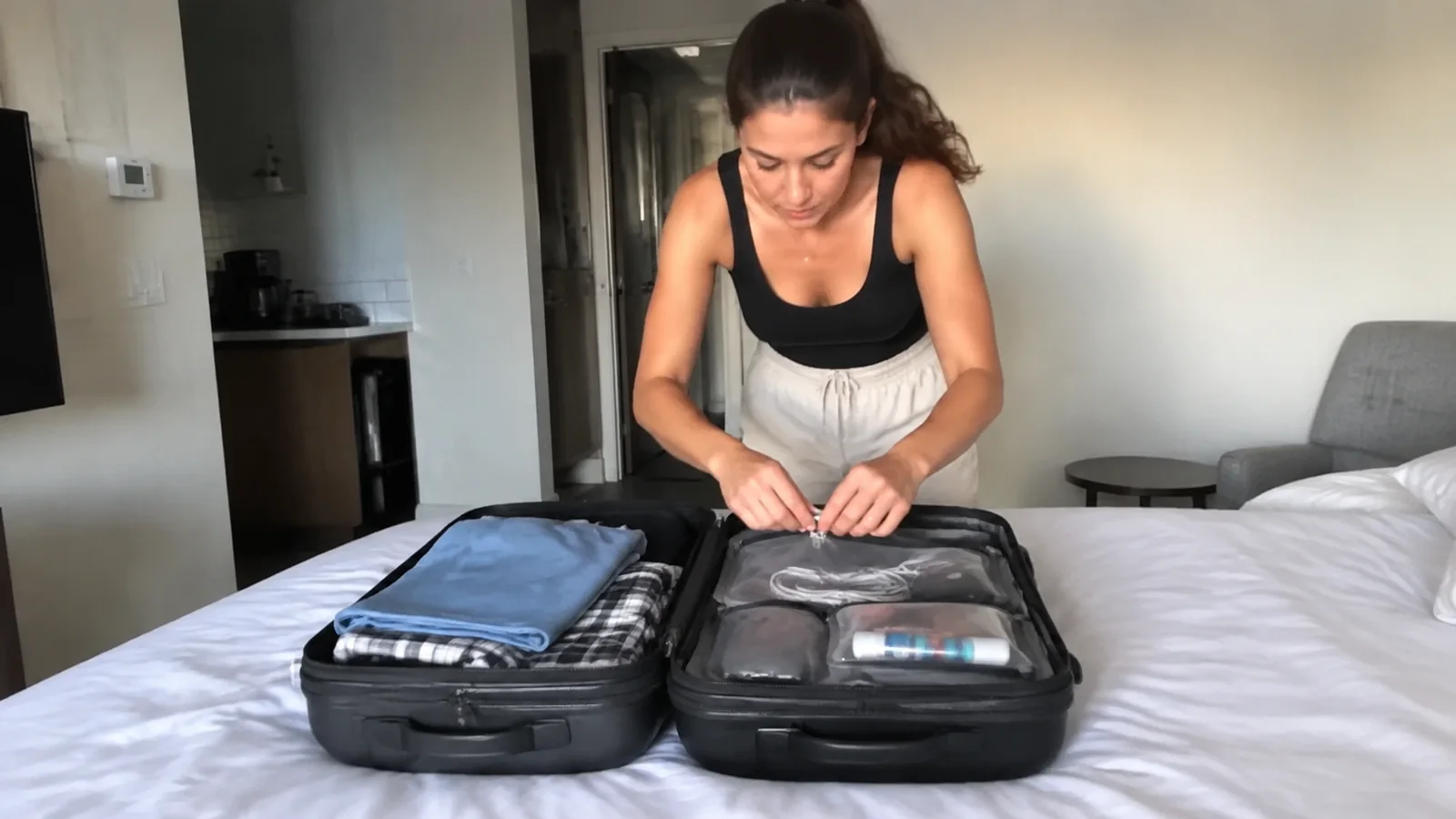
Seal liquids in a washable zip pouch and keep leak-prone caps taped or bagged. If you fly, airport liquid rules and cruise security rules are separate checks, so pack for both parts of the journey.
The cabin helpers I would actually make room for
A cabin is small, but that does not mean it needs a shopping cart of organizers. I would choose a handful of light, non-damaging items with clear jobs:
- Packing cubes or zip pouches
- Small laundry bag
- Magnetic hooks, after confirming the line permits them
- Clips for drying swimwear in the bathroom
- Sleep mask and earplugs
- Small battery-operated night-light if allowed
- Reusable water bottle
- Compact toiletry organizer that does not block doors or sprinklers
Before buying anything, compare it with the more focused cruise accessories worth packing. That helps separate a genuinely useful cabin fix from a single-purpose gadget that will spend the week in a drawer.
Skip adhesives that could mark a surface and organizers that hang over doors unless your cruise line expressly allows them. Never cover a detector, sprinkler, sign, or ventilation opening.
Electronics, chargers, and batteries
Pack a phone, the correct cables, a compact camera if you will use it, headphones, and any destination plug adapter needed before or after the cruise. Check every device’s voltage rating because a plug adapter changes the shape of the plug, not the electricity supplied.
Do not assume a multi-plug outlet, power strip, or extension cord is allowed just because it lacks surge protection. Royal Caribbean’s current prohibited-items policy, for example, bars extension cords, power strips, and multi-plug outlets, while other lines publish their own rules.
If you fly to the port, power banks and spare lithium batteries belong in your carry-on, not your checked bag. The FAA’s PackSafe battery guidance says typical spare rechargeable batteries are limited to 100 watt-hours each, with airline approval required for certain 101 to 160 watt-hour batteries.
Protect spare battery terminals against short circuits and remove power banks if a carry-on is gate-checked. Leave damaged or recalled batteries at home and check the operating airline for stricter limits.
What belongs in a port-day bag
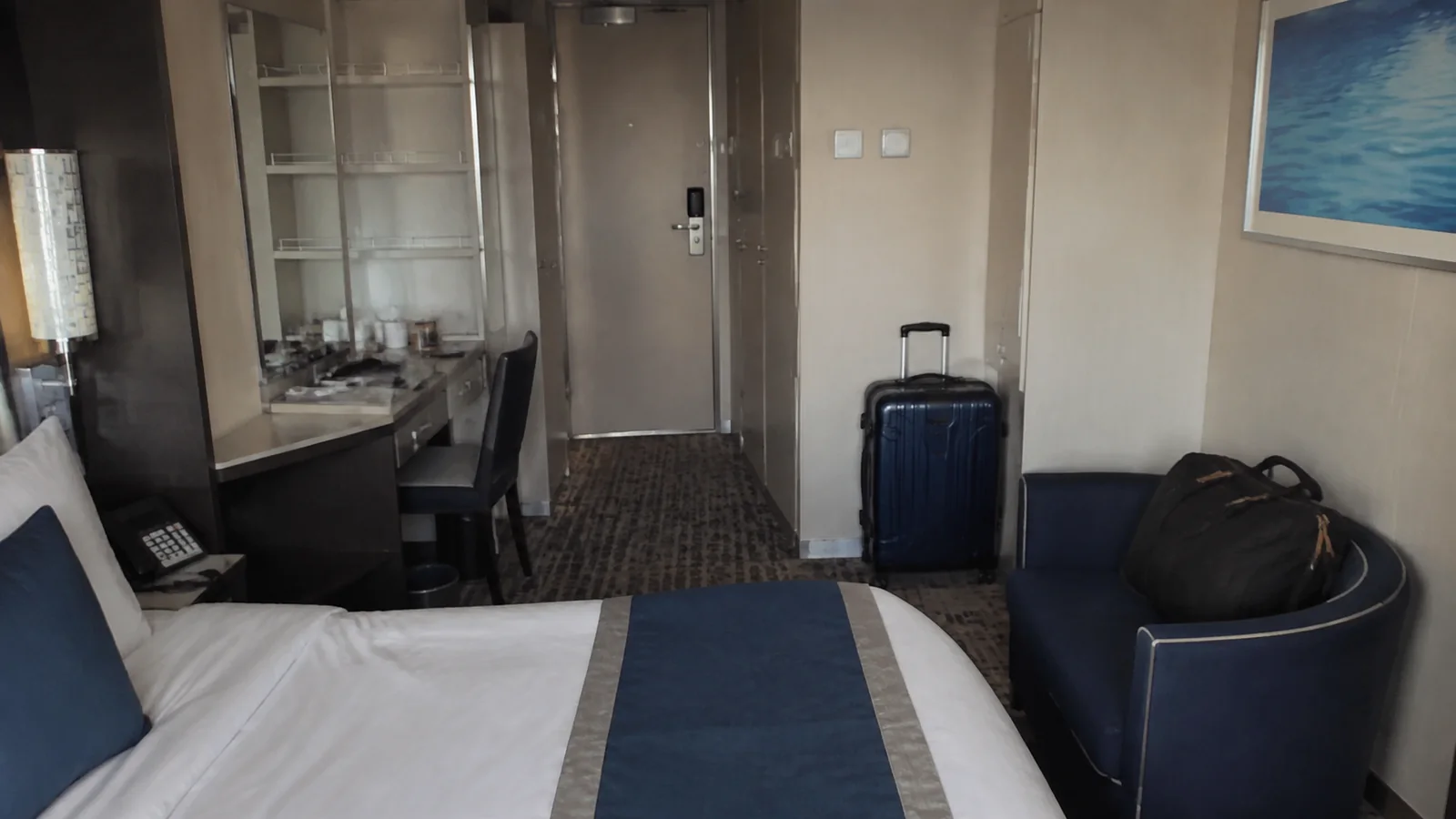
Use a small crossbody, sling, or backpack that closes securely and feels comfortable for several hours. Pack for the exact excursion instead of carrying your cabin ashore.
- Ship card and required identification
- Phone with offline reservation details
- Payment card and a modest amount of local cash when useful
- Water, where permitted, and sun protection
- Compact rain layer
- Necessary medication
- Swimsuit, dry pouch, or towel only when the plan needs them
- Operator contact and the ship’s port-agent information
Keep valuables minimal and split backup payment from the main wallet. If you are planning active days, my guide to cruise essentials for beach, walking, and cool-weather plans can help you match the gear to the actual itinerary.
Current prohibited items: check before every sailing
Cruise lines update these policies, and similar-looking items can receive different treatment. As of September 2026, common prohibitions include weapons, ammunition, explosives, illegal drugs, candles, incense, irons, steamers, heating appliances, and electrical equipment the line considers unsafe.
Alcohol, nonalcoholic drinks, drones, speakers, fans, tools, extension cords, and outlet adapters are especially line-specific. Carnival’s current safety information, for example, tells guests to review its prohibited list and says speakers and radios are not allowed, while another line’s wording may differ.
Never pack these without direct confirmation from the operating cruise line:
- Irons, clothes steamers, hot plates, kettles, or coffee makers
- Candles, incense, or anything with an open flame
- Extension cords, power strips, surge protectors, or multi-plug outlets
- Weapons, realistic replicas, ammunition, or self-defense sprays
- Illegal drugs, including products that may be legal at home
- Large speakers, radios, drones, or remote-controlled equipment
- Household tools or sports gear that could be treated as a weapon
- Alcohol or beverages beyond the line’s stated allowance
Medical equipment may have a separate approval process, so contact accessibility services rather than packing a prohibited cord or appliance and hoping for an exception. Save the written response with your booking records when an accommodation matters.
How to pack without bringing too much
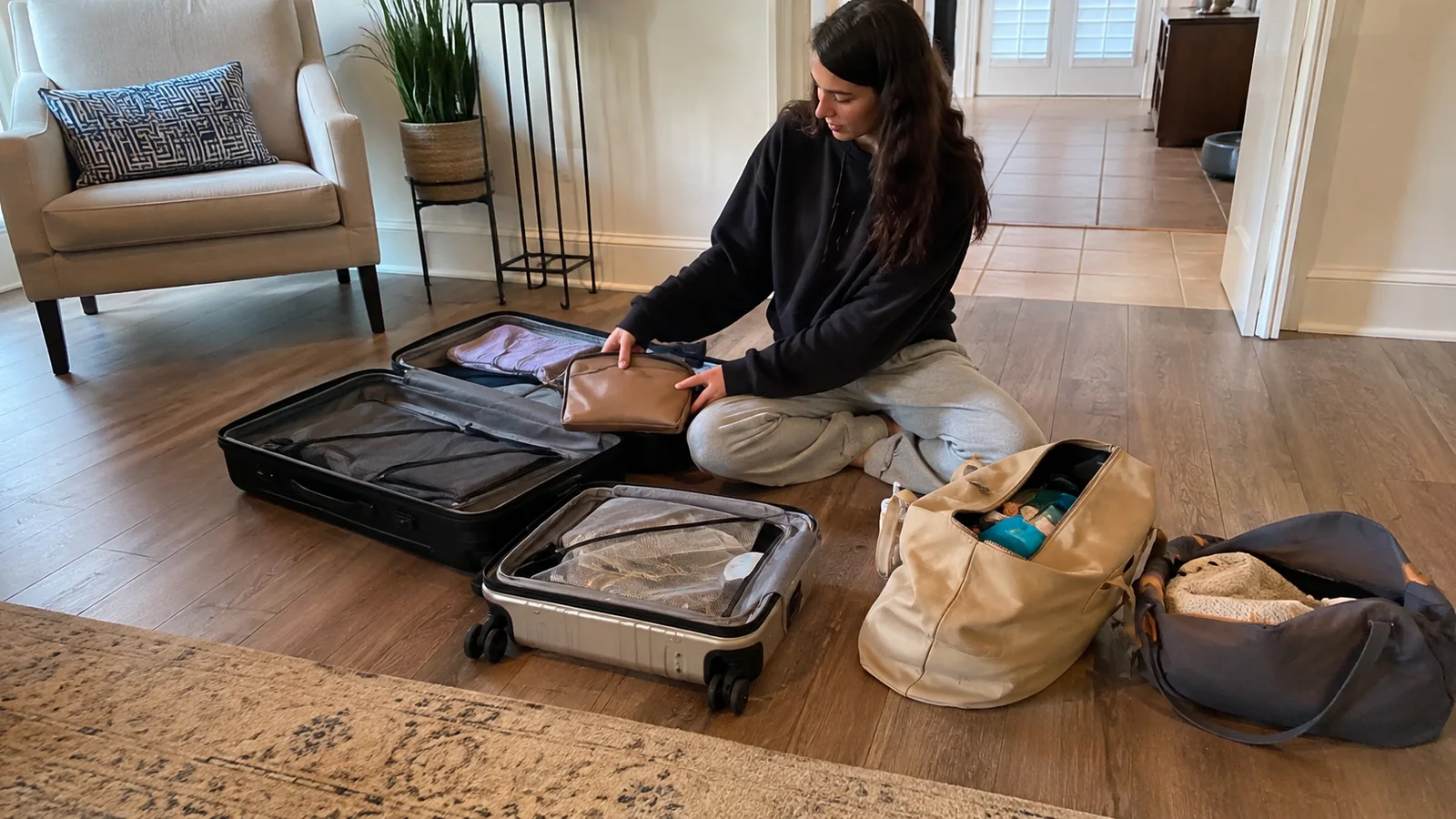
Lay out complete outfits, not piles of categories, and remove anything that has no scheduled use. Choose a color palette that lets tops, bottoms, layers, and dinner pieces work together.
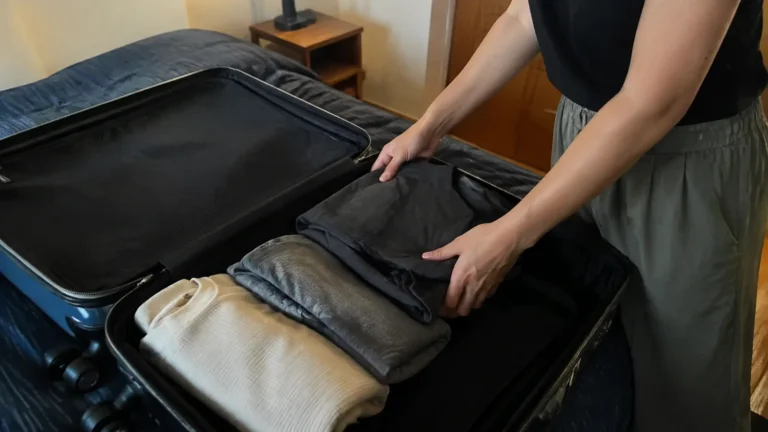
Use packing cubes for organization rather than as permission to cram in more. Leave a little room for purchases, and make sure you can lift and control every bag through the airport, hotel, and terminal.
For a more detailed bag strategy, compare this list with the cruise packing tips for limited cabin storage. The best finished suitcase is not the fullest one; it is the one where every hard-to-replace item is present and every extra has to defend its space.
Your final cruise packing check
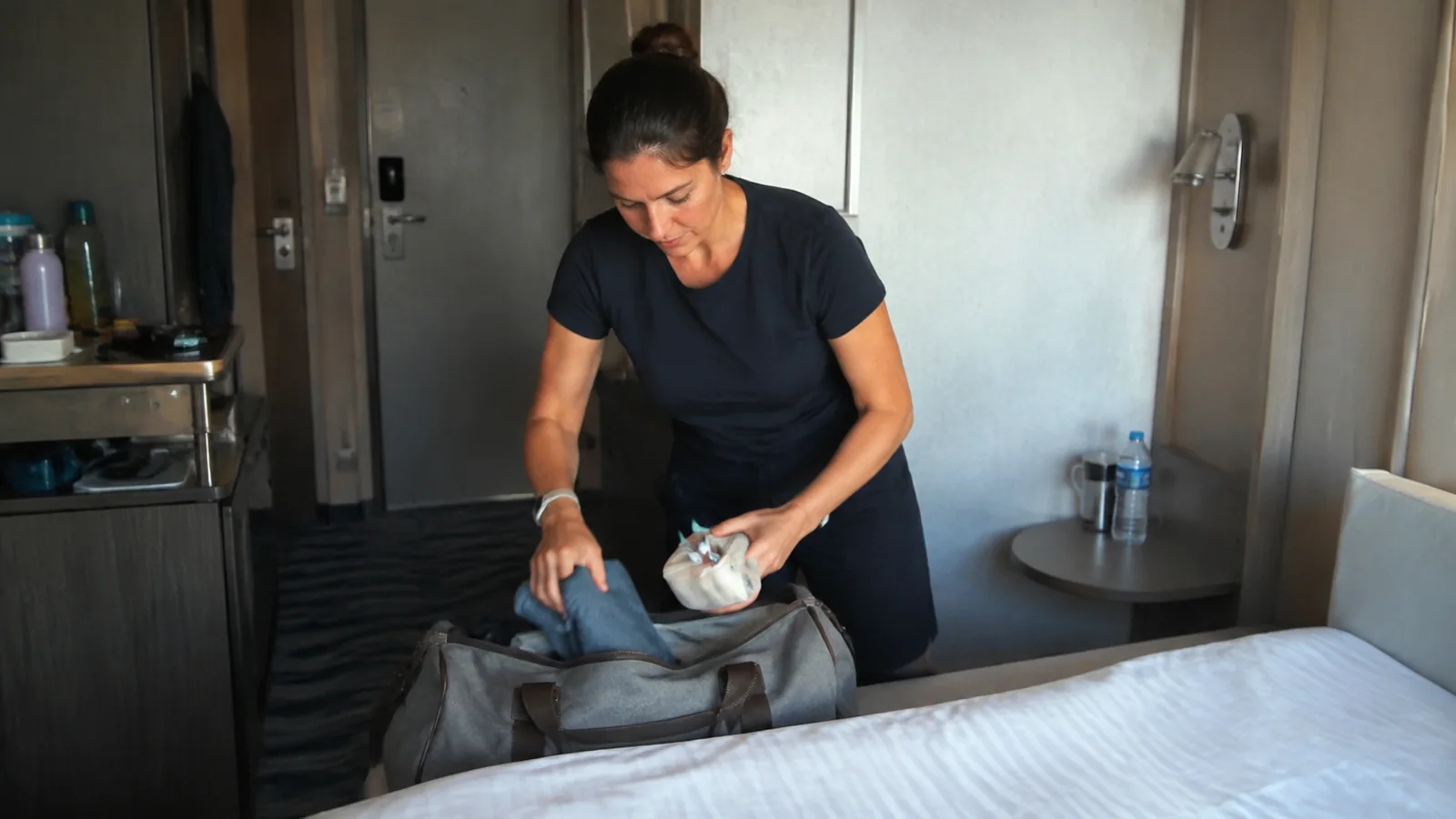
Do one physical check the night before leaving: touch the passport, medication pouch, wallet, phone, chargers, and boarding documents. Then verify the weather, airline baggage limits, cruise-line prohibited list, and destination entry rules one last time.
Keep the embarkation bag with you, label portered luggage clearly, and take a quick photo of the bags before handing them over. Once those basics are covered, stop adding things and start looking forward to the ship.