Cruise Gratuities Explained: Daily Charges and Extra Tips
Count daily cruise gratuities in the trip price before comparing fares, then check each onboard receipt before adding another tip. The charge for cabin and dining service is different from the service charge on a cocktail, massage, or dining package.
Prepaying can make budgeting easier, but it does not buy better service or automatically cover every tip.
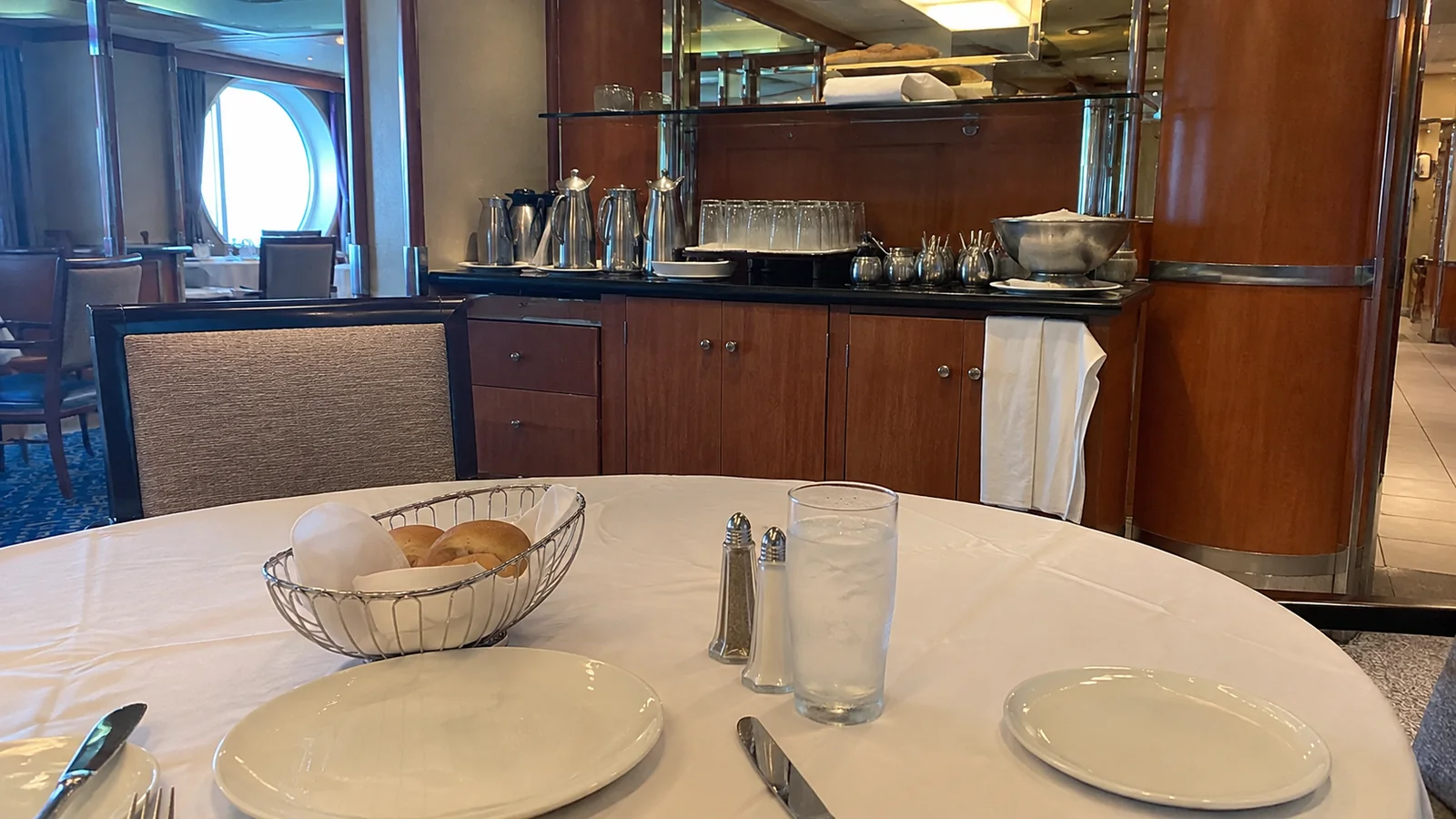
The gratuity decisions to make first
- Find the daily amount for your cabin category and booking market.
- Multiply it by the chargeable guests and nights, including children who qualify.
- Check whether the fare already includes that daily charge.
- Add beverage, dining, and spa service charges only where they apply.
- Keep a separate cash allowance for porters, drivers, guides, and optional personal thank-yous.
- Review the account onboard while there is time to correct a mistake.
A gratuity estimate belongs beside airfare and the cabin fare in your total cruise budget. A low advertised fare is easier to judge once those predictable expenses are visible.
Gratuities are also one of the predictable costs I’d add to my guide to extra cruise costs before booking. That makes it much easier to compare two fares without treating a disclosed daily charge like a surprise later.
This matters even more when you are shopping a low headline fare, including the offers in my cheap Southampton cruise guide. A bargain is only a bargain after daily gratuities and the other unavoidable trip costs are added back in.
If you are comparing two fare types, I’d also check what the cruise fare includes before deciding which gratuities are genuinely extra. A higher fare can already bundle service charges or other benefits that make the final totals closer than the booking screen suggests.
Daily gratuities support more than your room attendant
The daily charge is generally pooled under the cruise line’s compensation program, rather than divided only among the people who personally hand you a plate or make your bed. That is why skipping the main dining room does not necessarily remove the charge.
For example, Carnival’s ticket terms describe pooled service gratuities and separate service charges on optional purchases. Not replace the daily program with cash to one favorite employee and assume the same people received the same support.
The names vary: daily gratuities, hotel service charges, and crew appreciation can refer to similar billing arrangements. The rules attached to the specific charge matter more than the label.
Ask about any unfamiliar line on the statement before treating it as an error. A daily hotel charge and the service percentage on yesterday’s dinner can both be legitimate without being the same charge twice.
Calculate the cabin’s total, not just one person’s rate
At the time of this review, Royal Caribbean’s gratuity policy lists $18.50 per guest per day for nonsuite categories and $21 for suites. Those are useful examples, not rates I’d apply to another cruise line.
For two guests spending seven nights in a nonsuite cabin, $18.50 multiplied by two and seven is $259. If four guests are assessed at that rate, the same sailing produces $518.
That arithmetic is easy to overlook when a family shops using a per-person fare based on two occupants. Write the total for the entire room before deciding whether the cruise fits.
Do not automatically leave children out of the calculation. Age exemptions differ by line, and a discounted child’s fare does not itself establish an exemption from gratuities.
Suites deserve their own check because the daily rate may be higher and some specialty staff can have separate arrangements. Request the published suite policy rather than adding an invented butler percentage to the budget.

Prepaid gratuities and package gratuities are separate purchases
Prepaying the daily amount changes when you pay it. It does not mean every drink, spa appointment, or specialty meal has already been tipped.
Look for the precise wording on the invoice: prepaid service gratuities, beverage package service charge, and dining package gratuity are different entries. A package advertisement that says gratuities included should identify which purchase it means.
Royal Caribbean’s beverage package gratuity FAQ says an 18% gratuity is automatically added to package purchases except where prohibited by law. Compare the checkout total with buying drinks individually, rather than comparing only the package’s daily headline price.
The same habit helps with other lines even when their percentages differ. Do the math with their current terms instead of copying Royal Caribbean’s rate across the industry.
A drinks package is not necessary just because daily gratuities do not cover cocktails. Use the Royal Caribbean drink package cost comparison if that is your line, or compare your likely drinks with the actual package offered on your sailing.
Read the receipt before adding an extra amount
The extra-tip box can appear even when an automatic service charge is already included. Leaving it blank is different from refusing to pay the amount already shown on the bill.
For a simple hypothetical example, a $15 purchase with an 18% service charge costs $17.70 before any other applicable tax or optional tip. Adding another $3 is a deliberate extra, not something needed to complete that calculation.
Check three things: the item price, the automatic service line, and the final total. On a paper receipt, I’d write the intended total clearly and keep a photo if anything looked confusing.
That small check is especially useful for spa treatments, where an appointment price and a final bill may differ. Ask for the complete cost before the treatment, including any automatic service charge and the products you actually agree to buy.
Do not let an offered product demonstration turn into an accidental purchase. A polite “just the treatment today” is enough if that is all you planned.

When prepaying the daily charge makes sense
Prepay if I wanted a more settled vacation budget and had confirmed the correct amount. It removes one predictable expense from the final onboard bill.
If a cruise line announces a rate increase, read the transition terms before assuming prepayment preserves the old rate. Protection may depend on when payment is completed, not simply when the cruise was originally booked.
Also check what happens to prepaid gratuities if I cancel or change the sailing. A refundable service payment and a nonrefundable cruise deposit are separate things, even when they appear on one invoice.
There is no need to prepay because you think the cabin attendant will otherwise receive a warning about you. Make this a budgeting decision, not a strategy for influencing service.
If someone else bought the cruise as a gift, clarify whether gratuities were included in that gift. An apparently paid-in-full holiday can still carry a daily onboard charge.
When waiting until onboard can make sense
Some travelers prefer to settle service charges with the rest of the onboard account. That can be reasonable if the balance is expected and money is set aside.
Be careful about planning to cover it with promotional onboard credit. Credits can prohibit service-charge use, and a rule from another line is not evidence that yours allows it.
Ask the credit issuer for the eligible charges, then check the onboard account after the first daily posting. Do not leave the question until the final evening, when restricted credit may remain and your card still owes the gratuities.
Waiting also does not make the expense disappear from the trip budget. Keep the same allowance whether the charge is paid at home or aboard.
Extra cash: where it actually helps
Port baggage handlers, independent drivers, and shore excursion guides generally work outside the ship’s daily gratuity arrangement. Plan those tips separately according to the service, location, and any charge already included.
Small bills make it easier to give an amount you choose without asking a busy porter for change. Divide the cash between arrival, shore days, and departure instead of carrying it all loose on embarkation morning.
For onboard staff, an extra cash thank-you can be a personal choice when someone makes the trip easier. Not tell another traveler that a specific extra amount is universally required for ordinary included service.
Nor would I promise that cash always stays entirely with the recipient. Cruise lines have their own pooling and reporting rules, and I cannot verify an individual employee’s arrangement from a passenger receipt.
A specific positive comment naming a helpful employee is worthwhile too. Describe what they did so the feedback is useful to their manager.

Handle a service problem while it can still be fixed
If the cabin was not cleaned or an ongoing dining issue needs attention, I’d raise the actual problem promptly with the appropriate supervisor or Guest Services. That gives the ship a chance to help during the vacation.
Keep the conversation concrete: what happened, when you reported it, and what resolution you need. A missing service is easier to address than a general complaint about the existence of gratuities.
Adjustment rights and deadlines vary, so ask about the policy for your sailing rather than assuming every daily charge is mandatory or every charge can be removed. Automatic purchase service charges may follow different rules from discretionary daily gratuities.
Not use removing gratuities as a routine cruise money-saving tactic. Choosing a less expensive cabin or declining a package is a clearer way to reduce the budget before the crew provides the service.
My five-minute account check
- Confirm the prepaid amount appears correctly on the reservation.
- Check that the onboard account does not charge that same prepaid item again.
- Compare daily charges with the correct number of guests and nights.
- Match optional purchase charges to receipts.
- Ask how any onboard credit has been applied.
- Save the final statement before leaving the ship.
Check the account during the sailing, not only on departure morning. A duplicate spa charge is easier to discuss while the appointment details are fresh.
Questions to ask before sailing
Do I need to tip if I eat only at the buffet?
Still budget the published daily charge unless your line explicitly says otherwise. The service pool can include staff working beyond the main dining room.
Can I tip extra without changing automatic gratuities?
Yes, you can generally choose to give an additional thank-you while leaving the daily program in place. Ask about accepted methods if you want it added to an account rather than paid in cash.
Are gratuities included on every expensive cruise?
No price point proves that a service charge is included. Compare the actual fare details and package benefits, especially when two offers use different fare names.
What if my travel adviser promised prepaid gratuities?
Ask for that benefit on the written invoice and keep the confirmation. If it does not appear on the shipboard account, contact the adviser and Guest Services with the record.

A practical approach
Include the daily gratuities in the cruise budget, prepay when it makes planning easier, and treat additional tips as intentional choices. Before signing an optional purchase receipt, I’d check what service charge is already there.
That approach leaves room to thank excellent crew members without paying twice by accident. It also keeps a manageable, predictable expense from becoming a final-night surprise.