Hidden Cruise Fees: Costs to Budget Before Booking
The cruise costs I’d check first are daily gratuities, transportation to the port, package service charges, internet, and shore-day spending. Many “hidden” cruise fees are disclosed somewhere, but they are easy to miss when you compare only the cabin fare.
Build the complete trip total before booking, then leave a separate allowance for a few enjoyable extras.
The expenses most likely to change your budget
- Flights or driving costs, baggage, parking, and transfers.
- A pre-cruise hotel and meals before boarding.
- Daily crew gratuities when they are not included.
- Drinks, specialty dining, and any attached service charges.
- Internet and mobile-phone charges.
- Excursions, local transportation, and meals ashore.
- Childcare, paid attractions, spa visits, photos, and shopping.
- Insurance, document costs, and an emergency reserve.
Not every cruise charges separately for every item. Mark each as included, excluded, or optional for the exact fare on the reservation.
Two of the easiest costs to misread are cruise gratuities and the difference between what is truly included in the fare versus optional spending. Settle those two questions before calling any cruise a bargain.
Start with the final quote for the whole traveling party
A search-result price can change after you enter the guests and select a cabin. Compare the actual reservation total, not a per-person starting price based on a different arrangement.
Check whether taxes and required fees are already included. Not add them twice just because an older article says to budget them separately.
Solo pricing, third and fourth guest fares, and child promotions need their own calculation. A discounted fare component does not automatically remove service charges or other costs.
Keep the final cabin price in a complete cruise budget, with transportation and onboard spending on separate lines. That makes it clear which costs are fixed and which you control.
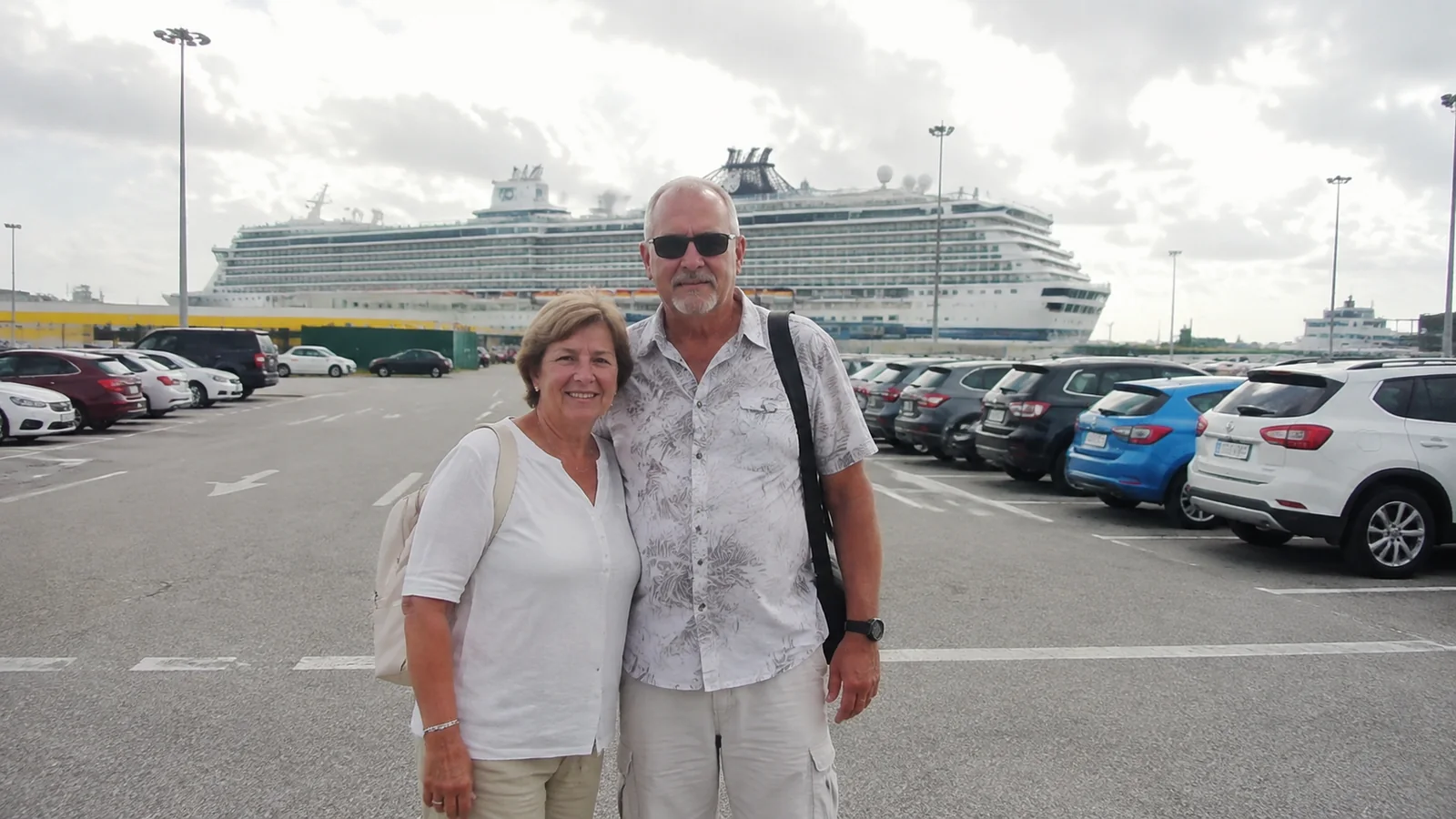
The trip to the port can be the largest missing expense
Flights need to include baggage, seat choices you intend to buy, and transportation at both ends. A fare from a distant airport may require another hotel or a costly transfer.
For driving, include fuel, tolls, parking for the full trip, and any overnight stop. Compare official port parking with alternatives based on their actual shuttle arrangements and total price.
Normally include a pre-cruise hotel when flying to the departure city. It adds an expense, but it also avoids making a same-day flight arrival the only route to boarding.
If the sailing starts and ends in different places, price the entire return journey before paying the cruise deposit. One-way itineraries can require different flights and transfers.
A port name can also cover a wider region than expected. Our Florida cruise port guide helps distinguish the departure locations before you book transportation.
Daily gratuities need to be counted for the right guests
Some fares include crew gratuities, while others add a daily charge to the onboard account or allow prepayment. Check the actual benefit list instead of inferring inclusion from the cabin price.
Royal Caribbean’s gratuity policy, for example, publishes different daily amounts for suites and other categories. Use the current rate for the booked category and multiply it by chargeable guests and nights.
Do not omit children without checking the line’s age policy. A family can owe a daily amount for more people than the two used in the advertised fare.
Extra personal tips are a separate choice. Budget them deliberately rather than assume every signed receipt needs another percentage.

A drinks package is not just its daily headline price
Compare the final package checkout amount with what you would buy without it. Include any required service charge, taxes where applicable, and rules that require other guests to purchase a package.
Then examine the drinks actually covered. Price limits, premium brands, venue restrictions, and excluded items can matter more than the word unlimited.
Not purchase a package to make drinks feel free if the total exceeds my realistic spending. A couple of coffees and occasional cocktails may be less expensive individually.
The Royal Caribbean package math and Norwegian beverage guide help with those line-specific comparisons. Use the offer attached to your sailing, because package names and inclusions can change.
Keep drinks ashore in another budget line unless your package explicitly covers that location. A shipboard beverage package is not a general allowance for bars in every port.
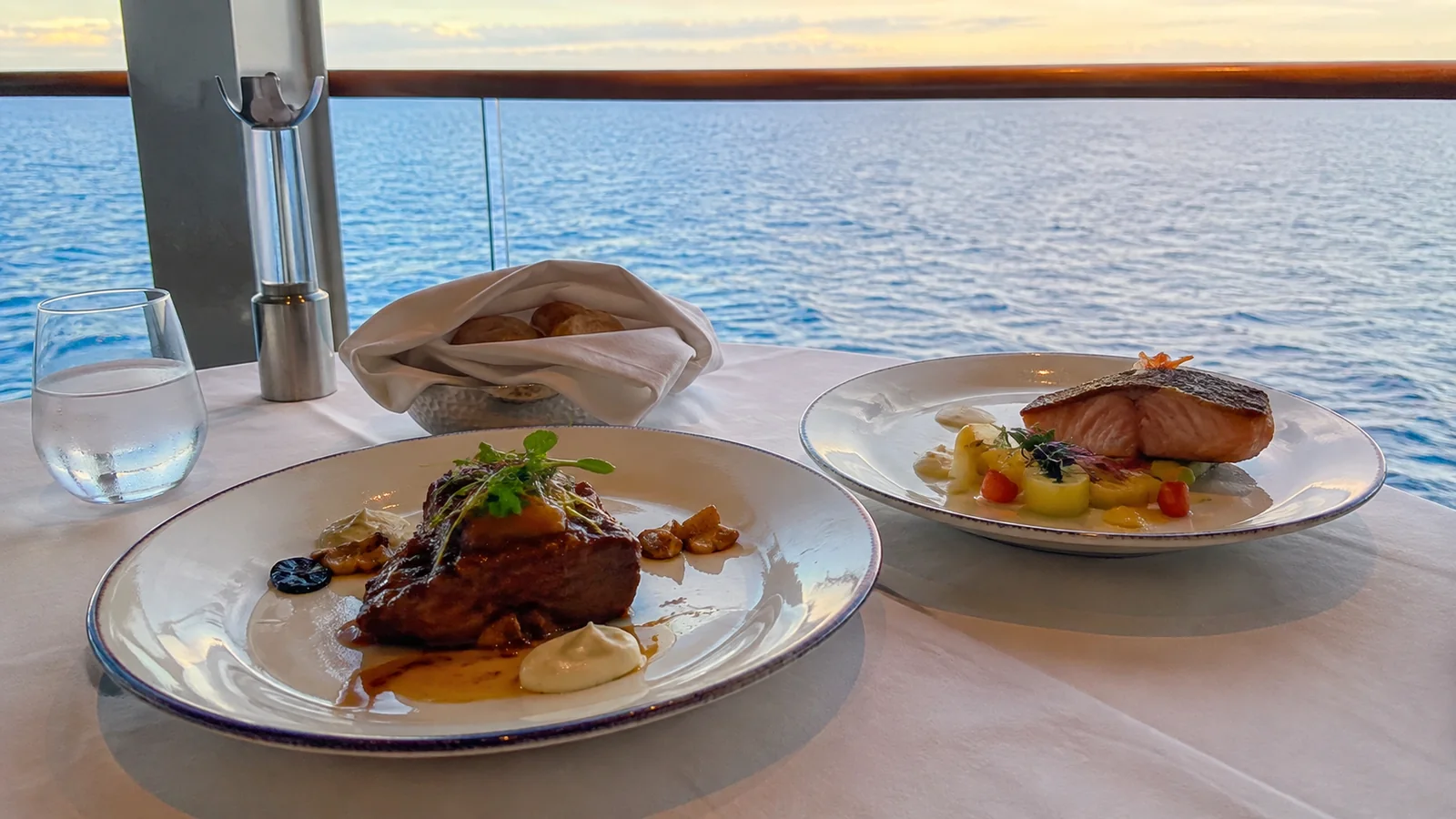
Specialty dining, room service, and menu supplements
A restaurant may use a cover charge, an a la carte menu, or a package allowance. Find out whether the quoted price includes service and whether selected dishes cost more.
Open the menu before reserving a paid dinner. If the dishes I want carry supplements, those belong in the dinner’s actual cost.
Room service can have delivery charges, paid items, time restrictions, or different treatment by category. Breakfast and late-night orders may not follow the same policy.
Included dining can still provide a satisfying vacation. Choose premium meals because I want them, not because a ship’s marketing makes them seem mandatory.
For a long port day, include food ashore if returning for lunch is impractical. An included shipboard meal does not cancel the cost of a lunch you buy elsewhere.
Internet and cellular roaming are separate charges
The ship’s app may provide menus and schedules without a paid internet plan. Access to outside websites, streaming, or work services can require a separate purchase.
Check the number of simultaneous devices, supported activities, and full-voyage price. A cheaper plan is not a bargain if it excludes the one service you need.
Carnival’s official onboard FAQs distinguish its internet plans and recommend airplane mode with Wi-Fi enabled to avoid cellular roaming charges. Review the current settings on every family member’s phone.
A carrier’s international land package may not include service through a ship’s cellular network. Ask the carrier specifically about the vessel and itinerary before using mobile data offshore.
If someone must be reachable for an emergency, agree on a reliable contact plan before sailing. Do not assume a social-only internet package supports every calling service.
Shore days need a budget even without organized tours
Independent exploring can involve taxis, buses, attraction tickets, chair rentals, meals, and tips. A port advertised as walkable may still require transport to the particular beach or sight you want.
Compare the complete independent outing with the ship’s excursion, including timing and what each includes. A lower ticket price can be misleading if transportation is extra.
For an excursion credit, check whether it is per booking, per eligible guest, or per tour. A credit does not automatically cover the entire family’s outing.
Popular attractions can also require advance tickets. Reserve an essential experience under acceptable terms rather than arrive assuming a spontaneous purchase will be available.
Keep money for getting back to the ship if plans change. A budget that leaves nothing for an unexpected taxi is unnecessarily tight.
Paid attractions and childcare can become repeat spending
A ship’s headline attractions do not all follow the same pricing model. Confirm whether the experience is included, has a reservation charge, or costs money each time.
Arcades and smaller purchases are especially easy to repeat because they appear as individual charges. Agree on a spending allowance with children before the first sea day.
Youth clubs can have age and operating-hour rules, while nurseries or late-night care may cost extra. Price the care you expect to use, not just the program shown in the brochure.
Also check whether a family package replaces real purchases. Tokens, treats, or attraction credits have little value if the child does not want the included activities.
Spa, photos, shops, and laundry are optional budget choices
Ask for a spa treatment’s full price, including any service charge, before the appointment. Products offered afterward should be purchases you knowingly approve.
For photos, check whether a package includes downloads, prints, everyone in the cabin, or only specified images. A photo session being complimentary does not mean the photographs are.
Set a shopping allowance rather than count on every sale being cheaper than home. Duty-free labeling alone does not establish value.
Laundry can be worth budgeting on a long trip, especially if it lets you pack less. Compare available self-service facilities, bag offers, or itemized service on the actual ship.
My guide to what I’d pack for a cruise can prevent basic purchases for things you already own. Bring practical essentials while keeping the suitcase small enough to manage.

Account holds can affect available money
An onboard account may involve payment-card authorizations as well as final settled charges. A pending hold is not automatically an additional fee, but it can temporarily reduce available funds.
Ask the cruise line and your card issuer how authorizations are handled and when released funds typically become available. Be especially careful if using a debit card linked to money needed immediately after the trip.
Keep a buffer for the return journey rather than relying on an authorization disappearing overnight. Hotels and rental companies can create their own temporary holds too.
If a statement looks wrong, compare pending and posted transactions before concluding that you were charged twice. Save the final cruise folio for any follow-up.
Insurance and medical spending deserve separate planning
Do not assume a ship’s medical services are included in the fare. Ask your health insurer about coverage aboard the ship and overseas, then compare travel coverage where needed.
My cruise travel insurance guide walks through the coverage questions I’d settle before relying on a policy. The NAIC’s travel insurance guidance is also useful for understanding why benefits and exclusions need to match the trip you are actually buying.
Budget the insurance premium and maintain access to emergency funds. Coverage can reimburse eligible costs without necessarily removing the need to pay a provider first.
Document expenses can also arise before departure: passports, visas, authorizations, or required supporting records. Check the official requirements early enough to avoid paying for urgent processing unnecessarily.
Build a budget that includes enjoyment
Start with expenses you must pay to take the trip. Then add the purchases that would make it enjoyable for you, rather than pretending you will decline every extra onboard.
For a hypothetical couple, a $2,400 cruise might sit beside $700 of transportation, $220 for a hotel, $260 in gratuities, and $420 for planned extras. That produces a $4,000 trip before any additional reserve.
Those are sample numbers, not standard rates. Replace them with real quotes and avoid applying another couple’s spending pattern to your vacation.
Then leave a modest flexible allowance for something appealing that appears during the trip. Budgeting works better when it allows a deliberate treat than when every unplanned coffee feels like failure.
My final account checklist
- Verify prepaid benefits appear on the reservation.
- Review the onboard folio during the trip.
- Check automatic service charges before adding extra tips.
- Track children and companions on linked accounts.
- Confirm credit restrictions before relying on a balance.
- Save the final statement and payment receipts.
For meaningful cuts, I’d start with ways to reduce the complete cruise cost. Changing a package or departure plan can save more than worrying about every small purchase.
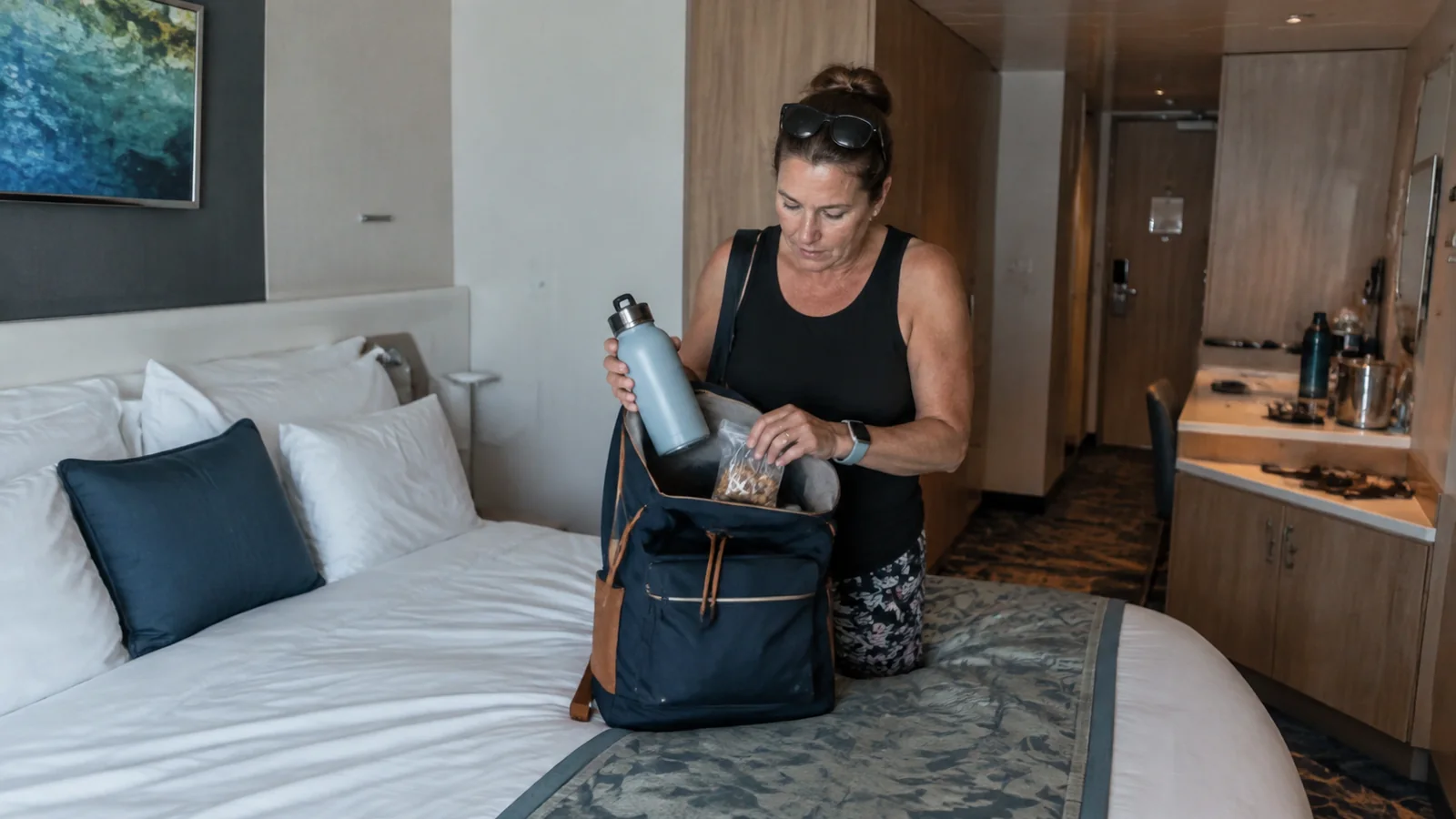
What to budget
Treat transportation, daily charges, realistic shore spending, and required documents as part of the trip from the beginning. Then I’d choose a few extras worth paying for and leave the rest.
The goal is not to spend nothing aboard. It is to know which purchases are yours to choose and prevent predictable costs from arriving as surprises.