First-Time Cruise Tips: A Practical Plan From Booking to Disembarkation
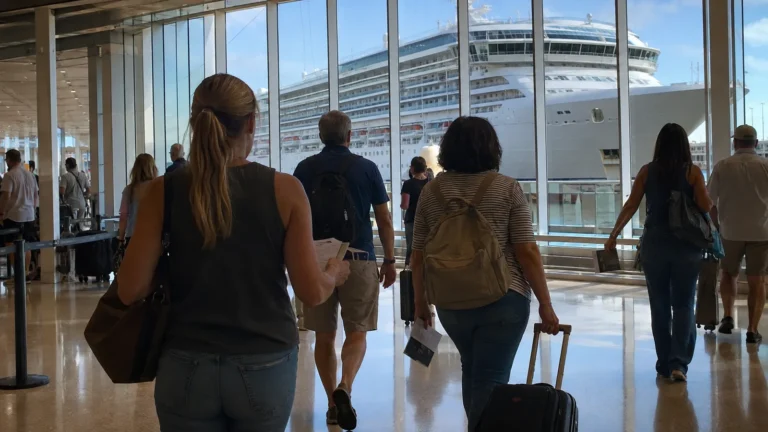
Your first cruise gets easier when you make a few decisions early. I would start with the ship, cabin, documents, total budget, and arrival timing, then leave enough flexibility to enjoy the ports and the days at sea.
Choose the right cruise before chasing the lowest fare
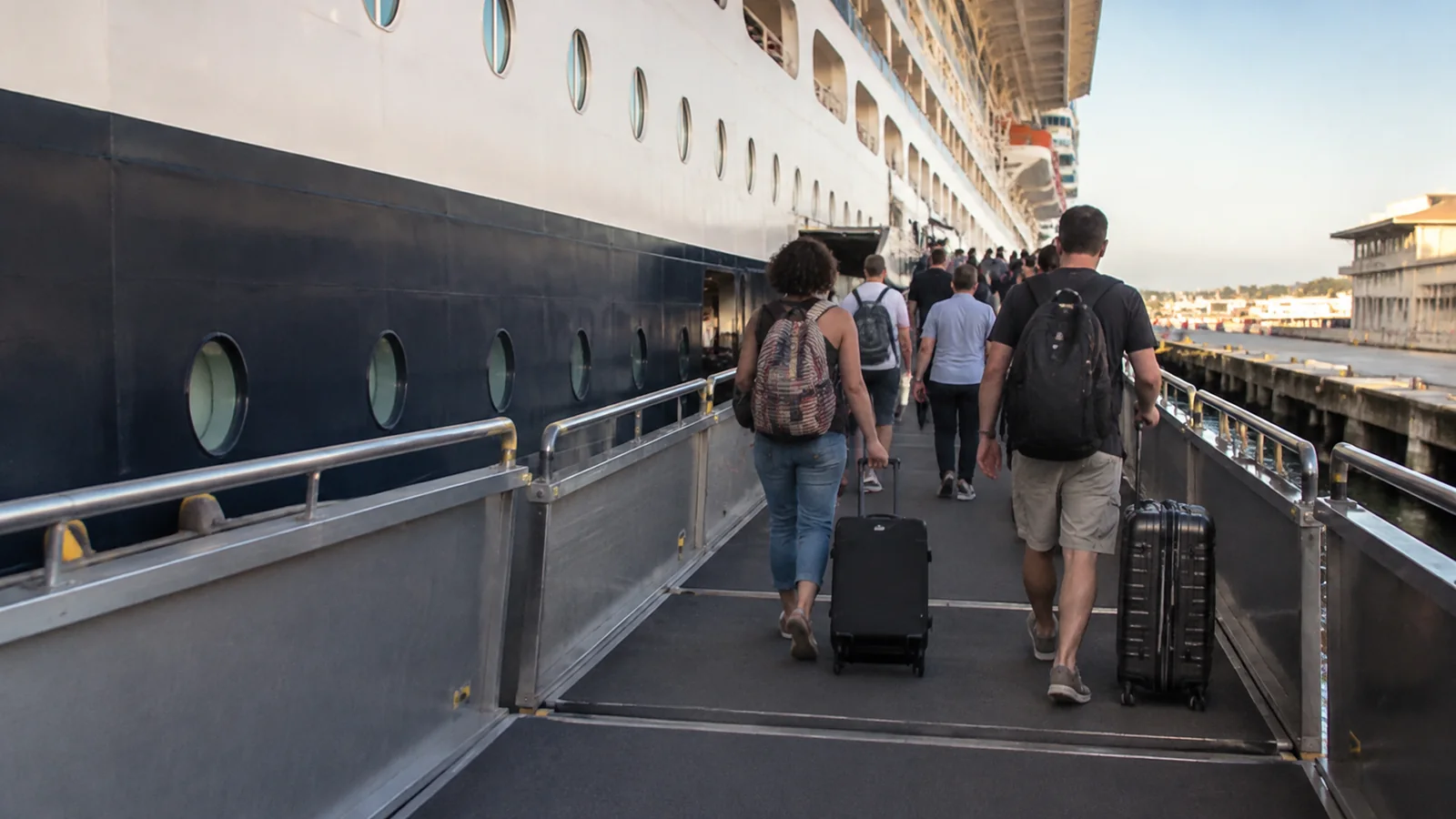
Start with itinerary, trip length, departure port, and the ship’s personality. A three-night party-leaning getaway, a seven-night Alaska cruise, and a small-ship expedition may all involve cabins and buffets, but they are very different vacations.
Look at the hours in each port, the number of sea days, and whether important calls use a tender boat instead of a pier. A glamorous destination is less useful when the ship visits for five hours and the attraction you want is another two hours inland.
Then compare the real price for the cabin and fare type you would actually buy. Taxes, port charges, gratuities, Wi-Fi, drinks, specialty dining, excursions, flights, transfers, parking, and a pre-cruise hotel can substantially increase the advertised fare.
Match the ship to your travel style
- Families: check children’s program ages, pool rules, room occupancy, and whether family activities require reservations.
- Quiet-seeking couples: compare adult-only areas, dining style, evening entertainment, and passenger capacity rather than assuming “premium” means silent.
- Active travelers: prioritize port time, tender logistics, fitness facilities, and early excursion departures.
- Multigenerational groups: verify accessible routes, cabin proximity, dining reservations, and each traveler’s tolerance for walking.
A travel advisor who regularly sells your chosen cruise line can help with group cabins, promotions, and fare changes. Whether you book direct or through an advisor, understand who controls the reservation because that party may need to process later changes.
Price the whole cruise, not just the cabin
Create a simple trip total with four buckets: transportation, cruise fare, onboard spending, and port spending. Add a cushion for the boring costs, such as airport meals, baggage fees, local taxis, and replacement toiletries near the pier.
Do not buy a drinks package because the discount countdown is flashing. Estimate what you normally consume, include any service charge, and compare that total with paying as you go under the exact rules for your sailing.
Likewise, specialty dining and Wi-Fi packages make sense only when they match your habits. The cruise money-saving strategies can help you separate useful inclusions from extras you are unlikely to use.
Pick a cabin around your priorities
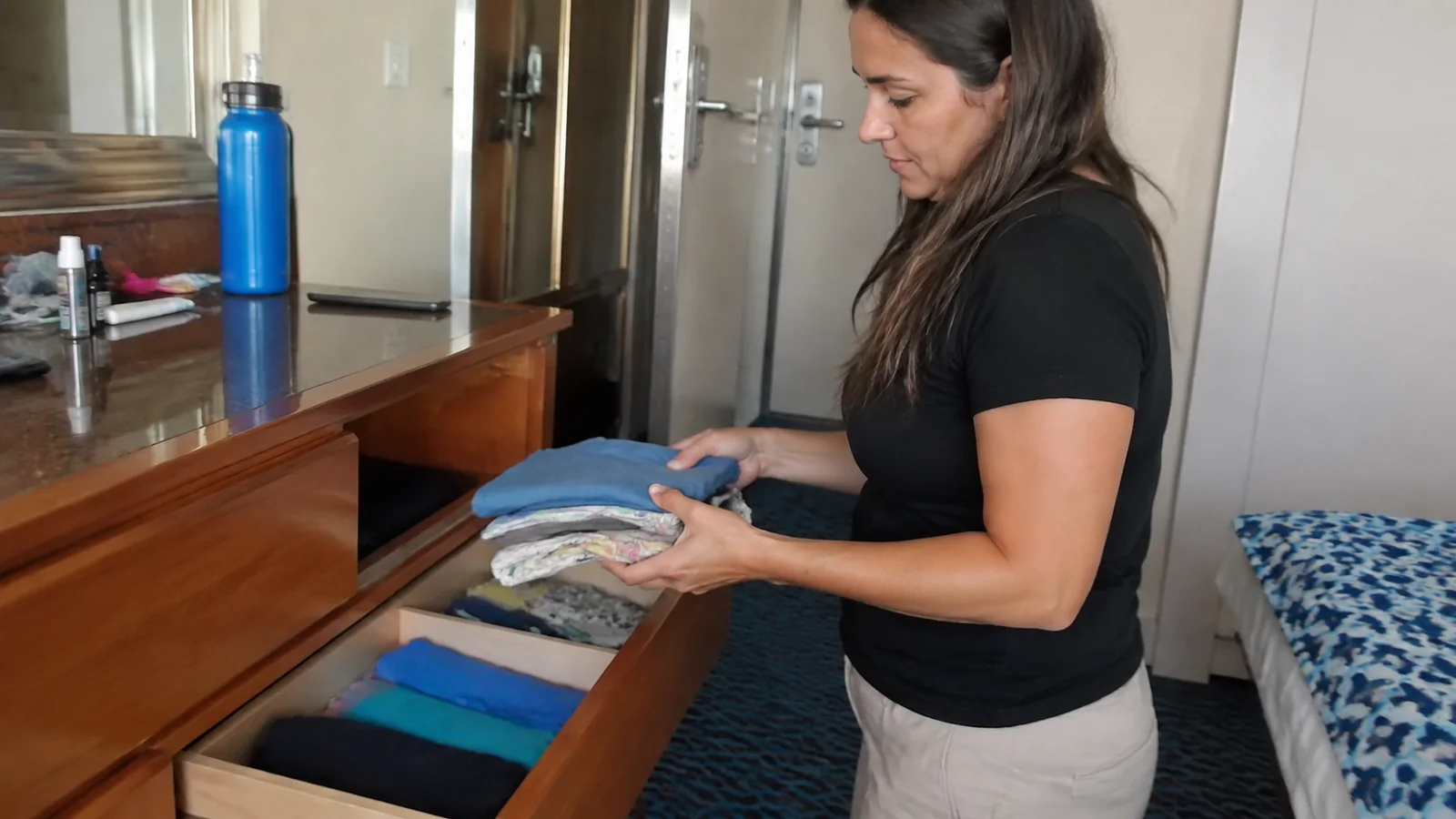
A good first cabin is often midship, with other cabins above and below, and away from obvious late-night or early-morning venues. That “cabin sandwich” reduces several noise risks before you compare views and amenities.
Light sleepers should check for connecting doors, elevator-lobby traffic, crew or service spaces, pool decks, theaters, galleys, and nightclubs. Motion-sensitive guests should generally begin lower and closer to the ship’s center rather than high at the bow or stern.
Balcony cabins offer private outdoor space, but an inside cabin can free money for the itinerary or excursions. Before choosing, compare the common cruise cabin risks against your own sleep, motion, and access priorities.
Guarantee cabins can be cheaper because the cruise line assigns the exact room later. Book one only if you can accept the least appealing location allowed within that guarantee’s written terms.
Get documents right early
Document rules depend on citizenship, itinerary, ports, cruise line, and whether the voyage begins and ends in the same country. Check the cruise line’s requirements for every traveler, then check each destination’s government entry rules instead of copying advice from a different sailing.
The U.S. State Department strongly recommends a passport book for cruise passengers, even when a closed-loop itinerary may allow another document. A passport card cannot be used for international air travel, which matters if illness, a missed departure, or another emergency requires flying home.
Apply or renew early, confirm validity and blank-page requirements, and verify visas for every port even if you plan to stay aboard. Travelers cruising with children, different surnames, or without both legal guardians should also confirm consent and custody-document expectations.
Keep passports, required IDs, boarding documents, medication, payment cards, and insurance information in your personal bag. Put secure digital copies somewhere accessible and leave a copy of the itinerary with a trusted contact.
Protect the trip you cannot afford to lose
Read travel insurance coverage, exclusions, deadlines, medical limits, and evacuation terms rather than comparing policies by price alone. The State Department notes that Medicare and Medicaid do not cover medical costs abroad and recommends checking medical and emergency evacuation coverage.
Also know the cruise line’s cancellation schedule and what happens if a flight delay causes you to miss embarkation. Insurance is not a permission slip to ignore timing, and “I assumed traffic would be normal” is not a benefit category.
Arrive before embarkation day
For a cruise requiring a flight, plan to reach the departure city at least one day early, with more buffer for long-haul travel, winter weather, or separate tickets. I would budget for that hotel because a delayed flight can otherwise mean missing the cruise.
Confirm the actual terminal, not merely the port city, and map the hotel-to-pier trip. Large ports can have multiple terminals, security gates, traffic patterns, and rideshare pickup rules.
Complete online check-in when your line opens it, upload requested information, and choose an arrival window if required. Recheck the line’s messages shortly before sailing because pier assignments and operational instructions can change.
Pack in two layers
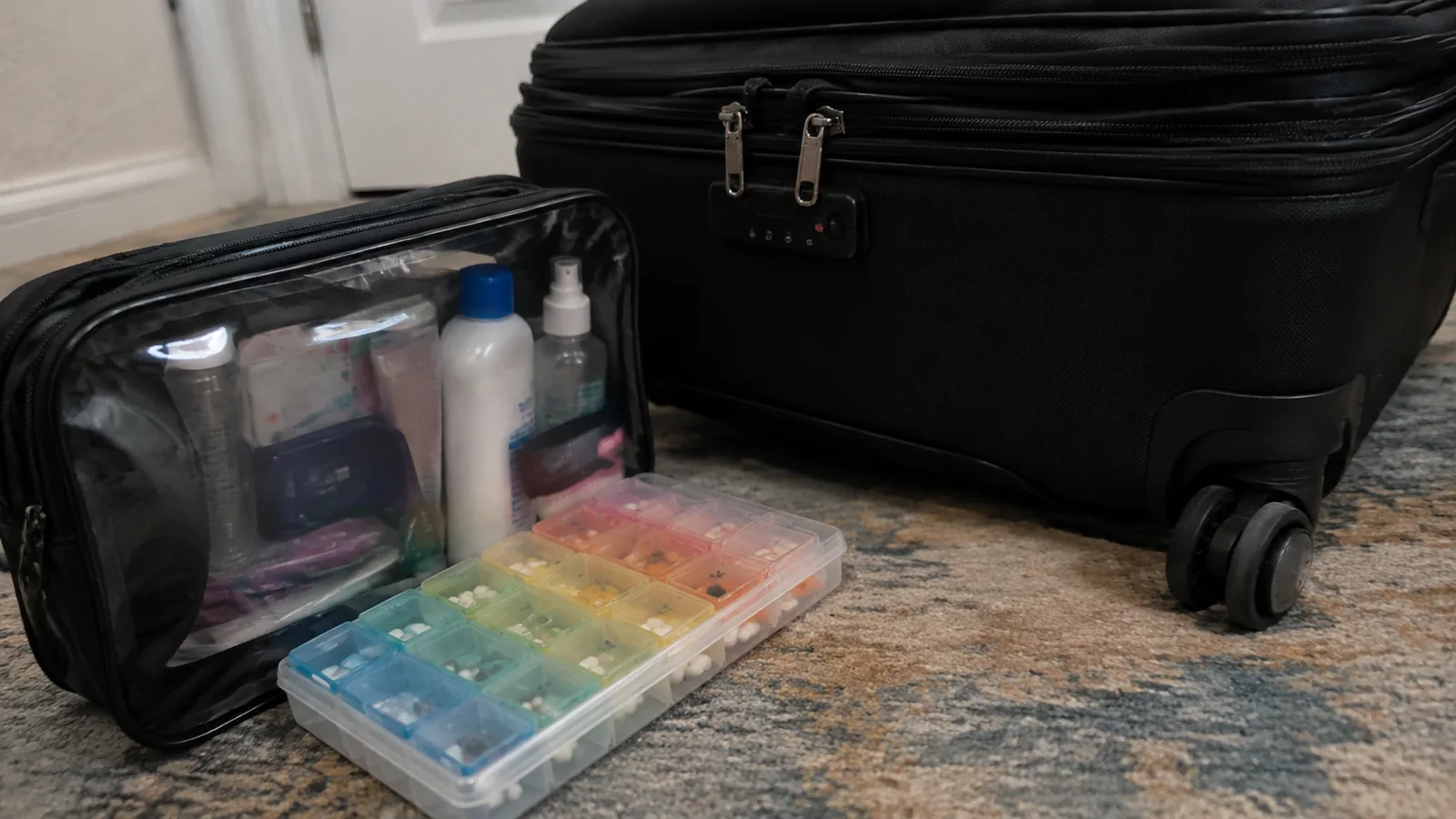
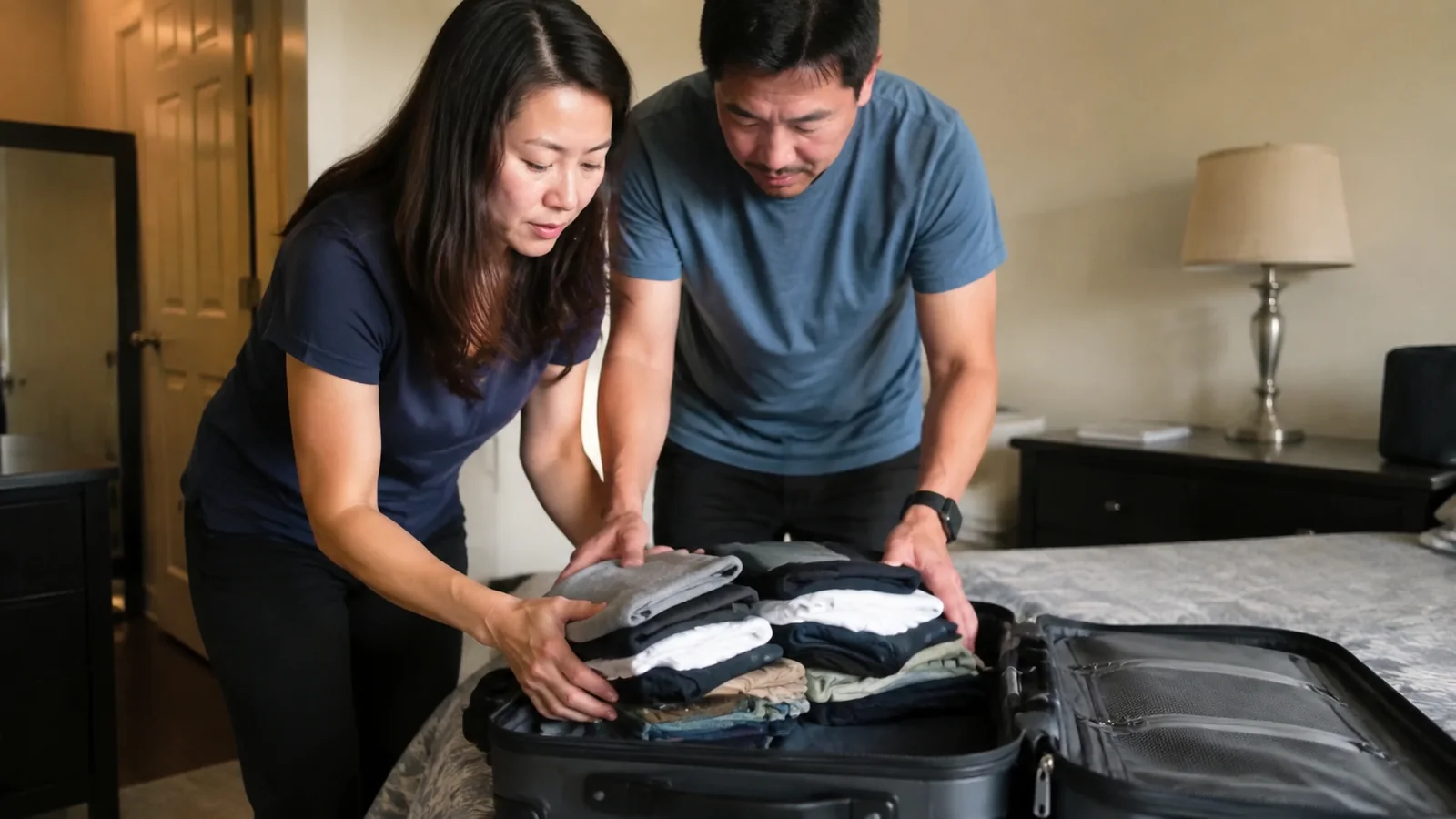
Large checked bags may be handed to porters and delivered to your cabin later, so pack a small embarkation bag for the first several hours. Include documents, medication, valuables, a swimsuit, sunscreen, a charging cable, basic toiletries, and any item you would be miserable without at dinner.
The main suitcase should reflect the itinerary and line’s current dress guidance, not a generic fantasy wardrobe. Use the cruise packing checklist as a starting point, then remove duplicates and add destination-specific layers.
Check the cruise line’s prohibited-item list before packing power strips, steamers, alcohol, drones, or recreational gear. Princess, for example, maintains a current pre-cruise FAQ and prohibited-items guidance, but another line may set different limits.
Keep prescriptions in original labeled containers when possible and bring enough for delays, plus written medication information. The State Department warns that a medicine legal in the United States may be restricted elsewhere, so check destination rules for controlled or unusual prescriptions.
Make embarkation day easy
Arrive during your assigned window with documents ready, luggage tagged, and electronics easy to remove if security requests it. Give checked bags only to authorized port staff, and retain medication, documents, cash, jewelry, and fragile electronics.
Once aboard, complete the required safety drill or digital steps promptly. Then confirm dining, children’s programs, accessibility arrangements, and any reservations that need attention on the first day.
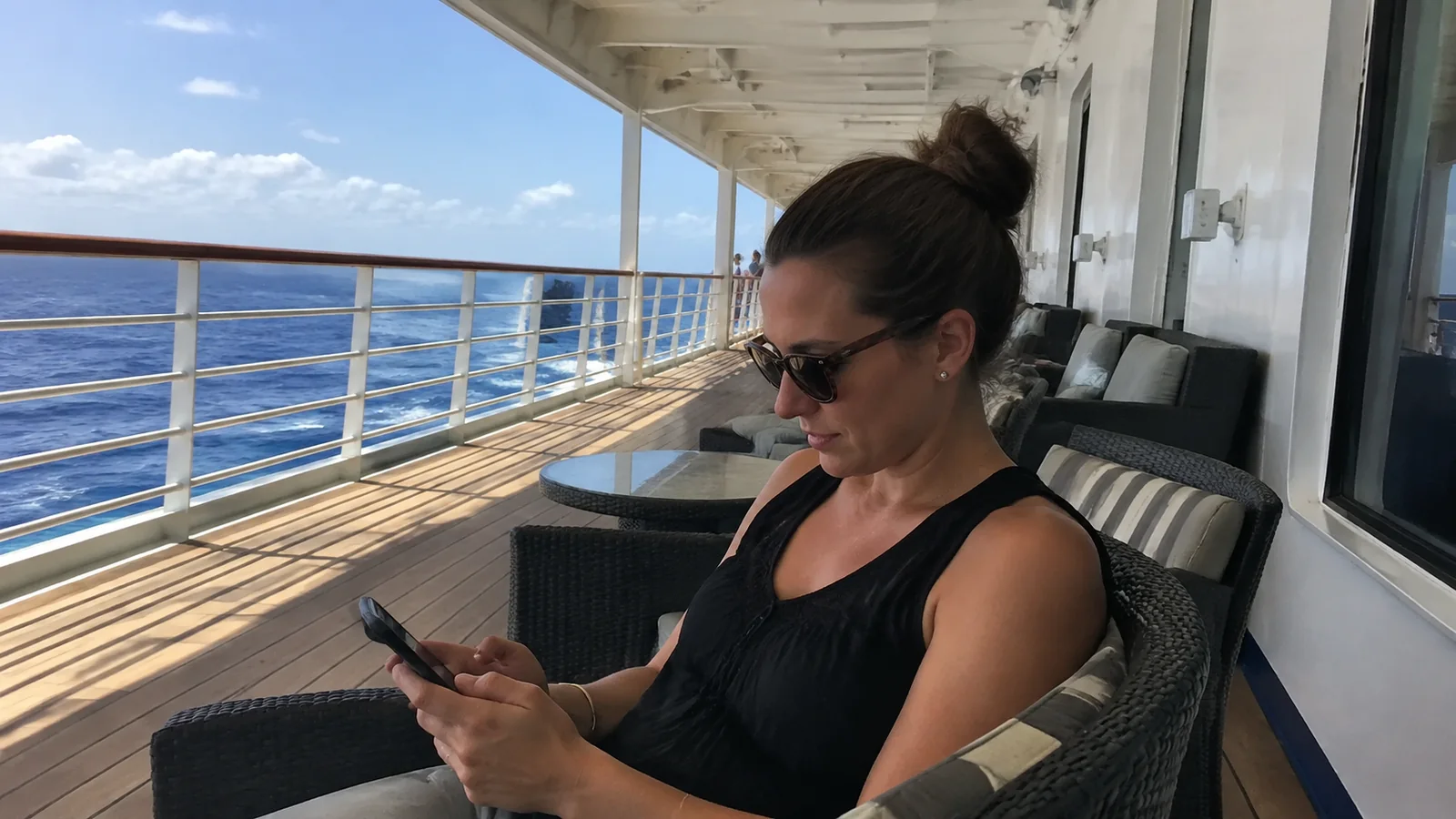
Put your phone in airplane mode before the ship leaves cellular coverage, then enable Wi-Fi separately if purchased. At sea, an unnoticed cellular connection can create substantial roaming charges.
Learn the ship on the first afternoon
Find your muster station, main dining room, medical center, guest services, and the elevators nearest your cabin. Walk one full route from the room to a favorite venue so you can find your way comfortably later.
Read the daily schedule in the app or printed program, and note whether activities need reservations. Do not schedule every hour; leave room for weather changes, a good conversation, or an unplanned rest.
Review the onboard account each day. Small charges are easier to question while receipts and memories are fresh than while waiting in a last-night guest-services line.
Handle dining without overplanning
Know whether you have fixed dining, flexible dining, or a reservation-based model. If your party has allergies or dietary needs, notify the cruise line before sailing and speak with dining staff aboard rather than assuming every buffet label answers every question.
Reserve the one or two specialty meals you care about, especially on a sea day or celebration night. Leaving some meals unplanned lets you respond to port timing, appetite, and the discovery that a complimentary restaurant is actually your favorite.
Plan port days backward from all-aboard time
Ship time and local time are not always identical, so follow the onboard announcement and daily schedule. Set a personal return target well before all-aboard, allowing for traffic, tender lines, weather, and unexpected road delays.
Cruise-line excursions usually offer simpler ship coordination, while independent tours can be smaller, more flexible, or less expensive. Compare cancellation terms, group size, transportation, mobility demands, and the operator’s plan for delay instead of choosing only by price.
You do not need an excursion in every port. A walkable old town, public beach, museum, or food market can make an excellent low-pressure day, provided you verify access, hours, reservations, and return logistics.
Build simple health habits
Wash hands with soap and water, especially before eating and after using the restroom, and report gastrointestinal symptoms instead of wandering through public spaces. The CDC Vessel Sanitation Program inspects ships under its jurisdiction and publishes inspection scores, outbreak information, and healthy-cruising advice.
Hydrate, pace alcohol, use sun protection, and hold handrails carefully in rough weather. If you are prone to motion sickness, discuss appropriate prevention with a medical professional before sailing because remedies work differently and can interact with other medicines.
Prepare for disembarkation before the last night
Review your bill, departure group, customs instructions, luggage-tag procedure, and transportation plan while guest services is still manageable. If you place a suitcase outside the cabin for collection, keep a morning outfit, shoes, documents, medication, valuables, and toiletries with you.
Self-assist departure can be faster, but you must manage all luggage through corridors, elevators, ramps, and immigration lines. I would choose it only if everyone in the party can comfortably carry their own bags.
Avoid an early flight unless the cruise line and airport logistics genuinely support it. Ships can dock on schedule while clearance, baggage, traffic, security, or weather still adds delay.
Your first-cruise checklist
- Confirm the full trip cost and cancellation terms before paying a deposit.
- Choose a cabin using the exact sailing-date deck plan.
- Verify passports, visas, child documents, and cruise-line requirements early.
- Arrive in the departure city before sailing day when flights are involved.
- Complete online check-in and reserve only the experiences that truly matter.
- Pack documents, medication, valuables, and first-day essentials in a personal bag.
- Use airplane mode at sea and monitor the onboard account daily.
- Return to the ship well before all-aboard in every port.
Final advice for a first cruise
A successful first cruise comes from protecting the immovable parts: documents, arrival timing, health needs, cabin position, and port return. The rest can stay pleasantly flexible.
Choose the ship and itinerary that fit your group, know what the fare excludes, and give yourself permission not to do everything. I would leave a few open hours each day for whatever feels most enjoyable once aboard.