Panama Canal Cruises: Full Transit, Partial Transit, and Planning
A Panama Canal cruise can cross between oceans, enter the Canal and return to the same coast, or simply call at a nearby port. Those are three different vacations, so start with the day-by-day itinerary rather than the words “Panama Canal” on the search result.
Is a Panama Canal cruise worth it?
Yes, if you enjoy seeing how places work as much as visiting them. A transit day combines locks, ships, tropical forest, bridges, lake scenery, and live navigation into an experience that cannot be recreated by another generic sea day.
The tradeoff is time. True ocean-to-ocean itineraries are commonly longer, include several sea days, and may start and finish on opposite U.S. coasts.
Choose another Caribbean itinerary if your priority is a beach almost every morning. Choose the Canal when the passage itself deserves to be the trip’s centerpiece.
First, identify the cruise you are actually booking
Full transit
A full transit carries the ship between the Caribbean and Pacific entrances. The itinerary should clearly show the ship crossing the Canal rather than merely listing Colón, Panama City, or “Panama Canal” as a destination.
This is my strongest recommendation for a first Canal trip because you see the complete geographic story. Current Holland America listings distinguish full from partial transits and show departures from Fort Lauderdale, San Diego, Seattle, and Vancouver on voyages of roughly 12 to 21 days, although individual deployments change.
Full transits often function as seasonal repositioning cruises. That can create good value per night, but one-way airfare, an extra hotel, and more vacation days may erase the apparent bargain.
Partial transit
A partial transit typically sails round trip from Florida, enters through Caribbean-side locks, reaches Gatún Lake, and later returns toward the Caribbean. Princess provides a useful full-versus-partial explanation, but your own itinerary remains the contract that matters.
Pick this format when round-trip flights and a shorter vacation matter more than crossing to the Pacific. You still experience a lockage from the ship, but you do not see the entire waterway aboard that ship.
Some partial-transit days offer an excursion that continues through more of the Canal on a smaller vessel. That can be a rewarding long day, though tendering, buses, heat, and a second boat make it much more demanding than staying aboard.
Canal-region port call
A call at Colón, Fuerte Amador, or another Panama port does not prove the cruise ship will enter a lock. These itineraries suit travelers who want a visitor center, Panama City, rainforest, railway, or small-boat experience without devoting two weeks to a full transit.
Read every day label and fine-print note before paying a deposit. If the Canal is the reason you are traveling, ask the cruise line to confirm in writing whether the ship makes a full transit, partial transit, or no transit.
Choose the best month for your priorities
Many mainstream Canal sailings concentrate from fall through spring, with full transits clustered around ships moving between regions. The Panama Canal Authority’s 2025–2026 season announcement began in October, but cruise calendars vary by line and year.
December through April generally offers Panama’s drier-season pattern, which helps travelers planning outdoor port days. It is still tropical, hot, and humid, and a dry-season label never guarantees a rain-free transit.
October and November can produce attractive fares and useful repositioning routes. They also fall near the wet end of Panama’s calendar and within Atlantic hurricane season, so flexibility and insurance matter.
January through March is my easiest all-around window for travelers who value lower rain odds and broad itinerary choice. Expect stronger demand around holidays and school breaks, and compare total price instead of assuming every winter date is premium.
April can work beautifully for a spring repositioning trip, especially if you want to end on the West Coast. Prepare for serious midday heat on shore and confirm that every advertised port and Canal operation still appears in the final documents.
What happens on transit day?
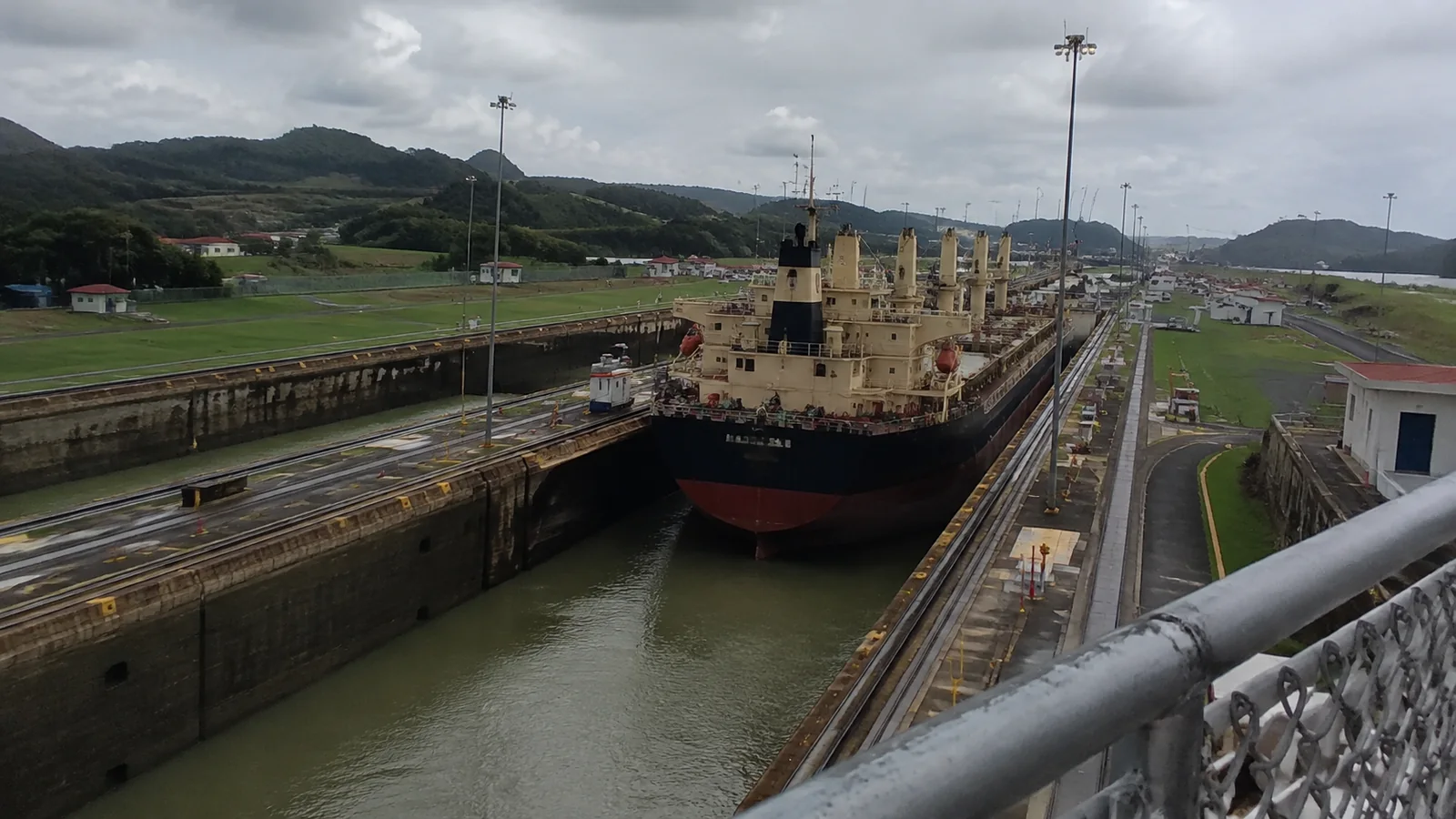
A full passage usually takes most of the day, not one dramatic hour. Princess currently describes an 8-to-10-hour transit through Gatún, Pedro Miguel, and Miraflores locks, while actual timing depends on Canal operations.
The Canal Authority assigns pilots and manages traffic, lock lanes, and sequencing. Your cruise line may publish an estimated entrance time, but treat it as a moving window rather than an appointment.
Set an early alarm and check the ship’s app or daily program the night before. Have clothes, sunscreen, a hat, water, and camera ready so you are not searching the cabin when the approach begins.
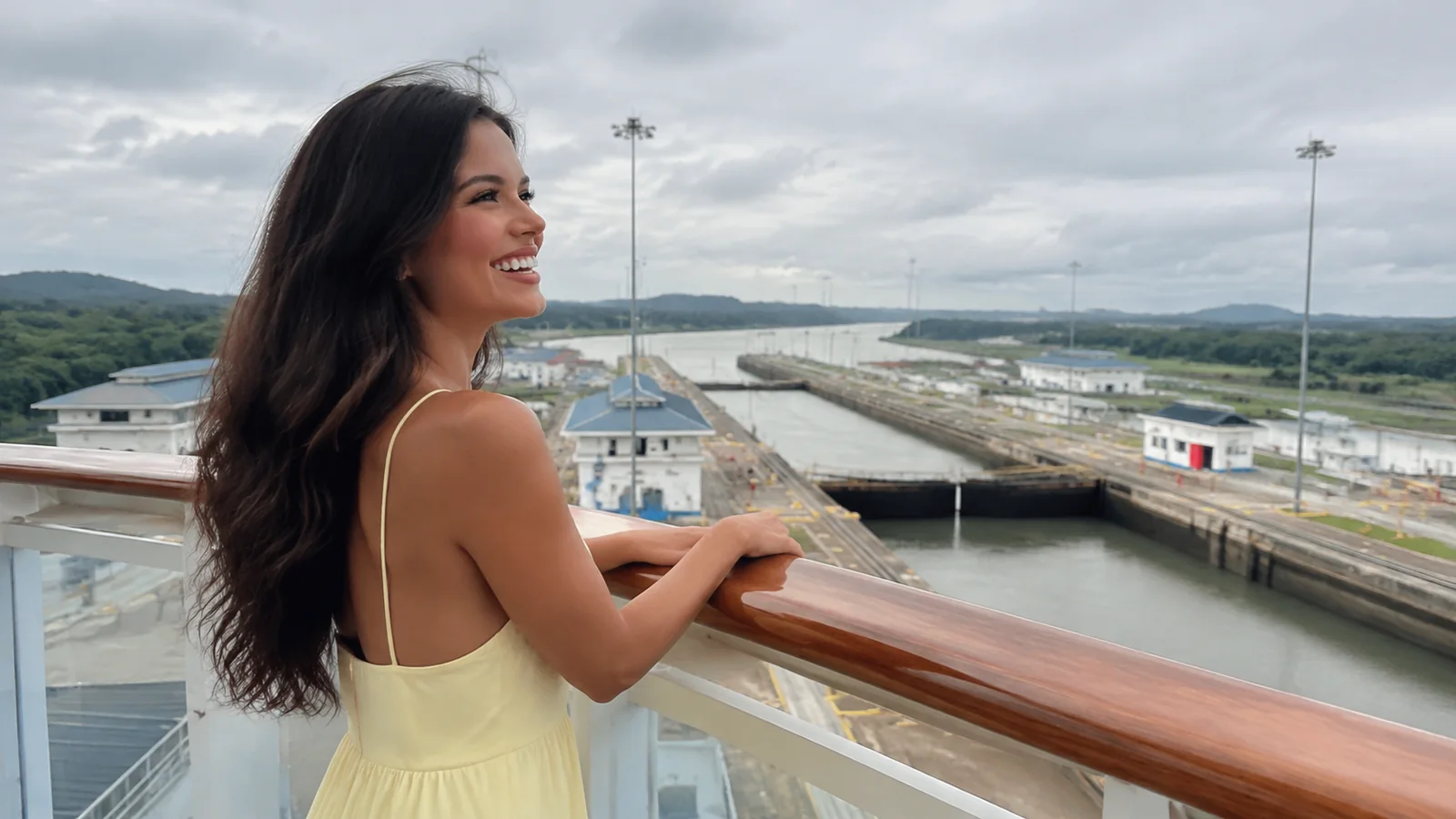
Do not stay in one viewing spot all day. Start high and forward for the approach, move to a lower open deck for the lock walls and machinery, then use a quieter side or aft view as the ship clears the chamber.
Port versus starboard is not a dependable booking rule because direction, lock lane, traffic, and shipboard access vary. A balcony gives you a private retreat, but public decks offer changing angles and narration.
Old locks or new locks?
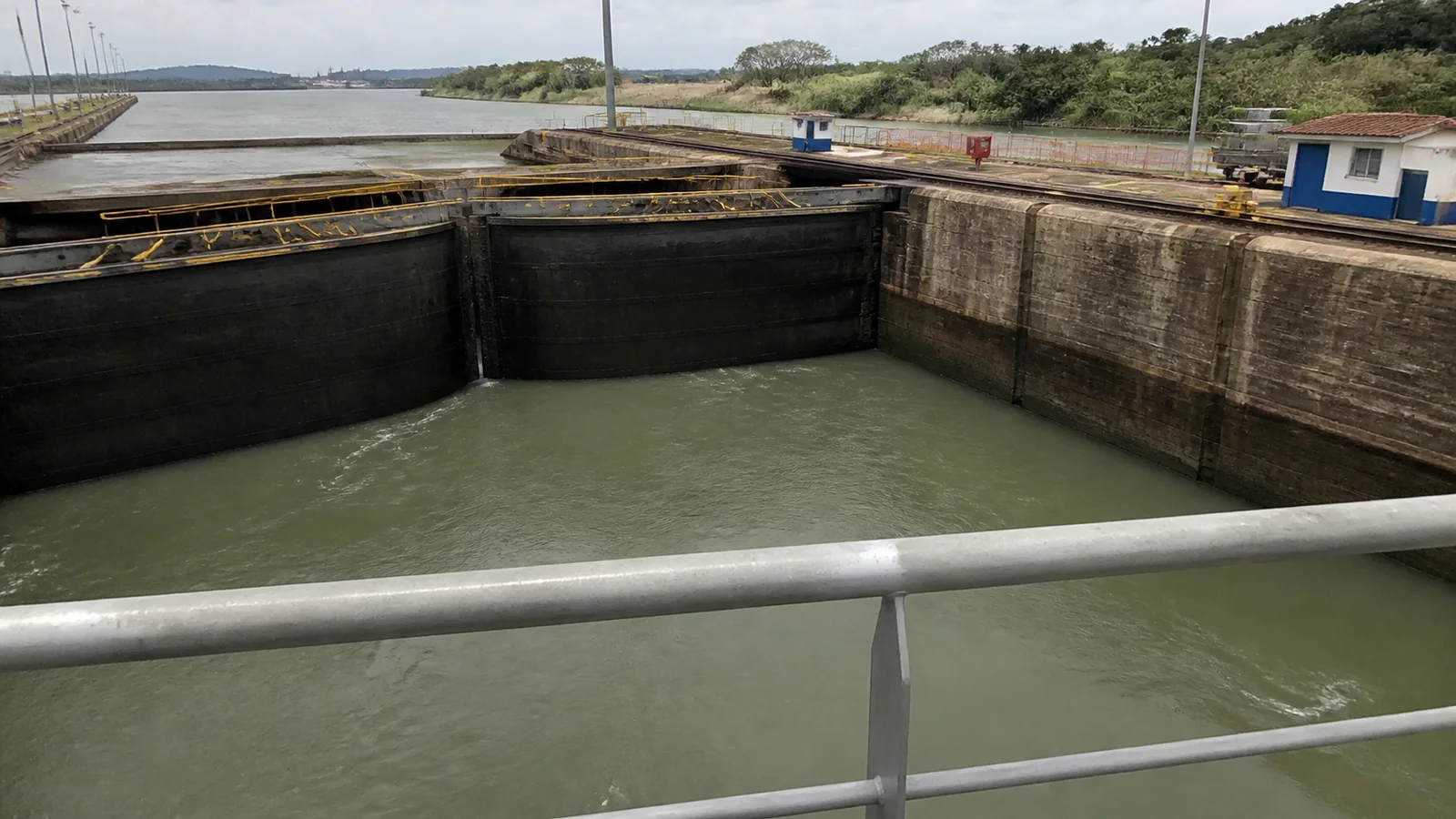
The historic locks and the expanded Neopanamax locks are separate systems built for different vessel dimensions. Larger modern ships may use the expanded locks, while smaller ships can fit the original chambers.
Neither is automatically better. The older locks can create a close view of chamber walls and locomotives, while the expanded route reveals the scale of modern shipping and newer infrastructure.
If one system is important to you, find the exact ship and ask the line which locks are planned. The Canal Authority recorded both Panamax and Neopanamax cruise transits in recent seasons, so ship size and operational assignment matter more than a generic route map.
Pick a cabin for the whole cruise
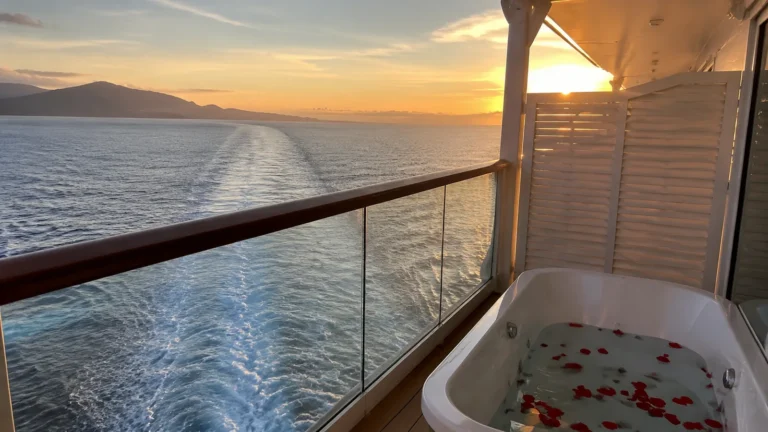
A balcony is lovely on transit day, but it should not consume the port-excursion budget or trap you on one side. An ocean-view or inside cabin plus disciplined use of open decks can deliver a better overall trip for value-minded travelers.
For motion sensitivity, favor a lower, more central cabin rather than the ship’s far forward or aft ends. The Pacific and Caribbean approaches can feel different from the protected Canal, and several sea days deserve equal weight.
Inspect what is directly above, below, and across the hall before booking. This 12-step deck-plan check helps separate visible adjacency from unsupported noise guesses.
Travelers with limited mobility may prefer a cabin nearer an elevator even if foot traffic is possible. Shade, seating, restroom distance, and an accessible indoor viewing backup can matter more than the cabin’s compass side.
Ports that make the itinerary stronger
Cartagena, Colombia
Cartagena adds fortified streets, plazas, food, museums, and a distinct Caribbean story. It is not part of the Canal, so plan it as a separate international port with heat, walking surfaces, transport, and return-time decisions.
A focused old-city route is usually more satisfying than combining distant sights. Use these Cartagena port-day priorities to choose one realistic anchor.
Colón and the Caribbean entrance
Colón is a gateway for Agua Clara or Gatún lock viewpoints, Portobelo, rainforest outings, and cross-isthmus transportation. It is not a port where I would improvise a long independent route after stepping off the ship.
Choose a cruise-line excursion or a carefully vetted operator when the tour travels far from the terminal. Confirm pickup, included admissions, restroom access, walking demands, and the plan if Canal traffic changes.
Fuerte Amador and Panama City
Pacific-side calls can open access to the Amador Causeway, Casco Antiguo, museums, and Miraflores visitor facilities. Tender status and arrival points can change, so do not calculate a city itinerary until the cruise line publishes current logistics.
Costa Rica, Guatemala, and Mexico
Full transits may pair the Canal with Central American nature ports and Mexico’s Pacific coast. Compare the itinerary by hours ashore, not by the number of country names in the brochure.
A wildlife tour needs dawn timing, habitat, and patience, and still cannot promise sightings. A beach stop needs enough margin for traffic and ship time, which can be different from local time.
Book excursions with a transit-day rule
On a full-transit itinerary, I would usually stay aboard for the entire passage. Leaving for a shore excursion can trade the very experience you booked for buses and another viewing platform.
On a partial transit or port call, an organized Canal excursion may be the best use of the day. Read whether it includes a lock visitor center, a small-vessel transit, or simply a distant view because those experiences are not interchangeable.
For culture-focused community visits, look for clear local ownership, respectful group behavior, permission for photography, and transparent inclusions. Avoid treating an Indigenous community as a staged checklist item.
Budget for the trip you will actually take
Compare fare, taxes and fees, gratuities, drinks, Wi-Fi, specialty dining, excursions, transfers, hotels, and airfare on one worksheet. A 16-night repositioning fare can look inexpensive until an open-jaw flight and two hotel nights appear.
Canal-focused excursions can be among the costlier port days because they combine long transportation, admission, guides, and boats or trains. Pick one premium Canal or wildlife day, then balance it with self-guided city walks where logistics allow.
Book refundable hotels and flights with sensible change terms when possible. Canal operations, weather, mechanical issues, port congestion, and geopolitical events can alter an itinerary after purchase.
If a longer transit is only part of a larger voyage, back-to-back cruise planning explains why two booking numbers, taxes, and turnaround procedures require separate checks.
Documents, health, and practical comfort
Carry a passport book and verify entry rules for every country, even if you do not plan to go ashore. The U.S. State Department strongly recommends passport books for cruise passengers because an emergency flight home can make a passport essential.
Check the cruise line’s required validity period and visa instructions for your nationality. A round-trip Florida partial transit and a one-way international itinerary can have different documentation consequences.
Transit day means hours of sun exposure reflected from water and pale ship surfaces. Pack reef-conscious sunscreen where required, a brimmed hat, breathable layers, a light rain shell, sunglasses, and a refillable bottle.
Binoculars improve views of ships, birds, forest edges, bridges, and lock activity. A phone or camera with optical zoom is more useful than carrying heavy equipment you will resent by lunchtime.
Ask about step-free tour vehicles, tender boarding, accessible restrooms, and walking surfaces before paying for an excursion. “Panoramic” does not necessarily mean wheelchair accessible, and “easy” can still include heat and uneven ramps.
A simple booking sequence
- Choose the experience: full transit, partial transit, or Panama port call.
- Verify the proof: inspect every itinerary day and obtain written clarification if wording is vague.
- Price the whole route: include open-jaw flights, hotels, transfers, and the excursion you care about most.
- Check the ship: confirm planned lock system, open-deck viewing areas, cabin adjacency, and accessible alternatives.
- Protect the plan: review passports, visas, insurance terms, and change policies before final payment.
Panama Canal cruise questions
Which direction is better?
Direction matters less than flights, dates, ports, and the sequence you prefer. Eastbound can place Caribbean ports near the end, while westbound can finish along Mexico or the U.S. West Coast, but every itinerary differs.
Is a partial transit disappointing?
No, provided you knowingly choose it for round-trip convenience and a shorter schedule. It disappoints only when someone expects an ocean-to-ocean crossing that the itinerary never promised.
Do I need a balcony?
No. A balcony buys privacy and comfort, while open decks provide more angles and social energy.
Will I see wildlife?
You may see birds, monkeys, crocodiles, or other animals around forest and water, especially with a skilled guide. Treat every sighting as a bonus rather than a deliverable.
What is the best first Panama Canal cruise?
For travelers with the time and budget, choose a full transit of about two weeks with Cartagena and one strong Costa Rica or Guatemala nature port. For easier flights and fewer days away, choose a round-trip partial transit from Fort Lauderdale and add one well-defined Canal excursion.
The best booking is not the longest ship or the lowest daily fare. It is the itinerary whose fine print matches the exact Canal day you have been imagining.