25 Cruise Picture Ideas That Look Natural
The best cruise photos do not require a new camera, a perfect body, or an hour of posing.
They come from choosing good light, giving people something to do, and taking the shot before everyone gets hungry.
Start with a tiny cruise photo plan
Pick five must-have photos before you sail: one embarkation shot, one dressed-up portrait, one port photo, one relaxed group moment, and one final morning image. That list is short enough to remember and broad enough to tell the story of the trip.
Add the ideas below only when they fit your group. A toddler, a multigenerational family, and a solo traveler need different prompts, which is why copying the same pool-deck pose rarely feels natural.
Put your phone, a microfiber cloth, and a small charger in the day bag described in these cruise packing tips. Checked luggage may arrive later, but embarkation light will not wait.
Embarkation and sail-away cruise picture ideas
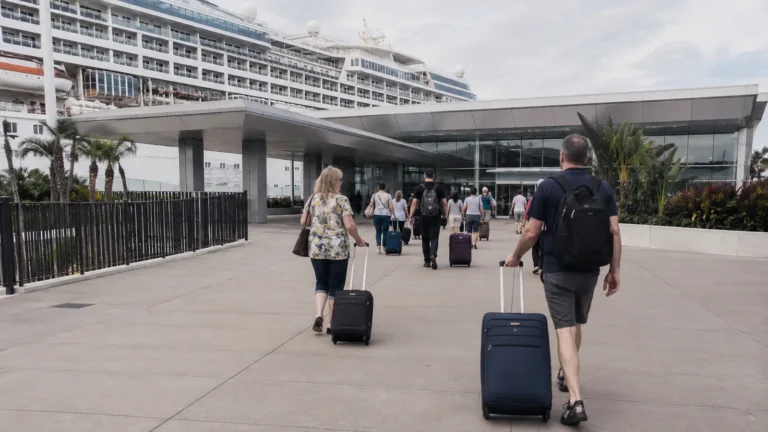
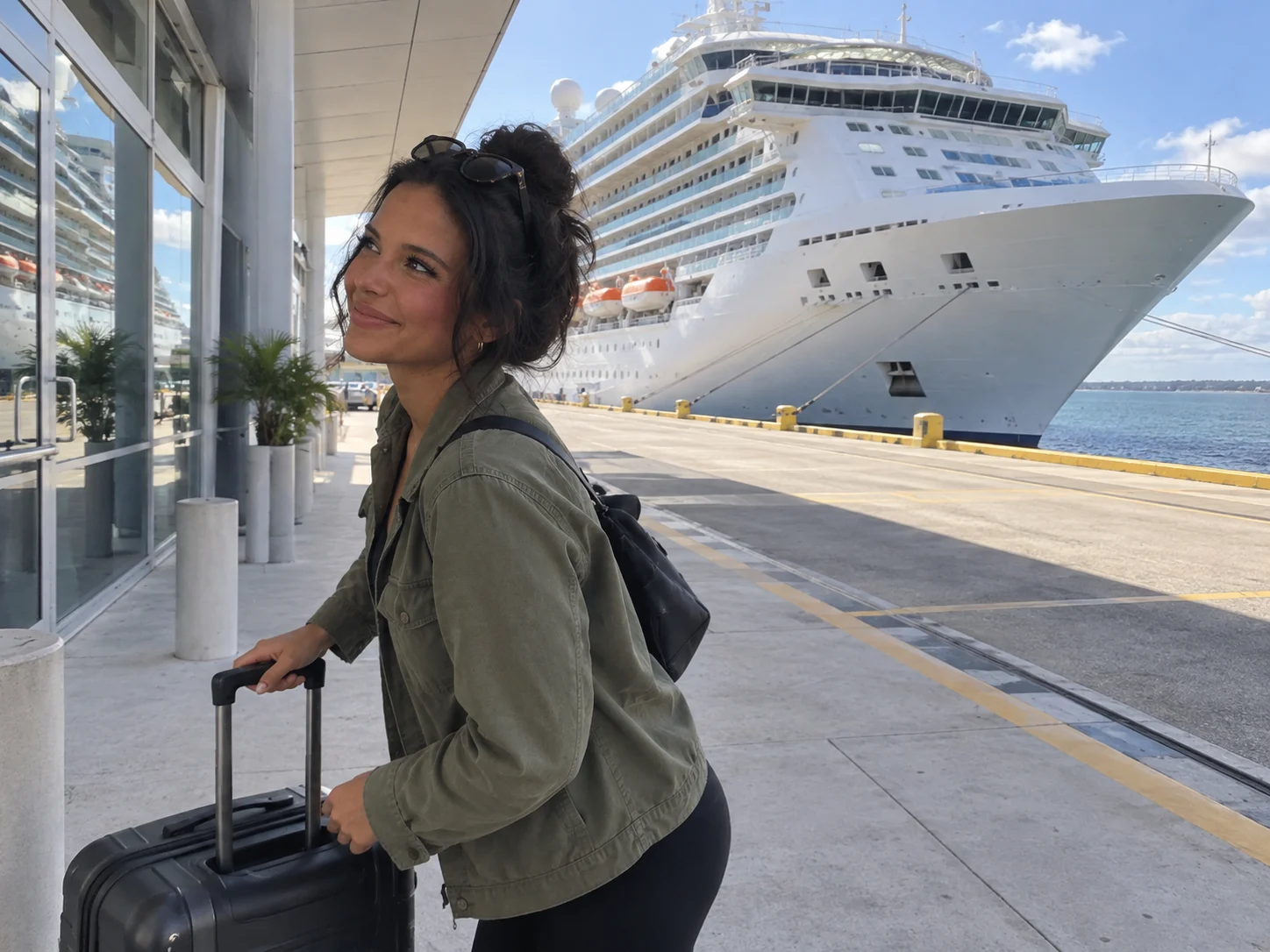
1. Frame the ship before you enter the terminal
Stand far enough back to include the ship’s name or distinctive profile, then have the photographer hold the phone vertically and step closer rather than zooming. Keep passports, boarding passes, luggage tags, and booking details out of the image.
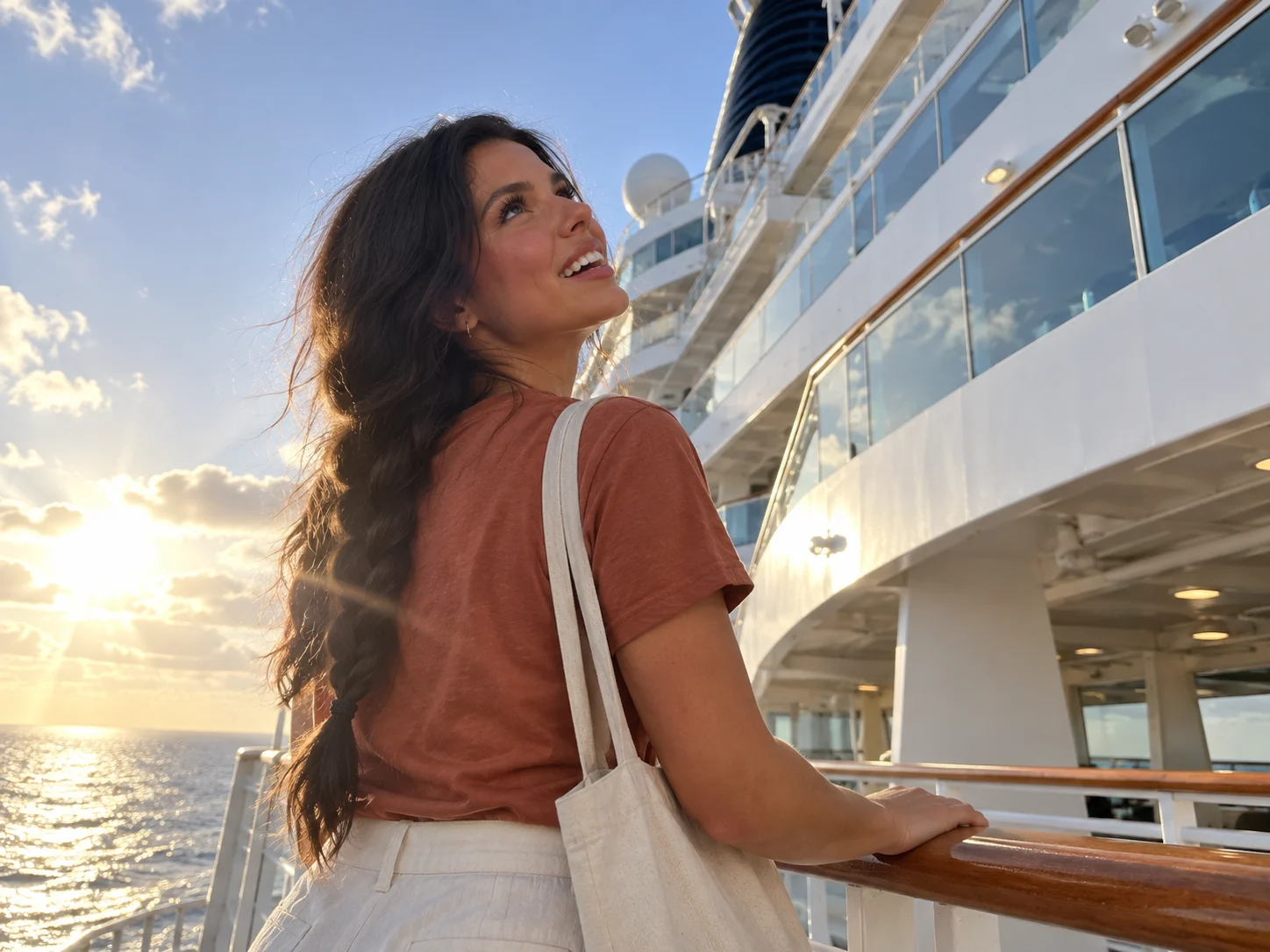
2. Photograph the first look up
Ask your travel companion to walk a few steps ahead, then turn and look up at the atrium, artwork, or promenade. The reaction feels more believable than a grin held beside a crowded gangway.
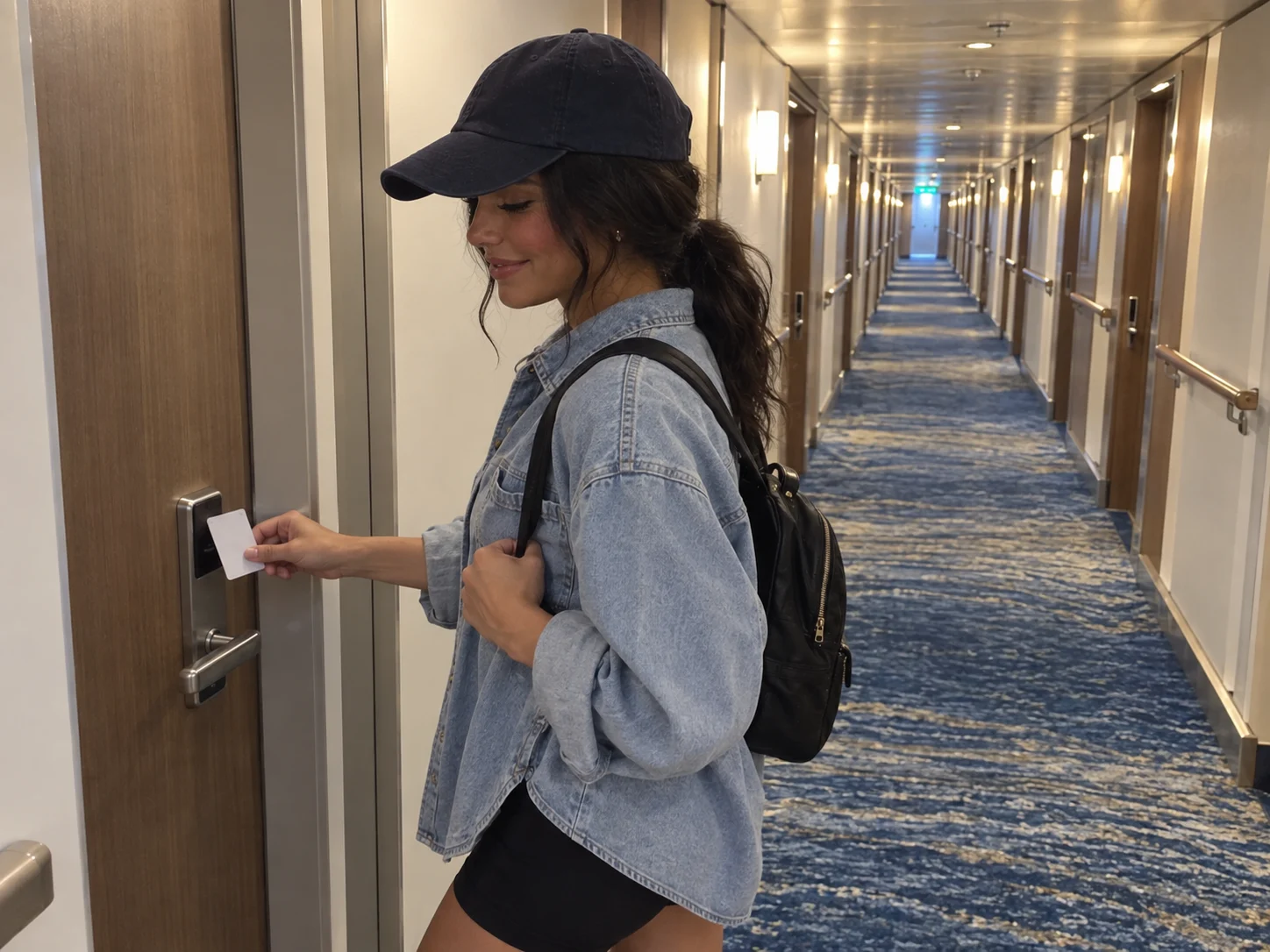
3. Make the cabin-door shot useful
Photograph the door décor or your group arriving, but crop out the cabin number before sharing online. A visible room number can tell strangers exactly where you sleep.
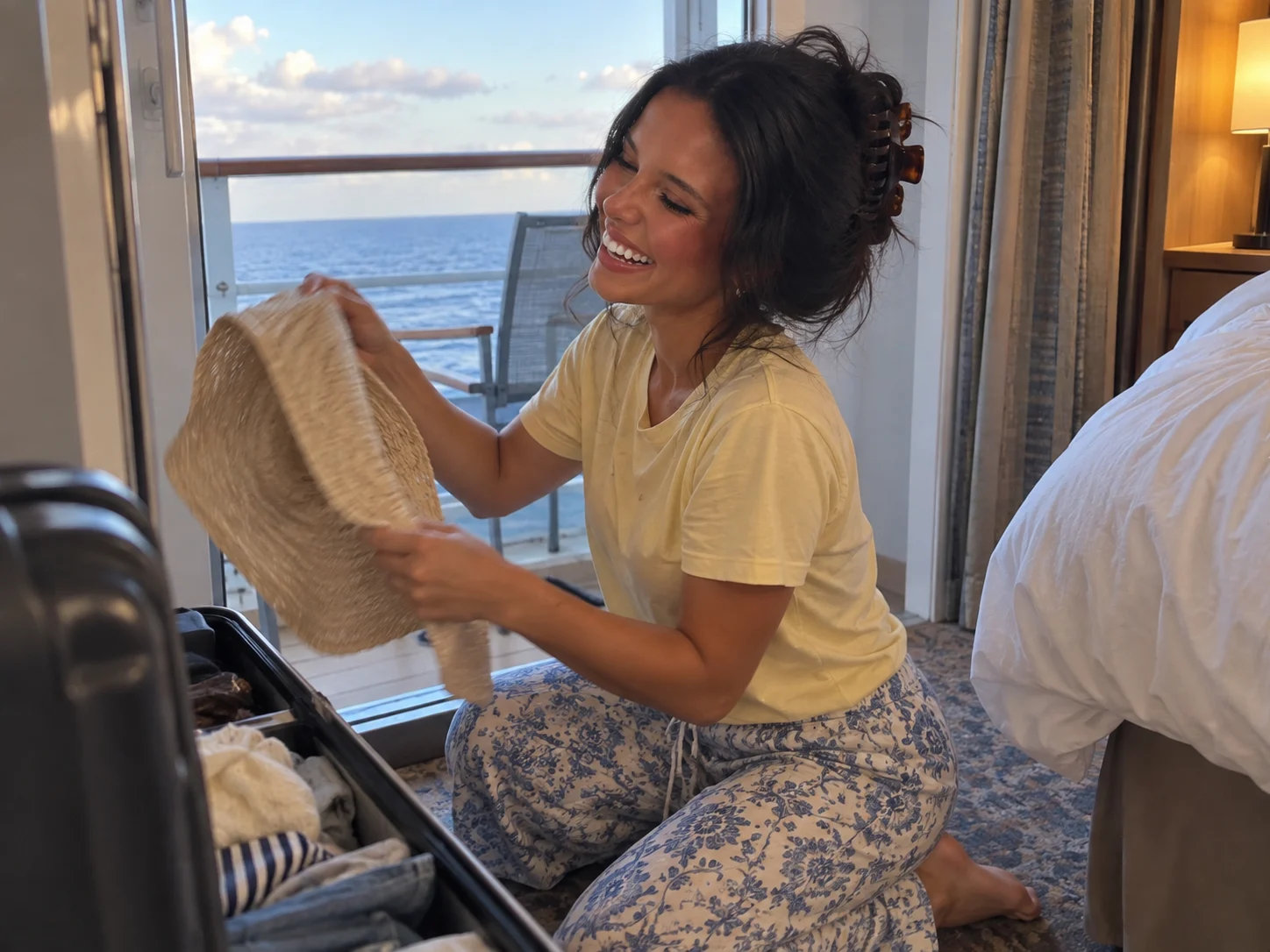
4. Capture unpacked excitement
Put carry-on bags out of frame, open the curtains, and take one quick wide photo of everyone by the window or balcony door. Never sit or stand on a balcony railing, even for a second.
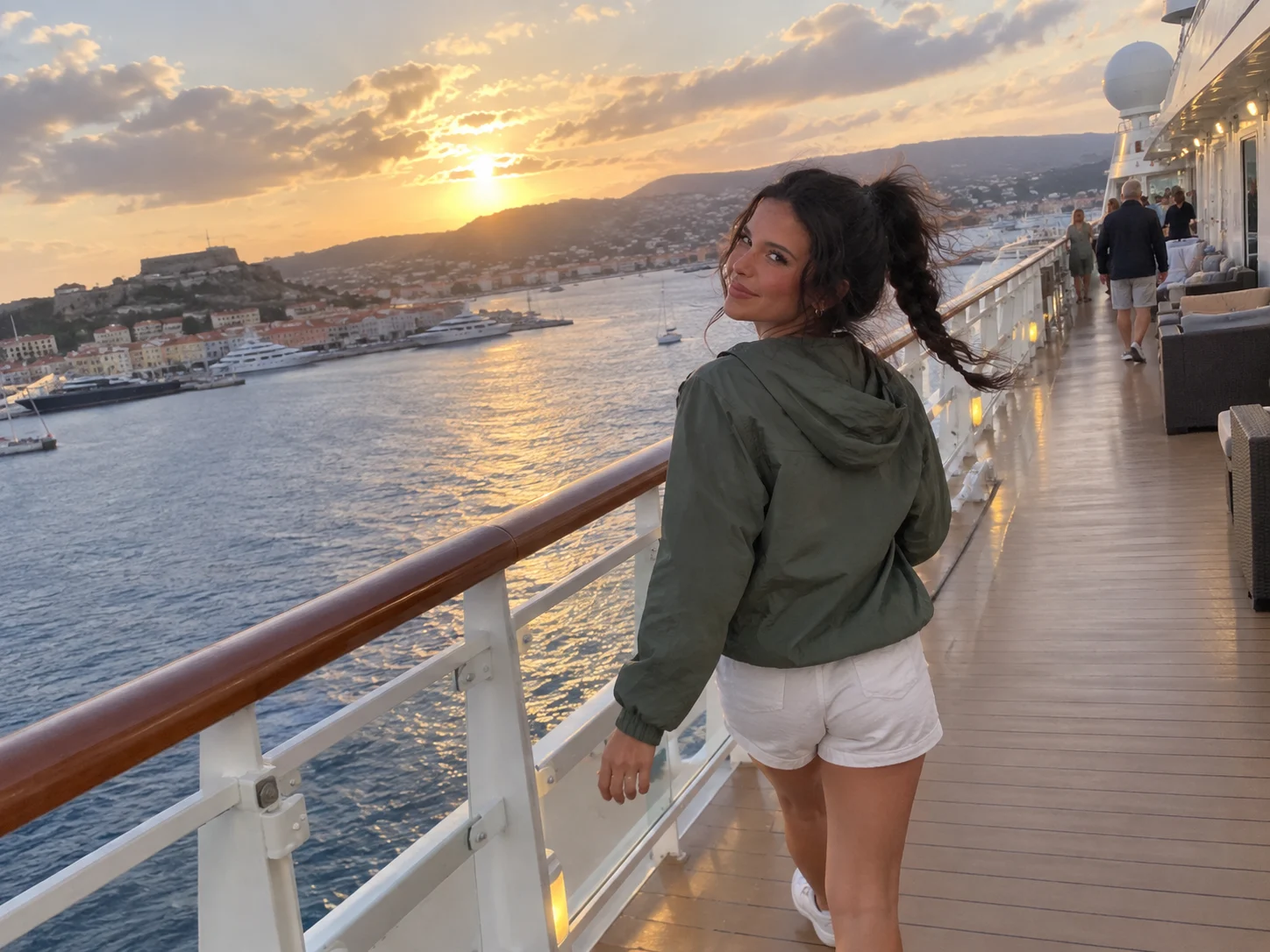
5. Walk through sail-away
Instead of lining up at the rail, walk slowly across an open deck while the photographer takes a burst. Face into the wind first so hair and loose clothing settle behind you rather than across your face.
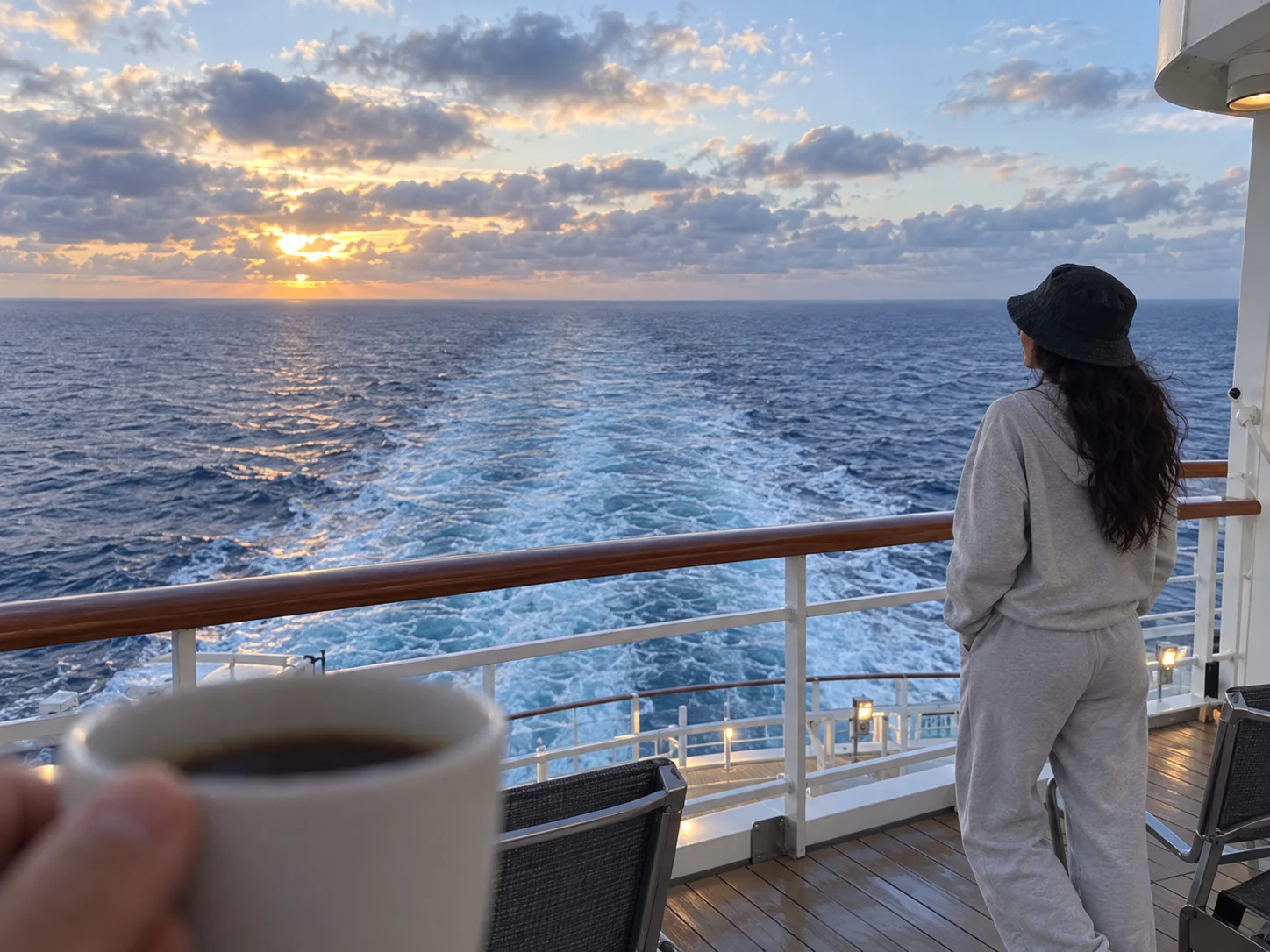
6. Use the wake as a leading line
On a public aft deck, place the person slightly to one side and let the wake point toward the horizon. Keep the camera level, because a tilted ocean makes even a lovely image feel wrong.
Embarkation day is already busy, so set a ten-minute photo limit. These first-time cruise tips will help you protect the important tasks before chasing the perfect background.
Easy portraits that do not feel stiff
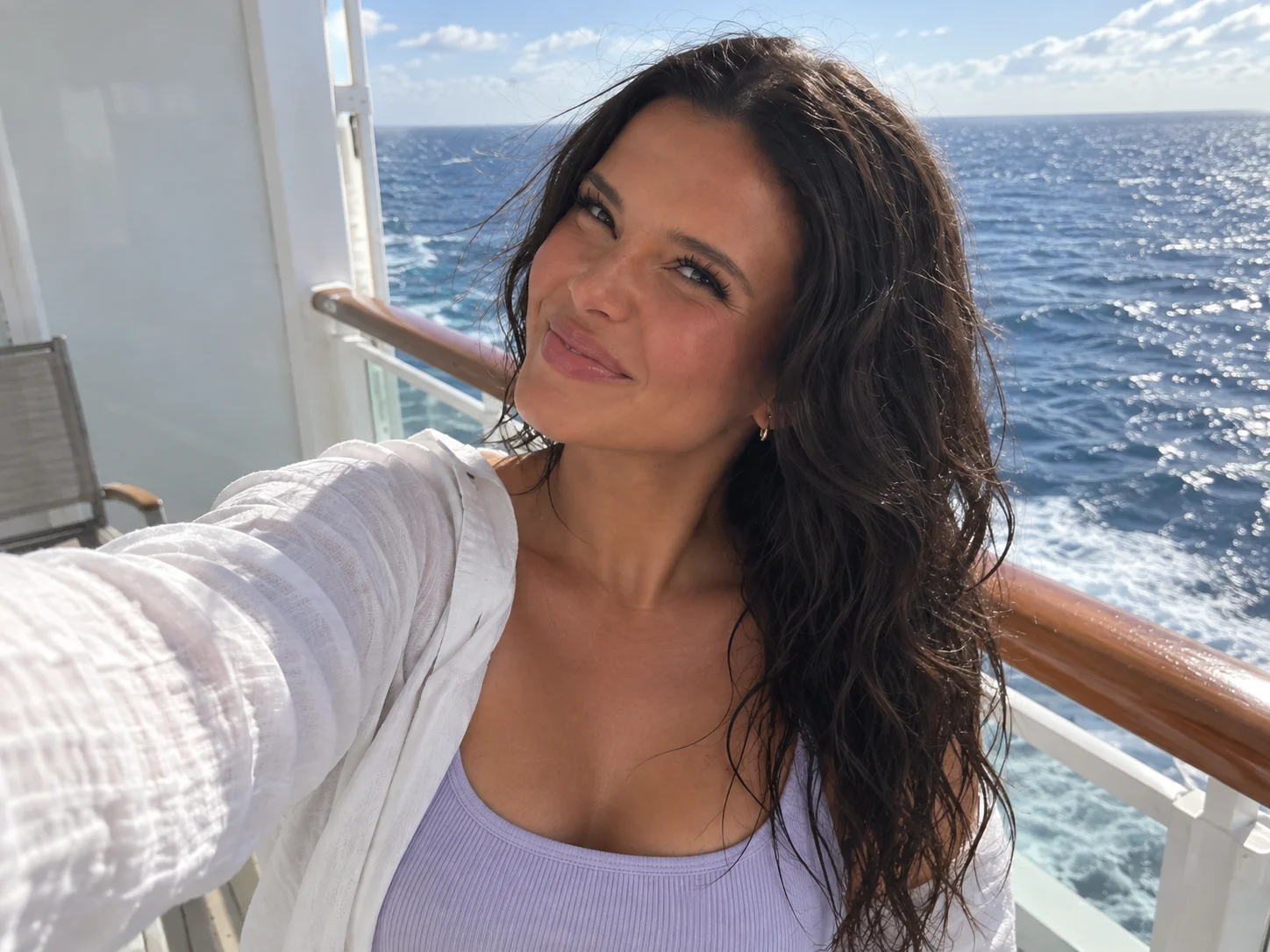
7. Look over the shoulder at the sea
Stand at a safe distance from the rail, turn your body toward the water, and look back toward the camera. This creates shape without forcing a dramatic pose.
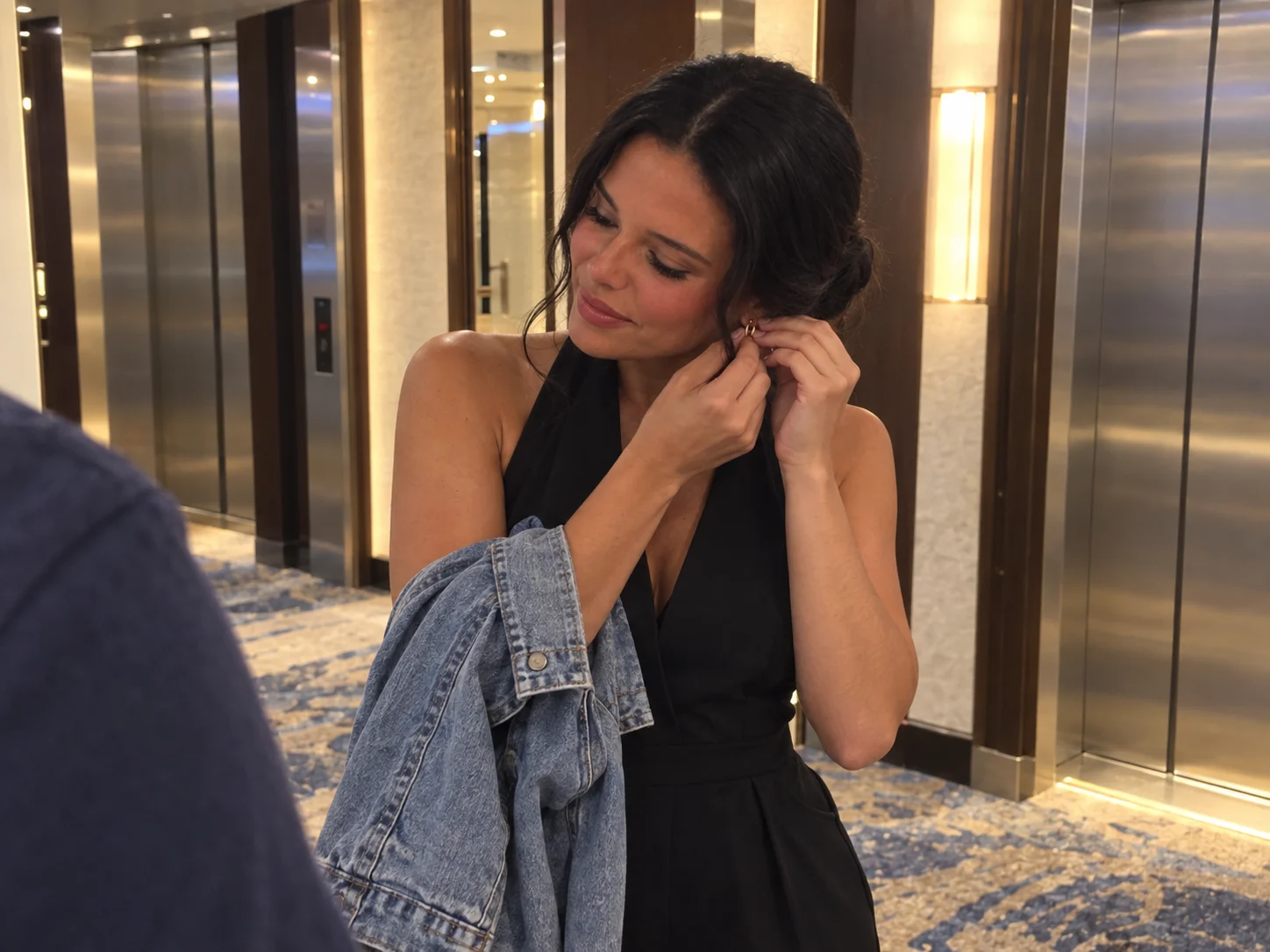
8. Fix a cuff, earring, or jacket
Small movement gives your hands a job and softens the expression. Ask the photographer to count silently and take the frame between adjustments rather than after you freeze.
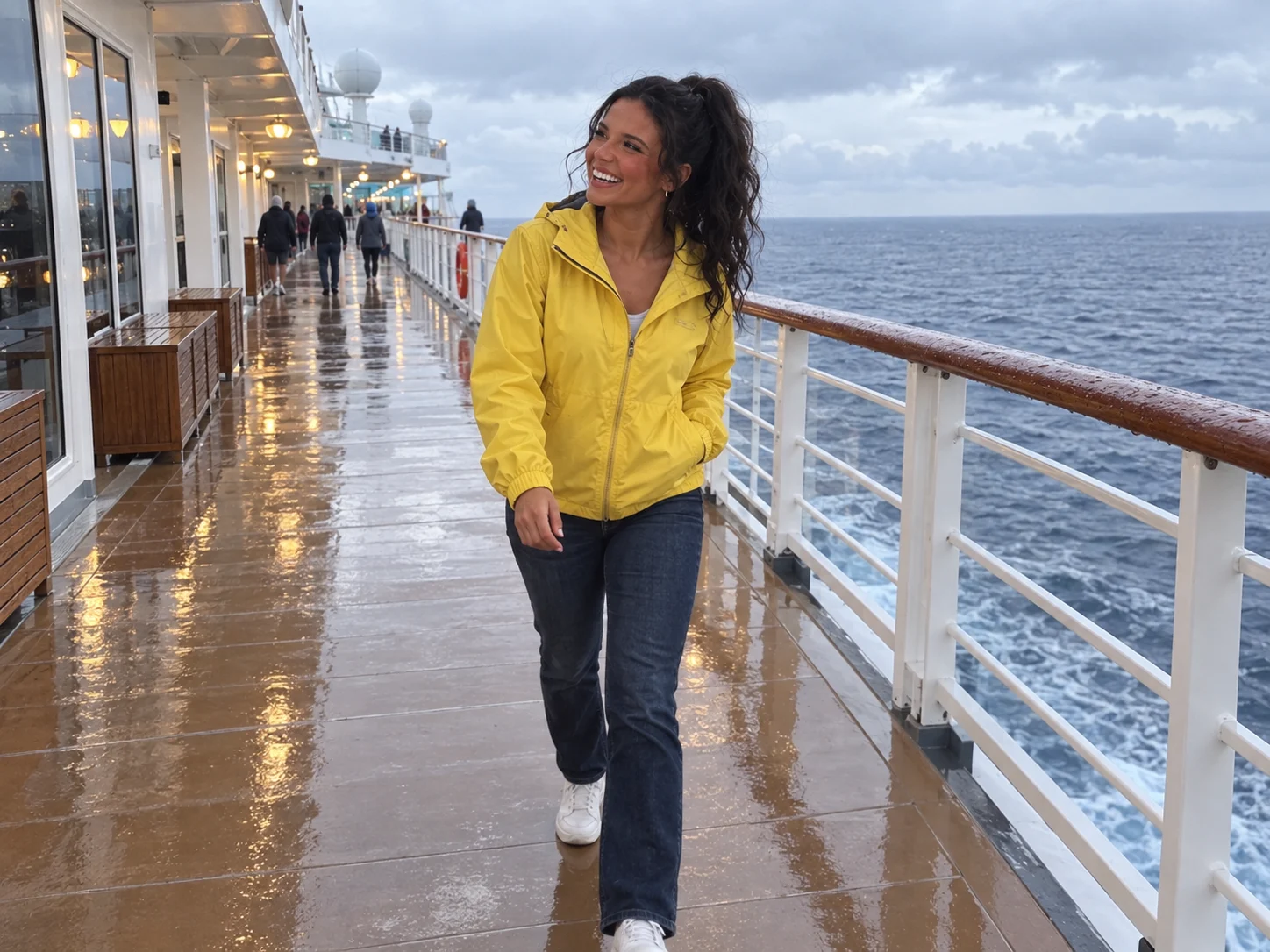
9. Walk toward the camera
Choose a quiet corridor or promenade, start 15 to 20 feet away, and walk at half speed. The photographer should take several frames and leave space around your feet for a more relaxed composition.
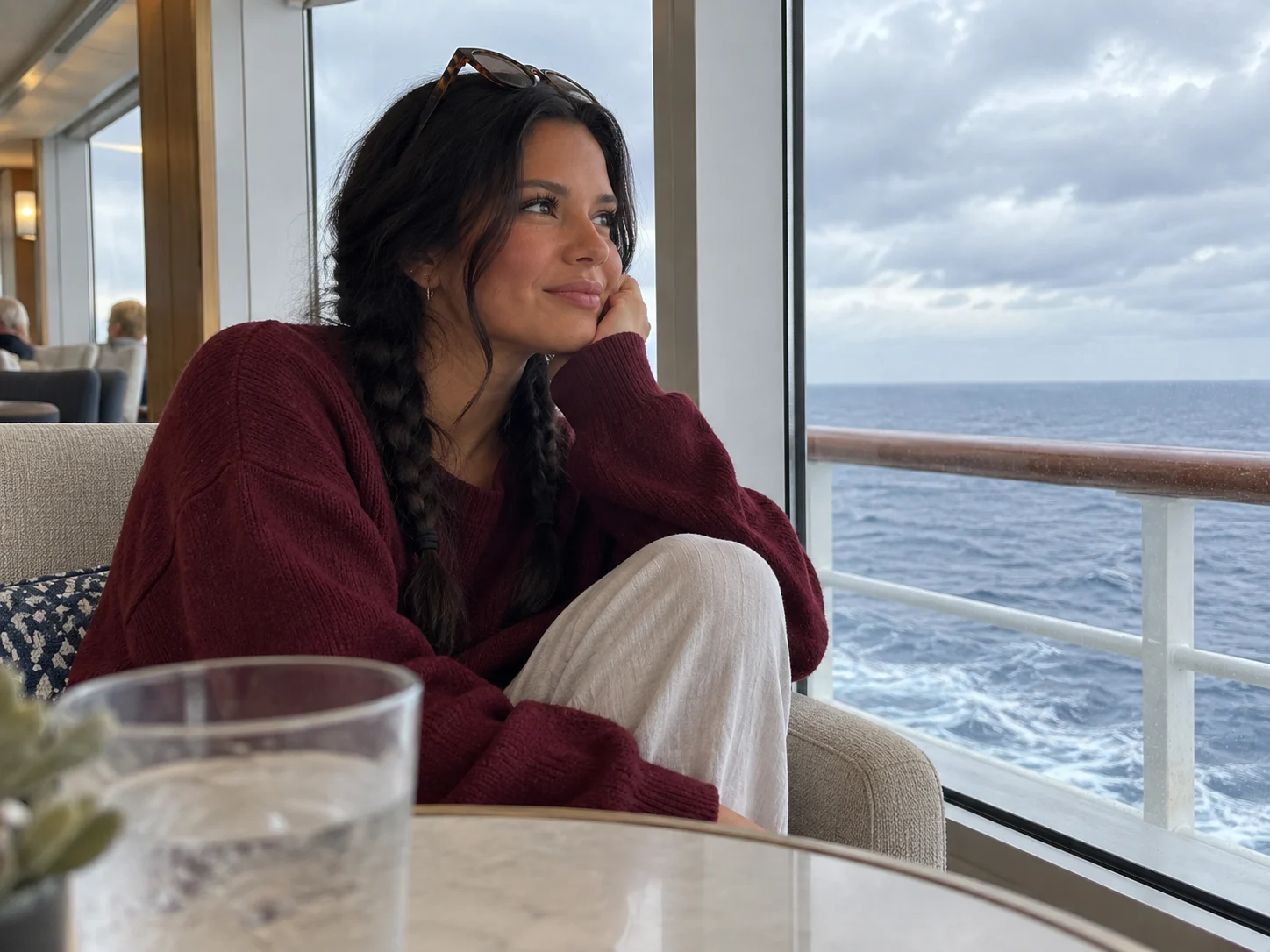
10. Sit at an angle
Use a lounge chair, window seat, or atrium step only where sitting is permitted. Turn your knees about 45 degrees from the camera, lean slightly forward, and look toward your companion instead of holding a smile.
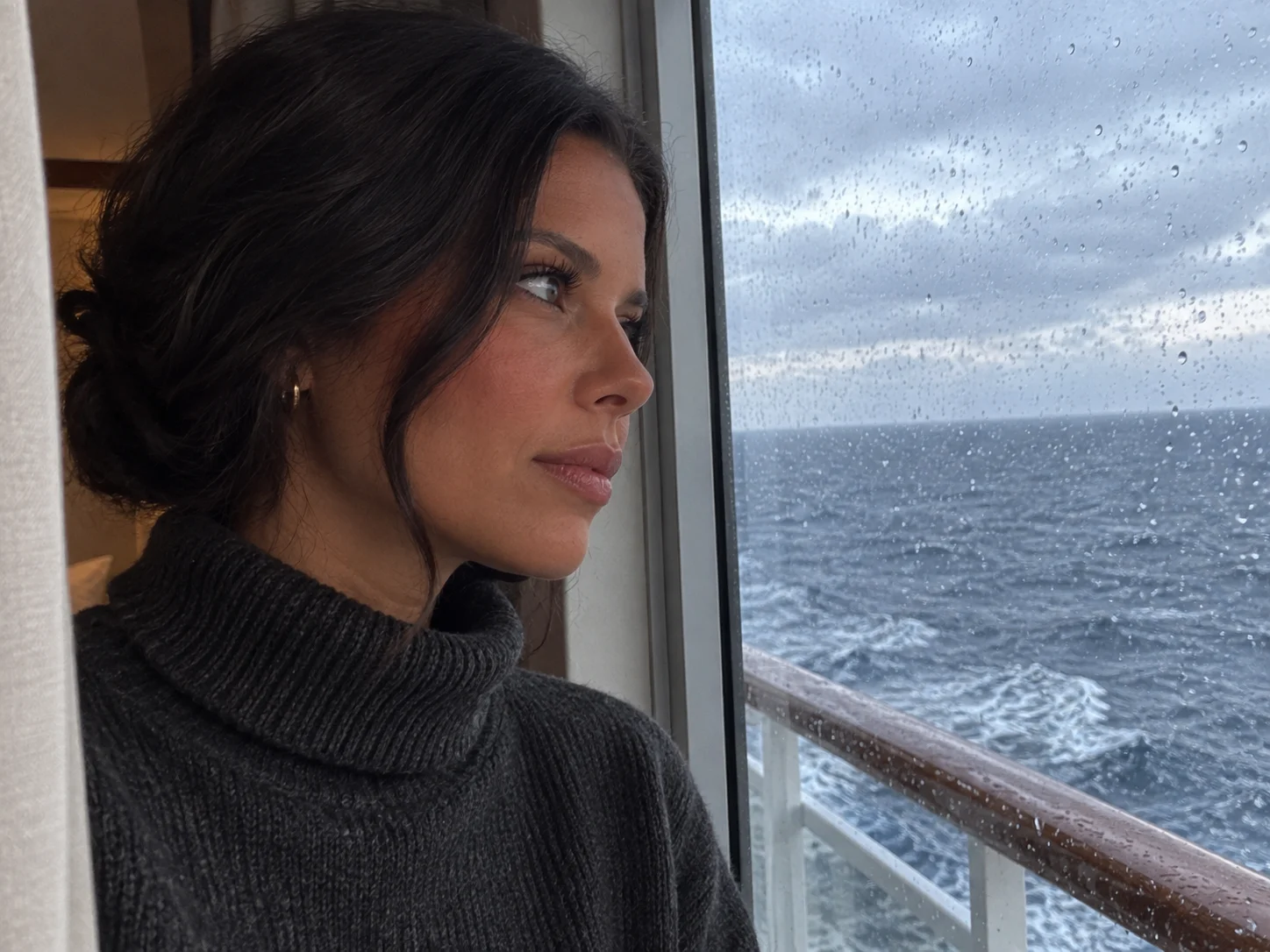
11. Try a window-light portrait
On a sea day, stand beside a large lounge window and turn your face toward the light. Tap your face on the phone screen, lower the exposure slightly if the window blows out, and skip the overhead flash.
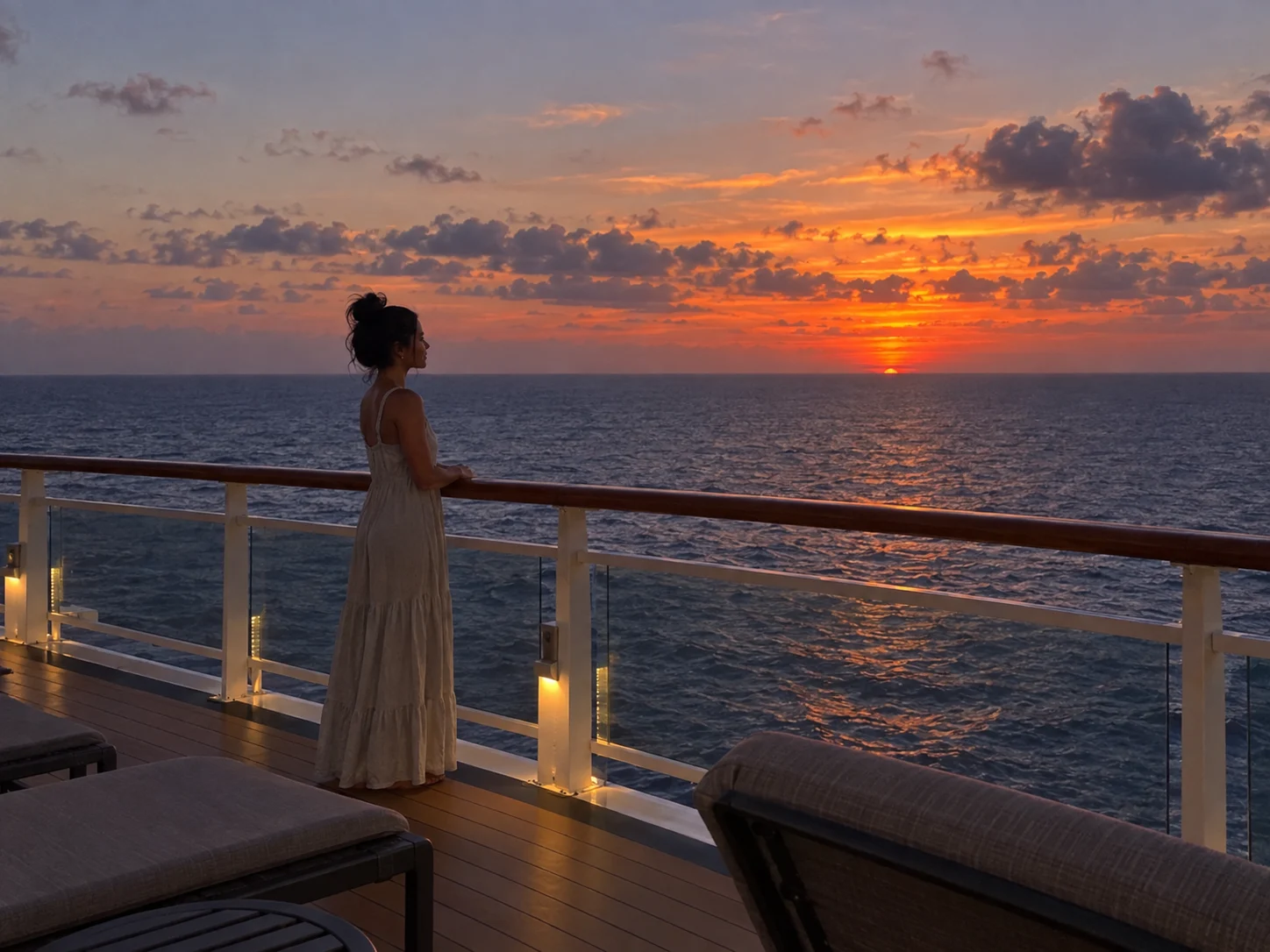
12. Make a silhouette after sunset
Place the person against the brightest part of the sky and tap the sunset to expose for it. A clean profile, raised glass, or joined hands reads better than a complicated full-body pose.
Golden-hour light is soft and directional, which makes it especially friendly for portraits. The practical catch is that “golden hour” moves with your ship, so check the daily sunrise and sunset time instead of assuming 6 p.m.; Adobe’s golden-hour overview explains the light you are looking for.
Couples, friends, and family photo prompts
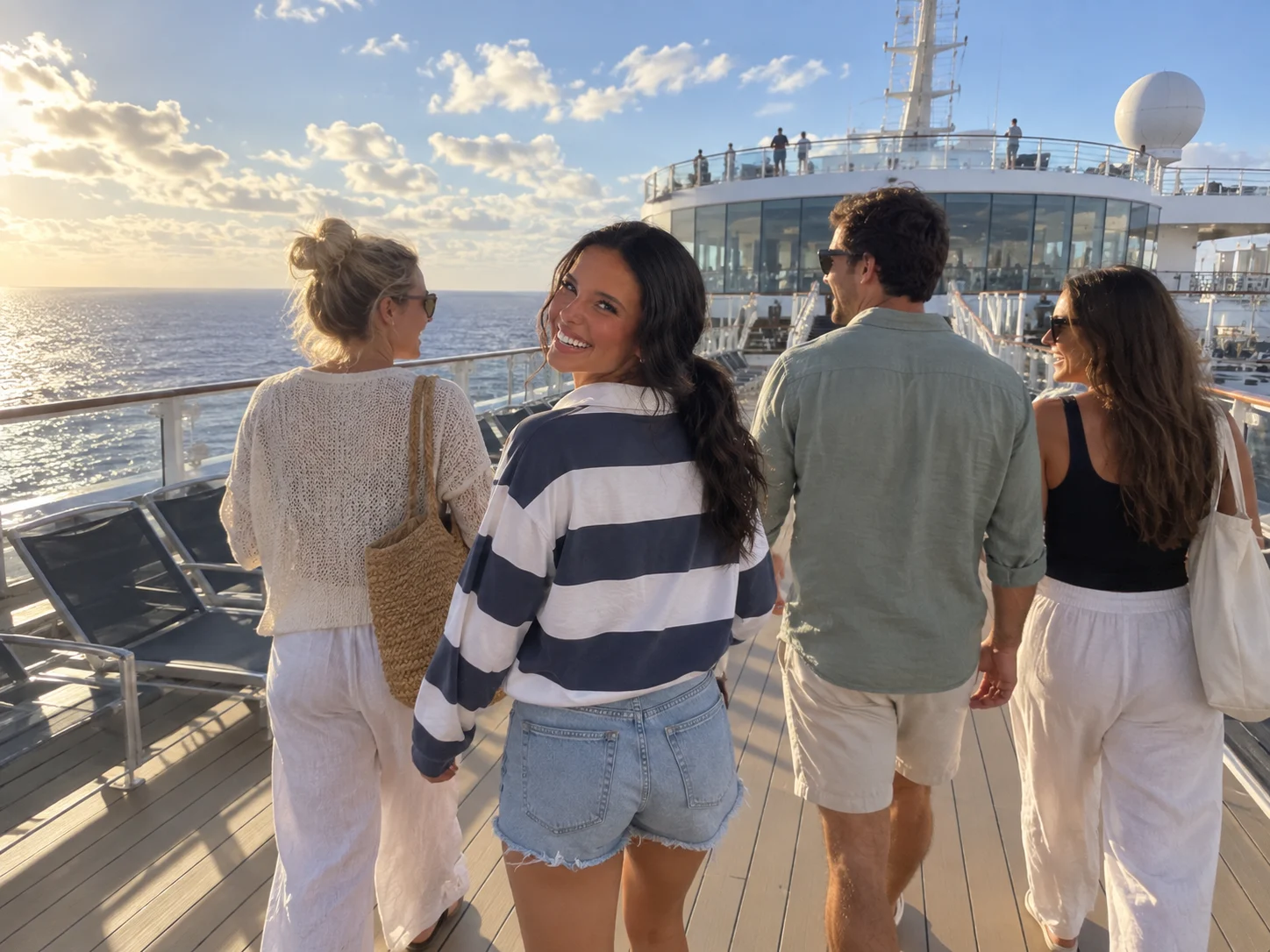
13. Give the group a destination
Ask everyone to walk toward dinner, trivia, or the theater while talking to one another. The photographer can step ahead, stay out of traffic, and take a short burst as the group approaches.
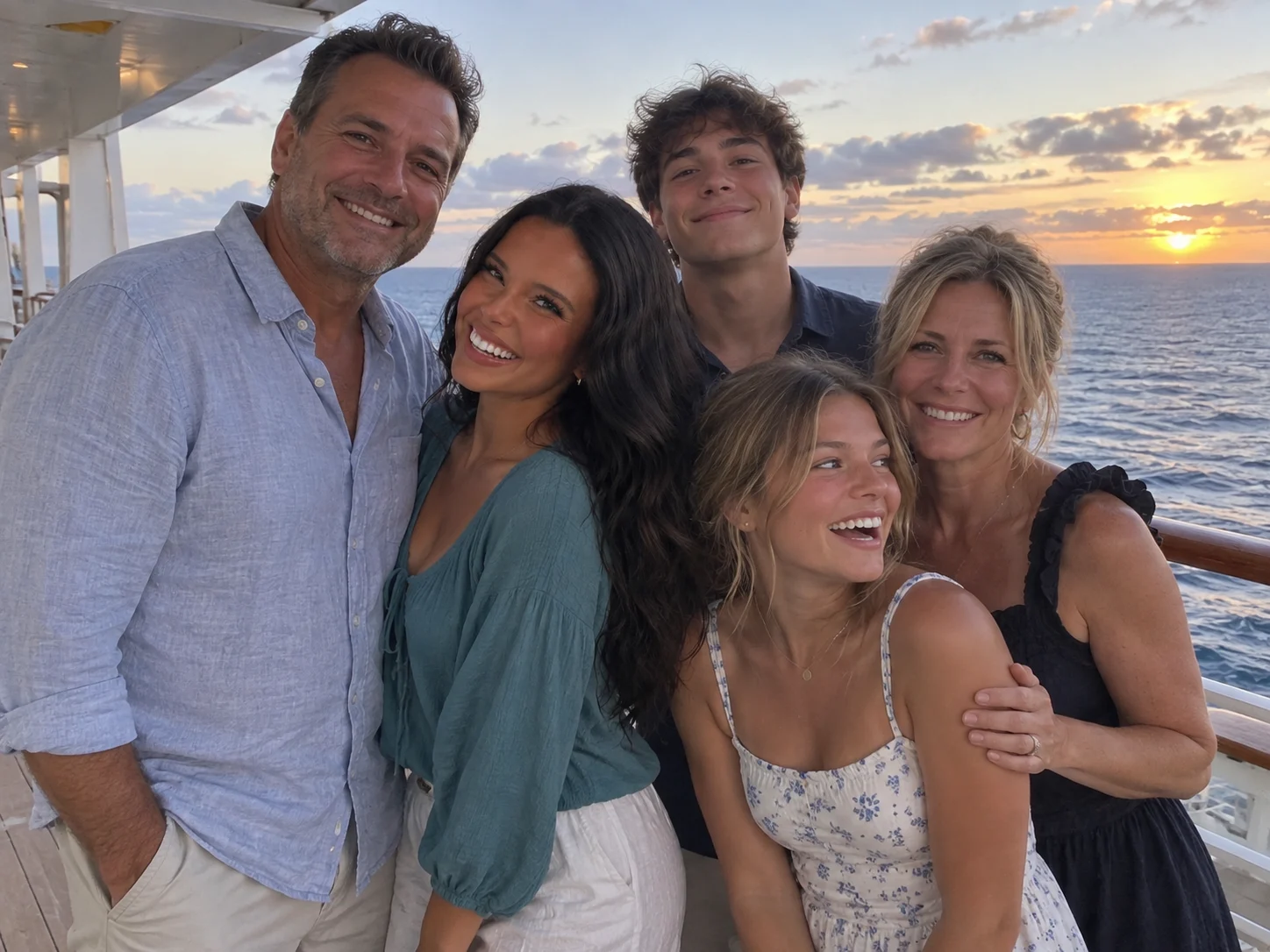
14. Build a staggered family portrait
Put the tallest people toward the back, seat anyone who needs support, and close the gaps between shoulders. Ask everyone to look at one child for one frame, then at the camera for the next.
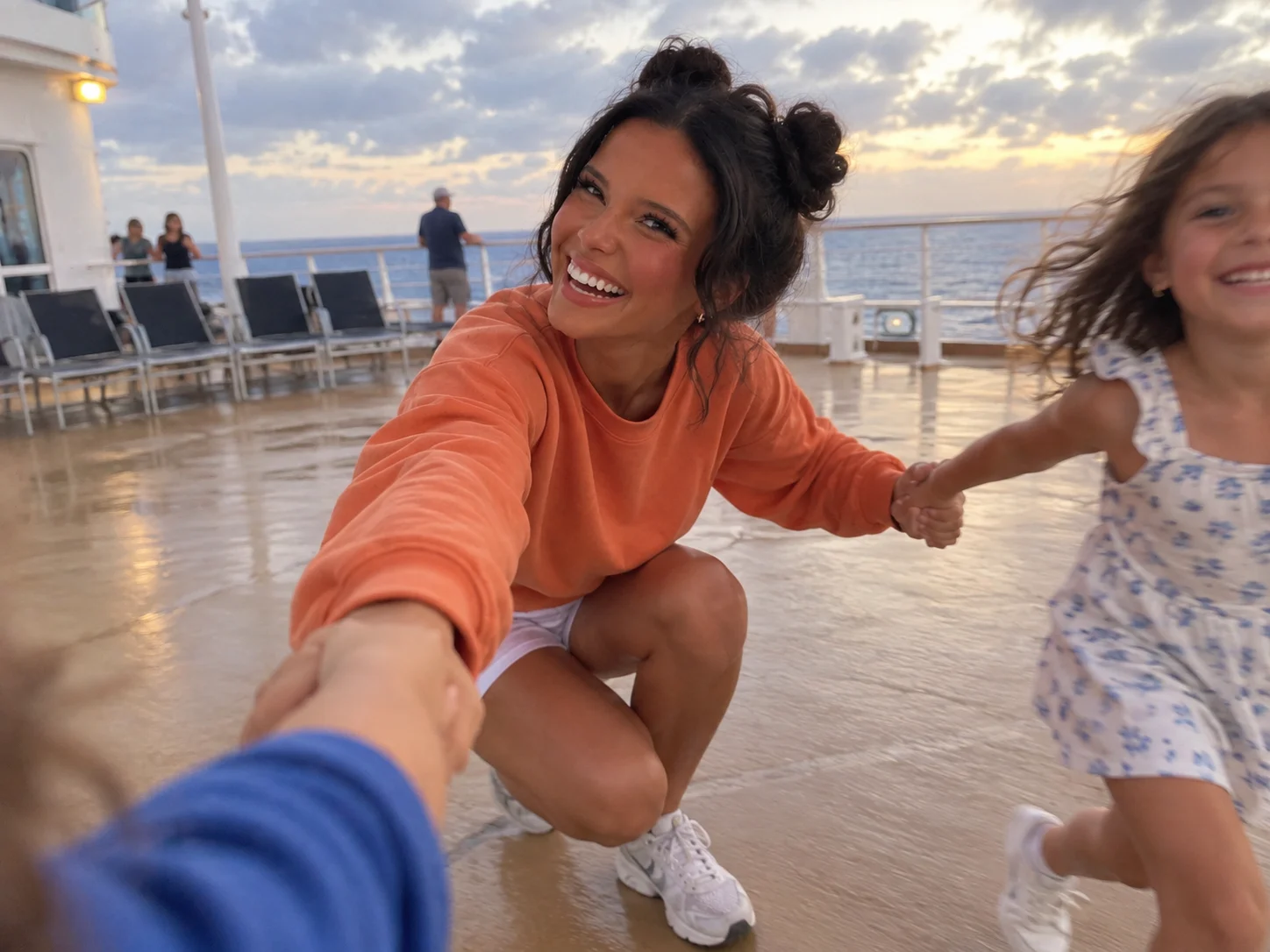
15. Let children choose the action
Invite them to point at the ship, spin once, look through a porthole, or race three careful steps toward a parent. A game produces better expressions than repeated instructions to smile.
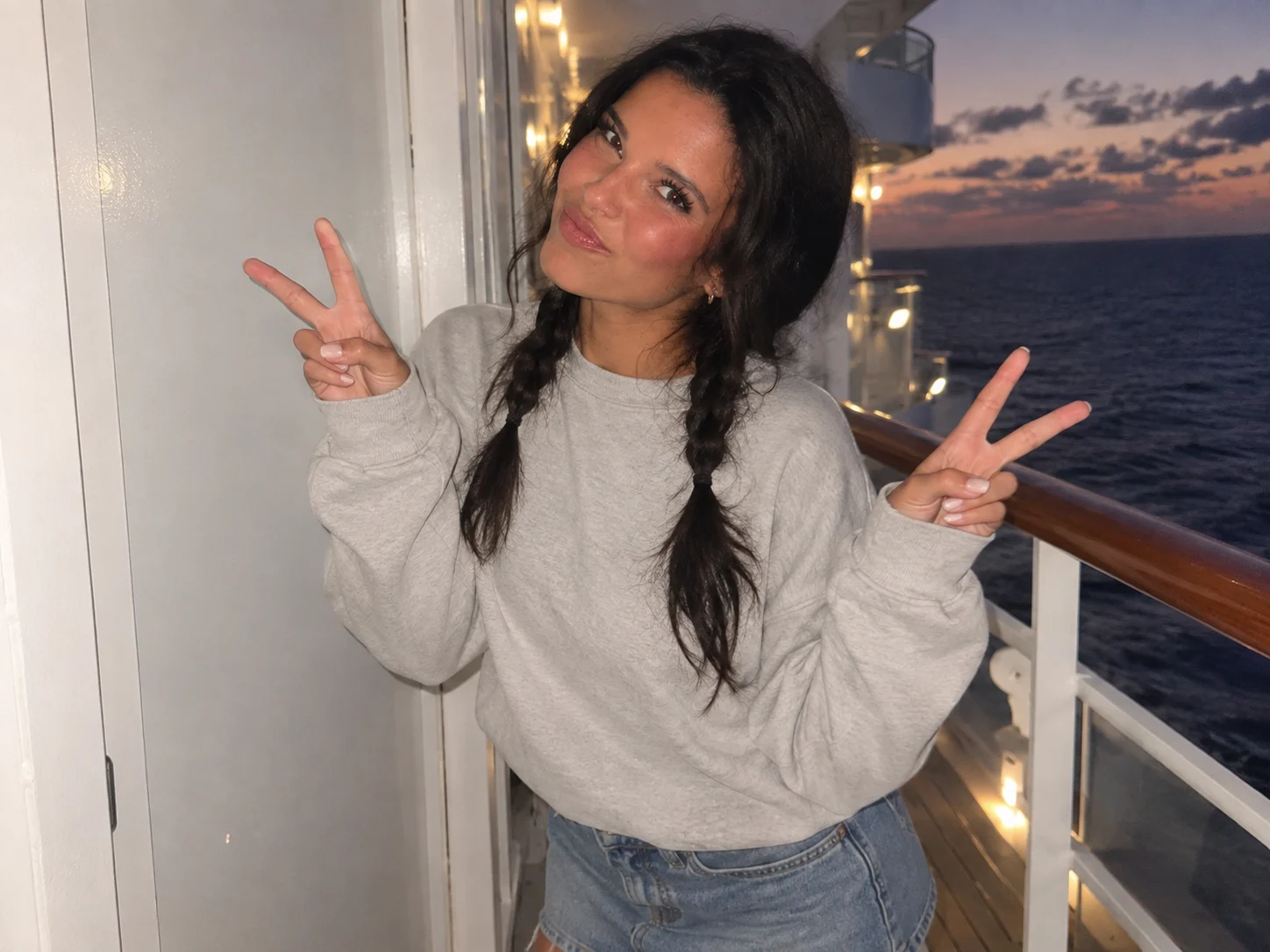
16. Recreate an old vacation photo
Bring a saved copy of a favorite family image and match the arrangement, not every detail. The charm comes from time passing, so imperfect outfits and changed hairstyles are part of the picture.
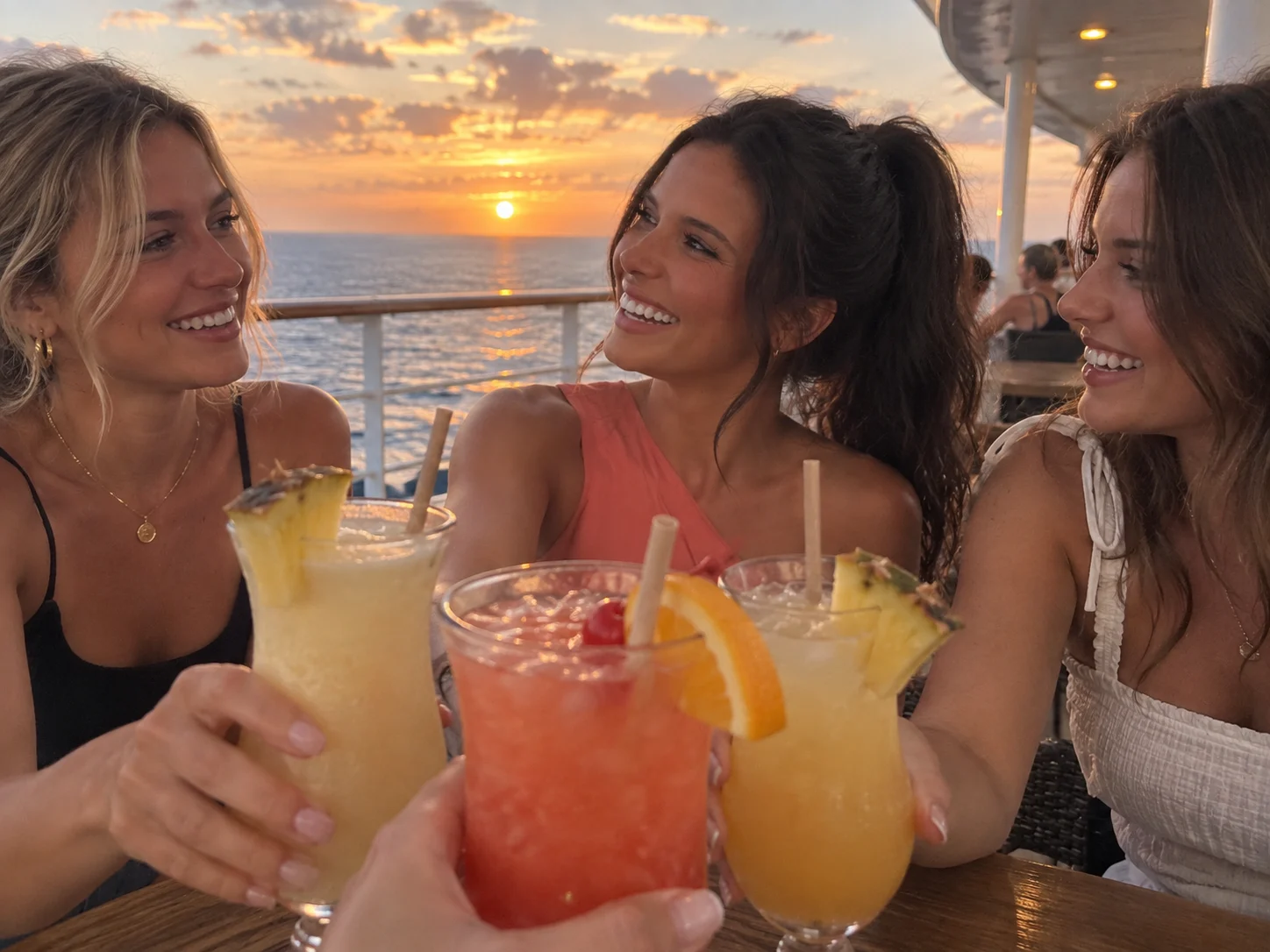
17. Photograph the toast before the sip
Gather glasses near a window or open deck, keep labels and hands visible, and focus on the closest rim. Nonalcoholic drinks work just as well, and no one has to balance a beverage near a railing.
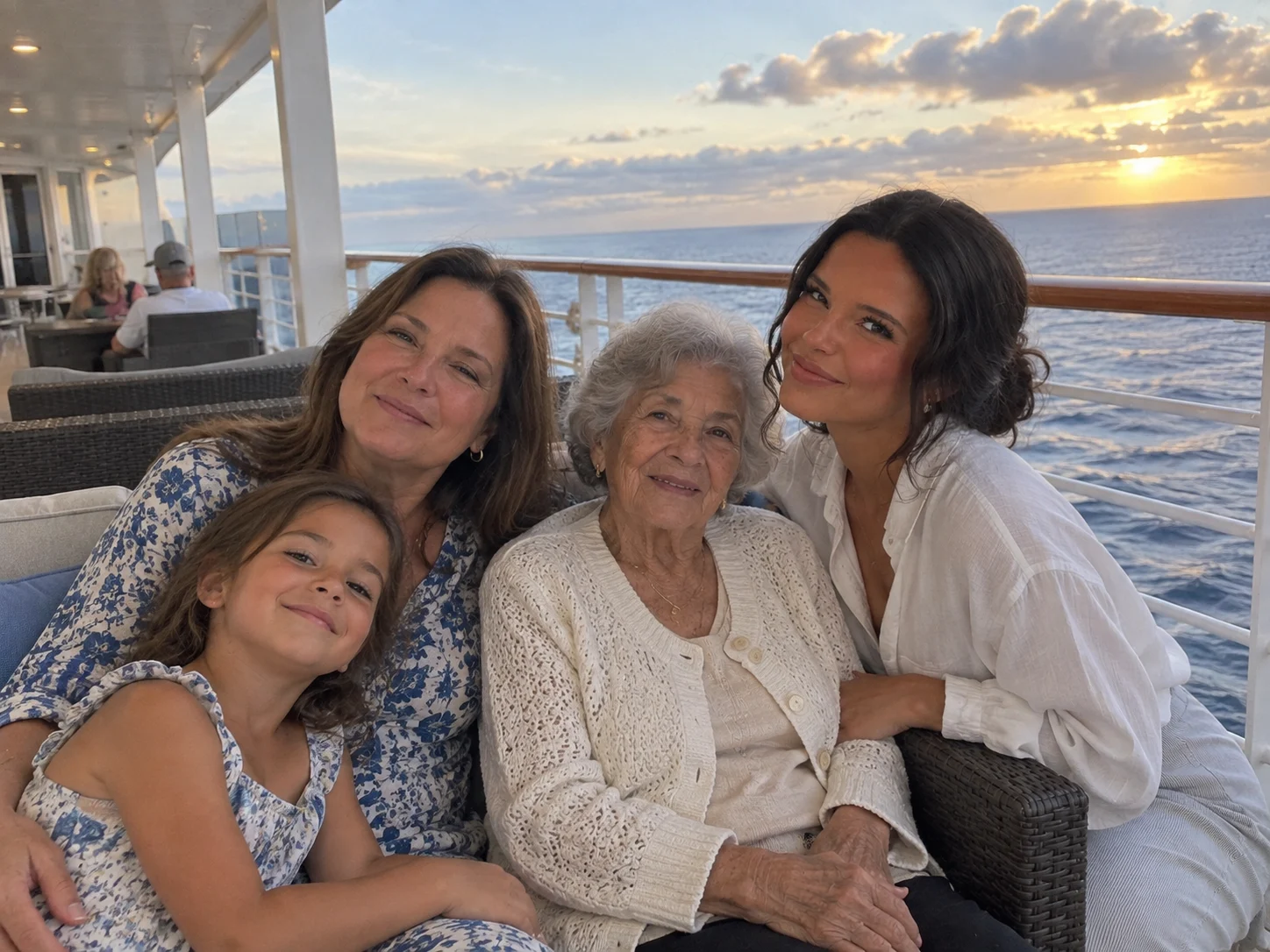
18. Take one photo with every generation
Start with grandparents and grandchildren while patience is high, then add the middle generation. Seat the person with the least stamina first and build the group around them.
Professional ship portraits can be valuable when one person is always missing from family photos. Check package terms before buying, and use these cruise money-saving tips to decide whether a photo bundle deserves space in the budget.
Formal-night pictures without the awkward line
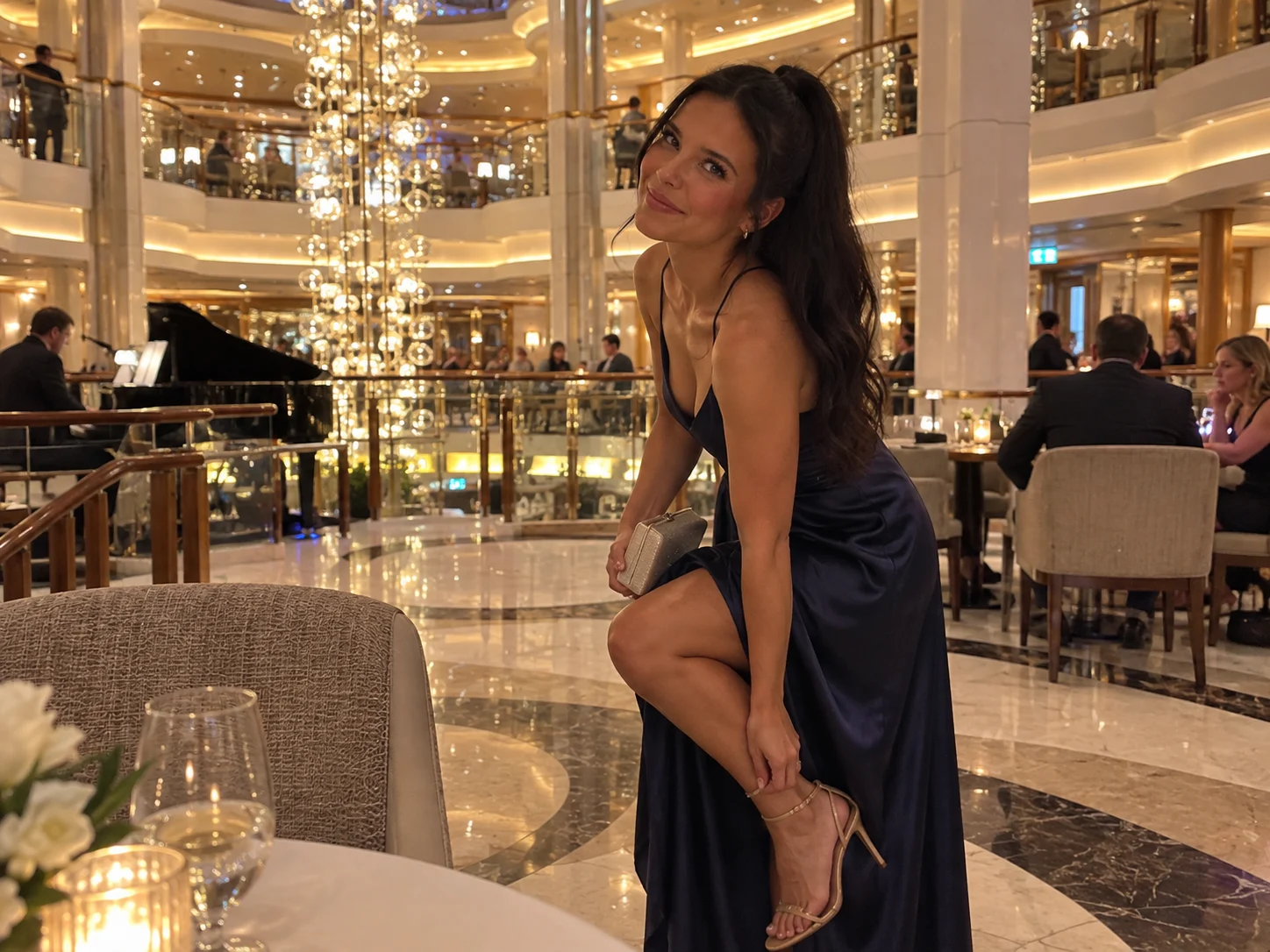
19. Photograph early, then enjoy dinner
Dress 20 minutes before your reservation and use the atrium stairs, a quiet lounge entrance, or a large window. Later in the evening, backgrounds become busier and patient expressions become harder to find.
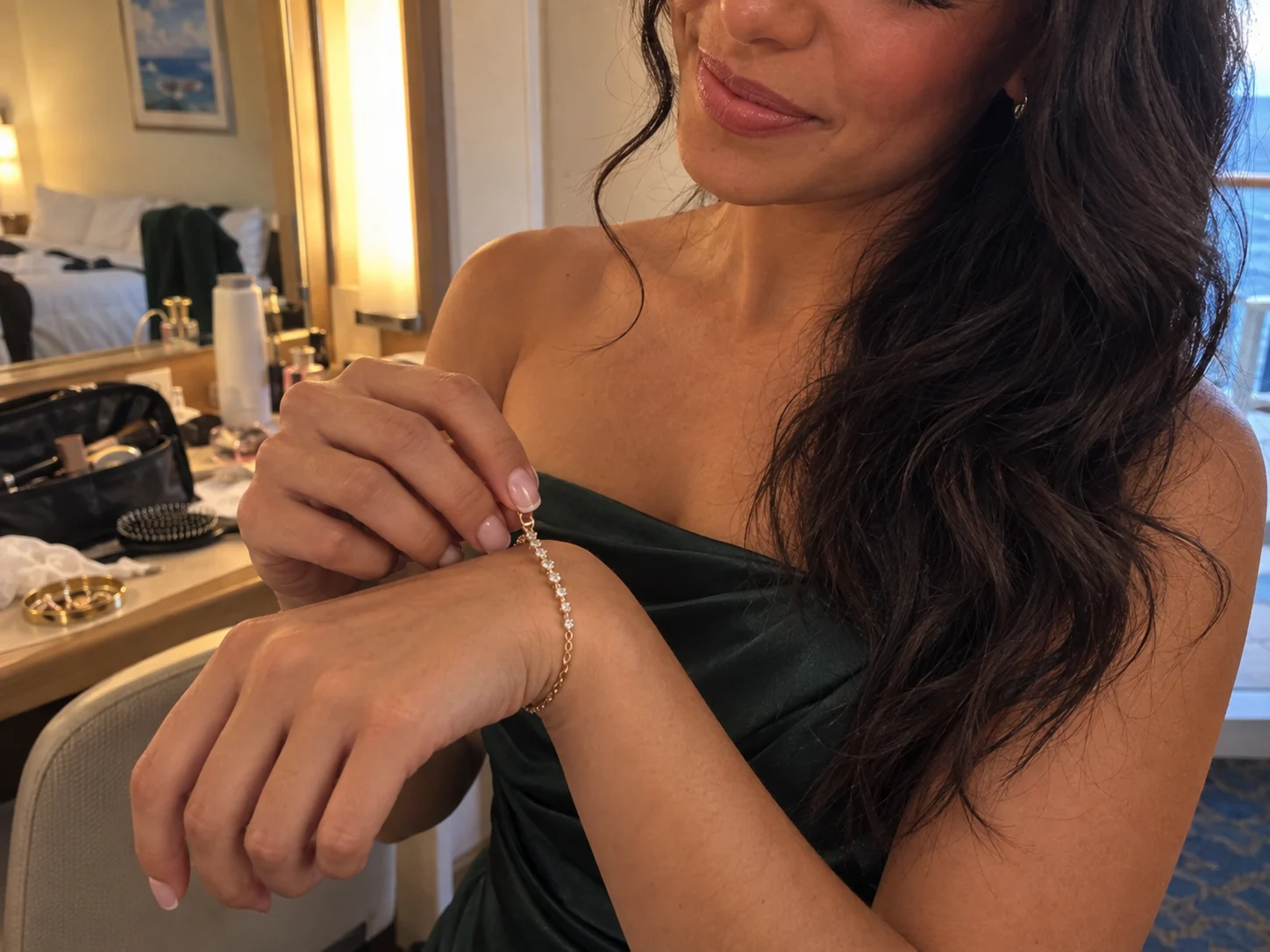
20. Use one clean detail
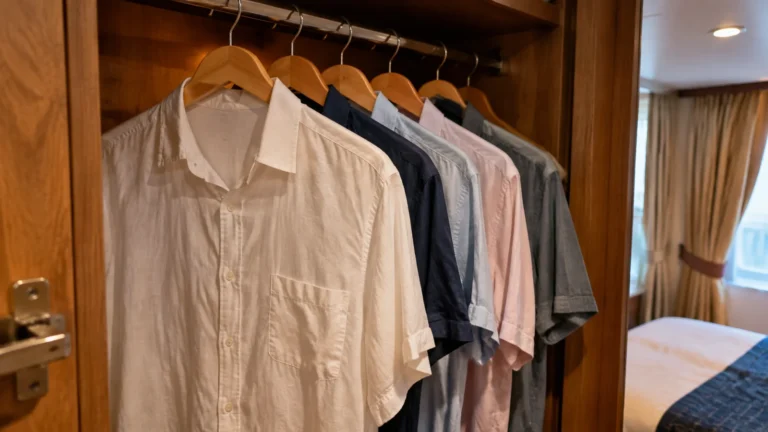
Photograph a tied bow tie, sparkling shoe, manicure, corsage, or family heirloom against a simple cabin background. Detail frames break up an album full of faces and preserve choices you may otherwise forget.
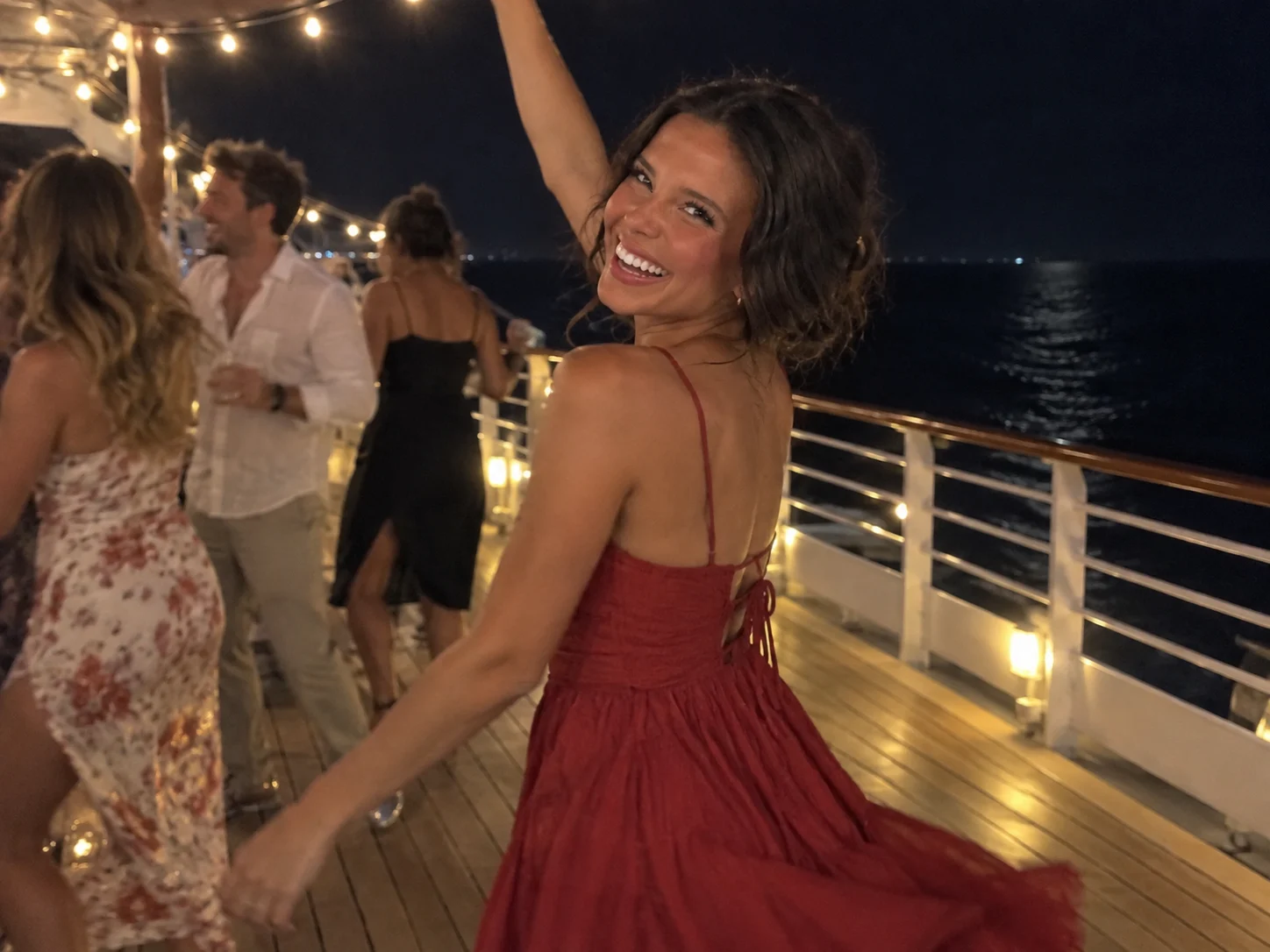
21. Dance for three seconds
Partners can hold hands and make one slow turn in an uncrowded space, while friends can step together and laugh. Keep the movement small enough that the phone can focus in lower light.
If you use a ship photographer, ask about prices, included digital files, print sizes, and download deadlines before posing. Packages and image rights vary by cruise line and sailing, so a verbal assumption is not a purchasing plan.
Port-day pictures that show where you went
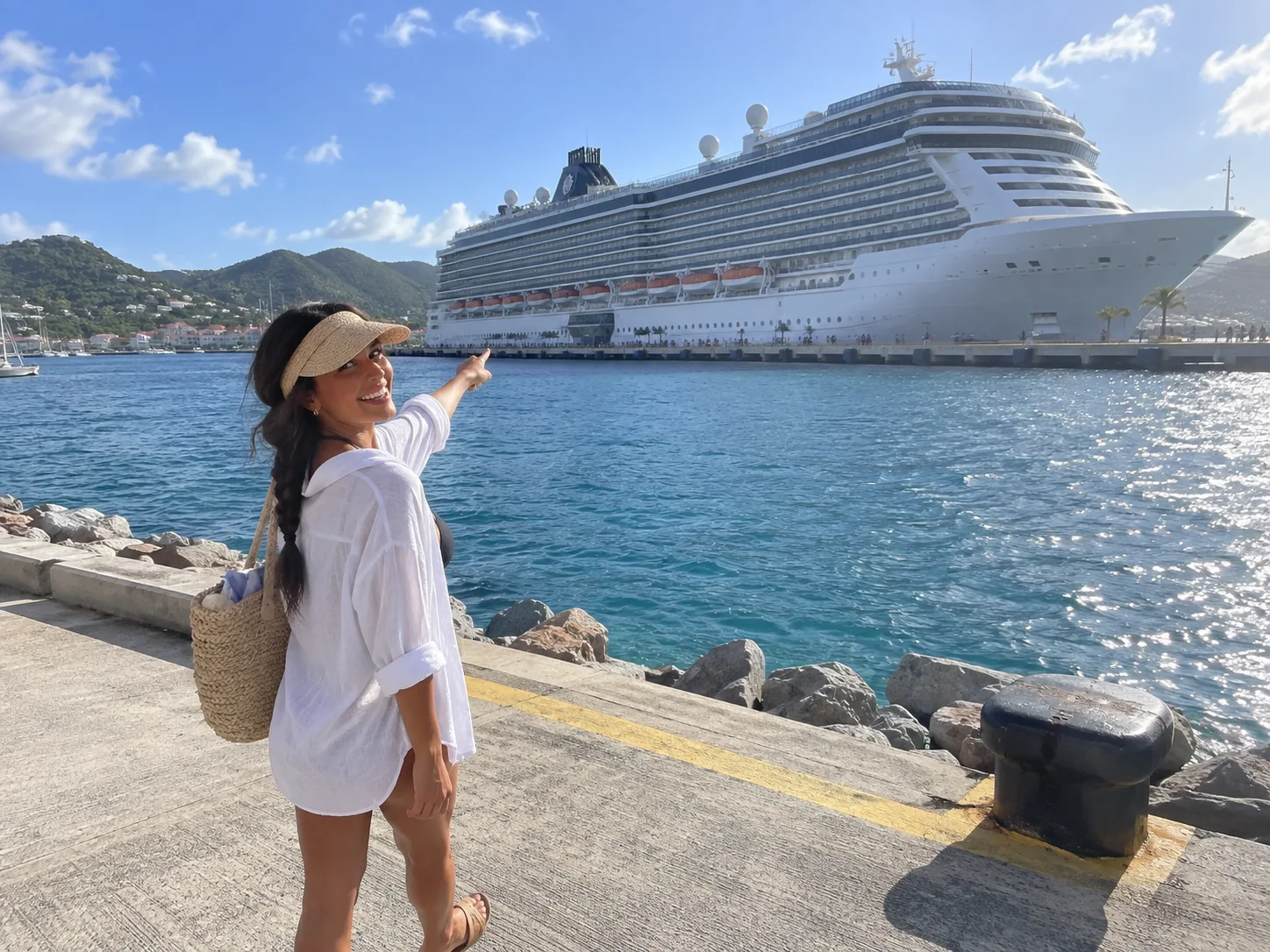
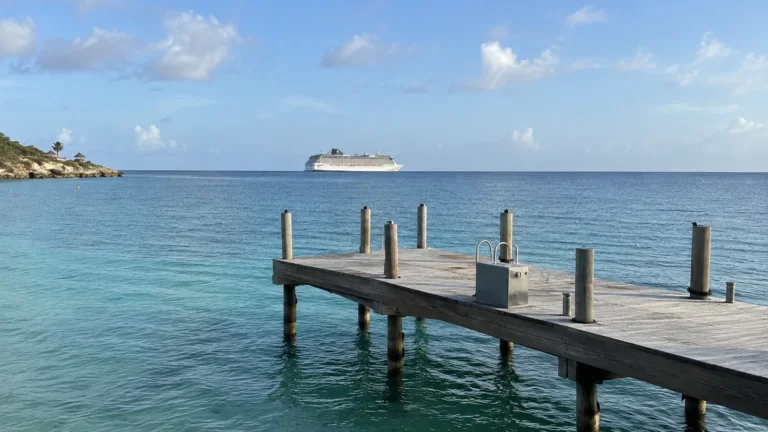
22. Photograph the ship from shore
Once you reach a legal pedestrian viewpoint, use a wide composition that shows the harbor around the ship. Do not stop in terminal traffic or step into a vehicle lane for a cleaner angle.
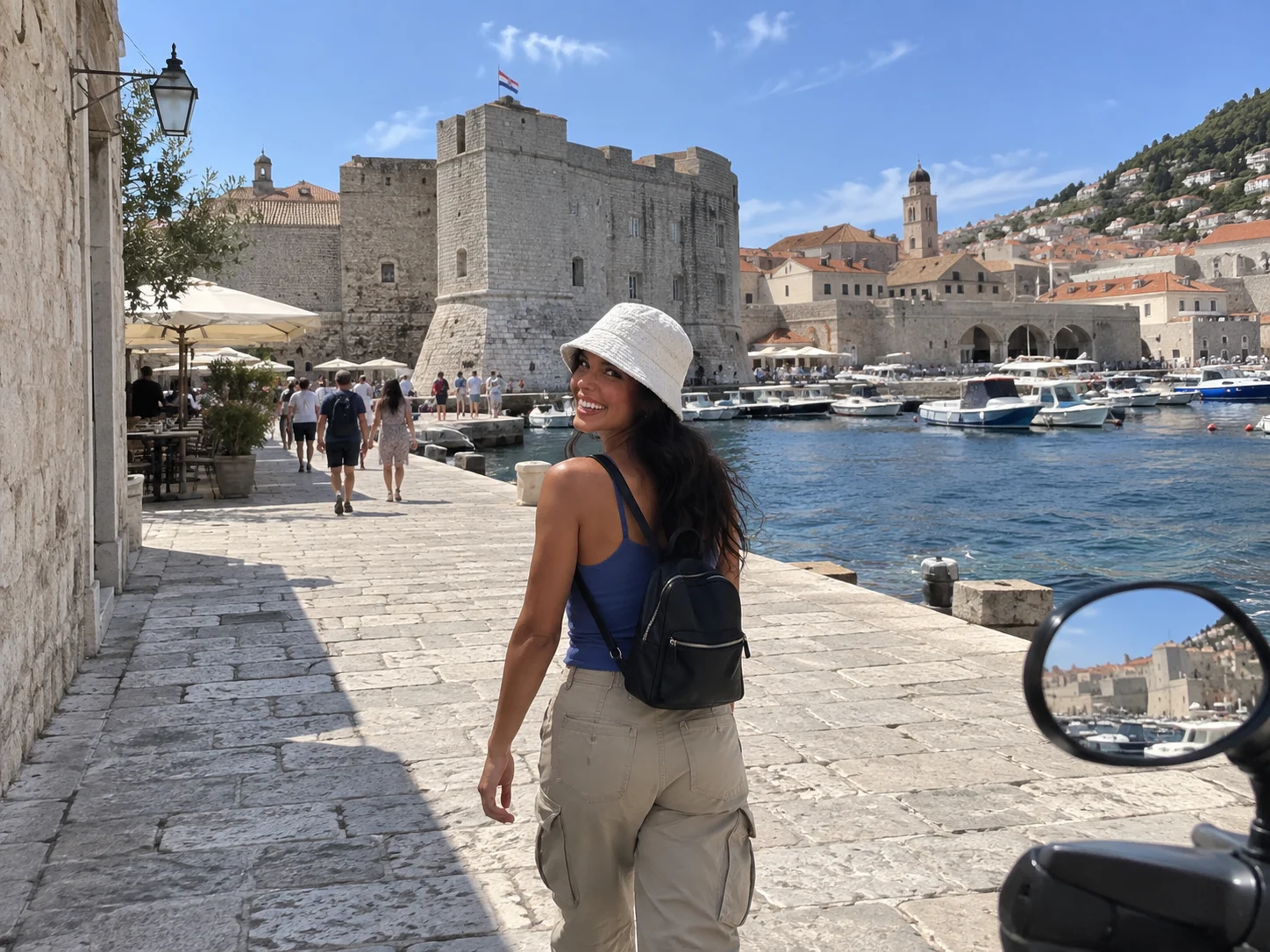
23. Put the landmark in context
Stand to one side rather than directly in front of the building, mountain, or sign, then include foreground such as a café table or stone wall. The result feels like a place, not proof that you reached a pin.
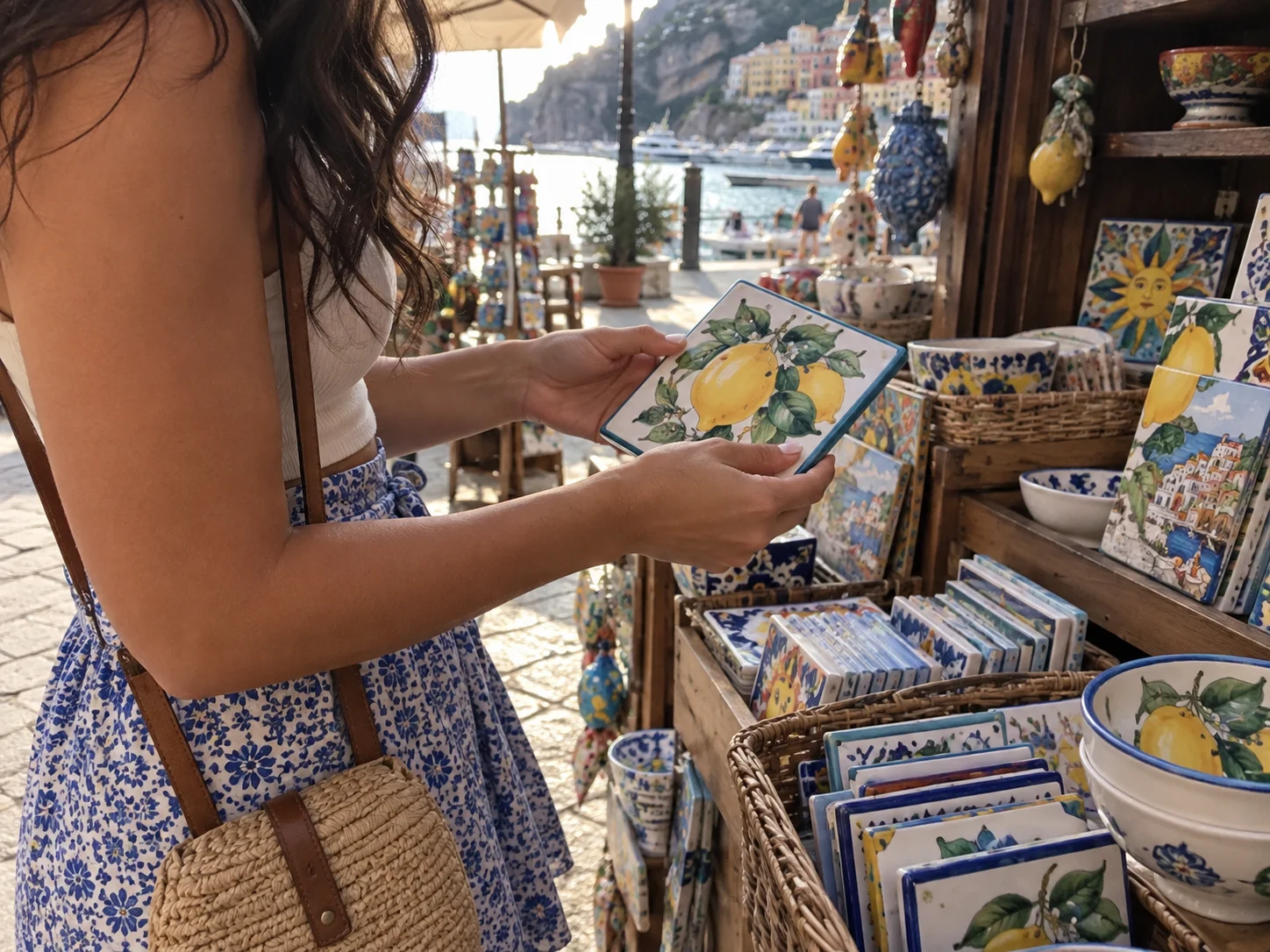
24. Photograph one local detail
Look for a market color, street sign, tiled doorway, ferry ticket, or plate of food, with permission when a person or business is identifiable. These small frames often restore more memory than the twentieth wide landscape.
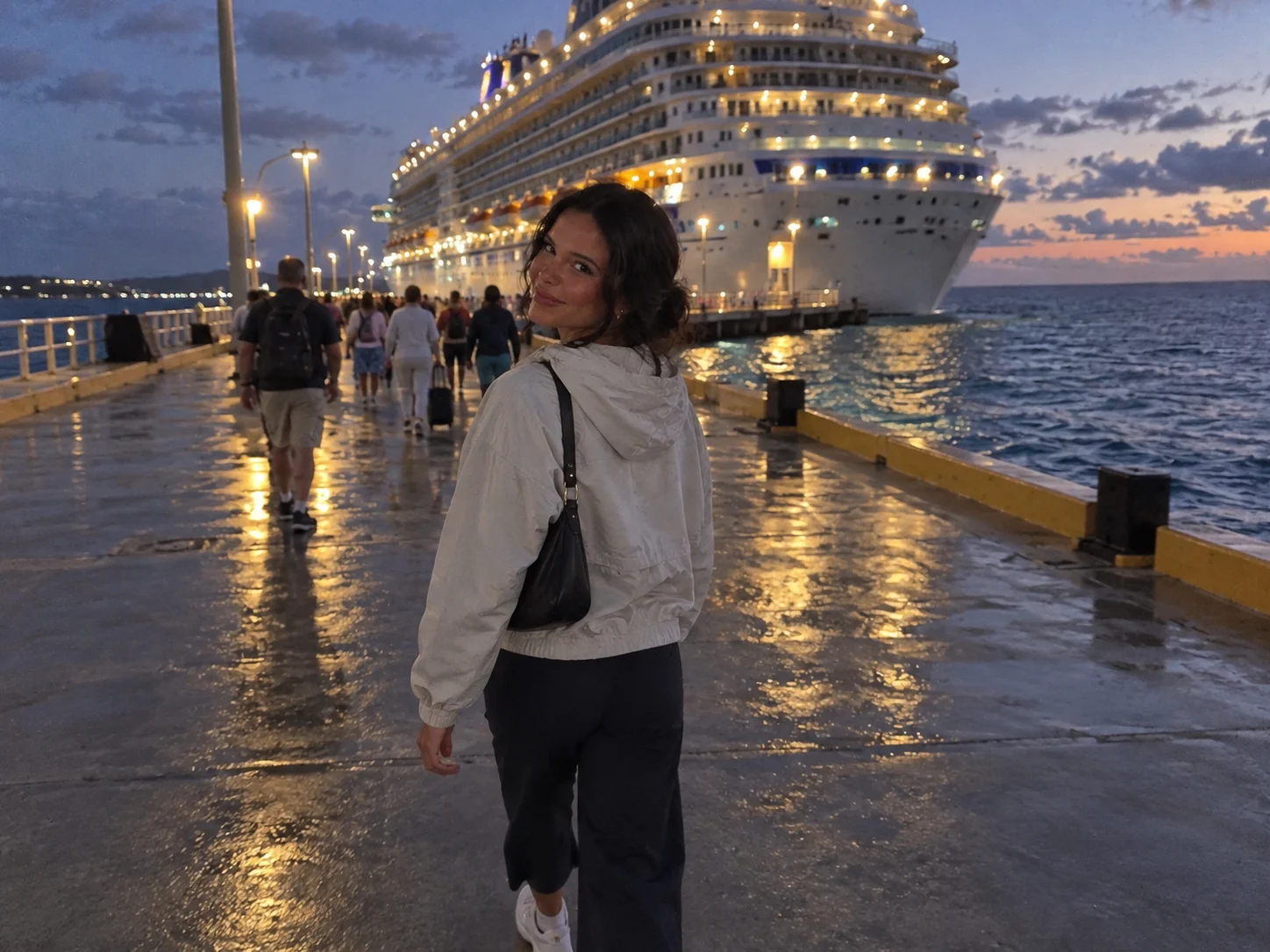
25. End with the return-to-ship moment
From a safe public area, photograph your group walking back with the ship ahead. Take it well before all-aboard time so no one is trading punctuality for a picture.
How to take better cruise photos with a phone
Clean the lens before every important shot, because sunscreen and fingerprints create a hazy glow that editing cannot fully rescue. Turn on the camera grid, keep horizons level, and tap the main face to set focus and exposure.
Use the regular photo mode for moving children, walking shots, and windy decks. Portrait mode can work beautifully in calm light, but inspect hair, glasses, and railings because software blur may cut around them badly.
Take short bursts when the ship, subject, or water is moving, then keep only the strongest frame. For marine wildlife from a moving boat, NOAA’s photography guidance recommends a fast shutter speed of at least 1/1600 second, a useful starting point for cameras with manual or shutter-priority controls.
Download images to a second device or cloud service when connectivity allows, but do not spend the cruise sorting thousands of nearly identical frames. Each night, favorite five images and delete obvious accidents.
What camera gear is worth packing?
For most travelers, a recent phone, wrist strap, microfiber cloth, and compact power bank are enough. Add a small waterproof pouch for beach days, but confirm its seal at home before trusting it with your phone.
A dedicated camera earns its space for wildlife, low light, or large prints. Bring one versatile lens instead of changing lenses on a windy deck where salt spray can reach the sensor.
If you fly, keep spare lithium batteries and power banks in your carry-on, not checked luggage. The TSA battery list covers U.S. screening, while your airline and departure country may impose additional limits.
A drone is rarely the easy cruise accessory social media makes it appear to be. Rules differ by line, port, private destination, and country; for example, Royal Caribbean allows storage onboard but prohibits onboard operation, so verify your own line and every planned location before packing one.
Respect people, wildlife, and the ship
Ask before making another passenger or crew member the subject, especially in dining rooms, youth spaces, pools, and performances. Never photograph children outside your group without a parent or guardian’s clear permission.
Skip flash in theaters, galleries, and anywhere staff prohibit photography. Casino, show, spa, security, and crew-area rules can be stricter than rules on open decks, so follow posted signs and announcements.
Wildlife does not owe you a closer frame. NOAA advises staying at least 100 yards from large whales and 50 yards from dolphins, porpoises, seals, sea lions, and sea turtles, with stricter legal distances for some species and regions; review the current marine viewing distances before an excursion.
Use optical zoom, binoculars, or a longer lens rather than approaching an animal. If wildlife changes behavior, back away and let the encounter end.
A five-minute photo routine for each day
- Wipe the lens and check remaining storage.
- Photograph the daily view before leaving the cabin.
- Take one person photo, one wide scene, and one detail.
- Ask someone else to include the usual photographer.
- Favorite five frames before bed and back them up when practical.
That routine creates a complete album without turning companions into unpaid models. It also makes room for the best cruise moments, which tend to happen after the camera goes back into your pocket.
Common cruise photography questions
What is the most flattering time for cruise portraits?
The hour after sunrise and the hour before sunset often provide softer, warmer light than midday. Morning usually wins on busy ships because decks are quieter and everyone is still fresh.
How do I avoid strangers in the background?
Shoot early, choose the far end of a promenade, and lower the camera angle so sky or sea replaces part of the crowd. Wait 20 seconds for a gap instead of blocking a walkway.
Should I buy the cruise line’s photo package?
Buy it if your group wants several formal portraits, everyone included, and digital files under terms you understand. Skip it if you dislike staged backdrops or only need one strong family picture.
How many photos are enough?
There is no ideal number, but five intentional frames per day will usually tell a richer story than 200 near-duplicates. Take the burst, choose the winner, and return your attention to the people beside you.
Make memories first and pictures second
A useful cruise photo brings back the wind, the joke, or the person who was there. Choose a handful of prompts, protect everyone’s safety and privacy, then let the trip be bigger than the camera roll.