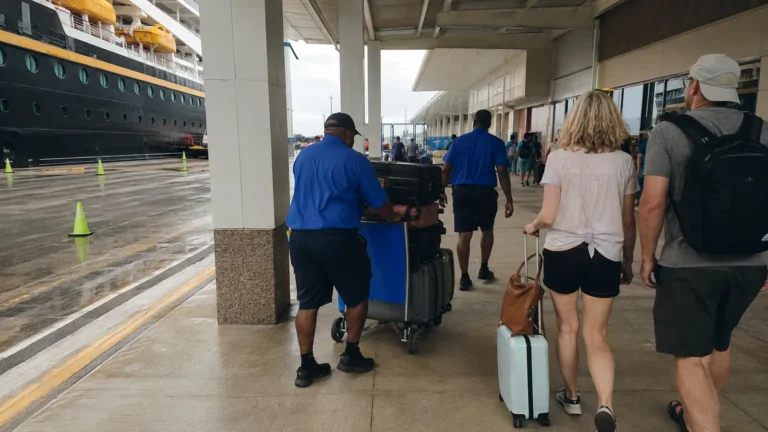
Missed Your Cruise Ship in Port? What to Do Next
If you miss your cruise ship in port, get to a safe place and contact the ship’s port agent or the cruise line immediately. I would confirm whether boarding is still possible before buying transportation, then ask where I am actually permitted to rejoin.
Do not hire a boat to chase the ship, and do not assume the next port will accept you.
The first ten minutes
- If someone is injured or in immediate danger, contact local emergency services first.
- Call the port agent listed in the ship’s daily information, or ask authorized terminal staff to help reach the ship.
- Give your name, ship, cabin number, booking number, current location, and the number of people with you.
- Ask whether the gangway is still open and follow the ship’s instructions about returning.
- If boarding has closed, ask about your documents, belongings, and whether rejoining is possible before buying a flight.
I would keep one person handling the calls while another finds a safe place to sit, checks phone batteries, and gathers documents. Ten competing plans usually make it harder to act on the information the cruise line provides.
If the ship is still there, call instead of guessing
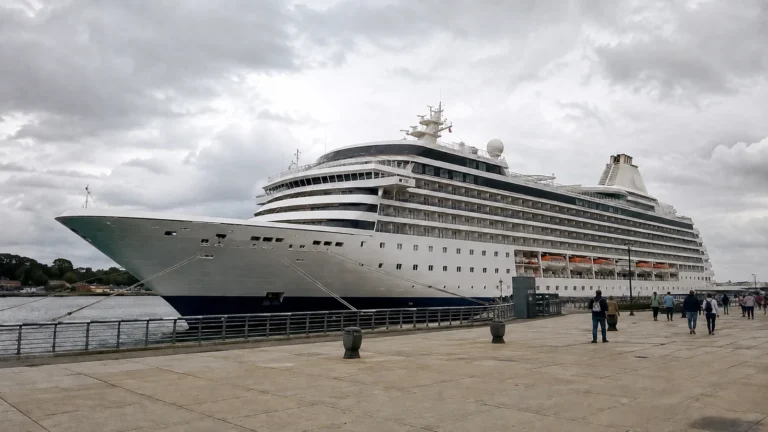
A ship being visible at the pier does not mean passengers can still board. Security, port clearance, and departure procedures may already be underway.
Tell the port agent exactly how far away you are and how you are traveling. Do not promise to arrive in five minutes if you are still on a bus outside town.
If the line says boarding is possible, use the authorized terminal route. Never enter restricted port areas or try to reach a moving gangway without instructions.
If you are delayed before the deadline, call then. I would rather report a possible late return that resolves itself than wait until the ship has already made its departure decision.
A taxi driver cannot authorize the ship to wait, even if they know the port well. Treat assurances from anyone outside the ship’s operation as estimates, not permission to ignore the deadline.
The port agent is your local starting point
The port agent represents the ship locally and can help coordinate information. That does not mean the agent automatically pays for your hotel, flights, or other expenses.
Ask for the agent’s name and a reliable callback number. Explain any urgent medical needs, minors traveling with you, or travel documents that remain aboard.
I would write down the instructions, including who gave them and when. Under stress, it is easy to confuse “we are checking whether you can rejoin” with “you are approved to fly there.”
If you cannot reach the listed number, ask official terminal staff to contact the cruise line or use the line’s published contact information. Avoid phone numbers supplied by strangers or unofficial search results advertising emergency assistance.
Keep a trusted person at home informed once the immediate calls are made. They can help with practical tasks, but they should not book a route until the ship has confirmed the plan.

Rejoining at the next port is not automatic
The next scheduled destination may have entry requirements, immigration restrictions, or rules affecting passengers joining a ship there. Operational approval from the cruise line is also necessary.
Ask the line which port, if any, is approved for rejoining, and what documents or permissions you need. If the itinerary is changing, verify the destination before paying for travel.
I would compare the cost and time of rejoining with returning home. Flying across several countries for one remaining night aboard may not be a sensible recovery plan.
Get confirmation of the ship’s expected arrival, the boarding location, and the person who will meet you. A ticket to the right city is not enough if the port is hours away or boarding closes before you arrive.
Do not assume that being on the original passenger list resolves border formalities. Explain your exact situation to the cruise line and, where necessary, the relevant immigration authority or consular staff.
A passport book makes emergency travel simpler
The documents that allowed you to board a closed-loop cruise may not allow you to fly home internationally. A passport card and a birth certificate are not substitutes for a passport book on an international flight.
The U.S. State Department’s cruise passenger guidance recommends traveling with a passport book even when the cruise itself does not require one. That recommendation matters when your return journey suddenly changes from ship to airplane.
If your passport is still aboard, ask the port agent whether it was retrieved and where it is now. Do not assume crew members found it or left it with someone ashore.
If you do not have the document needed to travel, contact your country’s embassy or consulate. Ask about the emergency process and what you must bring before traveling to an office that may be far from the port.
I would keep secure offline copies of identification and reservation details for reference. A copy can help explain who you are, but it is not a replacement travel document.
If you were on a cruise-line excursion
Contact the excursion representative and the ship before arranging anything yourself. Your booking channel and the reason for the delay matter.
Royal Caribbean’s official shore-excursion policy says the ship will wait for a delayed line-booked tour or, if it cannot, arrange the return to the ship at no expense to guests. That is a specific policy, not a universal promise that every ship can remain indefinitely.
Stay with the authorized group and follow the representative’s directions. Leaving the tour for extra shopping or arranging your own return can change the circumstances and potentially the protection.
For another cruise line, read its own terms and ask staff what assistance applies. I would not transfer Royal Caribbean’s wording to a different brand or to a tour sold independently.
Keep the excursion ticket and any messages about the delay. They help distinguish an operator delay from a passenger who did not return to the meeting point.
If you booked an independent tour
Call the operator and explain that the ship has departed or boarding has closed. Ask what its written return guarantee covers, if it offers one.
A tour company’s guarantee does not give it control over the captain’s departure. It may instead promise reimbursement or arrangements for eligible travel costs after a covered delay.
Read the exclusions, spending limits, and approval requirements before paying for recovery travel. I would ask whether the operator books the replacement arrangements or expects me to pay and claim later.
If there is no applicable guarantee, you may need to arrange and fund your own recovery. Keep the records anyway, including the advertised itinerary, return time, and messages from the guide.
The useful question is what caused the delay and what agreement applies. Arguing that a tour was “cruise friendly” is less helpful than producing its actual written terms.
Expect expenses, but do not assume who must pay
Possible costs include transportation, hotels, meals, communication, document replacement, and getting belongings home. You may also lose the unused portion of the cruise.
Royal Caribbean’s U.S. ticket contract addresses passengers who miss boarding cutoffs and associated expenses. Read the contract for your booking market and cruise line rather than assuming unused nights are refundable.
Call your travel insurer’s assistance service before making substantial nonemergency arrangements. Ask whether the cause of the missed departure is covered and whether particular expenses require approval.
Insurance does not cover every reason someone misses a ship. The applicable policy language, cause, documentation, and limits determine the claim.
I would keep enough accessible funds for immediate necessities while the insurer or operator investigates. A possible later reimbursement does not necessarily pay tonight’s hotel bill.
Protect medication, children, and other immediate needs
Tell the port agent if essential medication, mobility equipment, or a child’s necessary supplies remain aboard. Explain the urgency rather than letting the issue get buried in a general luggage discussion.
If someone needs medical attention, seek local care instead of delaying treatment to reach the next port. Contact the insurer’s assistance team when practical so it can help coordinate.
Keep children with a responsible adult and confirm the documentation needed for any changed travel arrangements. A family splitting between the ship and shore may create additional practical and border questions.
I would make a short list of what must be solved today: a safe place to stay, food, communication, necessary treatment, and lawful travel documents. Replacing every item of luggage can wait.
Document the problem while details are fresh
Save the all-aboard notice, excursion booking, receipts, and messages about the delay. Record the actual sequence of events with times rather than trying to reconstruct it days later.
Ask the cruise line or port agent for written confirmation that you missed boarding and any approved rejoining plan. For a medical delay, keep the relevant treatment records and receipts.
Photograph receipts before paper copies fade or disappear. Use a simple list of each expense, who paid it, and which operator or insurer you have asked to reimburse it.
Avoid submitting the same cost as if no one else has paid it. Tell the insurer about refunds or payments from the tour company and keep the claim consistent.
My cruise budget guide is useful before departure for planning an emergency reserve. Once something goes wrong, a clear expense record is more useful than a rough total.
Prevent the most avoidable mistakes next time
Use the ship’s all-aboard time, not its sailing time, and check whether your phone has switched to local time. At tender ports, confirm the last boat from shore.
Choose a return plan that leaves room for the journey you are actually taking. A distant attraction requiring a ferry and a highway transfer needs more margin than a walk near the terminal.
My Naples port guide compares local sightseeing with farther trips that involve more transport. My Grand Cayman guide covers a different issue: getting back through a tender landing.
Carry the port agent’s number, required identification, necessary medication, and a way to keep your phone charged. I would also give the whole group a meeting point if messages stop working.
The recovery plan I would follow
I would make no expensive travel booking until the cruise line confirms whether and where I can rejoin. Then I would compare that approved route with getting home, using the documents, time, and assistance actually available.
Missing the ship is stressful enough without gambling on an unapproved connection. One confirmed next step is the most useful way to get the trip back under control.