Cruise Money-Saving Tips That Actually Lower the Total
A low cruise fare can still produce a very expensive vacation once flights, gratuities, drinks, Wi-Fi, excursions, and parking join the party. These cruise money-saving tips start with the full trip total, then cut costs that add little value without gambling on documents, insurance, or arriving at the ship on time.
Find the real price before chasing a deal
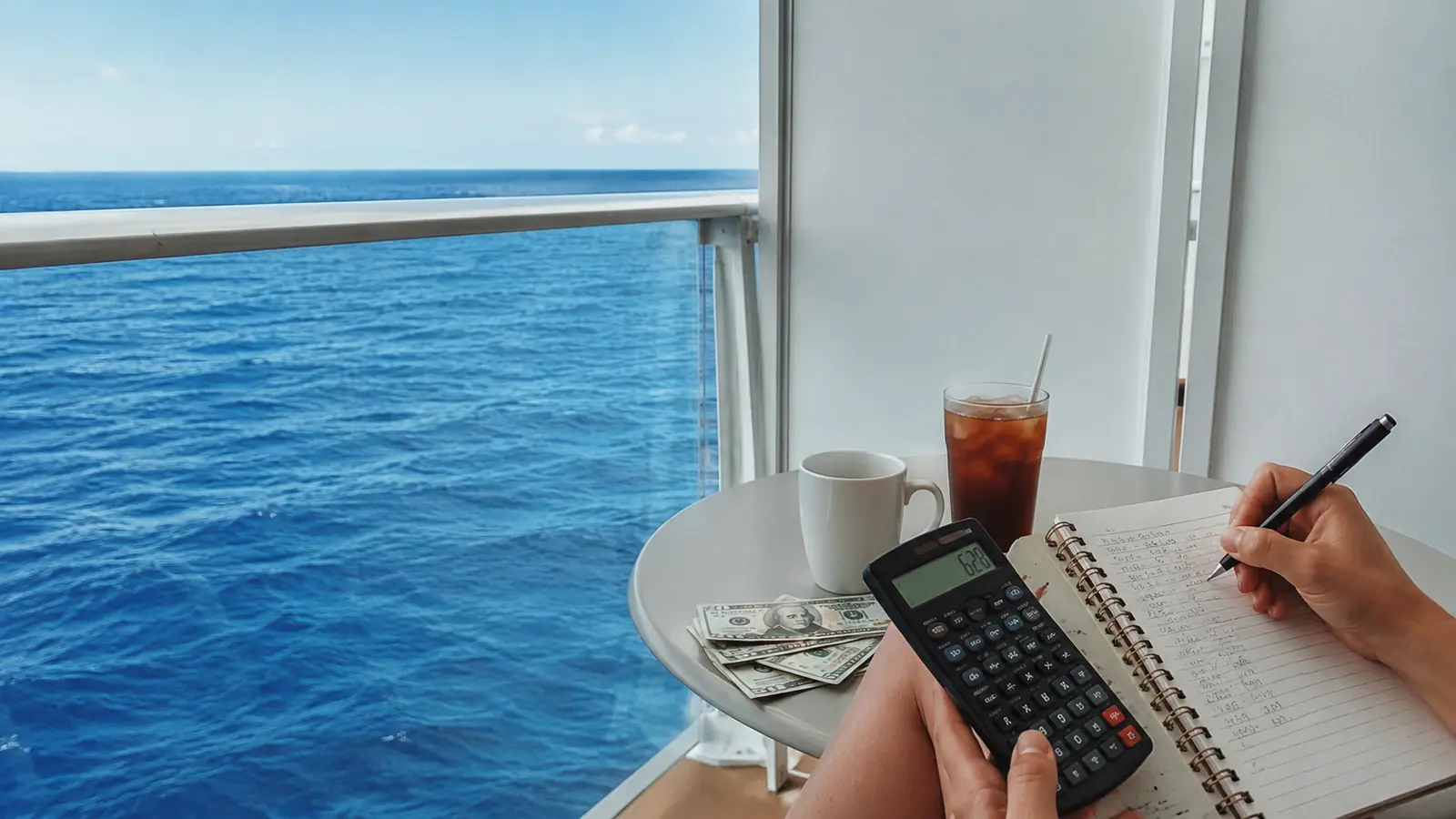
Budget the entire vacation, not just the amount beside the cabin photo. Include fare, taxes and fees, gratuities, transportation, hotels, bags, insurance, drinks, dining, internet, excursions, and care for children or pets.
Then divide the total by traveler, not merely by night. A four-night sailing with costly flights can exceed a seven-night cruise from a drivable port, while a cheap inside cabin on the wrong itinerary is still the wrong vacation.
Save money while choosing the cruise
1. Compare homeports, not only ships
Price the trip from your front door: gas, tolls, parking, airfare, transfers, luggage, and a hotel if needed. A higher cruise fare near home may win after adding airfare for everyone.
If you fly, arriving at least one day before embarkation is a sensible risk expense, not wasted hotel money. A same-day flight looks lean until weather or a mechanical delay makes the ship sail without you.
2. Move the date before shrinking the experience
Compare several weeks around your target date, especially outside major school breaks and holidays. Also compare weather, daylight, seasonal attractions, and hurricane or storm exposure because the lowest date may involve a tradeoff you dislike.
Check whether your work and school calendars can handle a shoulder-season departure. Flexibility usually saves more than collecting cruise-branded trinkets.
3. Choose a ship you will use
Newer or amenity-heavy ships can command more, but their features matter only if your group wants them. A smaller or older ship with the right route may give you a better vacation at a lower total.
4. Make the cabin serve the trip
An inside cabin can be excellent for port-heavy itineraries and travelers who mainly sleep there. A balcony can earn its cost for scenic sailings, privacy, quiet time, or a family whose schedules make the cabin part of each day.
A guarantee cabin may cost less because the cruise line chooses the location, which could mean noise, motion, an obstructed view, or separation from companions. Pay for a selected location when that control is worth more than the discount.
5. Test every occupancy offer
“Third guest free” does not necessarily mean a zero-cost person after taxes, fees, gratuities, transportation, and packages. Price two cabins against one larger cabin or suite, especially when the second bathroom and more privacy would improve the trip.
Solo travelers should compare a single supplement with purpose-built solo cabins and studio perks. Families should verify childcare hours and charges before assuming the least expensive berth solves the trip.
6. Compare the contract, not the countdown clock
Before paying, record the deposit type, final-payment date, cancellation schedule, change fees, and price-adjustment rules. The Federal Maritime Commission specifically tells passengers to read the ticket contract for obligations involving canceled cruises and itinerary changes.
Make packages prove their value
7. Calculate the drink-package break-even point
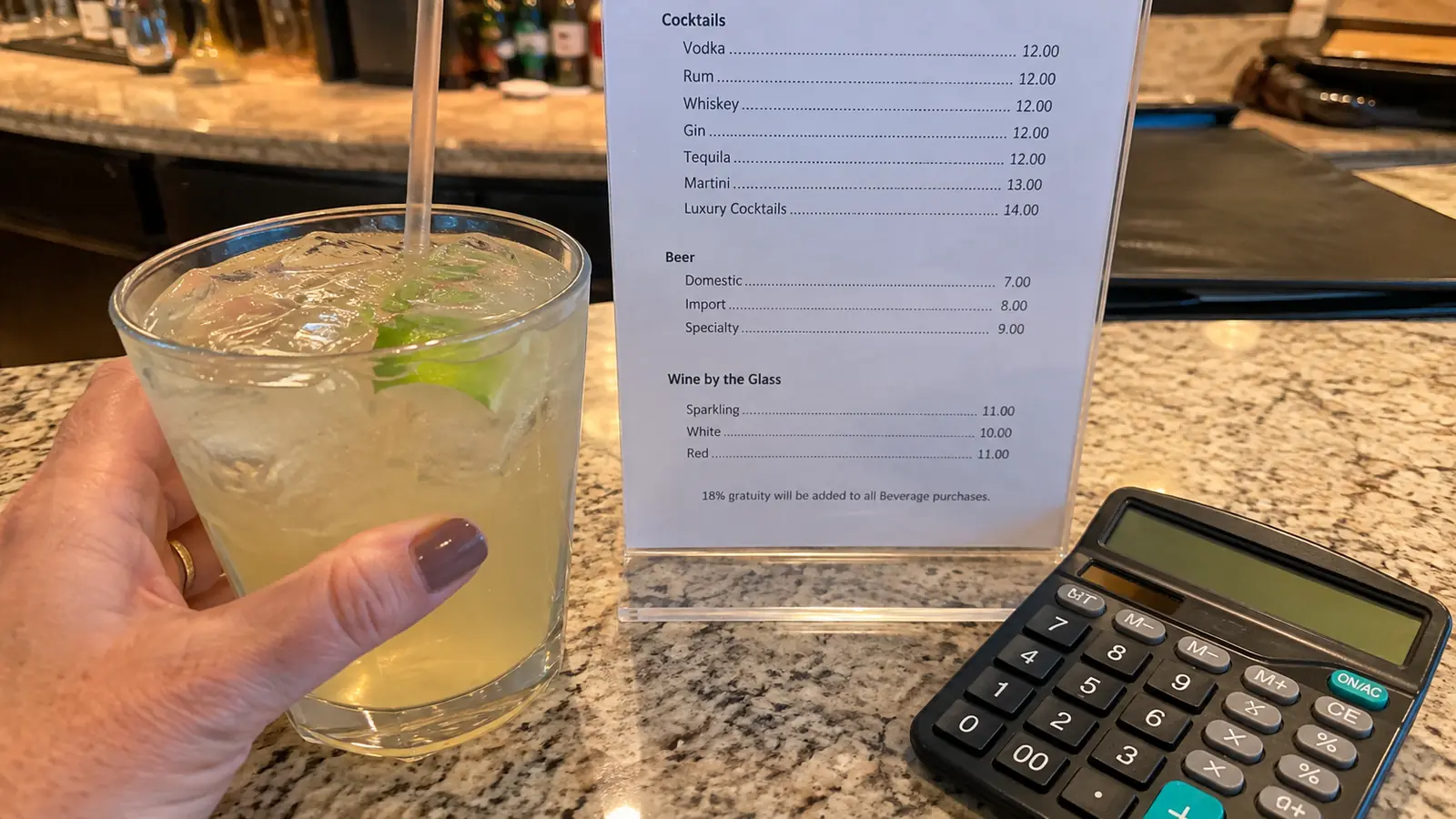
Add the package price and its service charge, then divide by cruise days and the realistic cost of eligible drinks you would buy. Count port days honestly, and subtract any loyalty drinks, cabin beverages, or private-destination purchases that the package excludes.
Read the rules for every traveler in the cabin, age limits, excluded venues, and sharing. For example, Carnival’s current CHEERS package terms require purchase for the whole cruise and exclude room service and destinations the ship visits.
Buying drinks individually can be cheaper for light drinkers, frequent port explorers, and people happy with included options. A package can still be worthwhile when it fits normal habits and removes budget anxiety.
8. Buy the Wi-Fi plan you need
Check speed or app restrictions, number of active devices, and whether you can switch one plan among devices. One-device access often means one connected device at a time, not permanent service for only one phone, but confirm your line’s wording.
Download entertainment, maps, books, tickets, and work files before sailing. Put phones in airplane mode with Wi-Fi enabled, and turn off cellular data so maritime roaming does not deliver a souvenir bill.
9. Price dining by actual meals
The included dining room and buffet can provide a complete vacation’s meals, so specialty dining is entertainment rather than a necessity. If you want it, compare the à la carte or cover-charge total for your chosen restaurants against the package price and service charges.
Check whether the package guarantees restaurants and times or merely gives access to reservations. I would check for a dinner time that fits the children’s usual bedtime before purchasing.
10. Value bundles benefit by benefit
Write each bundled item in one column and what you would independently pay in another. Ignore advertised retail value for unwanted photo credits, fitness classes, premium desserts, or excursion discounts that encourage extra spending.
Spend less onboard without feeling deprived
11. Learn what is already included
Mark included restaurants, drinks, shows, activities, and children’s programming in the cruise app or daily schedule. Carnival, for example, currently lists non-bottled water, lemonade, unsweetened iced tea, hot chocolate, and regular coffee and tea among its included beverages, while another line or venue may differ.
Build most days around included options, then choose one or two paid experiences that matter. This feels much less restrictive than saying no to everything after accidentally buying everything on day one.
12. Pack against convenience pricing
Bring destination-appropriate sunscreen, common medications, chargers, a refillable bottle, and enough basics to avoid emergency shopping onboard. Use this cruise packing list as a modular check, then verify your line’s prohibited-items and beverage policies.
Pack a small capsule wardrobe and rewear pieces instead of checking another suitcase solely for formal-night possibilities.
13. Control optional spending before boarding
Give each traveler a discretionary amount for arcade games, spa treatments, photos, shopping, specialty snacks, and casino play. Link children’s charging privileges carefully, and explain the limit before a sea day becomes a tiny cashless economy.
Onboard credit is not automatically cash and may have category restrictions or expire. Use it for planned costs first, not as permission to buy an item you would reject on land.
14. Check the account every day
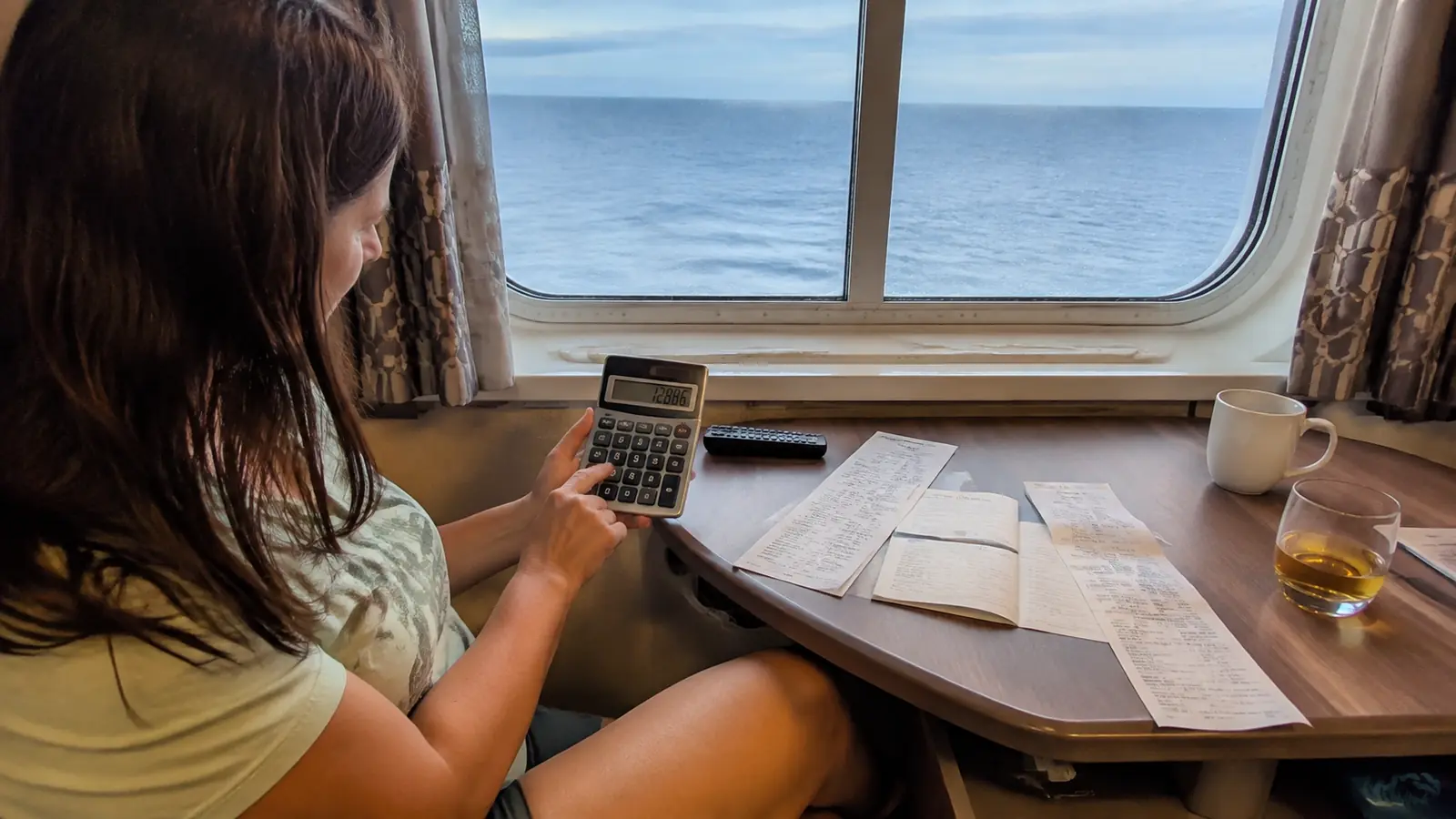
Review the onboard folio in the app or on the cabin television while transactions are fresh. Ask guest services about duplicate charges, missing credits, or package errors before the final morning line becomes its own shore excursion.
Keep receipts for refundable deposits and canceled services. Do not remove customary gratuities merely to make the budget work because they compensate the crew; include them from the start and adjust only when the line’s process and a genuine service issue support it.
Save in port without risking the ship
15. Pick one paid priority per port
Not every stop needs a full-day tour, beach club, cabana, and souvenir migration. Choose the one experience that makes the port worthwhile, then add a low-cost walk, public beach, market, museum, or meal where access and safety are verified.
Research the terminal’s location because some “city” ports sit miles from the famous center. A free afternoon becomes expensive quickly when taxis, transfers, admission, and limited time were missing from the plan.
16. Compare ship and independent excursions fairly
Compare transportation, admission, food, cancellation terms, accessibility, group size, and return guarantees, not just the first price. An independent tour may cost less or offer a smaller group, while a ship tour may reduce logistical risk on a tight call.
Independent travelers need a generous return margin and must understand that the ship normally follows its published departure time. Never turn a $40 saving into an international transportation puzzle.
17. Plan private-island spending too
A cruise line’s private destination may include beaches and basic food, but premium attractions, drinks, umbrellas, cabanas, equipment, or Wi-Fi can cost extra. Check the destination page and package exclusions before promising everyone an all-inclusive day.
Weather can also cancel activities, so read refund rules before booking. Reserve only the extras you would still value after paying for the cruise itself.

Do not economize on the expensive failure points
18. Protect embarkation day
Build time around flights, road delays, parking, transfers, and the line’s final boarding deadline. Your broader first-cruise plan should treat embarkation as a fixed appointment, not a hopeful suggestion.
If a pre-cruise hotel feels expensive, compare it with the cost of reaching the next port, missing the vacation, or replacing nonrefundable reservations. Risk has a price even when it does not appear at checkout.
19. Get the correct documents
Verify passports, visas, proof of citizenship, name matching, and validity rules for your citizenship and complete itinerary. Carnival’s current boarding information states that guests without proper documents are denied boarding without a cruise-fare refund, and other lines publish their own requirements.
Do not rely on a social post saying a birth certificate is always enough for a closed-loop cruise. Use official government and cruise-line sources, including rules for children, permanent residents, and travelers with different nationalities.
20. Compare insurance to the loss you cannot absorb
Read covered reasons, exclusions, preexisting-condition terms, medical and evacuation limits, supplier default provisions, and claim procedures. Compare cruise-line protection with independent policies, existing health coverage, and credit-card benefits rather than buying or declining reflexively.
Insurance is not a coupon and will not cover every disappointment. It is a risk-transfer decision for the prepaid cost and potential emergency expense that your household could not comfortably carry.
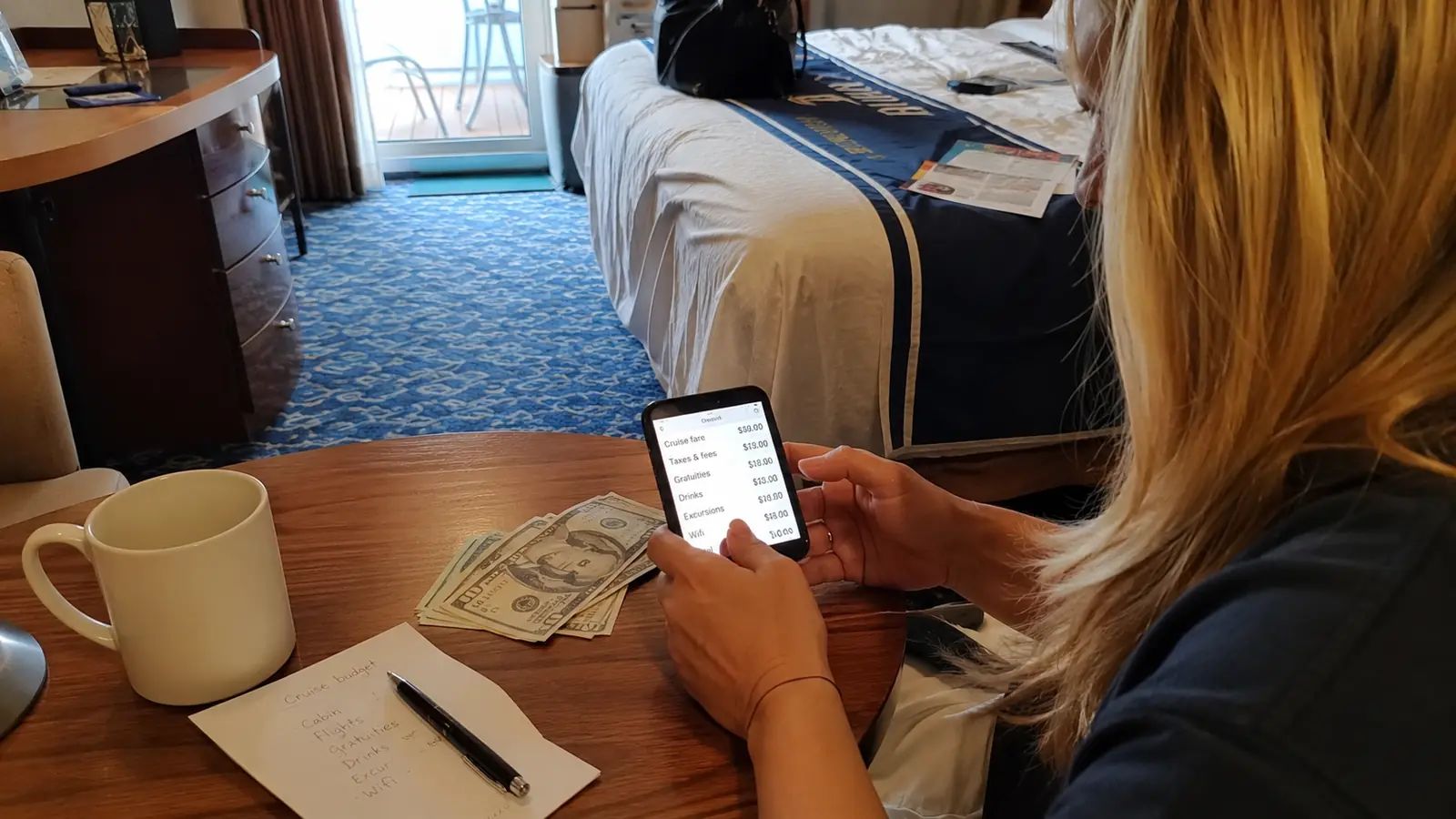
A 15-minute cruise budget that works
- Add the full door-to-door cost for each sailing under consideration.
- Circle the ship features and ports your group will genuinely use.
- Choose the cabin by function, then price every occupancy arrangement.
- Calculate package break-even points with service charges and exclusions.
- Set one excursion priority and one spending limit for each port.
- Reserve money for gratuities, documents, insurance, and arriving safely.
- Save every contract, offer, receipt, and cancellation policy.
Also compare cruise length by vacation total, energy, and port mix rather than assuming shorter is cheaper. The tradeoffs in choosing a cruise length help separate a quick escape from a rushed and oddly expensive long weekend.
Cruise money-saving questions
Is it cheaper to book a cruise early or at the last minute?
Neither timing wins universally. Early booking offers more cabin and itinerary choice, while late offers may suit flexible travelers who can accept limited inventory and arrange transportation cheaply.
Track the same cabin and terms, then book when the total fits your budget. Do not assume the cruise line will reprice after purchase unless the written fare rules say so.
Are cruise travel agents cheaper than booking direct?
Sometimes an agent adds onboard credit, group amenities, or useful service, but compare the final price and all restrictions. Ask who controls changes, cancellation, payments, and support before valuing a perk.
Are “free cruise” offers legitimate?
Some loyalty or casino offers are real, but “free” can still carry taxes, fees, wagering requirements, limited dates, and travel costs. The Federal Trade Commission’s travel-scam advice says to walk away when a seller will not identify the cruise company or provide specific terms, or demands risky payment methods.
Never gamble to earn a future cruise because losses are part of the real price. Verify any offer through the cruise line’s official contact details, not the phone number or link in an unexpected message.
What is the biggest cruise saving?
For most travelers, it is choosing the right sailing before booking: affordable transportation, a suitable cabin, an itinerary worth exploring, and a ship whose included features match the group. Small onboard economies cannot rescue a poor four-figure decision.
The best cruise budget is not the one with the fewest purchases. It pays for the experiences you will remember, skips the automatic extras, and keeps enough margin that one rainy port does not feel like a financial emergency.