Best Cruises for Teens: Ships, Age Rules and Honest Picks
The best cruise for a teenager is not automatically the ship with the tallest slide. A 13-year-old who wants instant friends, a 17-year-old photographer, and a quiet honors student need different ships, while age cutoffs, cabin rules, Wi-Fi costs, and port days can matter more than the marketing.

My Best Teen Cruise Picks
- Best overall for active teens: Royal Caribbean’s newest large ships.
- Best balance of freedom and variety: Norwegian’s Prima and Breakaway families.
- Best social value: Carnival’s Excel-class ships and newer family ships.
- Best for tweens crossing into the teen years: Disney Cruise Line.
- Best international family atmosphere: MSC World-class and newer MSC ships.
- Best destination-led choice: Princess in Alaska.
- Best for a calm older teen: Celebrity on a port-intensive route.
That shortlist assumes the exact ship has the facilities being discussed and the departure attracts enough families to create a real teen social scene. Never book from a fleet-wide commercial alone.

Start With the Teen, Not the Cruise Line
Ask each teenager to rank four things: active attractions, social time, food, and destinations. Then ask what would ruin the trip, because avoiding a deal breaker usually matters more than adding a fourth waterslide.
A shy teen may want a structured club with an easy first-night activity, while an independent 17-year-old may care more about coffee, a gym, strong Wi-Fi, and ports. A sensory-sensitive teen may prefer a medium-sized ship, a quiet cabin, and predictable dining over a giant resort ship.
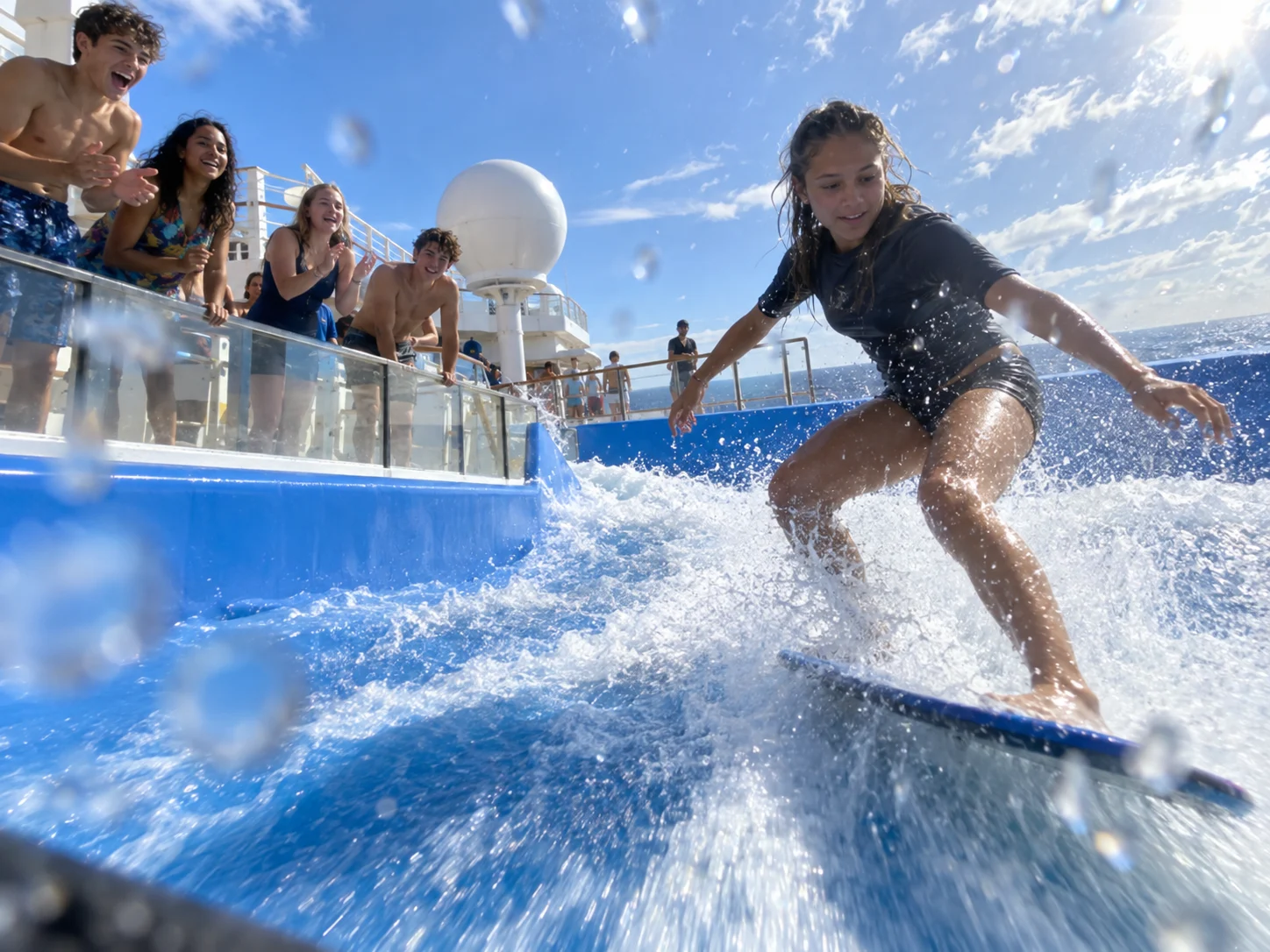
Royal Caribbean: Best Overall for Active Teens
Royal Caribbean is my strongest all-around choice when the teenager wants movement, spectacle, and many ways to meet people. Icon and Oasis-family ships layer water attractions, sports, climbing, shows, game spaces, casual food, and teen areas into a vacation that can survive several sea days.
Star of the Seas has Social020 for ages 13 through 17, and Royal’s official teen cruise overview describes a come-and-go model for older kids. The precise lounge, name, hours, events, height limits, waivers, and paid features vary by ship.
Choose Icon of the Seas or Star of the Seas when the ship is a major part of the vacation and the budget can absorb a premium fare. Choose an Oasis-class ship such as Wonder or Utopia when you want much of the big-ship energy and find a stronger price or departure port.
The tradeoff is scale. Crowds, reservations, long walks, noise, and constant choice can overwhelm a teen who wanted a simple pool and a few friends, while a short Utopia sailing may feel like a sprint through features rather than a restful family week.
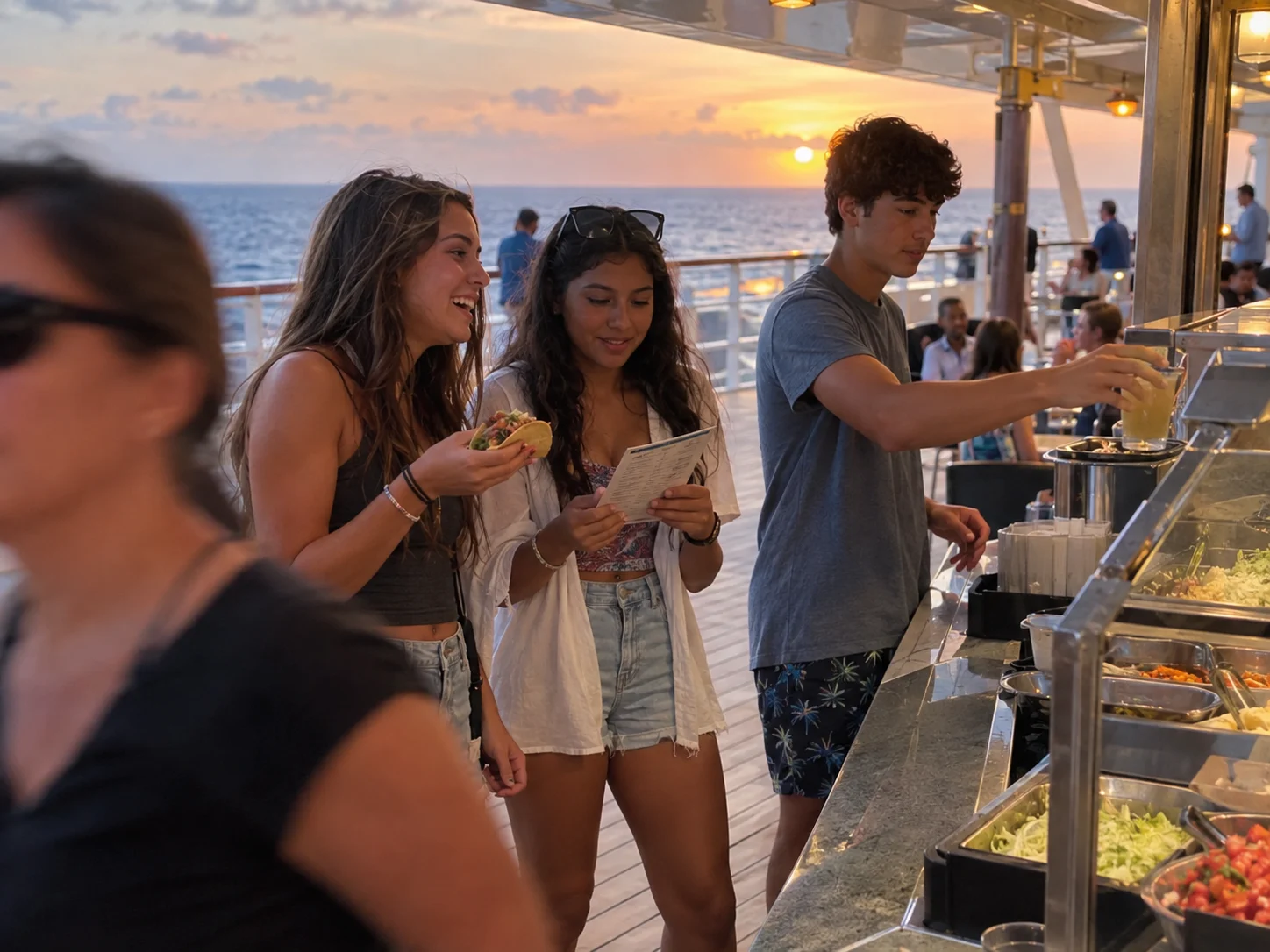
Norwegian: Best for Flexible Days
Norwegian works well for families who dislike rigid dining and want many casual choices. Norwegian Aqua, Prima, Viva, and the larger Breakaway-family ships mix teen spaces with sports, slides, games, shows, and restaurants, although the hardware differs significantly.
Entourage is for ages 13 through 17, according to NCL’s official youth-program page. NCL also notes that some teen spaces may be unsupervised when scheduled programming is not in session, which is exactly why parents should ask how the program operates rather than treating “supervised” as an all-day promise.
Norwegian is especially good for an independent family that wants to regroup at meals instead of moving as a unit from breakfast to bedtime. It is less appealing if go-karts, specialty dining, arcade play, premium attractions, and faster internet keep turning a reasonable fare into a large onboard bill.
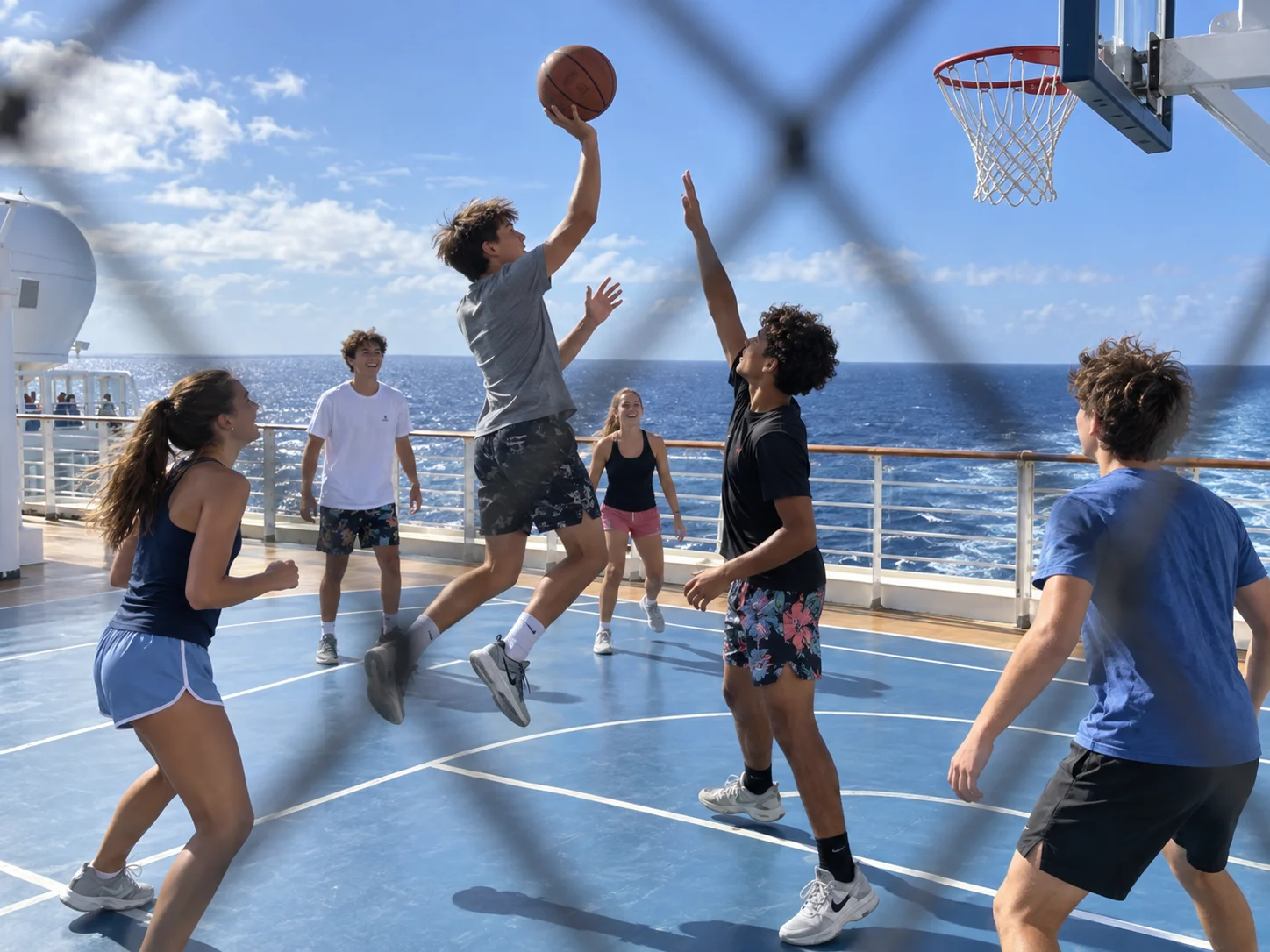
Carnival: Best Social Value
Carnival is the value pick for an outgoing teen who wants short activities, deck energy, comedy, casual food, and a busy social atmosphere. Mardi Gras, Carnival Celebration, and Carnival Jubilee add more dining and marquee attractions than many older ships, but a well-priced seven-night sailing can be a better teen vacation than a flashy three-night rush.
Carnival splits teens into Circle C for ages 12 through 14 and Club O2 for ages 15 through 17. The official pages for Circle C and Club O2 describe games, movies, parties, karaoke, and sports, but the daily schedule still depends on ship and sailing.
That age split is excellent when a 12-year-old is mature enough to enjoy a teen-style room but does not want to mix with high school seniors. It can be frustrating for siblings or friends on opposite sides of the cutoff, and staff generally will not move a child merely because the family asks.
Carnival’s weakness is not a lack of fun; it is product variation. An older ship on a short itinerary can have a smaller teen room, fewer signature attractions, and a louder weekend atmosphere than the family imagined.
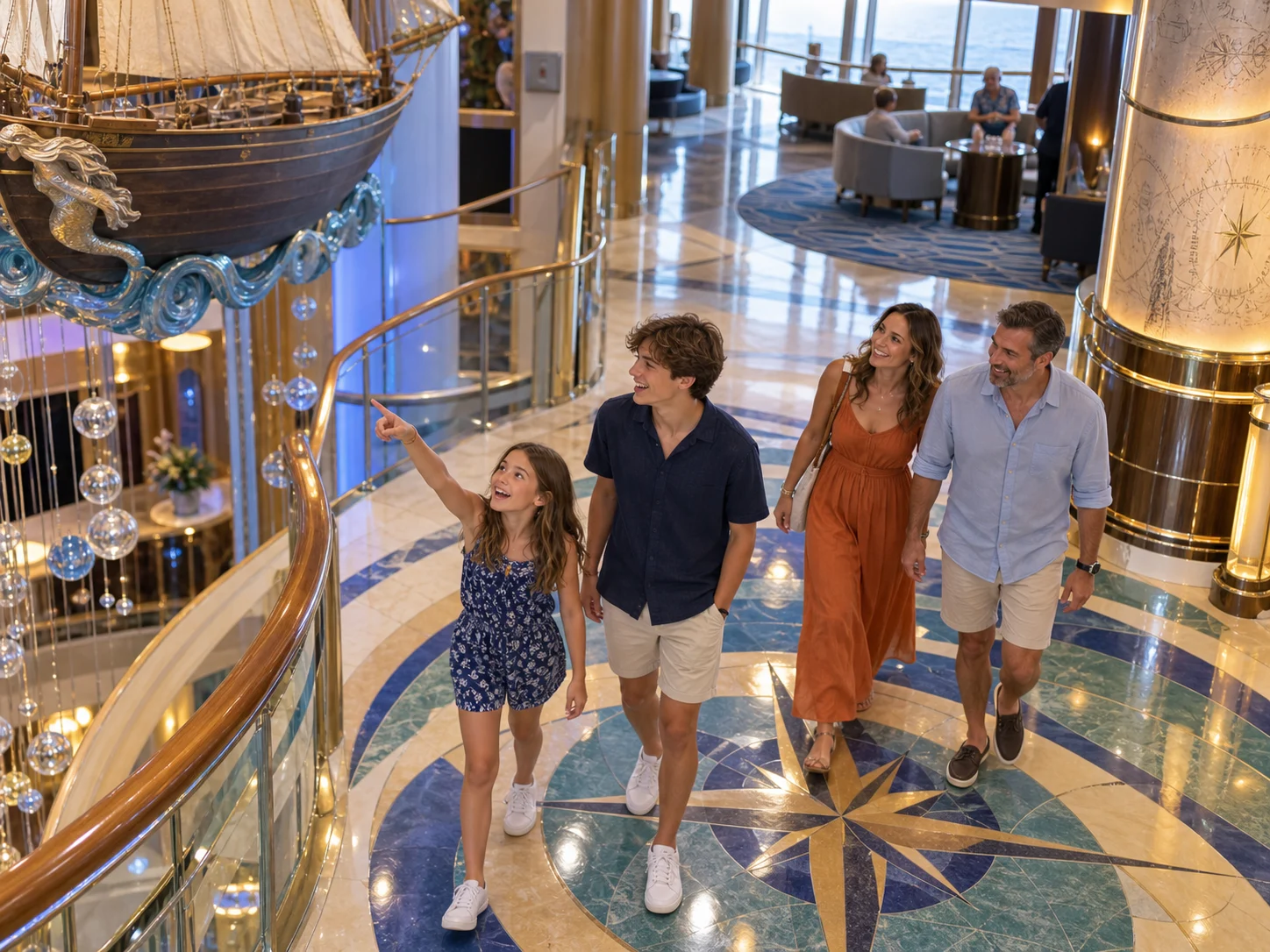
Disney: Best for Tweens and Mixed-Age Families
Disney is the easiest recommendation when an 11- to 14-year-old still enjoys imaginative spaces but wants independence from younger children. Edge covers ages 11 through 14, while Vibe serves ages 14 through 17, giving 14-year-olds a useful bridge between groups.
Disney’s official teen and tween FAQ confirms those bands. The dedicated rooms, décor, outdoor access, and activities differ by ship, so compare the exact vessel rather than assuming Wish, Treasure, Dream, Fantasy, Magic, and Wonder offer identical teen spaces.
Disney wins on family entertainment, service structure, movie and character appeal, and separation of children’s age groups. It loses on fare for teens who have outgrown Disney stories and would rather have a surf simulator, go-kart, or larger late-night social scene.
A teen does not need to love princesses to enjoy Disney, but the family should value the brand’s entertainment enough to justify the premium. Otherwise, spend the difference on a balcony, excursions, or a longer sailing elsewhere.
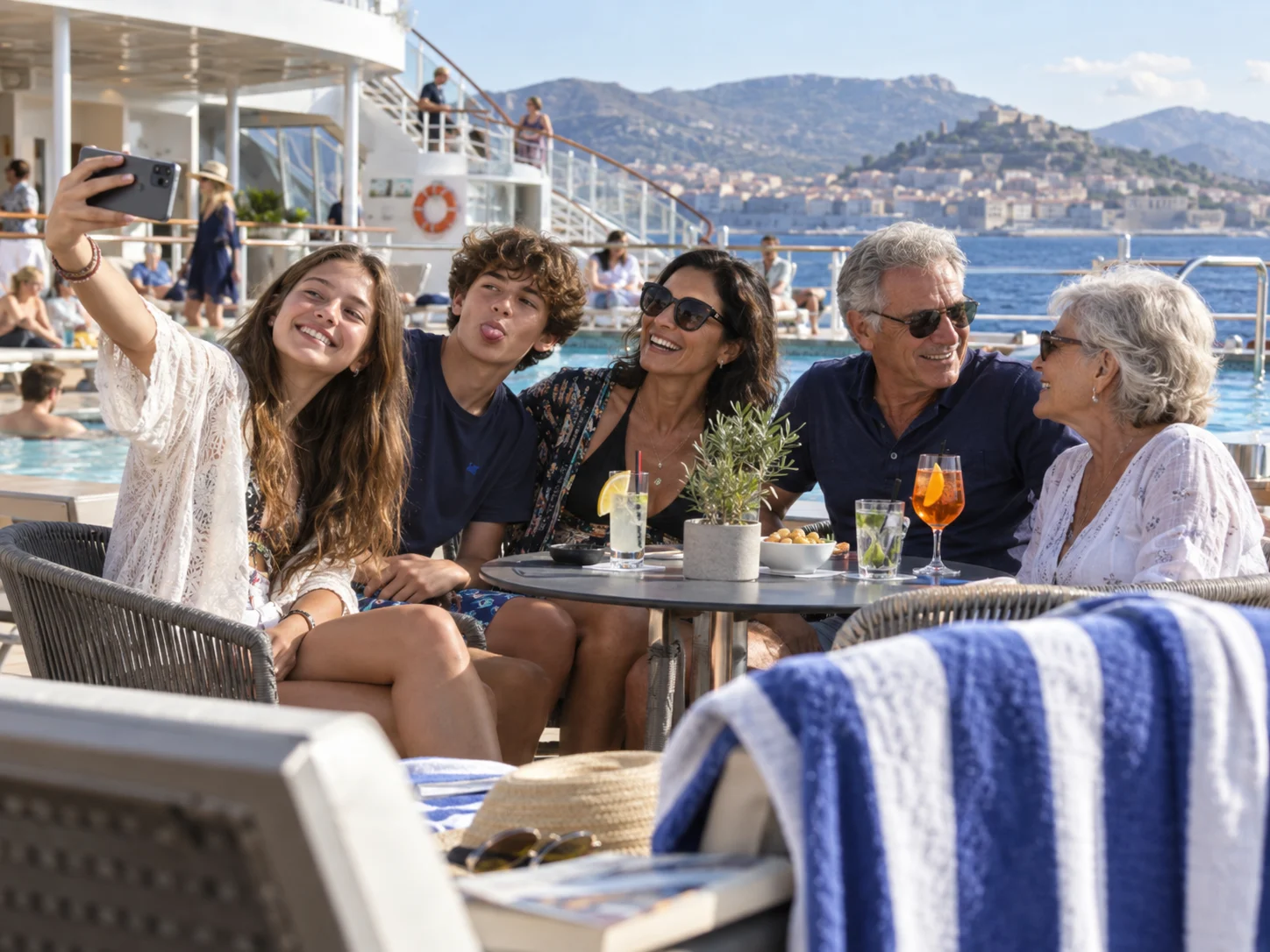
MSC: Best International Family Atmosphere
MSC can be a smart choice for multilingual families, Europe itineraries, and value hunters who want a contemporary mega-ship. MSC World America, World Europa, and newer Seaside- and Meraviglia-family ships offer the broadest teen appeal within the fleet, but they are not interchangeable.
MSC says its ships have five age-based clubs covering children through age 17, staffed by multilingual personnel, on its kids-club page. It also states that some services and attractions cost extra, so confirm the exact teen bands, registration process, hours, and fees for the chosen ship.
World America is the easier U.S. choice for a family wanting a large new ship from Miami, while World Europa suits a Mediterranean plan where ports carry more of the week. MSC’s dining style, announcements, service rhythm, and international passenger mix may feel refreshingly global or less familiar, depending on the teen.

Princess: Best for Alaska and Destination-Led Teens
Princess is not my first choice for a teenager who wants nonstop thrill rides. It becomes compelling when Alaska scenery, wildlife, glaciers, rail excursions, and time outside matter more than the ship’s activity count.
The Beach House program generally serves ages 13 through 17, while newer Sphere-class ships use different lounge names. Verify the exact ship, because a current Sun or Star Princess facility should not be promised on every vessel in the fleet.
Choose Princess for the curious teen who will get up for glacier viewing and participate in port days. Skip it for a teen who expects a waterpark, a packed club at all hours, or a Caribbean-resort atmosphere in cool-weather Alaska.

Celebrity: Best for a Calm Older Teen
Celebrity can suit a mature 16- or 17-year-old who likes food, design, live music, reading, photography, and destination time. Edge-class ships provide beautiful public spaces and more contemporary energy than the line’s older reputation suggests, yet they remain less teen-centered than Royal Caribbean.
I would use Celebrity for a port-intensive Mediterranean cruise or family Alaska trip where everyone shares the destination goal. I would not choose it for a first-time 13-year-old who measures cruise quality in slides, arcades, and how many peers stay out late.
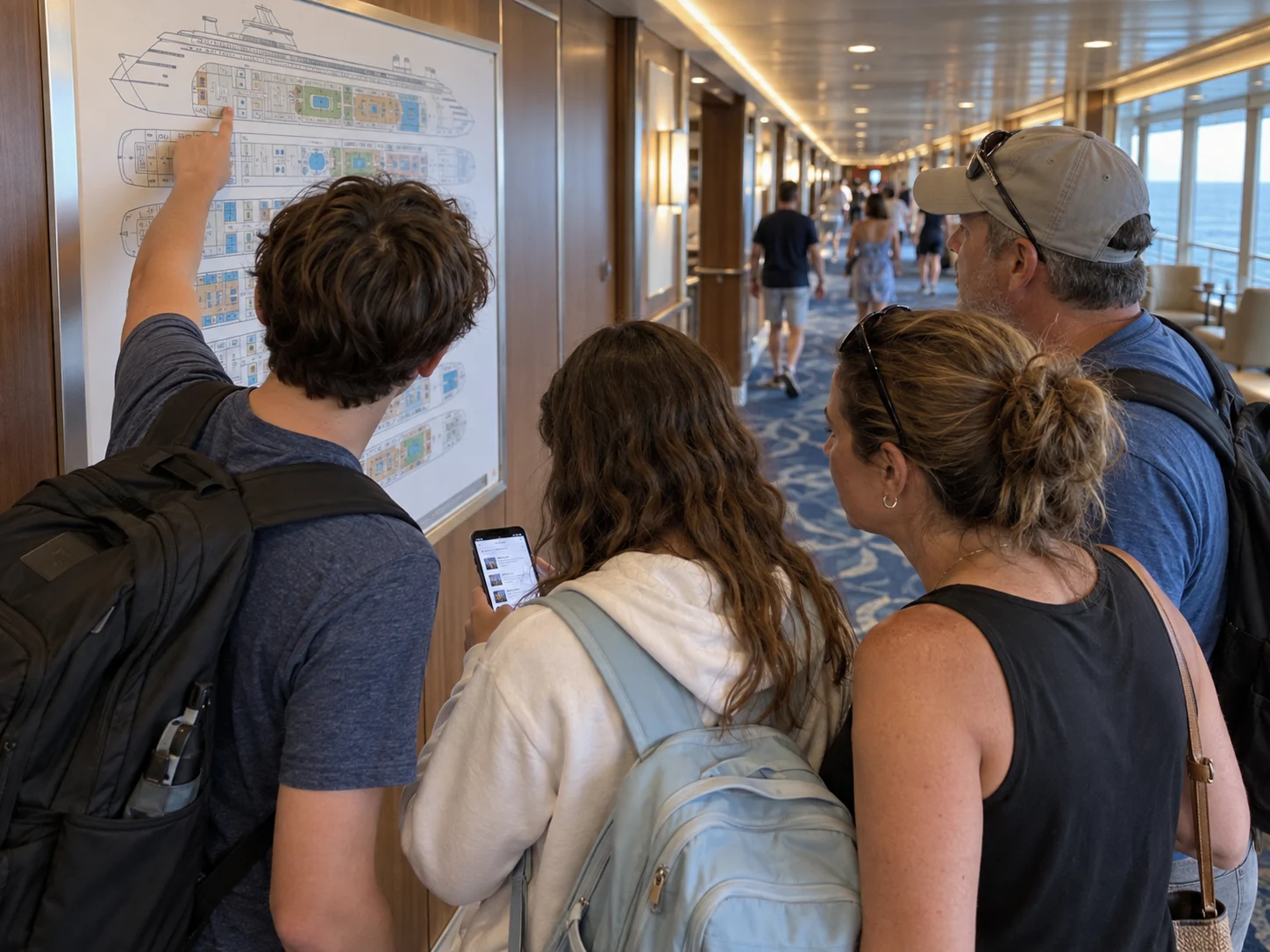
The Exact Ship Matters More Than the Logo
Fleet names hide enormous differences. A line may operate a new 200,000-plus-ton resort ship and a much smaller vessel built decades earlier, both carrying the same youth-program brand.
Open the current deck plan and locate the teen lounge, sports areas, pool, arcade, casual food, and your proposed cabin. Then inspect the line’s ship page for footnotes about fees, reservations, height or weight limits, seasonal operation, and unavailable activities.
Recent refurbishment does not necessarily add the feature shown in a fleet advertisement. Likewise, a beautiful teen room can feel empty during a school-week sailing with few families.
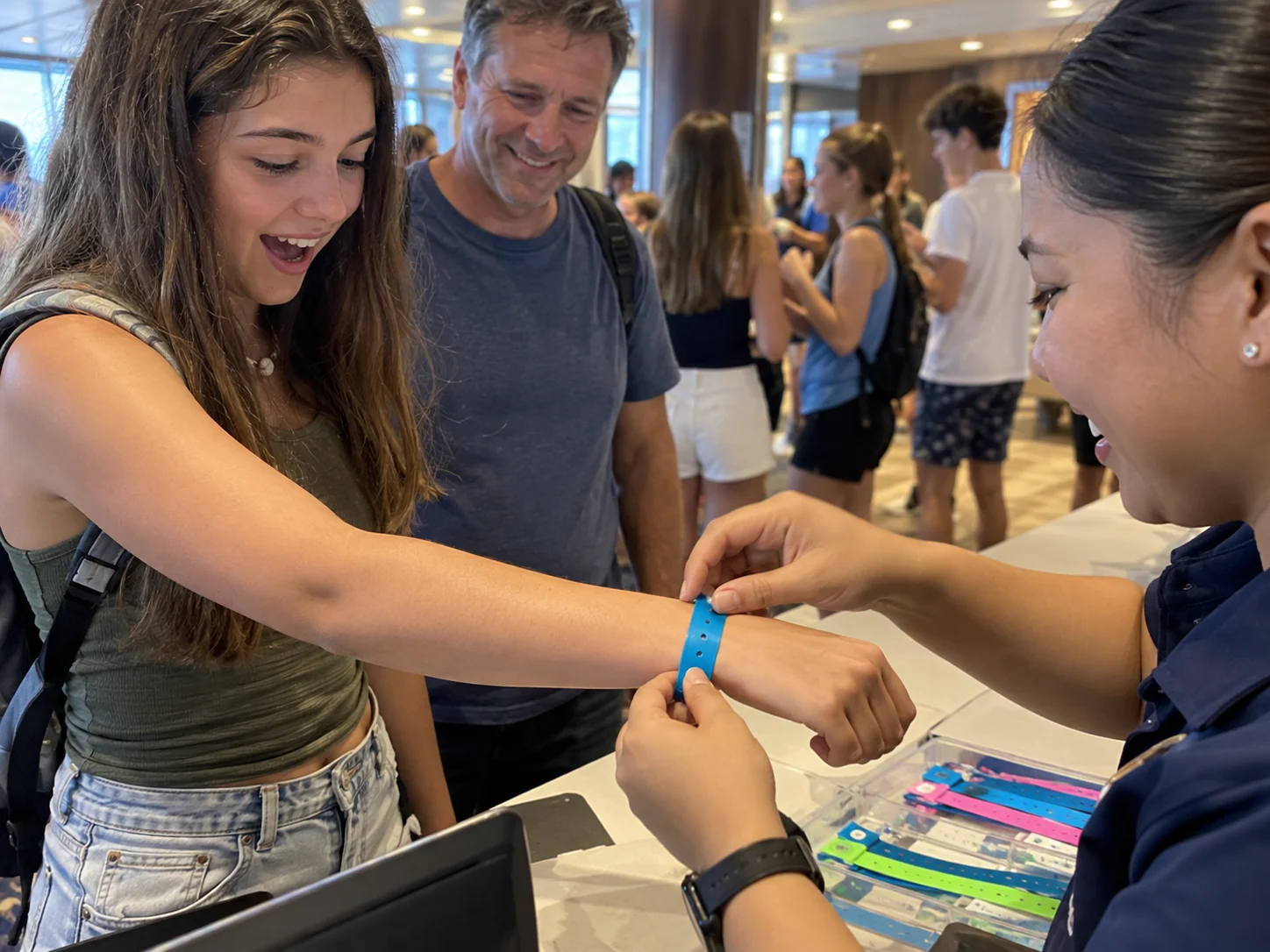
Age Rules Can Make or Break the Booking
Youth clubs use the child’s age, not social maturity, school grade, sibling age, or parental preference. A birthday during the sailing can have line-specific consequences, so ask for the written rule before final payment.
Also distinguish a teen-club maximum age from the age required to book or occupy a cabin. On many North American departures, travelers under 21 cannot simply book their own room, although some lines allow children in connecting, adjacent, or nearby cabins when parents or legal guardians meet exact conditions.
Do not improvise guest names on cabin assignments and plan to swap later. Cabin occupancy, keys, charging privileges, muster assignments, and responsible-adult rules all need to be correct in the reservation.
Virgin Voyages is adults-only and requires guests to be at least 18, so it is not a solution for a 16- or 17-year-old. Once a traveler turns 18, the separate young-adult cruise comparison is more useful because teen clubs generally stop at 17.
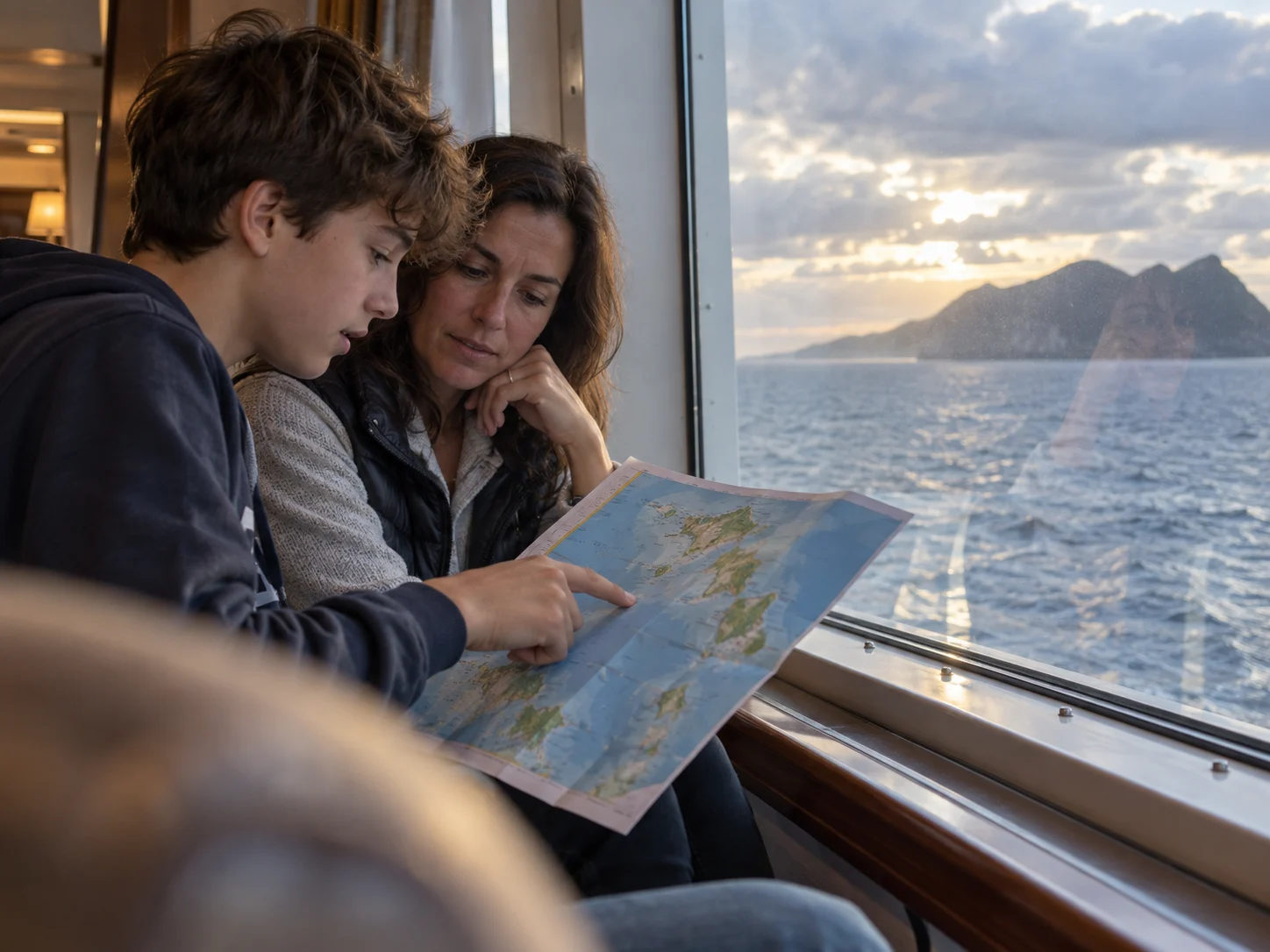
Choose the Route for the Teen’s Attention Span
Bahamas and short Caribbean cruises
A three- or four-night Bahamas sailing is a low-commitment first cruise with beaches and a strong ship focus. It can also attract weekend groups, compress the schedule, and leave only one full sea day to understand a large ship.
Seven-night Caribbean cruises
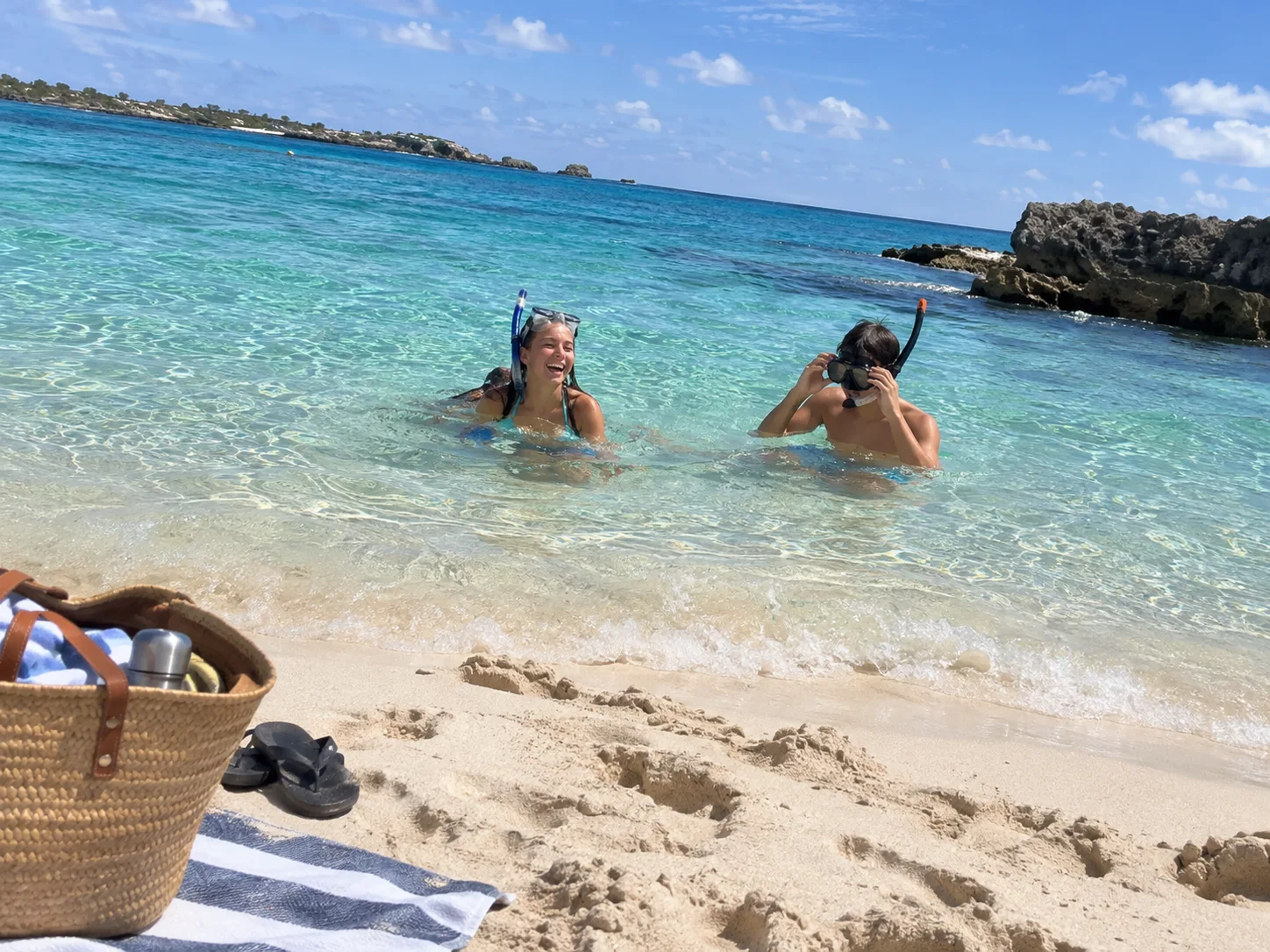
Seven nights gives friendships time to form and creates a healthier balance of sea days and ports. Compare the actual calls, because a private-destination beach day, snorkeling port, and history-focused city deliver very different teen weeks.

Alaska
Alaska is strongest for teens interested in wildlife, hiking, photography, glaciers, trains, or adventurous shore activities. Excursions can be expensive, weather can cancel plans, and cool rain means the pool deck may not carry the day.

Mediterranean
The Mediterranean fits history, food, languages, and active sightseeing. It can exhaust a teenager when every morning starts early and every port requires a long transfer, so preserve one light day and let the teen help select stops.
Cabins for Families With Teens
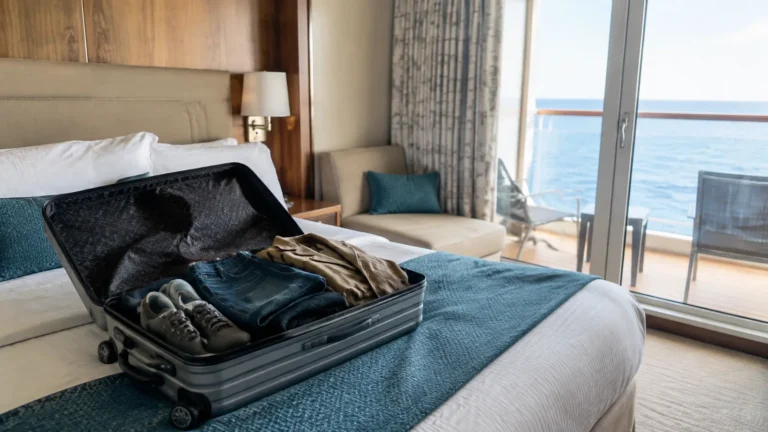
One standard cabin for four can become a negotiation over floor space, bathroom time, charging outlets, sleep, and privacy. Price connecting cabins, a family category, and two permitted nearby cabins before assuming a suite is the only upgrade.
Connecting rooms give two bathrooms and separation, but availability disappears early and “adjoining” can merely mean nearby. Check the deck-plan door symbol and the line’s age policy before paying.
Avoid locations under late-night venues when a parent sleeps early, and avoid a sofa bed beside the balcony door when someone expects predawn access outside. The broader cabin location checklist catches noise, motion, obstruction, and layout problems that a category name does not reveal.
Agree on Independence Before Sailing
A cruise ship is contained, but it is not a supervised summer camp. Teen programs may allow participants to come and go, public areas are shared with strangers, pools do not guarantee continuous lifeguard coverage, and a ship has stairs, railings, restricted areas, and changing time zones.
- Set check-in times and approved areas before the teen leaves the cabin.
- Use the ship’s app or written notes, but choose a backup meeting point if phones fail.
- Make clear that cabin corridors and other guests’ rooms are not hangout spaces.
- Review balcony, pool, elevator, curfew, and shore-day expectations.
- Keep shore excursions together unless the cruise line and local rules clearly allow otherwise.
- Tell teens how to contact guest services, security, or a trusted adult immediately.
Teen-club staff facilitate programming; they do not replace parental supervision everywhere onboard. A family rule should be stricter than the ship’s rule when the teen’s judgment, medical needs, or circumstances require it.
Budget Beyond the Advertised Fare
Compare the total for all passengers after taxes, port expenses, service charges, airfare, hotel, transfers, insurance, Wi-Fi, excursions, dining, arcade credits, and paid attractions. A “kids sail free” promotion can still price the third and fourth berths, taxes, gratuities, and extras differently.
Wi-Fi is not a trivial line item for a teenager who expects messaging or streaming, and cruise apps may offer limited onboard messaging without a full internet plan. Check device limits, switching rules, streaming capability, and whether every family member truly needs a package.
Give the teen a defined onboard allowance and decide whether the cabin card can charge purchases. This cruise cost checklist helps expose bundle math, but current terms always control.
Pack for Participation
Pack closed-toe athletic shoes, swimwear, a light layer for cold indoor spaces, one dinner outfit that meets the current dress guidance, sunscreen, and any activity-specific clothing. Keep medication, documents, chargers, swimwear, and a change of clothes in carry-on baggage.
Do not bring prohibited power strips, speakers, sports gear, or appliances because an online packing video suggested them. Start with the line’s prohibited-items list, then adapt the full cruise packing list to the ship and route.
Questions to Ask Before You Pay
- Which teen program applies to my child’s age on embarkation day?
- Can participants enter and leave without a parent signing them out?
- What happens if the teen turns 13, 15, or 18 during the cruise?
- Does this exact ship have a dedicated teen room?
- Which headline attractions cost extra or require reservations and waivers?
- Are our proposed cabins permitted under the line’s minor-occupancy rule?
- What documents are required if a parent or legal guardian is not traveling?
- How much will Wi-Fi, excursions, service charges, and transport add?
My Final Recommendation
For an active first-time teen cruiser, I would start with a seven-night Royal Caribbean sailing on a newer ship, provided the total price is comfortable. Norwegian is the best alternative for flexible families, Carnival for social value, Disney for the tween-to-teen bridge, and MSC for an international mega-ship experience.
For Alaska, pick the route and shore opportunities before chasing the biggest ship. The winning cruise is the one where the teen helps choose, understands the boundaries, and has enough independence to own part of the vacation.