Wisconsin’s Lake Michigan Coast: A Road Trip from Milwaukee to Two Rivers
Wisconsin’s Lake Michigan coast can turn a short drive into a whole day of harbors, dunes, and excellent excuses to stop for lunch.
This Milwaukee-to-Two Rivers route gives the shoreline its own vacation instead of treating every town south of Door County as something to wave at on the way north.
Four Days and Three Sensible Overnight Stops
Spend the first night in Milwaukee, the second in Sheboygan, and the third in Manitowoc or Two Rivers. The final day finishes with Two Rivers and Point Beach before your actual journey home, which still needs its own driving allowance.
- Day 1: Milwaukee Art Museum or a lakefront-focused day.
- Day 2: Port Washington, optional Harrington Beach, and Sheboygan.
- Day 3: Kohler-Andrae State Park, then the Wisconsin Maritime Museum in Manitowoc.
- Day 4: Two Rivers and Point Beach State Forest.
Prefer fewer check-ins? Stay two nights in Sheboygan, visit Manitowoc and Two Rivers on day four, and choose between a longer museum visit and Point Beach rather than pretending that variation includes everything above.
My Wisconsin road trips guide compares the state’s longer routes. This one deliberately stays compact, with enough services and indoor alternatives to work well when the weather is less cooperative than the postcard.
Day 1: Milwaukee, With One Main Attraction
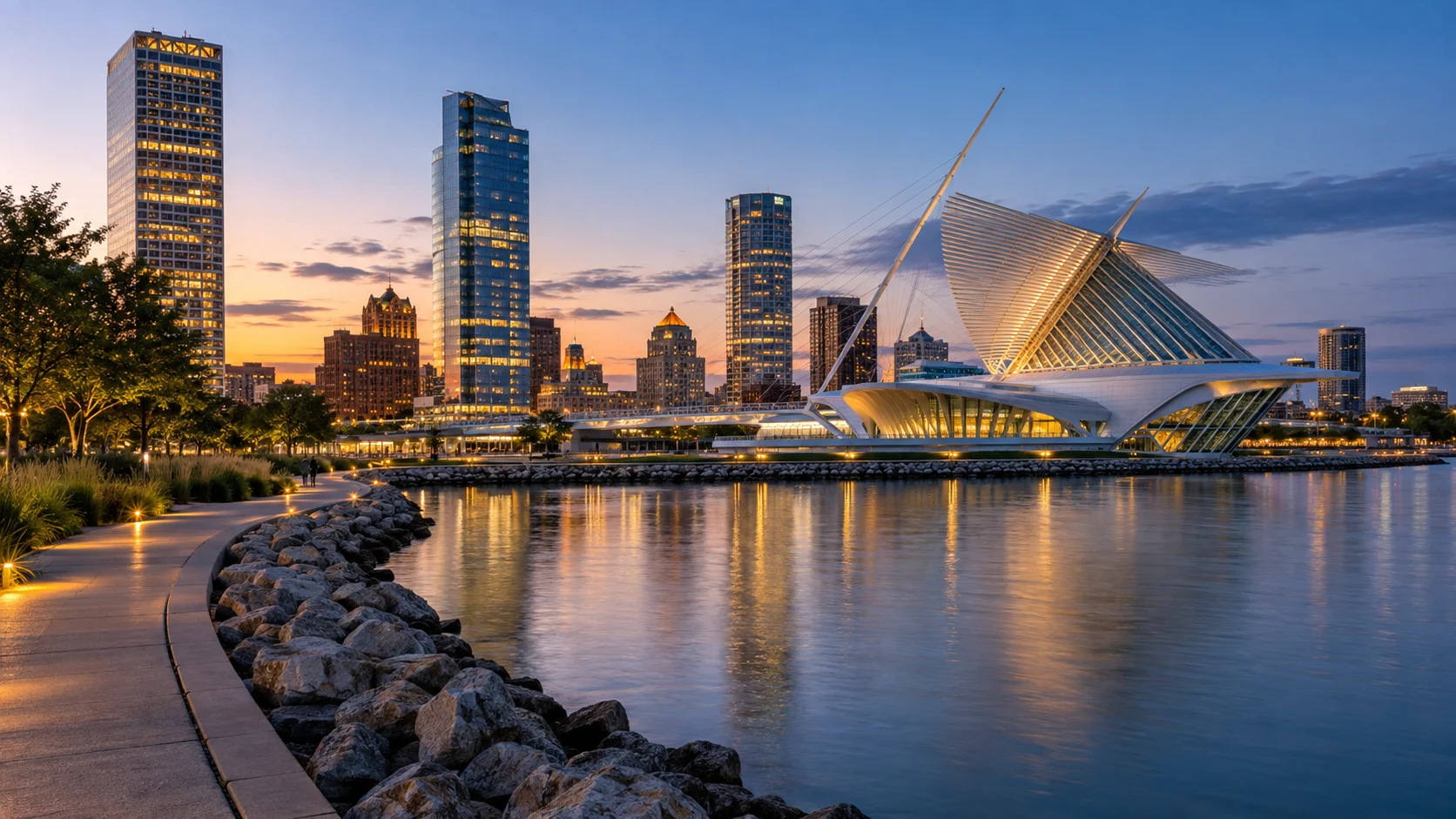
Make the Milwaukee Art Museum the main indoor visit when its collection and lakefront architecture appeal to you. Give it two to three hours as a starting planning allowance, then leave time for the waterfront rather than adding several more museums.
Check the museum visitor information for opening days, admission, and any event-related restrictions. The building’s moving wings depend on weather and wind, so a specific movement is a bonus rather than the only reason to arrive at a particular minute.
For an outdoor-focused alternative, choose the lakefront paths and Lakeshore State Park area, adjusting the walk to your energy and conditions. This is an especially useful arrival-day choice when you would rather stretch your legs than commit to a ticketed visit after a long drive.
Stay near the evening you actually want, with parking costs included in the comparison. A hotel that makes dinner walkable can be better value than a cheaper room requiring another round of city driving.
Keep the ambitious restaurant reservation in Milwaukee and let the following days be simpler. That gives the trip a welcome change of pace instead of turning every lunch and dinner into something you have to reach on time.
Day 2: Port Washington to Sheboygan
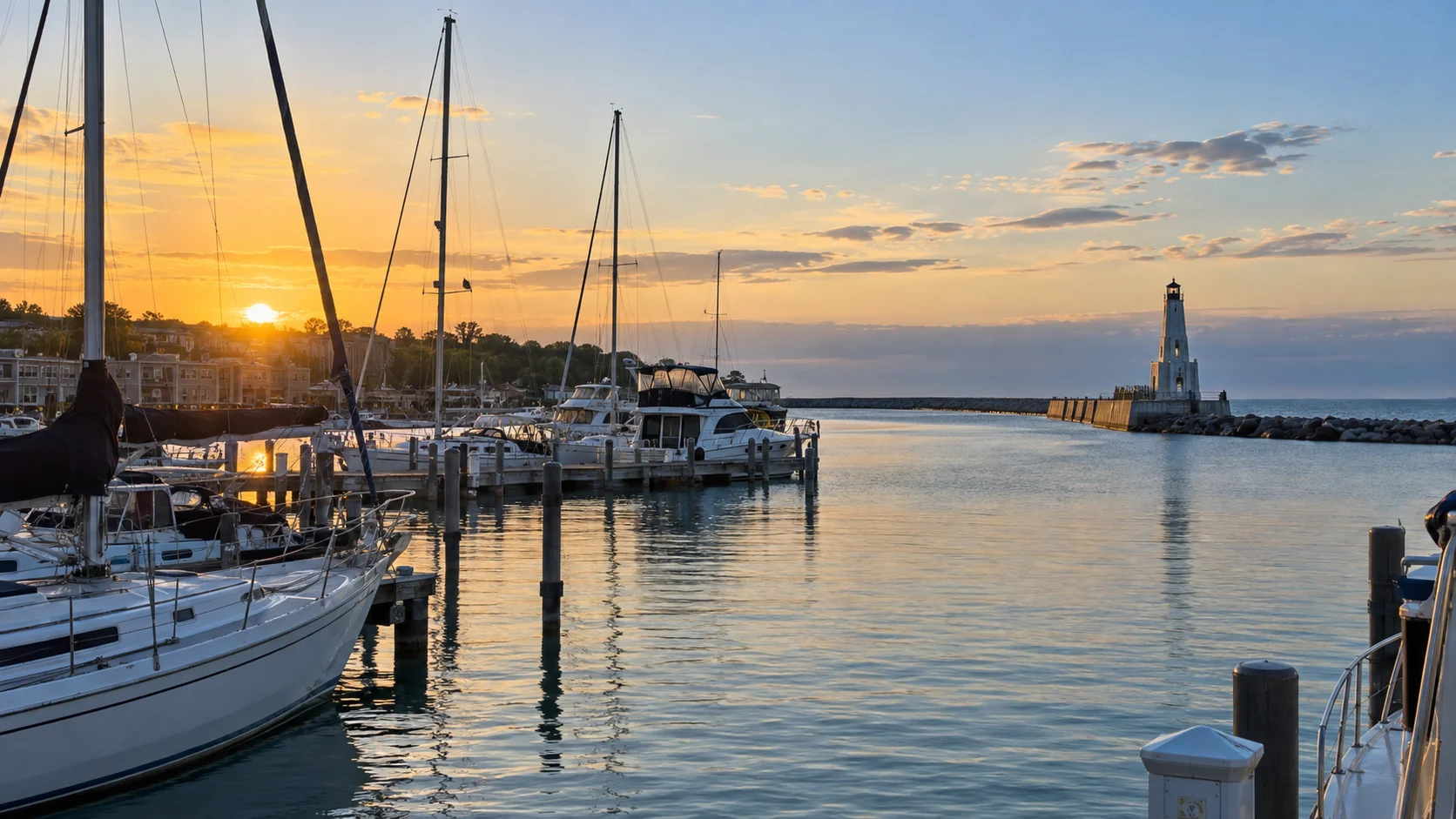
Allow roughly forty-five minutes to an hour to leave Milwaukee and reach Port Washington, depending on your starting point and traffic. Park once near the harbor and give the waterfront and downtown an hour or two rather than treating the town as a single photograph.
Make the marina and public lakefront your first priority, then add a coffee or lunch stop. A pier walk is optional and conditions-dependent; waves, spray, closures, or ice are reasons to stay on the sheltered shore.
Harrington Beach State Park is the optional outdoor stop after Port Washington, near Belgium on the way toward Sheboygan. It is north of Port Washington, not between Port Washington and Milwaukee.
Add Harrington only when you want more shoreline time today, with an extra couple of hours for parking and a walk. Otherwise continue to Sheboygan and save the longer park outing for tomorrow’s dunes.
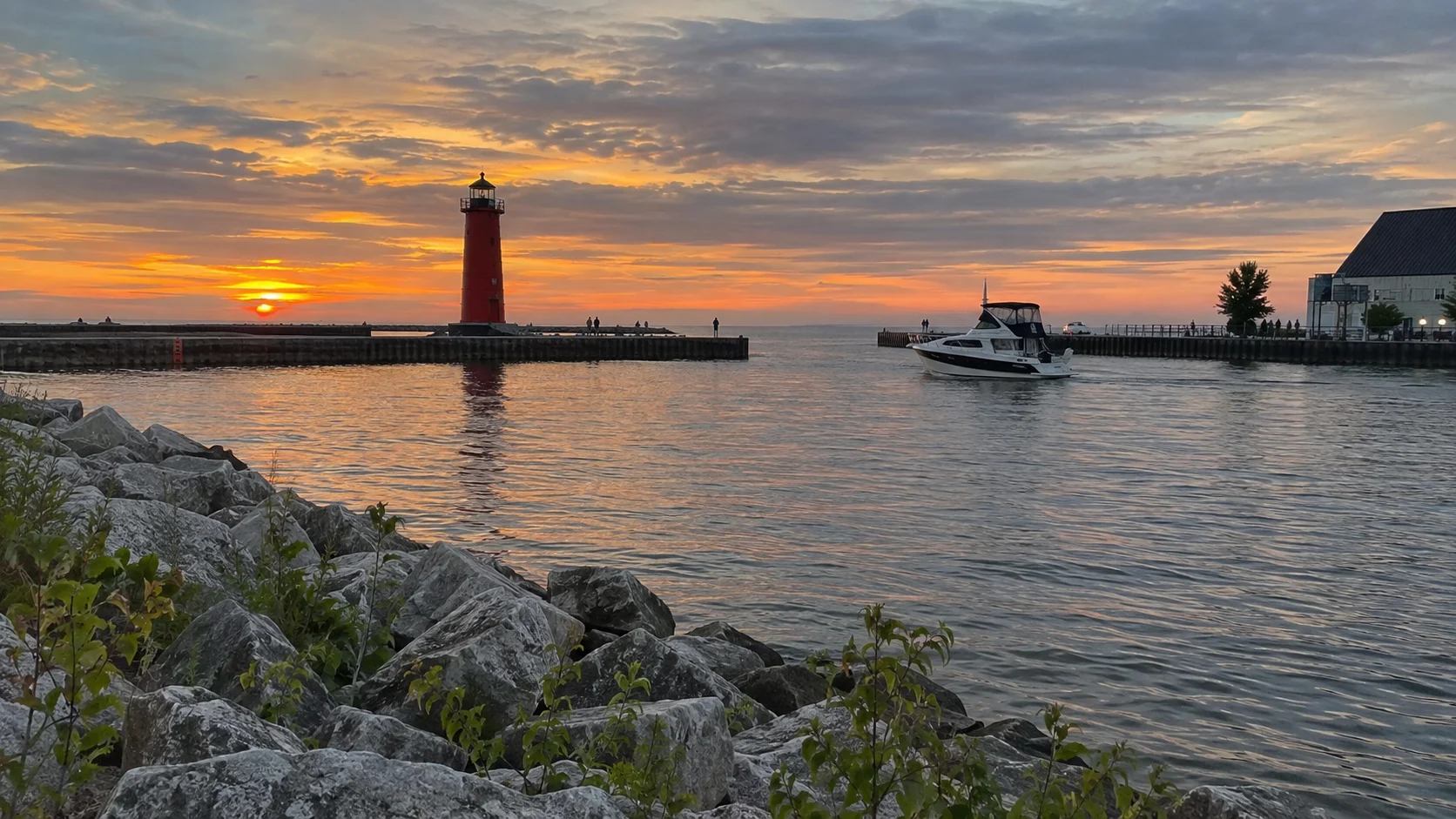
In Sheboygan, spend the afternoon around the riverfront and lakefront instead of immediately getting back on the highway. This is a comfortable second overnight, with enough town time to feel different from both Milwaukee and tomorrow’s state park.
A Food Stop With a Clear Purpose
Miesfeld’s Triangle Market is the specific Sheboygan-area stop for bratwurst, smoked meats, cheese, and picnic provisions. Treat it as a market visit, not a guaranteed sit-down restaurant or a promise that uncooked sausages can become lunch without a kitchen.
Choose ready-to-eat items for a picnic, or buy bratwurst only when you have refrigeration and a place to cook it safely. Confirm the shop’s hours before making it the last stop of the afternoon.
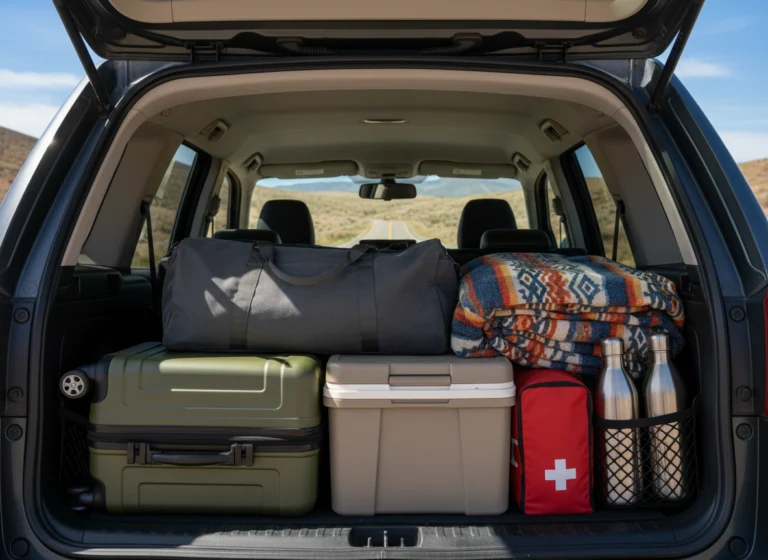
A market stop works best when it supports the next day: collect a simple picnic and leave room for a normal dinner. My car packing list includes the cooler and easy-access supplies that make this kind of shopping useful rather than awkward.
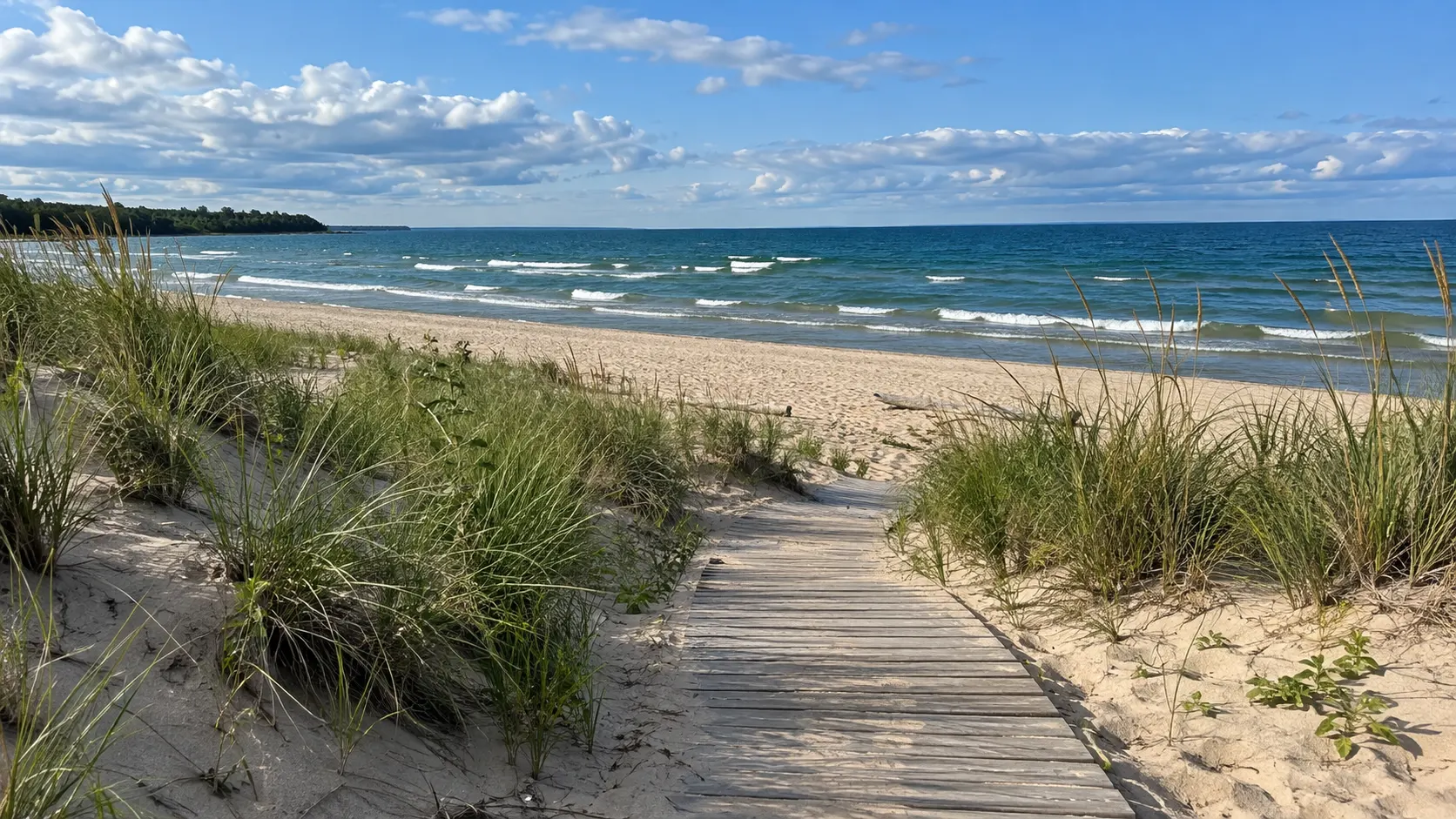
Day 3: Kohler-Andrae’s Dunes, Then Manitowoc
Start at Kohler-Andrae State Park, south of Sheboygan, before turning north toward Manitowoc. That short backtrack is deliberate: you slept near restaurants and services, then visit the dunes as the morning’s main activity.
Choose the Dunes Cordwalk for the distinctive dune landscape rather than arriving with only a general plan to find a trail. The park hiking guide distinguishes the routes so you can choose a length and surface appropriate for your group.
Allow two to three hours for a selected walk, the beach, and breaks, not a promise to complete the whole trail system. Arrange vehicle admission, stay on designated routes, and avoid trampling the vegetation that holds the dunes together.
Walking and scenery are the dependable reasons to plan this stop; swimming depends on water conditions and your ability. Wind, cold water, and waves can change the afternoon even when the air temperature feels pleasantly summery.
Leave enough time for lunch and the drive to Manitowoc before a museum visit. A morning that runs long at the beach is a reason to shorten the afternoon, not to rush through two experiences you came specifically to enjoy.
The Wisconsin Maritime Museum Is the History Anchor
Choose the Wisconsin Maritime Museum for Great Lakes shipping, Wisconsin-built boats, and the USS Cobia story. It gives this route a meaningful change from beaches and harbors, particularly for someone interested in how these towns developed around the lake.
Reserve a separate two- to three-hour block when you want both museum galleries and a submarine visit. Check the museum’s current arrangements for tickets, submarine access, and tour availability before assuming every arrival time includes the same experience.
Ask directly about the submarine’s physical access when anyone in your group has mobility concerns; the museum and the vessel are not the same environment. The galleries can still be a worthwhile visit even when going aboard is not the right choice.
Stay in Manitowoc or Two Rivers tonight, choosing according to dinner and the next morning’s plans. There is little benefit in moving farther away just to find a slightly cheaper room after a full day of dunes and history.
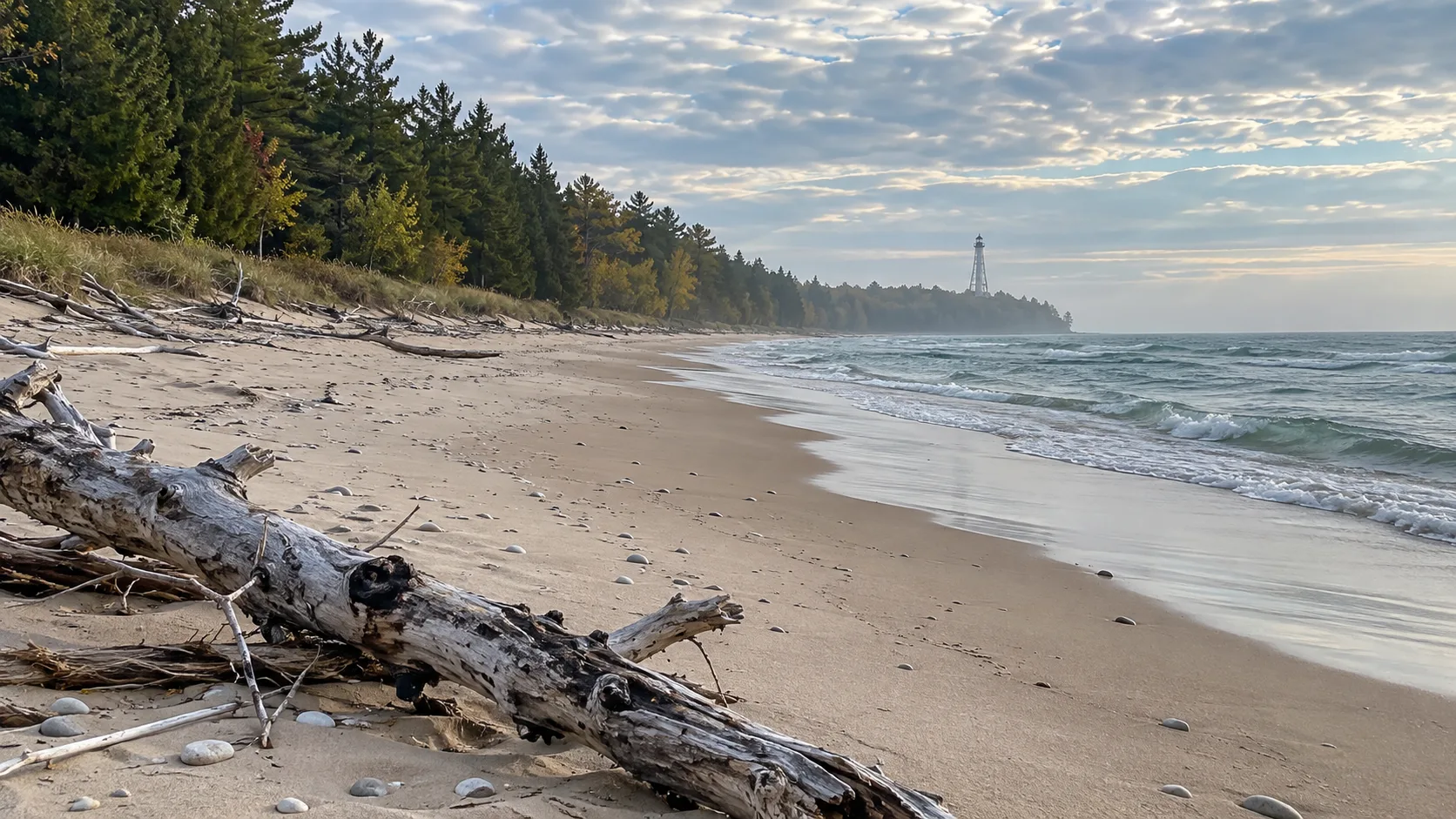
Day 4: Two Rivers and Point Beach
Begin with a short Two Rivers waterfront stop, then continue to Point Beach State Forest for the final outdoor block. Keeping the towns close together lets the last morning feel leisurely, provided you have not hidden a very long journey home afterward.
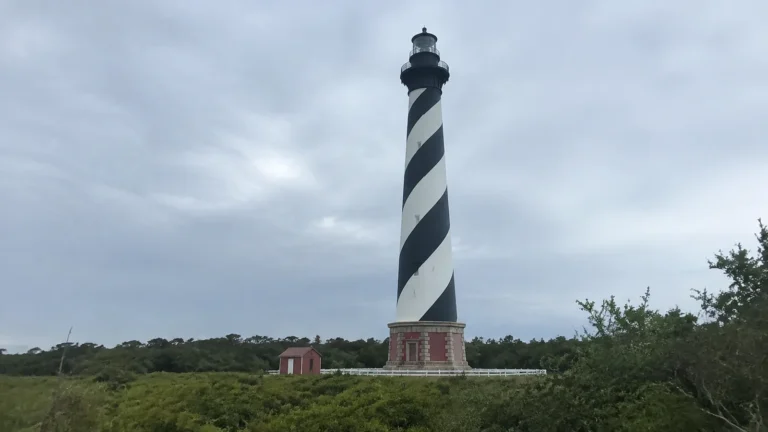
Point Beach combines forest paths and a long sandy Lake Michigan shore, with Rawley Point Lighthouse as a recognizable feature. Make your plan a beach-and-forest visit, not a promised tower tour; lighthouse facilities and access have their own restrictions.
Use Point Beach information for vehicle admission, maps, and current notices. Pick a shorter mapped loop or an out-and-back beach walk according to wind, footing, and how much energy remains.
Give the park two hours if you are leaving the region afterward, longer when you have another night nearby. The final stretch should feel like a satisfying end to the trip, not a contest between the lake and your navigation app’s arrival time.
Driving Allowances and the Coastline Reality
For planning rather than live traffic predictions, allow about an hour between Milwaukee and Port Washington, another hour for the Port Washington-to-Sheboygan leg with town approaches, and roughly an hour from the Sheboygan area to Manitowoc. Manitowoc and Two Rivers are much closer, but parking and your Point Beach approach still take time.
Add every park visit, meal, and shoreline detour separately, and check the actual route before departure. This is not a drive where Lake Michigan is visible every mile; the best waterfront sections require deliberate stops in towns and parks.
My road trip tips explain how to build those stops into a comfortable day. Short mileage is useful, but it does not make a museum visit, a beach walk, and lunch happen instantaneously.
Seasonal Changes and Easy Alternatives
Use the art and maritime museums as the substantial indoor choices on a rainy version, then take shorter waterfront walks when conditions improve. Do not replace an unsafe pier or stormy beach visit with another equally exposed shoreline simply because it is farther along the road.
Summer suits longer beach stops, while spring and fall call for warm layers and more attention to opening days. A winter version should be town- and museum-focused, with outdoor stops dependent on safe surfaces and the forecast.
Continuing into Door County is an extension, not part of these four days. Add at least a couple of nights for a meaningful peninsula visit, or finish at Two Rivers and enjoy the fact that this shoreline already provided a complete vacation.