Cruise Kids Clubs by Age: What I Would Check Before Booking
I would choose a cruise kids club by the child’s age on the sailing, the actual drop-off rules, and how the program fits their routine. A nursery, a parent-attended playroom, and a teen lounge provide very different kinds of support.
Before booking, I would check each child separately, especially when siblings sit on opposite sides of an age cutoff.
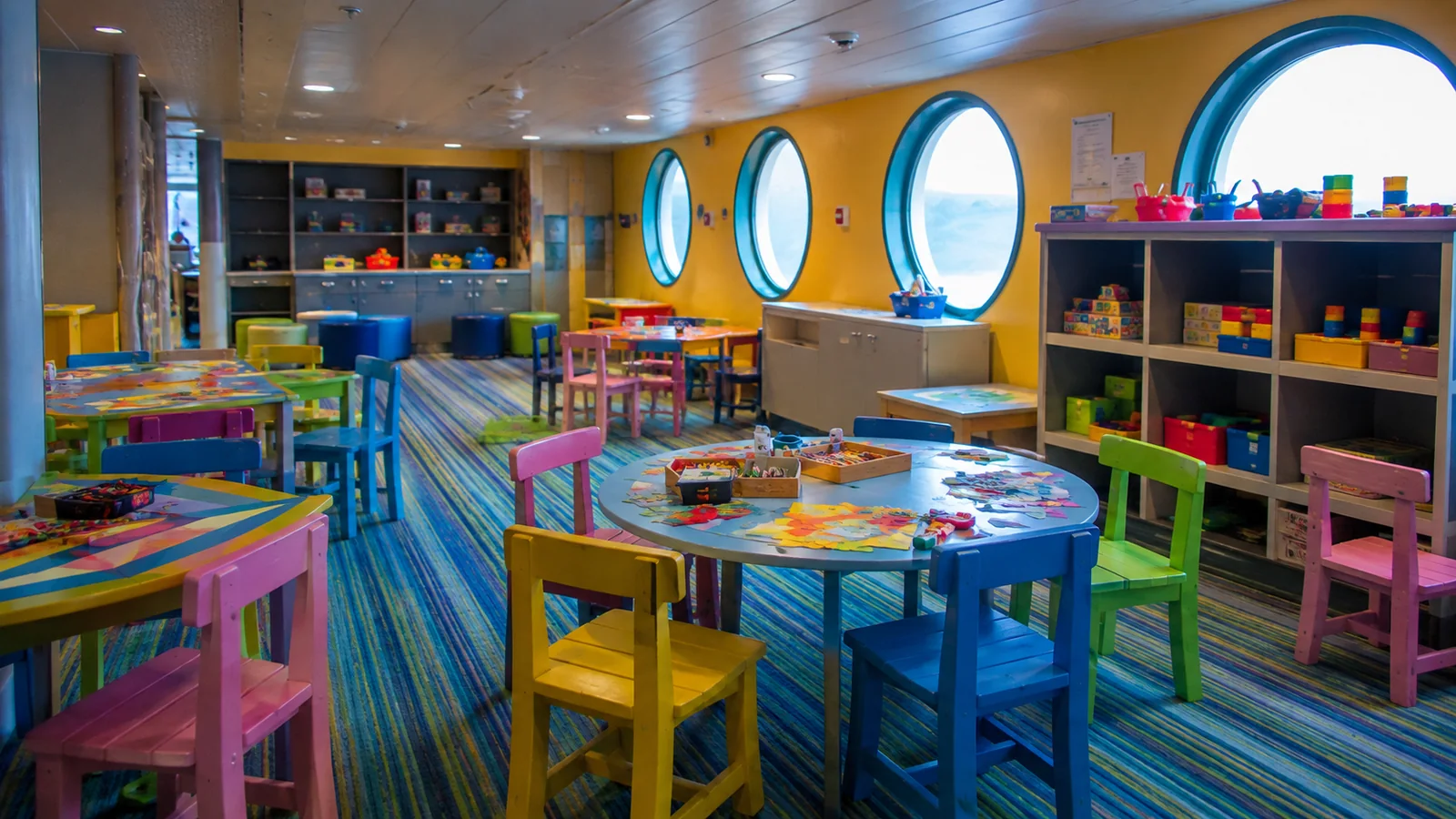
The age checks I would make first
- Is the child old enough for the cruise itself and the specific program?
- Does the program provide drop-off care or require an adult to stay?
- Are toilet training, independent bathroom use, or other participation requirements relevant?
- What happens if the child has a birthday during the sailing?
- Is the program available on this exact ship and during the hours the family needs?
- Can the child leave independently, or must an authorized adult collect them?
My guide to family-friendly cruises helps compare the broader ship experience. I would settle these program details before choosing a sailing for its children’s facilities.
A practical age comparison for Disney, Carnival, and Norwegian
These are useful starting points from the lines’ current program information. Eligibility, operating sessions, and available facilities still need to be checked for the actual sailing.
| Cruise line | Younger children | Older children and teens | Key planning distinction |
|---|---|---|---|
| Disney | Oceaneer Club: ages 3–10; nursery for younger eligible children | Edge: 11–14; Vibe: 14–17 | Nursery care is a separate paid service |
| Carnival | Camp Ocean: 2–11, with age-based groups | Circle C: 12–14; Club O2: 15–17 | Under-2 and late-night services have separate arrangements |
| Norwegian | Splash Academy: 3–12 | Entourage: 13–17 | No Guppies drop-off; Norwegian Spirit does not offer youth programs |
I would not copy one line’s age bands into another booking. A ten-year-old and twelve-year-old may be together on one ship and in different programs on another.
Disney: the Oceaneer cutoff is now ten
Disney’s age-specific activity information lists Oceaneer programming for ages 3–10 and Edge for ages 11–14. Vibe serves teens ages 14–17.
That means an older article describing Oceaneer as a program through age twelve can lead a family to the wrong expectation. I would check the current age rule before promising that an eleven-year-old will join a younger sibling.
The nursery is a different service with its own eligibility, fees, and booking arrangements. I would not assume that a child too young for Oceaneer receives the same included drop-off option.
For a child near a boundary, I would ask about the actual policy rather than rely on an exception another family received. I would also check the distinction between secured programming and family open-house periods.
An open house can be a useful way to explore together. It does not mean adults can remain in a secured children’s session whenever they choose.
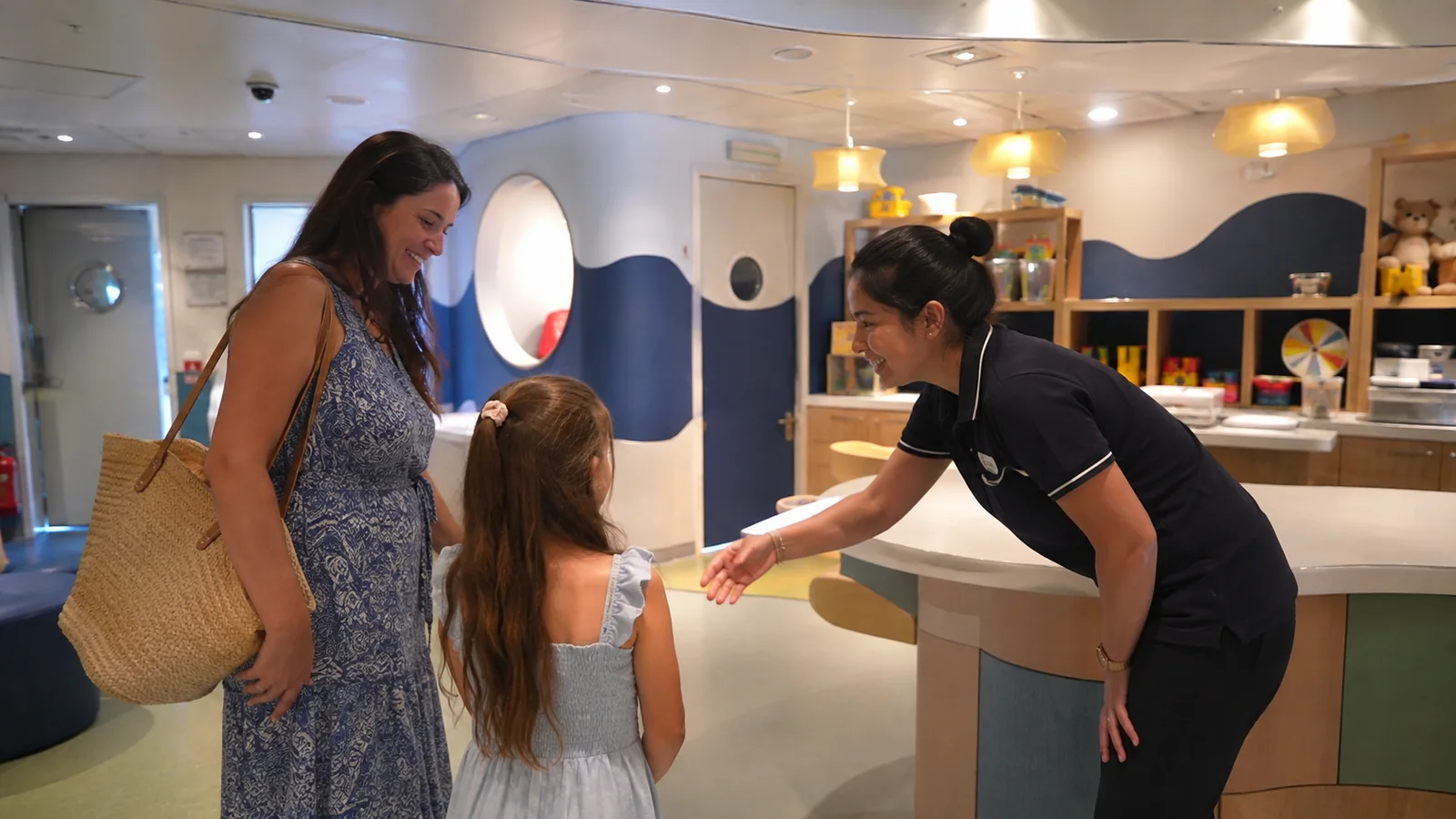
Carnival: a two-year-old starts in a different place
Carnival’s family program overview separates Turtles for children under two, Camp Ocean for younger children, and the tween and teen programs. Camp Ocean serves ages 2–11.
Within Camp Ocean, the familiar groups are Penguins for ages 2–5, Stingrays for 6–8, and Sharks for 9–11. Circle C covers 12–14, while Club O2 covers 15–17.
I would look more closely at Carnival when comparing options for a two-year-old because its regular children’s program begins earlier than several competitors. I would still confirm the child’s needs, the session rules, and what support staff can provide.
Night Owls is a paid late-night service with separate conditions. I would not count it as a promise of private, in-cabin babysitting or round-the-clock care.
For families with cousins across several ages, I would plan some shared activities outside the clubs. The age groups are part of the program’s operation, not something I would expect the staff to rearrange for our family.
Norwegian: check port-day availability carefully
Norwegian’s current youth-program page lists Splash Academy for ages 3–12 and Entourage for 13–17. It also states that Guppies drop-off is unavailable and Norwegian Spirit does not offer youth programs.
The current guidance says Splash Academy is unavailable while the ship is docked or anchored. I would not book an adults-only port excursion on the assumption that the children’s club will be open.
Guppies Open Play is a parent-and-child activity, not a replacement for drop-off care. For a family with a toddler, that difference can decide whether the ship fits the vacation.
I would check the posted schedule after boarding and register promptly. A fleetwide description cannot guarantee that the exact session the family wants has space.
A birthday can change the booking decision
I would record each child’s age at departure and whether a birthday falls during the trip. Then I would ask how the line applies its age rule.
Some policies use the age on the manifest at embarkation; others describe specific birthday exceptions. I would not assume that celebrating a birthday at sea automatically opens the next program.
The same issue can arise at the upper limit. A teenager turning eighteen may lose eligibility for a teen space under the applicable policy.
For siblings, I would choose a ship that works even if the requested exception is refused. A vacation that depends on an undocumented age waiver is too uncertain for me.
Toilet training is a separate question from age
Reaching the minimum age does not settle bathroom requirements. I would ask whether children must independently use the toilet, whether diapers are accepted, and how staff contact parents when help is needed.
Different lines and programs handle that differently. I would not tell a parent that every cruise club requires toilet training, or that every club will change diapers.
I would also ask what happens if a child needs repeated help or has an accident. Knowing the process is more useful than relying on a broad “family-friendly” description.
Pool rules are separate again. A child accepted by a youth program may still be ineligible for a standard pool while wearing swim diapers.
Match the session to the child’s normal day
I would start with a short visit when the child is rested and interested. I would not book the longest available session just because adults want a full evening out.
A nursery nap, an energetic group game, and a quiet craft session serve different needs. I would look at the actual activities and timing rather than the room’s décor alone.
For a hesitant child, I would visit during an appropriate family session if offered and agree on a simple pickup plan. I would leave room for the child to decide that the club is not their favorite part of the cruise.
That does not make the trip a failure. I would choose a ship with enough shared activities that the family can have a good vacation without daily drop-off care.
Register early, but understand what registration means
I would complete any available pre-cruise steps and visit the youth team after boarding. Registration establishes eligibility and contact information; it may not reserve every session.
I would ask whether attendance is first come, first served, reserved in advance, or managed in scheduled blocks. The answer can vary by program and sailing.
I would also ask about breaks, meal arrangements, late pickup charges, and how the team reaches parents. I would test the contact method rather than assume my normal phone service will work aboard.
My cruise planner is where I would keep the registration tasks and any reservation windows. I would keep the child’s private information in the line’s proper process, not in a general planning sheet.
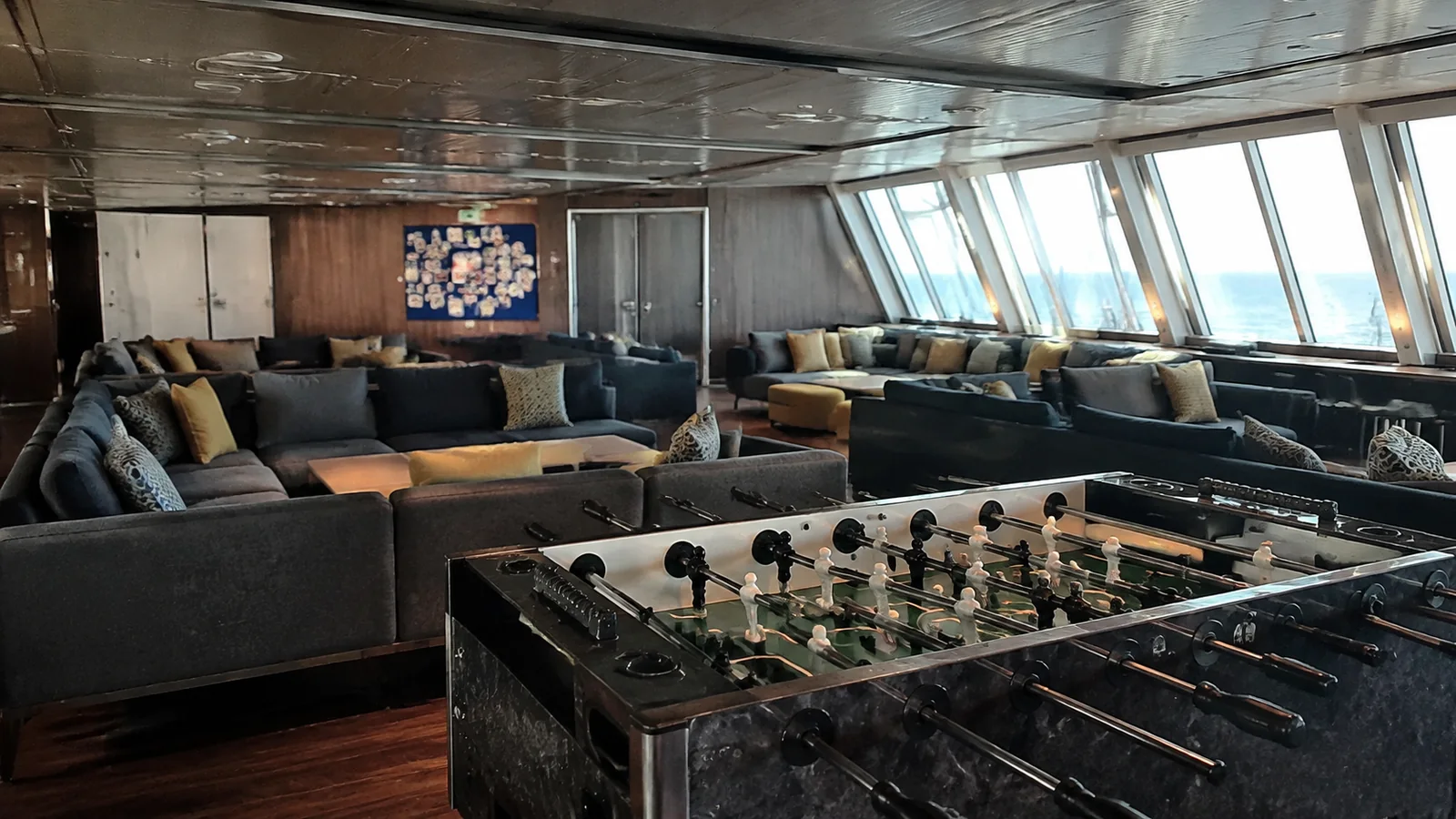
Teen lounges require a different family conversation
A teen program can offer activities and a place to meet people without operating like secured childcare for younger children. I would ask about entry, exit, supervision, and whether the space is staffed outside scheduled sessions.
Then I would set the family’s own boundaries for moving around the ship. A meeting time, permitted areas, and a plan for a dead phone are more useful than assuming the lounge tracks every movement.
I would encourage a teen to attend an early event if they want to meet others. I would not require participation every day or promise that the club will provide the same social group on every sailing.
For a shy teen, I would look for other appealing options on the ship. Sports, games, shows, or time with a sibling can be just as valuable as the dedicated lounge.
Discuss support needs before paying the fare
If a child needs communication, sensory, mobility, toileting, or medical support, I would contact the line’s accessibility team before booking. I would describe the specific support needed rather than rely only on a diagnosis.
I would ask what youth staff can provide and what remains the parent’s responsibility. A general statement about welcoming children does not promise one-to-one care or medical supervision.
After boarding, I would review the agreed arrangements with the youth team. I would also have an alternative family plan if the environment is not comfortable for the child that day.
The cabin can help provide a quieter break between activities. My deck-plan guide can help compare the route between the room, children’s spaces, and the places the family expects to use.
My five-minute kids-club booking check
- Write down every child’s age at sailing and any birthday during the trip.
- Confirm the program exists on the exact ship.
- Check drop-off, bathroom, pickup, and support requirements.
- Confirm the desired hours, especially port days and late evenings.
- Price paid care separately and keep a plan for a child who does not want to attend.
I would also pack the small comfort and practical items the program requests. My cruise packing list helps keep those with the family’s essentials.
Can siblings always stay together?
I would not count on it when they fall into different age groups. I would choose shared family activities for their time together and treat any exception as something the line must confirm.
Are cruise kids clubs free?
Many regular programs are included, while nurseries, late-night sessions, or special activities can cost extra. I would check the service I plan to use rather than assume one price covers all childcare.
What would make me choose one ship over another?
I would choose the ship whose actual age rules, hours, and support fit my child. The best club for the family is one the child can use comfortably, with enough alternatives for the days they prefer something else.