35 Cruise Questions Answered Before You Book or Sail
Cruise planning gets easier once you know which answers are universal and which depend on the line, ship, itinerary, and traveler. These are the questions worth settling before money is due, bags are packed, or the gangway closes.

Questions to answer before booking
1. Is a cruise right for me?
A cruise is a strong fit if you like unpacking once, seeing several ports, and having meals and entertainment close at hand. It is a weaker fit if you want late nights ashore, deep time in one place, or complete control over the schedule.
Ship choice matters as much as destination. A quiet small ship, a family resort ship, and a nightlife-heavy weekend sailing can produce three entirely different vacations on the same ocean.
2. Are cruises all-inclusive?
Most mainstream fares include your cabin, transportation between listed ports, many meals, and a core set of entertainment and activities. They commonly exclude taxes and fees, gratuities, alcohol, specialty dining, Wi-Fi, spa services, casino play, shore excursions, and some premium attractions.
Never compare only the advertised fare. Add the exact extras your party will use, plus airfare, pre-cruise lodging, transfers, parking, and insurance.
3. What does “double occupancy” mean?
The eye-catching price is often quoted per person based on two guests sharing a cabin. A solo traveler may pay a single supplement, while third and fourth guests can have different fares but still add taxes, gratuities, and other costs.
Price the same trip for your real party size all the way to the final booking screen. A “kids sail free” or reduced-guest promotion may have date, cabin, capacity, and availability restrictions.
4. Which cruise line is best?
There is no universal winner. Match the line and ship to your priorities: children’s programming, late-night energy, included dining, accessible cabins, adult-only space, itinerary depth, or quiet service.
Compare a specific ship, not just a logo. Older and newer ships within one fleet can differ sharply in cabin design, restaurants, water attractions, entertainment, and reservation systems.
5. When should I book?
Book earlier when you need a family cabin, an accessible stateroom, a particular deck, connecting rooms, school-break dates, or a limited expedition itinerary. Flexible couples who can accept a smaller cabin selection may find later offers, but airfare can erase the savings.
Track the total after booking because some lines or agencies may adjust eligible reservations before final payment. Do not assume every fare can be repriced, and never cancel and rebook before checking deposit and promotion rules.
6. Should I use a travel advisor?
A cruise-specialist advisor can be useful for complex families, group bookings, accessibility questions, and comparing promotions with different inclusions. Ask how the advisor is paid, whether there are agency fees, who handles changes after hours, and whether payments go directly to the cruise line.
7. What is a guaranteed cabin?
A guarantee reserves a category or stated minimum without letting you choose the exact room. The line assigns the cabin later, and an “upgrade” may mean a higher category in a location you would not have selected.
Choose a guarantee only if you can accept any eligible location, including near elevators, under public decks, or far forward or aft. Select a numbered cabin if sleep, motion, walking distance, or connecting-door placement matters.
8. Which cabins are most likely to be noisy?
Potential noise zones include rooms below pool decks, gyms, buffets, theaters, and nightclubs, plus cabins near crew doors, elevator lobbies, and connecting doors. The risk depends on what is directly above, below, beside, and across the hall, not simply the deck number.
Study the deck plans for the exact ship and sailing date because ships can be refurbished or recategorized. The cabin-selection section in these first-time cruise tips gives a simple way to check all six sides of a room.
Documents, timing, and embarkation questions
9. Do I need a passport?
It depends on citizenship, itinerary, departure and return ports, transit points, and the cruise line’s own rules. Some U.S. citizens on eligible closed-loop cruises may use specified citizenship and identity documents, but an exception is not a promise that every line or destination will accept the same paperwork.
U.S. Customs and Border Protection explains the closed-loop cruise document exception. Verify your exact sailing with the cruise line and every destination rather than applying a Caribbean answer to Alaska, Europe, or an open-jaw voyage.

10. Why carry a passport book if it is not required?
The U.S. State Department strongly recommends a passport book for cruise passengers because an illness, injury, ship problem, or missed departure may require flying home from abroad. A passport card cannot be used for international air travel.
Check expiration and blank-page requirements well before sailing. Names on the reservation and travel documents should match, and families need to confirm rules for children, guardians, and consent documents.
11. Should I arrive a day before the cruise?
Yes when a flight, long train trip, winter road, or border crossing stands between you and the port. One hotel night is usually less painful than watching the ship leave after a cancellation or missed connection.
For a distant international embarkation, two nights may be more sensible because of jet lag and flight recovery options. If you must arrive the same day, use the earliest practical nonstop itinerary and know who to call during a delay.
12. When do I complete online check-in?
As soon as your line opens it, especially if arrival appointments are selected during check-in. Windows and deadlines differ by cruise line, so add the opening date and final deadline to your calendar.
Royal Caribbean, for example, currently says app check-in begins 45 days before sailing and requires guests to follow their selected terminal arrival time; its app FAQ is not a rule for Carnival, Norwegian, Princess, or another line. Use your own booking confirmation as the controlling instruction.
13. What happens to my luggage at the terminal?
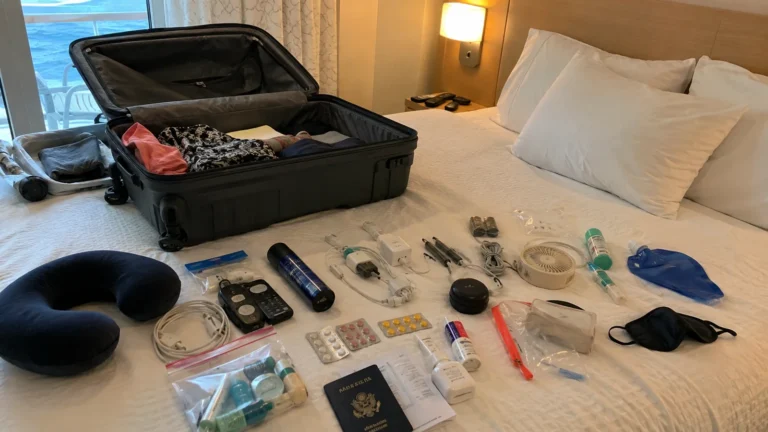
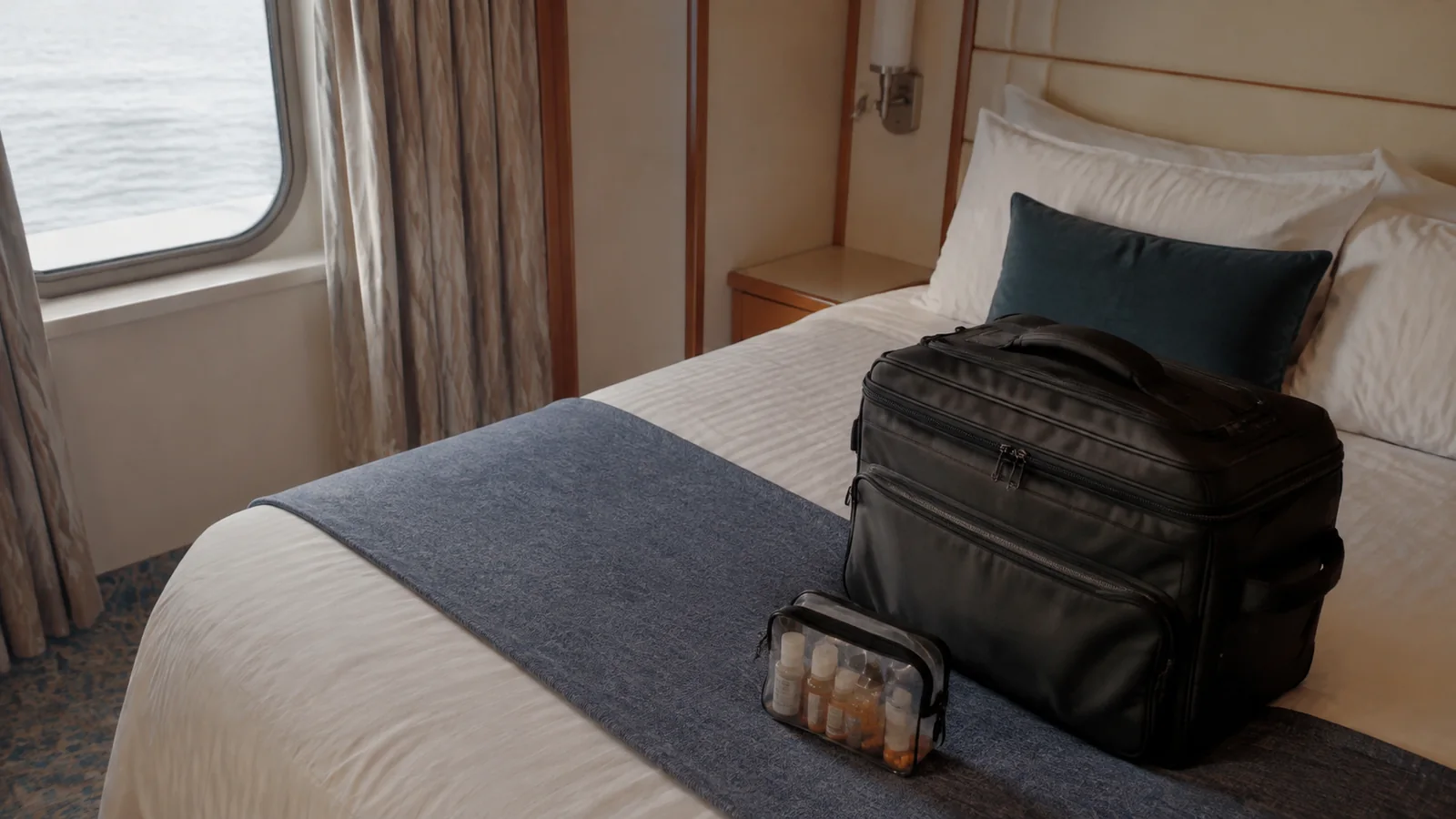
You usually give larger tagged bags to porters and keep a small carry-on with you through security. Checked cruise luggage can reach the cabin hours later, so carry documents, medication, valuables, electronics, a swimsuit, and anything needed before dinner.
Print or attach tags exactly as the line instructs and keep identifying details inside the bag too. Do not pack a passport, wallet, keys, or critical medicine in a checked suitcase.
14. What cannot go on a cruise ship?
Weapons, illegal drugs, fire hazards, heating appliances, and many alcohol or beverage items are restricted, but the detailed list varies by line. Power strips with surge protection are a frequent problem even when a simple multiport charger is allowed.
Check your line’s list shortly before packing because policies change. Carnival’s current prohibited-item and beverage information, for example, applies to Carnival and should not be treated as permission on another brand.
15. What is the muster drill?
The muster process teaches you where to report and what to do in an emergency. Many lines now combine app or cabin-video steps with an in-person station check, but every guest must complete the required process by the deadline.
Do it soon after boarding instead of carrying it into the afternoon. Locate the station physically and pay attention even if you have cruised before because the route and procedures belong to this ship.
Money, food, and daily life onboard
16. How do I pay onboard?
Most ships use a cashless onboard account connected to your room card or wearable device. You fund it with a credit card, debit card, or cash arrangement according to the line’s policy, and deposits or authorization holds may apply.
Review charges in the app or on the cabin television every day. Resolve an incorrect charge onboard, when staff can investigate it, rather than discovering it during the airport ride home.
17. Do I need cash?
You may not need cash for routine ship purchases, but small bills can be useful for porters, independent tips, taxis, markets, and ports where cards are unreliable. Research local currency rather than assuming U.S. dollars are accepted or fairly converted everywhere.
Use a shipboard ATM only after checking the fee and exchange rate. Keep money divided between secure locations instead of carrying the entire port-day budget in one wallet.
18. Are gratuities included?
Sometimes, depending on the line, fare type, promotion, and region. Mainstream lines often add daily service charges and automatic percentages to drinks, spa services, and specialty purchases.
Look for “gratuities,” “crew appreciation,” or “service charge” in the terms and invoice. Prepaying can make the budget cleaner, but understand what it covers before adding separate cash tips.
19. Is cruise food included?
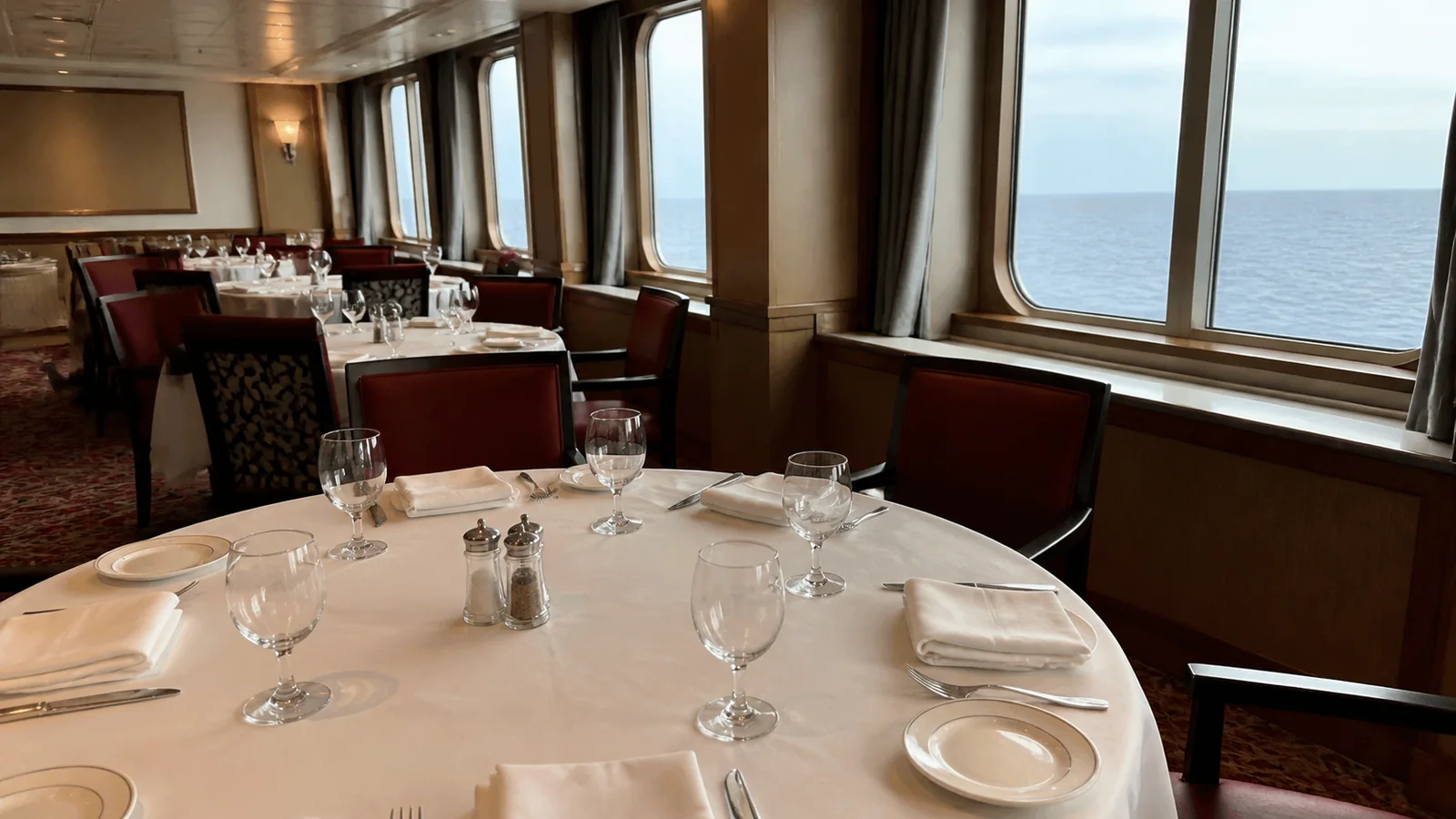
The buffet, main dining room, and some casual venues are normally included on mainstream ships, while specialty restaurants and selected menu items cost extra. Room service may be included, carry a delivery fee, or charge by item depending on the line and order.
Mark included venues in the ship app on day one. That small step prevents paying for lunch because the complimentary option was one deck away.
20. Will I eat with strangers at dinner?
Only on some traditional assigned-dining arrangements, and even then alternatives may be available. Flexible dining generally lets you request your own table, though popular times can involve a wait.
Families and groups should link reservations before selecting dining. Travelers with allergies or required meals should notify the line by its deadline and speak with the dining team onboard.
21. Are drinks included?
Basic water, brewed coffee, tea, and selected dispenser beverages are often included, but the exact list varies. Bottled water, espresso drinks, soda, juice, mocktails, and alcohol may carry individual charges or require a package.
Calculate a package using the full daily price, gratuity, required purchase rules, port days, and your realistic consumption. “Included” drink promotions can still carry service charges or category limits.
22. How formal are cruise nights?
Dress codes range from casual all week to suggested formal evenings, and luxury or traditional ships may expect more. The practical rule is to check your line, ship, venue, and sailing rather than packing a tuxedo because someone wore one ten years ago.
A polished outfit and closed-toe shoes cover many mainstream evenings, but specialty restaurants can have their own standards. Pack for your comfort and the written rule, not for a stranger’s vacation photos.
23. Do I need beach towels?
Most ocean ships provide pool towels and allow guests to take them ashore, often with a replacement charge if they are not returned. Confirm the policy before devoting suitcase space to a bulky towel.
24. Can I do laundry onboard?
Many ships offer paid wash-and-fold or pressing, while some also have self-service laundry rooms. Other ships have no guest laundromat, making a sink-wash kit or mid-cruise laundry special more useful.
Check the exact deck plan and service list. A modular cruise packing list helps you adjust clothing to the ship’s actual laundry setup.
Comfort, health, and safety questions
25. Will I get seasick?
Not everyone does, and ship size does not eliminate motion. A cabin lower and closer to the middle often feels less movement than one high and far forward, while weather and route can matter more than the room.
Discuss medication with a clinician or pharmacist before sailing, particularly for children, pregnancy, or interactions with other medicine. Start with fresh air, a view of the horizon, hydration, and the instructions for any chosen remedy.
26. Is cruise Wi-Fi reliable?
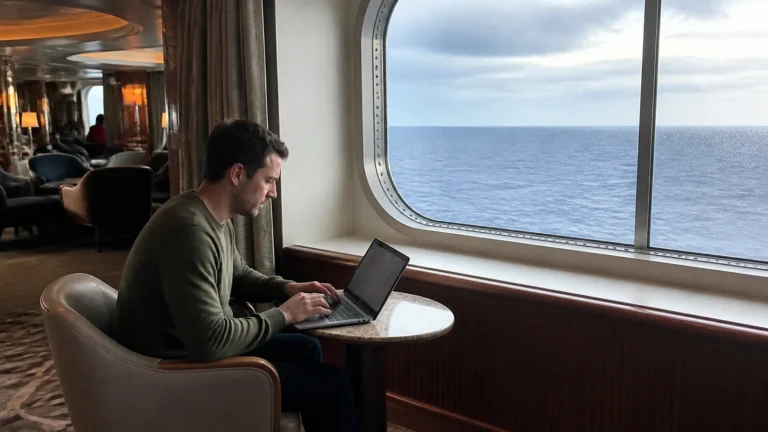
Ship internet has improved, but speed and stability still vary with location, weather, congestion, hardware, and package restrictions. Do not promise a critical video meeting, exam, or upload without a backup plan.
Download documents and entertainment before leaving home. Put phones in airplane mode and connect to ship Wi-Fi deliberately, because cellular-at-sea roaming can create an ugly bill.
27. Are cruises safe and clean?
No vacation is risk-free, and sanitation scores are only one part of evaluating a ship. The CDC’s Vessel Sanitation Program publishes inspection scores, reports, violations, and corrective responses for vessels in its jurisdiction.
Wash hands with soap and water, report vomiting or diarrhea, use handrails carefully, and follow crew instructions. Do not use one old outbreak headline or one perfect inspection score as a lifetime grade for a ship.
28. What medical care is available?
Ocean ships generally have a medical center for urgent assessment and limited treatment, not a full hospital for every specialty. Charges may be placed on your account, and a serious condition can require evacuation or care in port.
Carry essential medication and travel insurance details, and understand coverage for onboard care and evacuation. Never place critical medication in checked luggage.
29. Can babies and children cruise?
Yes on many lines, but minimum ages increase for certain long itineraries and consecutive sea days. Nursery access, youth-club ages, toilet-training rules, pool policies, cribs, and childcare hours vary by ship.
Confirm every child’s eligibility before paying a nonrefundable deposit. Also price the cabin that truly sleeps your party because a room cannot exceed its certified occupancy just because a child is small.
Port and excursion questions
30. Are shore excursions included?
Usually not on mainstream cruises, although luxury and expedition fares may include selected outings. Port taxes being included does not mean your beach transfer, glacier tour, or museum ticket is included.
31. Should I book through the cruise line?
Book through the line when timing is tight, the activity travels far from port, or you value the ship’s stated handling of its delayed tours. Independent tours can be smaller or less expensive, but you are responsible for vetting the operator and getting back on time.
Exploring independently works well in walkable ports with reliable transport and a generous buffer. Always confirm the berth, local time, all-aboard time, cancellation terms, physical requirements, and tender schedule.
32. What is a tender port?
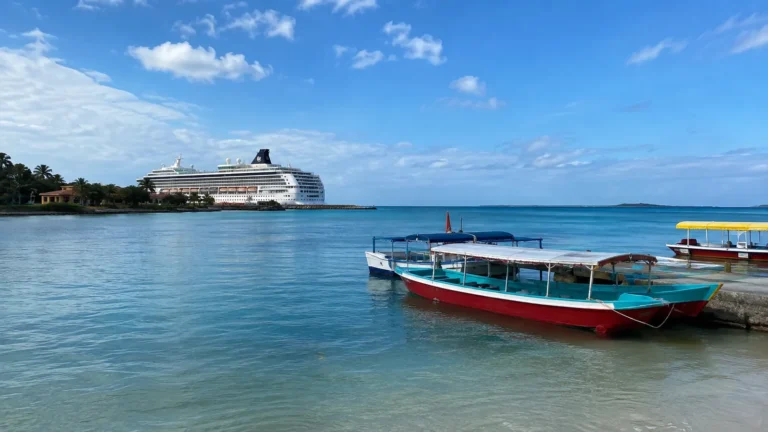
At a tender port, smaller boats carry passengers between ship and shore instead of using a walk-off gangway. Weather, mobility, priority groups, and boat capacity can slow the process or cancel access entirely.
Do not schedule an independent tour as though arrival time equals curb time. Ask the operator how it handles tender delays and confirm whether the transfer is suitable for your mobility equipment.
33. What happens if I miss the ship?
The ship can leave without you when you miss all-aboard time. You may have to arrange and pay for transport, lodging, documents, and travel to the next port or home, subject to immigration rules.
Keep your passport or required document, insurance details, ship contact, port agent information, medication, and a payment method with you ashore. Set your watch to ship time and return with a wide buffer.
34. Can the cruise line change the itinerary?
Yes, ports and routes can change for weather, safety, mechanical, medical, or operational reasons. Your cruise contract explains the line’s rights and any remedy, which may not match the compensation guests hope for.
Book the cruise for the ship and region as well as one dream port. If missing a single destination would ruin the entire trip, a land vacation may give you more control.
Disembarkation and repeat-cruise questions
35. How does disembarkation work?
Guests usually choose checked-luggage service with assigned departure groups or carry their own bags off during self-assist. Everyone still passes through the required border process and must leave the ship by its deadline.
Do not book a flight based only on the scheduled docking time because clearance, lines, traffic, and airport screening come afterward. This disembarkation-day timeline separates docking, clearance, walking off, and reaching the airport.
What if I am staying for the next cruise?
Back-to-back guests normally receive special instructions, but immigration rules may still require leaving the ship or completing a formal turnaround process. Cabin changes, luggage handling, testing or document checks, and the ability to go ashore vary by port and line.
Do not follow departing guests automatically. The planning checklist for back-to-back cruises covers linked bookings, turnaround day, cabin moves, and repeated charges.
The answer that prevents the most problems
When a question involves documents, deadlines, money, accessibility, age, or prohibited items, the answer in your current booking terms wins. Advice from a friend’s different ship or last year’s sailing is useful context, not authority.
Save the final invoice, cruise contract, boarding documents, insurance policy, and port instructions offline. Then you can spend embarkation day enjoying the ship instead of hunting for an answer you already paid to know.