Bonshaw Hills Provincial Park: A Practical Trail Guide
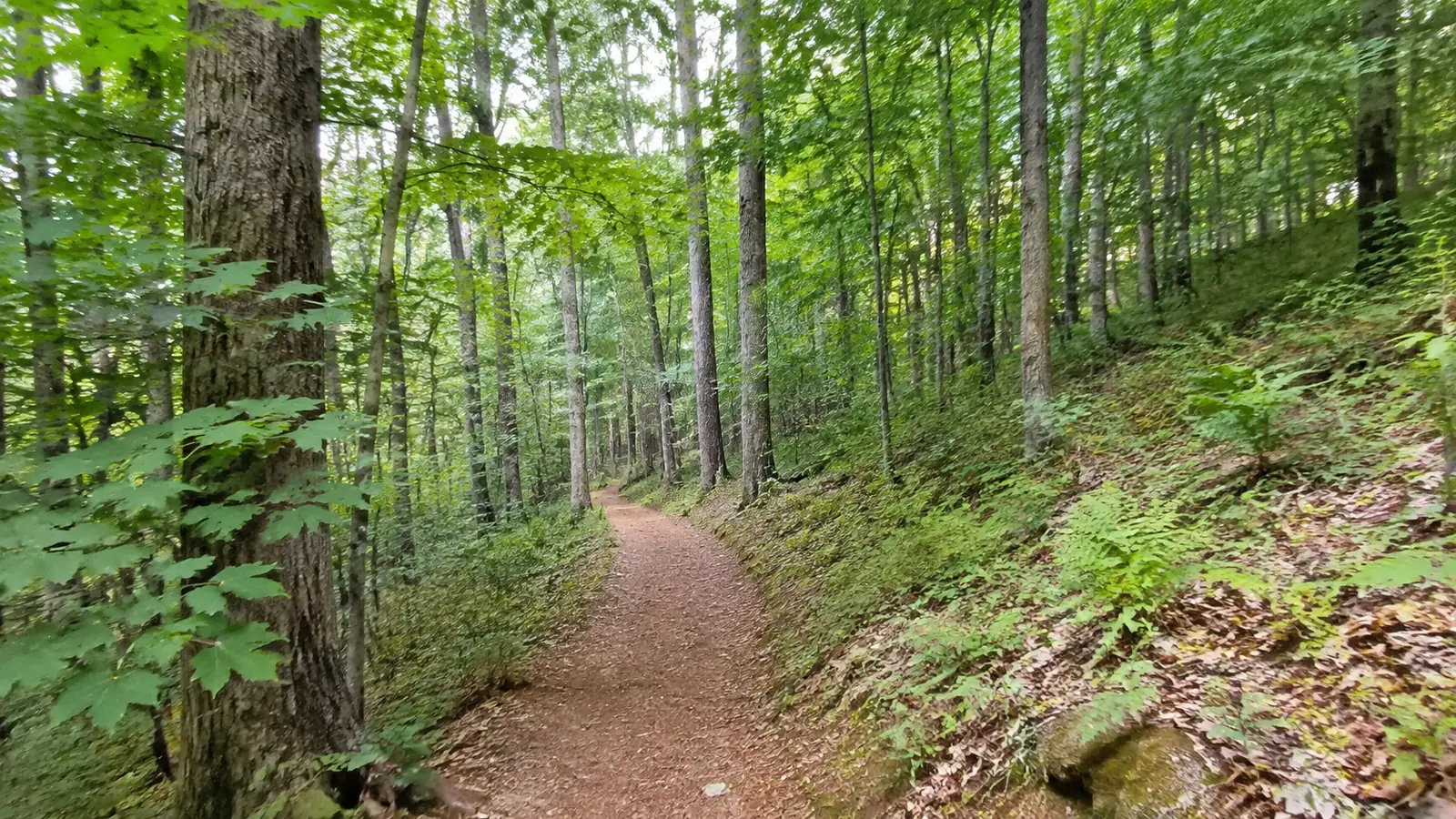
Bonshaw Hills Provincial Park is where a simple woodland walk can turn into a proper little adventure. With river views, rolling forest, mountain-bike trails, picnic shelters, and a natural playground about 25 minutes from Charlottetown, it works beautifully when your Prince Edward Island plans need fresh air without an all-day drive.
Is Bonshaw Hills Provincial Park worth visiting?
Yes, if you want one of central PEI’s most flexible trail stops. You can build anything from a short family outing to a longer, hillier hike by joining loops within the interconnected network.
This is not the island’s classic red-cliff beach experience, and there is no campground at Bonshaw Hills. Come for shaded trails, the river corridor, cycling, play time, and a picnic rather than ocean swimming or serviced attractions.
Bonshaw Hills quick facts
- Location: 17530 Trans Canada Highway, Route 1, Bonshaw
- Distance: About 25 minutes from Charlottetown and 40 minutes from Summerside
- Season: Open year-round, with conditions varying by weather
- Trails: More than 11 miles of hiking and mountain-bike routes
- Difficulty: Easy through difficult sections
- Amenities: Parking, toilets, picnic shelters, charcoal grills, natural playground, and paddlecraft slip
- Dogs: Permitted on leash
- Admission: Confirm the current park policy before visiting
Tourism PEI’s official Bonshaw Hills page is the best first stop for current amenities, contact information, and its downloadable park map. Save that map before leaving reliable cell service.
Understanding the trail network
You may see both 11-plus miles and roughly 15.5 miles used to describe Bonshaw online. Tourism PEI currently says the park has over 18 kilometers, or 11 miles, of hiking and mountain-biking trails, while broader trail-network descriptions include approximately 25 kilometers, or 15.5 miles, of four-season routes.
That difference is a reminder to plan from named loops and the current map, not one headline mileage number. Connections toward adjacent Strathgartney Provincial Park can also turn an innocent stroll into a much longer outing.
The main trail is called Ji’ka’we’katikl, the traditional Mi’kmaq name for the West River. Tourism PEI translates the name as “the place where bass are plentiful,” adding useful cultural and geographic meaning to the route.
How to choose your hike
For a relaxed family walk
I would choose Parkside for a first family visit: the official trail map, labeled October 2023, marks it as an easy 0.8-kilometer trail beside the main Bonshaw facilities. Start at 17530 Trans Canada Highway and budget roughly 30 to 45 minutes for the trail, plus the short approach from parking and playground time.
From the playground area, use the signed Parkside entrance, follow Parkside around its woodland bends, and take the signed return toward Bonshaw when it meets the main Ji’ka’we’katik trail. Stay on Parkside at the Prince’s Loop junction if you want to keep the outing short.
Expect dirt, roots, and small rolling rises rather than a paved, level stroller circuit. The map does not publish cumulative elevation gain, so I would judge it by footing and the youngest walker’s energy rather than promise an exact climbing figure.
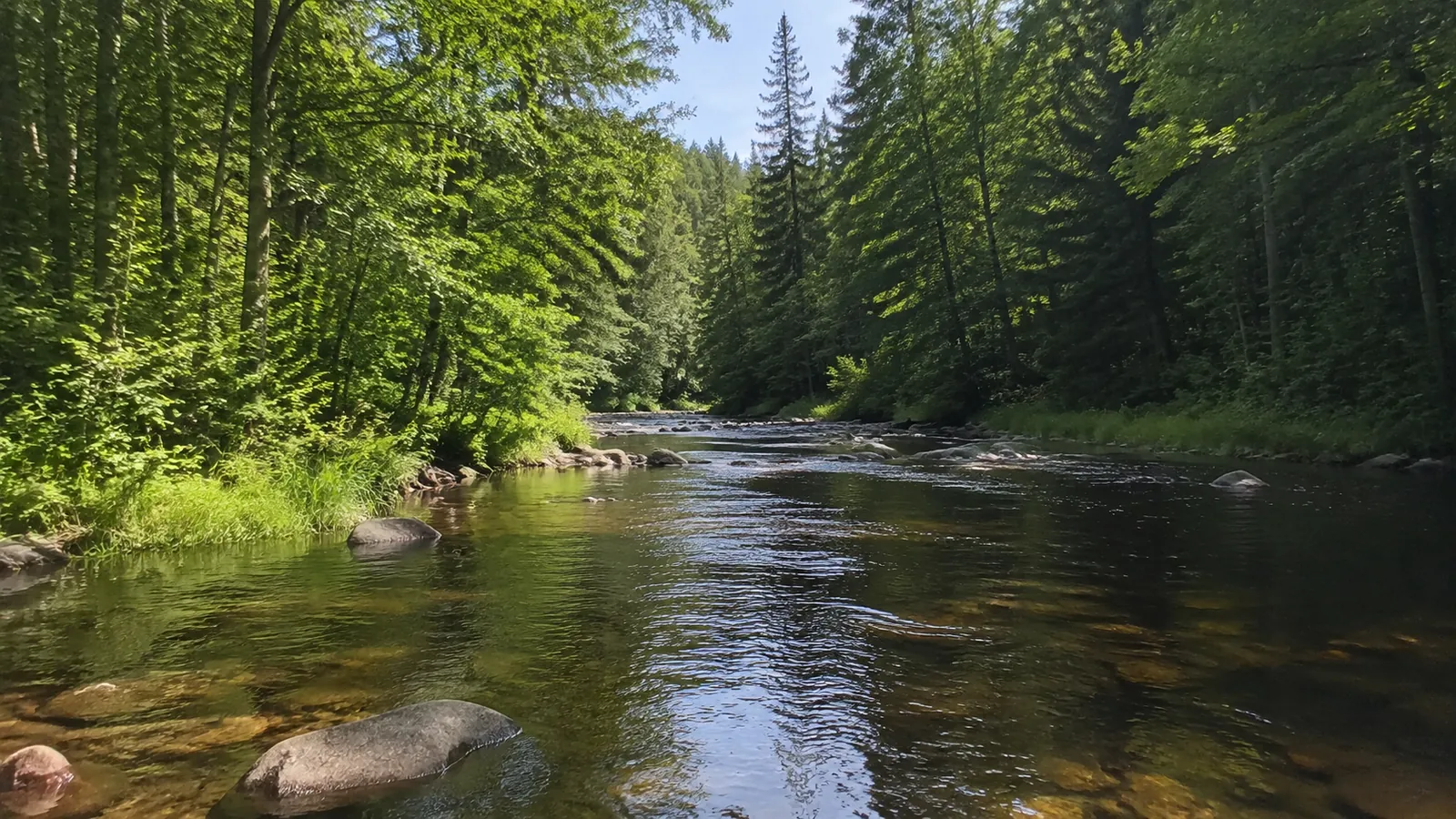
For a worthwhile river peek, take a brief out-and-back on the main trail beside the West River before returning to the facilities. The map marks benches along this stretch, making it a lovely place for a snack without extending into the northern network.
For a longer hiking day
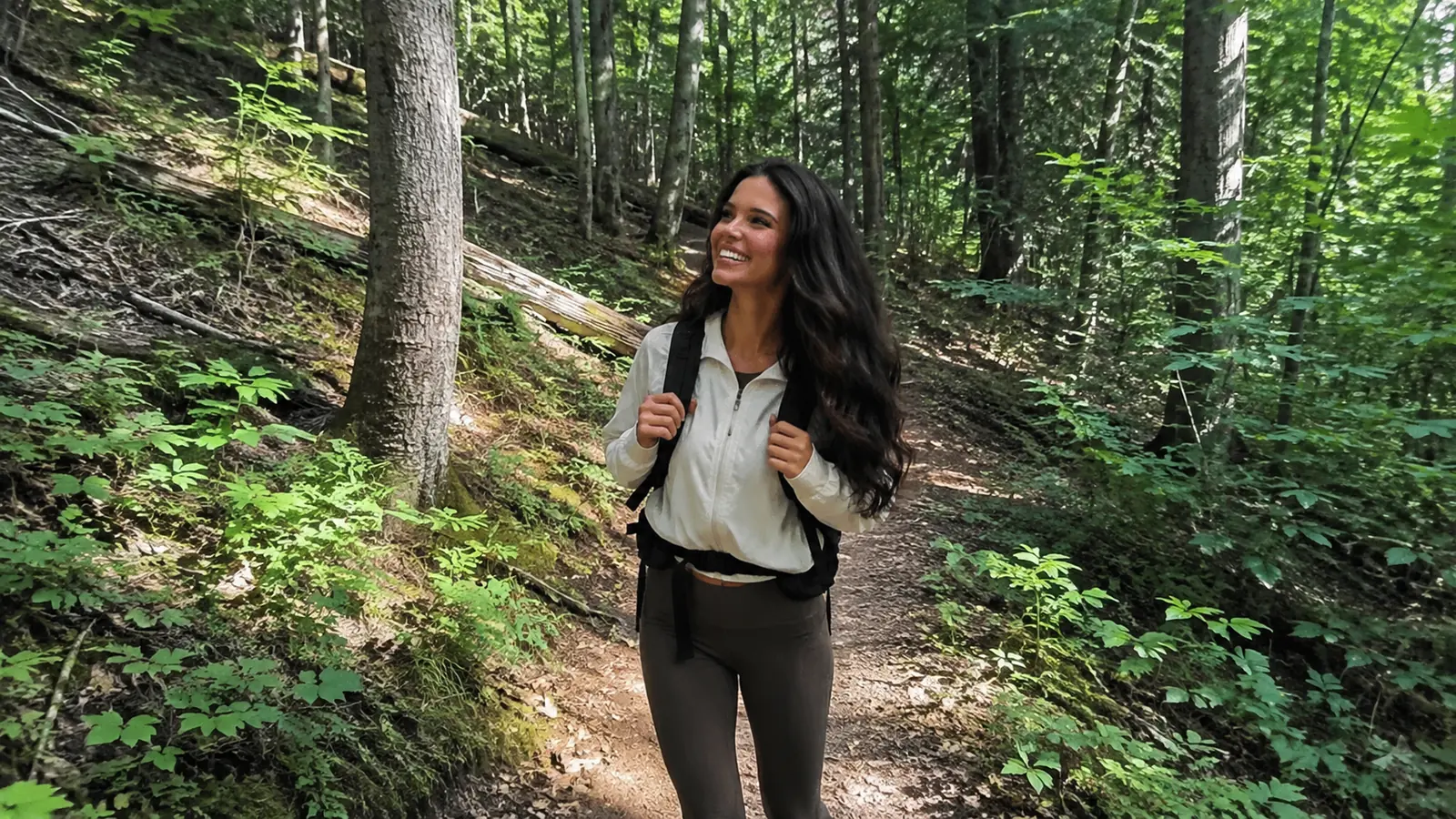
My next step up would be a Canopy circuit from the same main entrance: follow Ji’ka’we’katik north beside the river, pass the Parkside and Prince’s Loop connections, and continue toward the Crosby footbridge area. At Canopy’s northern connection, turn onto Canopy, follow it south to the Prince’s Loop junction, then use the main trail back to Bonshaw.
The map labels Canopy itself as 0.9 kilometer; including the main-trail approach and return, allow roughly 2 to 3 kilometers and 60 to 90 minutes for this proposed circuit. That total is a map-based planning estimate, not an officially measured standalone route.
Canopy is marked intermediate, with winding woodland terrain and more work than Parkside. Pause at the mapped riverside benches on the main trail, then leave the Crosby stairs, Saw Mill, and more distant Elliott River Run for another outing if you want this circuit to stay manageable.
I would pick this combination for adults or older children who want forest variety and river views without committing to the entire network. Carry the map at junctions, and use the Island Trails Bonshaw information alongside current park signs because older condition notices do not establish today’s footing.
For fall color
The mixed woodland makes autumn especially appealing, but peak foliage is never a fixed appointment. Wind, rain, and temperature can shift the best color from one week to the next.
Start earlier on popular weekends for easier parking and softer light. Leaf-covered roots and trail edges can be slippery, so pretty scenery is not a reason to rush.
Mountain biking at Bonshaw Hills
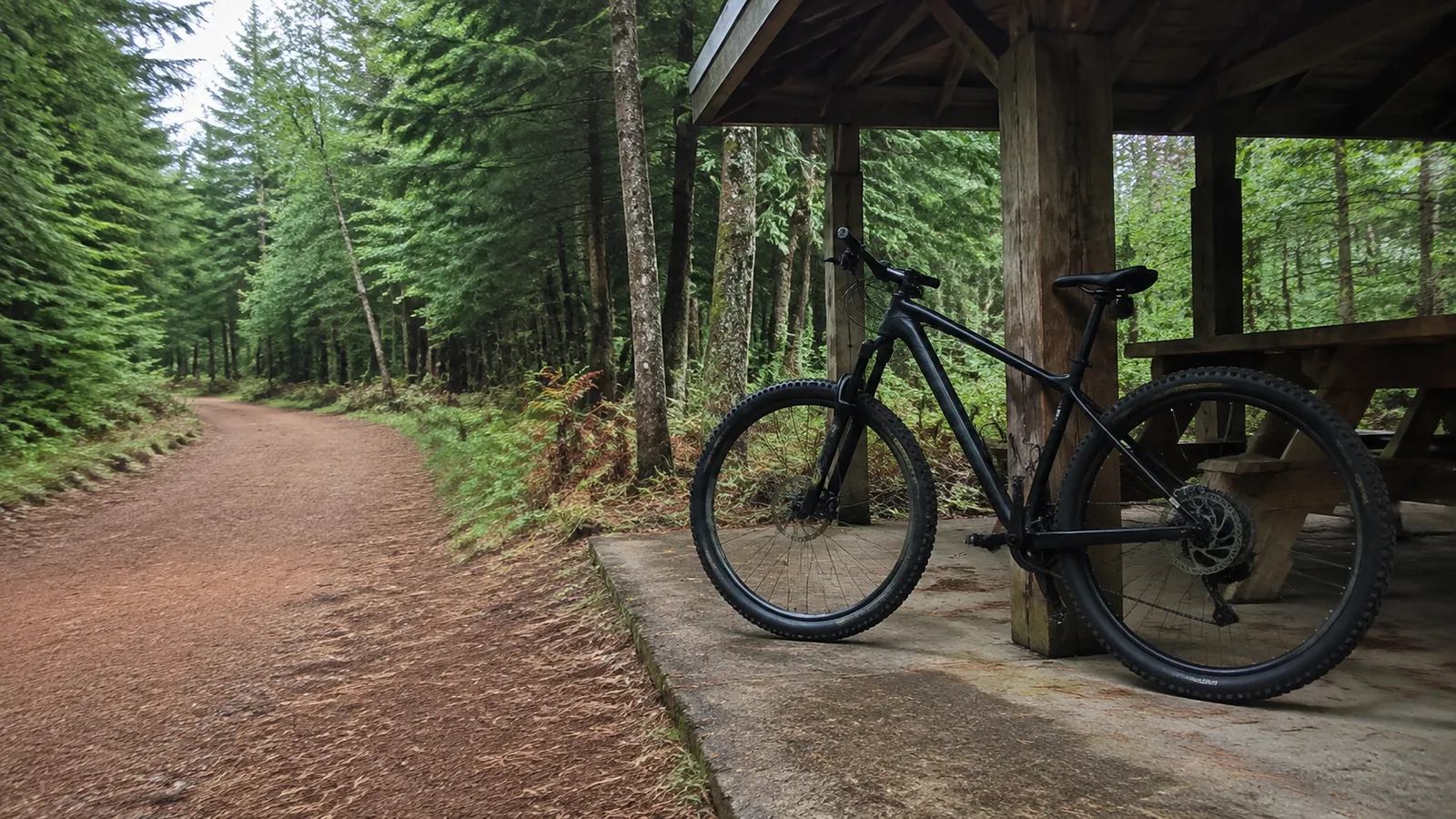
Bonshaw is a shared-use trail system, not a smooth recreational bike path. Riders should expect climbs, turns, roots, bridges, and sections officially described as challenging.
Choose a route that matches the least experienced rider, wear a helmet, control speed, and yield according to posted etiquette. Announce yourself politely before passing hikers and give dogs enough room to settle.
Wet PEI soil is vulnerable to rutting, and a ride can damage trails even when the park itself is technically open. Check conditions and skip soft routes when tires leave a deep track.
Tourism PEI’s mountain-biking overview lists the connected park entrances and emphasizes the harder terrain near Strathgartney. Do not assume bike rentals, repairs, food, or drinking water are available at the trailhead.
Parking and arrival strategy
The main civic address is directly on the Trans-Canada Highway, where traffic can move quickly. Slow early, signal clearly, and use the designated entrance instead of stopping on the shoulder to study your phone.
The wider system has multiple entry points, so “meet at Bonshaw” is not precise enough for a group. Share the exact address, parking area, planned route, and emergency contact before everyone sets out.
Parking capacity and winter maintenance can change with conditions or events. If the designated lot is full, never improvise a space that blocks gates, emergency access, or roadside visibility.
What facilities are available?
The park lists toilets, picnic shelters, barbecues, a natural adventure playground, and a kayak or canoe slip. Treat these as simple day-use amenities rather than a visitor center with a store and full services.
The barbecues require visitors to bring charcoal, according to Tourism PEI. Check the provincial fire information and restrictions before lighting anything, then use only designated equipment and extinguish it completely.
Pack drinking water even if an online map appears to show facilities. Seasonal shutdowns, maintenance, freezing temperatures, or water advisories can change what is usable on arrival.
The natural adventure playground
The playground uses features such as balancing ropes, a sliding hill, and an accessible swing to make the landscape part of play. It can be the main event for younger visitors, not merely a consolation prize after the hike.
Natural play surfaces change after rain, frost, and heavy use, so active supervision still matters. Check equipment and landing areas before a child charges ahead.
Paddling and fishing
The listed kayak and canoe slip provides water access, but it does not mean rentals, supervision, or a staffed launch. Bring a properly fitted personal flotation device, required safety equipment, and a conservative plan based on weather and current.
Anyone new to the activity can use this breakdown of what actually makes kayaking hard to judge wind, balance, clothing, and rescue readiness. Cold water deserves respect even on a warm afternoon.
The Bonshaw River is a known angling area, but fishing is regulated rather than automatic. Review PEI’s current license, season, and regulation information for the exact water and species before casting.
Clean, drain, and dry boats and fishing equipment before moving between waterways. Take discarded line and hooks home because tiny scraps can create lasting trouble for wildlife.
Dogs at Bonshaw Hills
Dogs are allowed on leash, which protects wildlife and makes busy shared trails more predictable. A leash also needs a person attentive enough to prevent it stretching across the path of a cyclist.
Bring water, waste bags, and a towel for muddy paws. Yield at narrow bridges, step aside before greetings, and pack out every bag rather than leaving it beside the trail.
Season-by-season planning
Spring: Expect mud, standing water, and fragile trail surfaces after snowmelt. Check conditions and turn around if your boots or tires are carving damage.
Summer: Shade helps, but humidity, mosquitoes, ticks, and thunderstorms still belong in the plan. Carry water and use sun and insect protection.
Fall: Cooler temperatures and colorful woodland can make this the loveliest hiking window. Bring a layer and remember that daylight disappears earlier than summer habits suggest.
Winter: Year-round status is not a promise of bare, groomed, or ice-free trails. Traction, warm layers, a headlamp, and a much more conservative turnaround time are sensible.
What to pack
- Downloaded park map and charged phone
- Supportive shoes with reliable grip
- Water and trail snacks
- Rain shell and an extra warm layer
- Sun, mosquito, and tick protection
- Small first-aid kit
- Helmet and repair basics for mountain biking
- Personal flotation device and safety kit for paddling
- Leash, water, and waste bags for a dog
If your trip includes several island parks, these Prince Edward Island beach ideas help balance a woodland day with the coast. The practical hiking distinctions in this hiking and backpacking comparison also clarify why Bonshaw is a day-hiking destination, not an overnight trail.
A simple half-day itinerary
Arrive in the morning, photograph the map, and walk Parkside before lunch if your group includes young children. Choose the Canopy circuit instead when everyone is comfortable with a longer, intermediate woodland walk.
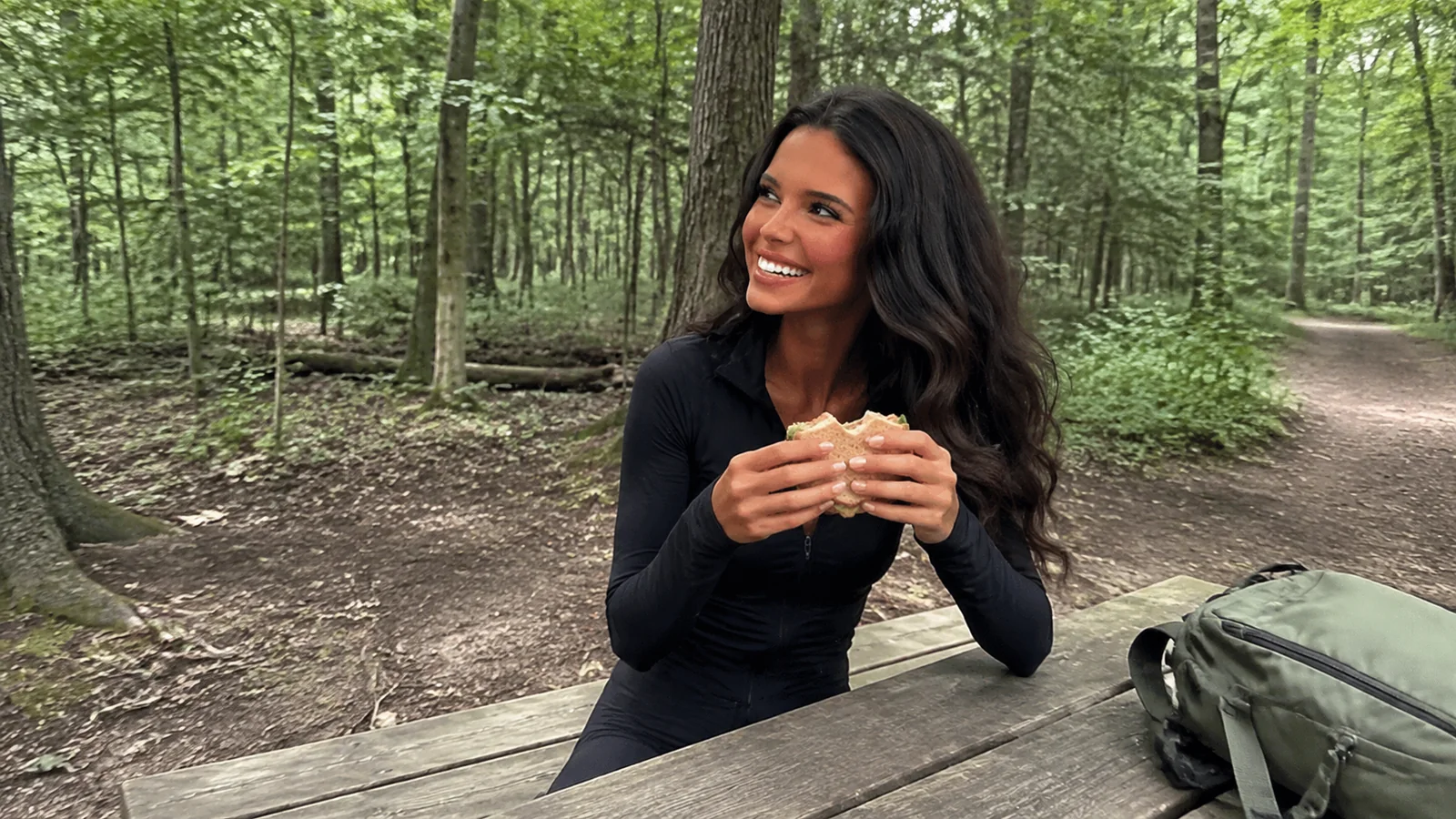
Return for lunch at a picnic shelter, then let children use the playground or take a second short walk. Paddling and fishing deserve separate preparation and should not be squeezed into leftover minutes.
Finish while you still have daylight and energy to check for ticks, change muddy shoes, and drive safely. Charlottetown is close enough for dinner without turning the park visit into a race.
Bonshaw Hills FAQs
Can you camp at Bonshaw Hills Provincial Park?
No campground is listed at Bonshaw Hills. Plan it as a day-use park and reserve overnight accommodations elsewhere.
How long are the trails?
Tourism PEI lists over 11 miles of hiking and mountain-bike trails within the park, with shorter interconnected options. Wider-system descriptions use about 15.5 miles, so follow the current map and named loops.
Is Bonshaw Hills suitable for beginners?
Some routes and family areas are beginner-friendly, while other sections are difficult. Select by posted rating and current conditions rather than assuming the entire park is easy.
Is the park open in winter?
Tourism PEI lists it as open year-round. Snow, ice, storms, maintenance, and parking access can still affect what is practical.
Final thoughts
Bonshaw Hills earns a place in a PEI itinerary by being wonderfully adaptable. It can be a quick stretch between drives, a muddy family adventure, a technical ride, or a quiet fall hike beside the river.
Download the map, choose mileage honestly, and leave room for the playground and picnic that make this park more than a trailhead. The best Bonshaw plan is not the longest one, but the one that gets everyone back to the parking lot smiling.