Alaska Weather in May: Early-Season Temperatures, Rain, and Packing
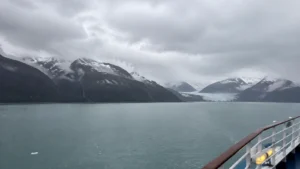
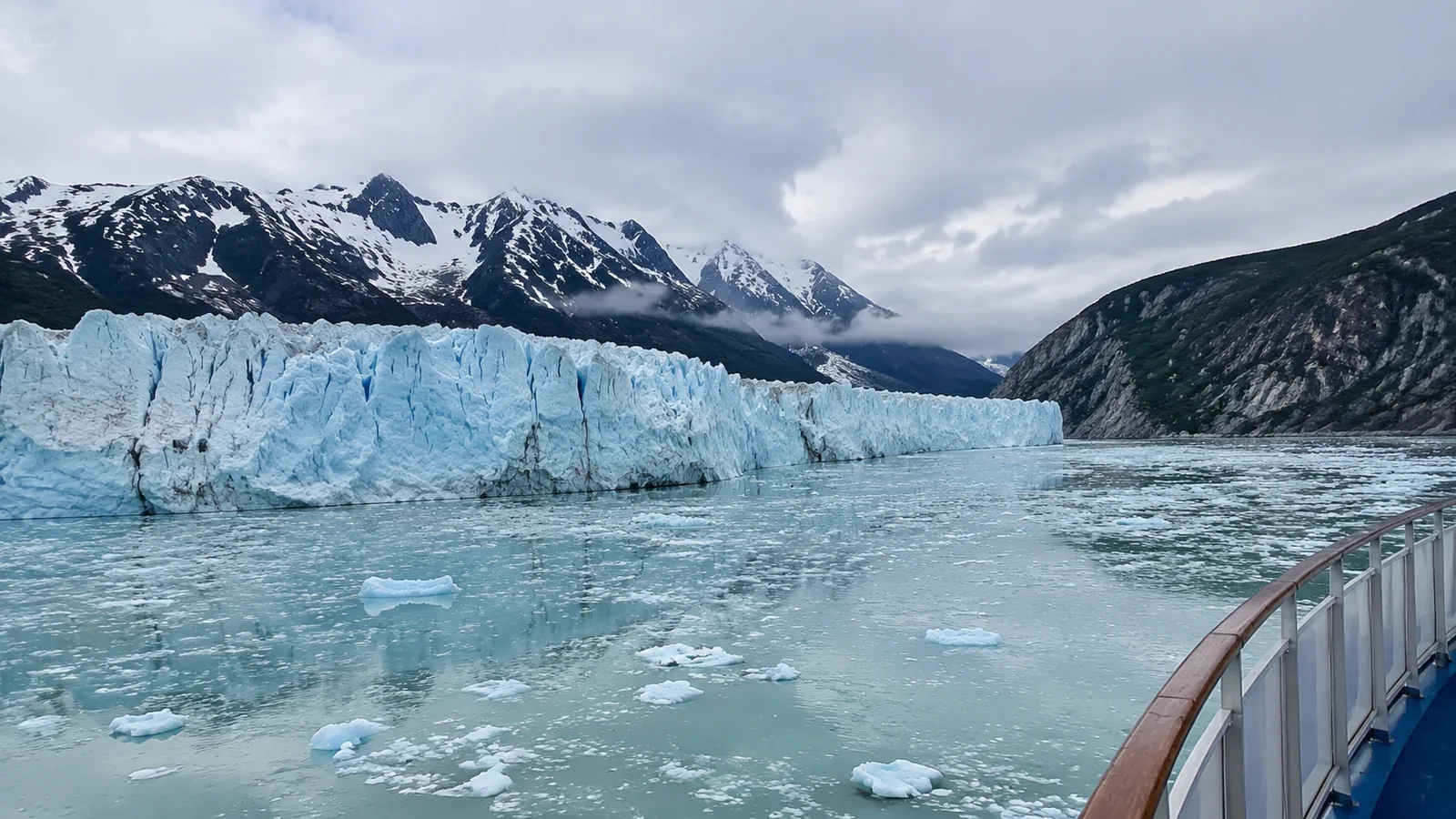
May is Alaska’s early cruise season, when long daylight and lighter demand can be wonderful, but summer has not reached every road, trail, and mountain. Port towns may feel mild while glacier boats feel wintry, and a clear city sidewalk says nothing about snow above it.
Alaska Weather in May: Early-Season Temperatures, Rain, and Packing
May works best for travelers who value long light, lower-season atmosphere, and flexibility more than a full summer schedule. The honest plan includes cool mornings, cold water, elevation snow, variable opening dates, and at least one weatherproof backup.
All temperature and precipitation figures here use NOAA’s 1991–2020 station normals, not a forecast or statewide average. NOAA’s U.S. Climate Normals provide a 30-year planning benchmark, while any individual May can be warmer, colder, wetter, or drier.
May Weather by Alaska Region
Juneau and the northern Inside Passage
Juneau International Airport’s May normal daily high is 58°F and normal low is 40°F. Normal precipitation is 3.51 inches, with measurable precipitation on about 16 days.
Those numbers can produce a pleasant sunny walk or a chilly wet boat ride during the same port call. Low cloud and ceiling also matter for helicopter and floatplane excursions even when rainfall is light.
Juneau’s airport normal shows essentially no May snowfall, but that does not make mountain trails or glacier terrain snow-free. Elevation, shade, and local topography keep winter conditions far beyond the city weather station.
Ketchikan and the southern Inside Passage
Ketchikan International Airport has a May normal high of 57°F, low of 43°F, and 8.68 inches of precipitation. Measurable precipitation occurs on about 16 days in the normal month.
Ketchikan is much wetter than Juneau in this station comparison despite nearly matching its daytime temperature. A waterproof shell and water-resistant footwear matter more than an oversized insulated coat.
Carry rain protection even when the ship arrives under blue sky. Forest paths, docks, open boats, and longer excursions can outlast a small dry window.
Anchorage and Southcentral
Ted Stevens Anchorage International Airport’s May normals are a 56°F high and 40°F low. Normal precipitation totals just 0.65 inch, with measurable precipitation on about seven days.
The airport also averages 0.3 inch of snow for May, which shows that late flakes are possible but not the normal city story. It says nothing about snowpack in mountain passes, trailheads, glacier areas, or farther north.
Anchorage is a transfer hub for Seward, Whittier, Denali, and the Kenai Peninsula rather than a substitute for each destination’s forecast. Coastal wind and mountain weather can turn one travel day into several different clothing problems.
Fairbanks and the Interior
Fairbanks International Airport’s May normal high is 62°F and normal low is 39°F. Normal precipitation is 0.54 inch, with measurable precipitation on about six days.
Normal May snowfall at the airport is 0.9 inch, while the average daily temperature spread is much wider than in Southeast. A mild afternoon can follow a frosty-feeling morning, so dress in removable layers.
Breakup, wet ground, insects, dust, and wildfire smoke can appear at different points in the Interior spring. Their timing shifts year to year, which makes exact-date local checks far more useful than a month label.
Early May Versus Late May
May changes quickly. Daylight expands, temperatures trend upward, leaves emerge, and visitor operations add departures, but high terrain and northern routes can remain wintry after Southeast port gardens look green.
Early May carries more risk of limited schedules, lingering snow, and services that have not reached daily summer frequency. Late May generally offers more seasonal operation, yet a listed opening date can still move with road, staffing, maintenance, and weather conditions.
Ask whether an excursion runs on your specific date and what version operates. A tour may run with a shorter route, alternate landing, changed vehicle, or different wildlife focus before peak summer.
May Daylight Is Already Generous
May gains light fast across Alaska. Juneau grows from roughly 15.5 hours between sunrise and sunset at the start of May to nearly 18 hours at month’s end, while Anchorage grows from about 16 hours to almost 19 hours.
Fairbanks moves from roughly 17.5 hours to more than 21 hours during the month, with long twilight beyond sunset. Use NOAA’s solar calculator for exact dates and coordinates instead of treating all Alaska ports like the Interior.
The light makes scenic transfers and after-dinner walks feel wonderfully spacious. It can also disrupt sleep, so an eye mask is a genuine May essential rather than a decorative packing-list item.
May is not a sensible month to promise aurora viewing on a mainstream cruise route. Increasing daylight and twilight work against dark-sky opportunities, especially later in the month.
May Rain, Snow, and Mud
Ketchikan’s high normal precipitation means a dry early-season stereotype does not travel across the whole route. Juneau is normally much drier by total, while Anchorage and Fairbanks have lower station totals but can still deliver a wet week.
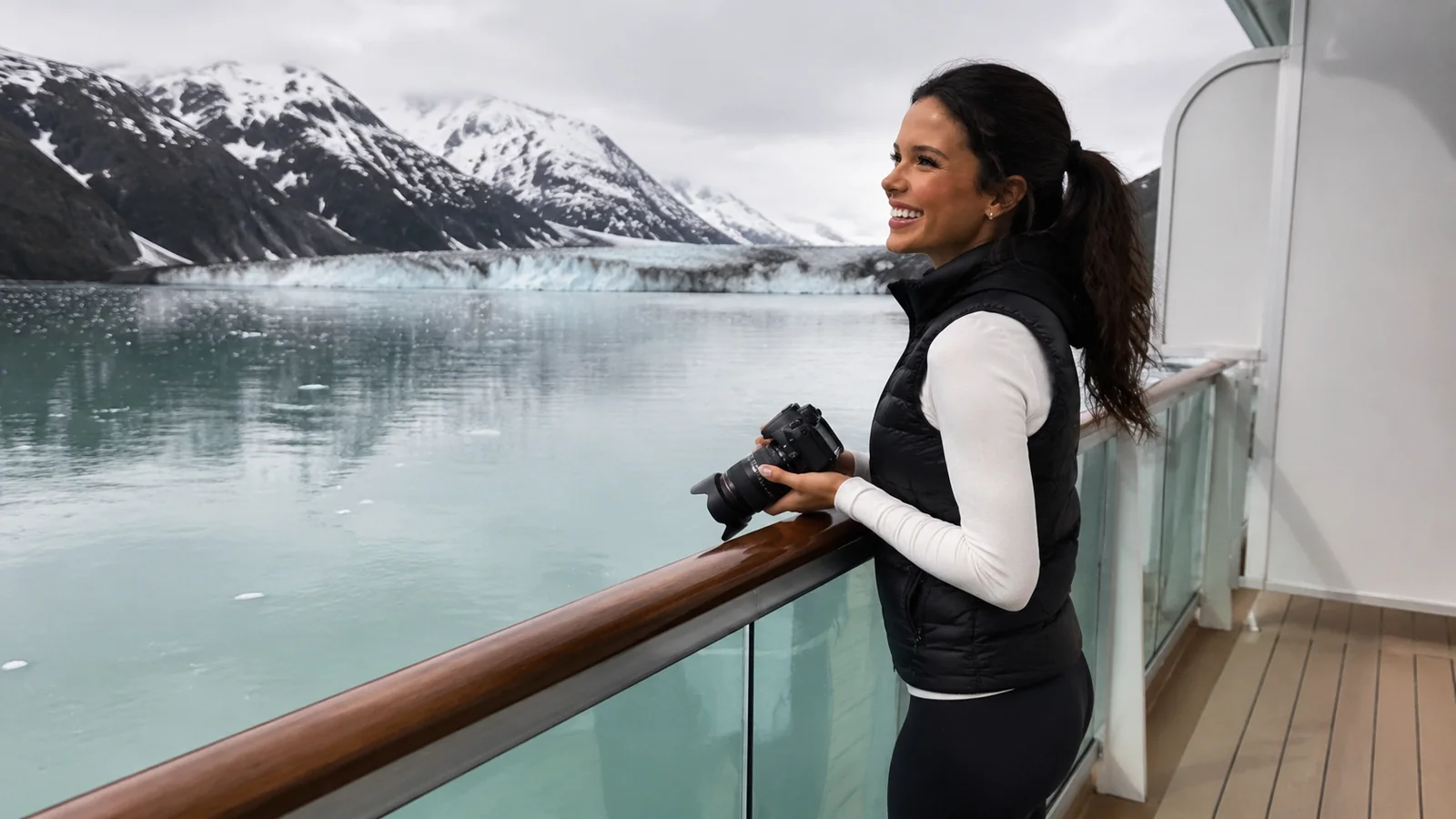
Snow at the city weather station and snow on an elevated trail are different measurements. A road can be bare while a mountain route holds snowfields, ice, mud, standing water, or an unstable thawing surface.
Check trail managers and excursion operators before setting out. Never cross snow over running water, and do not follow tracks into terrain your group cannot assess safely.
For ordinary port days, prioritize waterproof footwear with traction and a dry backup pair. Heavy winter boots are unnecessary for many city visits and awkward on ship stairs.
Wind and Sea Conditions in May
May does not guarantee smooth water or light wind. A Vancouver Inside Passage itinerary, Seattle route with exposed Pacific segments, Gulf crossing, and small-boat excursion all have different marine exposure.
Cold water amplifies the consequences of poor clothing even when the air temperature sounds mild. Zip the shell, use the operator’s flotation equipment, and keep hands free on docks and gangways.
The National Weather Service Alaska marine forecast provides current wind and wave products for specific waters. Check close to departure, then accept that the captain, harbor, or operator may change timing or cancel.
If motion is a major concern, book a lower central cabin and bring any clinician-approved remedy before the trip. A calm harbor departure is not proof that the open-water portion will stay calm.
Wildfire and Smoke Context
Alaska’s official fire-season period begins April 1, so smoke is possible in May, especially in the Interior. It is generally a lower-profile concern than later summer, but one active fire and the wrong wind direction can still affect air and views.
The Alaska Division of Forestry’s fire-season information supplies official context, while live incident and air-quality sources should drive travel-day decisions. No responsible guide can promise a smoke-free month.
Smoke may disrupt mountain views or aviation far from visible flame. Travelers with respiratory or cardiovascular concerns should follow clinician guidance and keep medication accessible.
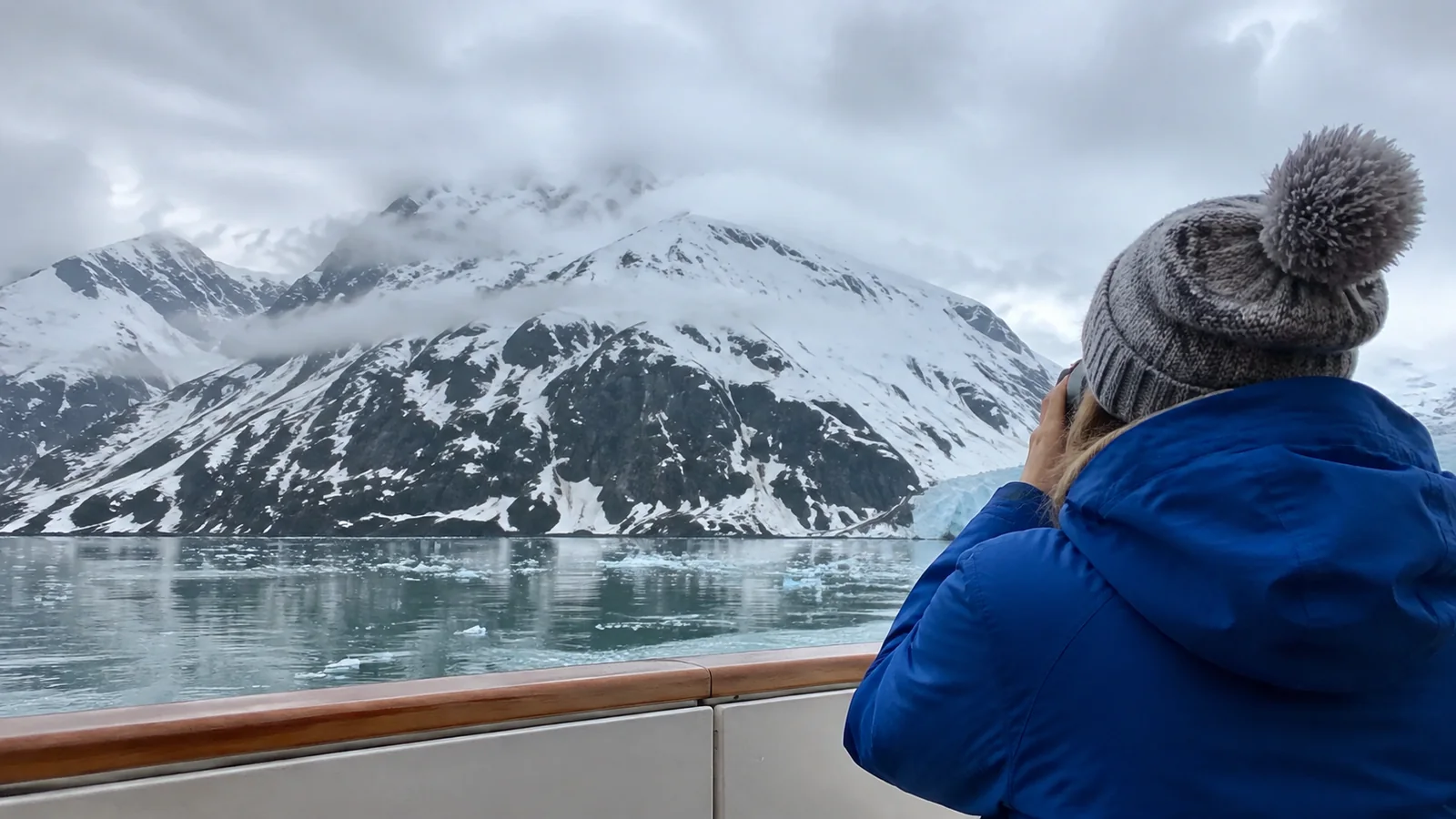
May Excursion and Park Access
May’s biggest tradeoff is not temperature but availability. A cruise port can welcome ships before every remote road, visitor center, lodge, shuttle, trail, and high-elevation excursion operates on its full summer pattern.
Denali’s services and transportation phase in seasonally, and current road conditions can limit where a tour goes. Check the National Park Service Denali operating page for your exact date instead of assuming “May” equals the complete summer experience.
Glacier flights and small boats can cancel for cloud, wind, visibility, ice, or sea conditions. Choose operators by safety communication and cancellation terms, not by anyone claiming they “always fly” or “never cancel.”
Reserve a backup you would actually enjoy, such as a museum, cultural site, food stop, town walk, or low-elevation trail. A weak Plan B feels like a loss, while a good one simply becomes a different Alaska day.
Wildlife in May: Arrival and Uncertainty
May brings active spring ecosystems, returning migratory birds, emerging animals, and increasing marine activity, but timing changes by latitude, species, food, ice, and weather. No itinerary can guarantee a bear, whale, moose, or eagle sighting.
Denali National Park says its animals are wild, neither caged nor trained, and never guaranteed like zoo wildlife. More observation time and a skilled guide may improve opportunity without changing that basic truth.
Salmon runs are species- and watershed-specific, with many headline runs occurring later than May. Do not book a generic “salmon season” promise without the named species, river, and current timing.
Bring binoculars and follow local viewing distances. Never approach a resting marine mammal, crowd a roadside bear, or stand between a moose and its route.
What to Pack for Alaska in May
- Waterproof outer layer: Pack a hooded shell that fits comfortably over insulation.
- Warm midlayer: Fleece or a light insulated jacket handles cold decks, boats, and mornings.
- Base layers: Bring long sleeves plus lighter options for sunny inland afternoons.
- Water-resistant pants: Use them for boat spray, heavy rain, wet brush, or exposed viewpoints.
- Grippy shoes: Choose water-resistant walking or hiking footwear and a dry backup.
- Warm accessories: A knit cap, light gloves, and dry socks are tiny but valuable.
- Light-management gear: Pack sunglasses, sunscreen, a brimmed hat, and an eye mask.
- Day-bag protection: Use a waterproof liner for medication, documents, electronics, and spare layers.
- Optional traction: Bring only what a specific guided activity or current trail condition requires.
The Alaska cruise outfit guide shows how to repeat those layers without overpacking. May needs flexibility, not a separate winter costume for every port.
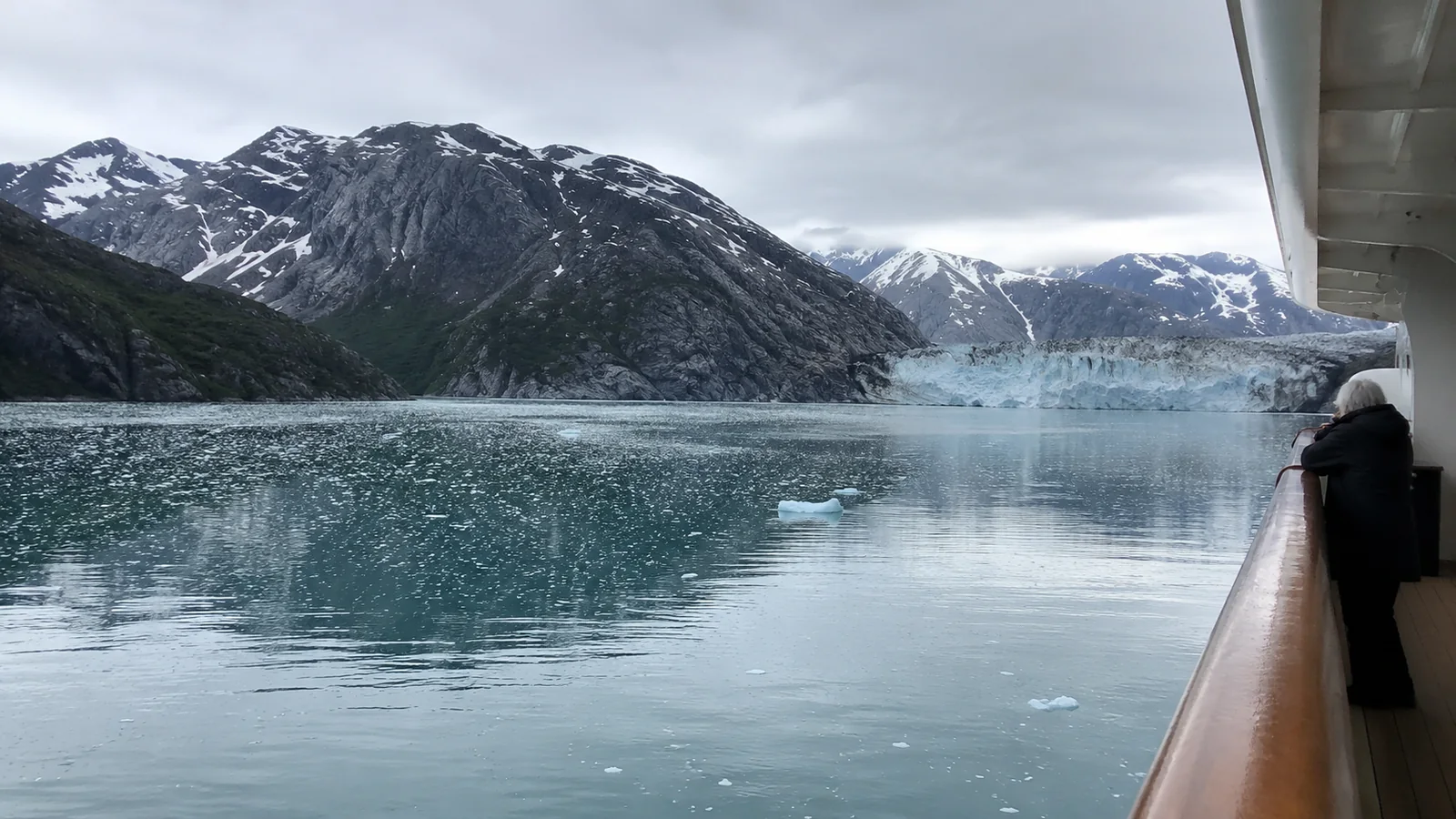
Is May a Good Month for an Alaska Cruise?
Yes, for travelers who value long days, early-season energy, and potentially lighter demand while accepting incomplete schedules and cooler conditions. No, for someone whose trip depends on one high road, one remote lodge, or a guaranteed wildlife event.
Route matters as much as month. The Alaska cruise planning guide separates round-trip Inside Passage sailings from one-way Gulf routes and land extensions.
Use the month-by-month Alaska cruise comparison if you can move the date. June and July generally expand access, while May can reward flexible travelers without offering automatic bargains or better weather.
My May Planning Checklist
- Confirm that every must-do road, park service, shuttle, and excursion operates on the exact date.
- Compare Juneau, Ketchikan, Anchorage, and Fairbanks separately instead of saving one statewide forecast.
- Check elevation and surface conditions for hikes, not just the town temperature.
- Review marine wind, waves, cloud ceiling, and visibility before boats or aircraft.
- Carry waterproof and warm layers off the ship even when the morning is clear.
- Keep one satisfying backup for each weather-dependent booking.
I would choose May when itinerary and price are attractive and none of my essential plans depends on full-summer operation. I would not choose it because a calendar graphic promised fewer rainy days, no mosquitoes, calm water, or abundant wildlife.
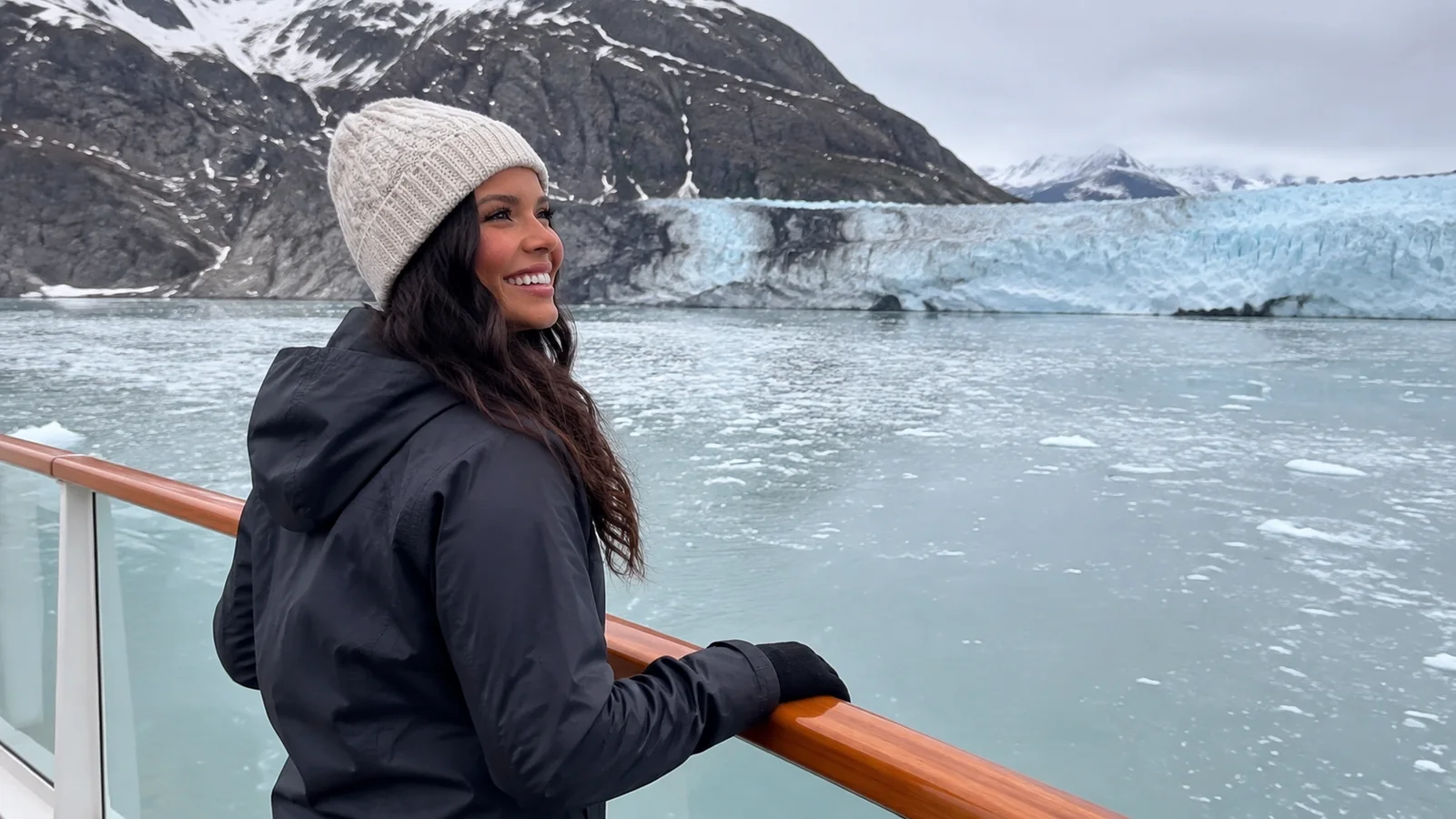
Bottom Line
May’s normal highs range from the upper 50s in Southeast and Anchorage to the low 60s in Fairbanks, with nights around 39°F to 43°F. Ketchikan is normally far wetter than the other representative stations, while mountain snow and cold marine exposure remain separate concerns everywhere.
May can be a smart early-season Alaska trip if you verify access and pack layers. Treat climate normals as context, monitor exact destinations close to travel, and leave enough flexibility for the season that actually arrives.