Holland, Michigan: What to Do, When to Go, and Where to Stay
Holland, Michigan, is not a miniature Netherlands, and it is more interesting when you stop expecting one. This Lake Michigan town combines Dutch American history, a remarkably walkable downtown, broad beaches, dune climbs, gardens, and one famous spring festival that completely changes the trip.
Here is how to choose the right season, neighborhood, and itinerary without spending the weekend in traffic.
Is Holland, Michigan, Worth Visiting?
Yes, especially for a two-night Lake Michigan getaway. Holland works best for travelers who want a beach and a real downtown, with enough family attractions and paved paths to fill a weekend without driving continuously.
The honest limitation is that the lakefront and downtown are not adjacent. Holland State Park is roughly 7 miles west of downtown, so a car, bike, or carefully timed ride is useful if both are priorities.
Tulip Time creates the city’s busiest, most colorful version, while summer shifts the focus to sand and water. Fall is quieter and often lovely, and winter makes downtown dining and shopping the main event while several Dutch attractions close for the season.
When to Visit Holland
Spring: tulips, crowds, and unpredictable bloom
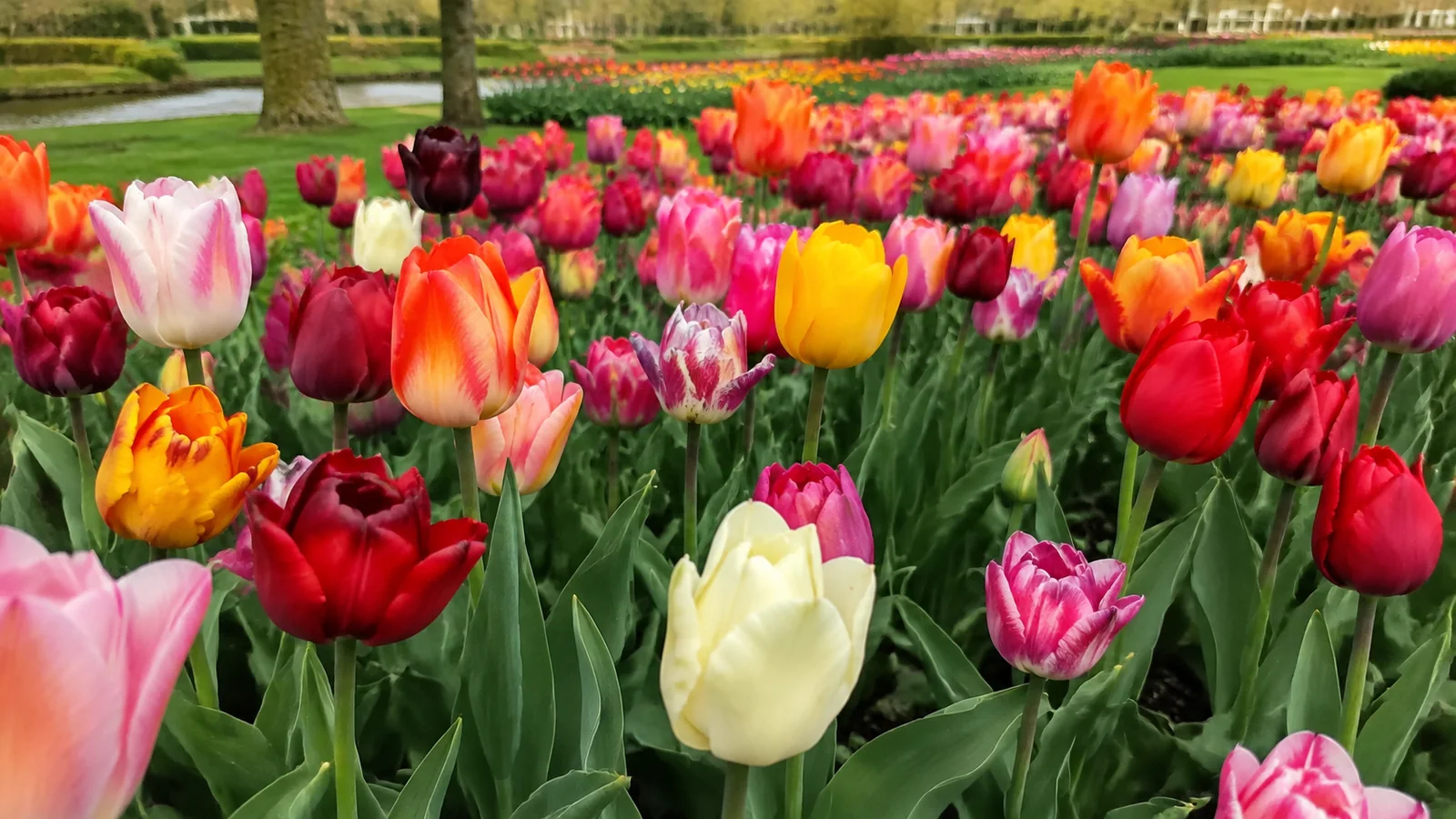
Tulip Time is a ten-day festival with performances, parades, Dutch dancing, art, food, and events across multiple locations. The next announced festival runs April 30 through May 9, 2027, according to the official Tulip Time visitor page.
The festival dates do not guarantee peak flowers because temperature controls bloom. Use the festival’s tulip tracker close to departure, then decide whether flowers, ticketed events, or the full community celebration matters most.
Book lodging and reserved events early, expect road closures, and do not assume every parade or performance happens beside your hotel. Travelers who love floral trips can compare Holland’s format with other celebrations in this international flower-festival roundup.
Summer: the best beach trip
June through August is the clearest choice for swimming, paddling, camping, and long evenings near Lake Michigan. It is also prime time for expensive lake-area lodging, full state-park parking lots, and sudden thunderstorms.
Lake Michigan is not a calm inland pond, and cold water, waves, and currents require respect. Check beach conditions, obey warning flags and closures, and keep children within arm’s reach near the surf.
Fall: quieter and easier
September and October suit travelers who want downtown, cycling, orchards, and shoreline walks without peak summer demand. Water temperatures drop, daylight shortens, and seasonal attractions reduce hours, so this is a scenery trip rather than a guaranteed beach vacation.
Winter: cozy, but not a substitute for summer
Downtown Holland uses an extensive municipal snowmelt system beneath selected streets and sidewalks. The City of Holland explains that recovered heat warms recirculating water through pavement tubing, but visitors still need winter footwear for untreated lots, parks, and trails.
Winter is best for a short downtown stay with restaurants, shops, and seasonal events. It is not the right time if De Zwaan tours, tulips, swimming, or a full slate of family attractions is the goal.

Best Things to Do in Holland, Michigan
1. Tour Windmill Island Gardens
Windmill Island Gardens is the signature first stop, anchored by De Zwaan, an authentic Dutch windmill that still operates as a grain mill. The grounds add canals, formal gardens, a carousel, Dutch architecture, and seasonal blooms, making the attraction more substantial than a roadside photograph.
The park’s official planning page lists a mid-April opening for the 2026 season and operation into early fall. Hours, admission, mill access, and special-event pricing can change, so confirm the date rather than relying on a general city itinerary.
Allow about two hours, longer during peak tulip displays or with children. The mill has stairs and constrained historic spaces, while much of the garden experience is at ground level, so ask the property about the exact accessible experience needed.
2. Walk Downtown Holland
Downtown’s compact blocks contain independent shops, restaurants, galleries, breweries, public art, and the Holland Museum area. Eighth Street is the natural spine, but side streets and the civic spaces around the market deserve time too.
This is the easiest part of the city to explore without a car once parked. During Tulip Time, however, normal parking and traffic patterns change, and a space that looks close on a map may sit behind a closure or parade route.
3. Choose the right Lake Michigan beach
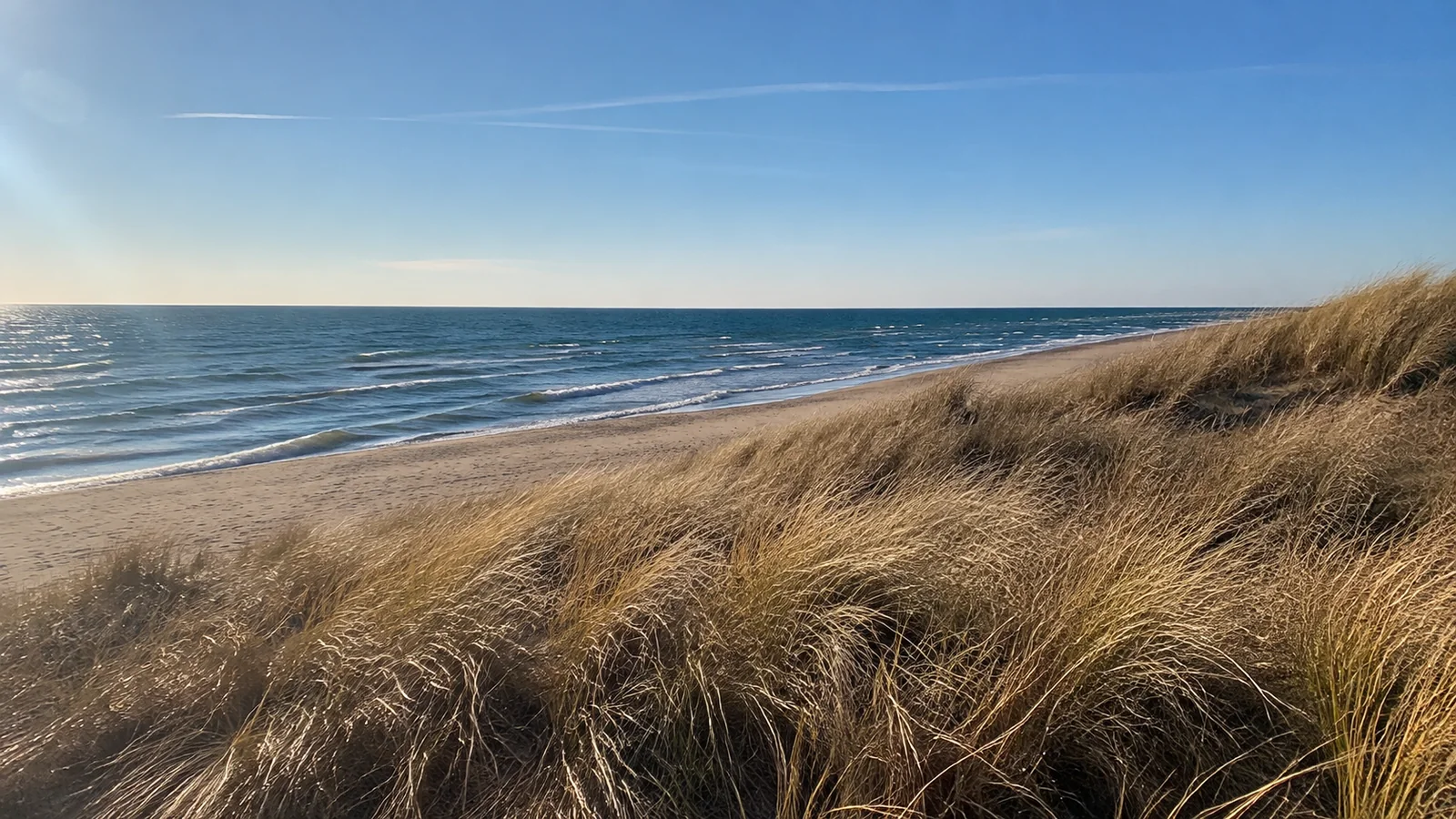
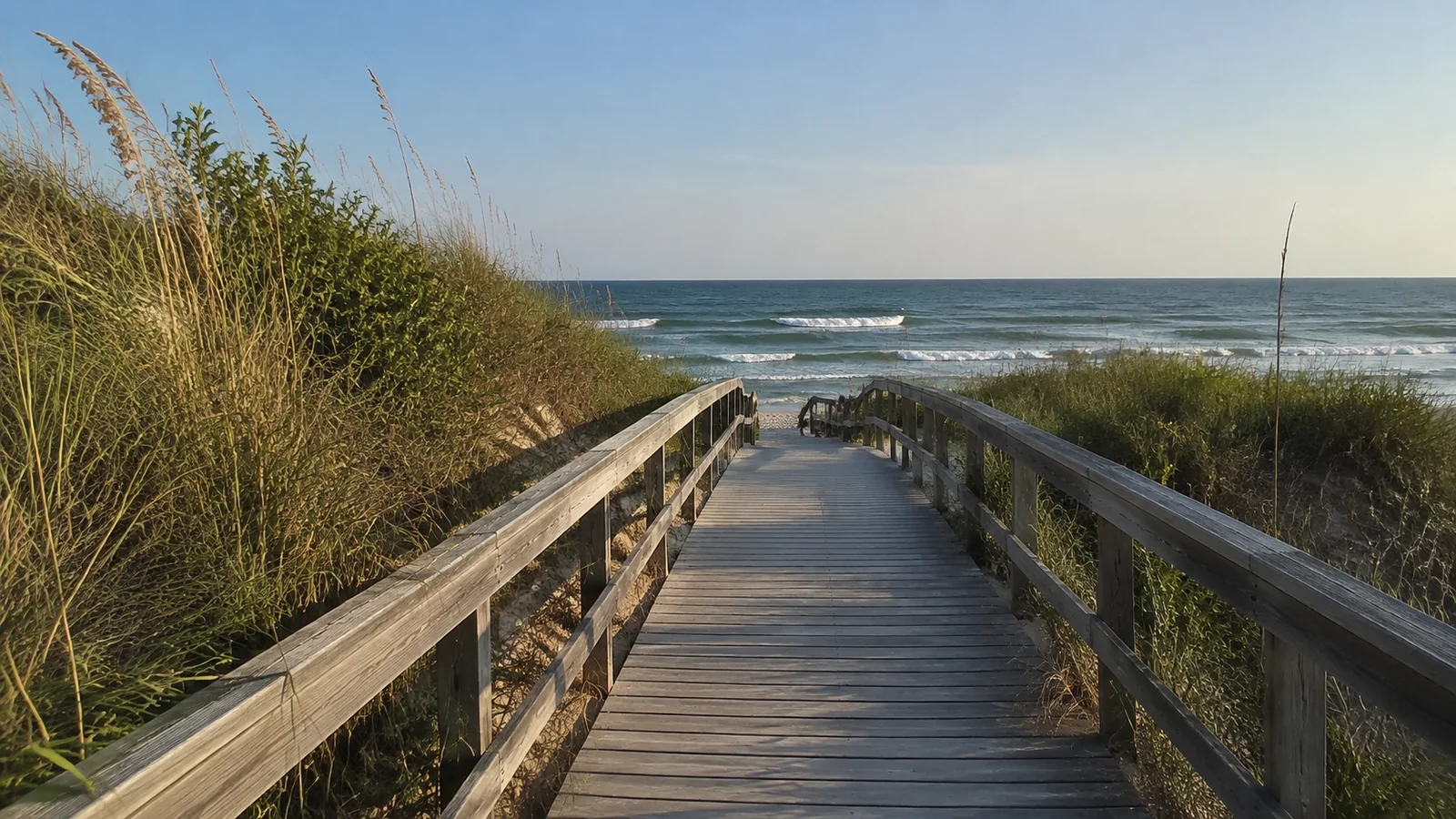
Holland State Park has the area’s classic broad beach, channel views, two campground areas, a pier, and the familiar view toward Big Red lighthouse. Big Red itself is across the channel on private association land, so the reliable public experience is the view rather than an assumption of tower access.
Tunnel Park, operated by Ottawa County, is smaller and known for its concrete tunnel through the dune, playground, and overlook stairs. It is a good family alternative, but stairs and sand still make parts of the experience difficult for some visitors.
Laketown Beach offers a more stripped-down shoreline experience after a significant stair climb. It suits active visitors seeking fewer developed facilities, not travelers carrying coolers, strollers, or extensive beach gear.
Michigan state parks require the appropriate Recreation Passport or nonresident vehicle admission. Current park entry, camping, and seasonal facility details should be confirmed through official state channels before arrival.
4. Climb Mount Pisgah
Mount Pisgah’s boardwalk and stair system rises through a dune near Holland State Park to views over Lake Macatawa, marinas, Lake Michigan, and Big Red. The local visitor bureau places the top about 157 feet above Lake Michigan, which is enough climbing to feel substantial on a hot day.
Wear secure shoes, carry water, and keep to the constructed route to protect dune vegetation. Pair the climb with the state park rather than driving out solely for a brief overlook.
5. Visit Nelis’ Dutch Village with younger children
Nelis’ Dutch Village is a family amusement attraction with small rides, farm animals, demonstrations, dancing, shops, and Dutch-themed architecture. It is most compelling for elementary-age children and multigenerational families, not adults expecting a rigorous history museum.
The official attraction site says the park operates seasonally from April through September, while its downtown shop is year-round. Check the day’s ride, demonstration, and animal schedules before paying, since opening the front gate does not mean every activity runs continuously.
6. Add context at Holland Museum
Holland Museum gives essential context to Dutch immigration, local industry, civic life, and the city’s relationship with the Netherlands. It balances the cheerful festival imagery with a fuller community history.
History-focused travelers should also check access to the Cappon House and Settlers House, which may have separate seasonal hours or tours. Allow at least 90 minutes for the main museum if you read exhibits rather than skim them.
7. Cycle the path network
Holland’s paved paths make cycling one of the smartest ways to connect neighborhoods, Lake Macatawa, parks, and the lakefront. The downtown-to-state-park ride is far more pleasant when treated as an outing, not as a race beside beach traffic.
Confirm the exact route, construction, bike-rental return time, and after-dark visibility before setting out. Wind off Lake Michigan can make the return feel longer than the outbound ride.
8. Browse the Holland Farmers Market
The farmers market beside the Eighth Street Market Place adds produce, baked goods, flowers, and local vendors to a downtown morning. Market days and vendor counts vary by season, so check the official calendar instead of assuming a daily market.
Combine it with breakfast and downtown shopping, then move to the beach after parking turnover begins. During festival weekends, this simple plan still needs extra time for crowds.
One-Day Holland Itinerary
Start at Windmill Island Gardens near opening, then park downtown for lunch, the museum, and a walk along Eighth Street. Finish at Holland State Park and Mount Pisgah, choosing the beach or dune climb according to weather and mobility.
- Morning: Windmill Island Gardens, about two hours.
- Midday: Downtown lunch, shops, and Holland Museum.
- Late afternoon: Mount Pisgah or a paved-path ride.
- Evening: Holland State Park sunset, if weather and beach conditions cooperate.
With young children, substitute Dutch Village for the museum and shorten the beach block. During Tulip Time, build the whole day around one reserved performance or parade and remove at least one regular attraction.
A Better Weekend Plan
Day one: Dutch heritage and downtown
Visit Windmill Island Gardens first, then settle into downtown for the museum, lunch, shopping, and an evening meal. This keeps most of the day geographically compact and avoids bouncing between the lake and city center.
Day two: dunes and Lake Michigan
Reach Holland State Park early, walk Mount Pisgah before peak heat, and spend the remaining hours at the beach. Switch to Tunnel Park if its facilities and scale better match your group.
A third day creates room for Saugatuck and Douglas to the south, Grand Haven to the north, or Grand Rapids inland. For a longer shoreline journey, the Great Lakes road-trip itinerary helps place Holland within a route instead of treating every lake town as a separate out-and-back.
Where to Stay
Downtown is the best all-around base for restaurants, evening walks, events, and minimal driving after dinner. It is also the logical choice in winter and for a culture-first weekend.
Near Holland State Park or Lake Macatawa is better for sand, sunsets, camping, boating, and early beach access. Dining is more dispersed, and downtown generally requires a drive or bike ride.
Near US-31 often offers practical chain lodging and easier regional access at a lower price. The tradeoff is atmosphere, because the stay feels less connected to both the historic center and lakefront.
Getting There and Getting Around
Holland sits about 30 miles southwest of Grand Rapids and is easiest to navigate by car. Amtrak serves downtown Holland on the Chicago-to-Grand Rapids Pere Marquette route, but a rail arrival still requires a local transportation plan for the state park and outlying attractions.
Walking works beautifully downtown, and cycling expands the radius considerably. Public and on-demand local transit can help, but visitors should verify service area, reservation rules, weekend schedules, and late-evening availability for their exact dates.
Festival visitors should use official parking and shuttle instructions rather than improvising around closures. A hotel that includes parking may be worth more than a slightly cheaper room several miles away.
What Holland Does Well, and What It Does Not
Holland excels at easy weekend scale, clean public spaces, family attractions, a lively downtown, and access to Lake Michigan. It also fits naturally into a western Michigan road trip that can continue north toward the state’s more remote lake country, including the ferry-first plan for a Mackinac Island day.
It is not Amsterdam, a secluded beach village, or a bargain during its headline festival. Dutch American heritage here is specific to a Michigan community, and the most thoughtful visit makes room for that history rather than reducing it to windmills and wooden shoes.

The Bottom Line
Choose spring for Tulip Time, summer for the lake, fall for breathing room, and winter for a compact downtown escape. Two nights are enough for Windmill Island Gardens, downtown, dunes, and a beach without turning the weekend into a parking exercise.
Stay downtown unless beach access is the main purpose, arrive early at the shoreline, and let one season define the trip. Holland is at its best when you enjoy the version that is actually happening, not four seasons squeezed into one day.