Backpacking vs Hiking: A Beginner’s Decision Guide
Backpacking is hiking with the equipment and food needed to sleep outside, while day hiking ends back at the trailhead. That simple distinction changes your pack, planning, cost, risk, and the skills you need.
If you are new, start with hiking and build toward one short overnight. The goal is not to prove toughness, but to enjoy the trail without turning a small mistake into a long, cold night.
Backpacking vs. Hiking in Plain English
Hiking is the broad activity of traveling on foot through an outdoor route or trail. In most comparisons, “hiking” means a day hike where you return before sleeping.
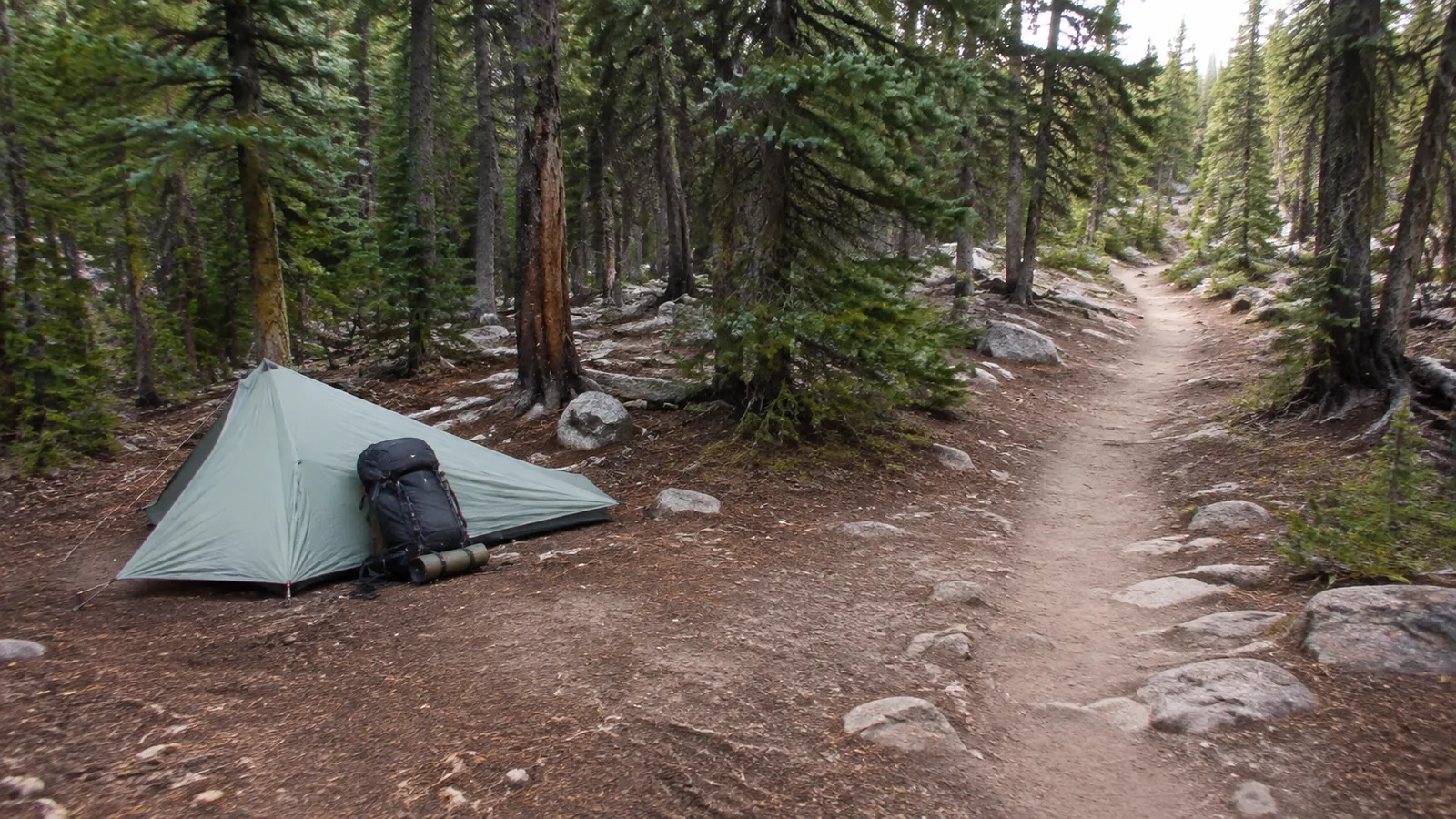
Backpacking combines hiking with backcountry camping. You carry shelter, a sleep system, food, water capacity, overnight clothing, sanitation supplies, and required equipment.
Backpacking is still hiking, just with more weight and fewer easy exits. A missed turn on a day hike may cost an hour, while the same mistake on an overnight can affect water, daylight, a reserved campsite, and tomorrow’s route.
Where Trekking and Thru-Hiking Fit
Trekking has no single technical definition, but it usually describes a longer or more demanding walk. A trek may use huts, porters, guides, or vehicle support, so it does not necessarily mean backpacking.
A thru-hike follows a long-distance trail from one end to the other in a continuous journey. Most thru-hikers backpack, while section hikers complete portions over separate trips or seasons.
The Quickest Way to Choose
Choose a day hike when you want scenery, movement, and trail time without managing camp. Choose backpacking when sleeping outside and traveling beyond a day’s turnaround point are part of the experience you genuinely want.
- Pick hiking for a first trail experience, limited time, a lighter pack, or an easy retreat to the car.
- Pick backpacking for a legal overnight route, remote camps, sunrise on trail, and the satisfaction of carrying a complete camp.
- Pick a campground day-hike trip when you want camp life without carrying overnight gear for miles.
- Pick a hut or lodge trek when you want multiple walking days but not a tent, stove, and sleep system.
Distance does not decide the label. A 14-mile day hike is still a day hike, while a gentle 3-mile walk to a legal campsite can be a backpacking trip.
Gear: One Trail, Two Very Different Packs
A day hiker carries what is needed to travel safely until returning. A backpacker must also create a dry, warm, legal place to sleep and remain functional the next morning.
A Practical Day-Hike Kit
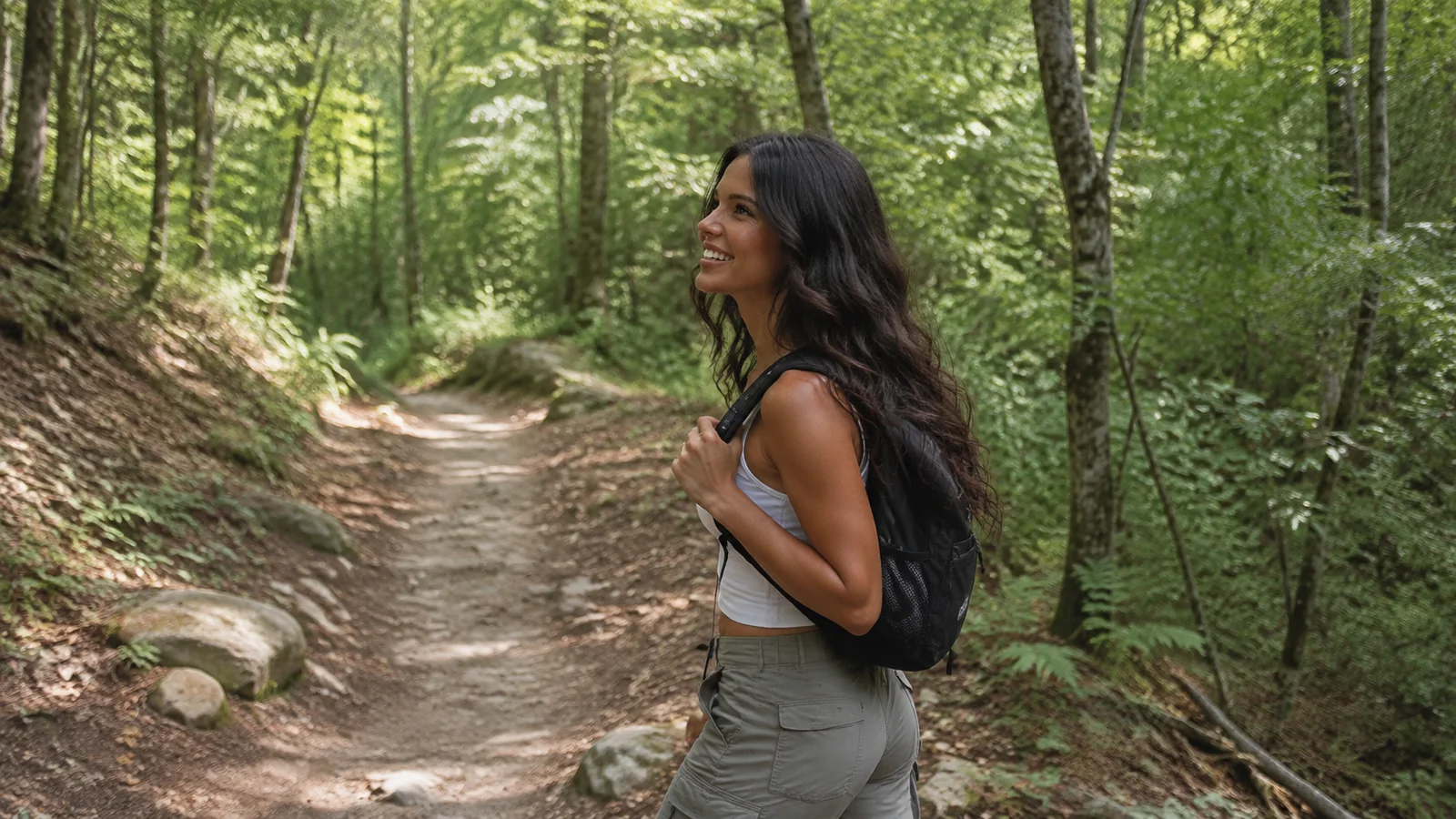
The National Park Service organizes the Ten Essentials into systems for navigation, sun protection, insulation, illumination, first aid, fire, repair, food, hydration, and emergency shelter. The exact items should change with the route, season, weather, and remoteness.
- Route map, downloaded offline map, and a backup navigation method
- Water plus a route-appropriate treatment plan
- Food and a small delay reserve
- Weather layers and sun protection
- Headlamp, first-aid supplies, and emergency shelter
- Phone, battery, identification, and required permit
A phone is useful, but coverage and battery life are not guaranteed. Downloading a map does not replace learning how to identify the route and your position.
What Backpacking Adds
Backpacking adds a fitted overnight pack, shelter, sleeping bag or quilt, sleeping pad, stove if needed, fuel, meals, water treatment, food storage, hygiene supplies, and overnight layers. It also adds repair needs because a broken buckle or torn shelter matters more when the car is miles away.
Do not buy the lightest version of everything before your first night. Rent or borrow gear, then replace items that truly caused discomfort or excess weight.
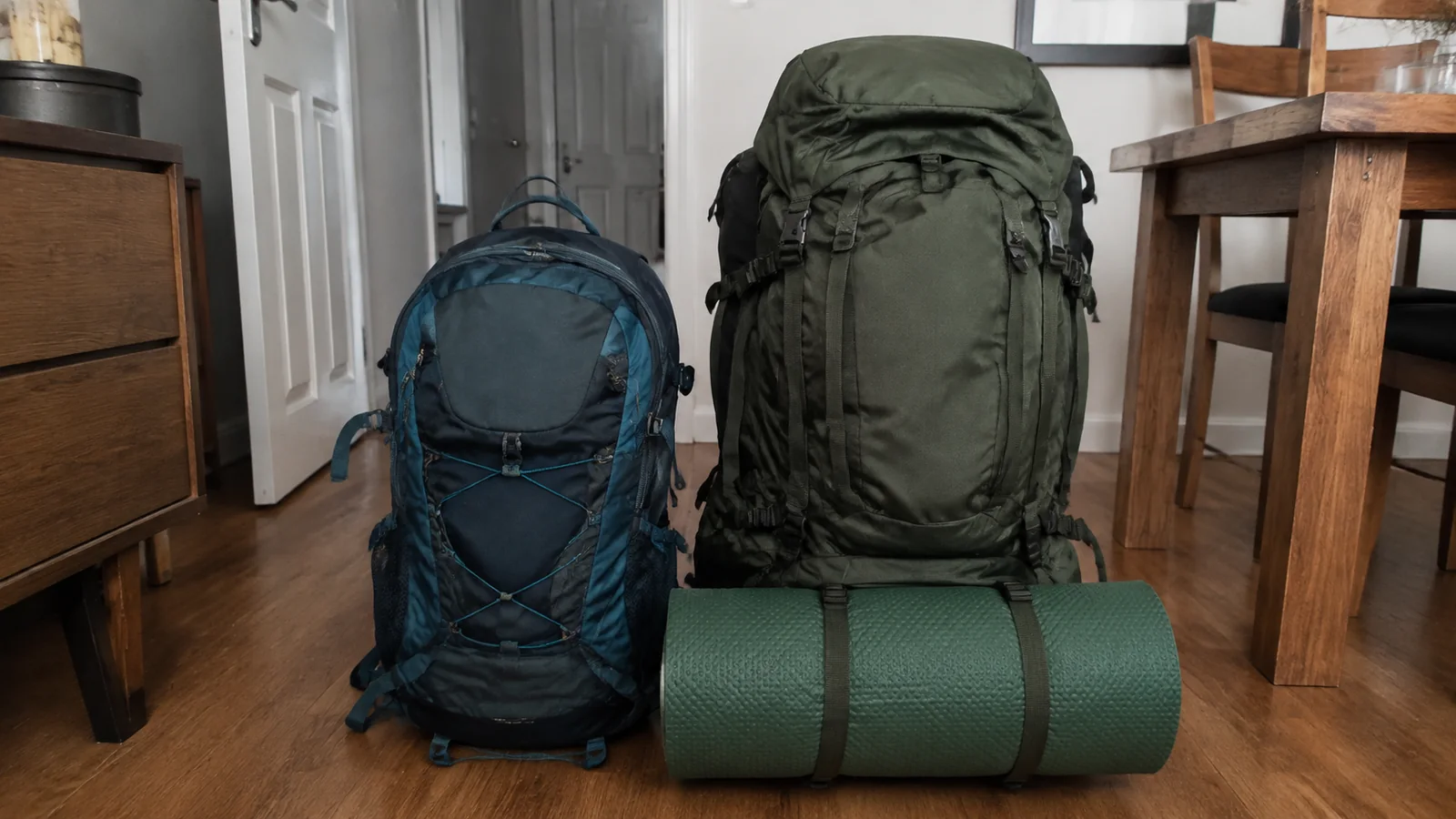
Pack volume and weight are outcomes, not identities. The right load depends on weather, water availability, food-storage rules, group gear, body needs, and how far you must carry it.
Cost: Hiking Is Easier to Try
Day hiking can start with clothing, footwear, and safety items you already own, provided they suit the route. Backpacking introduces several expensive systems at once, especially the pack, shelter, sleeping bag, pad, and water treatment.
That does not mean a beginner needs premium ultralight equipment. A gear-rental package, outdoor club, guided overnight, or borrowed tent can reveal whether you even enjoy sleeping outside before you spend heavily.
Budget for permits, parking, transportation, food, and nearby lodging. A cheap campsite does not make a remote trip cheap if the trailhead requires a long drive or shuttle.
Fitness: Load and Repeat Days Change the Work
Backpacking usually feels harder because the pack is heavier and the work continues after the walking stops. You still have to find the legal site, collect or treat water, prepare food, organize gear, sleep, and hike again.
A technical day hike can be harder than a mellow overnight, however. Elevation gain, altitude, heat, mud, scrambling, stream crossings, trail surface, and pace matter more than the activity label.
Train for the trip you plan to take. Build steady walking time, hills or stairs, balance on uneven ground, and gradual time under the actual loaded pack.
Your best test is a full day hike with the backpacking load on forgiving terrain. If the pack rubs, footwear pinches, or pace collapses, adjust before the overnight rather than hoping adrenaline will solve it.
Planning and Permits
A day hike may require an entrance pass, parking reservation, or trail permit. Backpacking can add a campsite reservation, trailhead quota, group limit, fire restriction, and approved food storage.
Rules are specific to place and date. For example, the U.S. Forest Service’s current Indian Peaks Wilderness page requires overnight permits during a defined summer period and bear canisters in specified zones, which is exactly why an old blog post is not your rulebook.
Check the managing agency, not just a map app. Confirm trail alerts, water reports, campsite boundaries, waste rules, food storage, fire status, pet restrictions, and whether your route crosses into a second jurisdiction.
Food and Water Are Systems
For a day hike, bring food you can eat while tired plus a modest emergency reserve. For an overnight, assign meals and snacks to specific days, remove excess packaging at home, and include enough fuel to prepare them.
Water planning starts with the longest dry stretch, not a daily average. Note each reliable source, carrying capacity, treatment method, and backup if a seasonal stream is dry.
A filter does not solve every water problem because some contaminants require different treatment. Follow current land-manager advice for the area and never assume clear water is safe.
Food storage is equally local. Some destinations require a hard-sided animal-resistant canister, some provide lockers, and others have different rules, so “I know how to hang a bag” may not be legal or effective.
Safety: Consequences Grow After Sunset
Both hikers and backpackers should leave a route, destination, vehicle description, and overdue time with a reliable person. The National Park Service also recommends checking conditions, knowing your limits, and carrying equipment suited to the trip in its Hike Smart guidance.
Backpackers need a detailed contingency plan because an injury, storm, or navigation error can disrupt multiple days. Identify bailout routes, communication limits, and alternatives if a campsite or water source is unavailable.
Do not let the permit create false commitment. Turning around because of heat, high water, smoke, lightning, pain, or unstable weather is good judgment, even when the reservation was difficult to obtain.
A Five-Trip Progression for Beginners
Going directly from neighborhood walks to a remote multi-night route skips useful practice. Repeat any stage that still feels chaotic rather than treating this sequence as a race.
- Short local hike: Practice footwear, pacing, water, layers, and basic navigation near easy help.
- Longer day hike: Carry the Ten Essentials and finish with energy, food, and daylight in reserve.
- Loaded training hike: Wear the fitted overnight pack and notice pressure points before buying more gear.
- Campground rehearsal: Set up the exact shelter, sleep system, stove, and food storage near the car.
- One-night backpack: Choose a legal campsite on a marked route with a short, uncomplicated retreat.
A list of Southern Wisconsin day hikes offers examples of trail days that can build confidence without an overnight commitment. The same progression works anywhere if you choose terrain similar to your eventual trip.
How to Choose a First Overnight
Make the first backpacking trip wonderfully unambitious. One legal campsite, a marked out-and-back or simple loop, moderate weather, dependable water, and several hours of arrival daylight are enough.
Avoid major river crossings, exposed ridges, off-trail navigation, deep snow, extreme heat, high altitude, and a long dry carry the first time. Those challenges can be added after the camp systems feel routine.
Set up shelter before wandering, eat before you are depleted, and keep tomorrow’s clothing dry. In the morning, account for every item and leave enough energy for the trip out.
For a picture of how logistics expand at a remote destination, the Isle Royale planning guide shows why ferries, camps, food storage, and route decisions must work together. It is an inspiring goal, but not the model I would use for a first casual overnight.
Leave No Trace Applies to Both
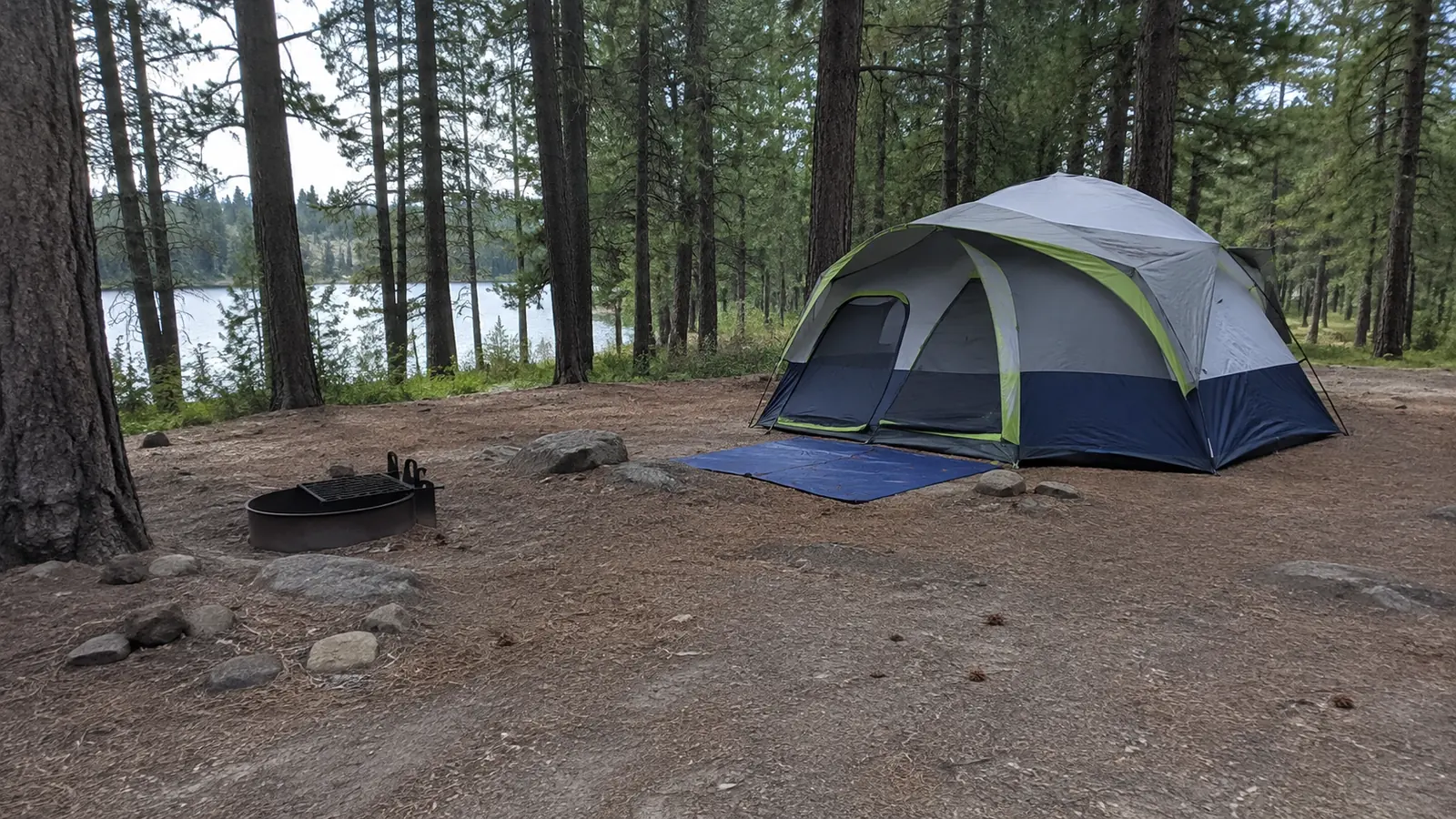
The seven Leave No Trace principles cover preparation, durable surfaces, waste, leaving natural and cultural objects, fire, wildlife, and consideration for others. Day hikers may not camp, but they still affect trail width, wildlife behavior, litter, and other visitors.
- Stay on the established route and use legal, durable campsites.
- Pack out every scrap, including food, hygiene items, and pet waste.
- Keep food away from animals and observe wildlife from a distance.
- Leave plants, rocks, artifacts, and natural water features as you found them.
Do not rearrange a campsite or step into fragile vegetation for a photograph. A pretty image is not worth leaving the place more damaged for the next person.
Accessibility Is More Specific Than “Easy”
Hiking and backpacking are not limited to one body type or travel method. Useful accessibility details include grade, cross slope, surface, tread width, obstacles, steps, benches, shade, toilets, accessible parking, and the distance to assistance.
Some parks offer accessible trails and adaptive equipment, including all-terrain mobility devices. Great Smoky Mountains National Park’s trail access information demonstrates how surface, width, grade, distance, and individual ability shape a more meaningful assessment.
An adaptive hike, supported overnight, scenic roll, or boardwalk route is a complete outdoor experience. The most useful plan matches the person and the landscape instead of chasing someone else’s definition of difficult.
Common Questions
Is Backpacking Harder Than Hiking?
Usually, because you carry more and manage overnight systems. A steep, exposed, or very long day hike can still be harder and riskier than a gentle one-night backpack.
Do Backpackers Need Boots?
No single footwear style fits every foot, load, and surface. Choose broken-in shoes or boots with traction, support, weather protection, and room suited to the route, then test them under load.
How Big Should a Backpack Be?
It should hold the complete route-appropriate kit without forcing critical items to dangle outside. Fit and load transfer matter more than the advertised capacity, and borrowing gear first can prevent an expensive sizing mistake.
Can a First Backpacking Trip Be Solo?
I would learn overnight systems with an experienced partner, club, adaptive program, or guide before choosing solo travel. Competent day hiking does not automatically teach campsite selection, sleep warmth, food storage, or overnight problem-solving.
Is a Beautiful Trail Always Worth Backpacking?
No, and that is a relief for your budget. Many of the world’s most beautiful hikes can be enjoyed as day routes or supported treks without carrying a full camp.
The Bottom Line
Choose hiking when you want the trail without the overnight systems. Choose backpacking when carrying camp and sleeping outside are central to the adventure, not chores you feel obligated to tolerate.
If you are undecided, take the day hike and start practicing one overnight skill at a time. The trail will still be there when your gear, judgment, and enthusiasm are ready to stay after dark.