Big Island vs. Oʻahu: Which Hawaiian Island Fits Your Trip?
Choose Oʻahu for a first Hawaiʻi trip with beaches, food, history, nightlife, and easier car-free days. Choose the Big Island, officially Hawaiʻi Island, when volcanic landscapes, long scenic drives, stargazing, manta experiences, and distinct east and west coasts matter more than compact convenience.
The quick decision
- Choose Oʻahu: First Hawaiʻi visit, four or five days, urban energy, broad dining, Pearl Harbor, easier transit, or beginner surf lessons.
- Choose the Big Island: Seven or more days, Hawaiʻi Volcanoes National Park, road trips, lava landscapes, coffee country, dark skies, or manta activities.
- Choose both: At least 10 nights, with one interisland travel day and no attempt to see every region.
- Choose neither yet: If you want a small, resort-only trip, compare Maui, Kauaʻi, Lānaʻi, and Molokaʻi before booking.
Neither island is “more Hawaiian” or inherently more authentic. Both are living homelands with Native Hawaiian history, contemporary communities, and visitor pressure that deserve more care than a resort comparison usually gives them.
Oʻahu is better for a shorter first trip
Honolulu puts major hotels, restaurants, shopping, museums, beaches, and transit close together. You can land at Honolulu’s international airport, stay in Waikīkī, and build several satisfying days without renting a car continuously.
That convenience matters on a four-night trip because every hotel change and cross-island drive consumes a large share of the vacation. The island still rewards a North Shore or windward day, but those outings can branch from one base.
Oʻahu also gives first-time visitors a broad introduction rather than a single resort experience. Waikīkī, downtown Honolulu, Pearl Harbor, Koʻolaupoko, and the North Shore have distinct rhythms that fit different days.
The Big Island is better for landscape variety
Hawaiʻi Island is much larger, and its major visitor regions are separated by long drives. Kona’s dry west coast, Hilo’s wetter east side, the Kohala resorts, coffee country, Kaʻū, and the volcano district should not be treated as one convenient beach strip.
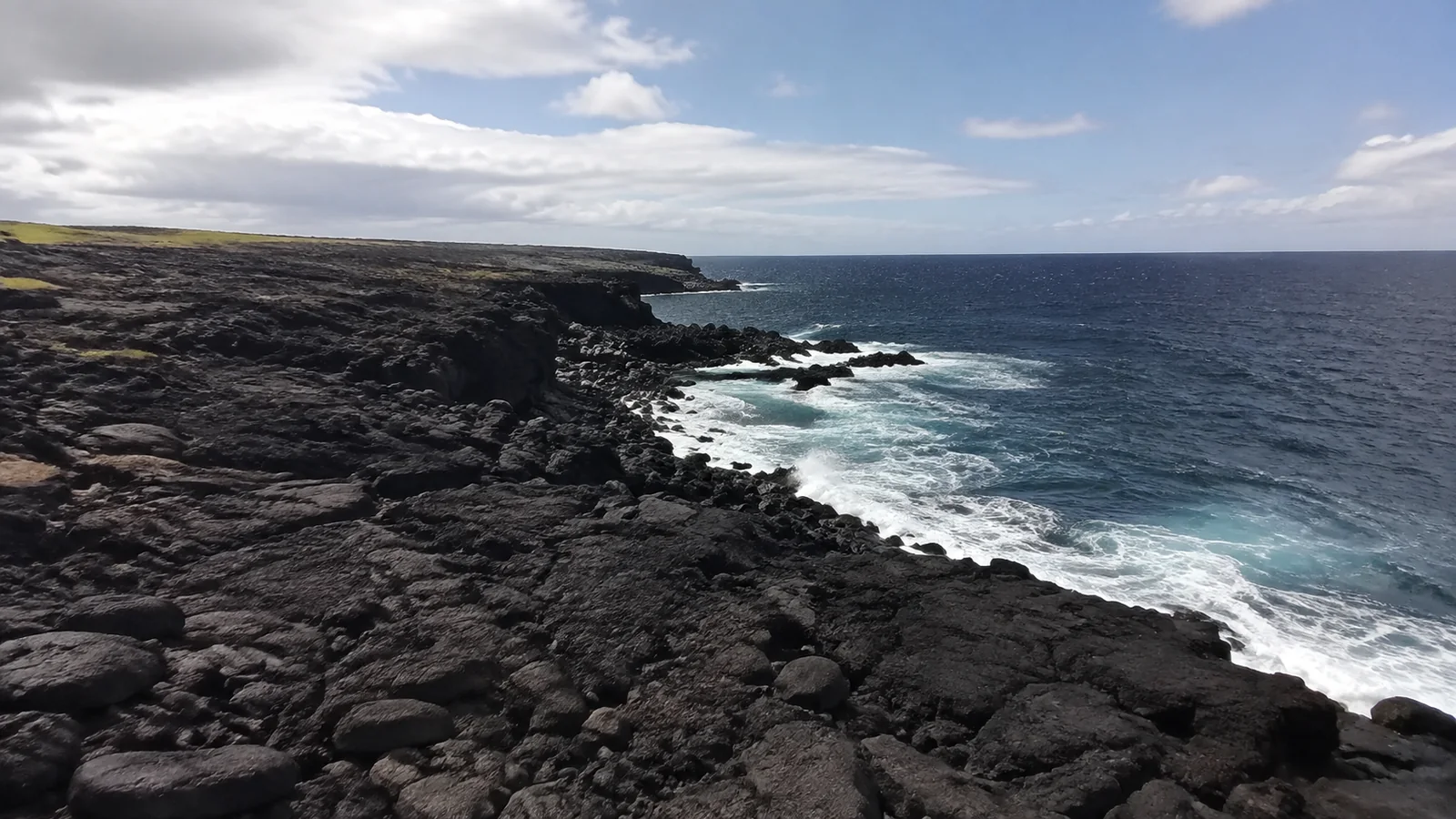
The reward is dramatic variety. A single trip can include recent lava, rain forest, black sand, high-elevation landscapes, ranch country, waterfalls, and a sunny resort coast.
The island’s size is also its central planning challenge. The official visitor site recommends reserving a rental car for flexibility, and that car adds fuel, parking, insurance, and driver fatigue to the budget.
Which island has better beaches?
Oʻahu for range and convenience
Oʻahu wins for travelers who want multiple sandy beaches without organizing the whole trip around reaching them. Waikīkī offers services and a gentler learning environment on suitable days, while Ala Moana, Kailua-area shores, Ko Olina lagoons, and the North Shore create very different beach options.
The famous North Shore is not automatically a swimming destination. Large winter surf can make a beach spectacular to watch and completely wrong for entering the water.

The Big Island for unusual coastlines
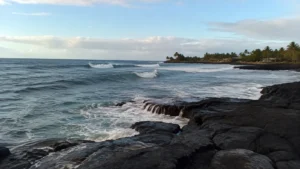
The Big Island has memorable black-sand coves, lava-rock shorelines, snorkeling bays, and several excellent sandy beaches along the Kohala Coast. It has fewer long, easy beach sequences than Oʻahu, so the right hotel location matters more.
Hāpuna works well for travelers seeking a developed sandy beach when current conditions are suitable. Punaluʻu is better understood as a culturally and ecologically sensitive black-sand stop where turtles may rest, not a guaranteed wildlife show or an invitation to approach them.
Papakōlea should not decide this comparison. Current official guidance says access involves private-property and safety concerns, so the Papakōlea access update explains why another lawful Big Island experience is the better plan.
Ocean conditions decide the beach day
Check current beach and hazard information, then ask an on-duty lifeguard where to enter and exit. Conditions can change rapidly, and a beach that looked calm in yesterday’s video may have strong current, shore break, or surf today.
Choose a lifeguarded beach whenever possible, never turn your back on the ocean, and keep children within immediate reach. Snorkeling ability in a pool does not prove comfort in moving ocean water.
Volcanoes and hiking
The Big Island is the clear choice if active volcanism is the trip’s central interest. Hawaiʻi Volcanoes National Park protects Kīlauea and Mauna Loa landscapes, with crater-rim viewpoints, lava fields, forest trails, and Chain of Craters Road.
Kīlauea has erupted episodically in 2026, but lava is never guaranteed for your dates. The park’s current eruption-viewing page explains that active episodes may last only hours and be separated by pauses of days or weeks.
Stay in open areas and out of the closed crater no matter what other visitors do. Volcanic gas, unstable cliffs, earth cracks, airborne material, darkness, and eruption traffic require a flexible plan rather than a midnight chase.
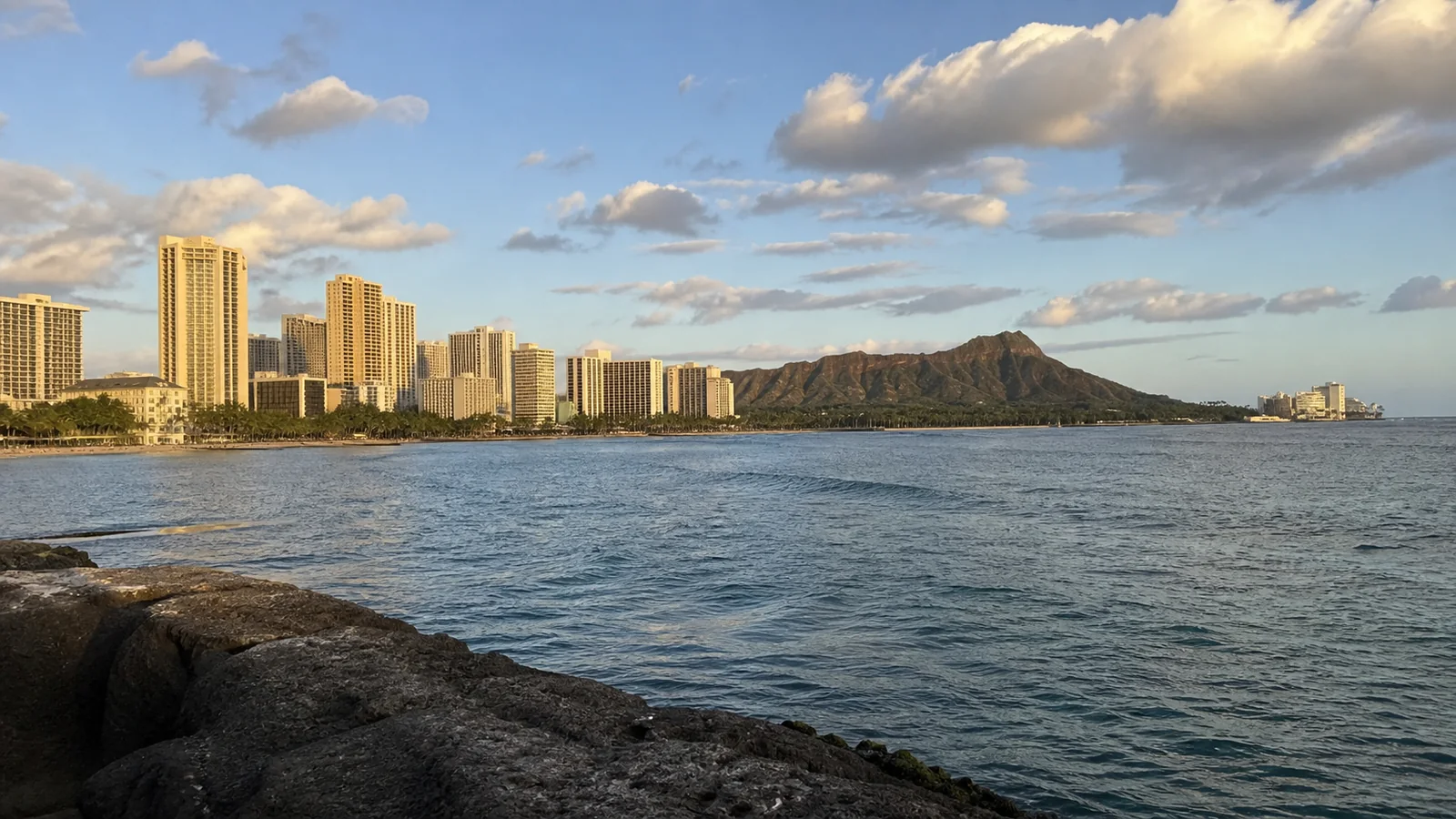
Oʻahu offers ridge, crater, valley, and coastal hikes instead of an active-volcano experience. Diamond Head is the recognizable first-timer route, but non-Hawaiʻi residents need entry and parking reservations under the current state monument rules.
Neither island permits assuming that a social trail is public. Check the land manager, closure notices, hunting schedules, weather, heat, footwear needs, and legal parking before every hike.
History and culture
Oʻahu gives the broadest concentration of museums and nationally significant historic sites. Pearl Harbor National Memorial, ʻIolani Palace, Bishop Museum, and Honolulu’s cultural institutions can support several days that are not beach-dependent.
Pearl Harbor’s grounds and museums are not the same booking as the USS Arizona Memorial program. Check current reservation releases, preservation work, boat operations, security rules, and bag limits through the National Park Service before building a timed day.
The Big Island has equally important stories distributed across a wider landscape. Puʻuhonua o Hōnaunau National Historical Park, Kaloko-Honokōhau, Huliheʻe Palace, historic Hilo, and cultural sites within the volcano region reward time and context.
Do not climb structures, stack rocks, remove sand, enter closed areas, or use sacred places as photo props. Place names, interpretation, and behavior matter more than claiming one island offers a more “real” version of Hawaiʻi.

Food, shopping, and nightlife
Oʻahu wins for range. Honolulu supports fine dining, casual plate lunches, bakeries, markets, food halls, bars, late-night options, and cuisines shaped by many communities, all within a relatively compact urban area.
The Big Island’s food experience is more regional and driving-dependent. Kona coffee farms, Hilo markets, Waimea ranch country, Kaʻū coffee, local produce, and resort dining can be excellent, but evening choices thin out faster outside the main towns.
Choose Oʻahu if nightlife means live music, bars, and the option to walk or ride back to the hotel. Choose the Big Island if a quiet dinner, early trail start, or stargazing evening sounds better.
Getting around without a rental car
Oʻahu is the easier island for a car-light vacation. TheBus and Skyline use the HOLO fare system, and Waikīkī also has shuttles, tours, taxis, and walkable clusters, although remote trailheads and some beaches still need more planning.
The official Oʻahu transportation overview helps connect TheBus, Skyline, walking, and cycling. Do not assume a bus route makes every luggage transfer or sunrise trail practical.
Hawaiʻi County’s Hele-On network covers many Big Island corridors and can be useful for specific trips, but frequencies and stop locations do not replace a car-based sightseeing itinerary. Check the exact day’s schedule, return trip, holiday service, and walking distance from the stop.
Travelers who do not drive should choose a Big Island base carefully and budget for guided tours. Kona, Hilo, and the Kohala resorts offer different tour coverage, so “hotel pickup included” must be confirmed by property and date.
Which island costs less?
There is no reliable rule that the Big Island is cheaper than Oʻahu or the reverse. Airfare, dates, hotel zone, parking, rental length, food style, and the activities you value control the total.
Oʻahu may have a higher Waikīkī room rate but let you skip several car days. A Big Island room that looks cheaper can require a weeklong rental, more fuel, long transfers, and paid tours for anyone who does not drive.
- Price first: Flights into Honolulu, Kona, and Hilo for the same dates.
- Add lodging: Include taxes, resort or destination fees, and parking.
- Add movement: Rental, insurance, fuel, transit, airport transfer, and interisland flight costs.
- Add priorities: Park entry, surf lesson, cultural sites, manta tour, or guided volcano day.
- Add flexibility: One weather backup and cancellation terms you can live with.
Compare totals before choosing the island, not after falling for a room photo. Shoulder periods can lower some rates, but there is no quiet-season guarantee around holidays, school breaks, conferences, festivals, or eruption activity.
Which island has better weather?
Both islands have meaningful local variation. Windward slopes are generally wetter, leeward areas generally drier, and elevation changes temperature and cloud cover quickly.
Oʻahu’s compact size makes it easier to change sides when one coast is wet, although traffic can erase the advantage. On the Big Island, Kona and Kohala often support sunny resort days while Hilo and the volcano district may be rainy or cool.
Do not choose only by an island-wide weather icon. Check the precise beach, summit, park, or town, then pack a rain layer and sun protection for the day’s microclimates.
Surfing, snorkeling, and manta experiences
Oʻahu is the stronger all-around surf choice because Waikīkī has a large beginner-lesson ecosystem and the North Shore offers legendary expert waves in season. A first lesson still depends on the day’s conditions and a reputable instructor.
The Big Island has surf breaks and instruction, but lava entries, limited parking, reefs, local use, and quickly changing exposure make site selection more conditional. The companion Big Island surfing guide should be used with the day’s lifeguard and instructor advice, not as a promise that a named break fits every visitor.
For snorkeling, choose a lifeguarded or professionally supervised site whose entry and current suit the weakest swimmer. The Big Island’s Kona coast also supports manta viewing, and the manta night experience overview helps separate snorkeling, diving, operator standards, and realistic expectations.
Where to stay
Oʻahu
Stay in Waikīkī for walkability, dining, tours, and a first visit without a full-time car. Choose Ko Olina for a resort and lagoon vacation, or the North Shore only when slower evenings and long drives back to Honolulu attractions fit the plan.
Big Island
Stay in Kona or the Kohala resort area for drier west-side beaches, snorkeling access, and many visitor services. Stay in Hilo or Volcano for waterfalls, the national park, a greener setting, and less driving to east-side sights.
On a seven- to ten-night Big Island trip, split the stay between west and east rather than commuting across repeatedly. One hotel move can save several long round trips and give bad weather a second chance.
Should you visit both islands?
Both can work in 10 nights if you keep one base on Oʻahu and one or two on the Big Island. With seven nights, choose one island unless a single must-do experience justifies the airport day.
There is no ordinary passenger ferry linking Oʻahu and Hawaiʻi Island, so plan an interisland flight. Airport transfer, rental return, security, baggage, flight, new rental, and hotel check-in usually consume much more than the scheduled airtime.
A cruise can sample several islands without repeated hotel moves, but port hours and ship itineraries create different tradeoffs. The Hawaiian island cruise comparison is useful if unpacking once matters more than evenings ashore.

Big Island or Oʻahu for your trip?
Choose Oʻahu when you want an easy first trip, broad food choices, major historic sites, nightlife, sandy beaches, and several days without driving. Choose the Big Island when your happiest itinerary includes a rental car, volcanic terrain, region changes, early starts, quieter nights, and enough time to split coasts.
For four or five days, Oʻahu is usually the stronger answer. For seven to ten days built around landscape and road trips, the Big Island earns the extra logistics.