11 Best Prince Edward Island Beaches for Every Kind of Day
Prince Edward Island beaches range from broad Gulf of St. Lawrence sand and fragile dunes to warm-looking red coves on the Northumberland Strait. The best one depends on whether you want supervised swimming, a long walk, low-tide exploring, lighthouse scenery, accessible facilities, or glorious peace without a washroom in sight.
Choose a shore before choosing a beach
PEI’s north shore faces the Gulf of St. Lawrence and delivers the island’s classic pale sand, dunes, and stronger surf. The south shore borders the Northumberland Strait, where red sand, shallower water, smaller coves, and dramatic tidal change often shape the day.
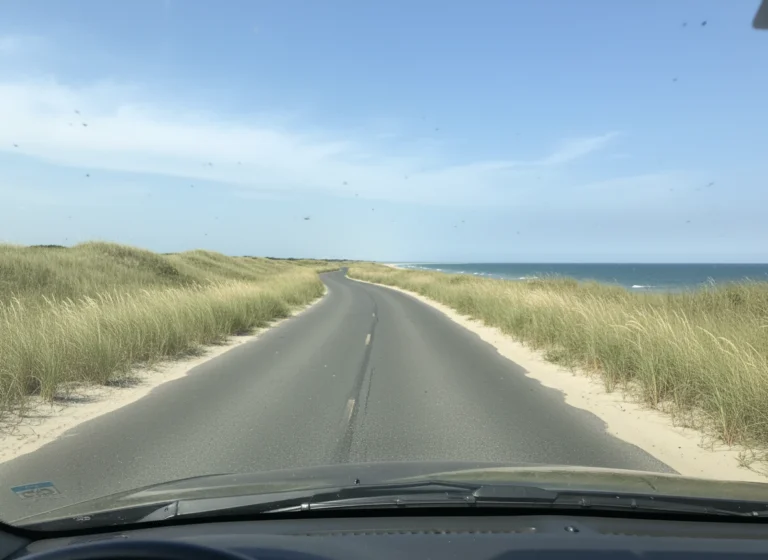
Eastern and western points add longer drives, fewer nearby services, and some wonderful quiet. A beach that looks 20 miles away on a map can take longer than expected on two-lane roads, so group visits by coast rather than zigzagging after every pretty pin.
- Best first PEI beach: Cavendish
- Best near Charlottetown: Brackley
- Best dunes and walking: Greenwich
- Best family facilities in the east: Basin Head
- Best campground beach: Panmure Island
- Best red-sand stop: Argyle Shore
- Best western lighthouse pairing: Cedar Dunes
- Best self-sufficient quiet day: Blooming Point
Best beaches in Prince Edward Island
1. Cavendish Beach for the classic first visit
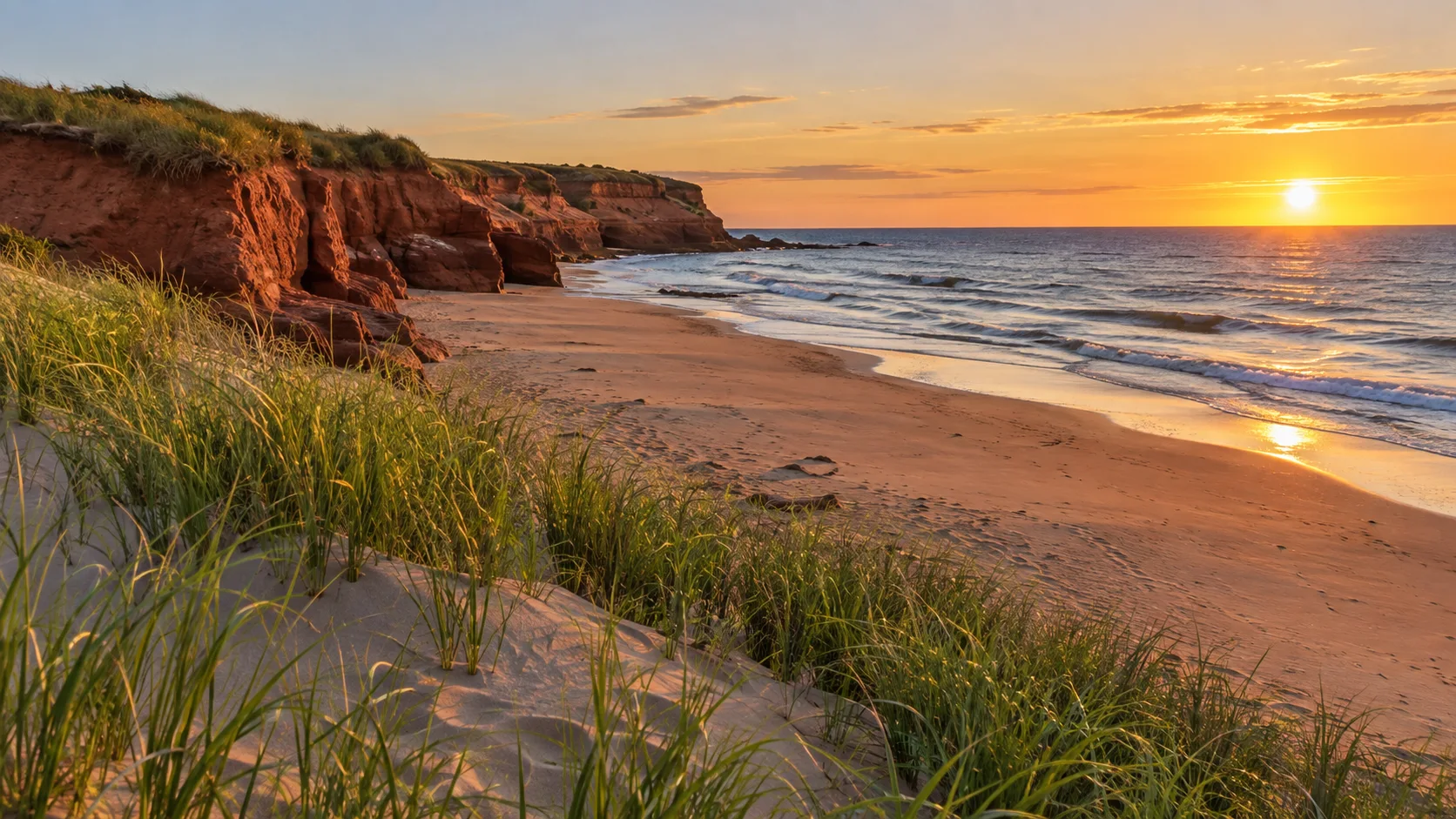
Cavendish combines pale sand, dunes, red sandstone cliffs, national-park facilities, and easy access to the Green Gables Shore vacation area. It is the strongest all-around choice when a group wants a recognizable PEI landscape without sacrificing parking, washrooms, or a managed swimming area.
The main beach currently lists a ramp, mobility mat, beach wheelchairs, and seasonal surfguard service, but equipment and staffing still need same-day confirmation. This Cavendish Beach planner covers the park-specific access, dog, camping, and surf details.
Cavendish can be busy during summer afternoons, and the cliffs are scenery rather than climbing walls. Keep away from cliff edges and bases, use established beach routes, and arrive early when convenient parking matters.
2. Brackley Beach for a Charlottetown day trip
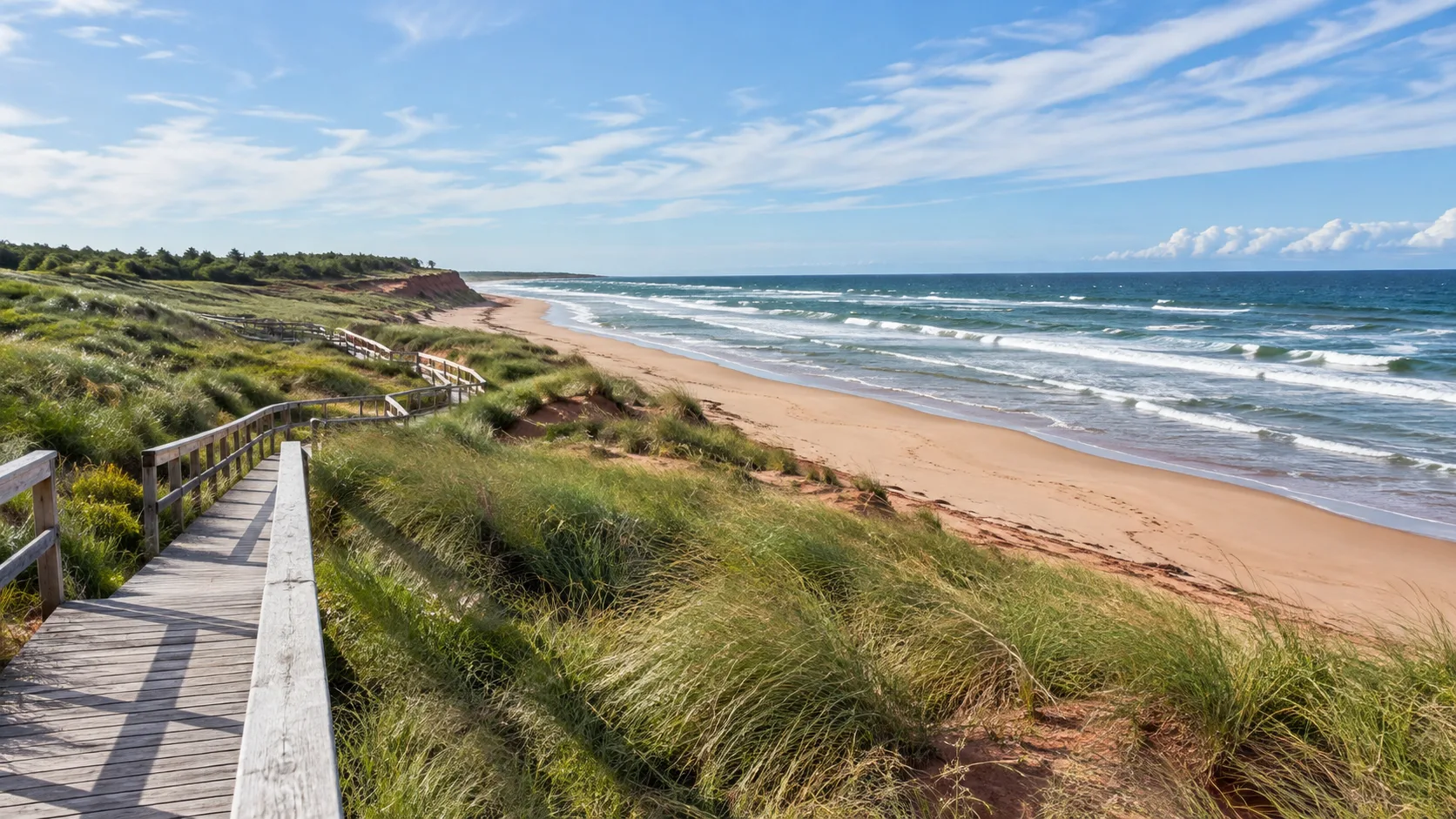
Brackley is a practical north-shore choice from Charlottetown, with national-park services and a long beach that works for swimming, walking, and sandcastle construction of unreasonable architectural ambition. It suits families and travelers who want a straightforward beach day rather than a remote-access adventure.
Parks Canada currently lists parking, washrooms, a ramp, mobility mat, beach wheelchairs, and seasonal surfguards at the main beach. Check its current beach facilities because equipment, boardwalks, supervision, and operating dates remain seasonal.
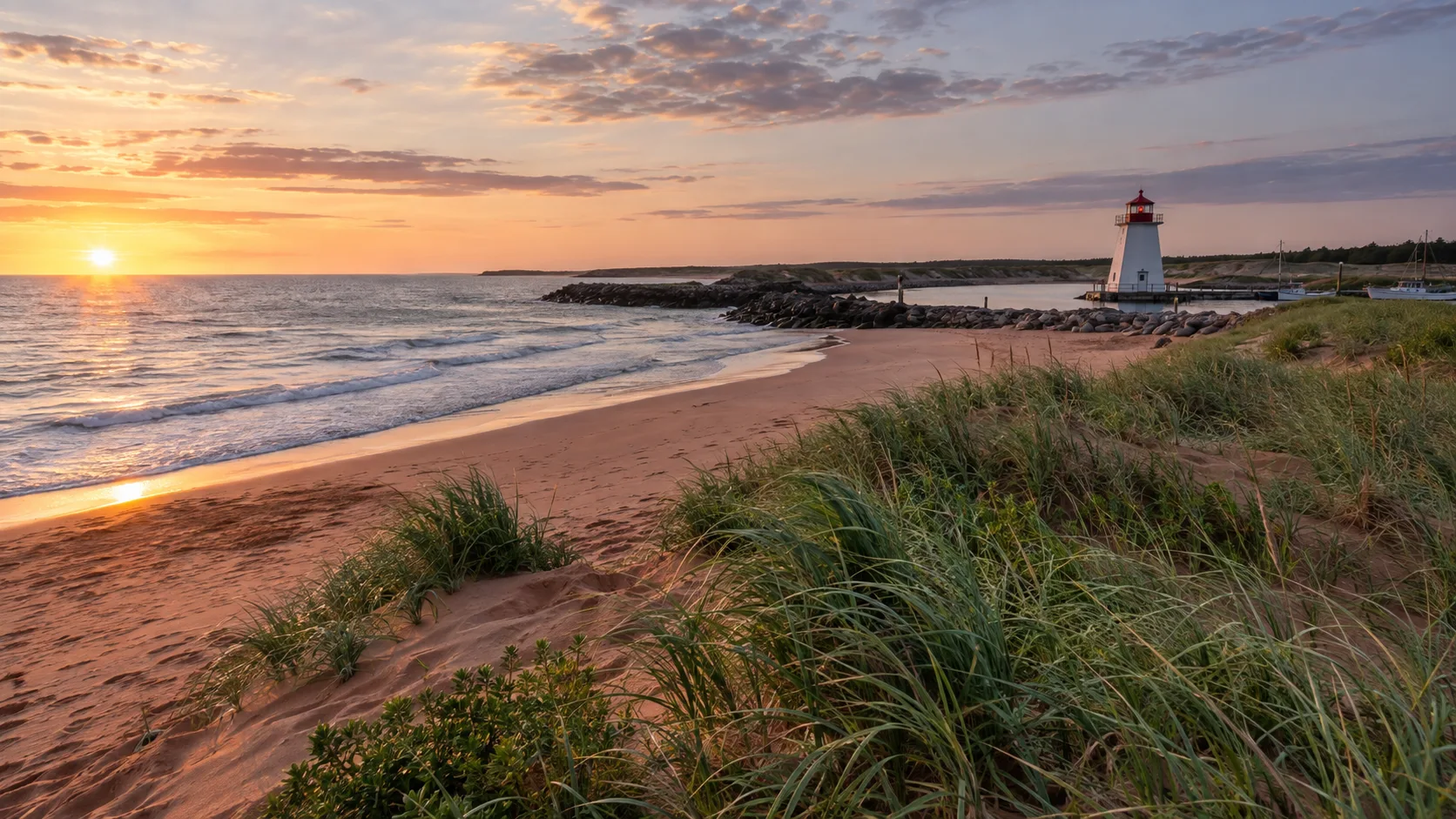
3. Stanhope and Covehead for access plus lighthouse scenery
Stanhope is another managed national-park beach on the central north shore. It works particularly well when you want defined facilities and a beach stop near Covehead Harbour and its photogenic lighthouse.
Do not treat every nearby access as the same place. Stanhope main beach, Covehead Lighthouse Beach, Ross Lane, and Dalvay have different parking, stair, washroom, mobility, and surfguard arrangements, so navigate to the exact access named in the official listing.
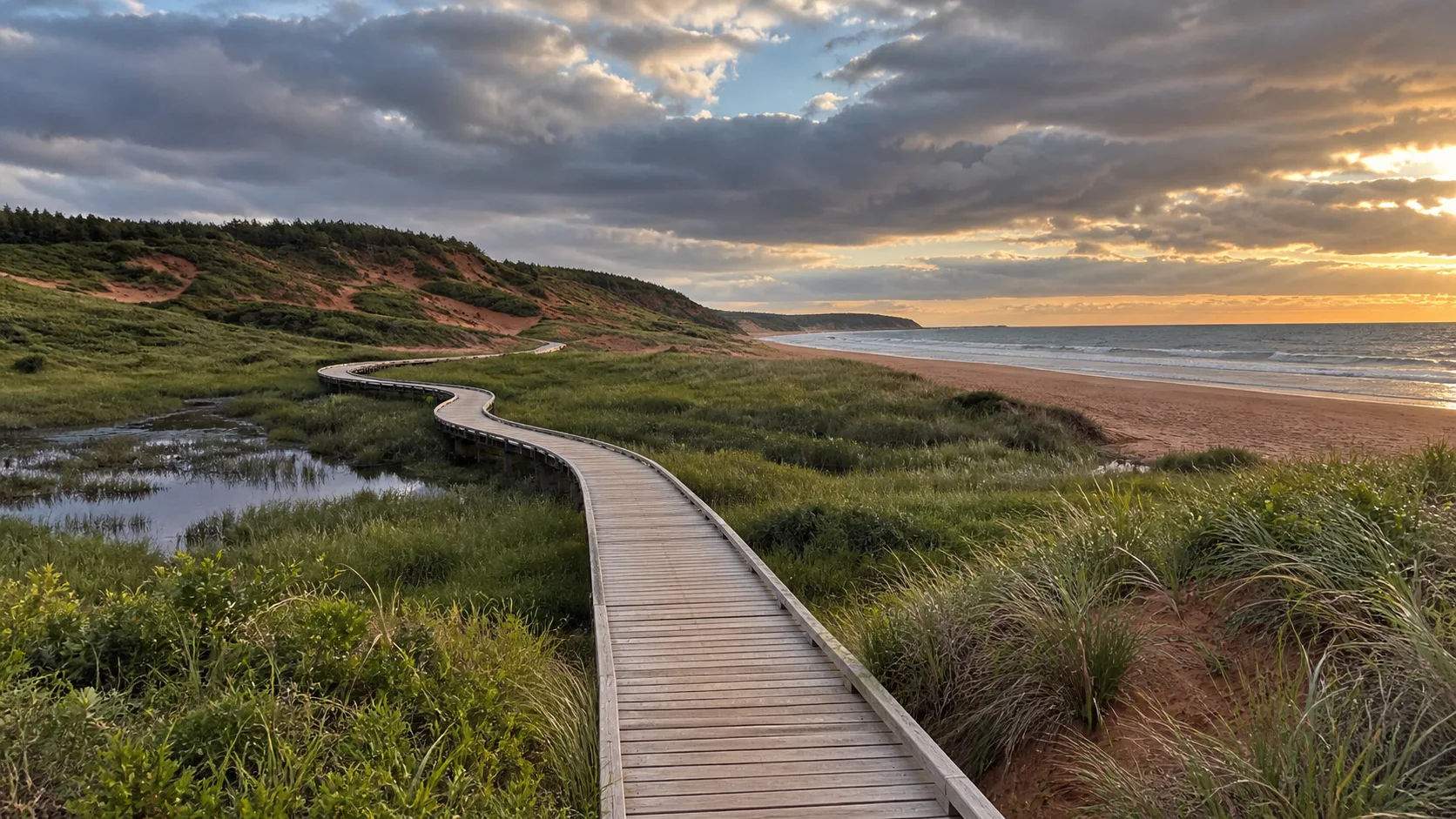
4. Greenwich Beach for dunes, trails, and a slower visit
Greenwich occupies the eastern section of Prince Edward Island National Park and feels more nature-centered than a quick resort-area swim. Its dune landscape and trail system make it the best pick for travelers who want a walk and interpretation alongside beach time.
Give Greenwich a half day rather than squeezing it between distant stops. Seasonal hours, trail conditions, parking capacity, boardwalk access, and surfguard coverage should all be checked before the drive.
Fragile dunes are not spare picnic seating. Stay on installed routes and obey signed wildlife closures, even when a shortcut looks as if only one pair of feet could not possibly matter.
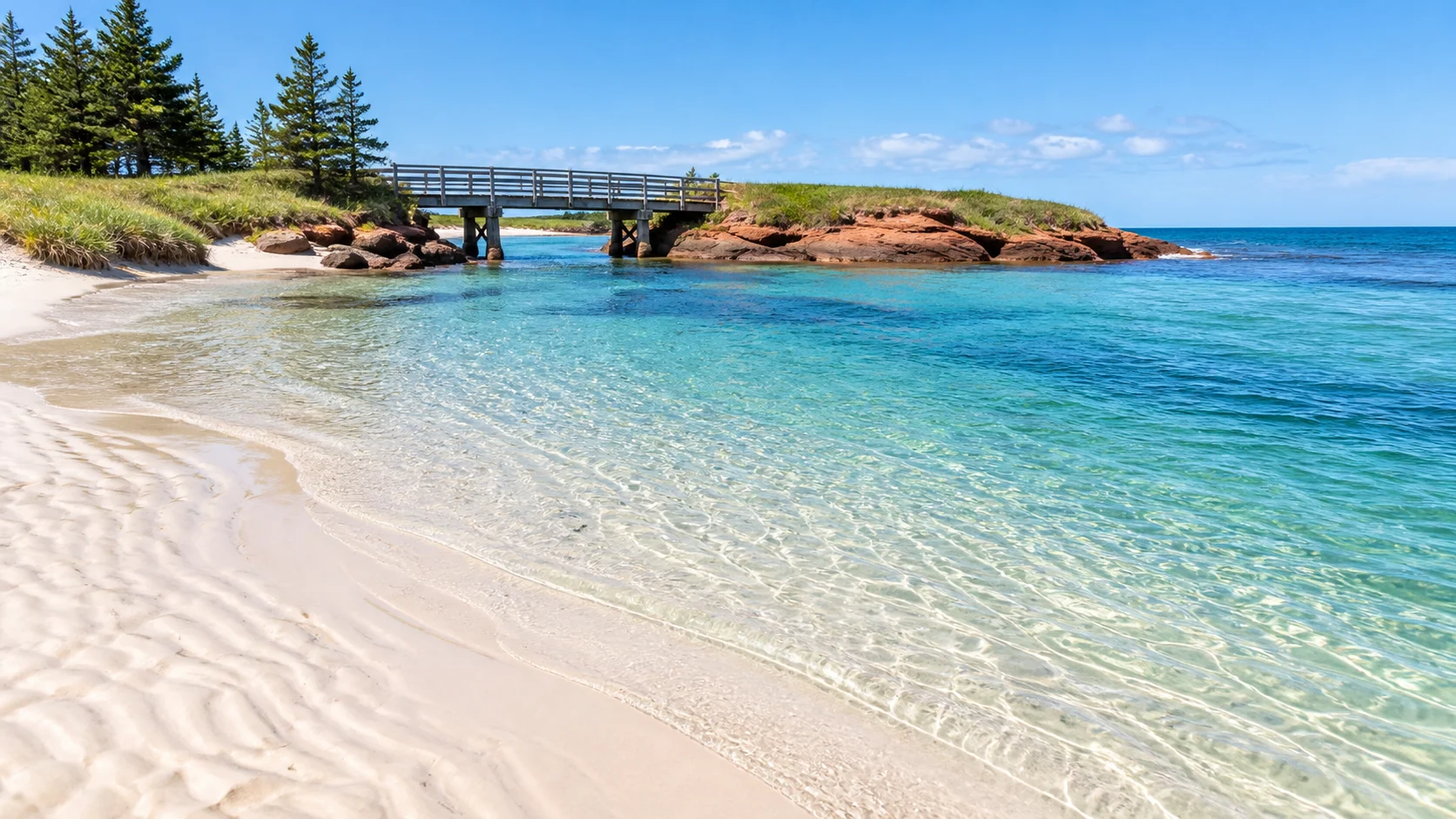
5. Basin Head for families and “singing” sand
Basin Head Provincial Park sits on PEI’s eastern coast near Souris and is known as Singing Sands because of the sound its high-silica sand can make underfoot. It adds a fisheries museum, concessions, washrooms, and a managed beach to the outing.
The official Basin Head listing identifies a beach mat from the wharf toward the water and a floating wheelchair when conditions are safe. Lifeguard days and hours vary, so a “supervised beach” label never replaces the daily staffing report.
A channel known locally as the Run divides sections of the beach. Treat currents, bridge-jumping rules, posted signs, and staff instructions seriously rather than copying whatever an enthusiastic teenager did five minutes earlier.
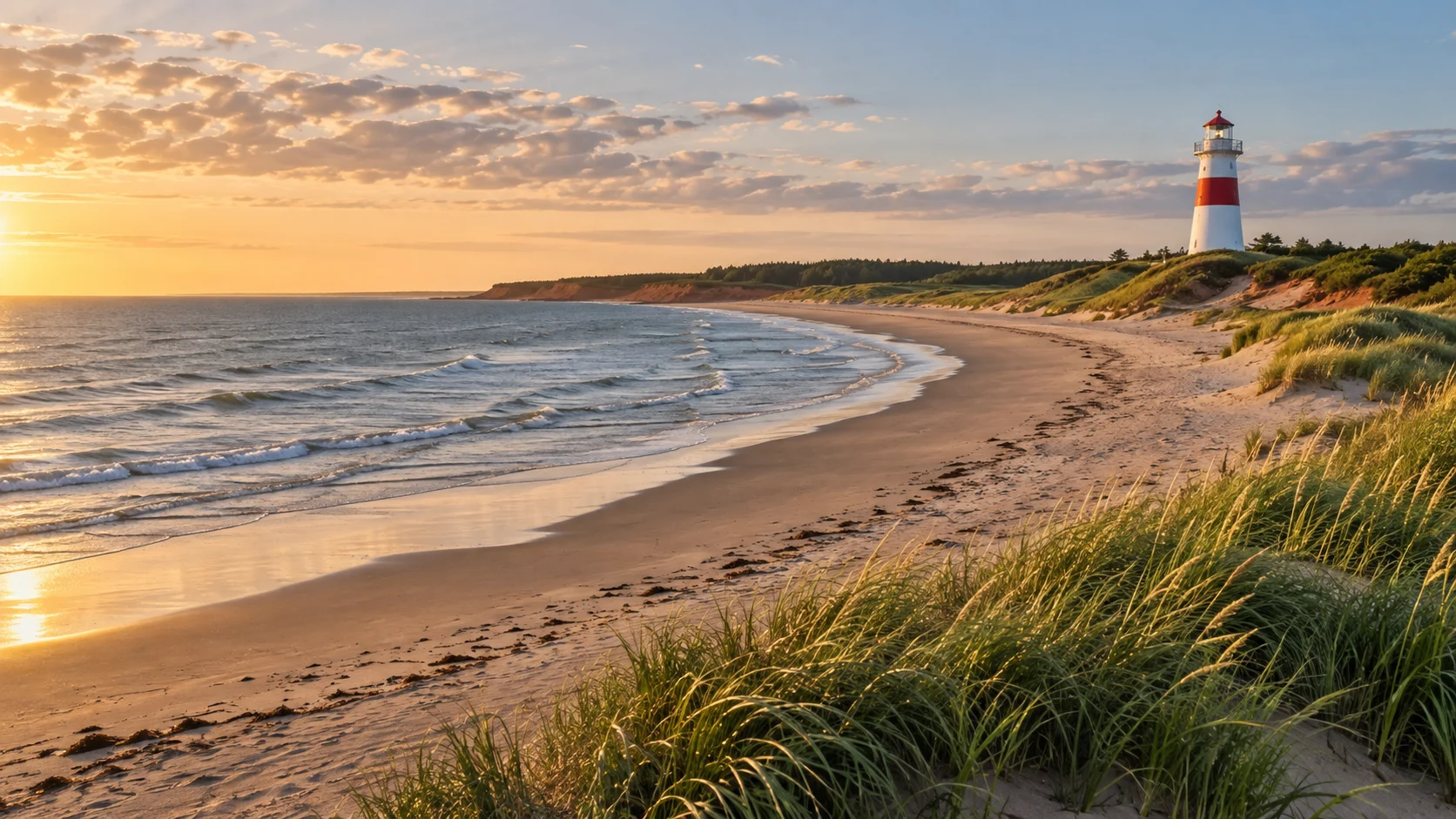
6. Panmure Island for a full-service eastern beach
Panmure Island Provincial Park pairs a long pale beach with a campground, change rooms, showers, flush toilets, a restaurant, and open green space. It is a strong eastern choice for families, campers, and anyone who likes their beach day to contain plumbing.
Water on both sides of the causeway and the nearby lighthouse make the approach part of the appeal. Lifeguard availability changes by day and hour, while campground reservations are separate from ordinary day use.
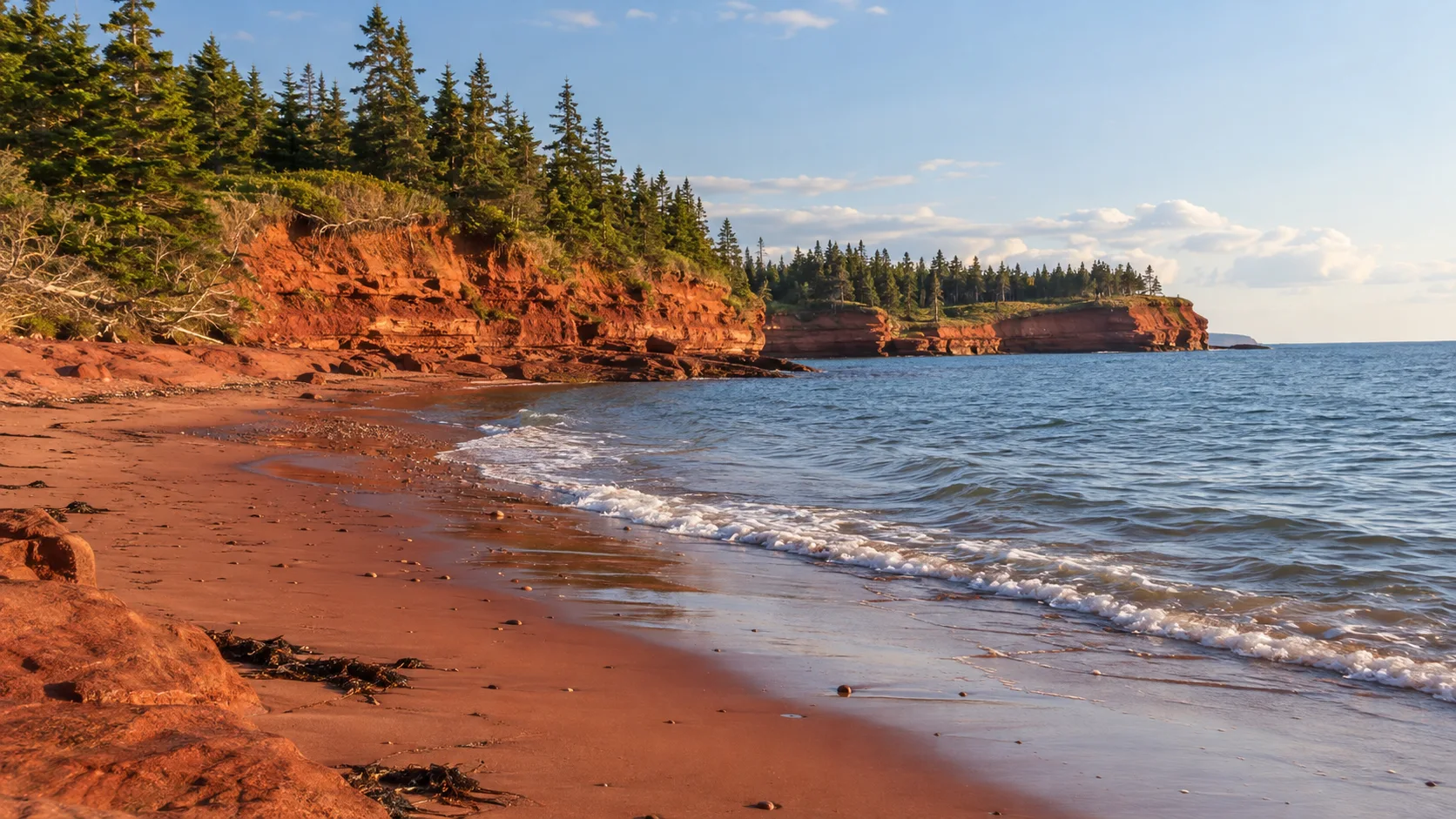
7. Red Point for a relaxed eastern family day
Red Point Provincial Park sits on the Northumberland Strait near Basin Head but offers a different landscape of sandstone cliffs, beach, campground, and green space. It fits travelers staying in eastern PEI who want a less attraction-heavy beach day.
The province categorizes Red Point as a supervised beach, yet its live report may show no guard on a particular date. Pair it with Basin Head only if your group has energy for two beaches, because one unhurried swim is usually better than collecting sandy parking lots.
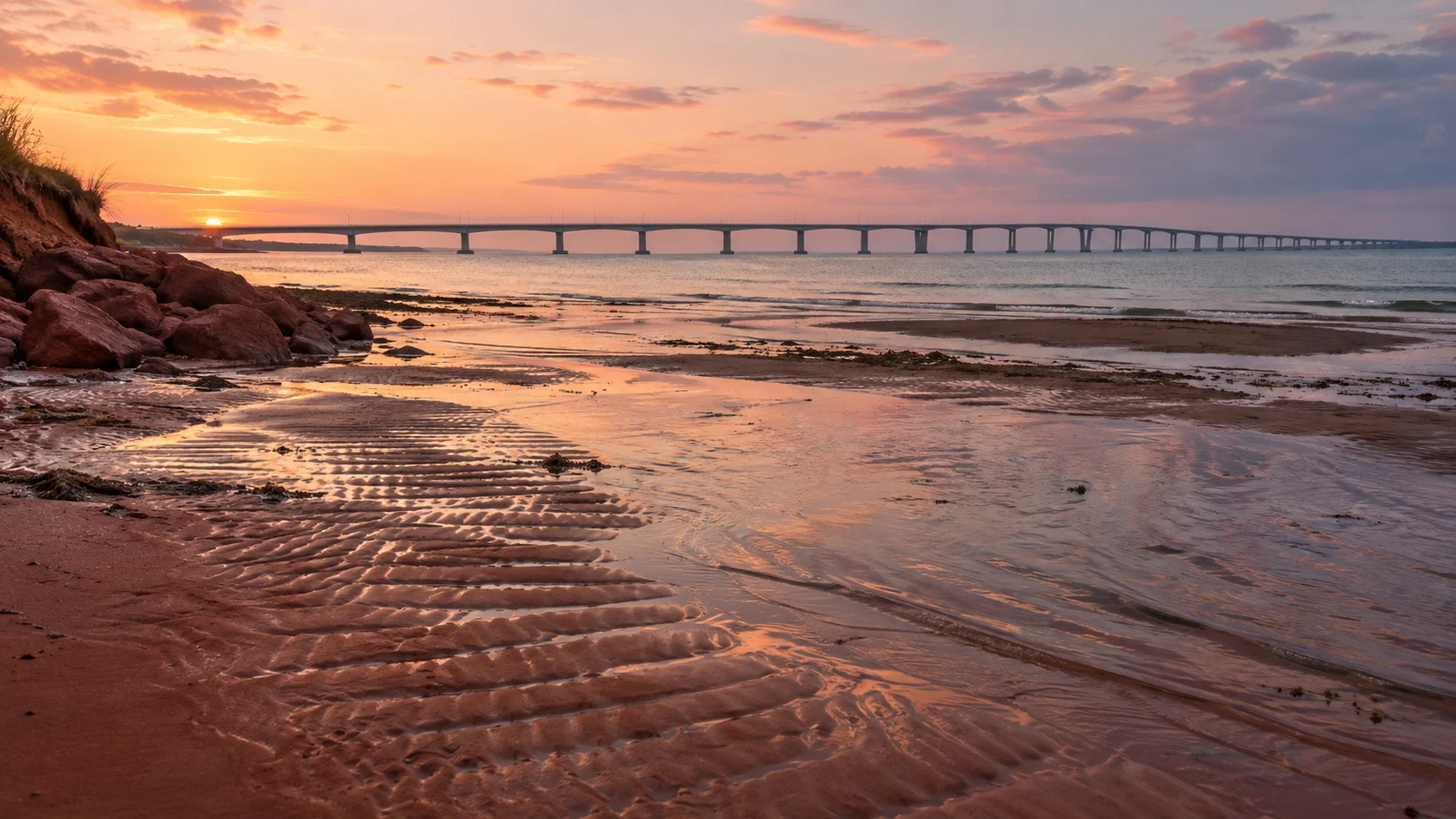
8. Chelton Beach for red sand and bridge views
Chelton Beach Provincial Park is a convenient south-shore stop about 15 minutes from the Confederation Bridge. Official tourism information highlights its red sand, low-tide beachcombing, bridge views, playground, showers, and flush toilets.
The sheltered setting often has smaller waves than the north shore, but calm-looking water is not a safety certificate. Check the tide and daily supervision, watch children around tidal channels and exposed mud, and return before an incoming tide cuts off the easy route.
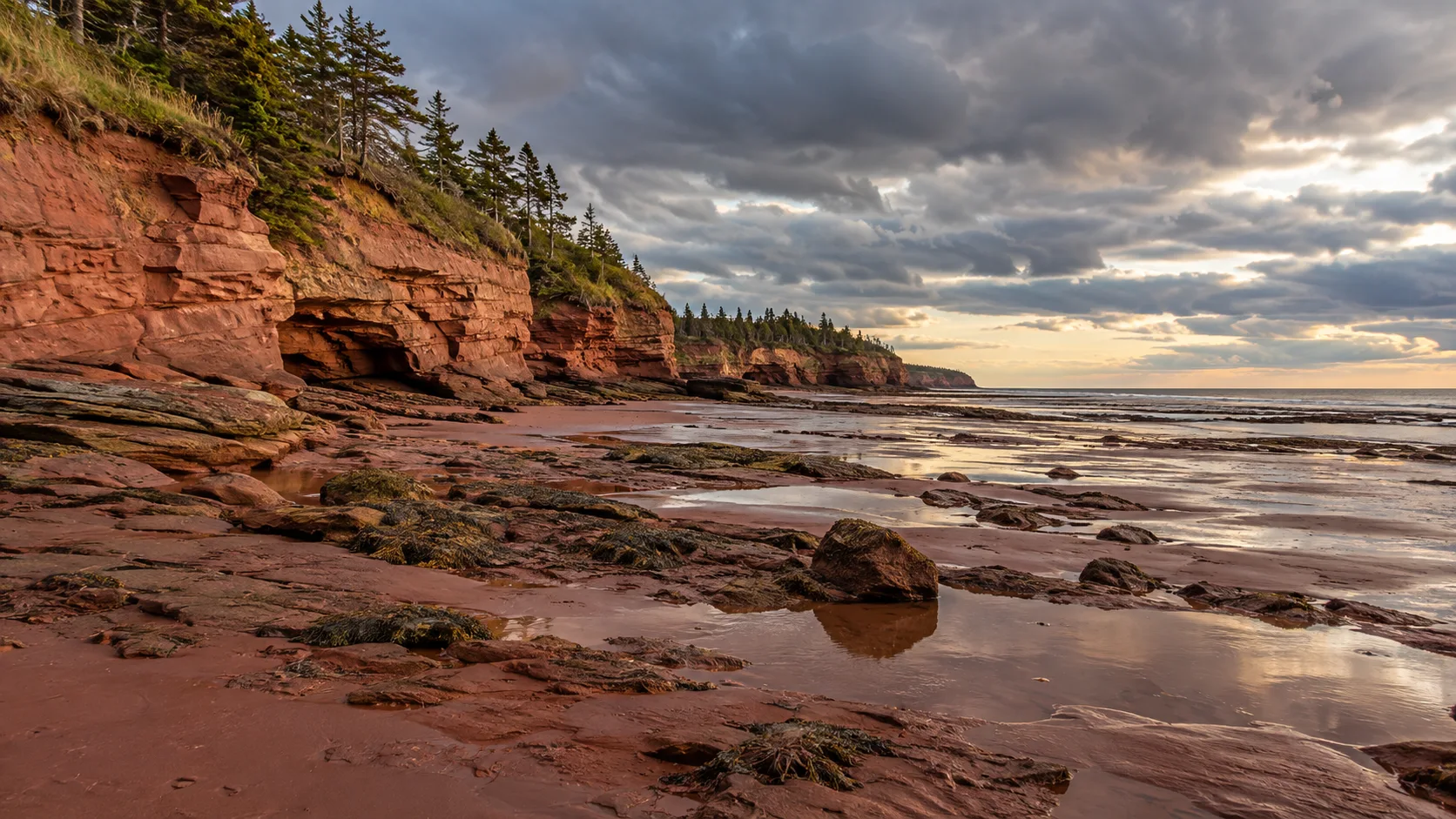
9. Argyle Shore for red cliffs and low-tide exploring
Argyle Shore Provincial Park is a lovely central south-shore choice for red sand, exposed tidal flats, and a picnic stop within reach of Charlottetown. It is more about beachcombing and scenery than a polished resort-beach setup.
Plan around low tide if exploring the shore is the priority, then use the established stair and park route. The separate Argyle Shore overview helps decide whether its facilities and terrain fit your group.
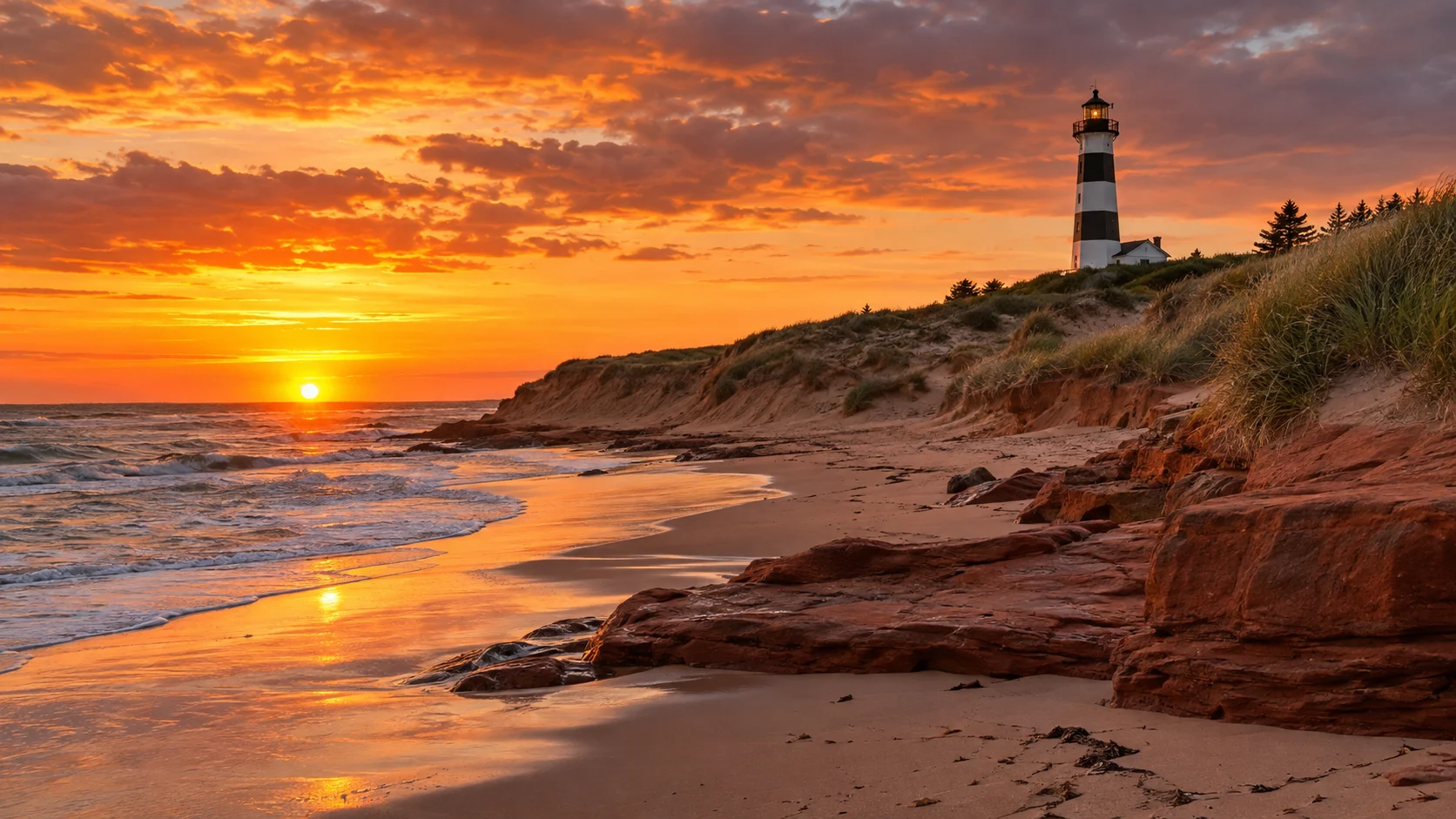
10. Cedar Dunes for West Point and a western road trip
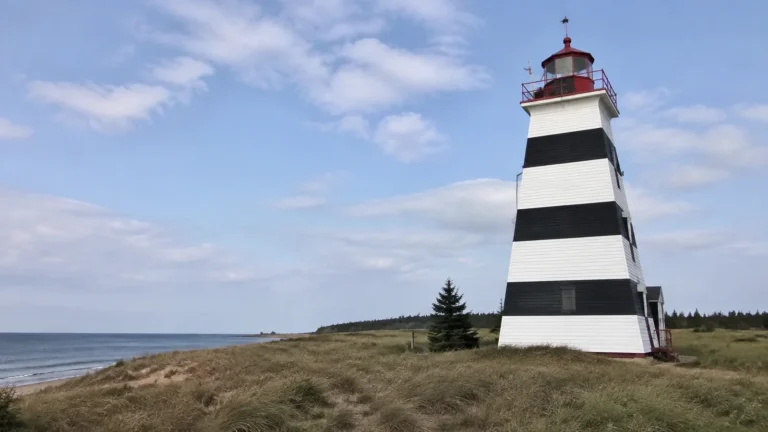
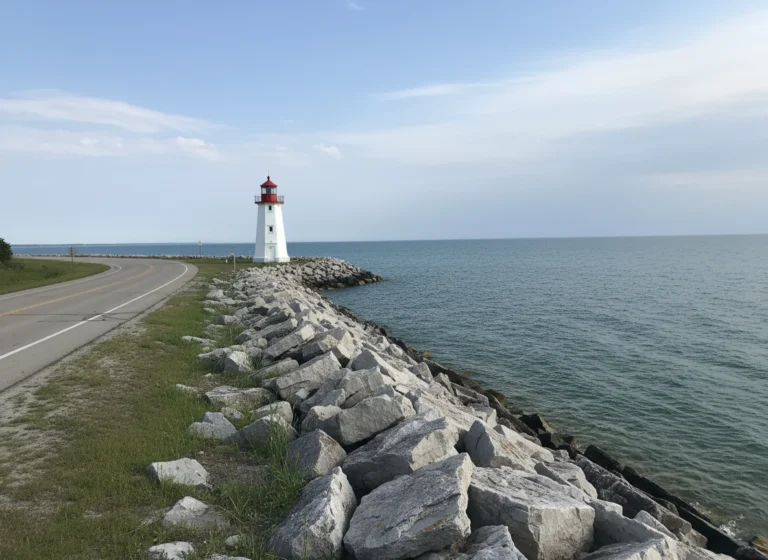
Cedar Dunes Provincial Park places a campground and broad Northumberland Strait beach beside the striped West Point Lighthouse landscape. Choose it when you are already exploring western PEI, since the drive is too long to treat as a quick Charlottetown beach break.
The park lists seasonal lifeguard service, but current days and hours vary. Check all active park notices too, because a facility or drinking-water advisory can matter even when the beach itself remains open.
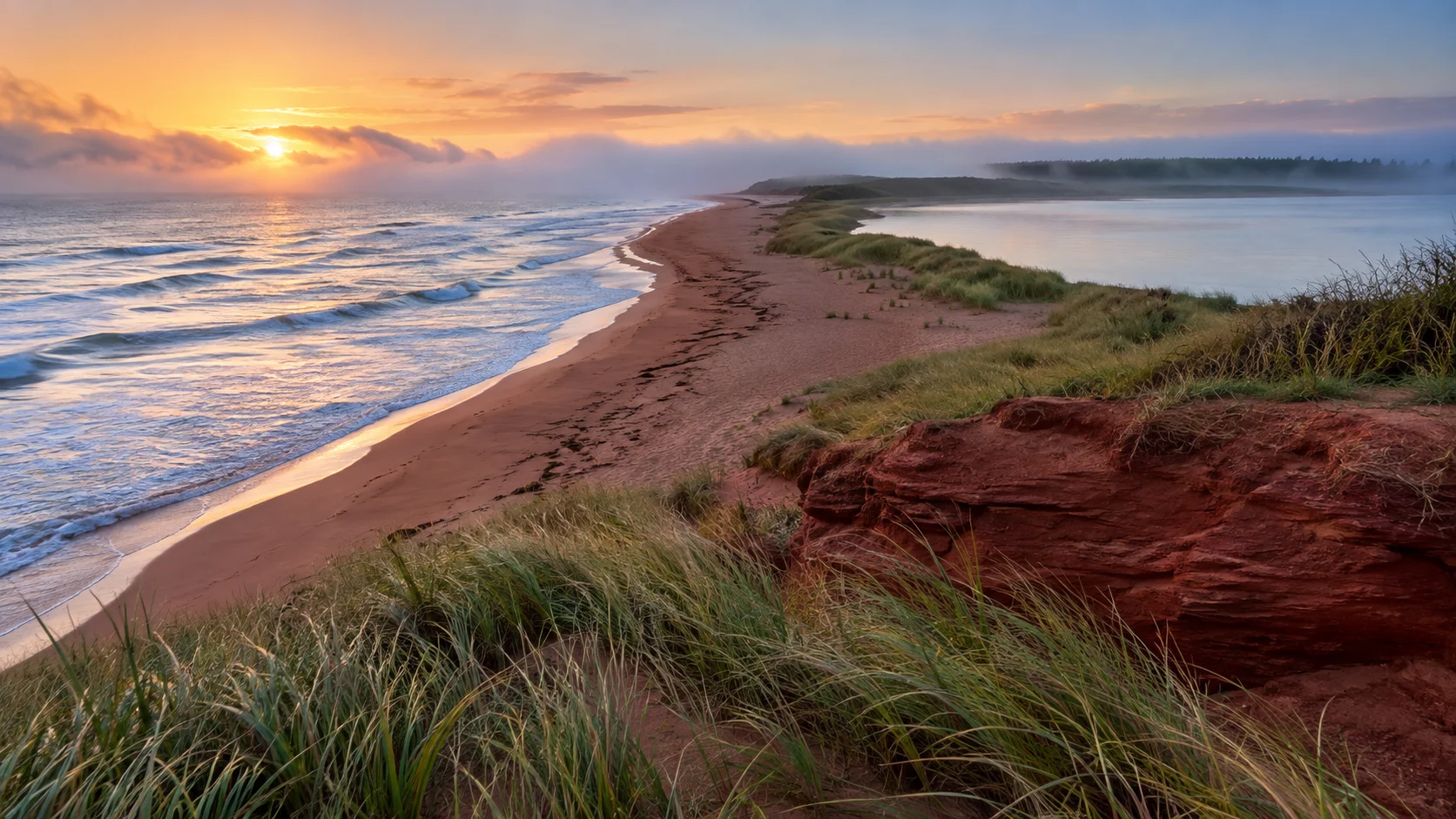
11. Blooming Point for experienced, self-sufficient visitors
Blooming Point is an unserviced north-shore access near Tracadie, outside the national park. It offers a simpler, quieter beach experience but no dependable lifeguard, toilets, food, equipment rental, or formal visitor infrastructure.
Its clay access road and parking conditions can change after rain, storms, or heavy use, while dunes and nearby private property require restraint. Use the current Blooming Point access checklist and leave for a managed alternative when the route or parking is unclear.
This is not my pick for travelers needing step-free access, predictable facilities, or supervised swimming. It is a good fit for a prepared beach walk when everyone carries what they need and accepts that “quiet” is not another word for “risk-free.”
When are PEI beaches open and supervised?
Most managed beach facilities operate seasonally, with the fullest service from late June through Labour Day. Parks Canada says national-park beach stairs and boardwalks are generally installed from the Victoria Day weekend in May through late September, while surf conditions are posted daily in peak summer.
Operating dates do not equal lifeguard hours. Check the Tourism PEI beach report on the morning of your visit for current supervision, surf, tide, air temperature, and water temperature at participating provincial beaches.
At PEI National Park, use the official operating information and current PEI Now updates. Shoulder-season visitors should expect reduced washrooms, removed beach equipment, absent guards, colder water, and fewer nearby food businesses.
Swimming safety deserves a fresh decision every day
Wind direction, waves, rip currents, tide, water temperature, jellyfish, and visibility can change between breakfast and arrival. Swim in the supervised area while guards are actually on duty, follow the flag and staff instructions, and keep young children within immediate reach.
Inflatable toys can drift offshore quickly and do not replace flotation designed for safety. If surf is rough, switch to a walk, picnic, trail, or lighthouse stop without negotiating with the ocean.
Provincial surface-water data and health advisories provide useful context, but a test result from another site or earlier date cannot certify today’s swimming water. Check posted signs and the PEI government alerts, and stay out whenever officials issue an advisory.
Protect cliffs, dunes, and nesting birds
PEI’s sandstone coast is beautiful because it is actively changing. Do not stand beneath unstable cliffs, approach an edge for a photograph, carve names, climb faces, or assume a narrow strip of sand will remain passable after the tide rises.
Dune grass helps hold the coast together, so use boardwalks and marked paths. Parks Canada may close areas for nesting piping plovers, and those signs prohibit travel rather than merely requesting that visitors tiptoe more thoughtfully.
Dog rules depend on who manages the beach
Pets are prohibited on all PEI National Park beaches from April 1 through October 15, although leashed pets may be allowed in specified trails, picnic areas, and campgrounds. That rule covers Cavendish, Brackley, Stanhope, and Greenwich beaches regardless of what someone else did yesterday.
Several provincial parks allow pets on leash, but posted restrictions, wildlife protection, and campground rules still apply. Never assume an unserviced access has no rule, and keep dogs away from dunes, birds, tidal wildlife, and other people’s picnic diplomacy.
What to pack for a PEI beach day
- Swimsuit, towel, warm layer, and wind-resistant outer layer
- Broad-spectrum sunscreen, hat, and sunglasses
- Drinking water and food when concessions are unconfirmed
- Water shoes for rocky, shelly, or tidal areas
- Small first-aid kit and required medications
- Dry bag or zip pouch for phones and keys
- Binoculars for birds viewed from a respectful distance
- Trash bag, since every crumb and wrapper leaves with you
Shade structures can become sails, so follow local rules and secure anything permitted. Glass, loud speakers, cliff climbing, dune shortcuts, and feeding wildlife can all stay at the rental cottage.
A realistic three-day beach plan
Use day one for Cavendish or Brackley, adding one nearby trail or Green Gables Shore stop. Spend day two in the east with Greenwich plus either Basin Head or Panmure, not all three at sprint speed.
Choose day three by travel direction: Chelton or Argyle Shore near the central south coast, Cedar Dunes in the west, or another north-shore morning when conditions are better. Keep one flexible day because beach weather is not obligated to respect a color-coded itinerary.
Final verdict
Cavendish is the best first-timer beach, Brackley is easiest from Charlottetown, Greenwich wins for dunes and walking, and Basin Head or Panmure delivers the most complete eastern family day. Chelton and Argyle Shore show off red-sand PEI, while Cedar Dunes rewards a deliberate western drive.
Choose the coast and facilities first, then check supervision, tide, surf, closures, and access that morning. PEI has enough beautiful shoreline that changing beaches for safety is never a consolation prize.