12 Best Attractions in Valparaíso for One or Two Days
Valparaíso is not a tidy checklist city. Its appeal is the conversation between steep hills, aging funiculars, painted stairways, grand port-era buildings, and Pacific views that appear when you turn the right corner.
The best first visit stays compact. This guide groups the sights by location, flags the steep climbs, and gives cruise passengers a route that does not gamble with all-aboard time.
Valparaíso attractions at a glance
- Best first stop: Plaza Sotomayor for port history and orientation.
- Best neighborhood walk: Cerro Alegre and Cerro Concepción.
- Best viewpoint and museum pairing: Paseo Yugoslavo and Palacio Baburizza.
- Best literary attraction: La Sebastiana, Pablo Neruda’s hilltop house museum.
- Best low-effort port view: Paseo 21 de Mayo, when Ascensor Artillería and access are operating.
- Best for street art: Museo a Cielo Abierto and selected murals with a local guide.
- Best side trip: Viña del Mar for gardens, a flatter center, and a different coastal mood.
Valparaíso’s historic quarter joined the UNESCO World Heritage List in 2003 for its industrial-age port heritage, hillside urban form, architecture, public spaces, and transport systems. The official UNESCO listing is useful context because the protected district is only part of the city.
If Valparaíso is one port on a longer sailing, compare its pace and transport with the other stops in my guide to South America cruises. A hill city needs more margin than a flat waterfront destination.
Best attractions near the port and lower city
1. Plaza Sotomayor
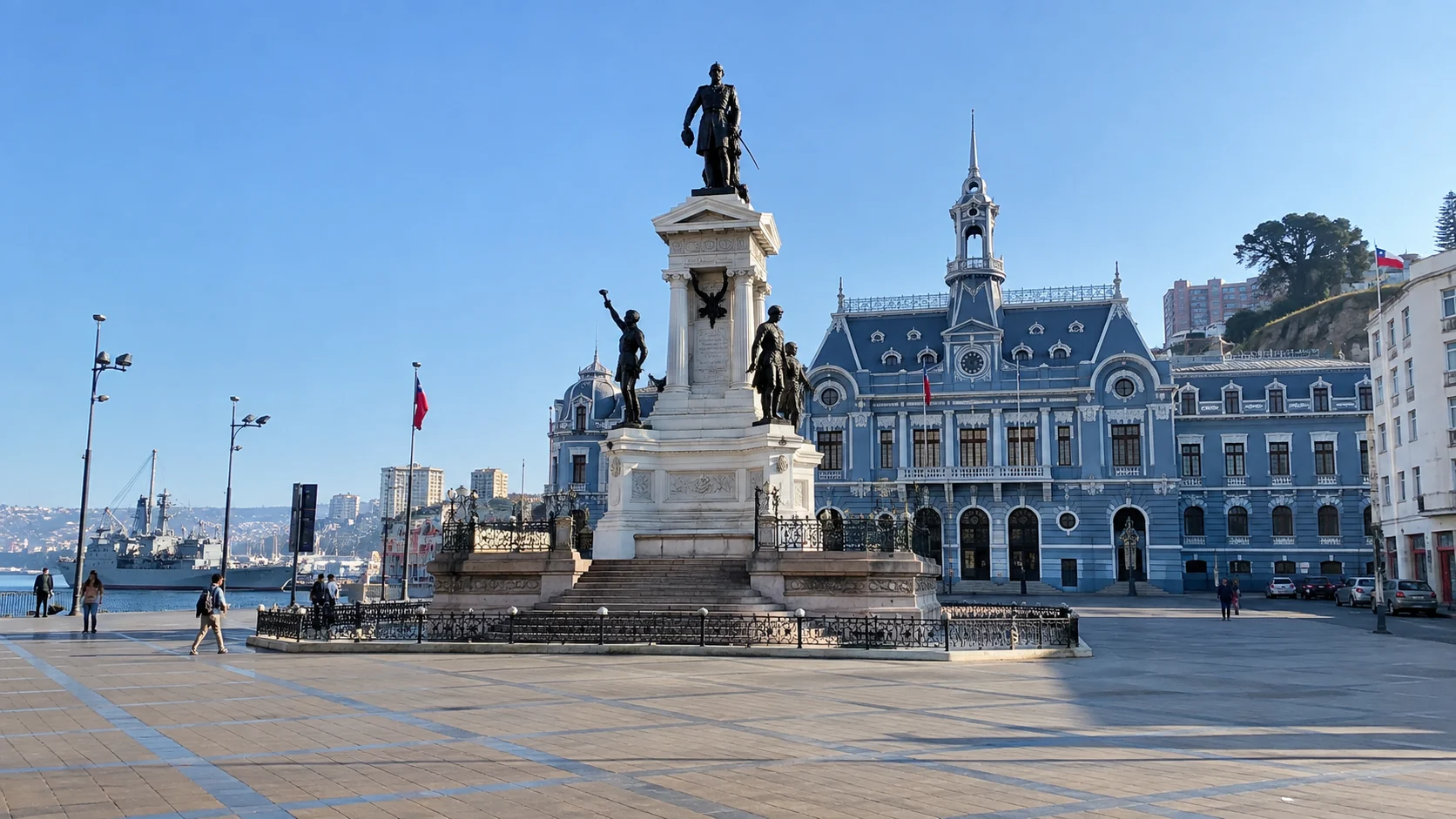
Plaza Sotomayor is the most practical place to begin, with monumental architecture and the Monument to the Heroes of Iquique anchoring the space. It sits between the working port and the hills, so the city’s geography starts making sense here.
Look toward the former Intendencia building, now used by the Chilean Navy, and down toward Muelle Prat. The plaza is an orientation point rather than a half-day attraction, so allow 20 to 30 minutes before moving uphill.
2. Muelle Prat
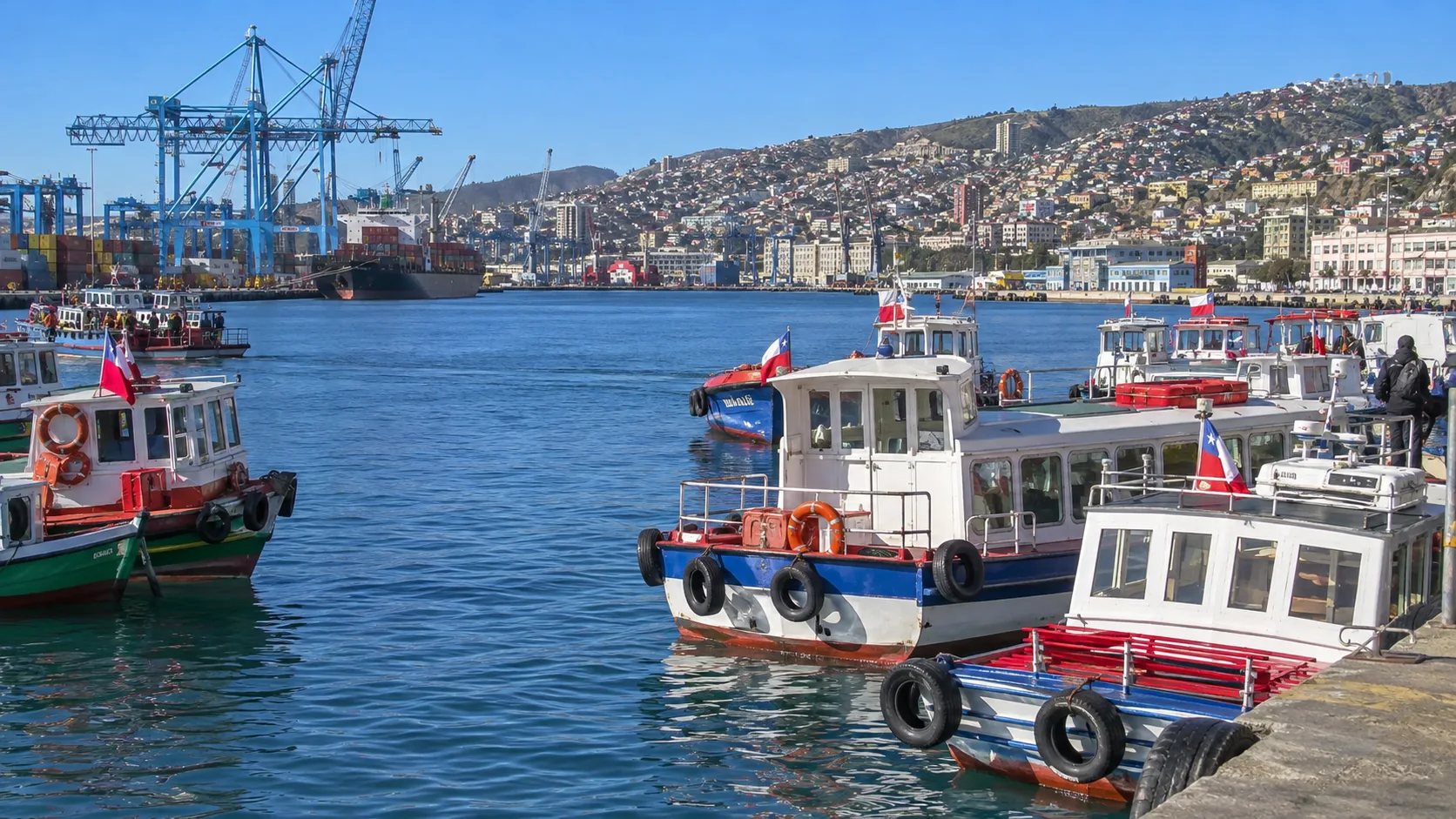
Muelle Prat gives you a close look at Valparaíso’s maritime identity, with harbor activity, vendors, and views back toward the amphitheater of hills. Short sightseeing boat trips may operate from the pier, but schedules and sea conditions vary.
A harbor ride is worthwhile when the weather is clear and your return time is generous. Cruise passengers should not board a last-minute boat without confirming duration, payment, safety equipment, and where it returns.
3. Ascensor El Peral
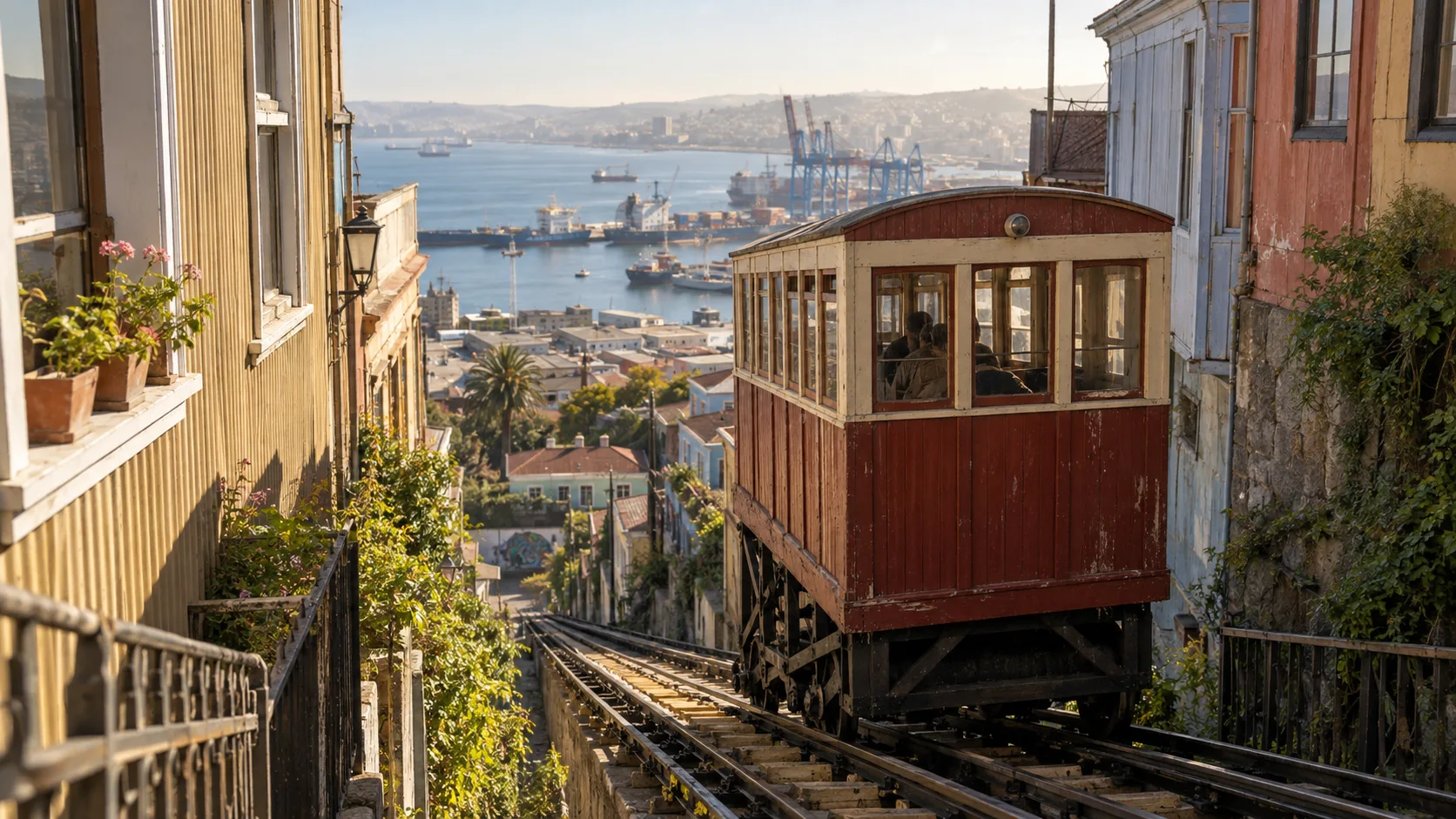
Ascensor El Peral is the logical shortcut from Plaza de la Justicia to Paseo Yugoslavo on Cerro Alegre. More than transportation, the funicular helps explain how Valparaíso adapted daily life to a city built on steep slopes.
Funicular operating status can change for inspections, repairs, or maintenance. Check the same day and keep a taxi or stair route in mind rather than building the whole itinerary around one moving carriage.
Cerro Alegre and Cerro Concepción
4. Paseo Yugoslavo and Palacio Baburizza
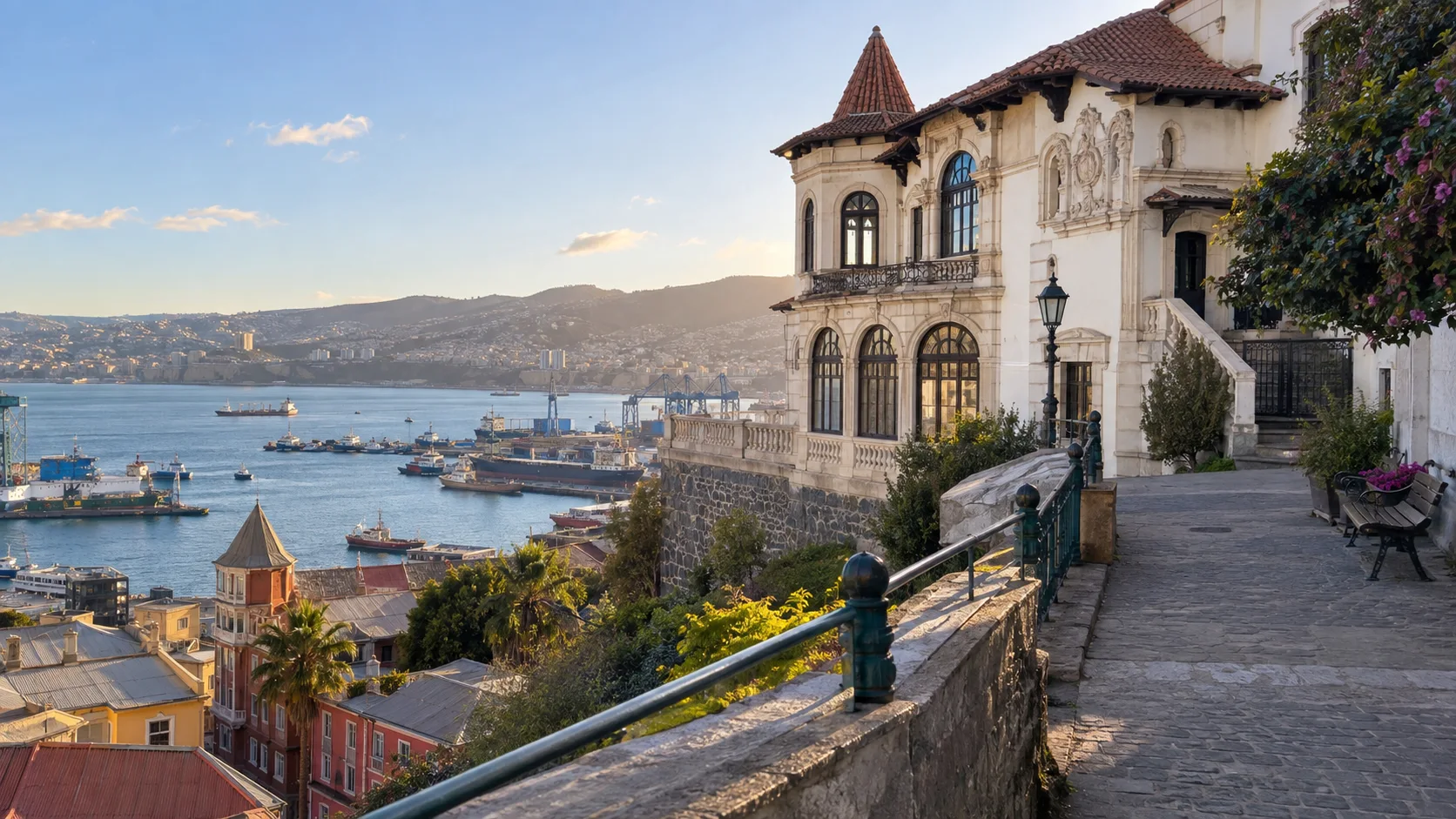
Paseo Yugoslavo opens to a broad harbor view and leads directly to Palacio Baburizza, an ornate early twentieth-century mansion housing Valparaíso’s fine arts museum. This is one of the city’s best combinations of architecture, art, and setting.
The Museo Baburizza listed Tuesday through Sunday hours of 10 a.m. to 6 p.m., but special closures occur. Give the galleries about an hour, or enjoy the exterior and promenade when museum time is tight.
5. Paseo Gervasoni and Paseo Atkinson
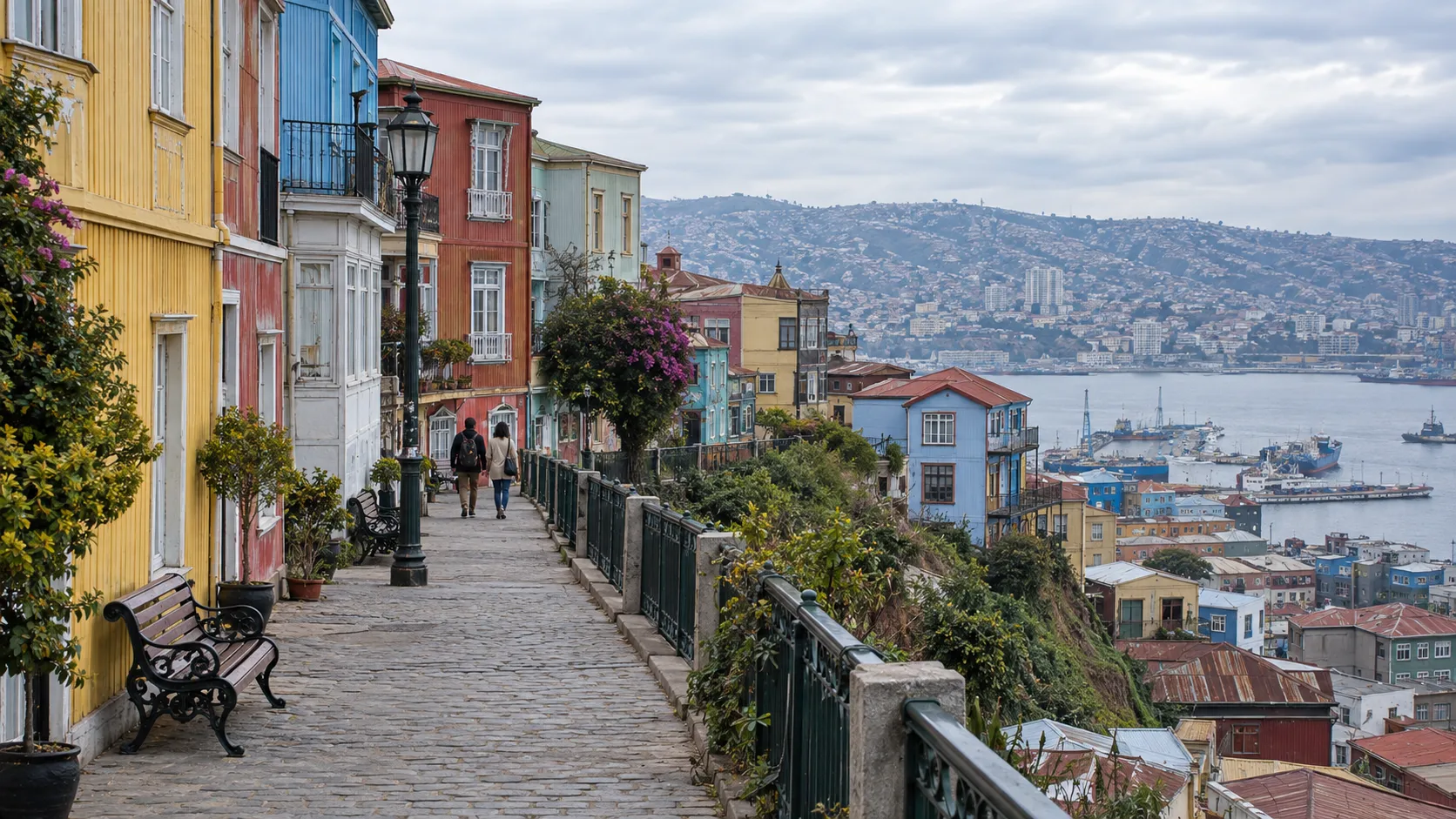
These neighboring promenades on Cerro Concepción frame colorful facades, corrugated metal, bay views, and some of the city’s most photographed corners. They work best as part of one looping walk rather than separate map pins.
Wander with purpose instead of following every staircase. The hills can turn a six-minute map distance into a steep detour, and the most direct-looking route is not always the most comfortable or well-trafficked one.
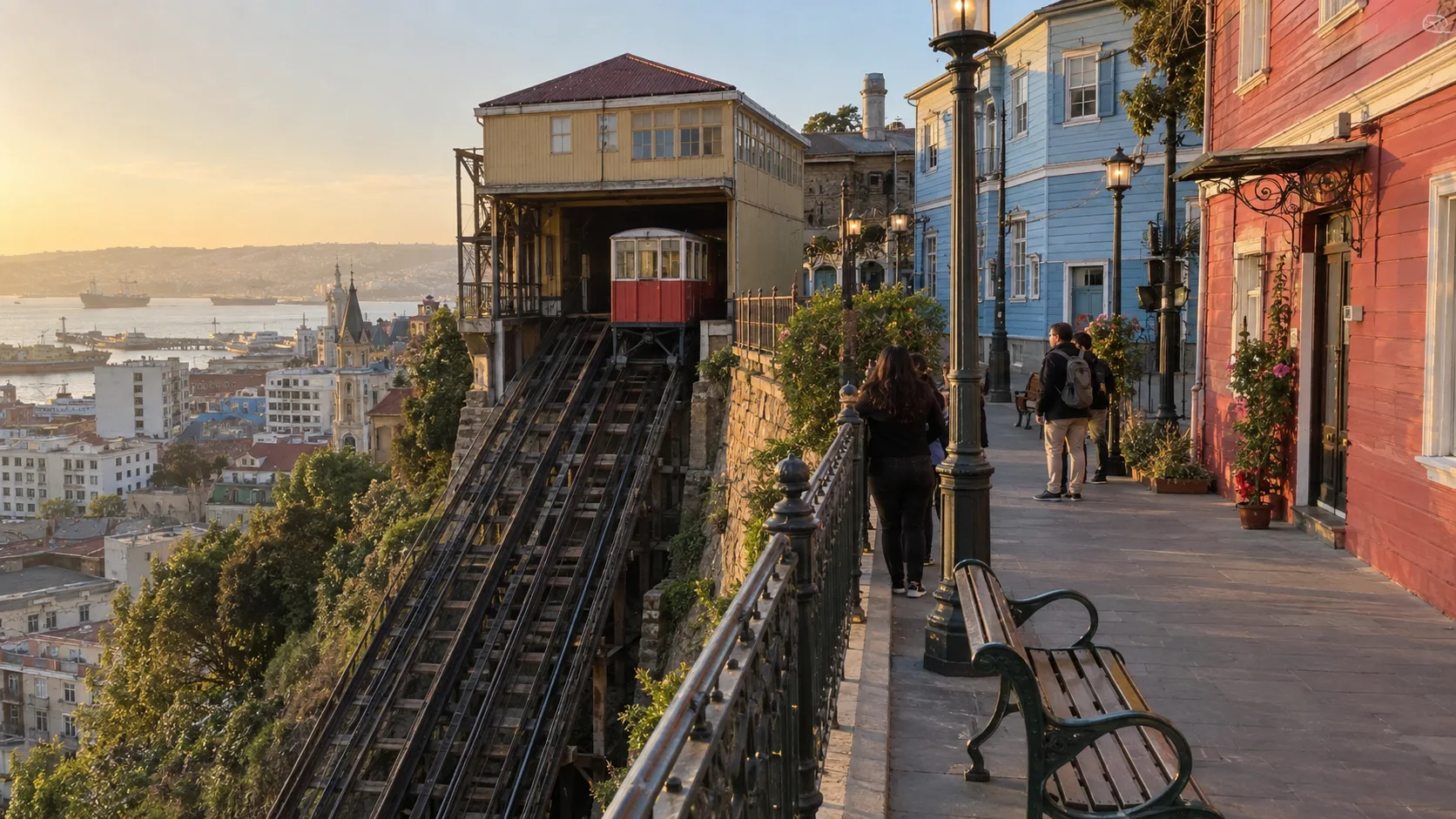
6. Paseo Dimalow and Ascensor Reina Victoria
Paseo Dimalow connects restaurants, small shops, street art, and one of the classic approaches to Cerro Alegre. Ascensor Reina Victoria usually provides the memorable climb or descent, though access work and operating interruptions are part of life in a historic system.
Use the funicular when it is open, but do not let a closure derail the day. A short taxi ride to the upper hills can be a sensible mobility choice, not a failure to experience the “real” city.

7. Street art and painted stairways
Valparaíso’s murals range from commissioned pieces to rapidly changing work on doors, retaining walls, and building sides. Templeman, Fischer, and adjoining streets hold many popular examples, while the neighborhood itself remains residential and commercial rather than an outdoor theme park.
A local street-art walk adds names, techniques, and political context that a selfie route misses. Photograph art freely from public space, but ask before aiming a camera into a home, shop, or person’s face.
The official Chile tourism site suggests Cerro Alegre, Cerro Concepción, La Sebastiana, the funicular route, and Plaza Sotomayor among Valparaíso’s key attractions. That compact cluster is exactly why a satisfying one-day visit is possible.
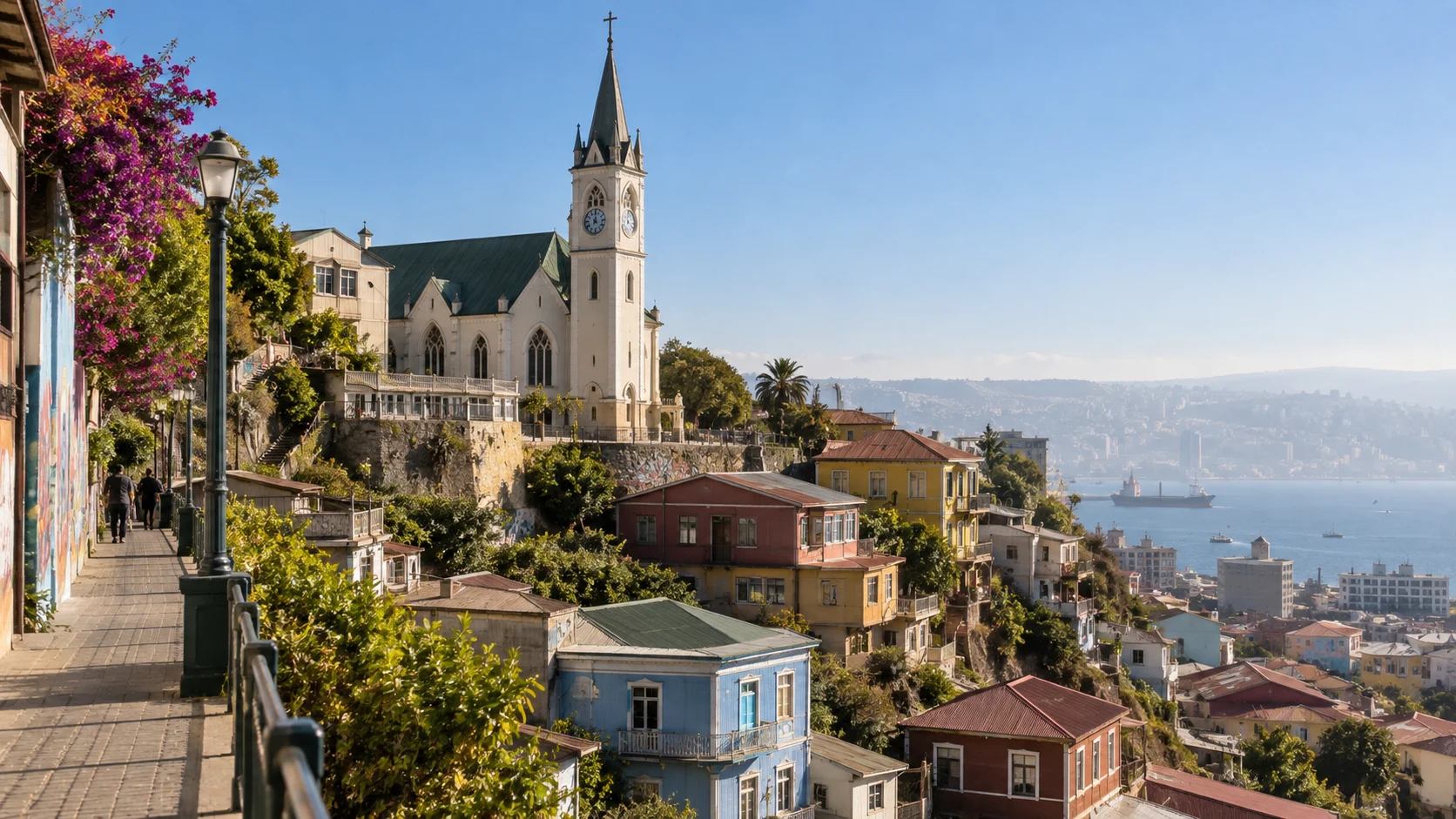
8. Lutheran Church of the Holy Cross
The nineteenth-century Lutheran church on Cerro Concepción reflects the immigrant communities that shaped the port during its commercial boom. Its restrained facade and prominent tower make a useful architectural counterpoint to the city’s louder colors.
Do not assume the interior will be open outside services or announced visitor hours. Treat it as part of the neighborhood walk, then spend any open-door time as a bonus.
Attractions that need extra transport
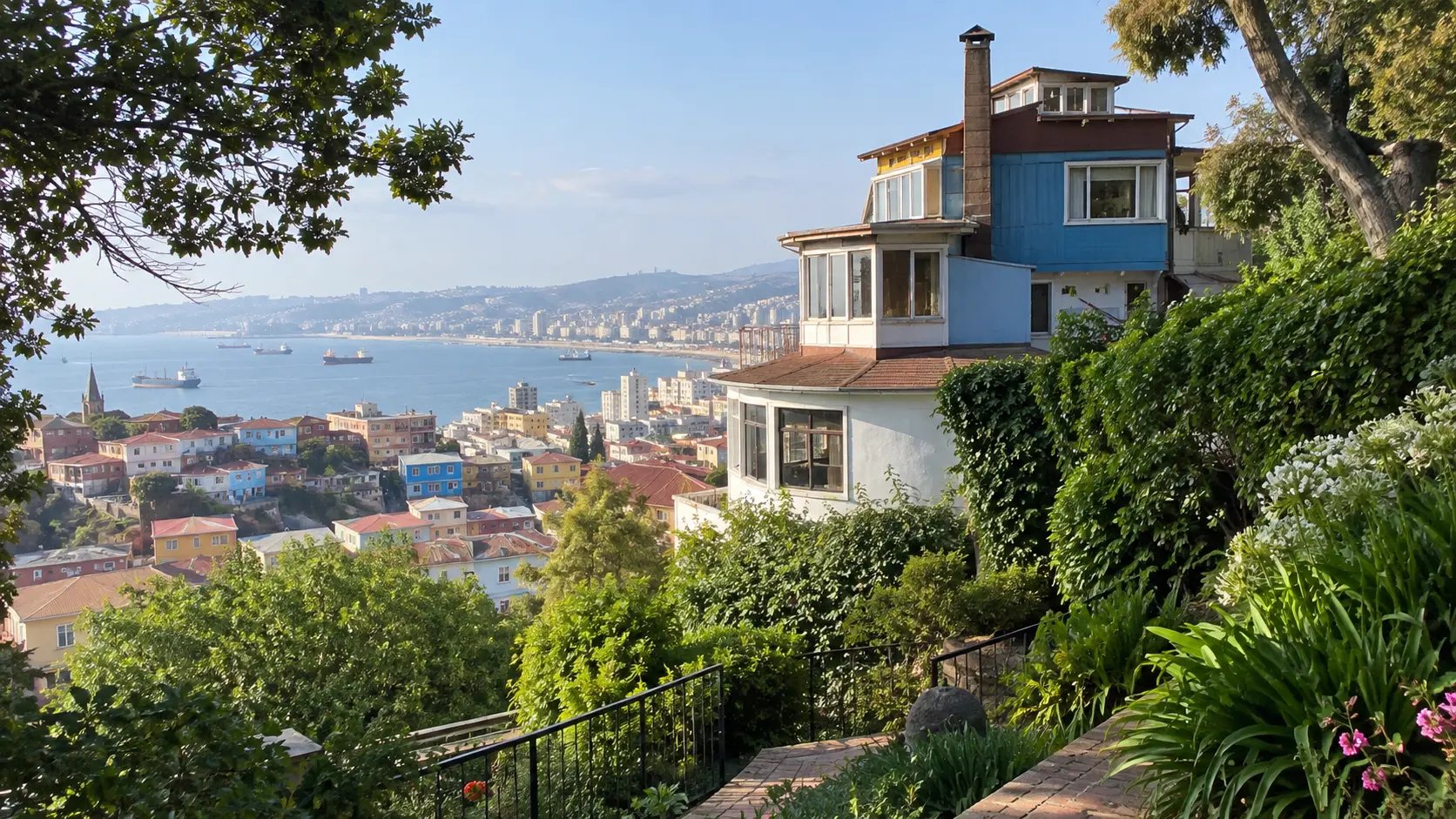
9. La Sebastiana
La Sebastiana was Pablo Neruda’s Valparaíso home and is now a museum filled with art, objects, unconventional rooms, and wide city views. It sits on Cerro Florida, separate from the most convenient Cerro Alegre loop.
Use a taxi or ride service when time matters, especially uphill. The Pablo Neruda Foundation listed the house museums as open Tuesday through Sunday from 10 a.m. to 6 p.m., with no reservation required, on its 2026 visitor page.
La Sebastiana is a strong choice for literary travelers and a weak choice for a rushed Monday cruise call, when it is normally closed. Allow about 90 minutes at the site plus transport and possible entry waiting.
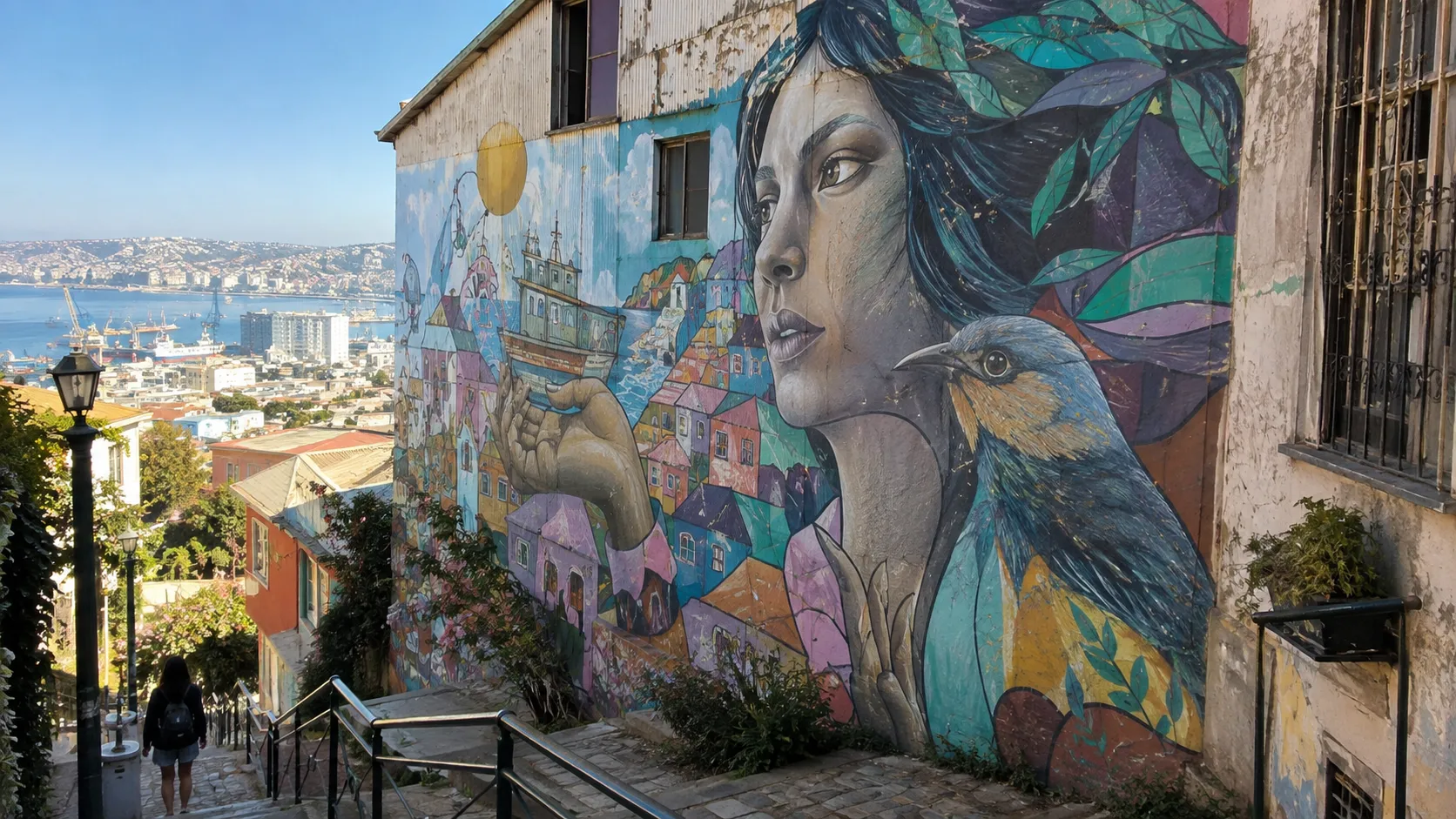
10. Museo a Cielo Abierto
The Open Sky Museum spreads murals across Cerro Bellavista rather than containing them in one building. It pairs naturally with La Sebastiana, though steep stairs and route-finding make a guide or planned map more useful than improvisation.
The artwork and surrounding streets change, so arrive for the neighborhood rather than one guaranteed mural. Stay on active routes and move to another area if a street feels isolated.

11. Paseo 21 de Mayo and Cerro Artillería
Paseo 21 de Mayo offers a classic view across the port from Cerro Artillería. It lies away from the Cerro Alegre cluster, so visiting makes most sense when you have a second day, a private vehicle, or a strong interest in maritime views.
Ascensor Artillería has faced closures and restoration periods, so verify its current operation before going. The viewpoint can still be reached by road, but that changes the time and effort calculation.
12. Viña del Mar
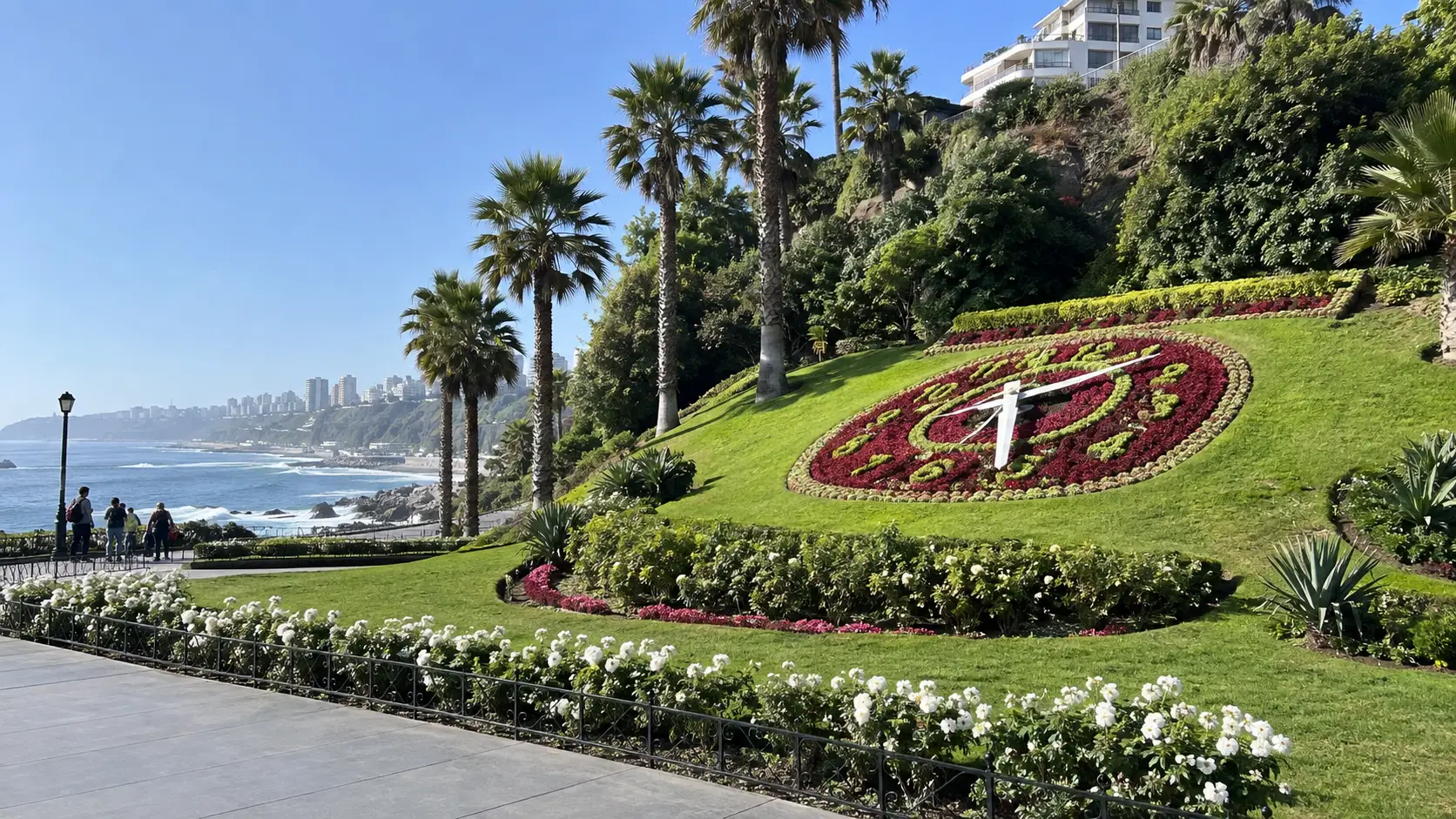
Viña del Mar sits beside Valparaíso but feels markedly different, with a flatter central area, gardens, beach-facing neighborhoods, and a resort-city rhythm. It is a useful contrast, not a substitute for seeing Valparaíso’s historic hills.
Add Viña on a two-day stay or a cruise excursion designed to cover both cities. On a short independent port day, splitting time often means seeing little beyond traffic and photo stops.
The best one-day Valparaíso itinerary
Start at Plaza Sotomayor, look around Muelle Prat, then take Ascensor El Peral if operating. Visit Paseo Yugoslavo and Palacio Baburizza before looping through Paseo Gervasoni, Paseo Atkinson, Cerro Concepción, Paseo Dimalow, and Ascensor Reina Victoria.
Stop for lunch on Cerro Alegre or Cerro Concepción, then decide whether you have enough time for La Sebastiana by taxi. If not, spend the afternoon slowly on the hills and return through the lower city with a comfortable margin.
This route favors depth over mileage and keeps most of the day in one connected area. It also gives you easy exit points if heat, hills, or a funicular closure changes the plan.
What cruise passengers need to know
Valparaíso is an active commercial port, so follow the cruise line’s current shuttle and terminal instructions rather than assuming you can walk from the ship. The passenger meeting point can change with berth and port operations.
Keep at least 60 to 90 minutes of return margin for an independent day, more if you travel to Viña del Mar or another town. Hills, traffic, and waiting for transport make the last few miles less predictable than they look.
If your itinerary continues around Cape Horn, the port-day priorities in my Buenos Aires cruise port guide and Rio de Janeiro cruise port guide can help balance the larger route. Give Valparaíso its own style of day instead of repeating the same city tour in every port.
Safety and practical tips
Protect your phone and bag
The U.S. State Department’s August 2026 Chile advisory says to exercise increased caution and notes pickpocketing, theft, mugging, and other crime. Keep phones away when not in use, carry a zipped crossbody bag, and avoid setting anything on an outdoor chair.
That does not mean visitors should fear every street. It means staying attentive at viewpoints, transit stops, restaurant terraces, the port area, and anywhere a distraction can separate you from a bag.
Be selective about nighttime walking
Official Chile tourism advice recommends illuminated, busy streets or safe transport at night. Use an established taxi, hotel-arranged ride, or a reputable app rather than walking unfamiliar stairways after businesses close.
Plan for hills and uneven surfaces
Wear shoes with grip and expect stairs, broken pavement, curbs, and steep grades. Travelers with limited mobility will get more from a private vehicle that connects viewpoints than from an ambitious walking loop.
Carry some Chilean pesos
Cards are widely useful, but small cash is convenient for funiculars, minor purchases, and situations where a terminal is offline. Decline unsolicited currency exchanges and use a bank ATM in a controlled location.
When to visit Valparaíso
Valparaíso is a year-round city, with December through March offering warmer summer conditions and a livelier coast. Peak summer also brings more visitors, stronger sun, and demand spilling over from Viña del Mar.
Spring and fall suit walking, while winter can be cool, damp, and quieter. Morning coastal cloud may hide the bay before clearing, so do not abandon the viewpoints based on the first gray hour.
For travelers building a longer but cost-conscious itinerary, these affordable South America destinations show where Valparaíso fits against more expensive regional stops. Chile is not automatically cheap, especially in peak coastal season.
Valparaíso questions
How many days do you need in Valparaíso?
One full day covers Plaza Sotomayor and the core Cerro Alegre and Cerro Concepción loop. Two days lets you add La Sebastiana, another hill, a guided art tour, or Viña del Mar without rushing.
Can you walk everywhere?
No, and trying is not a badge of honor. Walk within one hill cluster, then use a functioning funicular, taxi, bus, or ride service to connect areas separated by steep climbs.
Is Valparaíso worth visiting from Santiago?
Yes if you want port history, urban art, and unusual hillside architecture. A day tour works, but an overnight gives the city calmer morning and evening hours and removes the pressure of Santiago traffic.
Which Valparaíso attractions are worth your time?
For a first day, prioritize Plaza Sotomayor, Ascensor El Peral, Paseo Yugoslavo, Palacio Baburizza, and the connected walks of Cerro Alegre and Cerro Concepción. Add La Sebastiana when literature matters more than maximizing street time.
The city is most rewarding when you choose one compact route and notice the details between stops. Leave the cross-city checklist for another visit, keep your belongings close, and let the hills do some of the storytelling.