Rio de Janeiro Cruise Port: A Practical Guide to Pier Mauá
Rio rewards a little planning before you step ashore. The cruise terminal sits beside one of the city’s most exciting waterfront districts, but the headline sights spread across a huge, traffic-heavy city, so your best day starts with realistic choices and a generous return cushion.
Rio de Janeiro Cruise Port: A Practical Guide to Pier Mauá
Where do cruise ships dock in Rio de Janeiro?
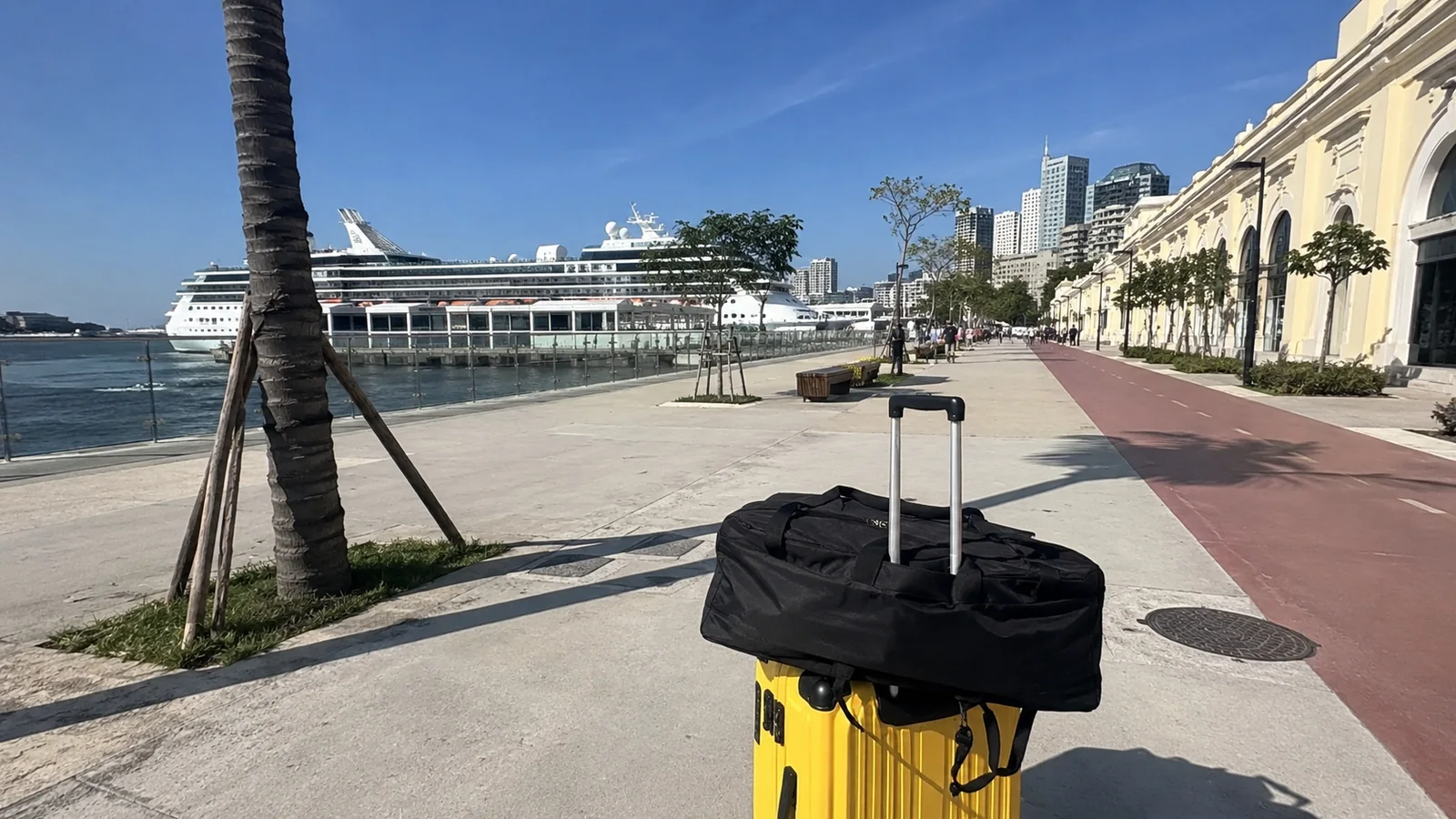
Rio’s passenger facility is the Rio de Janeiro International Cruise Terminal, managed by Pier Mauá at Avenida Rodrigues Alves, 10, beside Praça Mauá. The official Pier Mauá website describes a 70,000-square-meter complex in Porto Maravilha with five historic waterfront warehouses.
Most cruise calls are alongside berths rather than tender operations. That is welcome news, although a long ship, an assigned warehouse, immigration processing, or a required port shuttle can still add time between your cabin and the public street.
Do not choose a meeting point from an old blog or map screenshot. Check the terminal details in your cruise app or daily program because Pier Mauá may direct different ships and passenger flows through different parts of the complex.
The most useful landmark outside is Praça Mauá, at the eastern end of the terminal area. The Museum of Tomorrow, Olympic Boulevard, and the Museu de Arte do Rio are in this revitalized waterfront district, making the immediate port area a genuine sightseeing option rather than a place you simply escape.
Can you walk from Pier Mauá?
Yes, once port staff release you into the public area, several waterfront attractions are walkable. Distance is not the only question, though, because heat, uneven paving, road crossings, crowds, and the location of your ship’s exit can make a short-looking route feel longer.
The Museum of Tomorrow is the easiest anchor for a relaxed port morning. From there, you can enjoy Praça Mauá and sections of the Olympic Boulevard without gambling the day on mountain visibility or cross-city traffic.
I would not treat the port as an invitation to wander into unfamiliar downtown blocks with a phone held out for navigation. Save an offline map, know the name of your destination, and choose active, well-trafficked streets during daylight.
If Rio is one stop in a longer itinerary, our South America cruise overview helps put its vast scale in context. Rio is the stop where editing your wish list usually creates a better day than collecting rushed photos.
Using Rio’s VLT light rail from the cruise port
The VLT Carioca light rail is the most useful public-transit option around the port and central city. Pier Mauá identifies Parada dos Navios as the stop outside Warehouses 3 and 4, while the official VLT site publishes current lines, maps, operating information, accepted payment methods, and accessibility details.
Use the live map rather than memorizing a route from an older article. Lines and service patterns can change, and the right direction depends on whether you want Santos Dumont Airport, Central station, Praça XV, or another connection.
VLT is handy for defined point-to-point journeys, but it is not a sightseeing loop that reaches Christ the Redeemer, Sugarloaf Mountain, Copacabana, and Ipanema. Reaching those areas normally involves another transit leg, a taxi, a ride-hailing car, or a tour.
Buy or validate the correct fare as instructed at the stop, even when there is no gate. Keep enough time to wait for a vehicle, make a transfer, and walk back through terminal security.
The VLT operator says its stations are accessible to people with disabilities and reduced mobility. Still, travelers using wheelchairs or scooters should confirm the ship’s gangway, terminal route, curb conditions, and each attraction separately because one accessible link does not guarantee a step-free day.
Taxis, ride-hailing, and tours
Pier Mauá lists prepaid taxis among its terminal services, which can simplify the first leg. Follow current port signs to the designated pickup area rather than accepting an unsolicited offer inside or outside the gates.
Ride-hailing can work well, but your driver needs a clear pickup pin and you need the correct exit. Compare the license plate, driver, and vehicle in the app before getting in, and keep your phone discreet while waiting.
A cruise-line excursion offers the simplest ship-protection arrangement if an included tour runs late. An independent guide can provide a smaller group or customized route, but you remain responsible for returning on time, so confirm the meeting location, cancellation terms, and realistic itinerary before paying.
For first-time visitors, a licensed tour is especially appealing when combining distant icons. It reduces the mental load of switching transport while watching the clock, although no tour can make Rio traffic or cloud cover disappear.
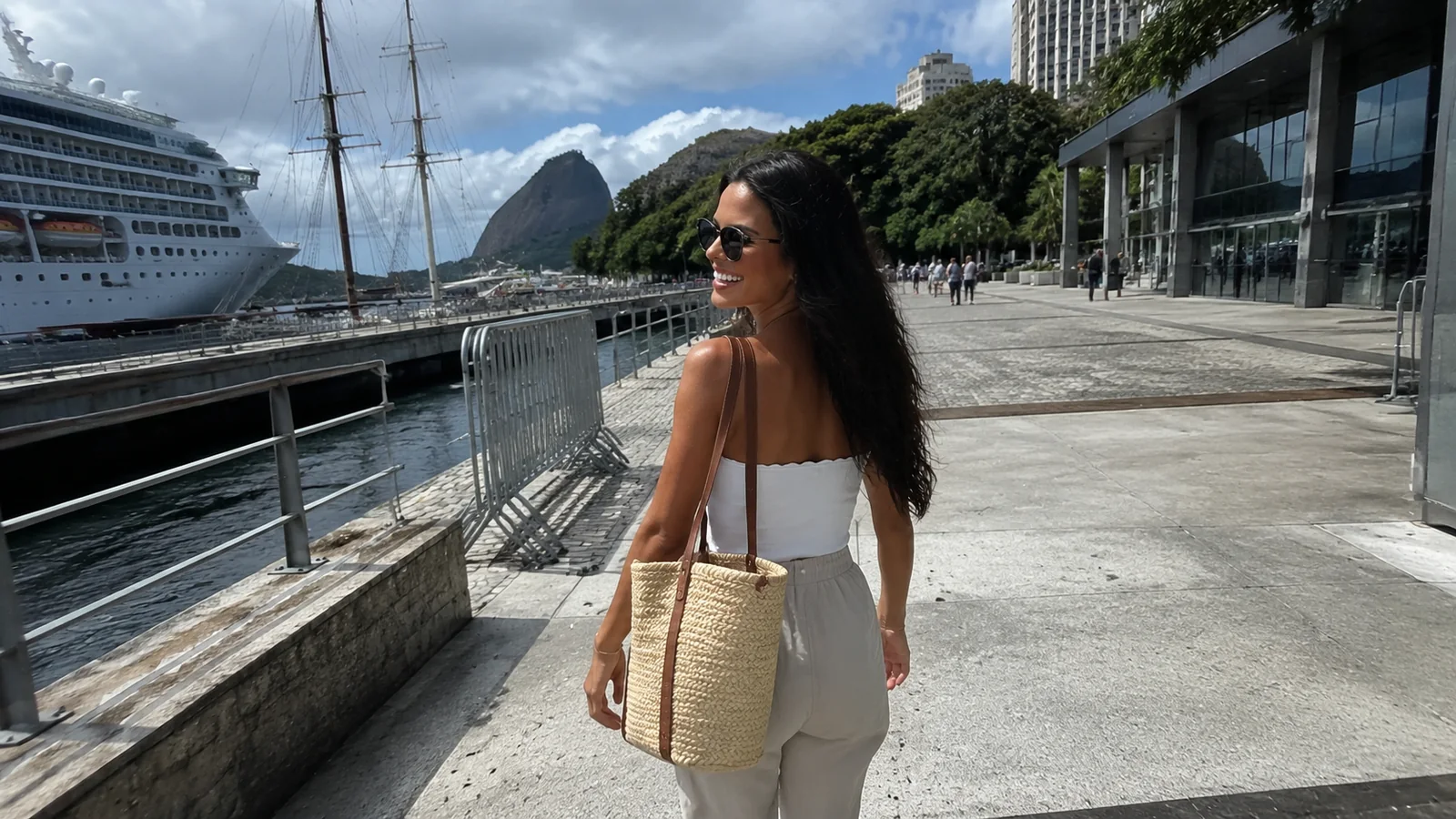
Christ the Redeemer from a cruise ship
Christ the Redeemer stands on Corcovado, well away from the pier and high above the city. Access is controlled through authorized transport options, and busy dates can sell out, so reserve through the official operator or a reputable tour rather than assuming you can improvise at the gate.
Clouds are the biggest emotional trap. A timed booking may deliver a glorious panorama or a close-up of mist, and no honest guide should guarantee visibility weeks ahead.
If Corcovado is your nonnegotiable, make it the day’s main event and add only flexible stops afterward. Booking both Corcovado and Sugarloaf independently on a short call can turn a beautiful day into a stopwatch exercise.
Morning slots can help with heat and leave recovery time for delays, but they do not promise clear skies. Check the city forecast and webcams when available, then follow the cancellation rules attached to your ticket.
The train option, step by step
I would book directly with Trem do Corcovado, then take a licensed taxi or booked ride from the terminal to Rua Cosme Velho, 513. Choose a departure late enough to absorb a slow ship exit, and follow the arrival instructions on the ticket instead of treating the departure time as your check-in time.
The ticket includes the uphill and downhill train journey plus monument access, so you do not need to buy a separate statue ticket for that product. Rio’s tourism board describes the train ride as about 20 minutes through the forest; boarding waits and time at the summit are additional.
For an example 8:00 a.m. to 5:00 p.m. call with a 4:30 p.m. all-aboard, I would aim for a 10:00 a.m. train only after checking that the ship’s actual exit time and the morning traffic make it comfortable. Reserve 45 to 60 minutes for the outbound drive as an initial allowance, two to three hours for check-in, both train rides, and the summit, then keep lunch flexible and target the terminal by 3:00 p.m.
Check the live fare for your exact date and passenger category, then add both road transfers and lunch to the budget. I would choose the ordinary round-trip train product unless a clearly described tour or transfer solves a specific problem for your group.
Sugarloaf Mountain from Pier Mauá
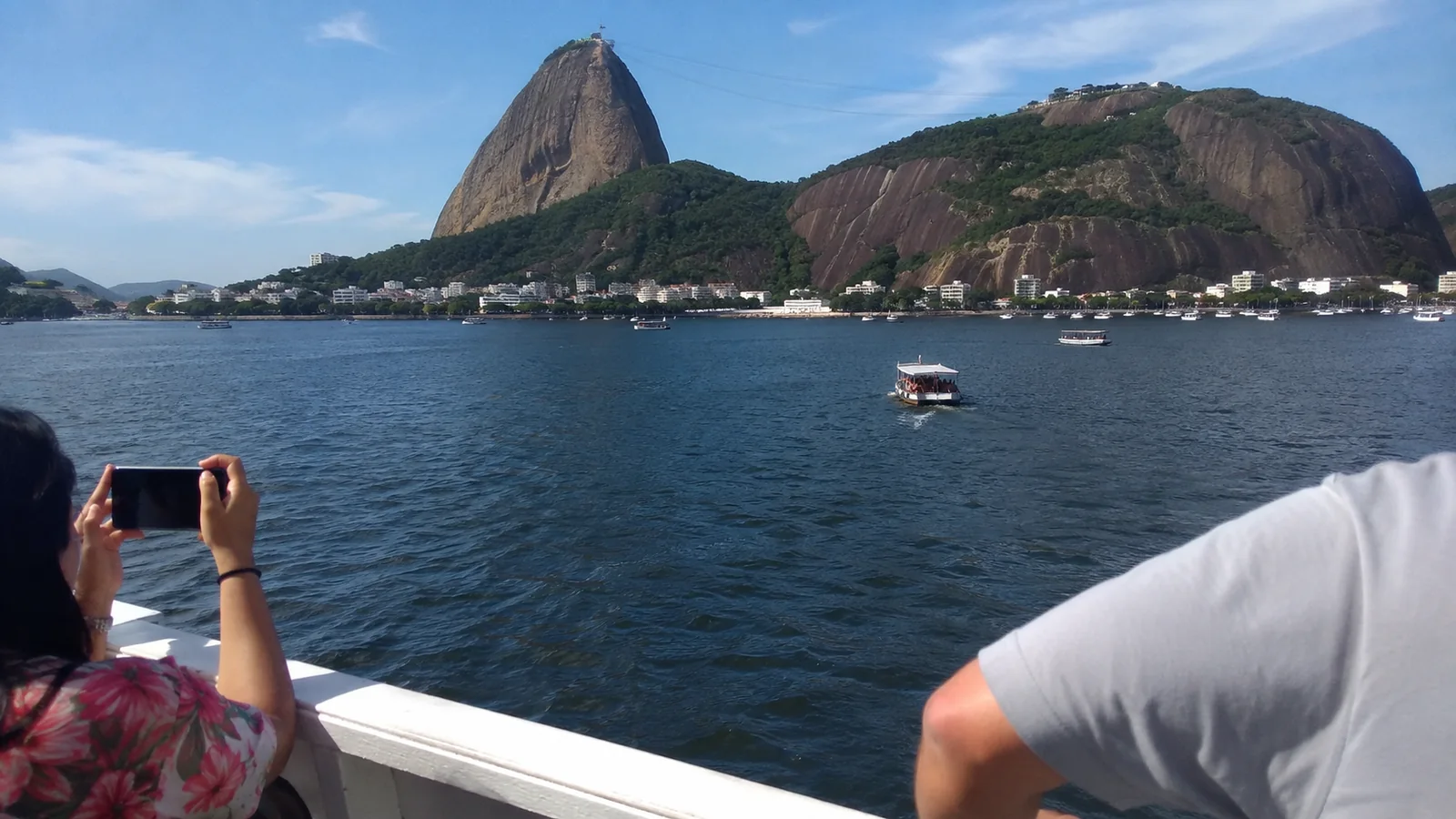
Sugarloaf’s cable-car complex is in Urca, also requiring a drive from the terminal. The journey has two cable-car stages, and queues can grow around weekends, holidays, and large-ship days.
The views are different from Corcovado, with Guanabara Bay and the city’s shoreline taking center stage. If you have time for only one mountain, choose based on visibility, ticket availability, and your tolerance for queues rather than assuming one is universally “better.”
Leave your final mountain descent comfortably ahead of the minimum time suggested by a mapping app. A road delay, ride cancellation, security line, or wrong terminal entrance can consume a small cushion very quickly.
My Sugarloaf-only port plan
Use Parque Bondinho’s official ticket page and set your ride destination to Avenida Pasteur, 520, in Urca. The normal mountain visit uses both cable-car stages, with a change at Morro da Urca, so leave time to enjoy that first viewpoint instead of hurrying straight through it.
For the same example call, I would leave the terminal around 9:00 a.m., aim for a morning visit, and allocate about two hours inside plus 45 to 60 minutes for each road transfer. Those are starting allowances, not traffic guarantees; check the live journey before departure and leave the mountain early enough to meet the 3:00 p.m. terminal target.
Add a relaxed Urca lunch if the morning goes smoothly, then return toward the port without adding Corcovado. I would pick Sugarloaf when the bay views are the main draw and choose Corcovado when seeing Christ the Redeemer matters most, provided the weather and tickets cooperate.
Copacabana and Ipanema on a port day
Copacabana and Ipanema are iconic, but neither beach is beside the cruise terminal. A beach visit works best as one focused part of the day, with a preplanned ride back and clothes suitable for reentering the terminal.
Swim only where local conditions and lifeguard guidance support it. Shore break, currents, heat, and strong sun matter more than how calm the water looks from the promenade.
Take only what you can actively watch, and do not leave a phone or wallet under a towel while swimming. A waterproof pouch, modest cash, and one payment card make a far less stressful beach kit than your entire travel wallet.
Ipanema can pair with a beachfront walk, while Copacabana has the instantly recognizable mosaic promenade. Trying to cover both beaches plus two mountains is possible only on some long calls, and it is rarely the relaxed introduction most people picture.
A low-stress half-day near the port
A wonderfully sane plan begins at Praça Mauá, visits one museum, and follows the active waterfront for lunch or photographs. It keeps your transport exposure low and leaves room for a slow disembarkation.
Check museum opening days and timed-entry policies directly before relying on this plan. Many museums worldwide close one weekday or alter hours for private events, and Rio is no exception to the need for a last-minute check.
This nearby plan also suits calls with uncertain weather. You can shorten it quickly, return to the ship easily, or add a VLT ride if the day is running smoothly.
A named lunch stop for a city-focused day
For a city day, I would pair Praça Mauá and one museum with Confeitaria Colombo’s Centro branch at Rua Gonçalves Dias, 32. Check the branch carefully when booking a ride, since the Copacabana location is a different outing.
The Centro branch currently lists Monday through Saturday opening from 11:00 a.m. to 6:00 p.m. and closes Sundays, so it will not work as an early breakfast stop or a Sunday fallback. Allow an hour for a meal or coffee, keep belongings close, and use a ride if the surrounding streets feel quiet or you are unsure of the return route.
Rio cruise-port safety without the drama
Rio deserves practical awareness, not panic. The current U.S. State Department Brazil advisory warns that crime occurs in urban centers and tourist areas, so read the latest destination guidance rather than relying on reassuring anecdotes.
Keep jewelry and expensive watches on the ship, carry your bag zipped and in front in crowds, and use your phone briefly with your back to a wall or inside a business. Split cards and cash, and keep a separate copy of key documents.
Avoid demonstrations and do not enter a favela independently because boundaries may be unclear and conditions can change quickly. If your route feels empty, confusing, or uncomfortable, step into a staffed venue and arrange a licensed taxi or app ride.
ATMs inside banks or controlled commercial spaces are preferable to isolated machines. Decline help from strangers at the screen, shield your PIN, and let your bank know about travel if its fraud controls require it.
Port-area precautions matter after dark, too. On an overnight call, use arranged transportation for evening plans and confirm exactly which terminal entrance remains open for returning passengers.
Brazil entry documents for cruise passengers
Your cruise line’s boarding approval does not replace Brazil’s immigration rules. Check requirements for your passport, citizenship, route, and purpose on Brazil’s official consular pages and with the cruise line well before departure.
Brazil resumed visitor-visa requirements for passport holders from the United States, Canada, and Australia on April 10, 2025. The Brazilian Ministry of Foreign Affairs e-visa page explains the electronic application route, but eligibility and document rules can change.
Do not assume a short shore visit, a ship-arranged tour, or staying aboard removes a documentation requirement. Ask the cruise line how Brazilian clearance applies to your specific voyage, especially if Rio is embarkation, disembarkation, or one of several Brazilian calls.
Carry only the document your ship tells you to take ashore, plus your cruise card and any required photo identification. Store passport copies offline and leave unnecessary originals secured as instructed onboard.
Weather, heat, and what to wear
Rio’s cruise season overlaps the city’s warmer, wetter months, when heat, humidity, and sudden heavy rain can change the feel of a route. Check the municipal Alerta Rio forecast and alerts close to arrival.
Wear breathable clothes, secure walking shoes, sunscreen, and a hat, then carry a light rain layer. A refillable bottle is useful, but drink treated or sealed water and replace salts if you are sweating heavily.
Storms can affect roads, outdoor attractions, cable-car operations, and ship schedules. Follow the captain, port, and attraction operators rather than treating any prebooked plan as guaranteed.
How early should you return to Pier Mauá?
All aboard is the deadline that matters, not the published departure time. Confirm ship time before leaving because your phone may update automatically while the ship’s clock follows a different instruction.
For an independent outing, I would aim to be back at the terminal area at least 90 minutes before all aboard. That is a personal planning cushion, not an official port rule, and I would add more for Corcovado, Sugarloaf, beaches, major events, rain, or a route requiring transfers.
Take a photo of the daily program showing the berth, all-aboard time, and port-agent contact. If a problem develops, call the agent early instead of hoping a late sprint fixes it.
Our first-time cruise tips explain the onboard routines that make port days calmer. The tiny habit that matters most in Rio is checking the time before you start “just one more” stop.
Embarking or disembarking in Rio
Rio may be a transit call or a turnaround port, and those are completely different mornings. Embarking guests should use the terminal and arrival window shown in their cruise documents, not a generic map pin for the port district.
Rio Galeão International Airport and Santos Dumont Airport serve different flight networks and sit in different parts of the city. Verify the airport code on every ticket because choosing a transfer based only on the word “Rio” is an expensive little mistake.
Traffic varies dramatically with rush hours, weather, road incidents, holidays, and events. Arriving in Rio at least one day before embarkation gives you breathing room that no same-day transfer estimate can provide.
On disembarkation day, allow for ship clearance, baggage collection, customs, the taxi queue, and airport check-in. A quiet Sunday estimate is not a promise for a rainy weekday or Carnival period.
Accessibility and reduced-mobility planning
Ask the cruise line whether the gangway and berth planned for your call can accommodate your mobility device. Water level, ship setup, and operational changes can alter a route that looked easy on paper.
Pier Mauá lists passenger services within the terminal, while VLT says all stations are accessible to people with disabilities and reduced mobility. Confirm vehicle space, attraction elevators, accessible restrooms, companion policies, and the last step from curb to entrance directly.
A private accessible vehicle may be worth reserving early because suitable inventory can be limited. Give the provider the folded and unfolded dimensions of your chair or scooter, not simply the phrase “wheelchair accessible.”

My simple Rio port-day formula
Pick one marquee sight, one flexible extra, and one food or waterfront pause. That structure leaves room for Rio to feel alive instead of turning it into a series of car windows and clock checks.
- For a first visit: Choose Corcovado or Sugarloaf, then add a brief waterfront or beach stop if time remains.
- For a short call: Stay around Praça Mauá, the museums, and Olympic Boulevard.
- For beach lovers: Choose one beach and preplan the return ride.
- For nervous planners: Book a ship excursion or licensed guide with conservative timing.
- For an overnight: Separate distant sights across two outings and arrange evening transportation.
If Buenos Aires is next, save our Buenos Aires cruise port guide before sailing. The two cities both reward smart timing, but their terminal layouts and transport choices are very different.
Final thoughts on Rio de Janeiro cruise port
Pier Mauá puts you in an interesting part of Rio, yet the postcard sights still require decisions, transport, and buffer time. Check your ship’s terminal instructions, choose one priority, protect your valuables without becoming fearful, and return earlier than the bare minimum.
Rio is far too vivid to experience as a checklist. Give the city enough space to surprise you, and your port day will feel richer even if you see fewer landmarks.