8 Best Aruba Attractions for Beaches, Nature, and Culture
Aruba is small, but its best days are not interchangeable. Choose one calm-beach day, one rugged-landscape day, and one culture stop, then leave enough space to enjoy them instead of racing across the island.
Choose Aruba attractions by the day you want
If your priority is soft sand and an easy swim, start with Eagle Beach or Baby Beach. If you want restaurants and water sports within steps, Palm Beach fits better.
Arikok National Park deserves a dedicated half or full day, while Oranjestad and San Nicolas reward travelers who want architecture, art, and food between beach stops. Cruise passengers should choose one region plus a nearby backup, because an island map does not account for traffic, parking, or an inflexible all-aboard time.
- Best for open sand: Eagle Beach
- Best for action: Palm Beach
- Best for young families: Baby Beach, with close supervision
- Best for landscapes: Arikok National Park
- Best for shore snorkeling: Mangel Halto, when conditions and ability align
- Best city stop: Oranjestad
- Best art stop: San Nicolas
- Best scenic drive: California Lighthouse and the northwest coast
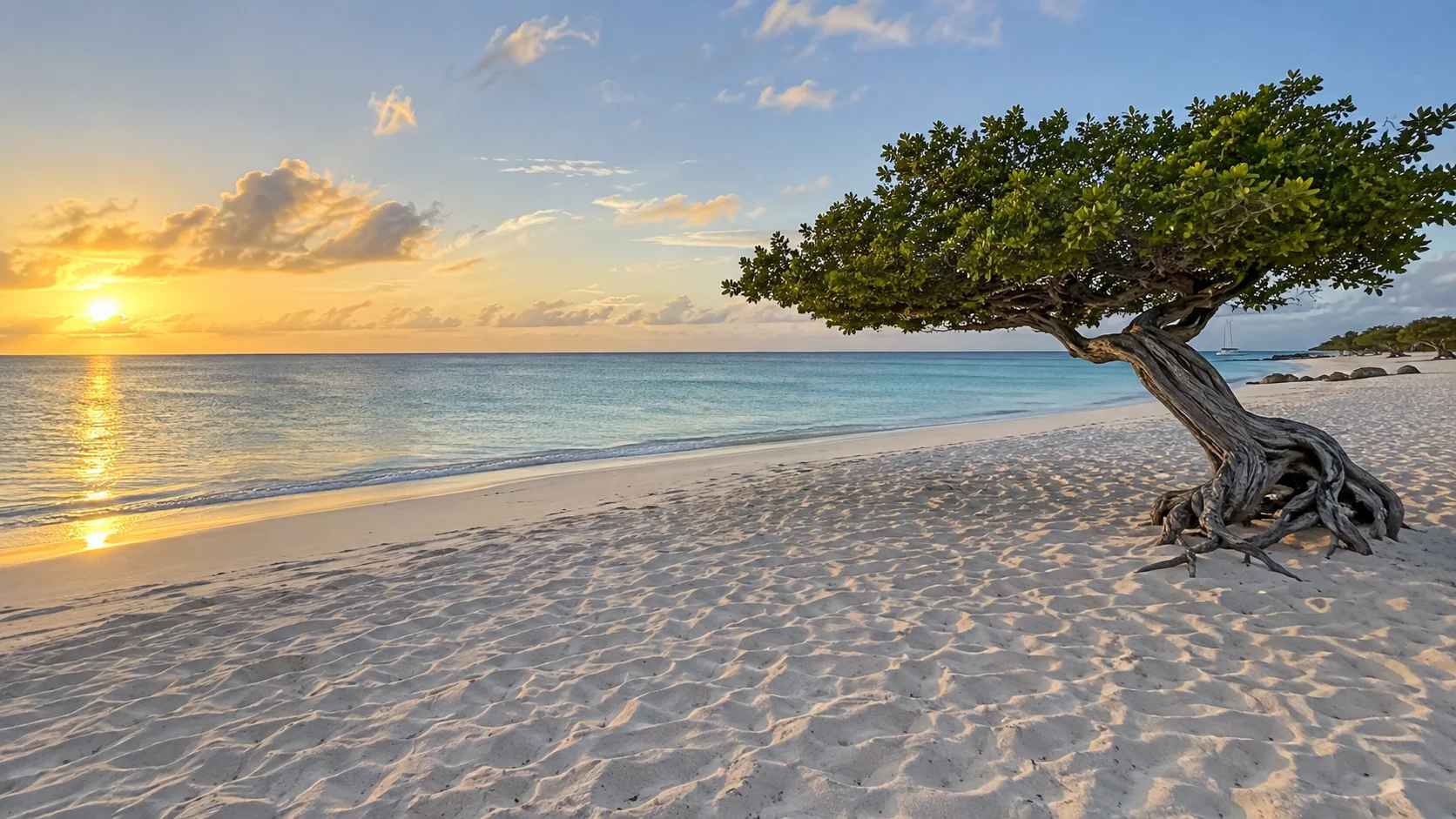
1. Eagle Beach for space and an unhurried beach day
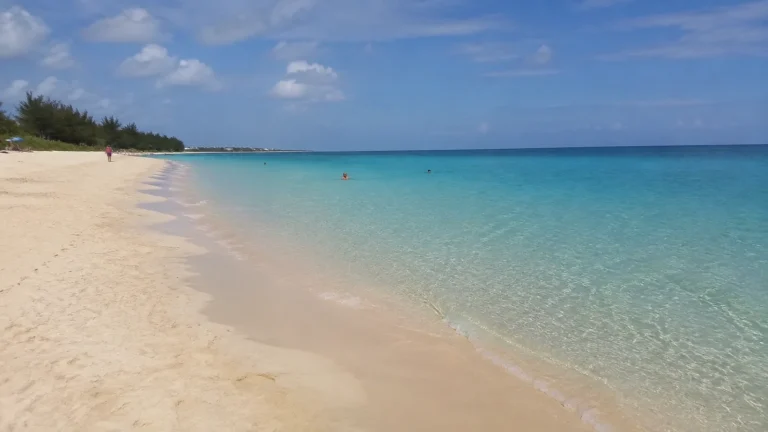
Eagle Beach is the choice for travelers who want a broad ribbon of sand rather than a resort-centered scene. Aruba’s tourism authority describes it as the island’s widest beach, with parking, some shaded areas, beach huts, and water sports.
Arrive early if free shade matters, but do not assume every palapa or lounge chair is public or complimentary. The sand and water are public, while furniture may be maintained by a hotel or rental operator.
The two fofoti trees make an easy landmark and photo stop, yet they are not props to climb. Eagle Beach is also an important sea-turtle nesting area, so stay outside marked nests, keep children from digging near barriers, and follow any nighttime lighting restrictions.
Check the current amenities and seasonal notices on the official Eagle Beach page. Travelers who want one restful day without a restaurant strip at their shoulder will usually prefer Eagle over Palm.
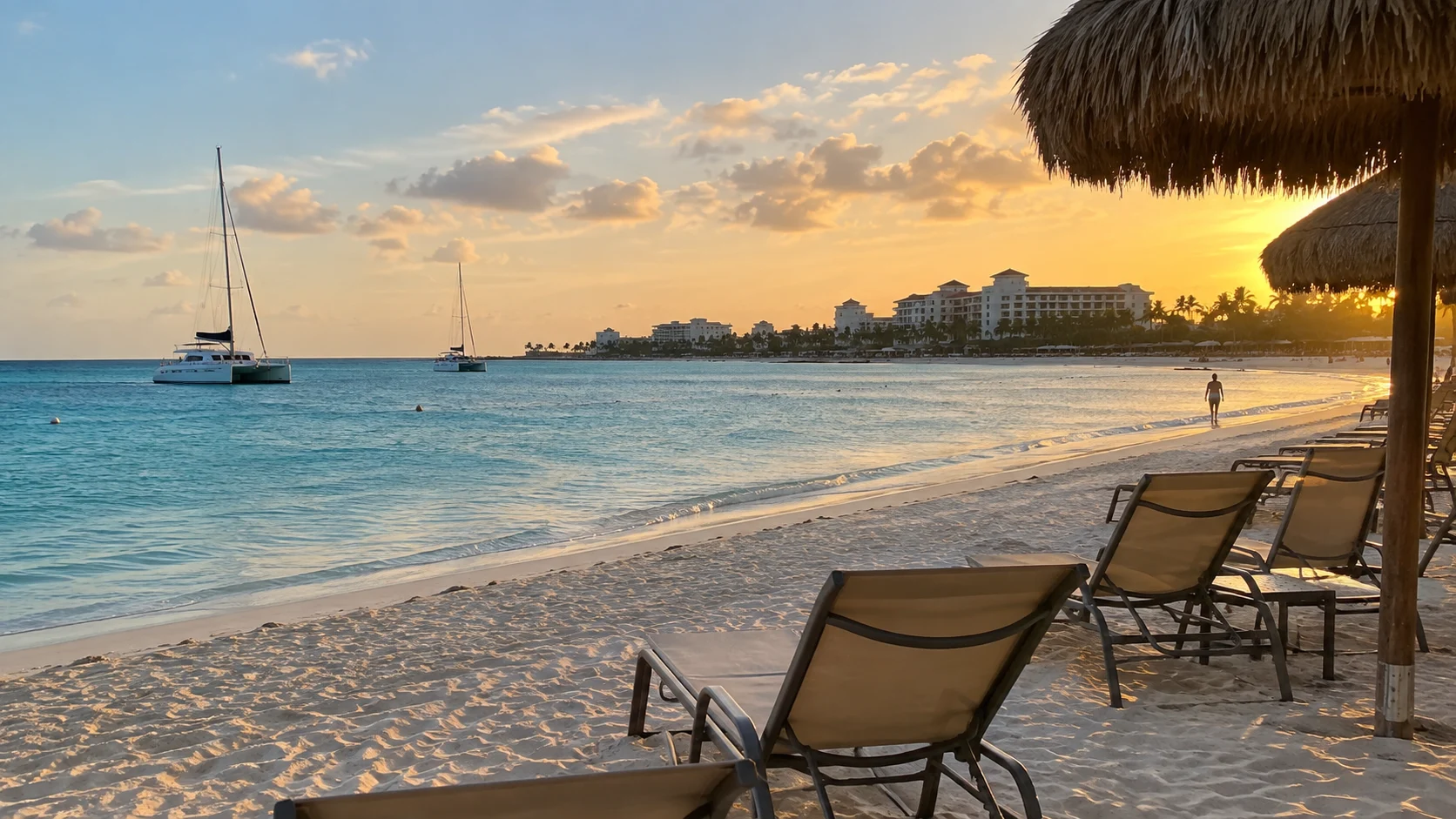
2. Palm Beach for restaurants, resorts, and water sports
Palm Beach is not the quiet alternative, and that is exactly why many visitors like it. High-rise hotels, piers, restaurants, bars, shops, and activity desks make it easy to move from breakfast to the beach without a rental car.
Choose Palm Beach when convenience matters more than empty sand. Couples seeking a silent morning or families needing a wide buffer around their chairs should go early or spend the day at Eagle instead.
Do not select a parasailing, personal-watercraft, or boat operator from a shouted pitch alone. Confirm the operator, price, duration, cancellation policy, safety briefing, and whether transport or photos cost extra before handing over payment.
A sunset walk works well after the day crowds thin, but leave valuables in a secure place. The current U.S. travel advisory identifies petty theft and vehicle break-ins as crimes of opportunity, so an unattended beach bag is not a reservation system.
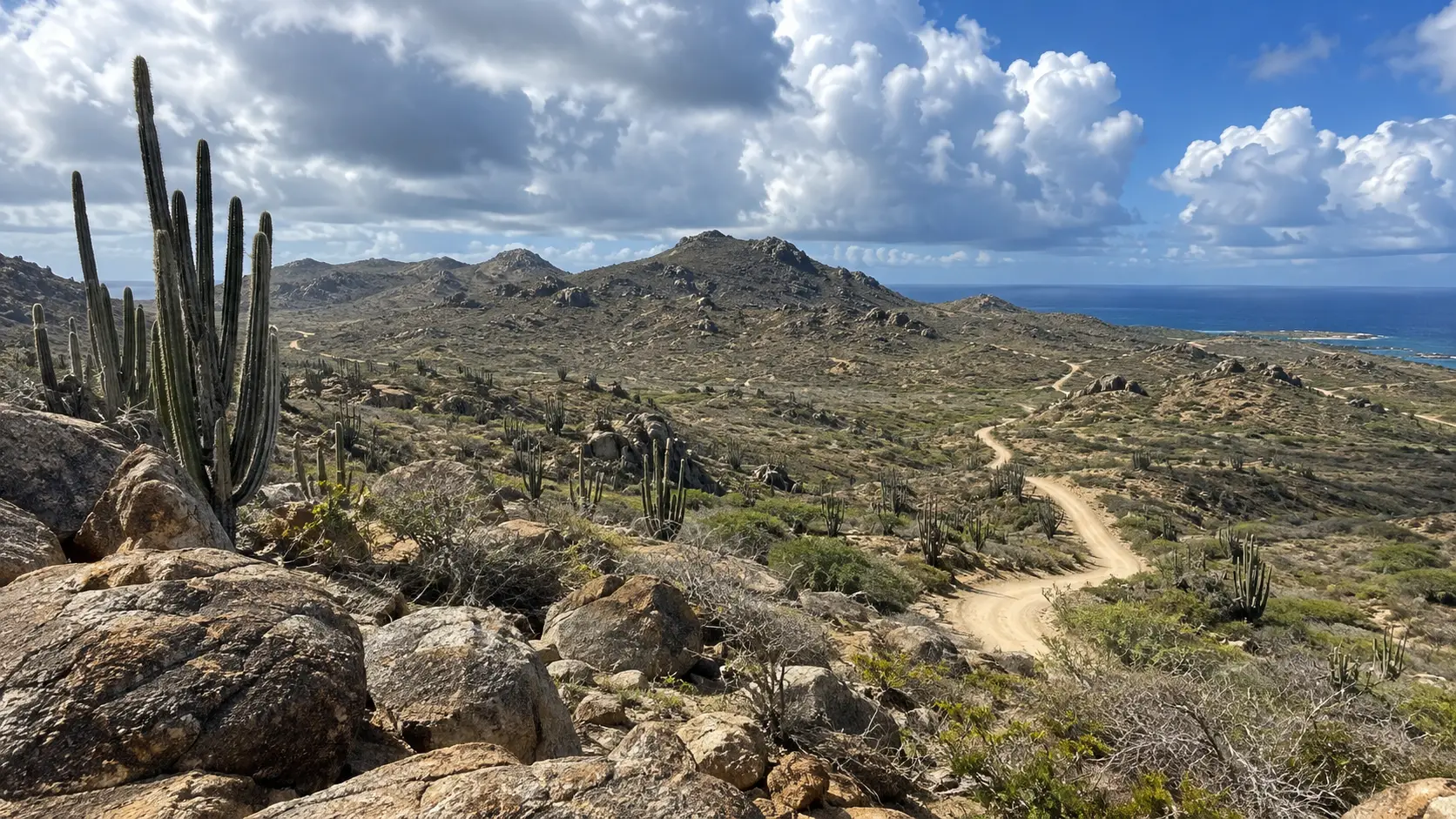
3. Arikok National Park for Aruba’s wild side
Arikok protects 34 square kilometers of northeastern Aruba, including desert vegetation, caves, cultural sites, rugged bays, and habitat for endemic wildlife. It is a protected landscape, not an off-road amusement park.
The San Fuego Visitor Center currently opens daily from 8 a.m. to 3:30 p.m., while the Vaderpiet booth lists 9 a.m. to 3 p.m. Hours, passes, access rules, and temporary closures can change, so verify them with the Aruba Conservation Foundation before departure.
Do not promise yourself the Natural Pool
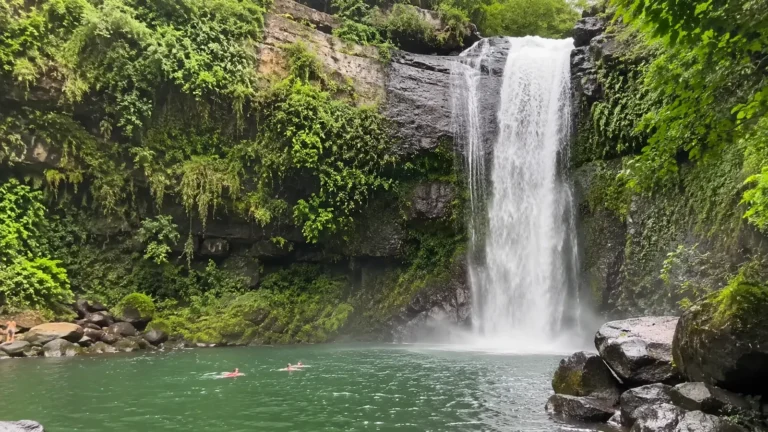
Conchi, the Natural Pool, is a conditional stop that depends on sea state, road access, heat, and your mobility. A pretty photograph does not show the difficult approach, slippery rock, or changing water.
Ask the park which route and vehicle are permitted that day, then compare the answer with your rental contract. Standard rental cars may be excluded from rough roads by the company even when another vehicle can physically pass.
If Conchi does not fit, build the day around the visitor center, approved viewpoints, Fontein Cave, Quadirikiri Cave, and Boca Prins. Cave access, wildlife protection, and guide requirements take priority over an old blog itinerary.
Who should book a guided Arikok visit?
Book a park-authorized or reputable guided option if no one wants to navigate, the group has one day, or rough-road decisions feel stressful. Ask whether the tour uses enclosed transportation, how long guests must walk, and whether cave steps or water entry are required.
Independent travelers should carry more water than they expect to drink, wear closed shoes, and begin early. Shade is limited, the landscape is exposed, and a short trail in tropical sun can feel longer than its mileage.
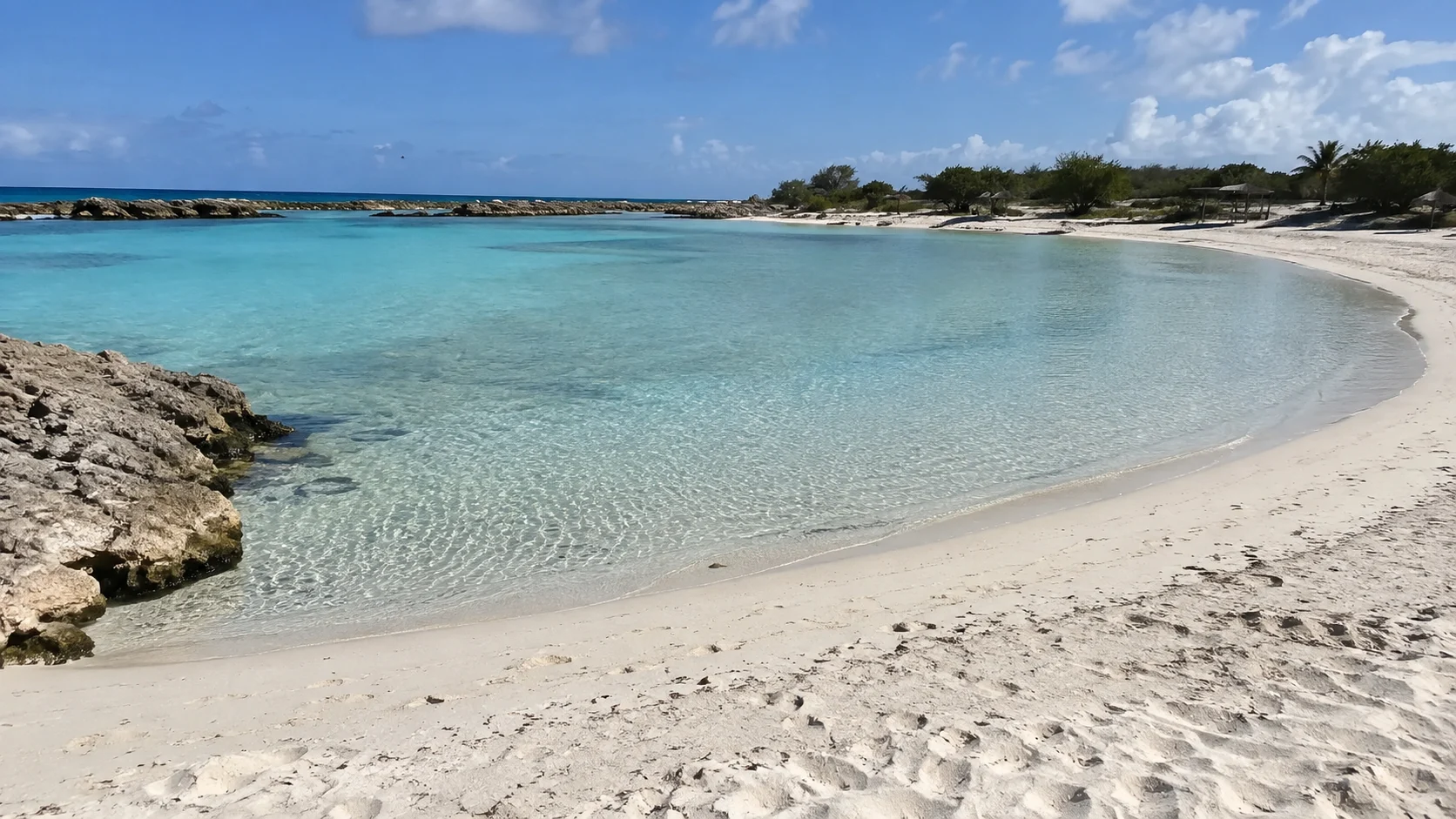
4. Baby Beach for a shallow-lagoon day
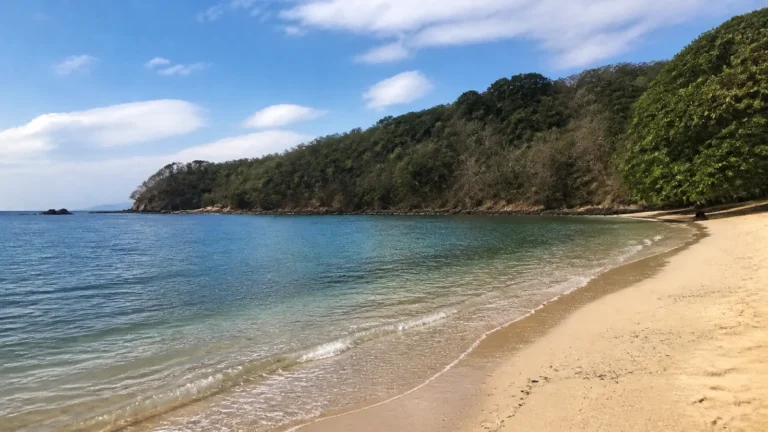
Baby Beach sits in southern Aruba near San Nicolas, about 45 minutes by road from the Palm Beach hotel area under ordinary conditions. Its half-moon lagoon has extensive shallow water, which makes it appealing to families and cautious waders.
“Baby” does not mean supervision is optional. The opening toward the ocean requires more caution, and Aruba’s tourism authority tells snorkelers to remain within the marked area.
Public restrooms, food options, rental gear, and some complimentary huts are listed, but availability and prices can change. Review the current Baby Beach information, arrive before the busiest part of the day, and bring your own sun protection.
Pair Baby Beach with San Nicolas rather than Palm Beach or the California Lighthouse. That keeps the day geographically sensible and gives you a non-beach option if wind or water conditions disappoint.
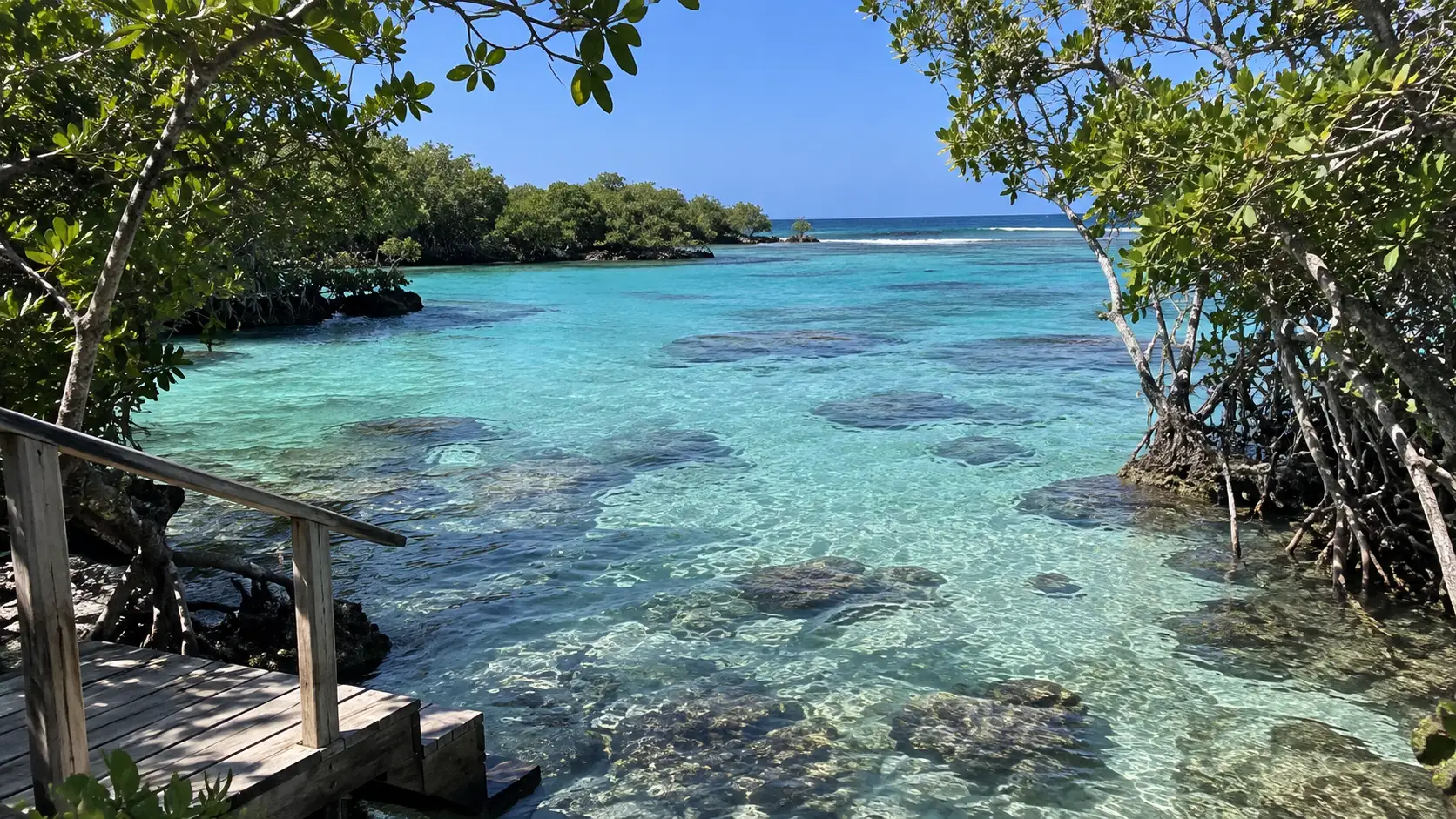
5. Mangel Halto for capable shore snorkelers
Mangel Halto is a mangrove-framed coastal stop south of Oranjestad that suits visitors seeking a quieter water day. It can be rewarding for snorkeling, but “from shore” does not automatically mean “for beginners.”
Entry surfaces, wind, current, boat traffic, depth, and visibility change the difficulty. If you cannot assess those factors confidently, book a qualified guide or choose shallow wading at Baby Beach.
Never stand on coral, chase turtles, feed fish, or force yourself through a narrow entry because another swimmer did. The official Aruba beach overview explains the broad pattern: west and south coasts are generally more protected, while north and east shores face stronger wind and waves.
For a trip built around the water, compare the planning approach with responsible shore-snorkeling basics. The destination differs, but fit, current checks, flotation, and coral-safe behavior remain useful questions.
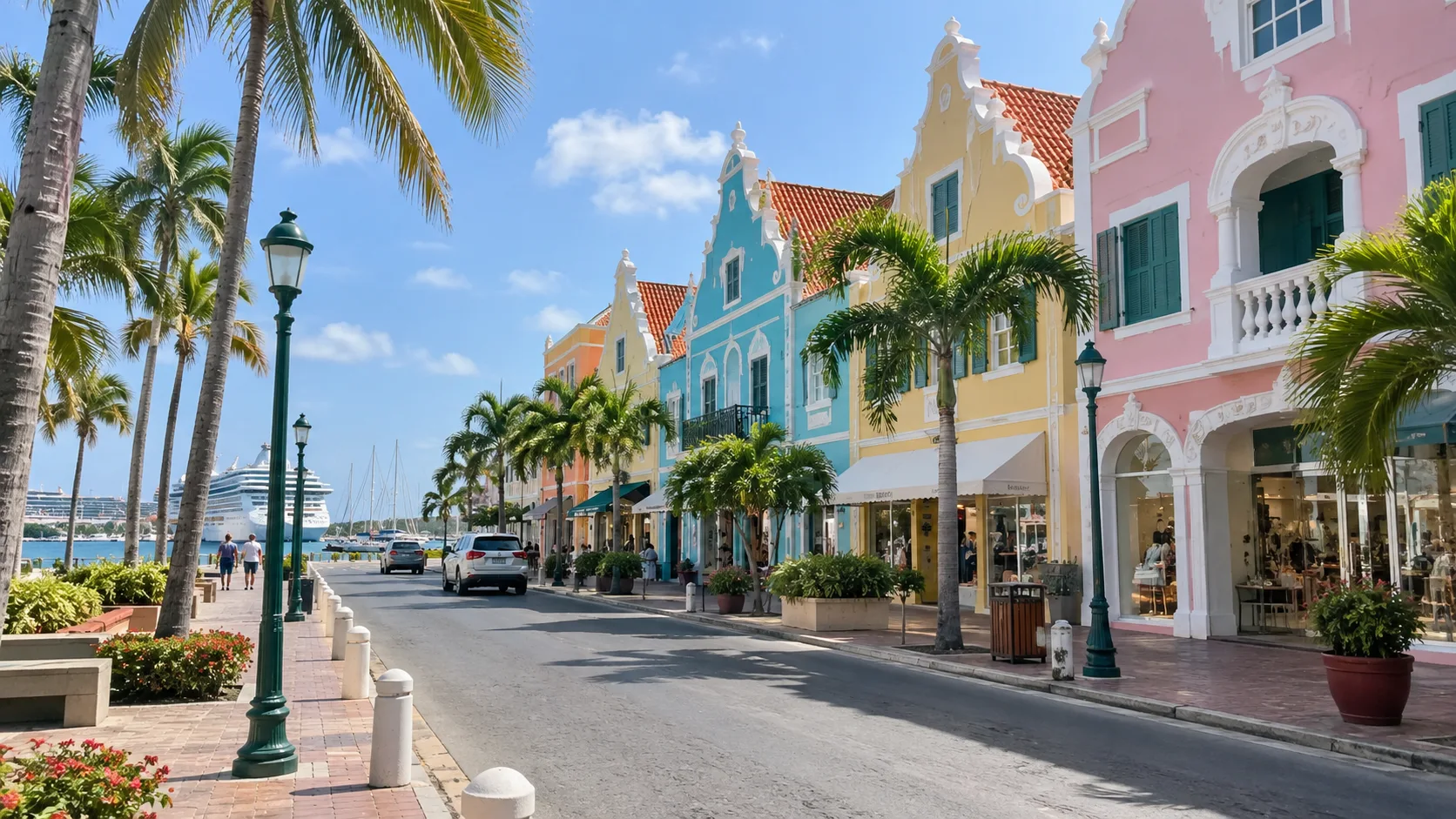
6. Oranjestad for history, color, and an easy cruise-port plan
Oranjestad works when the group wants a lower-logistics day with shopping, architecture, museums, cafés, and harbor views. Cruise passengers can keep the final part of the day near the ship instead of gambling on a cross-island return.
Start with one cultural anchor rather than wandering only through retail streets. Check current opening hours for Fort Zoutman, the Historical Museum, or another chosen site, because museum schedules can be limited and holiday closures are easy to miss.
The downtown trolley may be useful when operating, but it should not be the hinge of the day. Confirm the current route and accessibility after arrival, then keep a walkable alternative ready.
Oranjestad is also the sensible comparison point for travelers considering nearby islands. The Curaçao island guide shows why Willemstad needs a different transport and cultural plan even though the islands share the Dutch Caribbean.
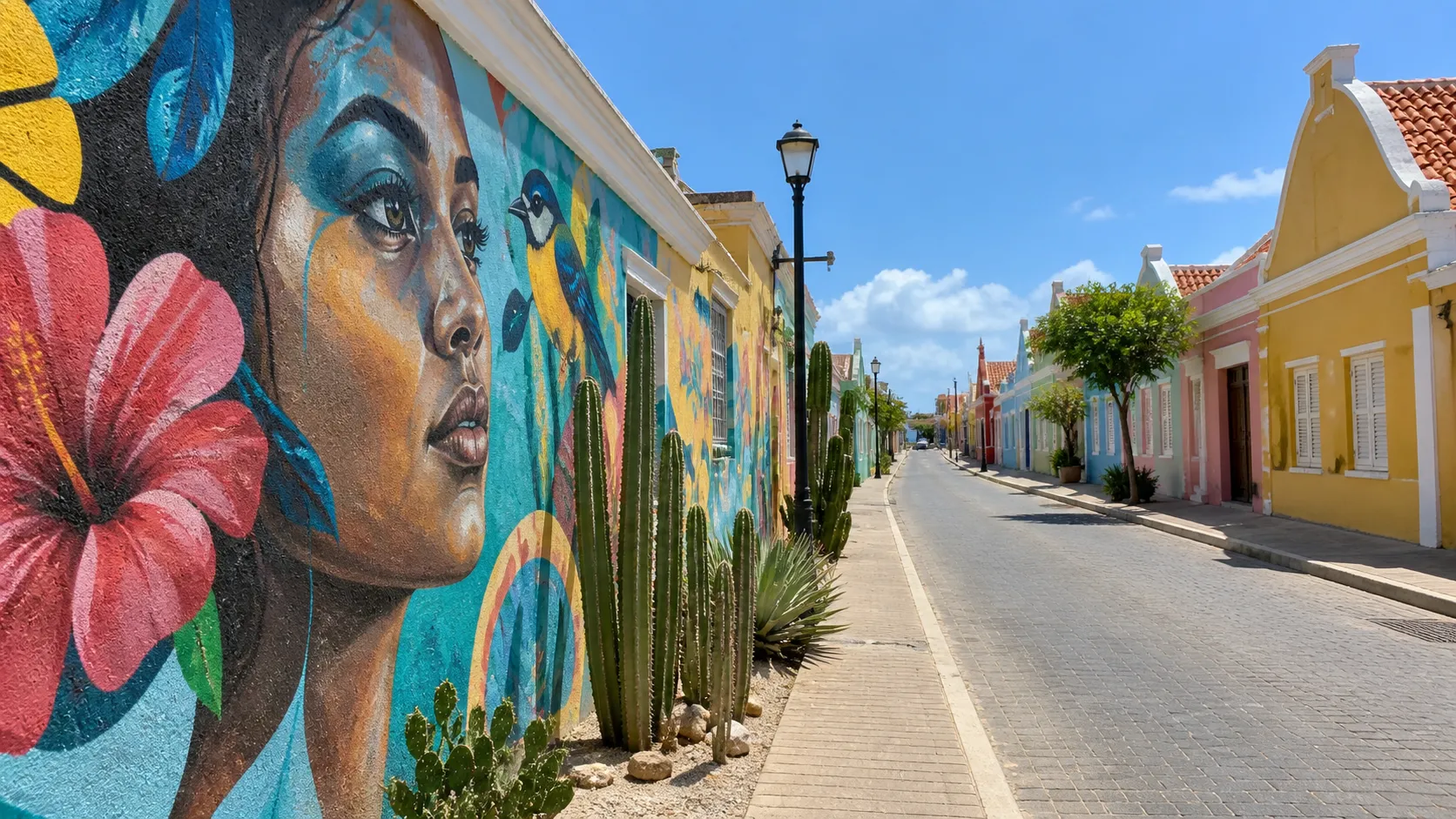
7. San Nicolas for murals and a southern-island pause
San Nicolas adds street art, local businesses, and a town setting to a beach-heavy itinerary. It is the natural companion to Baby Beach, so schedule both on the same southern loop.
Treat the murals as public art within a living community, not a private photo studio. Keep doorways clear, ask before photographing people, and buy a drink, lunch, or small item if you use a business as your rest stop.
Go in daylight, check current gallery and museum hours, and pin the places you actually want to see. “San Nicolas” is too broad a destination for a driver who expects every mural and parking space to reveal itself automatically.
If you only have a six-hour cruise call, combine San Nicolas with Baby Beach through prearranged transport and a firm turnaround time. Otherwise, choose Oranjestad and one closer beach, then save the south for a longer stay.
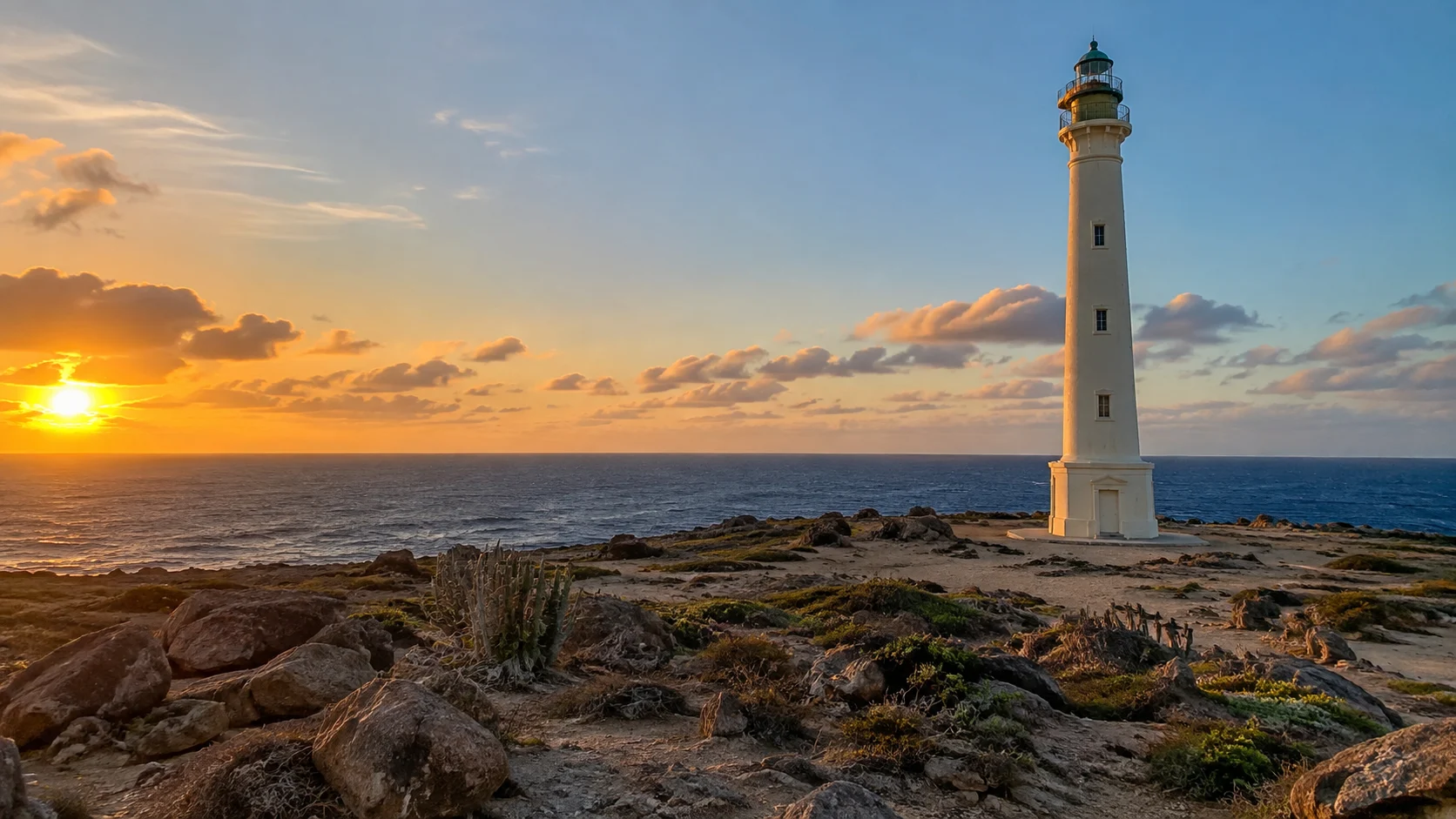
8. California Lighthouse and the northwest coast
The lighthouse area provides a broad view and a satisfying endpoint for a northwest drive. Combine it with Arashi Beach and the Alto Vista Chapel area rather than treating each pin as a separate half-day attraction.
Go early for cooler air or later for sunset, but expect other visitors to have the same idea. Parking, road shoulders, and cliff edges require more attention when the sky becomes the main event.
Do not assume tower access, restaurant seating, tours, or restrooms without checking current operations. The viewpoint can still be worthwhile if the lighthouse interior is closed.
Arashi can provide a calmer finish than the exposed north coast, depending on conditions. Keep swimming to designated, suitable areas and treat the island’s rugged north and east shores as scenery unless local guidance clearly supports water entry.
Attractions that need a little more honesty
Flamingo Beach
The famous flamingos are on privately operated Renaissance Island, not a public beach you can casually drive to. Access generally depends on being an eligible hotel guest or obtaining limited day access under the operator’s current rules.
Verify availability and inclusions directly before building a day around it. Do not buy unofficial access, feed birds without staff approval, or present a managed animal encounter as wild Aruba.
Donkey Sanctuary Aruba
An animal-focused stop should be judged by current welfare practices, supervision, accessibility, and visitor rules rather than a cute photo. Check the sanctuary’s official information for hours, approved food, donation expectations, and how contact is managed.
Anyone who dislikes close animal interaction can support the mission without entering a feeding area. Keep children beside you and follow staff direction even if an animal approaches first.
Pedernales wreck
Pedernales is a dive or snorkel site, not an ordinary land attraction. Conditions, mooring rules, certification needs, equipment, and safe access belong in a conversation with a current qualified operator.
Do not rely on a fixed “40-minute” experience from an old article. Boat schedule, depth, current, visibility, group ability, and the chosen activity determine the day.
How to group Aruba attractions without zigzagging
A relaxed three-day plan
- Day 1: Eagle Beach in the morning, then Palm Beach for dinner and sunset.
- Day 2: Arikok National Park with an early start and no forced water stop.
- Day 3: San Nicolas and Baby Beach, with a weather backup in Oranjestad.
A five-day plan
Add Mangel Halto on a suitable water day and a northwest loop through Arashi and the lighthouse area. Keep Oranjestad as its own half day so a museum, lunch, and shopping do not become a hurried afterthought.
Travelers comparing Aruba with other warm-weather choices can use this cruise-port shortlist to match beach access and port-day style. Aruba is strongest for people who appreciate reliable logistics and clear tradeoffs between calm west-coast water and rugged protected scenery.
Getting around Aruba
A rental car is useful for Arikok, Baby Beach, San Nicolas, and a northwest loop, but ordinary-road permission is not off-road permission. Read the rental agreement and photograph the car before departure, including tires and existing damage.
Buses serve major corridors and beaches, while taxis or prearranged drivers simplify one-way trips and cruise days. Ask how fares are calculated, whether cards are accepted, and how the return pickup will work before leaving a busy area.
Drivers should download offline maps and avoid leaving phones, bags, or purchases visible in the vehicle. The island is compact, but heat and an empty roadside are poor conditions for improvising.
Before you travel
Air passengers must complete Aruba’s official online ED Card under the current entry process. Start with the official travel requirements page, then follow its link rather than paying a look-alike form service.
Passport, visa, health, insurance, and fee requirements depend on nationality, routing, and current policy. Cruise passengers should follow their line’s document instructions while independently confirming government entry rules.
Aruba attraction questions
Can I see Aruba’s highlights in one day?
You can have one excellent region, not a complete island experience. Choose Arikok, a southern beach loop, or Oranjestad plus Eagle Beach, and protect the return time.
Do I need a four-wheel-drive vehicle?
Not for ordinary paved attractions, but some rough Arikok approaches may require an approved vehicle or guided transport. Current park access and your rental contract both have to allow the route.
Are Aruba’s beaches free?
Aruba’s tourism authority says its beaches and coves are public. Chairs, umbrellas, palapas maintained by resorts, parking, equipment, food, and restrooms may still have separate rules or fees.
Which Aruba attraction is best with children?
Baby Beach offers extensive shallow water, while Eagle Beach gives families more open sand. Neither replaces close supervision, sun protection, hydration, or a same-day water-condition check.
Make the island feel bigger by doing less
The best Aruba itinerary does not collect every beach before dinner. Pick the setting your group actually wants, match transport to the road, and leave enough time for one place to become more than a photograph.