12 Best Islands in French Polynesia for Your Trip
The best island in French Polynesia depends on what you want to do after admiring the water. Moorea rewards active first-timers, Bora Bora delivers the iconic lagoon, Huahine slows everything down, and the Tuamotu atolls belong to travelers who plan their days around the sea.
This ranking covers the beauty and the friction: flights, ferries, resort transfers, limited services, weather, and the minimum stay each island deserves.
French Polynesia is much bigger than Tahiti and Bora Bora
Tahiti Tourisme describes a territory of 118 islands across five archipelagos. They are scattered across a huge area of the South Pacific, so adding an island can require another flight, boat, baggage check, weather dependency, and vacation day.
The Society Islands contain the easiest first-trip combination of Tahiti, Moorea, Bora Bora, Huahine, Raiatea, Taha’a, and Maupiti. Rangiroa, Fakarava, and Tikehau are coral atolls in the Tuamotus, while the faraway Marquesas offer rugged mountains and cultural sites rather than classic turquoise lagoons.
Choose a high island or an atoll
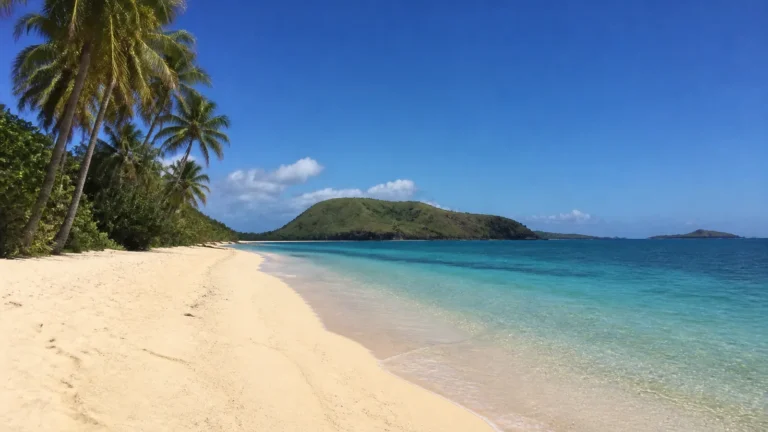
Volcanic high islands provide mountain profiles, valleys, waterfalls, road trips, farms, towns, and lagoons in different proportions. Coral atolls are low, narrow rings of land around vast lagoons, which makes diving and boating central while hiking and broad dining choice recede.
A first visit usually works best with two Society Islands. Add a Tuamotu atoll only when underwater time is a priority, and save the Marquesas for a longer trip or a journey built specifically around them.
Quick island choices
- Best overall first island: Moorea.
- Best iconic lagoon: Bora Bora.
- Best for culture and practical services: Tahiti.
- Best quieter Society Island: Huahine.
- Best for sailing and heritage: Raiatea.
- Best for diving: Fakarava or Rangiroa, depending on experience and desired pace.
- Best remote land adventure: Nuku Hiva.
The best islands in French Polynesia
1. Moorea: best all-around first choice
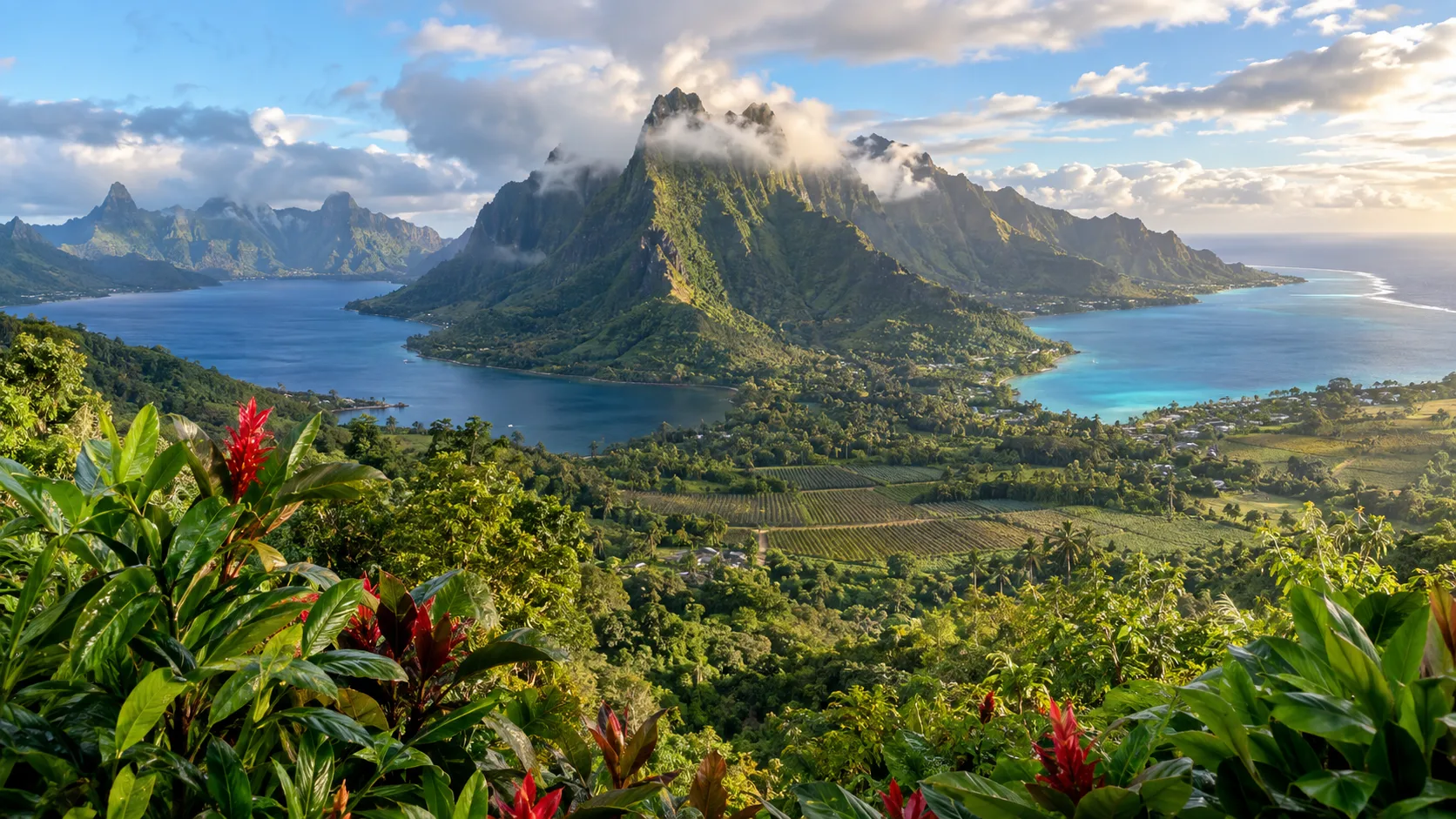
Moorea combines a dramatic volcanic interior, two deep bays, lagoon trips, beaches, hikes, farms, and a coastal road that invites exploration. It feels like a complete island vacation without requiring the luxury budget commonly associated with Bora Bora.
Allow four or five nights and rent a car for at least one day unless tours and resort time are the whole plan. The practical advantage is access from Papeete by frequent ferry, but consult the live Aremiti schedule because departure times, vessels, vehicle capacity, and operators can change.
Moorea’s weakness is that good public beach access, restaurants, and activities are spread around the island. Choose accommodations for nearby food and transport, not just the view in one carefully cropped photograph.
2. Bora Bora: best for the famous lagoon
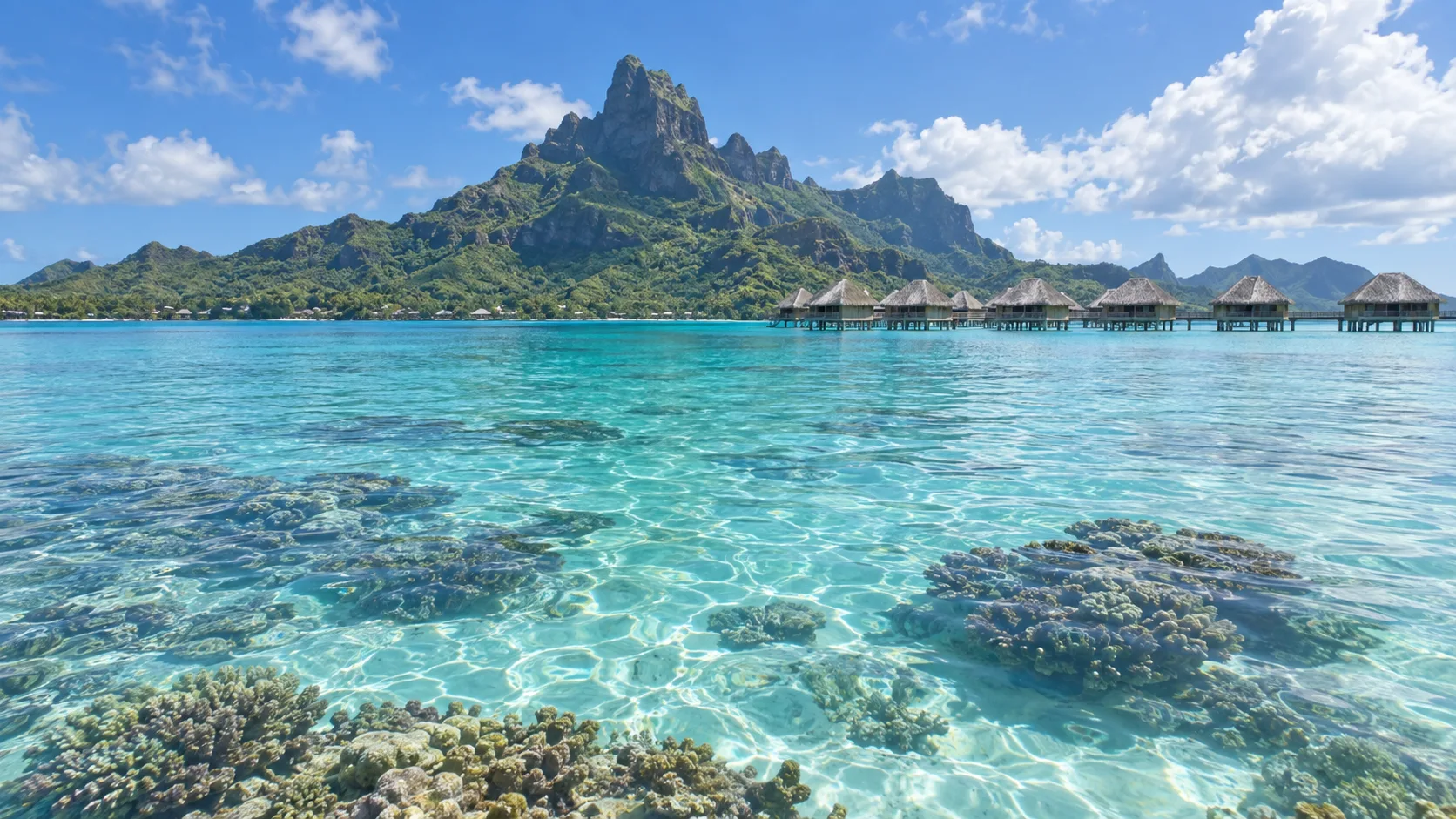
Bora Bora earns its reputation through the contrast of Mount Otemanu, pale lagoon water, reef, and motu. A well-run lagoon day is the essential experience, whether you sleep in an overwater villa, a main-island guesthouse, or a conventional hotel room.
The tradeoff is cost and separation. The airport sits on a motu, many resorts require boat transfers, and a remote resort’s meal plan can matter more than the room’s advertised nightly rate.
Three nights is the minimum I would consider, with four or five better after a long international journey. If an overwater room is the dream, compare direct water access, deck privacy, current, wind, meals, boat transfers, and cancellation terms using the same discipline applied to Maldives overwater villas.
3. Tahiti: best for culture and a rounded arrival
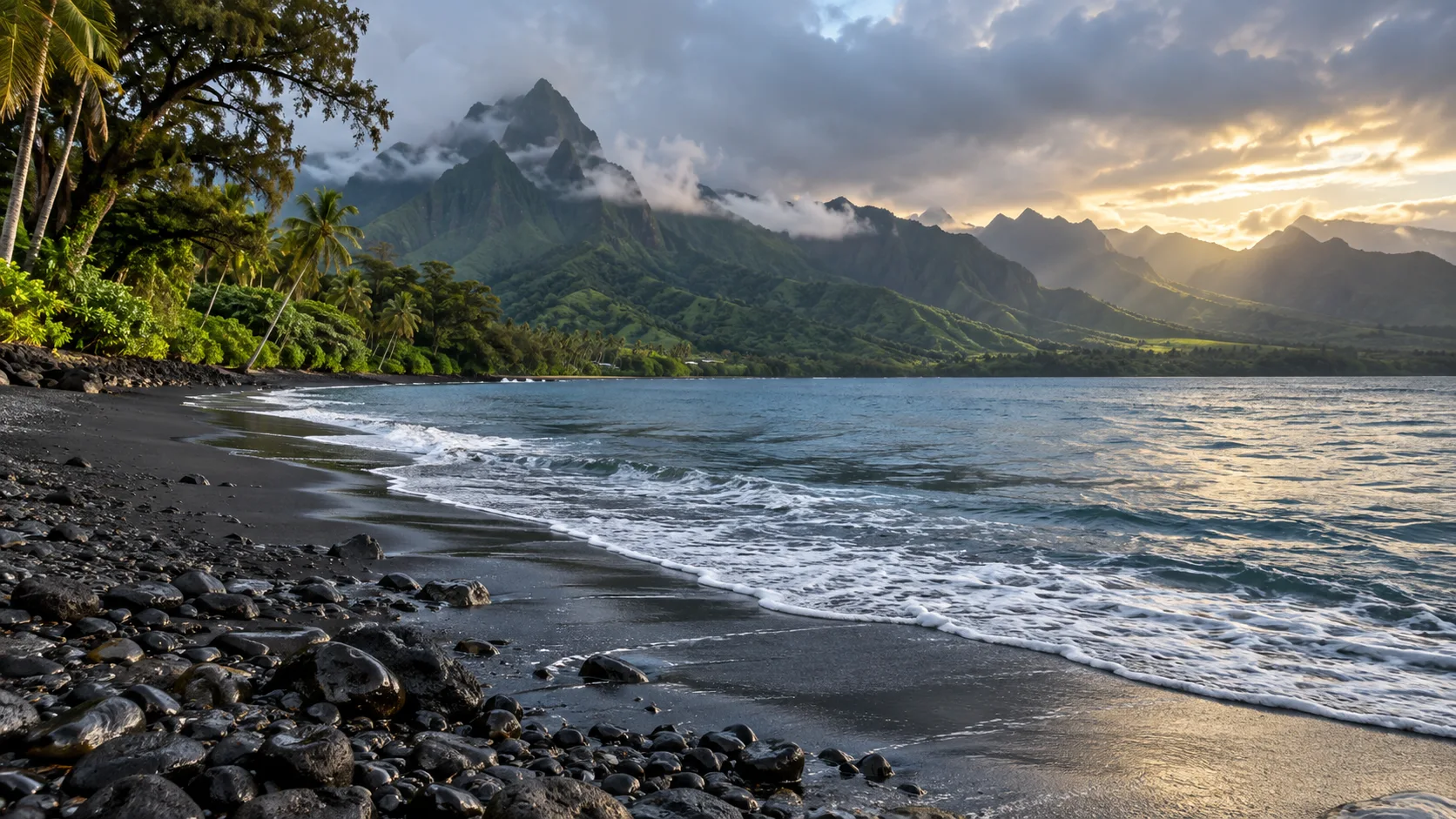
Tahiti is not merely an airport waiting room. Papeete’s market and waterfront, the Museum of Tahiti and Her Islands, black-sand beaches, waterfalls, surf culture, Tahiti Iti, and the mountainous interior show a side of the destination that resort motu cannot.
Stay two nights at the beginning if the arrival is late, then one or two at the end to protect the international flight. A full island circuit is longer than many visitors expect, and Tahiti Iti should be its own plan rather than a casual extra after lunch.
The weakness is traffic near Papeete and fewer postcard-white beaches. Travelers who value markets, food, museums, everyday life, and land scenery will appreciate Tahiti far more than those seeking a sealed lagoon resort.
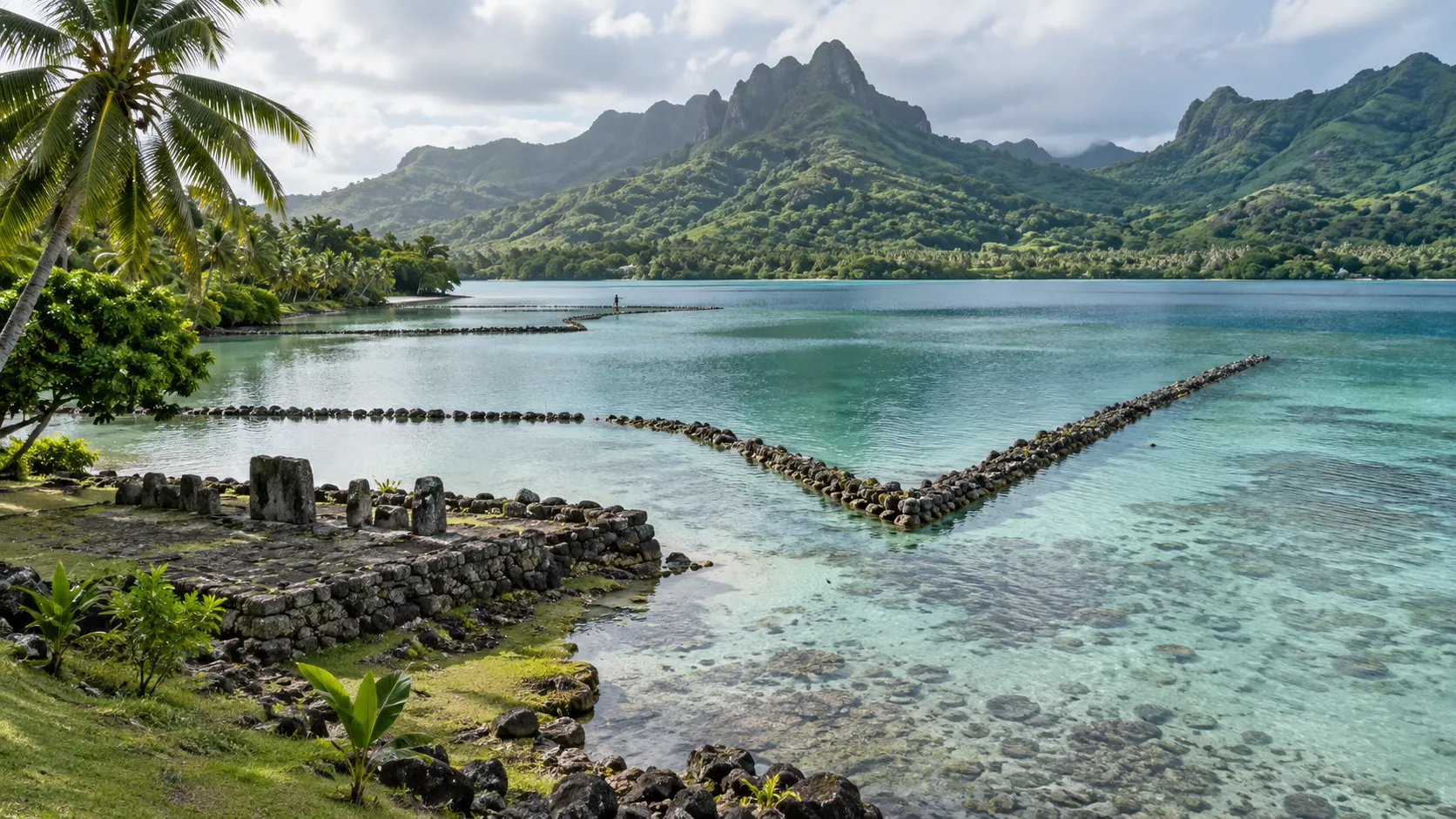
4. Huahine: best for a slower Society Islands stay
Huahine pairs a lush landscape and lagoon with archaeological sites, fish traps, farms, small settlements, and a noticeably quieter rhythm. It is the island I would add after Moorea when the goal is to deepen the trip rather than repeat a larger resort product.
Allow three or four nights and arrange a car, scooter, tour, or accommodation transfer in advance. Dining and evening options are limited, which is either the charm or the problem depending on what you expect after sunset.
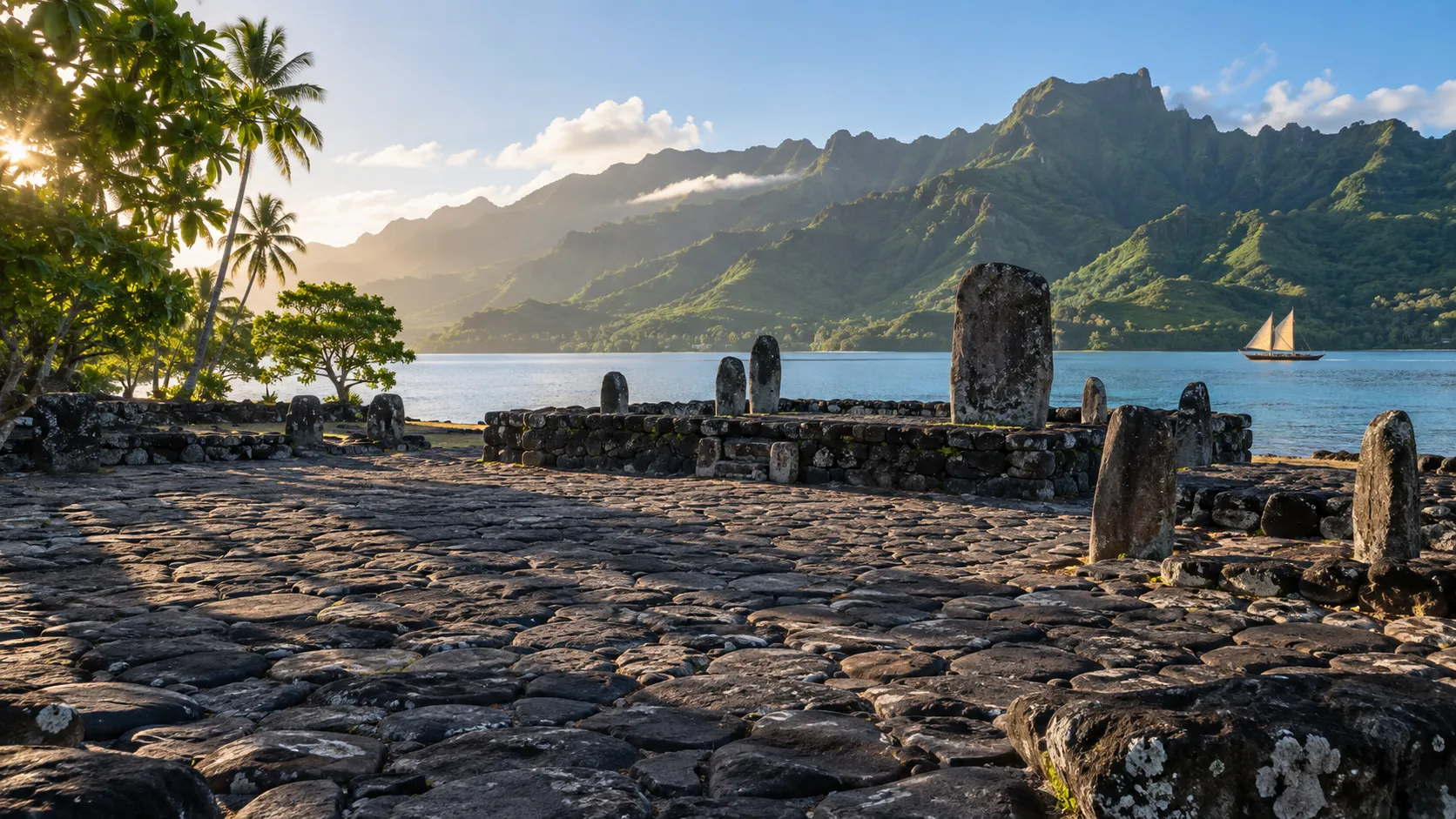
5. Raiatea: best for Polynesian heritage and sailing
Raiatea is associated with voyaging traditions and is home to Taputapuātea, a major marae complex and UNESCO World Heritage site. Its shared lagoon with Taha’a and role as a sailing base make it especially strong for travelers who want culture, navigation, and time on the water.
Stay three nights or use Raiatea as one half of a paired stay with Taha’a. The island is less beach-focused than Bora Bora, so travelers looking only for sand and bungalow photographs may misunderstand its appeal.
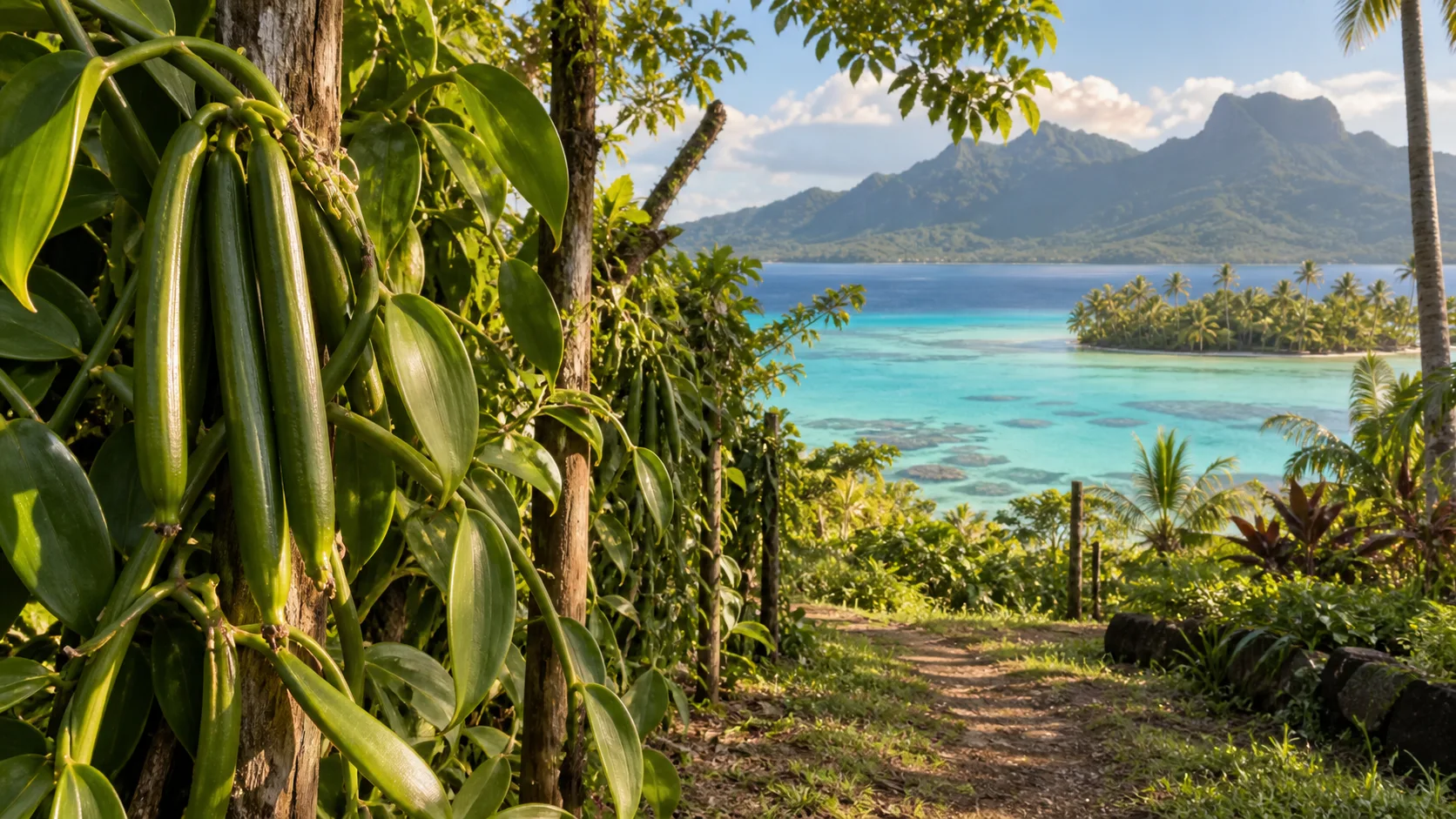
6. Taha’a: best for vanilla, lagoon life, and a quiet resort
Taha’a shares a lagoon with Raiatea but feels more rural and intimate, with vanilla farms, small villages, motu, snorkeling, and boat-based excursions. It works beautifully for couples and slower travelers who want the resort or guesthouse to be part of the destination.
There is no airport on Taha’a, so the trip normally continues by boat from Raiatea. Confirm who meets the flight, whether the transfer is included, luggage limits, meal availability, and what happens if an incoming flight is delayed.
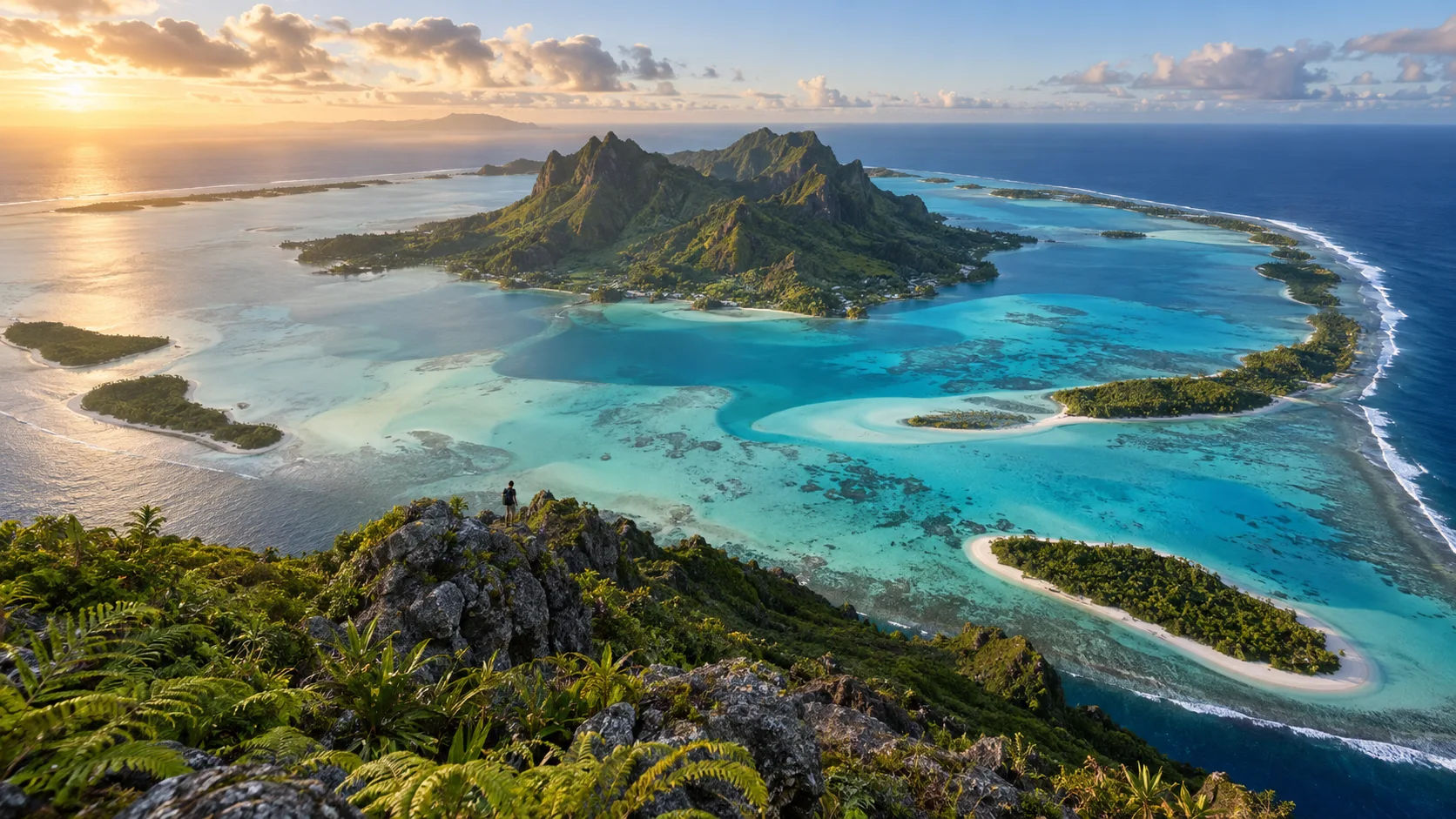
7. Maupiti: best for a small-island reset
Maupiti offers a striking lagoon, a compact main island, locally run pensions, bikes, walking, and fewer large-scale tourism facilities. It is the antidote to travelers who like Bora Bora’s geography but do not want its resort concentration.
That intimacy comes with limited rooms, flights, dining, and weather alternatives. Stay at least three nights, carry enough flexibility and cash, and do not place a tight same-day international connection after leaving.
8. Rangiroa: best for big-water adventure
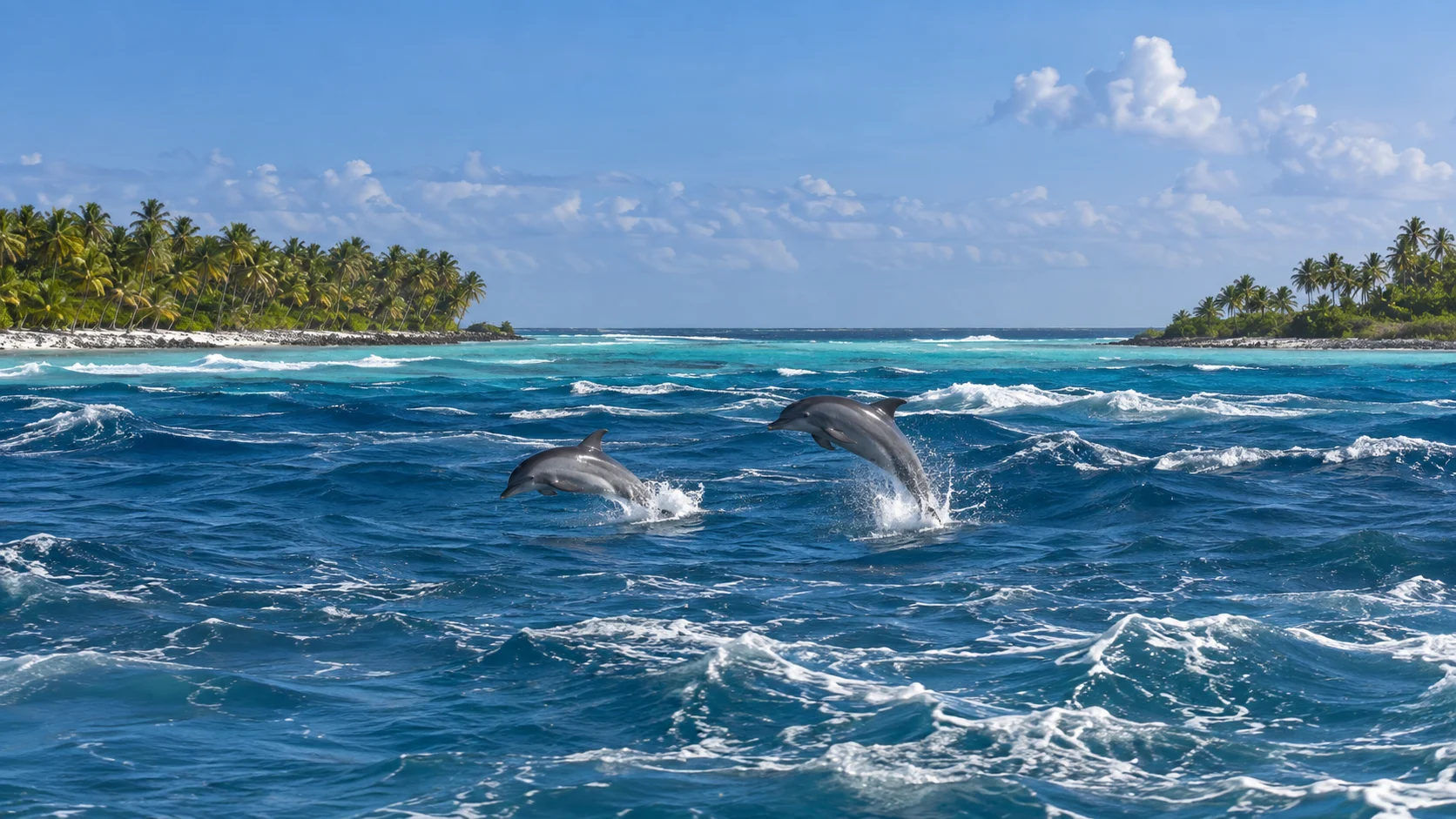
Rangiroa is an immense atoll where passes, lagoon excursions, dolphins, reef life, diving, and boats define the stay. Tiputa Pass is the famous name, but a responsible operator should match sites to certification, experience, current, weather, and marine conditions.
Allow four nights if diving, because wind or sea conditions can disrupt a short plan. The landscape is horizontal and low, so anyone dreaming of volcanic peaks should pair Rangiroa with Moorea, Tahiti, or Bora Bora.
9. Fakarava: best for serious diving and a quieter atoll
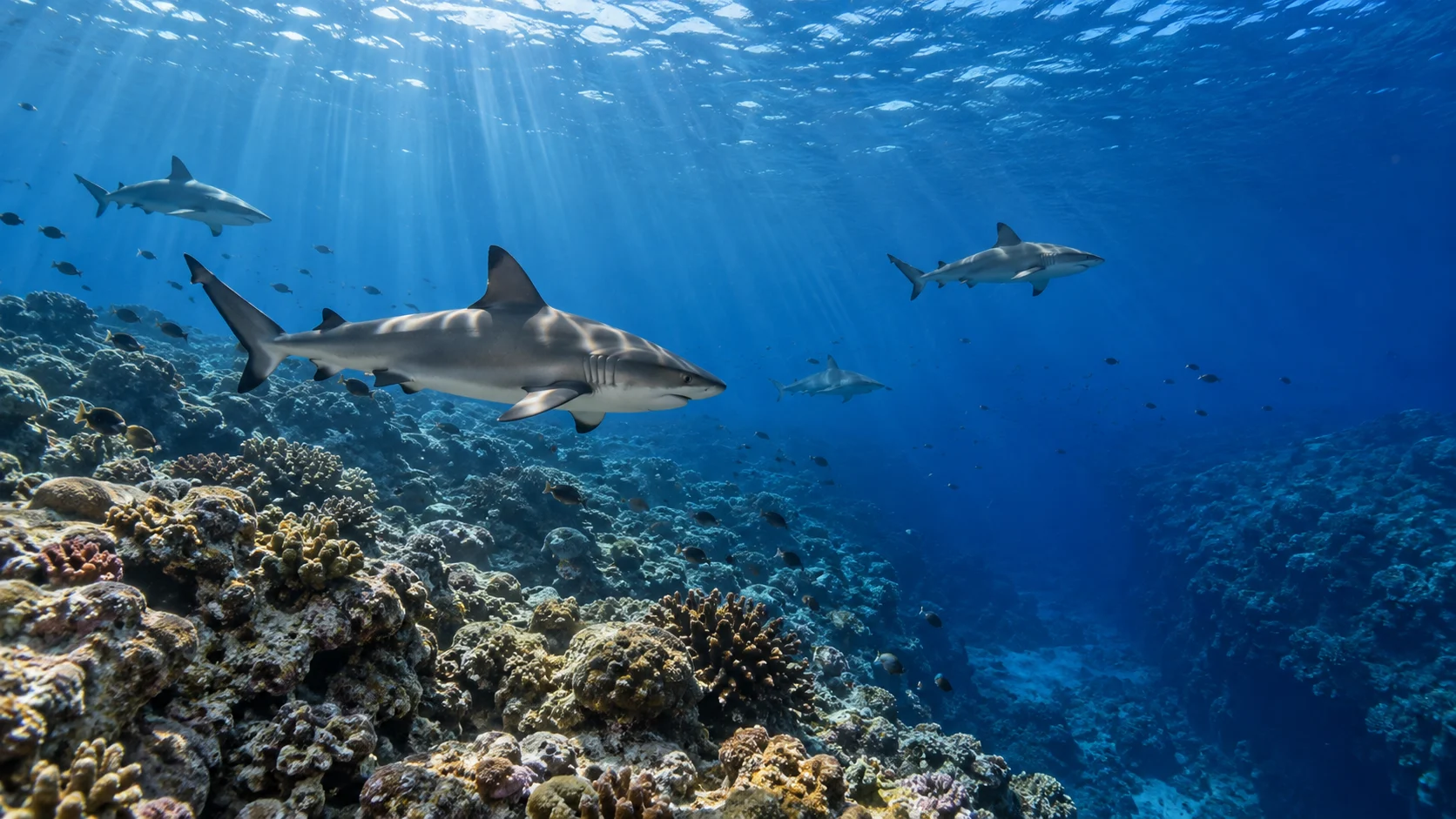
Fakarava is prized for clear lagoon water, coral, marine life, and renowned diving around its passes. The north and south are far apart, so “staying on Fakarava” does not mean every famous dive site is nearby.
Choose the base for the dives and boat days you actually want, then allow four or five nights. Nondivers can enjoy snorkeling and lagoon stillness, but they should be genuinely comfortable with limited land activities and services.
10. Tikehau: best for a quiet atoll honeymoon
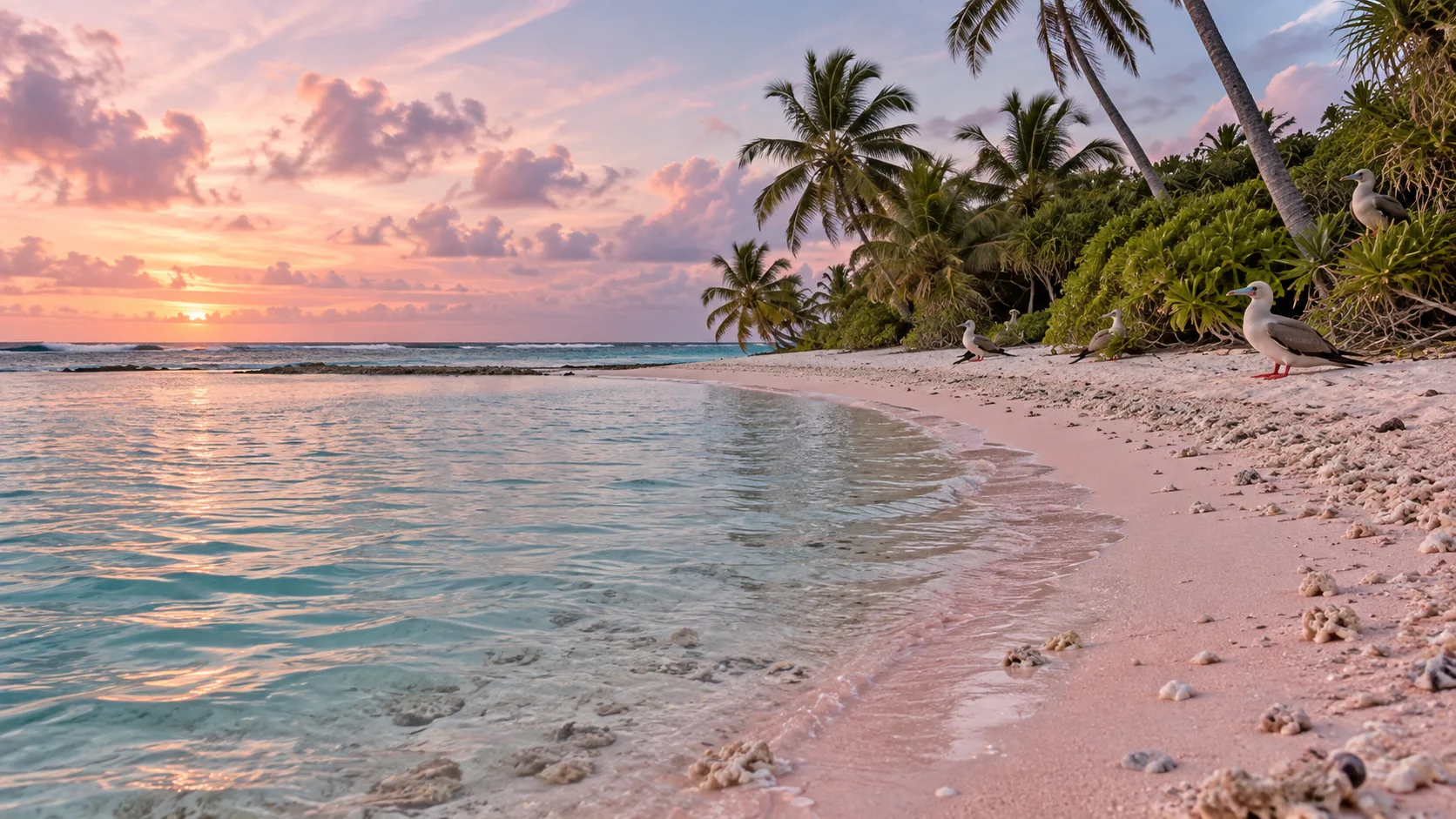
Tikehau is the gentle Tuamotu choice for pink-tinged sand, lagoon excursions, birdlife, snorkeling, and unhurried guesthouse or resort days. It suits travelers who want the atoll experience without building the entire trip around advanced diving.
Its small scale also means few backup restaurants, stores, or rainy-day diversions. Three or four nights is enough for many people, especially when paired with a more active high island.
11. Nuku Hiva: best for rugged Marquesas scenery
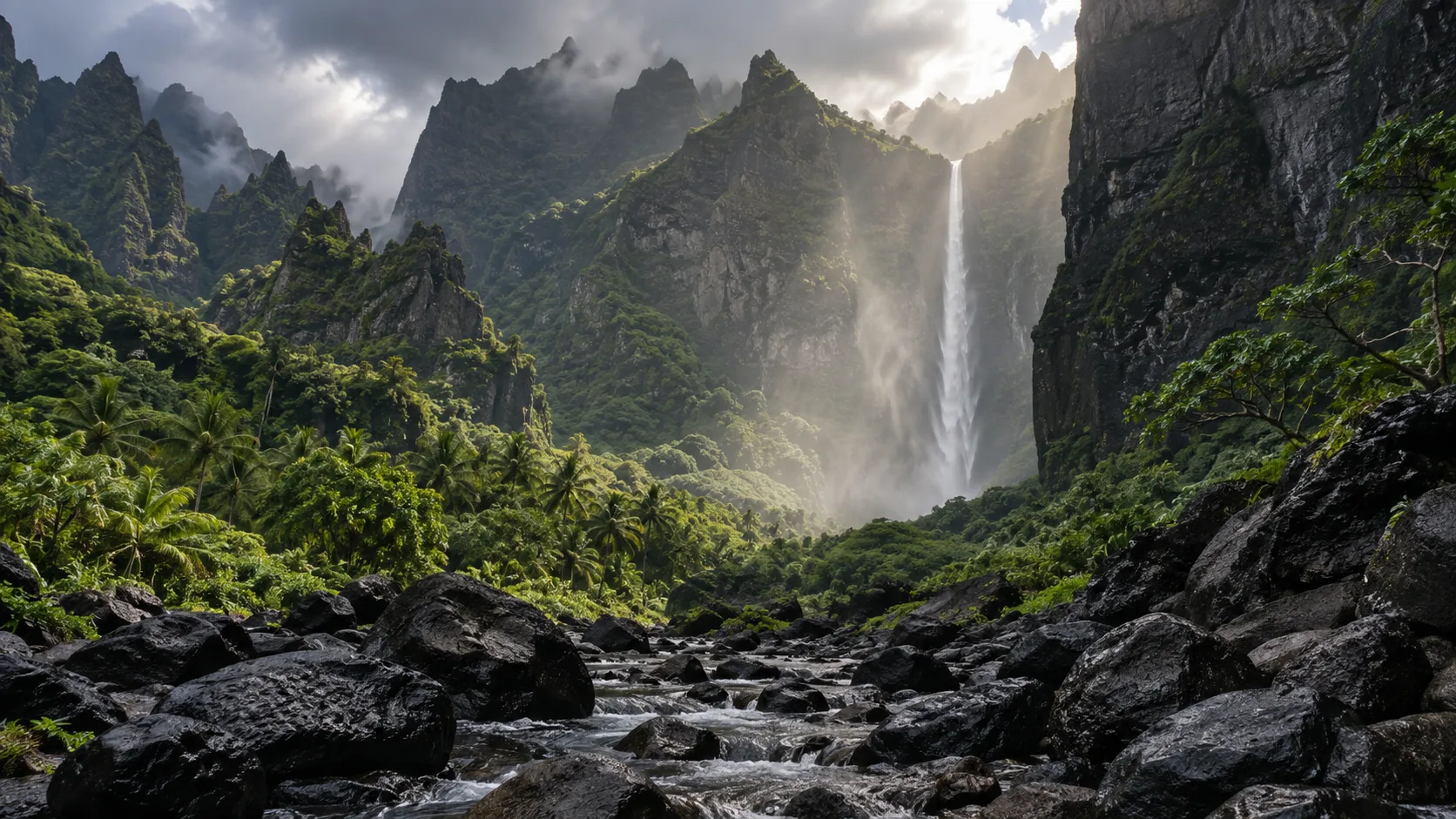
Nuku Hiva replaces lagoons with steep green valleys, cliffs, bays, archaeological sites, horses, waterfalls, and long mountain roads. It is one of the strongest choices in French Polynesia for travelers who want land adventure and Marquesan culture more than beach lounging.
The flight from Tahiti is long by domestic standards, and guided four-wheel-drive touring can be more useful than independent improvisation. Give it at least four nights, expect simpler infrastructure, and avoid combining it with too many Society Islands in a short trip.
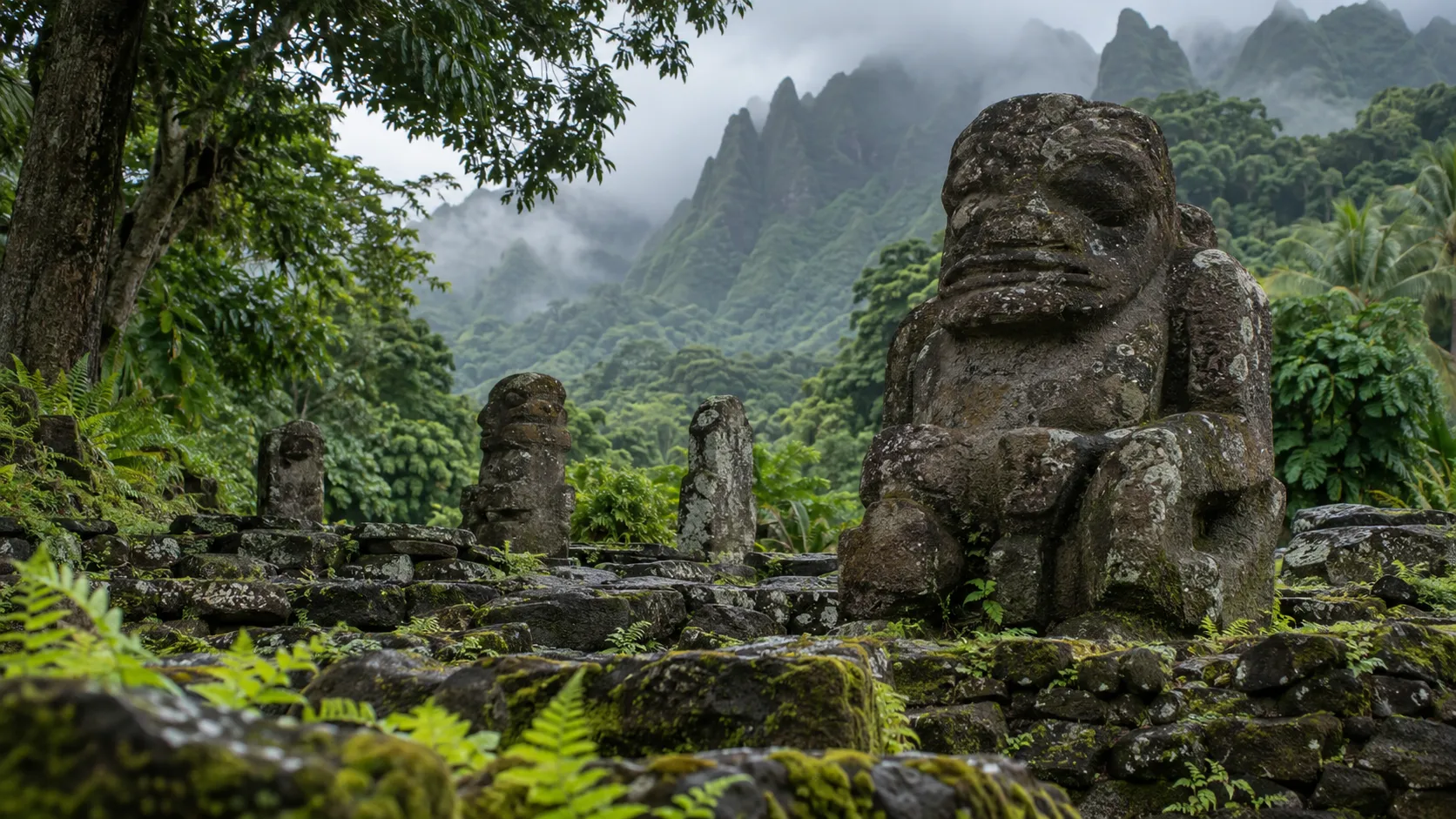
12. Hiva Oa: best for cultural sites and Marquesan history
Hiva Oa offers deep valleys, black-sand coves, important tiki and archaeological sites, wood and stone carving traditions, and the graves of Paul Gauguin and Jacques Brel. The island deserves to be understood through Marquesan history rather than framed only through two European artists.
Stay four nights and hire local guidance for distant sites on steep, winding roads. Pairing Hiva Oa and Nuku Hiva makes sense on a Marquesas-centered itinerary, while choosing only one protects time on a broader two-week trip.
How many islands should you visit?
Every island change costs more than the flight duration. Packing, checkout, airport transfer, check-in, baggage, waiting, arrival transfer, and room availability can turn a short hop into most of a day.
- 7 nights: Tahiti plus Moorea, or Tahiti plus one island you care deeply about.
- 10 nights: Tahiti, Moorea, and Bora Bora or Huahine.
- 14 nights: Three meaningful island stays, with a fourth only if transfers align cleanly.
- 21 nights: Society Islands plus one Tuamotu atoll, or a dedicated Marquesas section.
The classic first trip is Tahiti, Moorea, and Bora Bora. My better-value variation is Tahiti, Moorea, and Huahine, while divers should consider Tahiti, Moorea, and Fakarava or Rangiroa.
Inter-island flights and passes
Build the island order around an actual flight schedule before booking hotels. Air service is not a city subway, and the same island pair may not operate nonstop every day or at a time that protects an international connection.
Air Tahiti publishes multi-island passes and 2026 conditions covering various Society, Tuamotu, Marquesas, and Austral combinations. A pass can reduce cost, but its eligible islands, sequence rules, fare conditions, and availability must fit the trip rather than forcing the trip to fit a tempting headline.
Domestic aircraft can have much smaller cabin and checked-baggage allowances than the international flight. Verify the exact allowance, sports-equipment procedure, excess-bag acceptance, and transfer responsibility before packing dive gear or a large hard-sided suitcase.
When to visit French Polynesia
The Society Islands generally have a drier, cooler season from May through October and a warmer, wetter season from November through April. Tahiti Tourisme’s seasonal guide also notes that ideal timing differs among the Tuamotu, Marquesas, Austral, and Gambier groups.
June through September is popular, so flights and favorite accommodations can tighten even when rates rise. The wetter season can offer value and lush scenery, but a lower price does not compensate for an itinerary with no weather buffer.
Marine encounters are seasonal and never guaranteed. Use licensed operators, follow approach rules, and do not choose an entire trip based on one promised whale, manta, shark, dolphin, or spawning event.
Entry rules and connection planning
U.S. citizens traveling as tourists currently do not need a visa for stays of up to 90 days in a six-month period, according to the U.S. State Department’s French Polynesia page. It also requires a return ticket and warns that the small-format U.S. emergency passport is not valid for visa-free entry.
Other nationalities must check France-Visas and relevant transit-country rules, because French Polynesia is outside the Schengen Area. Recheck passport, visa, customs, biosecurity, and transit requirements near departure.
Protect the international departure with a final night on Tahiti when separate tickets, remote islands, or infrequent flights create risk. An idyllic last night elsewhere loses its glow if weather or a schedule change causes a missed long-haul flight.
Stay on land or take a cruise?
A land trip gives deeper evenings, repeat lagoon days, locally run pensions, and the freedom to choose one island well. A cruise reduces packing and can reach several islands, but port hours, tenders, weather, and the published itinerary determine how much island time actually appears.
Travelers comparing small-ship, cargo-passenger, and mainstream options can use the site’s South Pacific cruise guide. Do not assume Bora Bora, Moorea, or an outer archipelago is included until the exact sailing lists it.
Budget without ruining the dream
Price the trip as flights, inter-island transport, transfers, accommodations, meals, excursions, taxes, and protection. An isolated resort with boat transfers and mandatory dining can cost more overall than a higher room rate near independent restaurants.
Use locally run pensions for some islands, spend on the lagoon excursion that defines the destination, and consider one overwater night rather than an entire week. The wider collection of dream vacation spots is useful perspective, but French Polynesia rewards depth more than a status-driven checklist.
My honest island shortlist
For a first 10-night trip, I would choose Tahiti, Moorea, and either Bora Bora or Huahine. Bora Bora wins for one iconic splurge, while Huahine wins for a calmer trip with more room for local scale and less pressure to justify every expensive hour.
For divers, I would trade one Society Island for Fakarava or Rangiroa. For travelers drawn to archaeology, mountains, and culture, I would stop trying to manufacture a lagoon vacation and give the Marquesas the trip they deserve.