9 Panama Waterfalls Worth Planning a Trip Around
Panama’s best waterfalls are spread across cloud forest, Indigenous territory, private land, and national parks, so choosing one is more useful than collecting a giant list. This guide compares nine rewarding options by access, difficulty, guide needs, swimming risk, and the base town that makes each outing practical.
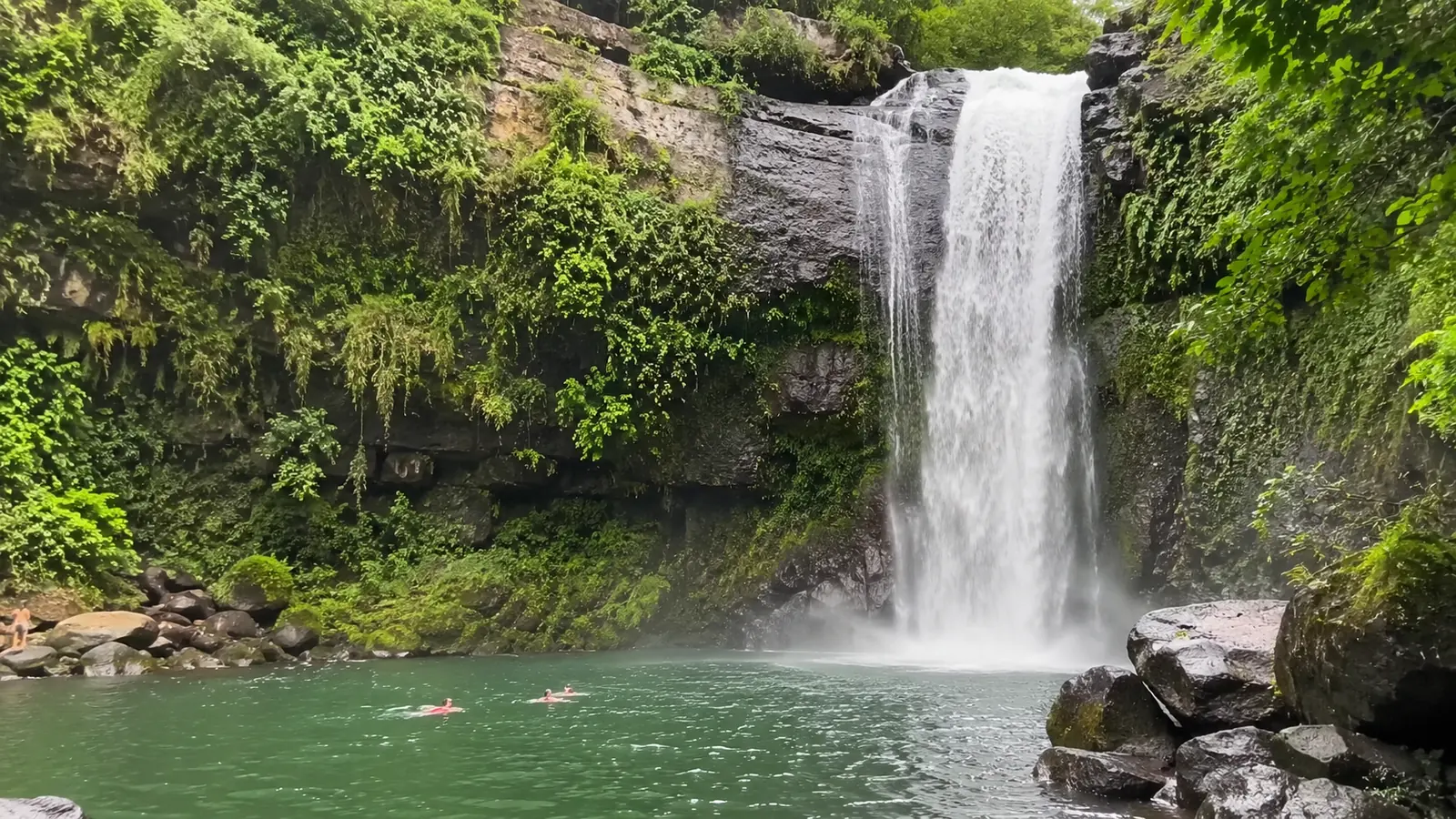
Choose a region before a waterfall
Panama City, El Valle de Antón, Santa Fe, Boquete, and the Ngäbe-Buglé region are separate trip modules. A waterfall near Boquete is not a quick add-on to a Canal day, and Kiki requires far more ground planning than its map pin suggests.
- Best first waterfall: Chorro El Macho for a short developed walk near El Valle.
- Best hiking sequence: The Lost Waterfalls for three cascades near Boquete.
- Best community-led journey: Kiki Waterfall with a local Ngäbe guide.
- Best uncrowded base: Santa Fe for several guide-led waterfall choices.
- Best from Panama City: A community-led Chagres outing, booked as a full day.
Travelers arriving by sea should keep port timing separate from an inland vacation plan. A Panama Canal cruise can offer a superb introduction, but most waterfalls here require a longer land stay and weather flexibility.
1. The Lost Waterfalls, Boquete
The Lost Waterfalls trail in Los Naranjos links three falls through the cool, wet highlands outside Boquete. Panama’s official tourism site rates the route moderate and lists a 3.2-kilometer distance, about 2 miles, with optional detours to each waterfall.
The current Boquete trail overview warns that dirt becomes muddy and slippery in green season. Wear hiking shoes with aggressive traction, start early, and turn around at the first fall if the route already feels beyond your balance or fitness.
This is a private attraction with an entrance charge, so verify the current fee, opening hours, last entry, transportation, and swimming rules directly. Do not repeat an old blog’s price or assume every pool is open after heavy rain.
2. Jä Gwätä ñöi Waterfall, near Boquete
Jä Gwätä ñöi appears in the official 2026 Boquete hiking selection as a waterfall outing with cultural context, not merely a photo stop. Arrange it through a current local guide who can confirm the name, community access, route, and appropriate behavior.
This is the better choice for travelers who want interpretation and are comfortable taking direction rather than navigating from a social-media pin. Ask how fees benefit local hosts, what footwear is needed, and whether recent rain has changed stream crossings.
Do not treat community territory as public recreational land. Permission, local rules, photography consent, and guide instructions matter even when the trail looks open.
3. Kiki Waterfall, Ngäbe-Buglé region
Kiki is the most logistically demanding waterfall on this list and one of the most striking, dropping more than 300 feet near Cerro Blanco. The experience begins with rugged transportation from Soloy, followed by a guided forest walk with slopes and rope-assisted sections.
The official Kiki Waterfall planning page directs visitors to use local transportation and a community guide. Book before traveling, confirm pickup and payment, and do not arrive assuming an all-terrain vehicle or guide will be waiting.
Descriptions of a cave, upper viewpoint, and pools are not permission to explore them independently. Water volume, slippery rock, falling debris, and the guide’s assessment should determine whether you stay at the main viewpoint or move farther.
Give Kiki its own long day or overnight regional plan. Official tourism estimates roughly eight hours to Soloy from Panama City’s Albrook bus terminal before the final local transfer, making a rushed out-and-back unrealistic.
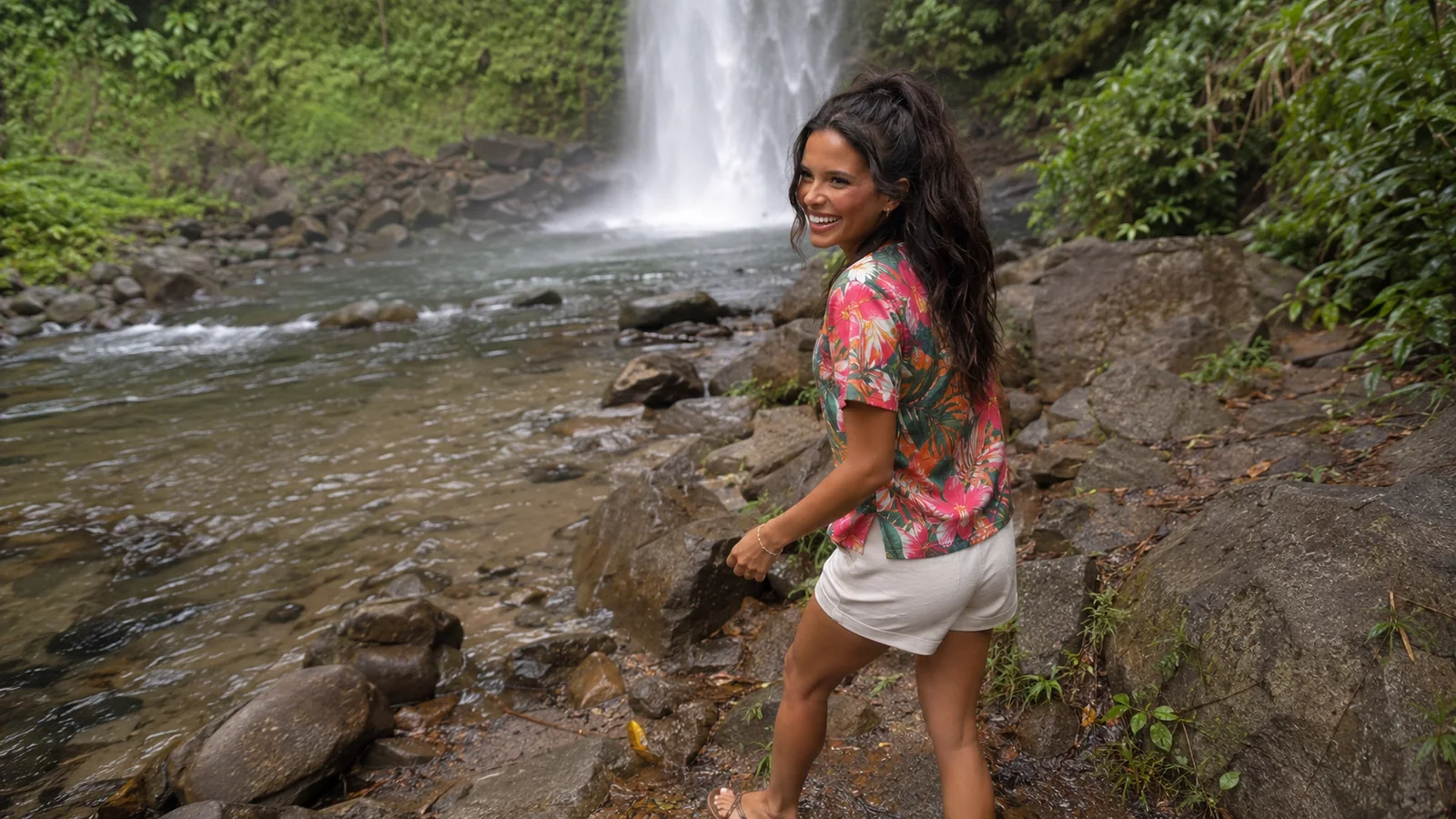
4. Alto de Piedra waterfalls, Santa Fe
Santa Fe National Park surrounds a highland town in Veraguas and contains numerous waterfalls, but it has limited developed facilities. Alto de Piedra is the approachable introduction, with three waterfalls reached on a roughly 0.6-mile trail.
Visit Panama’s park profile estimates about 20 minutes to the first fall and roughly 90 minutes to see all three. Treat those as fair-weather estimates and hire a knowledgeable local guide for current access, river conditions, and trail junctions.
Carry water, food, rain protection, navigation backup, and a small first-aid kit because the park has no developed visitor facilities. Tell your lodging where you are going and when you expect to return.
5. Bermejo Falls, Santa Fe
Bermejo is the stronger Santa Fe option for travelers who want a larger waterfall and can manage a longer trail. Official tourism places the roughly 115-foot falls near the national park boundary and describes a 1.6-mile hike taking about 90 minutes round trip.
Confirm whether that time and distance refer to the exact access your guide plans to use. Trailheads, land permission, bridge conditions, and water level can change, and an unmarked shortcut is not a safe substitute.
Choose either Alto de Piedra or Bermejo for a relaxed day unless a local guide designs a sensible combination. Santa Fe is about three hours by car from Panama City in ordinary conditions, so staying in town protects daylight and avoids a tired return.
6. Chorro El Macho, El Valle de Antón
Chorro El Macho is the easiest Panama waterfall to fit into a developed mountain-town stay. It sits in an ecological reserve near El Valle, and visitors can choose a short wooden-walkway route or separately operated adventure activities.
The official Pacific Riviera trail roundup lists the waterfall at about 115 feet and the easy walking approach at roughly 656 feet. Verify current admission, hours, pool status, bridge access, and any mobility limitations with the operator.
Ziplining, rappelling, and swimming are distinct decisions, not automatic parts of admission. Use properly credentialed activity staff and skip the pool whenever the operator closes it or the current looks strong.
7. El Águila Waterfall, El Valle
El Águila suits hikers who want a more demanding private-land route than Chorro El Macho. Official tourism rates the 1.55-mile trail difficult, with a steep forest descent, river walking, and more technical terrain beyond the main fall.
Book a guide in advance and ask whether the planned route requires scrambling, rope use, or water crossings. “Only 1.55 miles” means little when heat, mud, slope, and wet rock make each section slow.
Do not continue beyond the main viewpoint simply because another group does. Your guide, recent rainfall, and your ability on the return climb should control the turnaround.
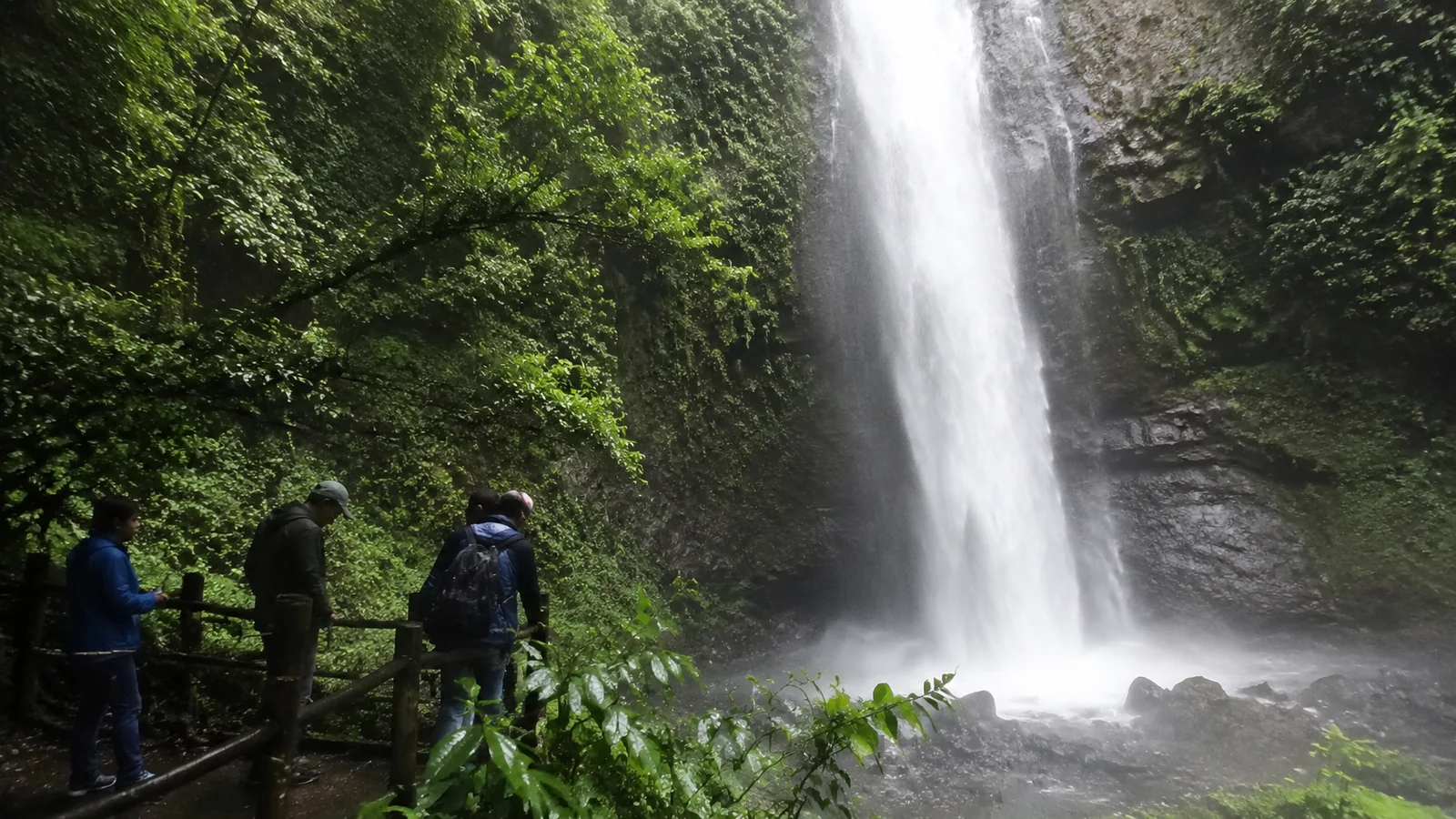
8. Pozo Azul, La Vieja community
Pozo Azul is a short-access blue pool and waterfall about an hour from El Valle de Antón, according to official tourism. A cement staircase makes the approach simpler than a jungle hike, but wet steps and strong water still demand care.
The attraction has a visitor limit and defined hours, so verify both before driving. Arrive early, bring cash in small denominations, and accept a closed gate if capacity or weather ends access.
Online descriptions often emphasize rock jumping and climbing, but water depth and submerged hazards change. Do not jump unless the current operator explicitly permits it at that moment and a qualified local professional has assessed the exact landing area.
9. La Gloria Waterfall, Capira
La Gloria lies on private land in Capira, west of Panama City, and the approach is roughly half a mile. It is known for guided rappelling, while nearby falls may be bundled into the same local outing.
The official Riviera Pacifica trail guide says a local guide and small access fees are necessary. Confirm land permission, equipment standards, helmet and harness fit, guide qualifications, insurance, weather cancellation, and the exact activity before paying.
Travelers who do not want to rappel should ask whether a safe viewing-only route exists. Never improvise a climb on wet rock because marketing photos make the steps look manageable.
Bonus: a Chagres community waterfall day
Chagres National Park can be visited through organized Emberá community tourism that combines a traditional canoe transfer, a forest walk, a waterfall, food, and cultural exchange. This is a full community-hosted experience rather than a waterfall taxi.
Book through the community or a transparent operator, ask how payment reaches hosts, and follow local decisions about clothing, photos, swimming, and changes to the route. River level can alter both the canoe journey and waterfall access.
Dry season or green season?
Panama’s Pacific side generally has a drier period from roughly December through April and a wetter green season during the rest of the year, but mountains create local weather. A dry-season visit may mean easier footing and lower flow, while green season brings lush forest, stronger falls, mud, and a higher flash-flood risk.
Do not chase “maximum flow” after heavy rain. A dramatic waterfall can coincide with unsafe roads, landslides, swollen crossings, falling branches, and pools that should not be entered.
Check the forecast, ask the operator about rain at the watershed rather than only the trailhead, and keep a non-waterfall backup. A guide canceling for weather is showing judgment, not ruining your trip.
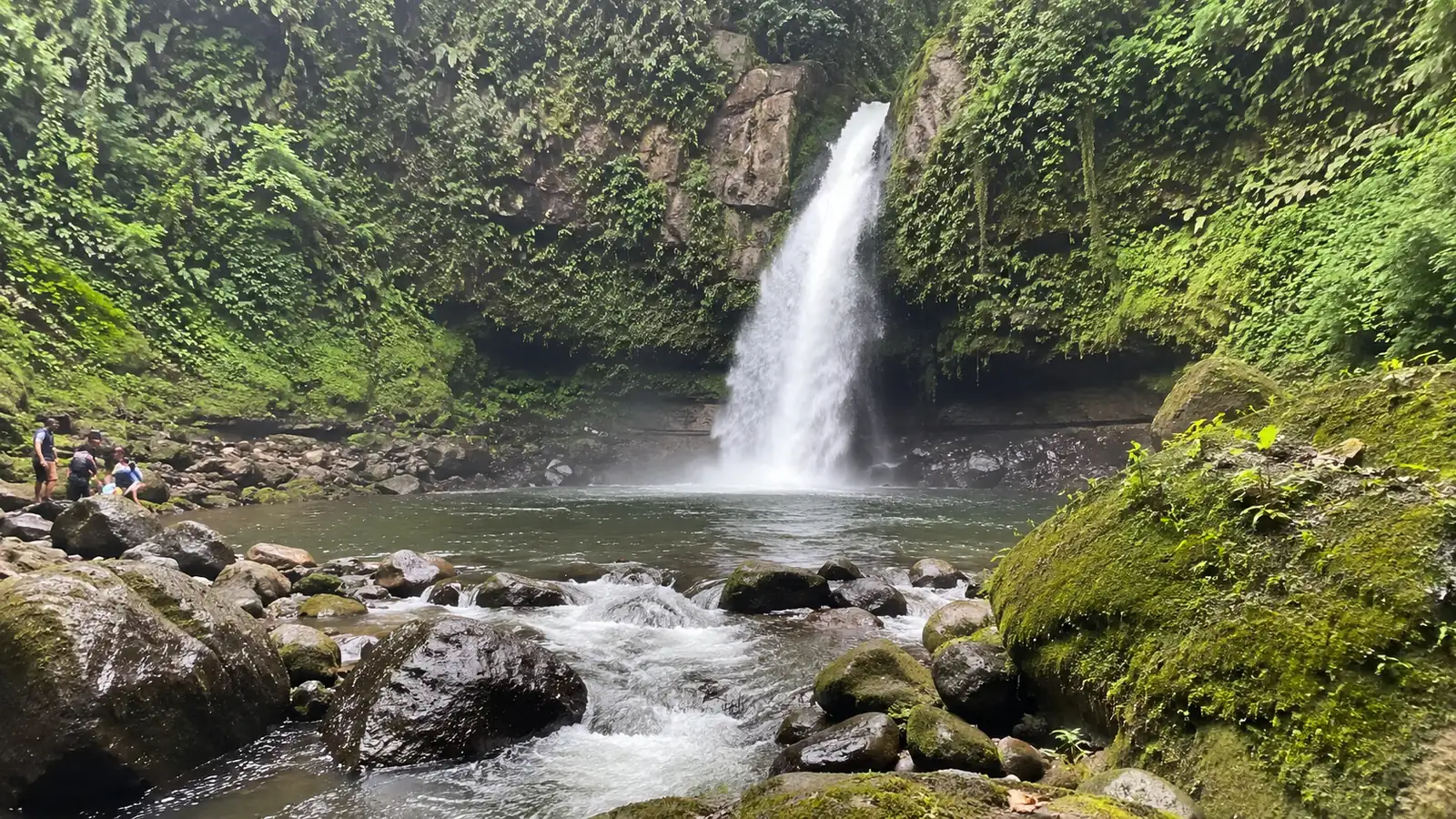
Waterfall swimming is never automatic
A clear pool can hide current, depth changes, sharp rock, logs, and a strong recirculating flow near the drop. Stay out when water is brown, rising, unusually loud, carrying debris, or covering familiar rocks.
Never stand at the lip, enter directly beneath a fall, dive into unverified water, or rely on a rope installed by an unknown person. Water shoes help with ordinary footing but do not make a dangerous channel safe.
Children and weak swimmers need close supervision and properly fitted flotation where the operator allows swimming. If no trained person has assessed the pool that day, enjoy it from shore.
Protected areas and private land
Panama’s Ministry of Environment controls rules for national protected areas, while private owners and communities control many other waterfall approaches. Check current protected-area visitor rules and follow local registration, guide, fee, waste, and closure requirements.
A geotag is not proof of public access. Do not cross a fence, farm, community boundary, or closed bridge without permission, and do not pay an unauthorized roadside intermediary who cannot explain the destination.
A realistic seven-day waterfall route
- Days 1 and 2: Panama City, with one Canal or urban day and one prebooked Chagres community outing.
- Days 3 and 4: El Valle de Antón, choosing Chorro El Macho plus either Pozo Azul or a guided El Águila day.
- Day 5: Transfer west, stopping overnight in Santa Fe only if the route and daylight work.
- Days 6 and 7: Boquete, with the Lost Waterfalls on the best-weather morning.
Kiki needs extra days and should replace part of this route rather than be squeezed into it. For broader waterfall inspiration, the world waterfall collection is useful, but Panama planning must stay grounded in local access and weather.
What to pack
- Trail shoes with strong wet-surface traction
- Lightweight rain shell and quick-drying clothes
- Dry bag for phone, passport copy, and medication
- At least 1 quart of drinking water per person for shorter outings, more in heat
- Sun protection and insect repellent
- Small first-aid kit and blister care
- Cash in small denominations
- Swimsuit and dry change only where swimming is permitted
Leave flip-flops, valuables, and bulky camera setups at the hotel for muddy hikes. If you are comparing a different tropical destination, this Philippines waterfall planner reinforces the same principle: each site needs its own access and safety check.
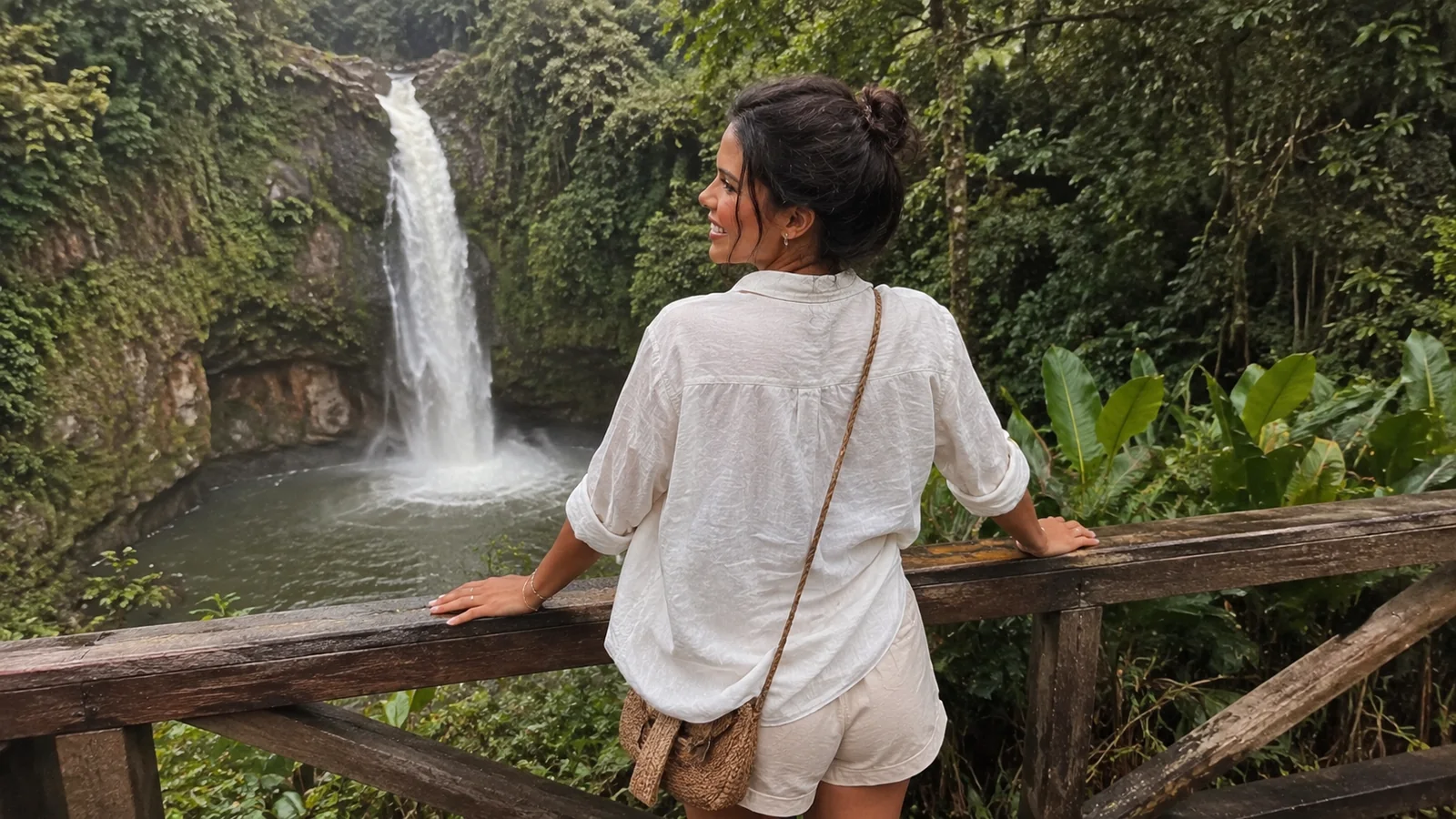
Which Panama waterfall should you choose?
Choose Chorro El Macho for convenience, Lost Waterfalls for a classic hike, Santa Fe for a quieter guide-led base, and Kiki for a community-led journey that deserves dedicated time. Choose La Gloria or El Águila only when you want the activity demands and have arranged the correct guide.
The best Panama waterfall is the one you can reach lawfully, enjoy without racing daylight, and leave safely when rain changes the plan. Build around one region, respect local control, and let the water level decide the final version of the day.