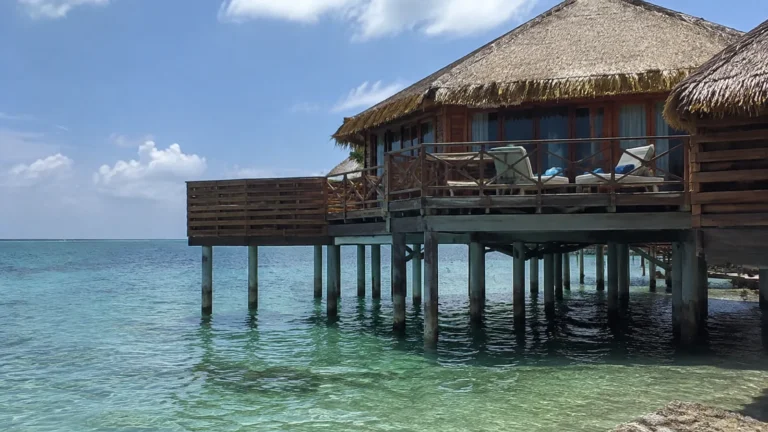
Contadora Island, Panama: Ferries, Beaches and Trip Planning
Contadora Island is the easy-to-love gateway to Panama’s Pearl Islands, but “easy” still involves a boat or small plane, limited island services, and weather that can rewrite the day. Here is how to plan the transport, beaches, money, wildlife outings, and backup details that turn a tropical idea into a genuinely relaxing trip.
Is Contadora Island worth visiting?
Contadora is a strong choice if you want a small Pacific island with beaches, low-key days, and a much shorter journey from Panama City than a cross-country transfer. It works especially well as a two- or three-night break paired with city time.
It is less suitable if you expect a polished resort strip, late-night entertainment, endless restaurants, or a large medical facility. The island’s limited scale is the charm, but it also means confirming the details that mainland travelers can usually improvise.
A day trip is possible when transportation lines up, yet it gives every delay more power over the outing. An overnight stay creates space for a quiet morning, a sunset walk, and a weather cushion without watching the clock every ten minutes.
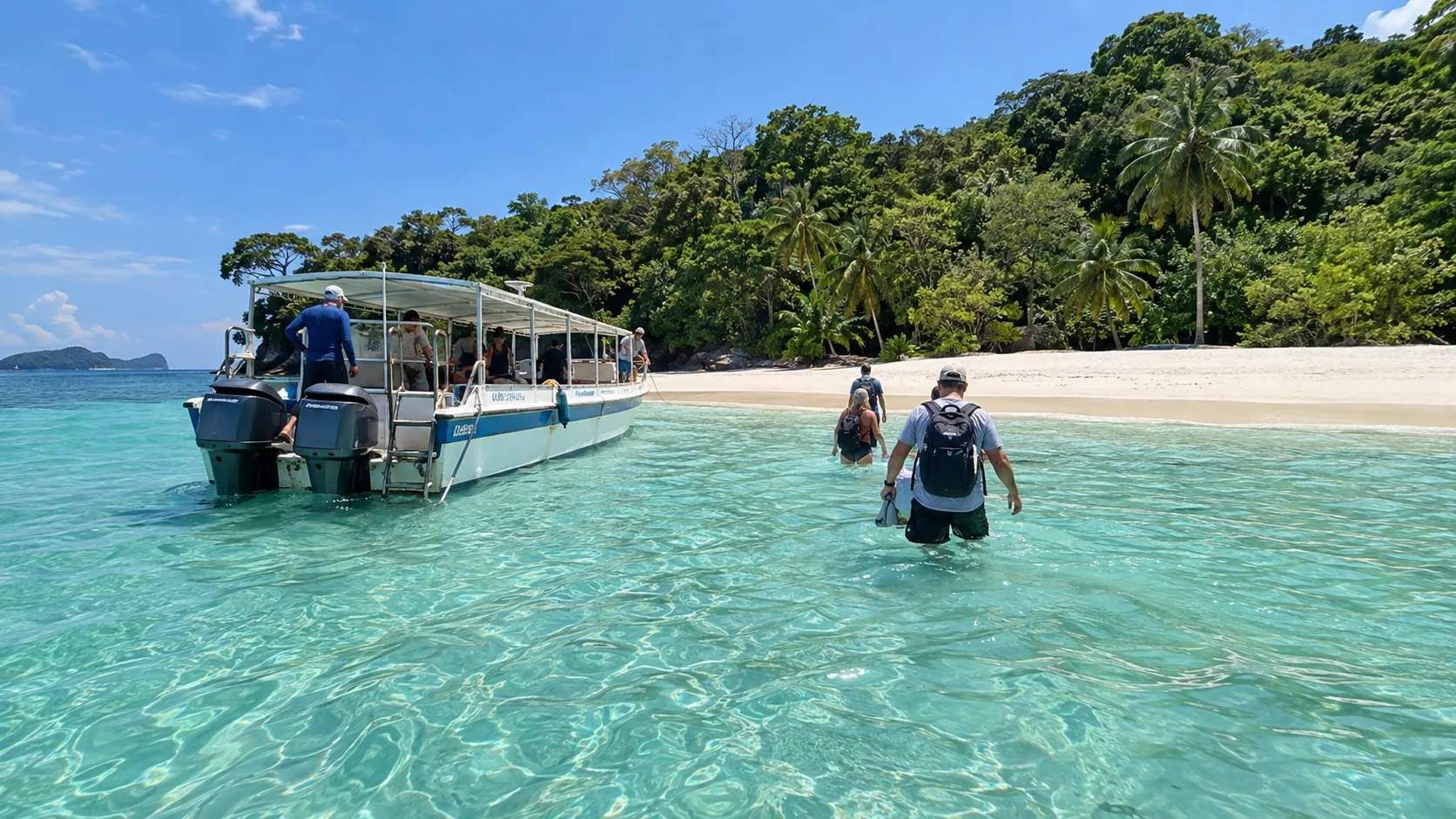
Where is Contadora Island?
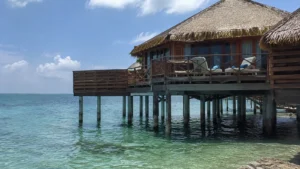
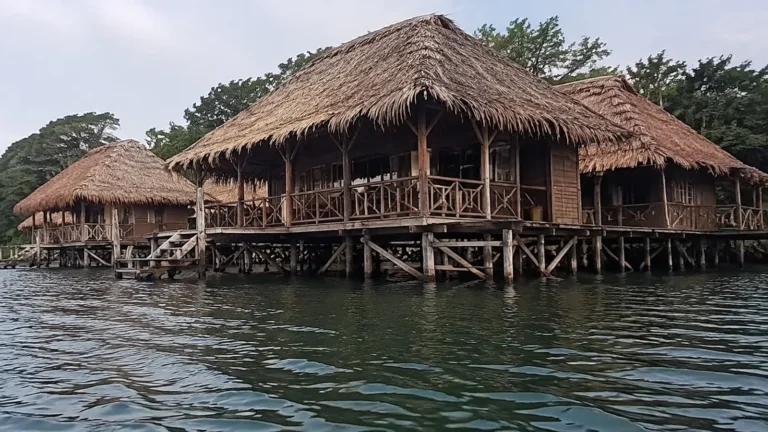
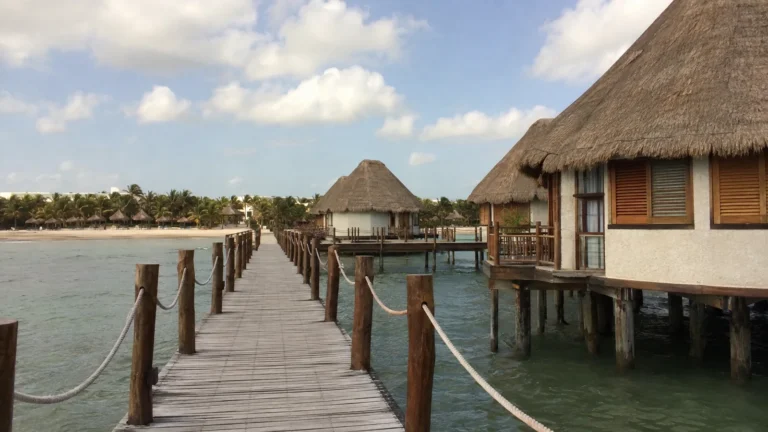
Contadora sits in the Las Perlas, or Pearl Islands, in the Gulf of Panama on the country’s Pacific side. It is not near Bocas del Toro, the San Blas Islands, or the Caribbean overwater stays that appear in many Panama vacation photos.
That geography matters when building an itinerary. Panama City is the practical hub, and the island transfer should be treated as its own travel segment rather than squeezed between an international arrival and a nonrefundable plan.
The Pearl Islands include many islands and islets, but Contadora has the visitor infrastructure most short-stay travelers are seeking. Nearby islands may require an arranged boat, permission, or a tour rather than a casual swim across an inviting-looking channel.
How to get to Contadora by ferry
Passenger ferries commonly connect the Panama City area with Contadora, usually from the Amador Causeway area. Panama’s official tourism site describes the Pearl Islands ferry journey as roughly two hours, but the operator, stop pattern, sea, and landing arrangements can change the real travel time.
Never build the trip around a schedule copied from an old blog post. Check the operator’s own booking page, reconfirm the departure pier and check-in deadline, and ask the accommodation whether it offers a transfer from the island landing.
Book ahead during weekends, holidays, and the drier high season. Also confirm the luggage allowance, excess-bag procedure, child policy, cancellation rules, and whether the ticket price includes every port or island charge shown at checkout.
Arrive with time to find the correct vessel and complete check-in. Panama City traffic can be slow, and “Amador” describes an area rather than one universally interchangeable ferry counter.
The boat can feel cool inside and sunny, windy, or wet around exposed areas. Keep medication, documents, electronics, and one dry layer in a zipped personal bag instead of a loose beach tote.
If motion bothers you, ask a clinician or pharmacist about a remedy before the trip and follow its timing instructions. Look toward the horizon, avoid a heavy last-minute meal, and choose the most stable permitted seat rather than moving around unnecessarily.
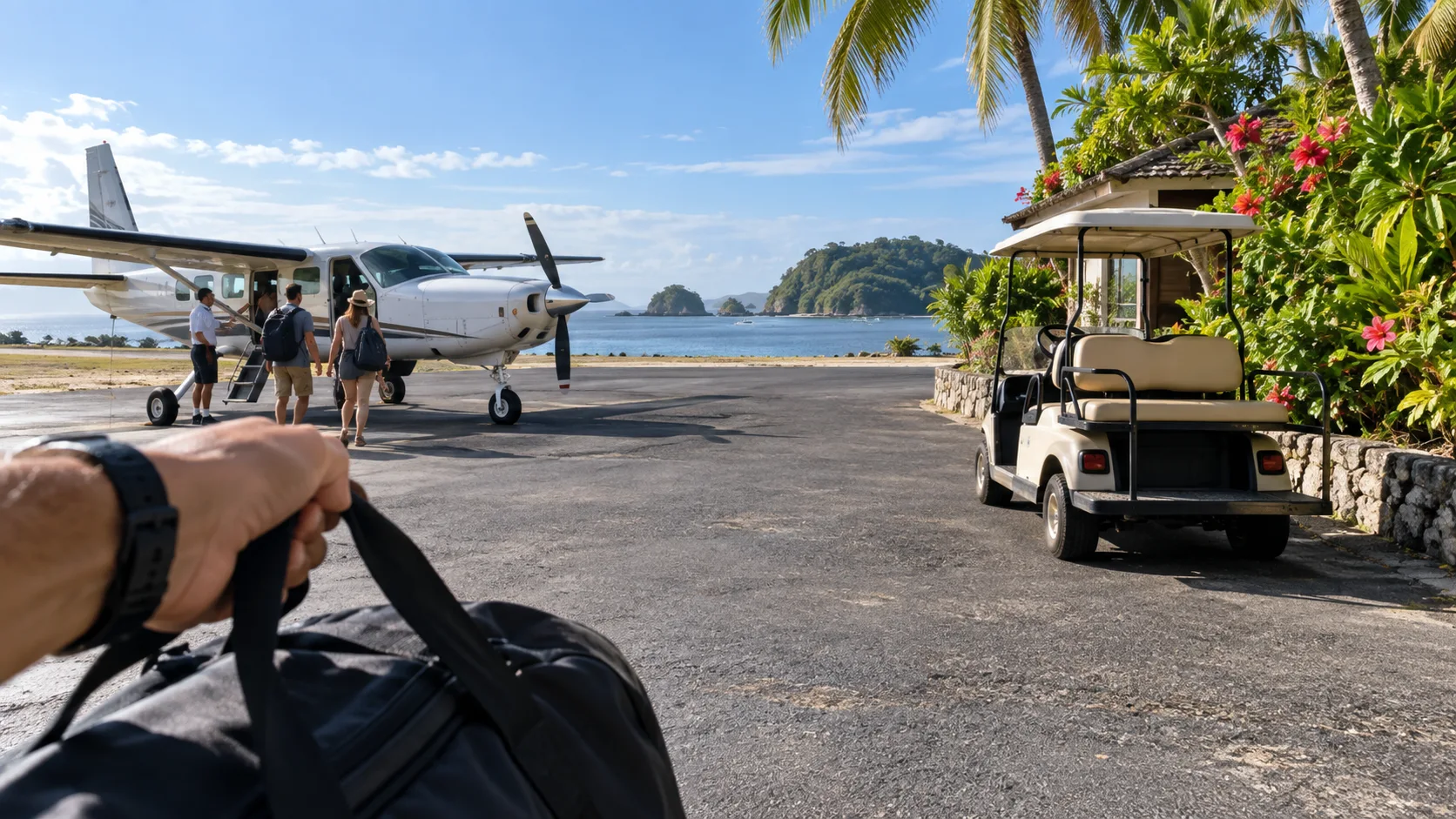
Flying to Contadora Island
Contadora has a small airstrip, and charter or limited small-aircraft services may operate from Panama City’s Marcos A Gelabert Airport in Albrook. This is a different airport from Tocumen International Airport, so an international connection requires a ground transfer across the city.
Official tourism information presents private aircraft as the faster alternative, but availability is not a promise of scheduled daily service. Confirm the exact operator, airport, aircraft, check-in point, baggage limits, passenger weight procedure, and weather policy before relying on a flight.
Small-aircraft baggage allowances can be much tighter than international airline limits. A soft, compact bag may be easier to accommodate than a rigid oversized suitcase, though the operator’s written rule is the only one that counts.
Do not place a flight to Contadora immediately after an international landing unless there is a generous buffer and a realistic backup. Immigration, baggage claim, traffic, weather, and separate-ticket rules all get a vote.
Ferry or flight: which should you choose?
The ferry generally makes sense for travelers who prefer a straightforward sea connection, can tolerate the ride, and have ordinary vacation luggage. A flight may appeal when time matters more, seasickness is a concern, or a charter fits the group.
Neither option is weatherproof, and neither should be connected to a same-day international departure with a tiny margin. My preferred itinerary leaves the final night in Panama City before flying home, which protects the expensive flight from one island delay.
Ask what happens if the outward or return service is canceled. The useful answer includes rebooking, refunds, communication, accommodation responsibility, and the next realistic departure rather than a cheerful promise that cancellations are rare.
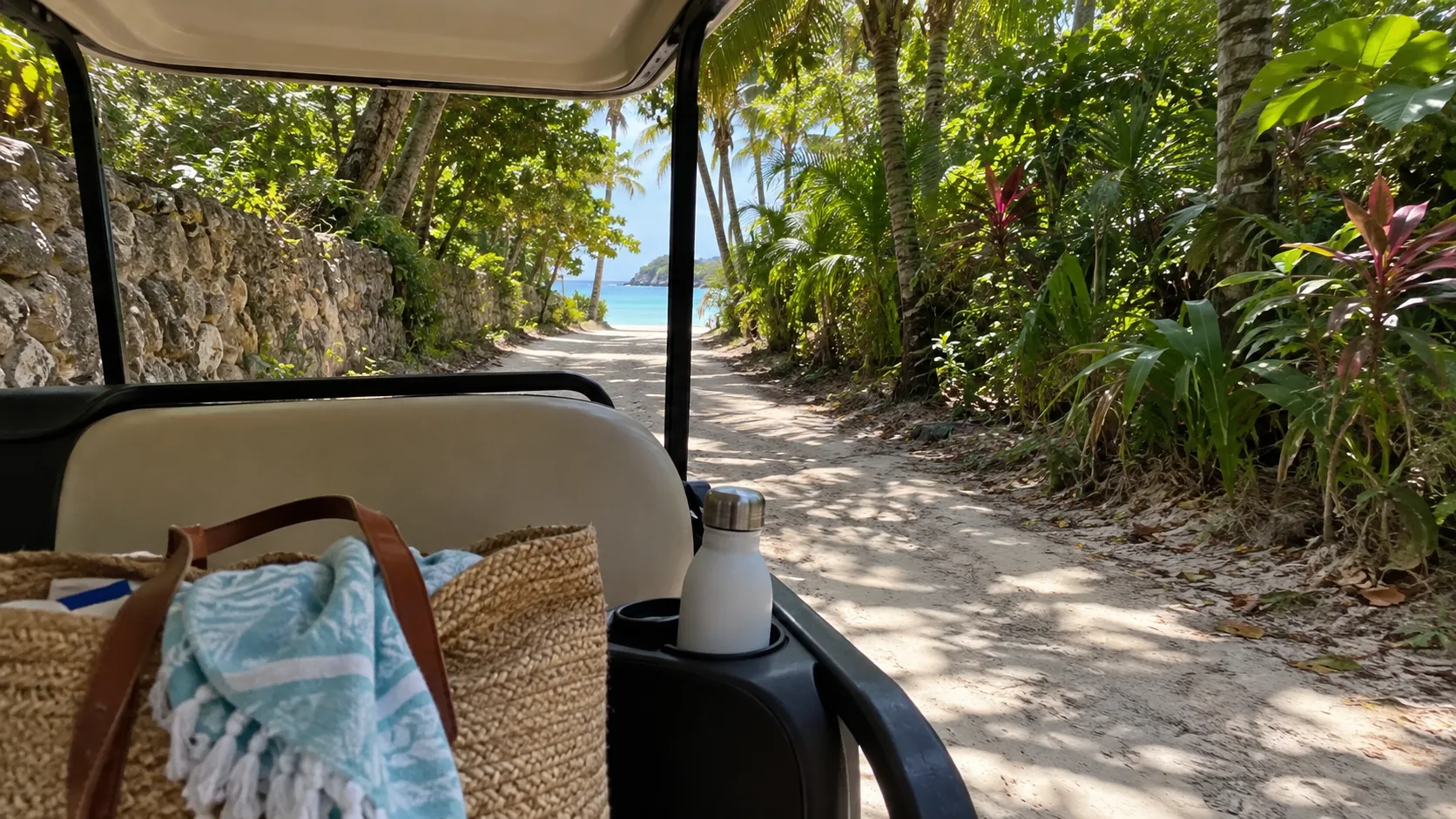
Getting around the island
Contadora is small, and many distances look walkable on a map. Heat, humidity, uneven surfaces, hills, limited shade, and luggage can make those same distances feel much larger at noon.
Some accommodations arrange pickups, while local rentals or transport may include golf carts or similar small vehicles. Verify licensing, insurance, permitted roads, seat belts, lighting, parking, fuel or charging, and return conditions instead of assuming a resort-style cart is a toy.
Pedestrians should expect drivers, utility vehicles, animals, and road edges that may not resemble a mainland sidewalk. Carry a light after dark, wear visible clothing, and avoid distracted walking.
If anyone has limited mobility, ask very specific questions about steps at the ferry, sand or wet landings, vehicle access, room stairs, bathroom layout, and the route to the beach. “Accessible” can mean wildly different things on a small island.
Choosing where to stay
Choose lodging by logistics before decor. A beautiful room is much less dreamy if it leaves you stranded from the landing, meals, or the one beach you can comfortably reach.
Ask the property these questions in writing:
- Which ferry landing or airstrip pickup is included, and at what times?
- Does the quoted rate include taxes, breakfast, and transportation?
- Which meals are available on the property and nearby?
- Is the room air-conditioned, screened, or naturally ventilated?
- Is tap water considered potable, and is refill water provided?
- Does Wi-Fi reach the room, and is cellular service reliable enough for your needs?
- How does the property handle a transport cancellation or late arrival?
- Are beach towels, life jackets, or snorkel equipment included?
Do not judge a property only by an old review or booking-platform pin. Renovations, management, restaurant hours, transfer arrangements, and nearby construction can change, so recent direct answers deserve more weight.
My two lodging starting points
Start with Mar y Oro for a short stay centered on swimming and easy meals, because it has direct access to Cacique Beach, beach chairs and umbrellas for guests, and on-site dining. The tradeoff is paying for that convenience, so compare the full room total rather than assuming a beach hotel is the cheapest island option.
For a smaller B&B setting, compare Hibiscus House on Calle Urraca, near the Ejecutiva side of the island. Choose it for a quieter base and accept more planning around meals and beach walks, with the current pickup arrangement confirmed before arrival.
For a meal you can build the day around, Mar y Oro’s MiraOlas restaurant and Cacique Beach Bar make Cacique the simplest first stop. Ask whether nonguest restaurant reservations or a day pass are needed for the facilities you want, because buying lunch does not automatically buy every hotel amenity.
Contadora beaches and how to choose one
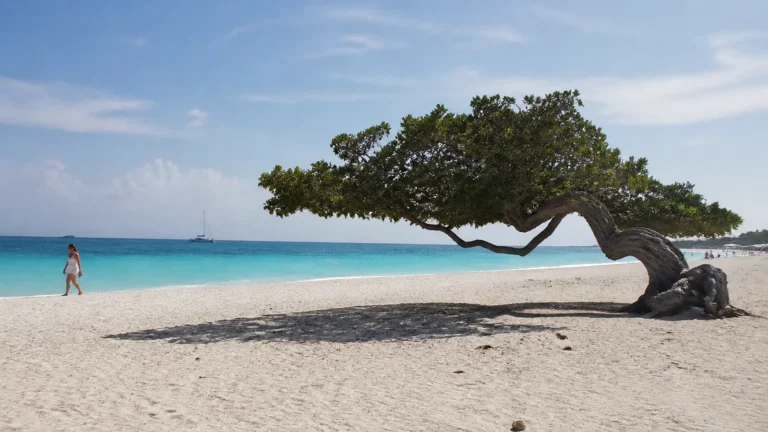
These four beaches serve different purposes, so I’d choose a starting beach before renting a cart or paying for a day pass. The island’s shoreline guide helps distinguish the small coves from the longer walking beach, while your hotel should confirm current public access and water conditions.
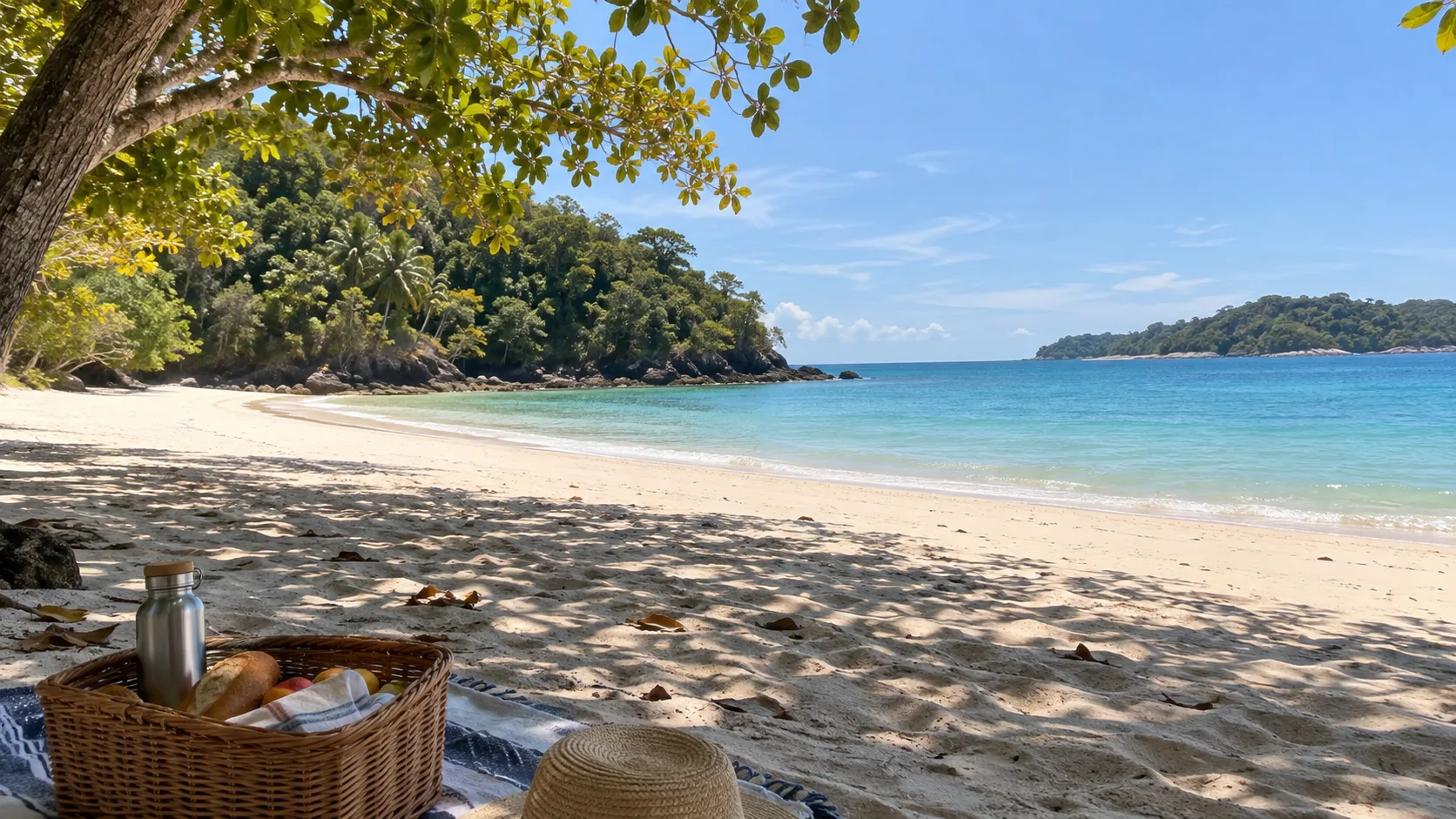
Playa Cacique: my first swim-and-lunch choice
Cacique combines a sandy beach with Mar y Oro’s restaurant and beach facilities, which makes it the easiest place to organize a comfortable first afternoon. Get here by the inland road or an arranged pickup, settle the food and shade plan, and then decide whether the sea is suitable for swimming.
Use public access or the hotel entrance when you have permission to use its facilities, and keep away from boat movements. Choose Cacique for convenience rather than promising that a particular cove is always calm.
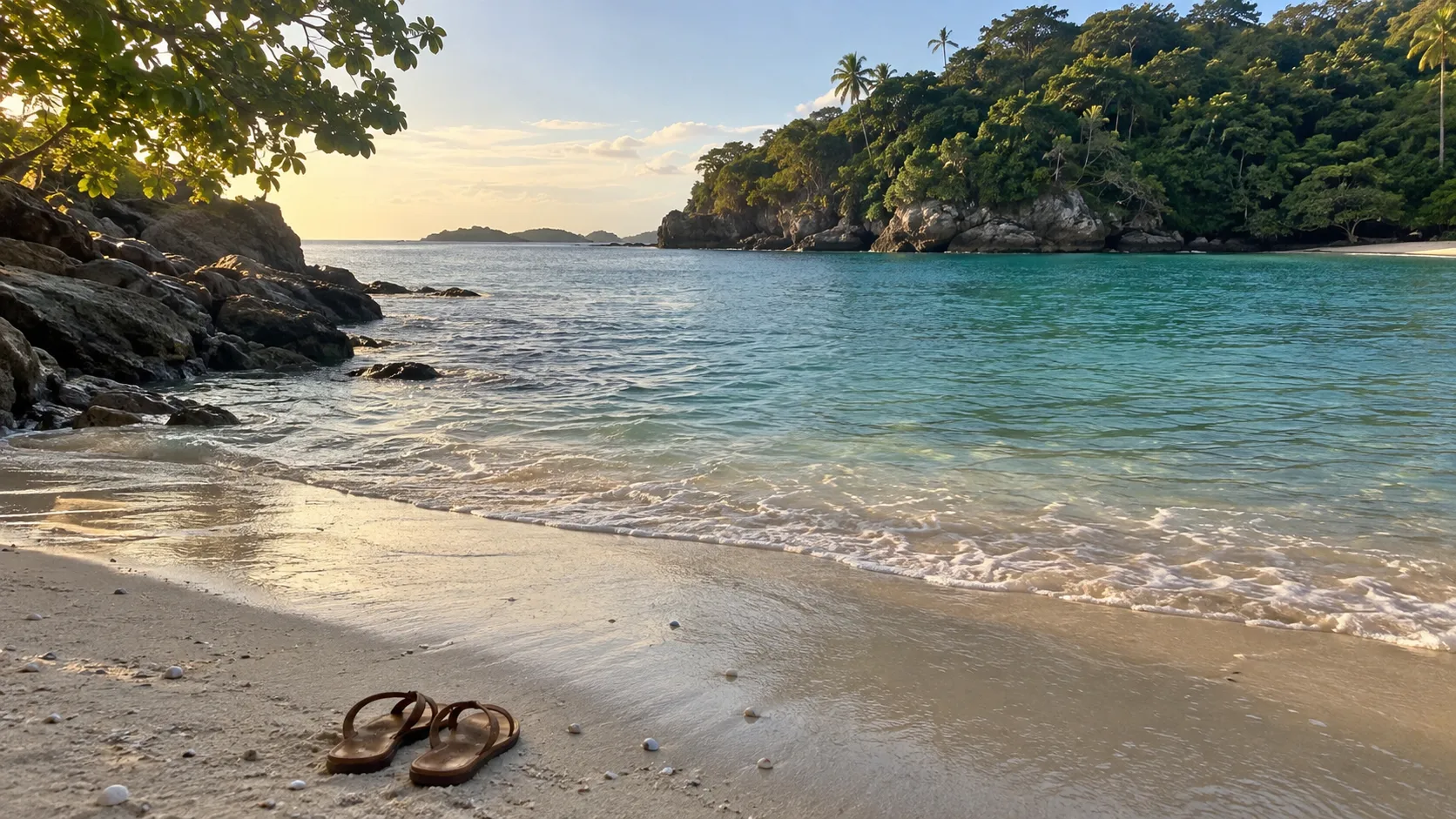
Playa Ejecutiva: a smaller cove for a quiet pause
Ejecutiva is a compact beach enclosed by rocky sides, so the feel is more intimate than Larga’s open sweep. Reach it from the road, carry water and shade protection, and treat it as a short visit without relying on staffed facilities or a lifeguard.
The small shoreline gives you less room to spread out at a high tide or on a busy day. Skip it if entry looks slippery or the water is rough, rather than scrambling around the rocks to reach the next beach.
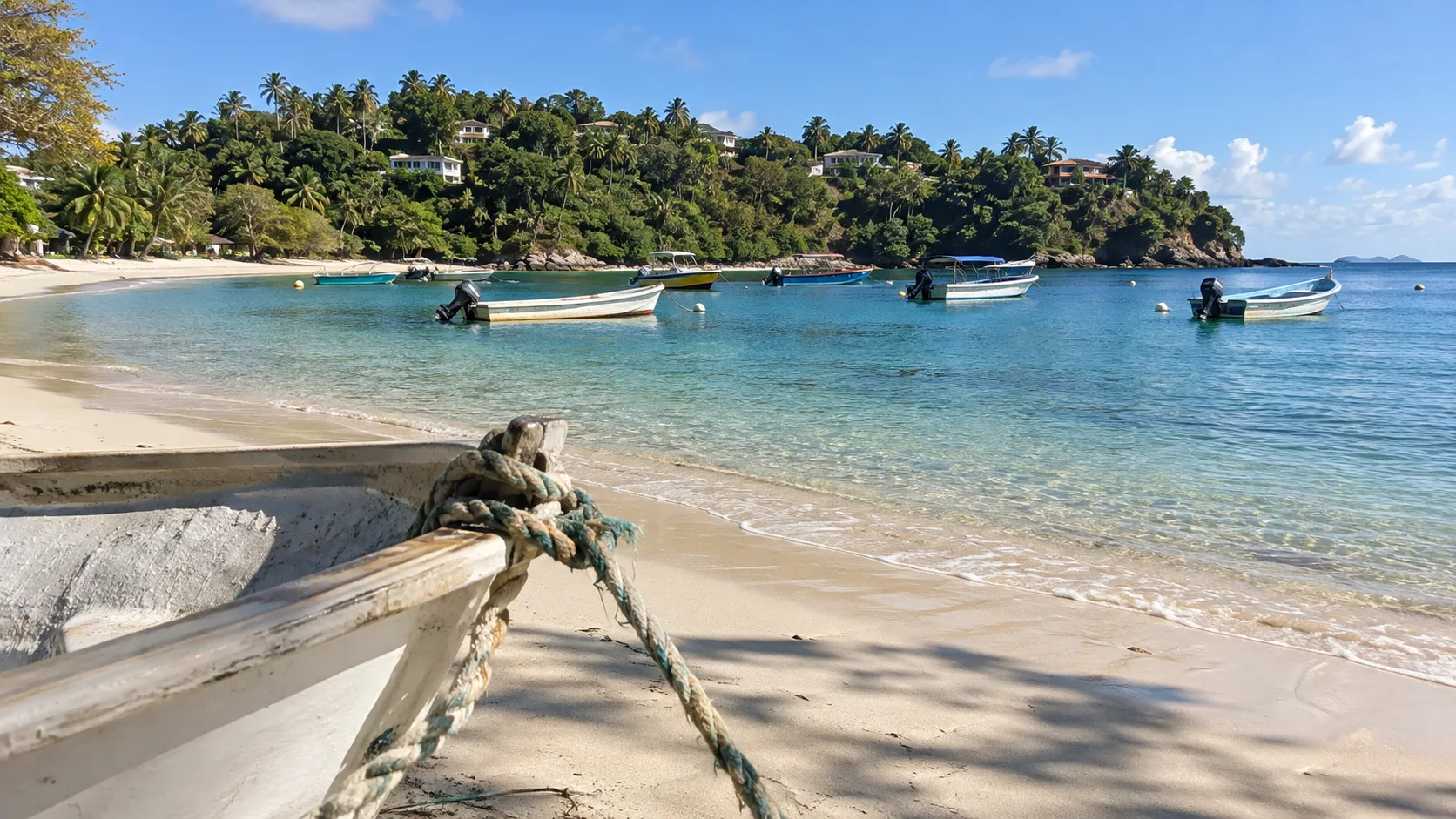
Playa Galeón: useful for orientation, with boats in mind
Galeón sits on the northern side near the developed village and airstrip area, making it a sensible look-around stop when you are learning the island. Enjoy the shoreline and use nearby services, but would select a swimming area only after checking the boat traffic and any marked landing space.
This is a convenient stop, not the beach I’d cross the island for when seeking solitude. Keep luggage and valuables with your party if you pause here around arrival or departure.
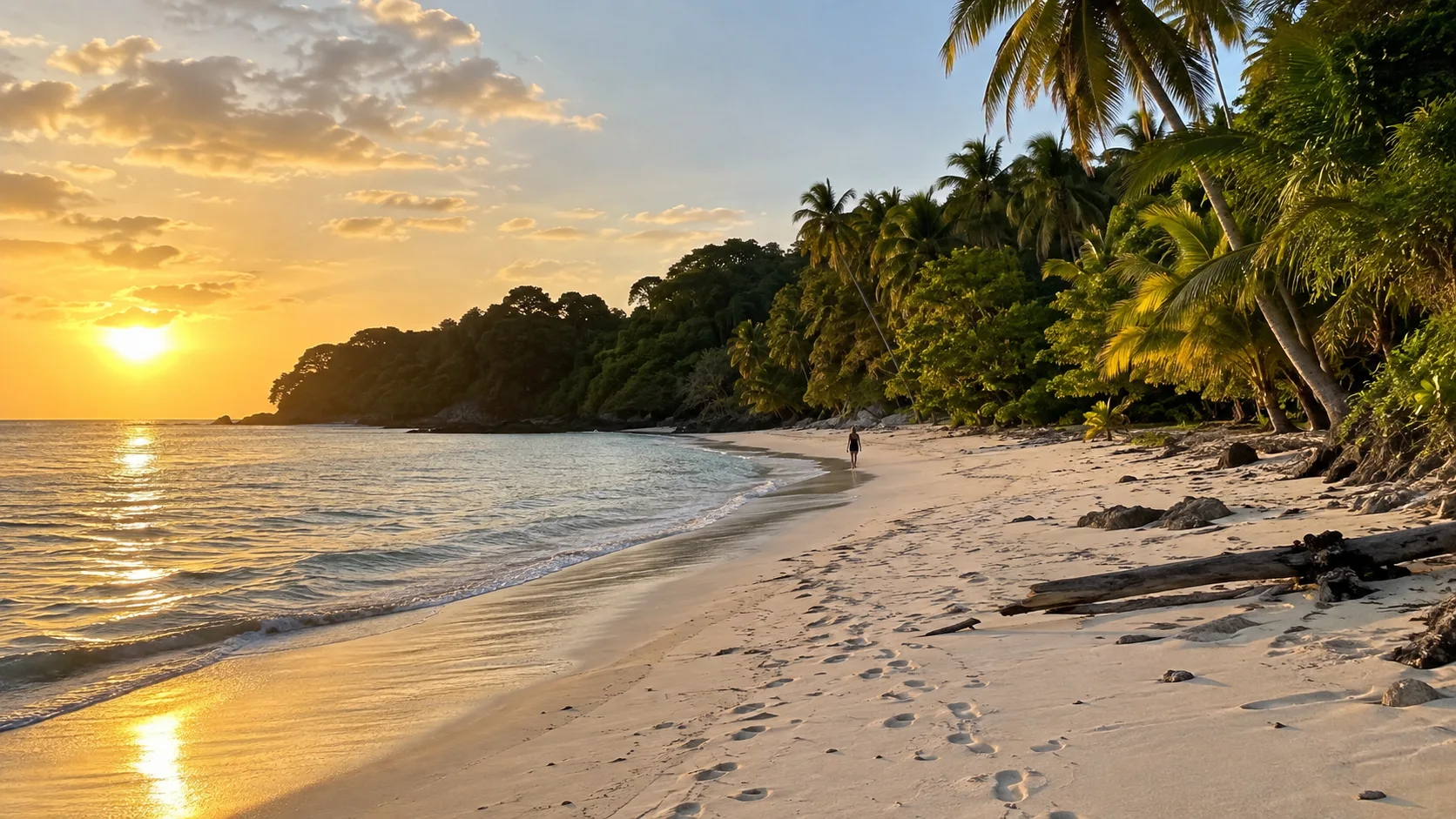
Playa Larga: the beach that works best for a walk
Larga’s longer stretch of sand makes it the natural choice for an unhurried shoreline walk. Reach it by the road and begin near your confirmed access point, keeping enough tide and daylight margin to return the same way.
Arrange any beach-club chairs, toilets, or meal service in advance instead of assuming the whole beach has resort facilities. Avoid entering abandoned buildings or climbing on wreckage, and choose dry sand over the waterline when surf reaches high up the beach.
For snorkeling
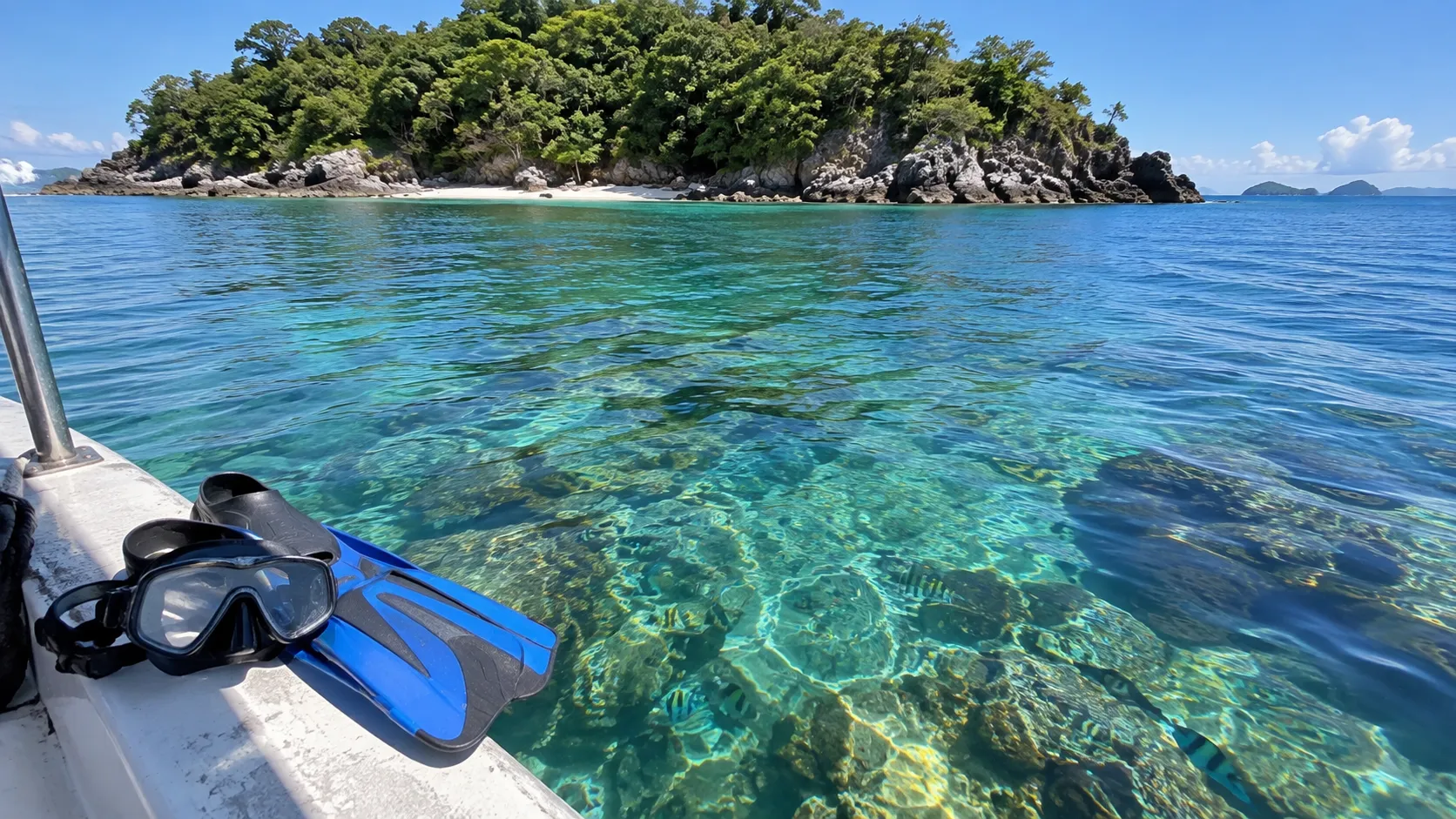
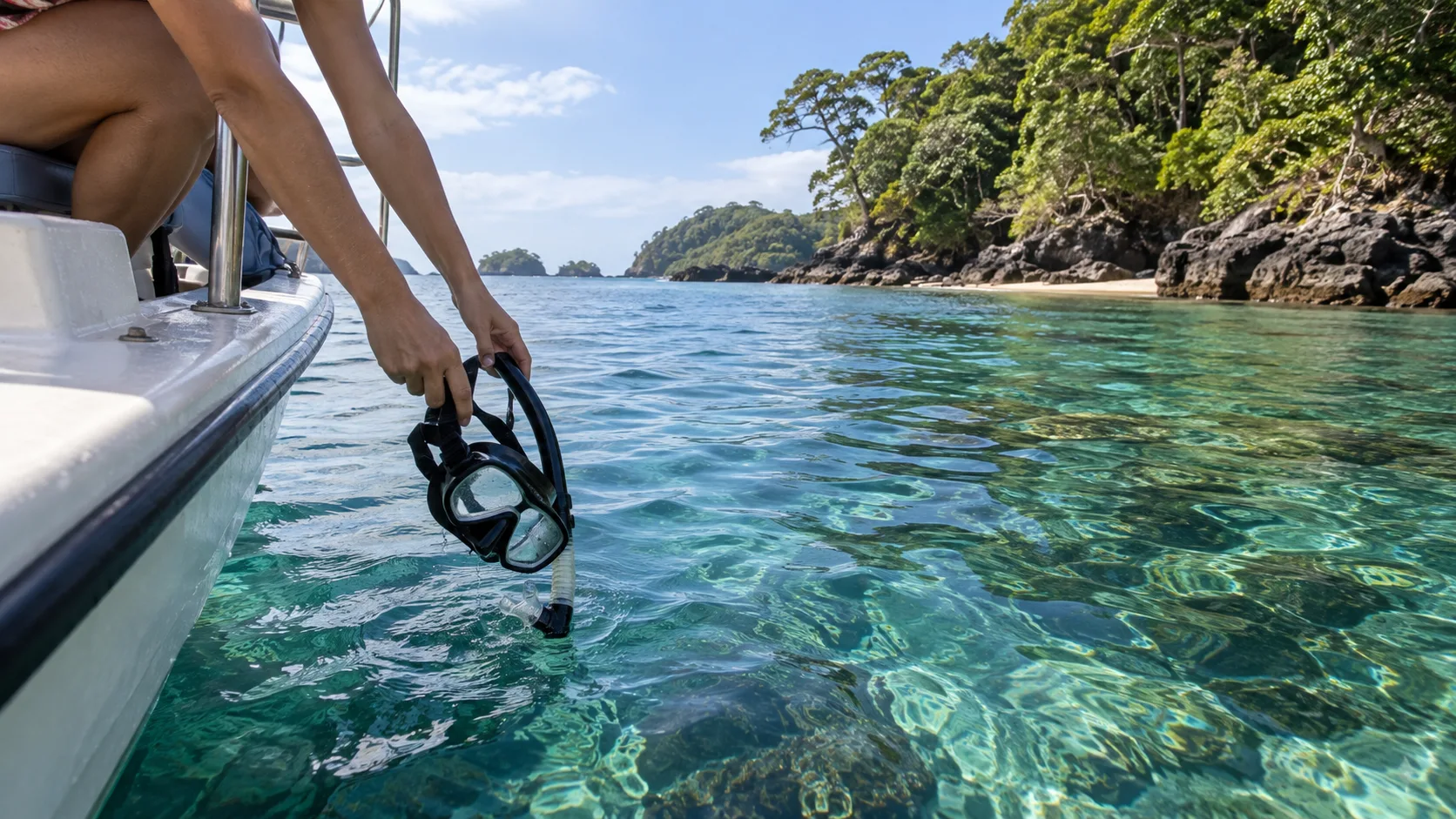
Visibility is not guaranteed and may change with swell, rain, plankton, tide, and boat traffic. Ask a reputable local operator about the day’s safest site rather than assuming the nearest bay has the best reef.
Use a properly fitted flotation aid if needed, stay with a buddy, and keep clear of propellers and navigation routes. Never touch coral, chase wildlife, feed fish, stand on reef, or take shells and living material.
Travelers who want more than casual snorkeling can compare regions in our Panama scuba diving guide. It explains why season, operator standards, certification, currents, and emergency planning matter more than a generic “crystal clear” promise.
Boat trips, island hopping, and fishing
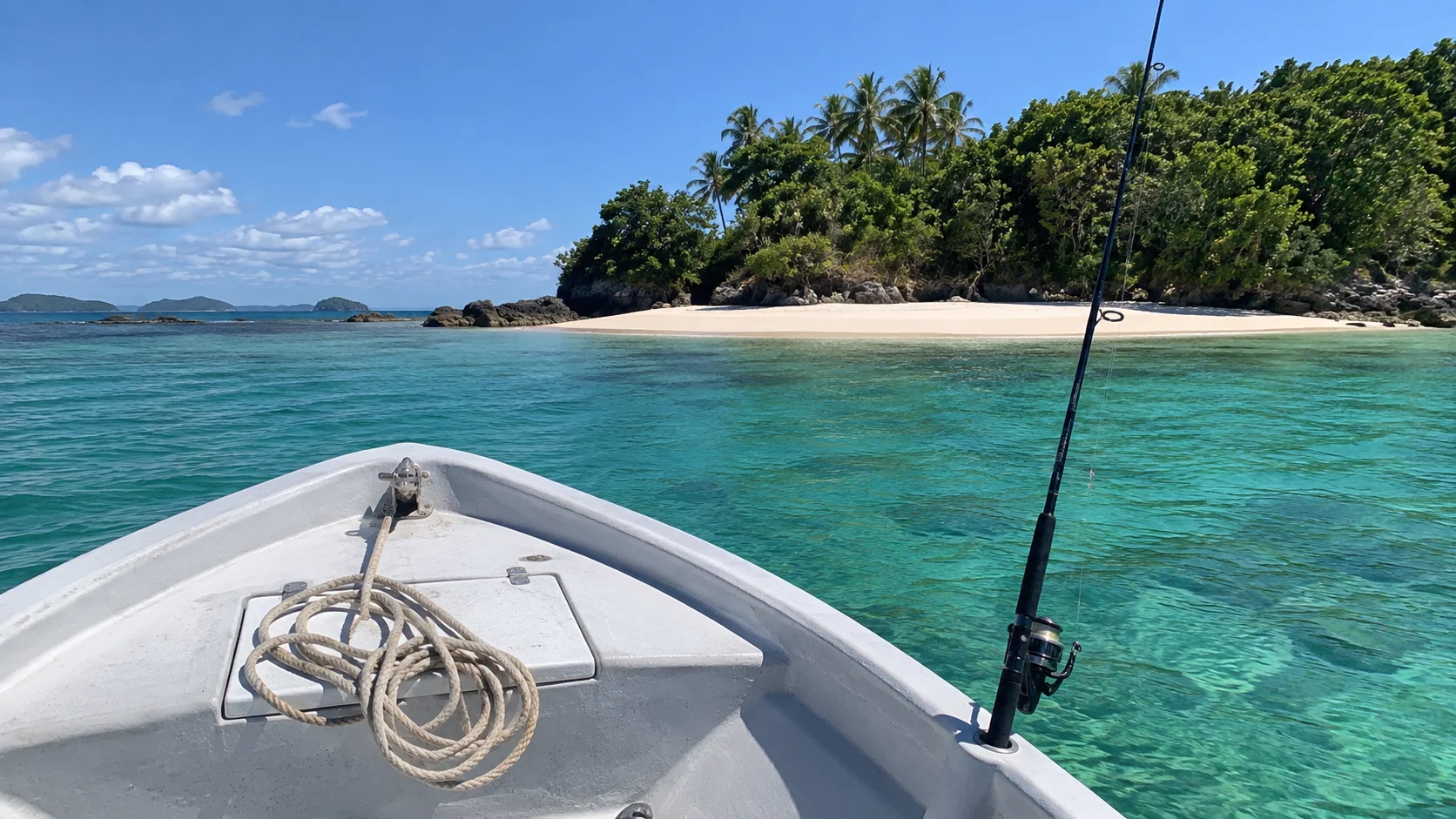
A local boat trip can reach snorkeling areas, wildlife habitat, or neighboring islands that are not practical independently. Ask for the operator’s authorization, captain experience, passenger capacity, life jackets, shade, communications, weather cancellation rule, and exact included stops.
Permission and access are not automatic on every island or beach. Confirm whether a stop is public, privately managed, within a refuge, seasonally restricted, or available only with a local guide.
The Las Perlas Archipelago is legally designated a special marine-coastal management zone. Panama’s aquatic-resources authority lists Law 18 of 2007, which created the zone and regulates activities including destructive fishing and the taking of protected marine life.
That does not mean every recreational activity follows one simple visitor rule. Fishing method, species, season, area, vessel, and permit requirements can differ, so use a properly authorized operator and follow the current instructions from Panama’s authorities.
Do not buy coral, turtle products, or wildlife souvenirs, and never ask a guide to get closer than the animal tolerates. A responsible outing can be exciting without turning a feeding, resting, nesting, or nursing animal into a performance.
Whale watching from Contadora
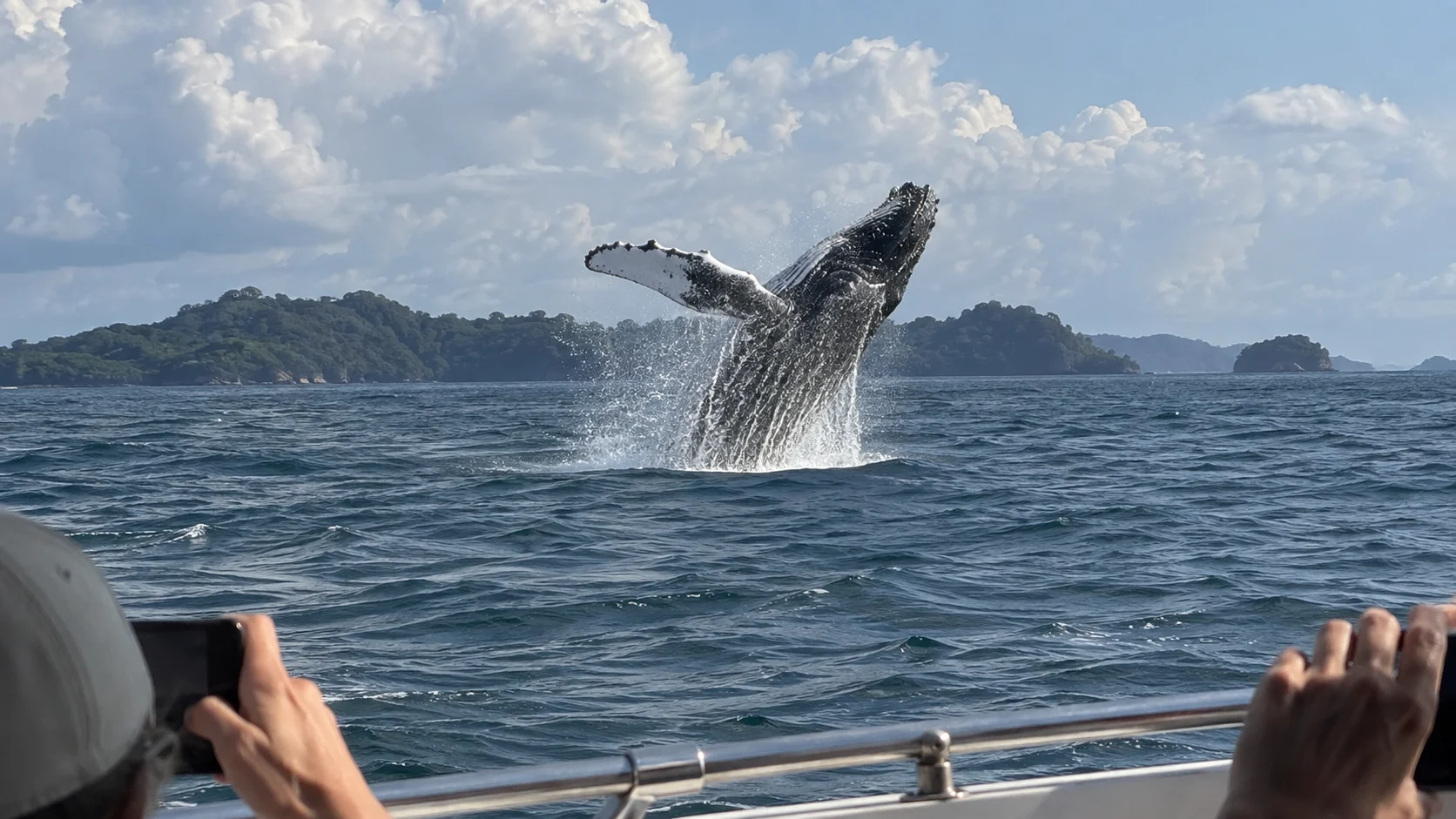
Humpback whales use the Gulf of Panama seasonally, and official tourism guidance highlights July through October for the Pearl Islands. That is a planning window, not a sighting guarantee or permission for a boat to crowd a whale.
Choose an operator that explains approach distances, passenger behavior, time limits, and what happens if another boat is already with the animals. The captain should slow down, avoid cutting across a whale’s path, and give mothers and calves plenty of space.
No ethical operator can promise breaching, calves, or even a whale. Our guide to planning a responsible whale-watching trip helps match season and destination while keeping expectations honest.
Best time to visit Contadora
Panama’s Pacific side generally has a drier season from December through April and a rainy season from May through November. The national meteorological institute’s Pacific rainfall overview notes that the wettest period typically intensifies later in the rainy season, but any individual week can behave differently.
December through April
The drier months appeal to travelers prioritizing beach time and fewer rain interruptions. They can also bring wind, stronger sun, holiday demand, and higher competition for the best transport times.
Dry season does not mean flat seas or cloudless skies every day. Check the marine forecast and operator messages, not just a sun icon for Panama City.
May through November
The wetter months can bring greener scenery, fewer visitors, afternoon downpours, lightning, and disrupted boat plans. Rain may arrive in bursts rather than an all-day curtain, but no itinerary should depend on that pattern.
July through October overlaps the widely promoted humpback season, which gives wildlife-minded travelers a reason to accept less predictable weather. Build a flexible day around the tour and keep a dry-land alternative.
Pack sun protection in every season because cloud cover does not remove ultraviolet exposure. During the rainy season, add a compact rain layer and a truly waterproof inner pouch for electronics.
Money, food, water, and connectivity
Panama uses the balboa alongside the U.S. dollar, and U.S. paper currency is widely used. Bring clean small-dollar bills from the mainland because an island ATM, card terminal, cash supply, or connection should never be your only plan.
Ask businesses which cards they accept and whether a fee or minimum applies before ordering. Keep emergency cash separate, and do not display a thick bundle at a beach or landing.
Restaurants and grocery choices are limited compared with Panama City, and hours can change with demand, deliveries, weather, and the day of the week. Reserve special meals, confirm dietary needs directly, and carry a few sturdy snacks without assuming a full kitchen at the lodging.
Ask the property whether tap water is potable and how refill water is supplied. Carry a reusable bottle, but do not refill it from an unverified source just because the water looks clear.
Wi-Fi and cellular service may be perfectly adequate one moment and frustrating the next. Download tickets, maps, reservations, emergency contacts, and any work files before leaving Panama City.
If remote work or a medical connection is essential, ask the lodging for recent specifics and have a backup. “Wi-Fi available” does not promise room coverage, upload speed, power continuity, or a video call during bad weather.
Entry requirements for Panama
Entry rules depend on nationality, residence, route, and trip length, and they can change after this guide is published. Check the Panamanian immigration authority and the airline before travel rather than copying requirements meant for another passport.
For U.S. citizens, the current U.S. Department of State Panama page lists passport validity, onward-ticket, visa, entry-stamp, funds, safety, and local-law information. It also identifies areas elsewhere in Panama with stronger travel warnings, which should not be casually transferred to Contadora or ignored when building a wider itinerary.
Keep the passport, return or onward itinerary, accommodation details, and proof requested for entry accessible during arrival. A digital copy is useful for recovery, but it does not replace the original document at immigration.
Health and safety on a small island
Contadora has fewer medical resources than Panama City, so bring enough prescription medication plus a delay margin. Pack basic wound care, sunscreen, insect repellent, and any motion-sickness supplies you know are appropriate for you.
Review the CDC Panama traveler page with a clinician before departure for current vaccine, food and water, mosquito, heat, and destination-specific guidance. The CDC currently distinguishes the Pearl Islands from Panama areas where yellow fever vaccine is recommended, but entry requirements can still depend on the traveler’s route and recent countries.
Use repellent as directed, especially around dawn, dusk, vegetation, and after rain. Screens and air conditioning help only when doors and windows are used properly.
The tropical sun reflects off water and pale sand, so shade, a hat, sunglasses, clothing, and broad-spectrum sunscreen work as a team. Hydrate before feeling thirsty and reduce activity if anyone develops headache, dizziness, nausea, confusion, or unusual weakness.
Swim with a buddy, keep children within immediate reach, and wear a life jacket on small boats. Avoid alcohol before swimming or boating, and never dive into water without verified depth and hazards.
Travel insurance is worth considering when the trip involves separate transport tickets, weather exposure, and limited local care. Read whether it covers island evacuation, preexisting conditions, water activities, delay, and the actual operators you plan to use.
What to pack for Contadora
- Passport, entry documents, transport confirmations, and insurance details
- Prescription medicine and a small health kit
- Reef-conscious sun protection, hat, sunglasses, and cover-up
- Insect repellent and lightweight long sleeves
- Secure water shoes or sandals plus comfortable walking shoes
- Compact rain layer and waterproof inner pouch
- Reusable bottle and a few shelf-stable snacks
- Small cash bills stored in more than one place
- Portable charger packed according to airline battery rules
- Dry bag or securely closing day bag for boat transfers
Pack light enough to control your own bag at a landing or small-aircraft counter. The principles in our cruise luggage guide also work here because they prioritize low weight, stable wheels, and the hardest transfer on the route.
A practical three-day Contadora plan
Day one: arrive and learn the island
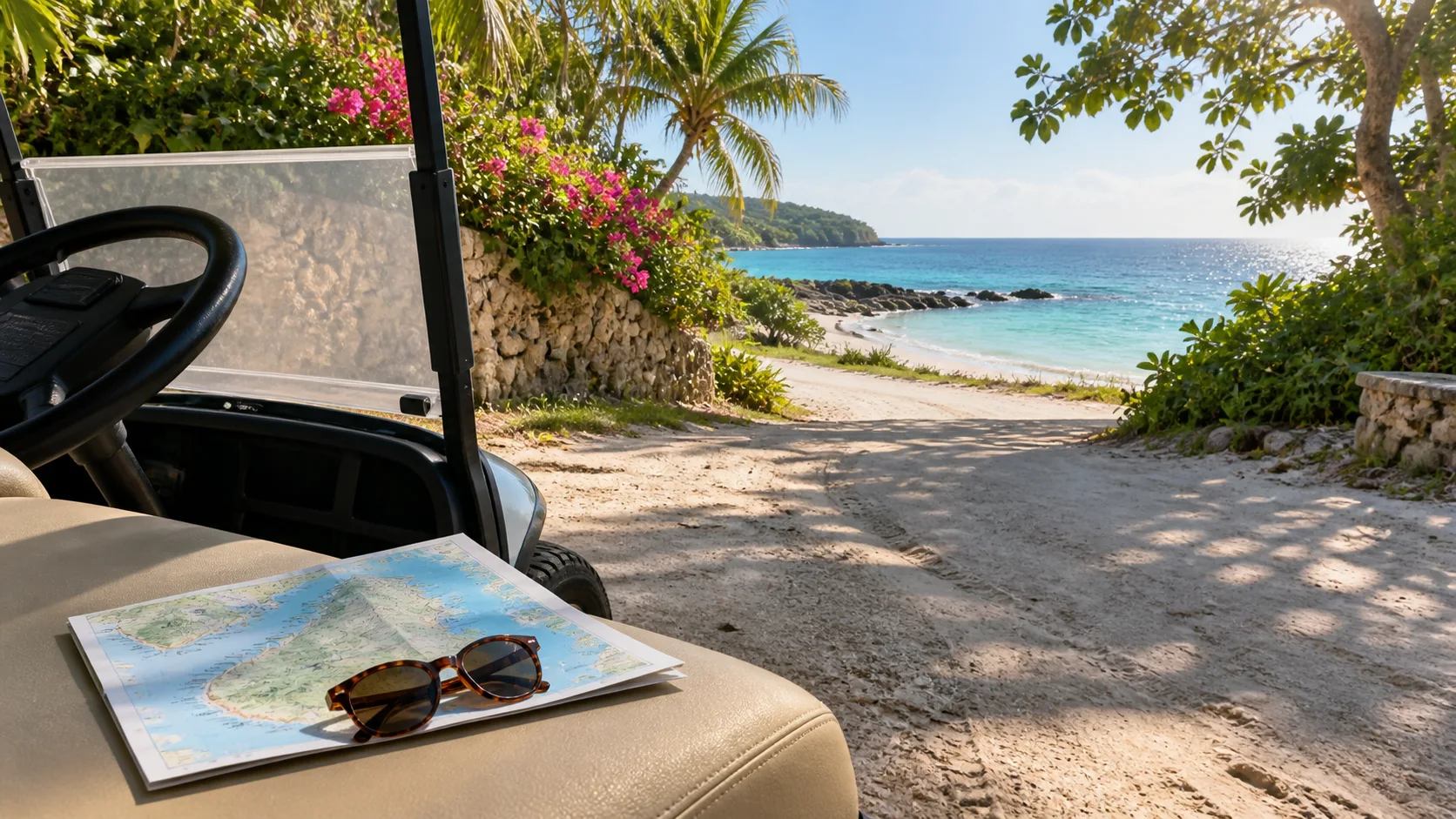
Arrive on your confirmed ferry, drop bags, then make Playa Cacique and lunch at MiraOlas the first afternoon plan. Use Sea Las Perlas as one direct operator to compare, checking the exact Panama City departure dock and island landing on the ticket.
Use the afternoon to learn walking routes, meal hours, and transport options rather than racing straight onto another boat. Sunset is much more relaxing when tomorrow’s pickup is already confirmed.
Day two: choose one water priority
Use the morning for a cart-and-walk loop from Cacique to Ejecutiva, then Galeón and Playa Larga, traveling between beaches by the inland roads. Allow two to three hours with short stops, return for lunch, and choose only one optional boat outing if the forecast and your energy still support it.
For an optional detour, ask a licensed operator about a short Saboga visit with the return boat arranged before leaving Contadora. Skip it on a short ferry day or when the sea forecast is unsettled, since another island adds transfer risk without improving an already pleasant beach afternoon.
Day three: slow morning and return buffer
On the last morning, choose breakfast and a short Cacique stroll if staying at Mar y Oro, or Ejecutiva if staying on that side. Collect bags before heading to the confirmed ferry landing, leaving beach-hopping for a day without a departure deadline.
Spend the final Panama night in the city before an international flight when possible. Travelers continuing around the country can use our Panama Canal planning guide to understand full transits, partial transits, and port-call differences.
The Contadora trip-planning checklist
- Verify entry rules for every traveler’s passport and route.
- Book island transport and lodging before assuming they connect.
- Confirm the Panama City departure airport or pier by full name.
- Recheck baggage, check-in, cancellation, and landing arrangements.
- Ask the lodging about transfers, meals, water, stairs, and connectivity.
- Download all confirmations and emergency contacts for offline use.
- Carry cash, medication, sun protection, and a waterproof document pouch.
- Use authorized operators and follow marine-management rules.
- Check weather and transport messages the day before and morning of travel.
- Leave a generous mainland buffer before the flight home.
Final thoughts on Contadora Island
Contadora is at its best when the plan is simple: secure the journey, choose a comfortable base, give the weather room to change, and let one good beach carry most of the day. That is not underplanning; it is exactly the right amount of ambition for a small island.
Keep transport promises in writing, cash and essentials close, and wildlife encounters respectful. With those unglamorous details handled, Contadora can feel wonderfully far from Panama City without becoming difficult to enjoy.