Dry Tortugas Snorkeling: Garden Key Rules and Trip Plan
Dry Tortugas snorkeling is the rare national park adventure where a brick fortress, clear shallows, coral, and a long boat or seaplane journey all share one day. It can be wonderful for beginners, but only if you understand Garden Key’s swim zones, choose transportation carefully, and stop expecting tropical water to follow a perfect script.
Is Dry Tortugas good for snorkeling?
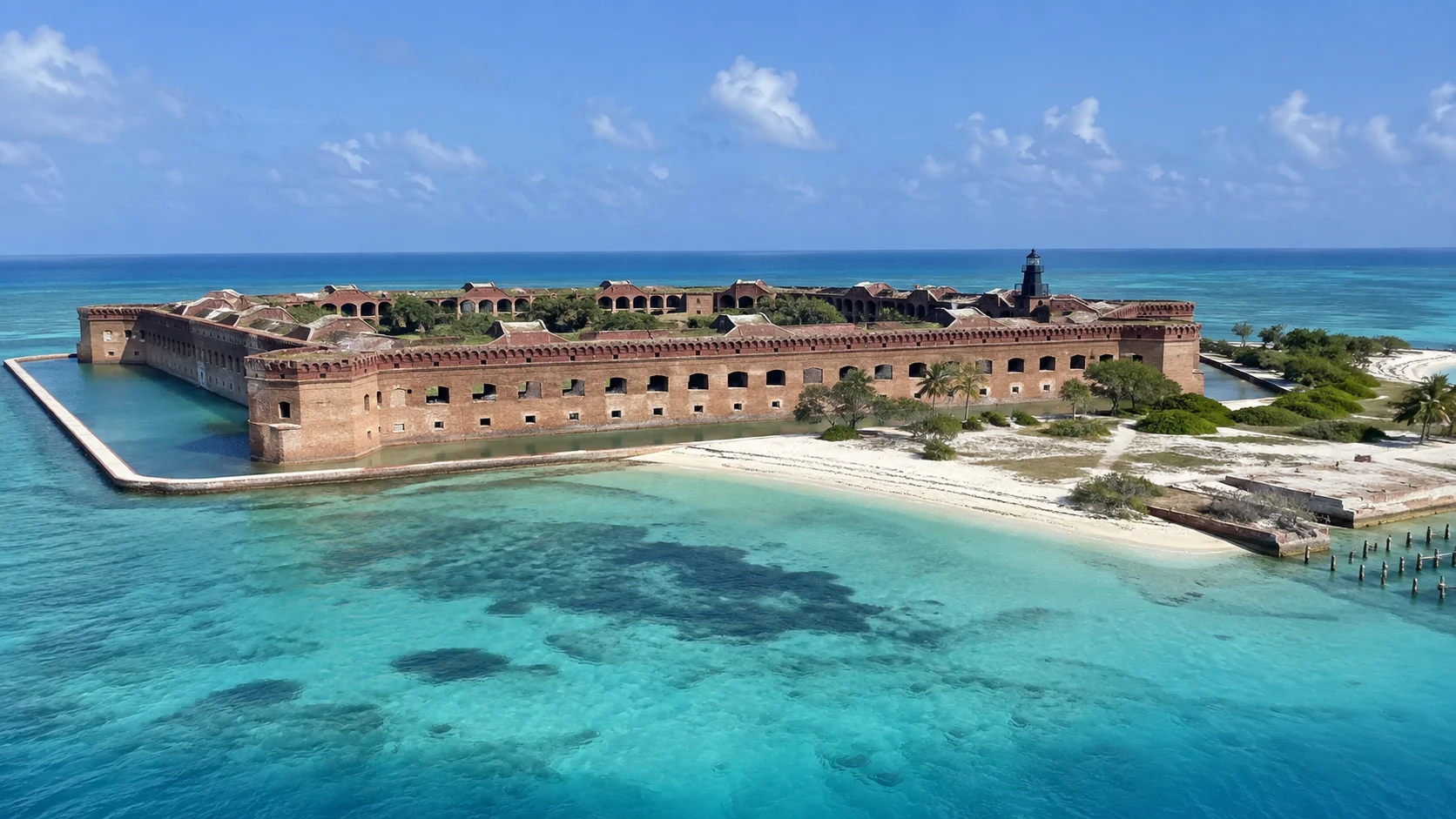
Yes, especially for travelers who want shore snorkeling combined with Fort Jefferson and a remote national park setting. Garden Key has designated water access, shallow areas, moat-wall habitat, and submerged historic features without requiring a private boat.
It is not guaranteed aquarium visibility, and it is not the right day trip for a nervous swimmer who feels pressured to enter rough water. Wind, waves, currents, stirred sand, seasonal conditions, and temporary closures can change the experience.
The park lies roughly 70 miles west of Key West, and less than one percent of it is dry ground. That remoteness is part of the magic and the reason every snack, medication, sun layer, and safety decision matters.
Where to snorkel at Garden Key
The designated snorkel area
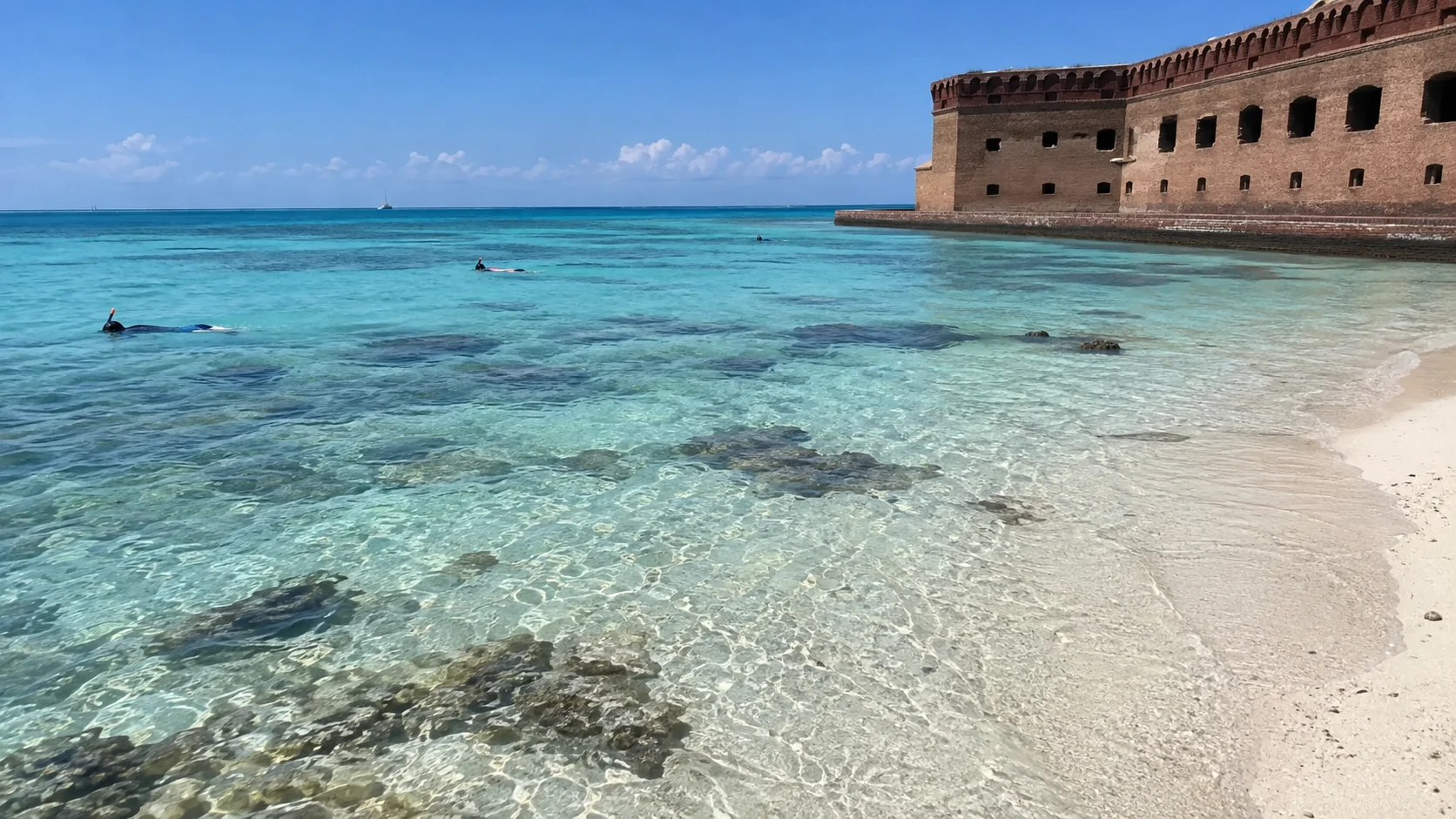
The easiest place to begin is the designated swim and snorkel area near the Garden Key campground. Enter only from an open beach access point, stay inside marked boundaries, and look at the water for a few minutes before committing.
This is the sensible warm-up for beginners because you can check mask fit, breathing, buoyancy, and comfort close to shore. Shallow does not mean risk-free, so snorkel with a buddy and keep enough energy for the return.
Outside the moat wall
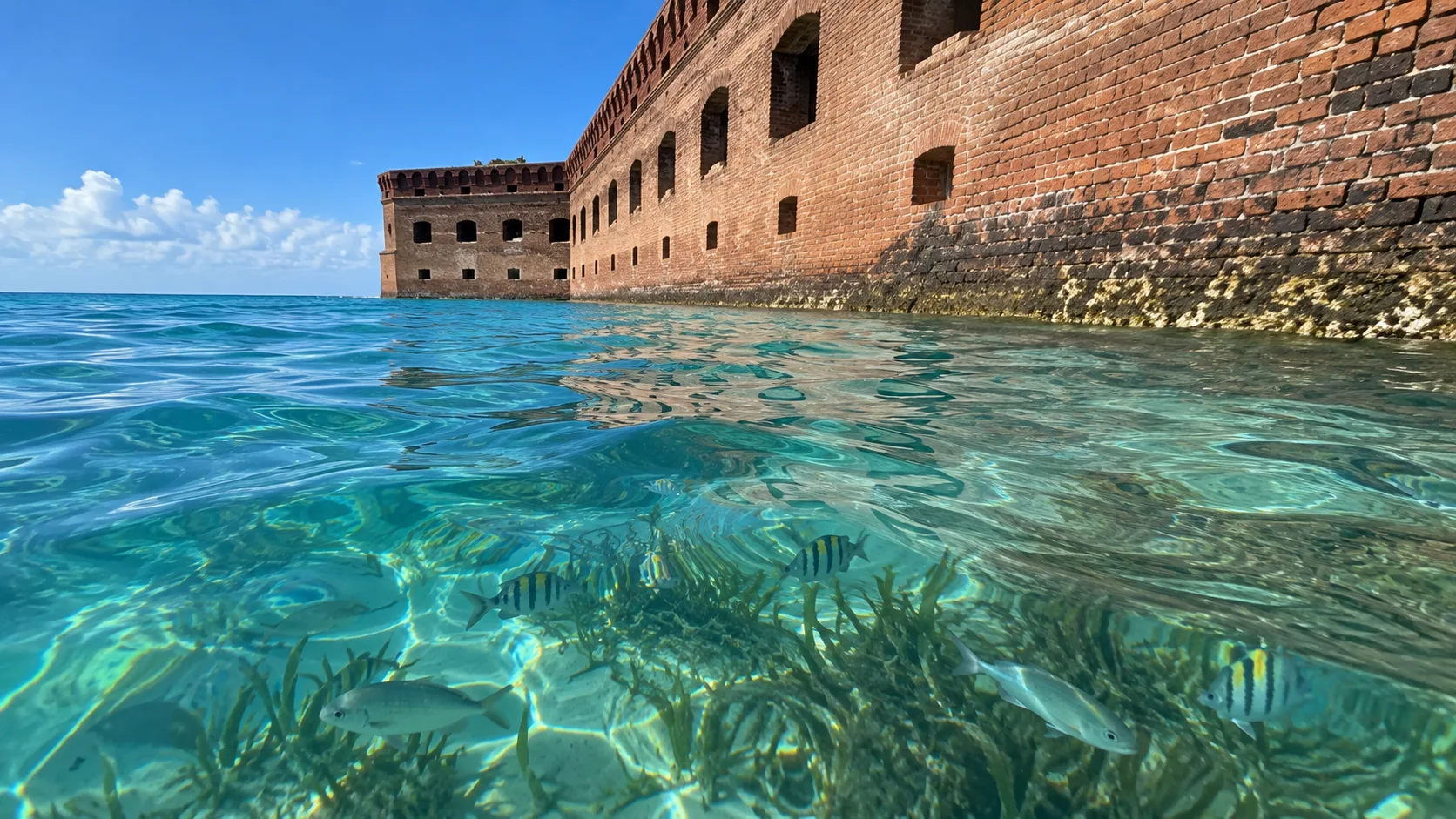
Snorkeling along the outside of Fort Jefferson’s moat wall can reveal fish, reef squid, nurse sharks, anchor chains, cement barrels, and other marine or cultural features. Those are possibilities listed by the park, not a wildlife guarantee for one afternoon.
Swimming inside the moat is prohibited. Use signed beach entries, respect any work zones, and never climb onto the wall from the water.
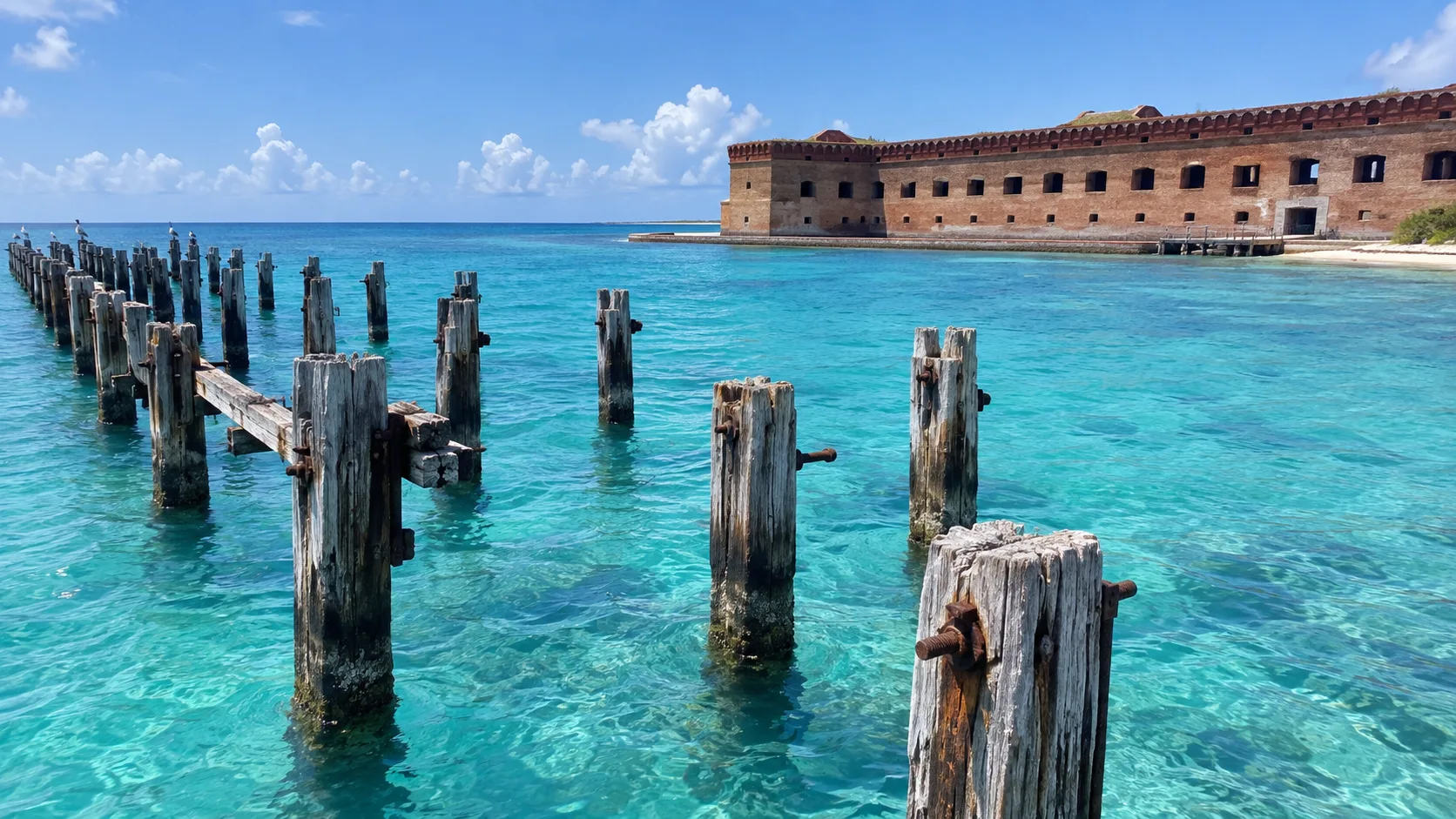
South coaling dock ruins
The submerged pilings and remains around the south coaling dock can attract marine life and add a fascinating historical layer. Structure, surge, current, and sharp or encrusted surfaces also mean you should keep a generous distance rather than threading through ruins.
Do not touch, stand on, move, or collect anything underwater. Cultural resources and living coral belong in the park, not drying in a beach bag on the ferry home.
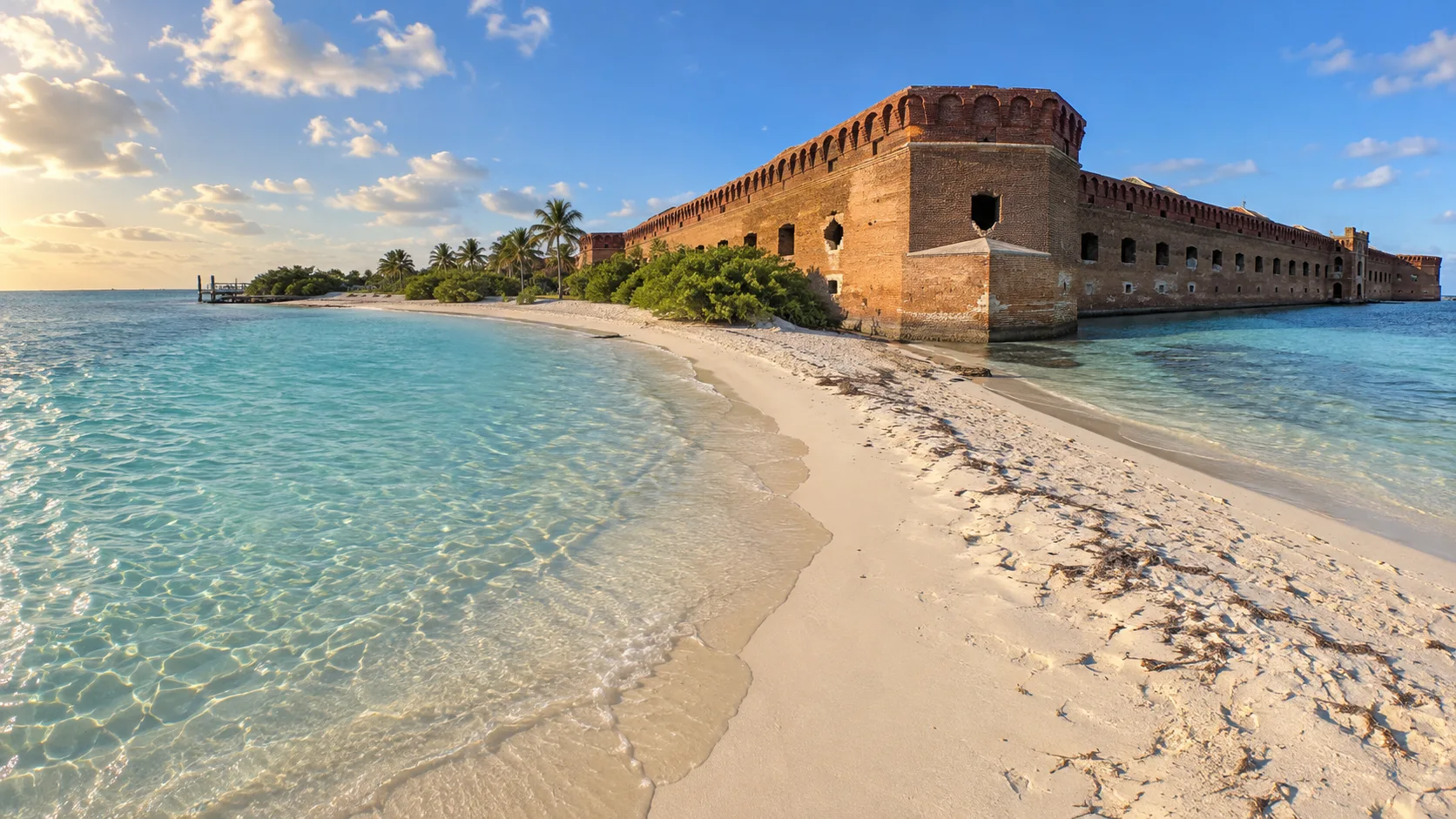
North and south swim beaches
Garden Key’s open swim beaches provide the legal entry points for most day visitors, but access can shift with restoration or safety work. Ask a ranger or transportation crew which beach and route are open that morning.
The National Park Service snorkeling page for Dry Tortugas describes the recommended Garden Key areas and posts project-related closures. Pair it with signs on the island because a web page cannot replace a barrier in front of you.
Dry Tortugas snorkeling rules that matter
- Never swim or snorkel inside Fort Jefferson’s moat.
- Enter and exit from designated open shore areas.
- Use a properly displayed diver-down flag outside the designated snorkel zone.
- Stay out of marked closures, harbor channels, and vessel traffic areas.
- Do not touch coral, wildlife, artifacts, pilings, or submerged structures.
- Pack out every item you bring, including food wrappers and broken gear.
The park has no lifeguards, so entry is at your own risk. The NPS Dry Tortugas safety guidance recommends the designated area, outside moat wall, and south coaling dock pilings while emphasizing fit, flags, and prohibited moat swimming.
A diver-down flag is not decorative gear and does not make boat traffic harmless. If you do not know the local flag rules or cannot manage a float safely, remain in the designated zone or use a permitted guide.
Ferry, seaplane, or private boat?
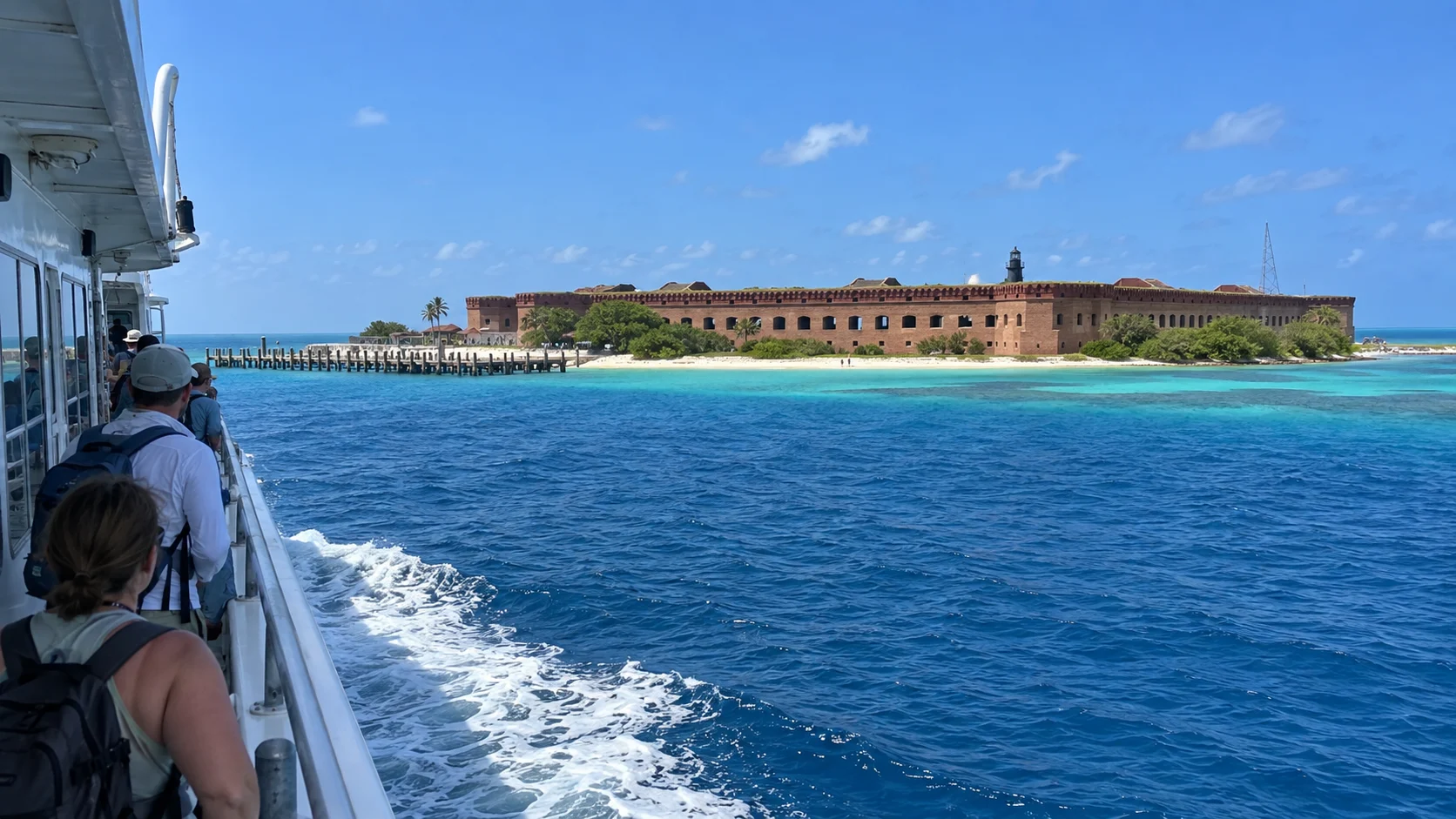
Ferry
The ferry is the straightforward choice for most travelers because transportation, a fixed island visit, and some visitor support are bundled into one reservation. It also involves a substantial open-water ride, making seasickness preparation important.
Confirm what snorkel equipment, meals, water, and park fees are included on your exact sailing. Ferry schedules leave limited hours on Garden Key, so tour the fort efficiently and protect a deliberate block for snorkeling.
If motion sickness is a concern, discuss medication timing and suitability with a pharmacist or clinician before the trip. Taking an unfamiliar sedating medicine just before boarding can create a different problem.
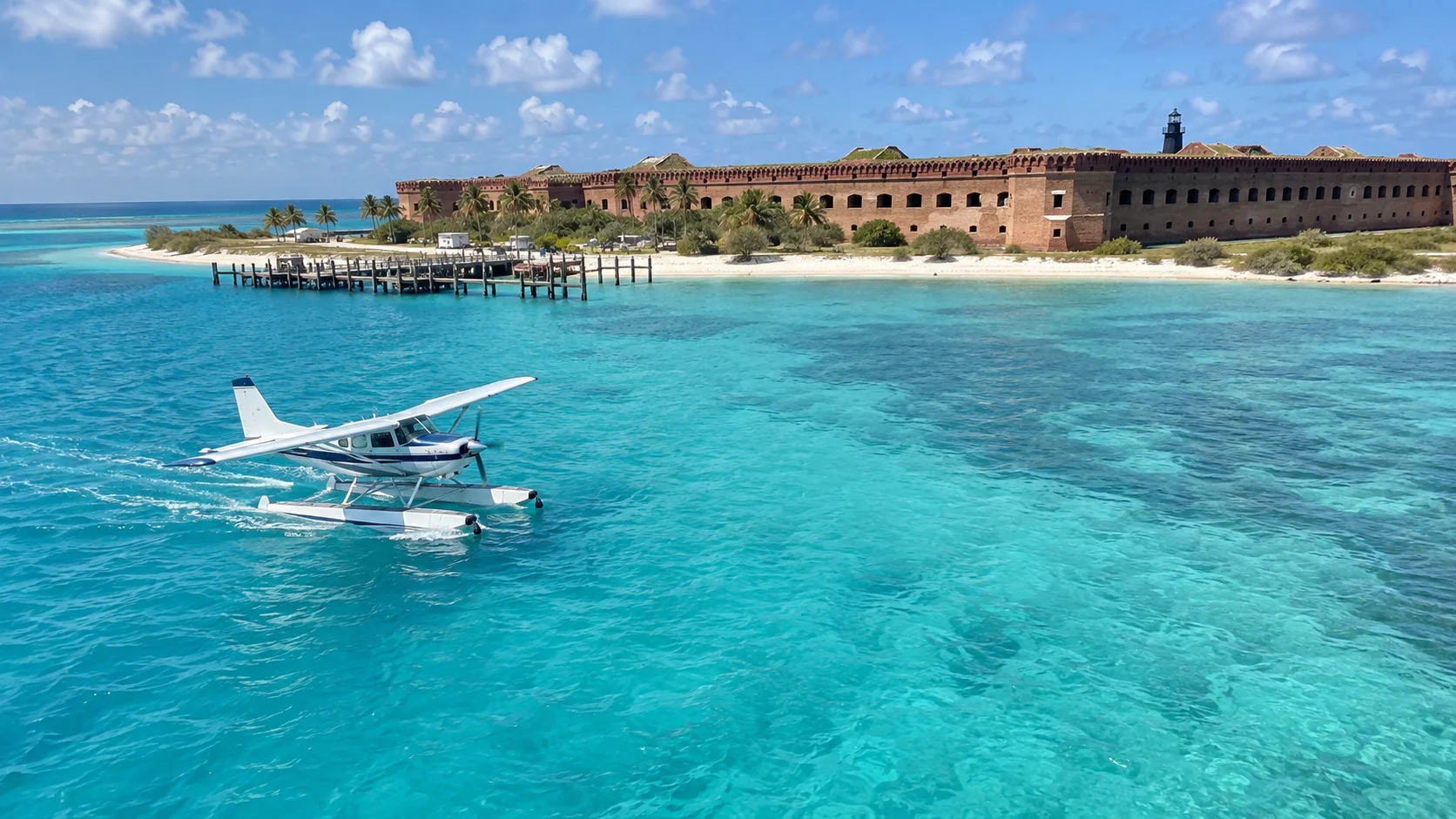
Seaplane
The seaplane reduces travel time and provides an aerial perspective, but baggage, equipment, weather, and trip-length limits differ from the ferry. Half-day options can feel short when you want both a fort visit and an unrushed snorkel.
Ask specifically whether your fare includes snorkel gear and how much time is actually on Garden Key. A quicker transfer does not guarantee better water conditions after arrival.
Private boat or permitted charter
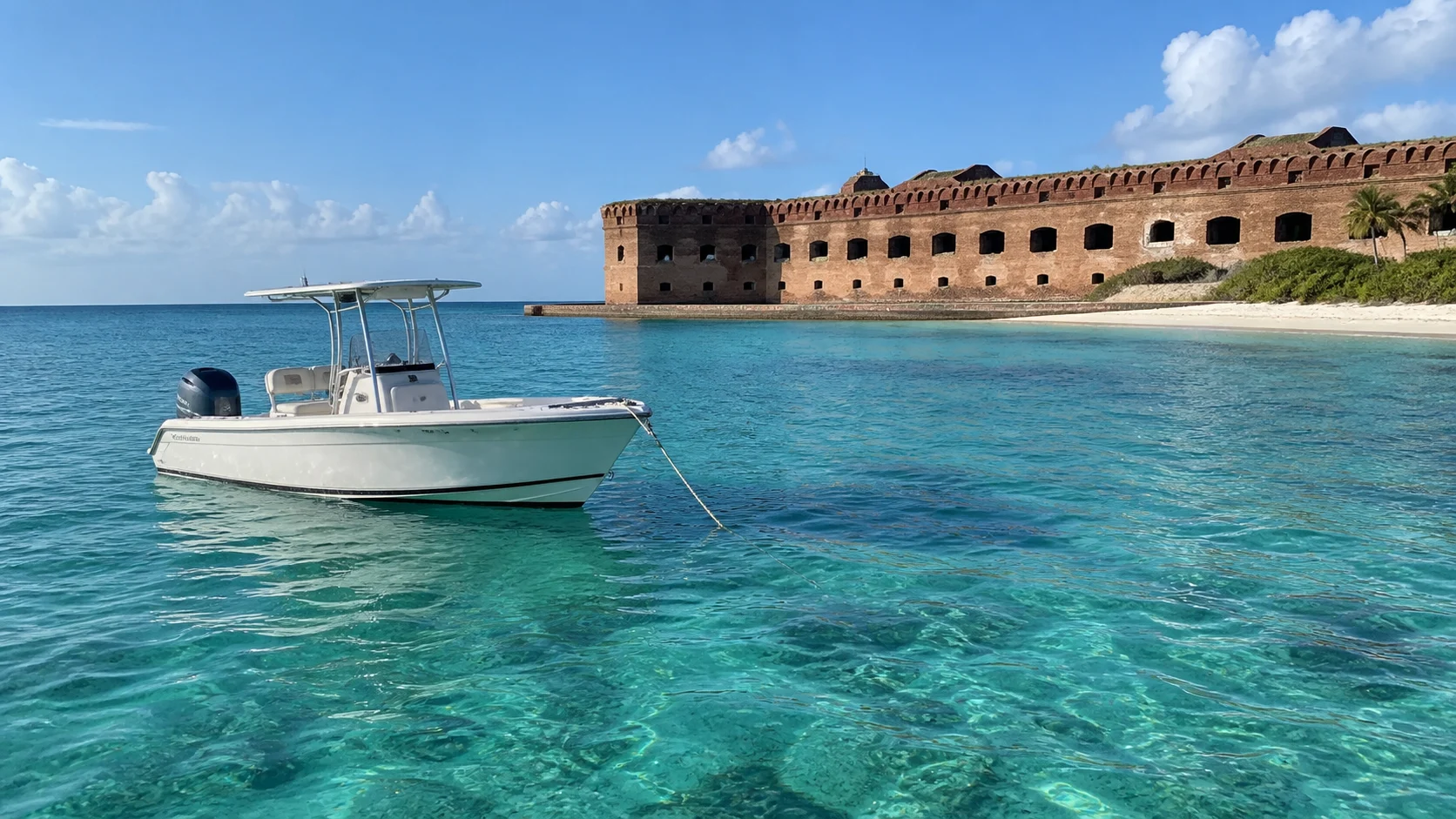
A private vessel or permitted charter offers the most flexibility and can reach areas beyond the standard Garden Key day trip. It also demands navigation, weather judgment, fuel planning, park permits, anchoring knowledge, dive flags, and real self-sufficiency.
The NPS transportation overview confirms that there is no road access and lists ferry, seaplane, private boat, and permitted charter as the options. Private boaters should use current park guidance rather than copying another captain’s old anchoring coordinates.
For the broader logistics of camping, fees, and closures, the Dry Tortugas access and camping overview covers the parts that do not need repeating here. This guide stays focused on making the water portion work.
A smart Garden Key day plan
On arrival
Listen to the orientation, identify open swim entries, check the return-boarding deadline, and locate restrooms or changing space. Ask about current wind, current, jellyfish, visibility, and construction closures before deciding where to enter.
First snorkel
Use the designated zone for a short equipment check while you are fresh. Adjust the mask on land, make sure fins do not rub, and practice clearing the snorkel before heading toward the moat wall.
Fort Jefferson
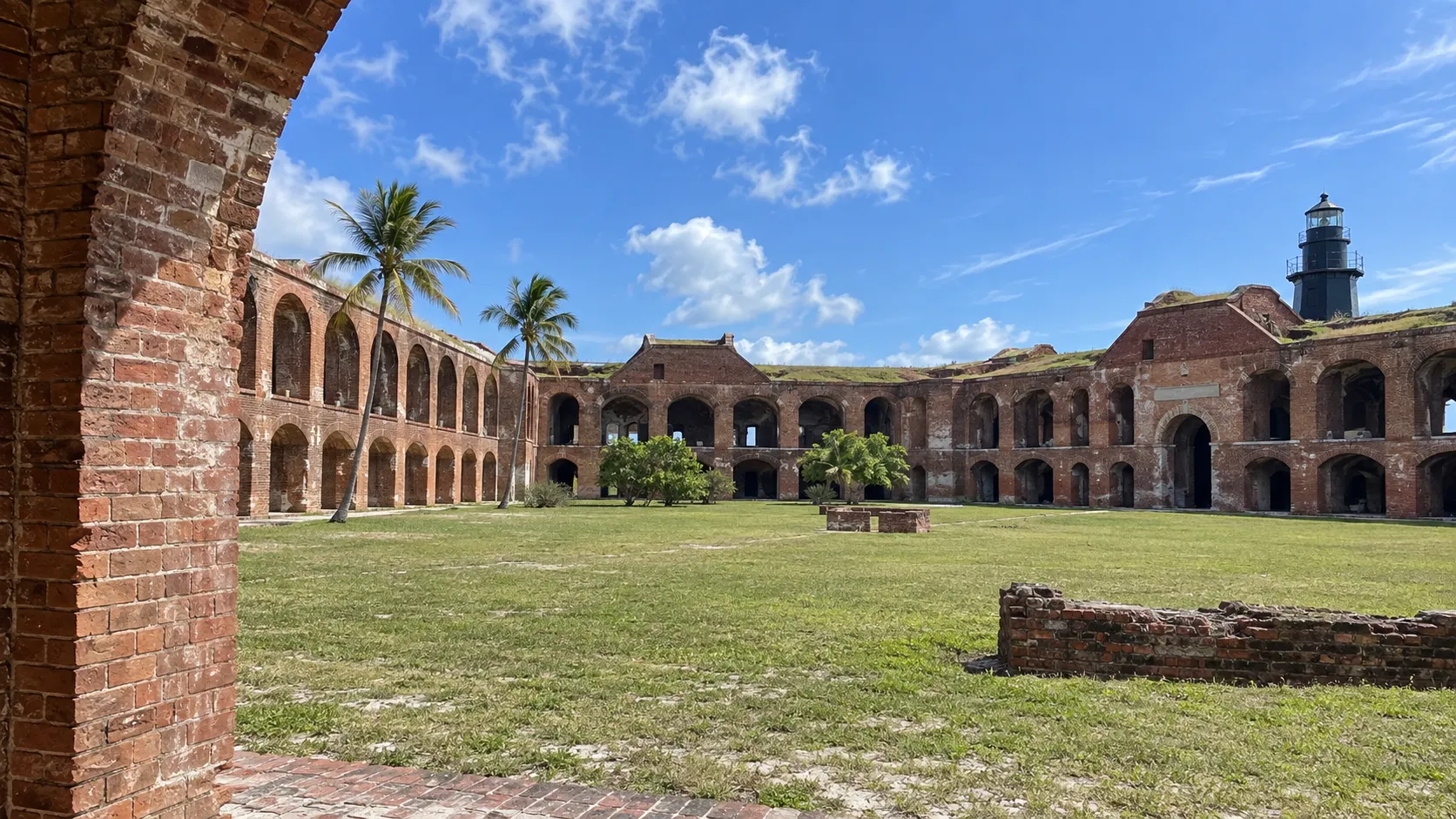
Change into dry or quick-drying clothing and explore the fort after the first swim, or reverse the order when morning water is rough. Keep an eye on time because the fort is much larger and more absorbing than it appears from the dock.
Second snorkel and departure
Return to the water only if conditions and energy still feel comfortable. Leave time to rinse or pack equipment, change, eat, gather every belonging, and board without becoming the person sprinting down the dock with one fin.
What to bring
- A well-fitting mask and snorkel if you prefer familiar equipment
- Fins allowed by your transportation provider
- A bright rash guard or long-sleeve sun shirt
- Secure hat, sunglasses, and broad-spectrum sunscreen
- Refillable water bottle plus any water not provided
- Lunch or snacks not included with transportation
- Prescription medication and personal motion-sickness supplies
- Dry bag or waterproof phone case with a secure tether
- Towel and a light dry layer for the return ride
- Any required diver-down flag for plans outside the designated zone
Apply sunscreen before the water and use clothing as the main sun barrier when practical. Products marketed as “reef safe” do not give anyone permission to touch coral or leave plastic behind.
There are no restaurants, shops, fuel stations, or equipment stores on the islands. The NPS pre-visit checklist stresses limited services, self-sufficiency, and packing out all garbage.
Beginner snorkeling tips
Choose a mask that seals without painfully tightening the strap. Facial hair, hair under the skirt, or a folded silicone edge can cause leaks that no amount of strap tension fixes.
Float horizontally and kick slowly from the hips rather than bicycling with bent knees. That technique saves energy, reduces splashing, and keeps fins away from sand, seagrass, coral, and other snorkelers.
Never snorkel alone, even in a calm designated area. Agree on a simple buddy signal, look up regularly, and return before either person is cold, tired, anxious, or fighting current.
Weak swimmers should use an approved flotation aid that they already know how to handle, while recognizing that flotation is not supervision. If conditions feel wrong, enjoying Fort Jefferson and the beach is still a successful national park day.
Marine life and respectful viewing
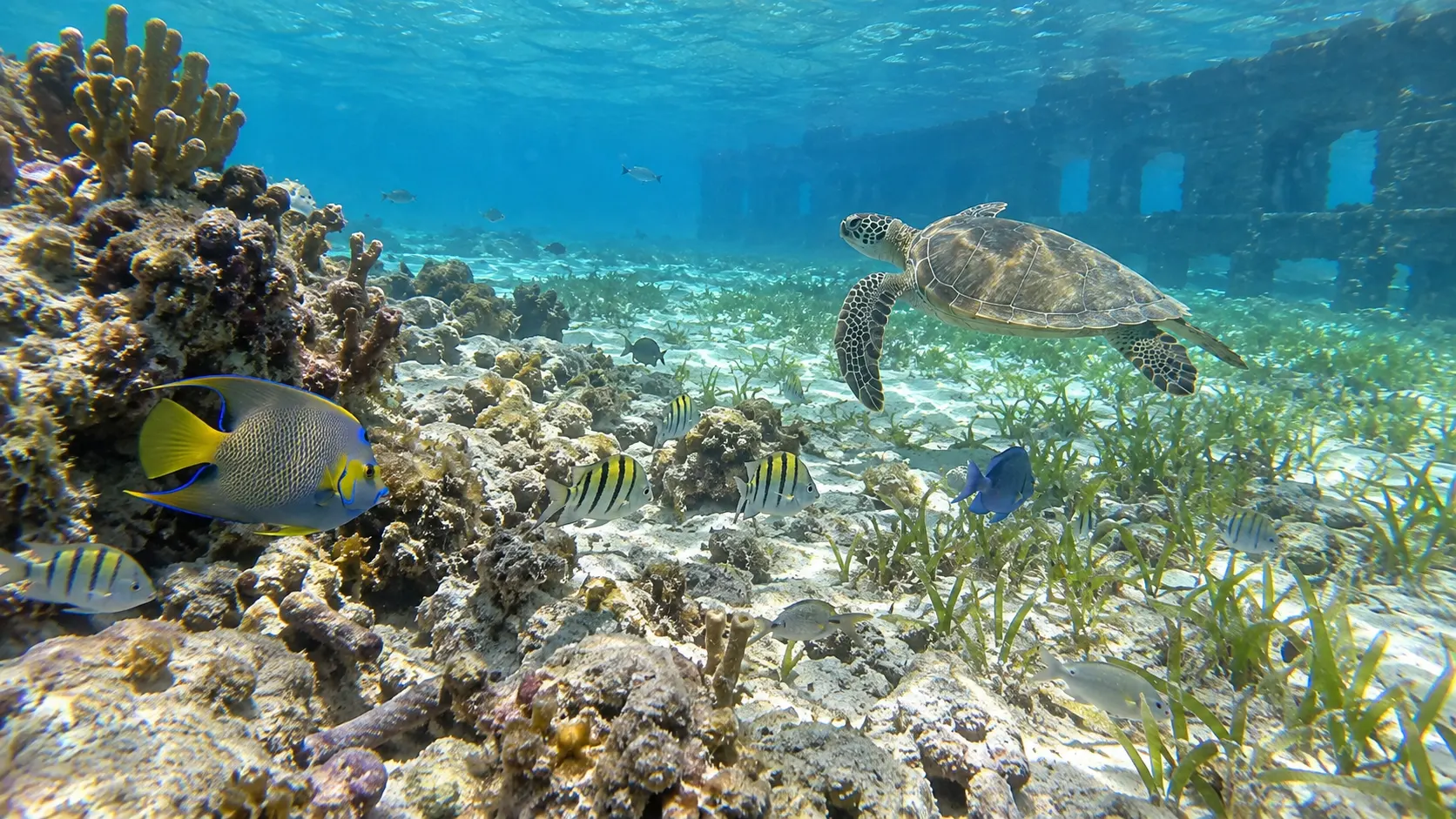
You may see reef fish, rays, nurse sharks, sea turtles, squid, barracuda, corals, and invertebrates, but species and visibility vary. Give every animal room to choose its direction and never surround, chase, feed, hold, or block it.
When is snorkeling best?
There is no month that guarantees flat seas and clear water. Calm wind can improve comfort and visibility, while recent weather, current, and suspended sand can make another otherwise sunny day less impressive.
Warmer months bring warmer water and can bring lighter winds, but Atlantic hurricane season runs from June 1 through November 30. Tropical weather can disrupt transportation and park access before or after a direct storm impact.
Winter and spring can provide beautiful days, though fronts and cooler water matter. Check the marine forecast, park alerts, and provider communication rather than choosing solely from a monthly average.
Current closures and remote-island realities
Bird-nesting areas, beaches, docks, moat-wall sections, campsites, or other zones can close temporarily for wildlife, storms, or restoration. The park’s current conditions page is the final pre-departure check.
Bush Key closures do not automatically close snorkeling at Garden Key, but barriers must be respected. Never cross a seasonal closure because the birds appear to be far away.
Cell service is unreliable, medical resources are distant, and evacuation takes time. Bring essential medication on your person and be honest about swimming, heat, and mobility limits.
Can you snorkel from Key West on a cruise day?
Usually, a Dry Tortugas ferry day does not fit safely within a normal cruise call because its fixed schedule can conflict with all-aboard time. A seaplane may have shorter options, but delays and cancellation policies still require a substantial buffer.
Never book based only on advertised flight or boat duration. Compare check-in, transfers, boarding, island time, return, and your ship’s deadline using the Key West cruise port planning details.
Common mistakes
- Assuming a sunny forecast means calm water
- Spending so long in the fort that snorkeling becomes rushed
- Entering with a leaking mask that was never tested
- Swimming inside the moat or from a closed shoreline
- Touching submerged ruins for balance
- Forgetting water, medication, or motion-sickness planning
- Going outside the marked zone without a dive flag
- Ignoring the return boarding time
Dry Tortugas snorkeling FAQs
Do you need snorkeling experience?
No, but you should be comfortable in open water and practice with the equipment near shore. Conditions decide whether a beginner should snorkel on a particular day.
Is snorkeling gear provided?
Some commercial transportation options provide or lend basic gear, but inclusions and sizes can change. Confirm directly and bring a familiar mask if fit is important.
Can children snorkel?
Capable children can snorkel under close adult supervision when conditions are suitable and gear fits correctly. An adult should remain within immediate reach rather than supervising from the sand.
Are there showers?
Do not expect a normal beach facility with freshwater showers. Plan for a basic change, protect limited freshwater resources, and confirm the current amenities with the park or transportation provider.
What if the water is too rough?
Skip the snorkel and enjoy Fort Jefferson, birdlife from open areas, and the extraordinary setting. Florida has other shore days, and this Florida beach guide offers alternatives without pretending every coast has the same conditions.
Ferry versus seaplane: the usable island hours
Operator schedules: Yankee Freedom day passengers check in at 7 am at Key West’s ferry terminal, board at 7:30, and depart at 8. Its published sample reaches Garden Key around 10:15 am and leaves at 3 pm, with Key West return around 5:15; weather can stretch the roughly 2.25-hour crossing each way.
That gives roughly 4.5 to 4.75 hours ashore for the fort, lunch, and snorkeling, with breakfast snack, box lunch, park entrance, and snorkel equipment included. I would choose one relaxed snorkel session and a fort visit, keeping the crew’s boarding deadline as the day’s fixed appointment.
Key West Seaplane Adventures flies from Key West International Airport in about 40 minutes each way. Its half-day format is approximately four hours total with 2.5 hours on the island, while the full-day format is about eight hours with 6.5 hours ashore; check in at least 30 minutes before the confirmed flight.
The seaplane supplies snorkel equipment, a cooler, and water or soft drinks, but full-day passengers bring their own picnic lunch. Half-day travelers should eat beforehand and bring snacks, then prioritize snorkeling or a fuller fort visit instead of trying to fit the ferry’s longer island program into 2.5 hours.
Final thoughts
Dry Tortugas snorkeling is memorable because the water, fort, history, and journey belong together. Start in the designated area, follow the day’s signs, keep wildlife wild, and choose comfort over proving how far you can swim.
The reward is not a guaranteed turtle or flawless underwater photograph. It is the chance to float beside one of America’s most unusual historic landscapes and leave every coral, artifact, and creature exactly where it belongs.