18 Best Cruise Ports for Every Kind of Port Day
The best cruise ports are the ones that turn limited hours ashore into a day you could not have anywhere else. A gorgeous destination can still be a frustrating port call when the ship tenders, the main sight is two hours away, or five large ships arrive together.
What makes a cruise port genuinely good?
This shortlist matches ports to travel styles and names the catch with each one. Use it to choose an itinerary, then verify the exact berth, arrival time, and all-aboard deadline for your sailing.
Scenery matters, but port-day mechanics matter just as much. I look for a memorable reason to go, a realistic route from ship to experience, and at least one satisfying backup when weather or crowds change the plan.
A strong cruise port usually offers several of these advantages:
- A walkable center or dependable public transportation
- Attractions that fit comfortably within the call
- A distinctive landscape, culture, food, or history
- Options for different mobility levels and budgets
- A worthwhile day that does not require a costly excursion
- A practical alternative when the signature activity sells out
Always begin with the ship’s current itinerary and the port authority’s live information. The same city name may mean a central dock, distant industrial berth, or tender landing, and that detail can rewrite the entire day.
Our East Coast port guide is the best place to find terminal and destination-specific logistics after you choose a route. For a much larger geographic directory, browse the world’s major cruise ports.
The route lengths below are my planning allowances for sightseeing, not guaranteed tour or transfer times. Add your berth transfer, admission queues, and a generous return buffer before the ship’s all-aboard time, and check opening hours for your actual day.
Best cruise ports for an easy independent day
1. Bergen, Norway
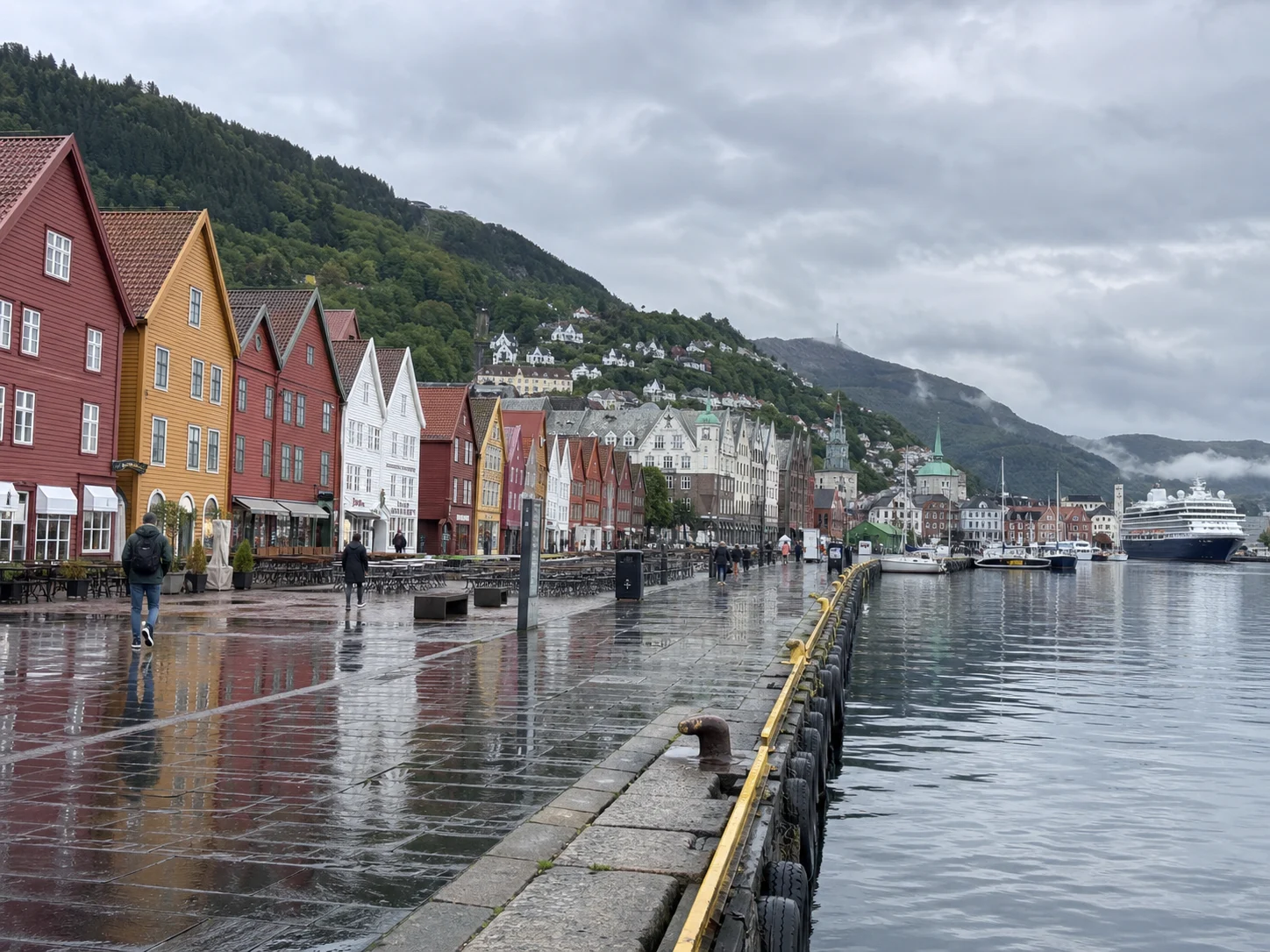
Give Bergen three to four hours: reach the harbor from your assigned berth, wander Bryggen, then cross to the Fish Market for lunch. Look behind the famous wooden facades, where narrow passages make the old trading quarter feel much more interesting than a quick waterfront photo.
If skies are clear and the line fits your return plan, add Fløibanen; otherwise linger around the harbor. For a short or wet call, keep Bryggen and the indoor Mathallen market and drop the uphill detour.
Bergen combines a compact waterfront, colorful Bryggen buildings, markets, museums, and quick access to elevated views. Many itineraries place cruisers close enough to build a satisfying day without a bus tour.
The catch is rain and berth variation. Bring a waterproof layer, confirm the walking route from your terminal, and keep one indoor museum in reserve.
Choose Bergen for: Walkability, history, seafood, and a first taste of Norway.
2. Valletta, Malta
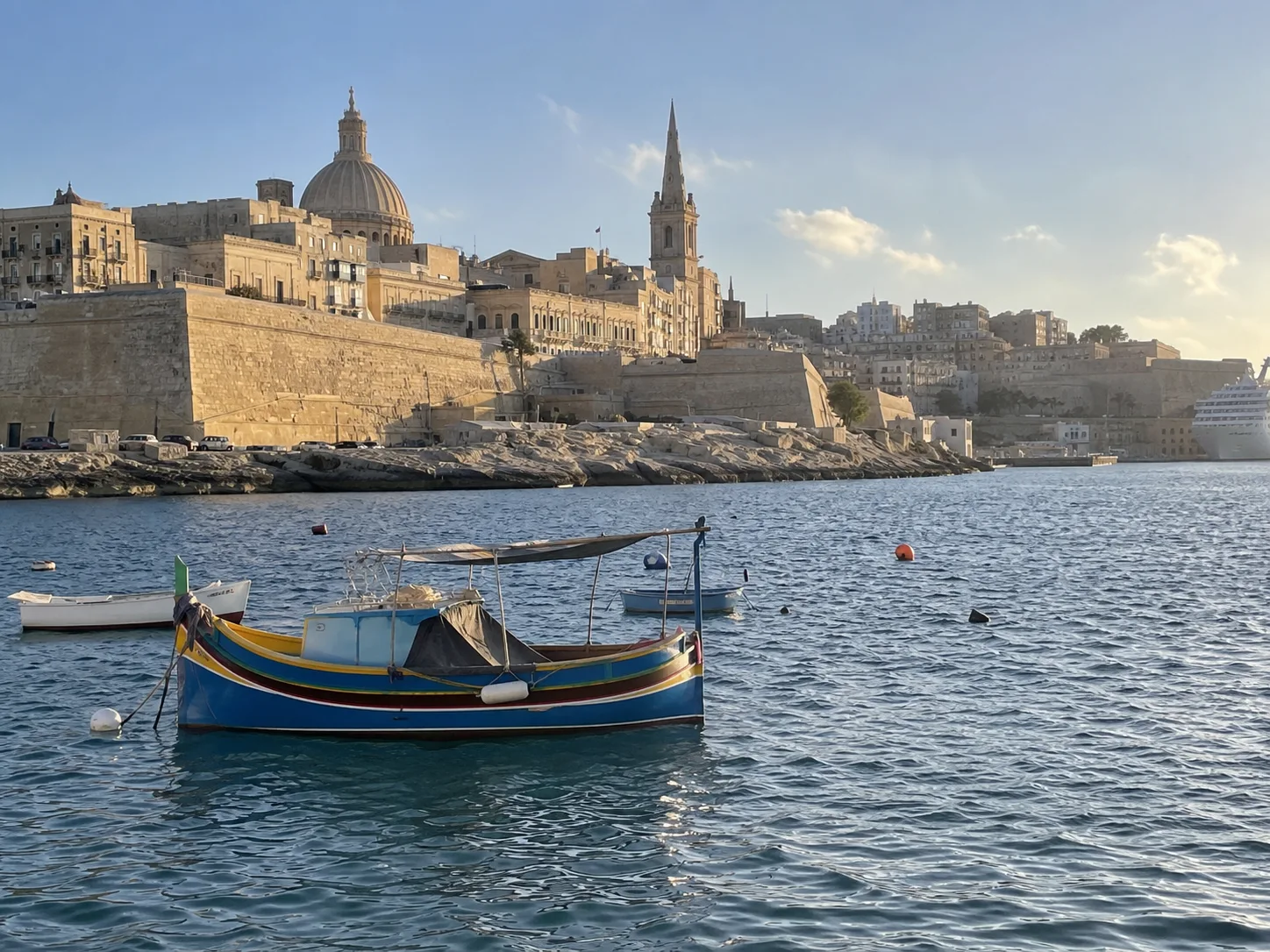
From the waterfront, I’d use the Barrakka Lift if operating, then spend three hours linking Upper Barrakka Gardens, St. John’s Co-Cathedral, and Republic Street. The gardens sit above the harbor defenses, so that first view helps you understand why Valletta occupies such a commanding position.
The cruise line’s Valletta overview is useful for connecting the waterfront and historic center. On a short call, keep the gardens and a café; in rain, prioritize a confirmed cathedral entry and allow extra time for slippery paving.
Sailing into Valletta reveals honey-colored fortifications and one of the Mediterranean’s most dramatic harbor approaches. Inside the city, churches, balconies, museums, cafés, and harbor views sit within a relatively compact area.
Steep streets, steps, heat, and polished stone make the short distances more demanding than they appear. Choose supportive shoes and map elevators or gentler routes before leaving the ship.
Choose Valletta for: Architecture, harbor scenery, and a rich day with little driving.
3. Copenhagen, Denmark
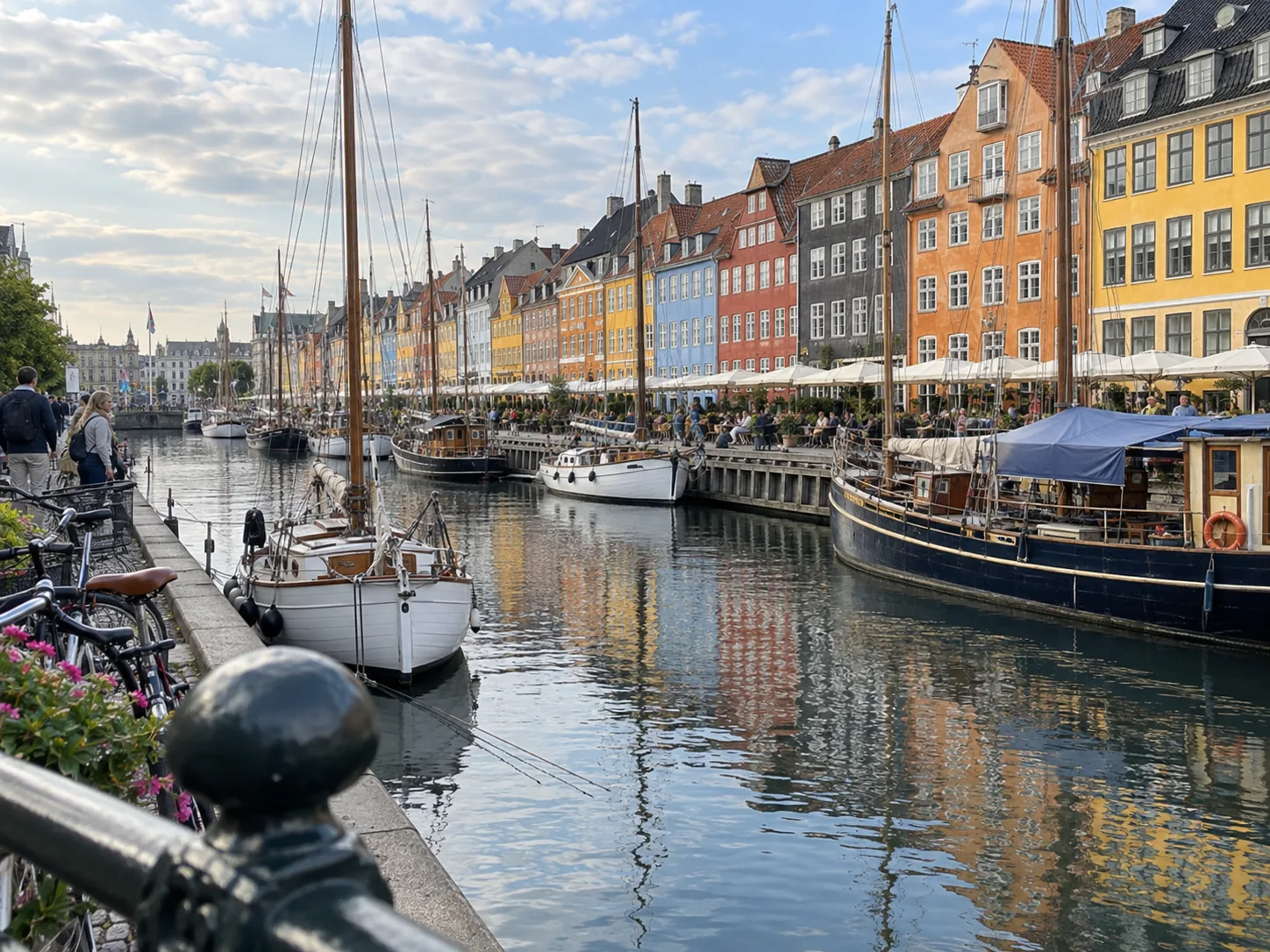
Transfer to Kongens Nytorv, walk through Nyhavn, then continue to Amalienborg’s palace square, allowing three to four hours with lunch. The colorful canal houses make a lovely opening scene, but the palace square gives the walk a second purpose beyond photographs.
Check the official cruise-terminal transport guide first, because Oceankaj requires a different start from a central berth. For rain or a short call, shorten this to Kongens Nytorv, Nyhavn, and a covered café stop, without adding a second neighborhood.
Copenhagen offers canals, palaces, design, food halls, and welcoming public spaces. Central attractions connect well by walking and transit once you reach them.
The berth is the crucial detail because cruise facilities are spread across different locations. Confirm the terminal and first transport step before deciding how much the day can hold.
Choose Copenhagen for: Urban exploring, food, design, and a pre- or post-cruise stay.
Best cruise ports for history and architecture
4. Dubrovnik, Croatia
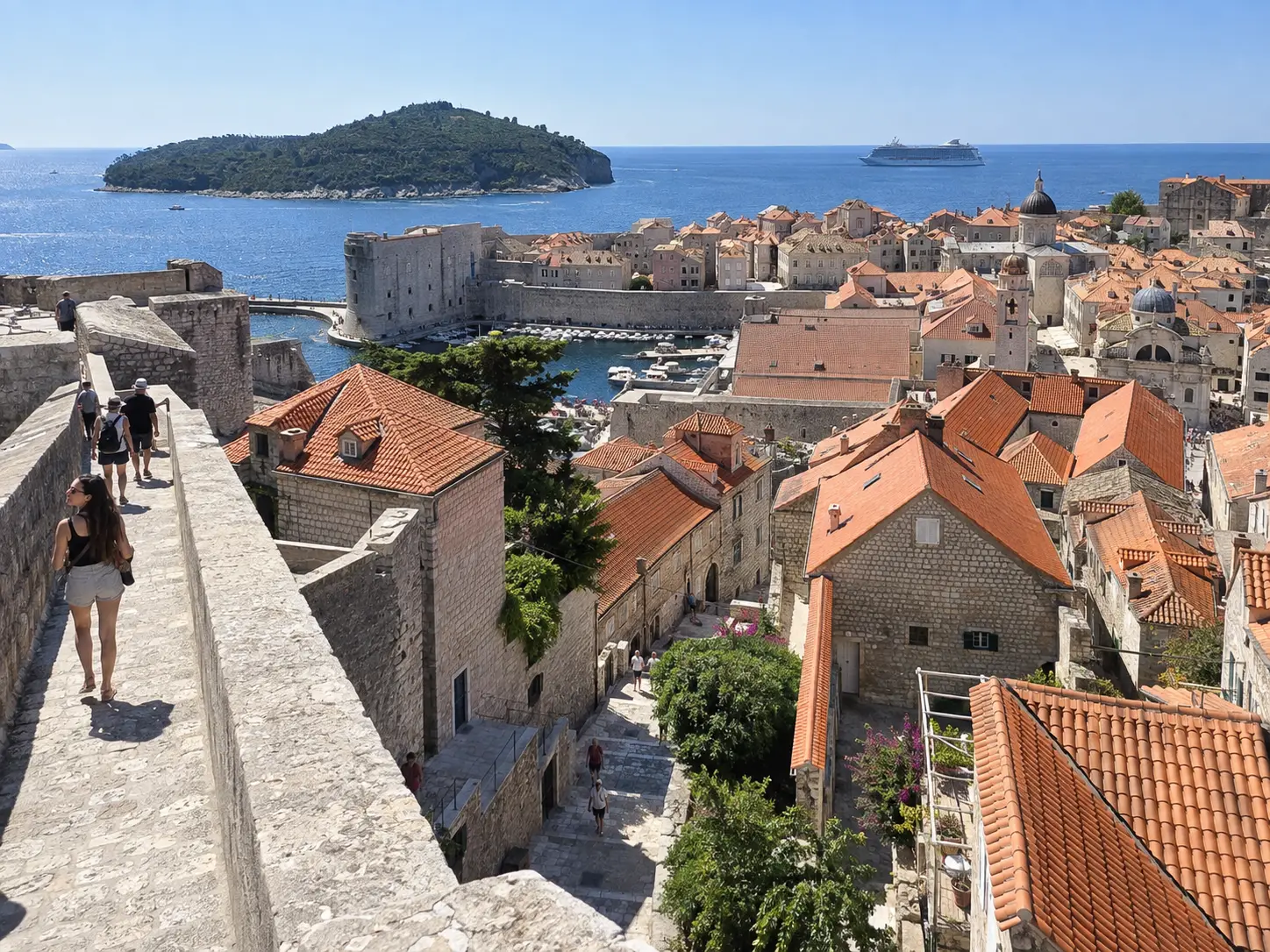
After the transfer from Gruž or your tender landing, I’d allow three hours for Pile Gate, Stradun, and the Rector’s Palace museum. The palace courtyard and old civic rooms add context to streets that can otherwise feel like one continuous photo stop.
Add the city walls only with enough time, suitable weather, and comfortable legs. For a wet or abbreviated visit, keep the palace and a short Stradun walk, then head back before transfer queues build.
Dubrovnik’s stone walls, lanes, sea views, and historic buildings create an extraordinary first port day. The Old City can support a focused visit without sending you deep into the countryside.
It is also vulnerable to crowding, heat, and a mismatch between port schedule and city capacity. The Dubrovnik Port Authority arrival schedule helps you anticipate busy dates, although ship and berth information can still change.
Go early when possible, choose one paid interior or wall walk, and allow time for the trip back to the ship. Some vessels use Gruž while others may tender, so never copy transport advice from a different sailing.
Choose Dubrovnik for: Fortifications, maritime history, and cinematic old-city views.
5. Naples, Italy
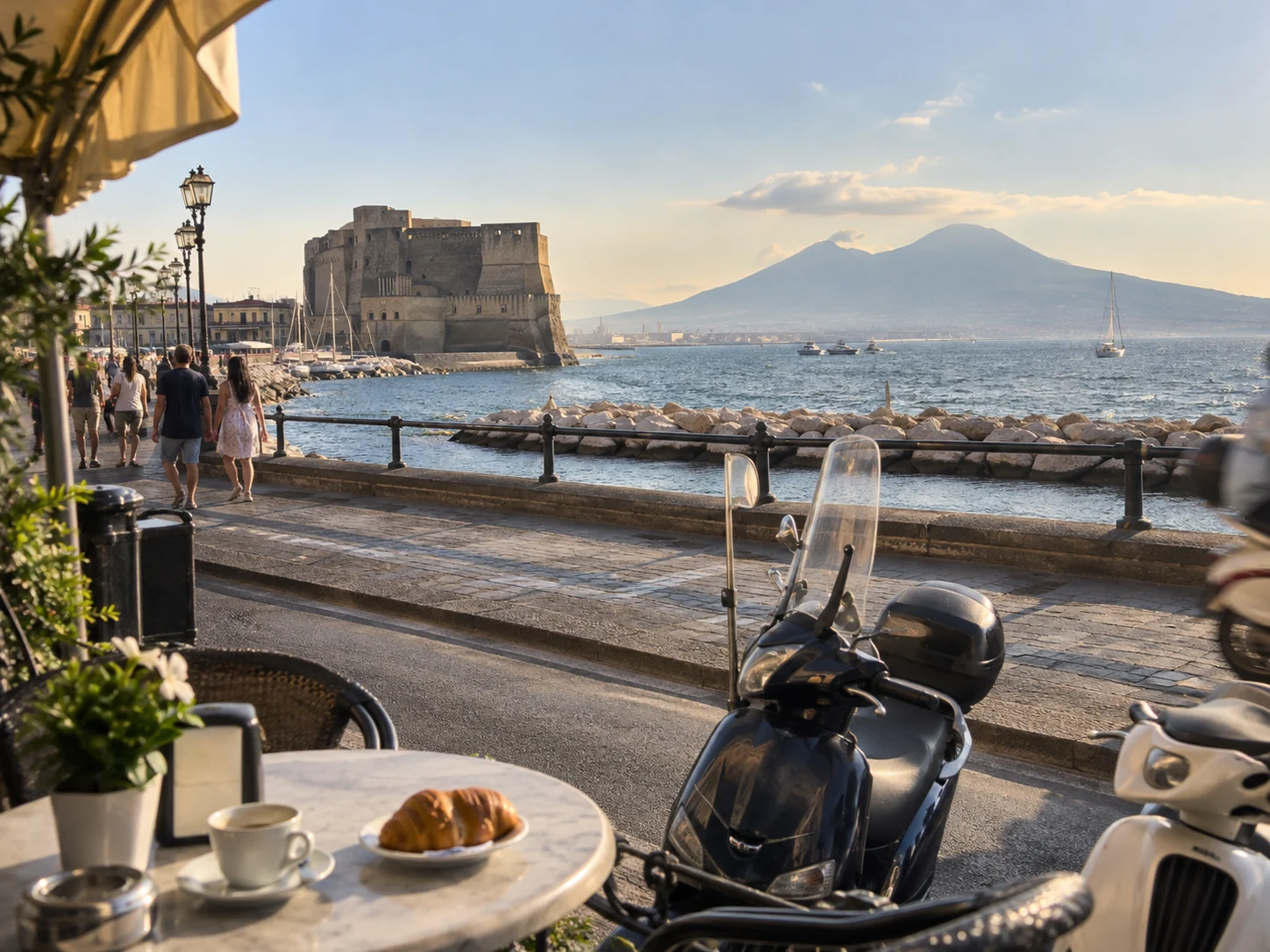
For an easy city day, I’d walk from the cruise waterfront toward Piazza del Plebiscito, Galleria Umberto I, and Via Toledo, allowing three to four hours including pizza. The glass-roofed Galleria, opposite Teatro San Carlo, is a useful architectural pause between the big square and busy shopping street.
Confirm the pedestrian exit from your actual berth before setting off. If rain arrives or the call shrinks, keep the covered Galleria and lunch near the waterfront, rather than beginning a Pompeii transfer you cannot comfortably finish.
Naples gives cruisers an embarrassment of choices: street food and churches in the city, Pompeii, Herculaneum, islands, and the Amalfi Coast. The best day is the one that chooses one lane instead of attempting all of them.
Traffic, train crowding, ferry schedules, and attraction tickets introduce risk as distance grows. A Naples food-and-history day can be more satisfying than spending most of the call in transit for one famous photograph.
Choose Naples for: Archaeology, intense city energy, pizza, and repeat visits with different themes.
6. Istanbul, Türkiye
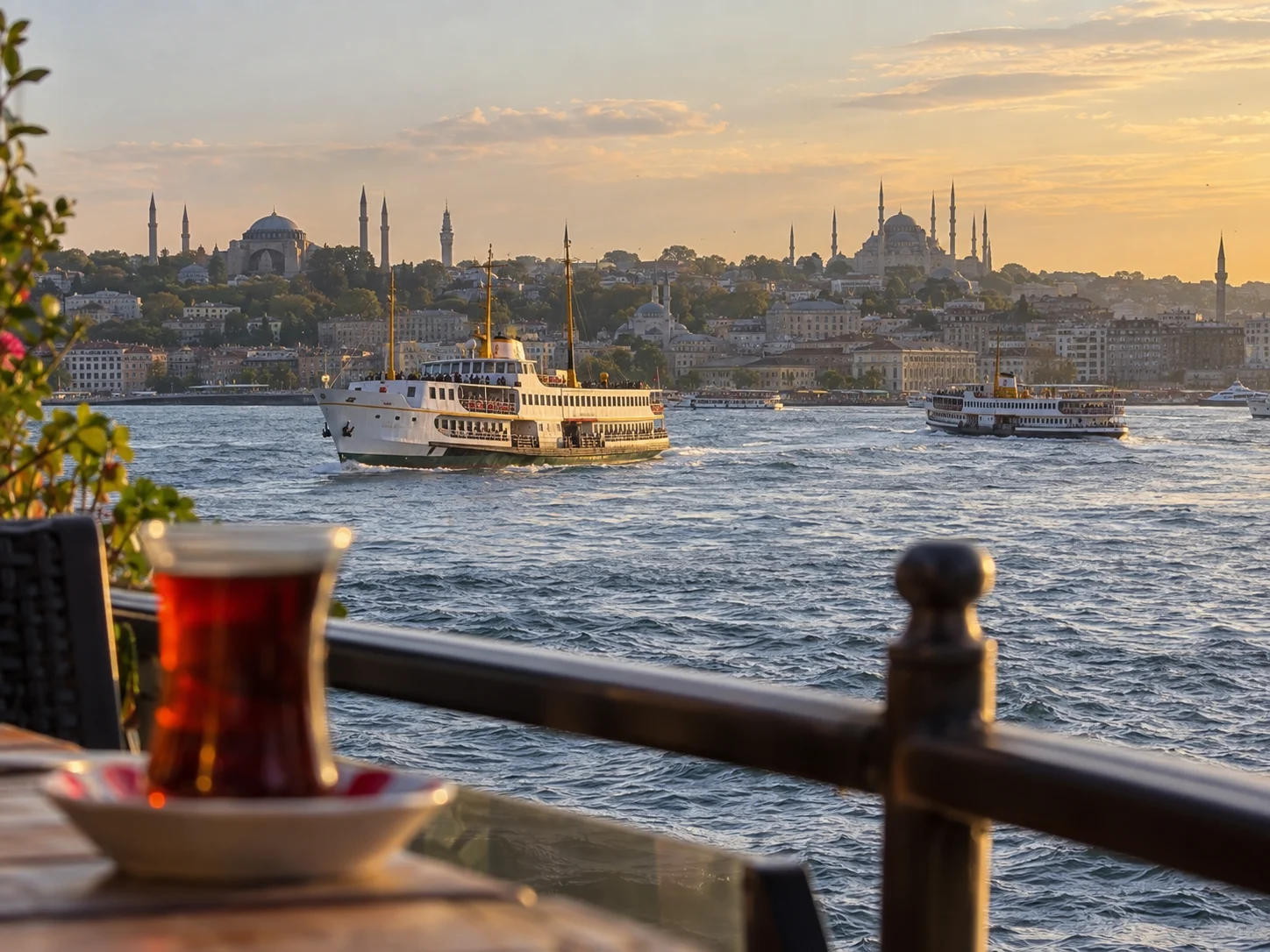
Make a compact three-hour Galataport day from Tophane Fountain to Istanbul Modern, followed by a Karaköy food stop. The ornate fountain dates to 1732, giving you a little Ottoman history beside the contemporary waterfront.
Start by checking your berth’s exit and museum admission availability. This is also my rainy-day alternative to a longer Sultanahmet outing; on a very short call, keep the fountain, waterfront, and coffee, with no cross-city commitment.
Istanbul brings monumental mosques, palaces, markets, ferries, and layers of history into one port call. Few cities deliver such a strong sense of arrival while still supporting a self-guided day.
Distances, lines, dress requirements, prayer times, and heavy traffic require focus. Select two neighboring priorities and build a generous return margin rather than zigzagging between continents for novelty.
Choose Istanbul for: Landmark architecture, markets, food, and a destination that deserves an overnight call.
Best cruise ports for spectacular scenery
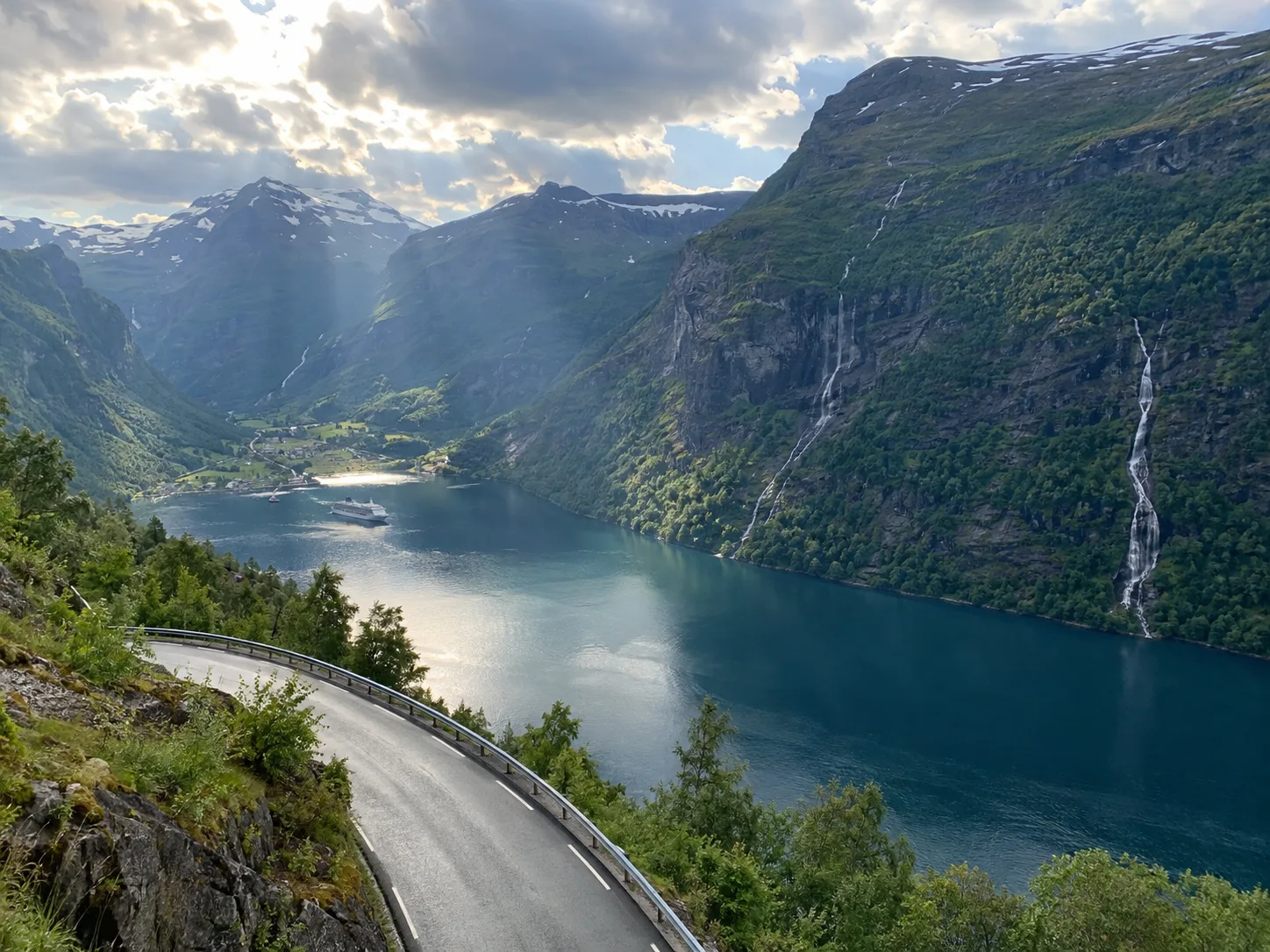
7. Geiranger, Norway
From the village dock or tender landing, I’d allow two to three hours for the waterfront, the Waterfall Walk, and Norwegian Fjord Centre. Its 327 steps and close views of Storfossen make this a real climb, even though the start is right in the village.
Wear grippy shoes and turn around before the steps become uncomfortable. For heavy rain or limited mobility, arrange transport to the Fjord Centre; for a short tender call, stay on the waterfront and enjoy the fjord from below.
The voyage into Geiranger is as important as the time ashore, with steep mountains, waterfalls, and narrow water framing the ship. Viewpoints and fjord excursions can deepen the day, but even a quiet walk keeps the landscape front and center.
Tendering, weather, seasonal road conditions, and excursion availability can limit plans. Wake early for sail-in and avoid booking a fragile independent route with no backup transportation.
Choose Geiranger for: Fjord scenery and a port where the arrival itself is an event.
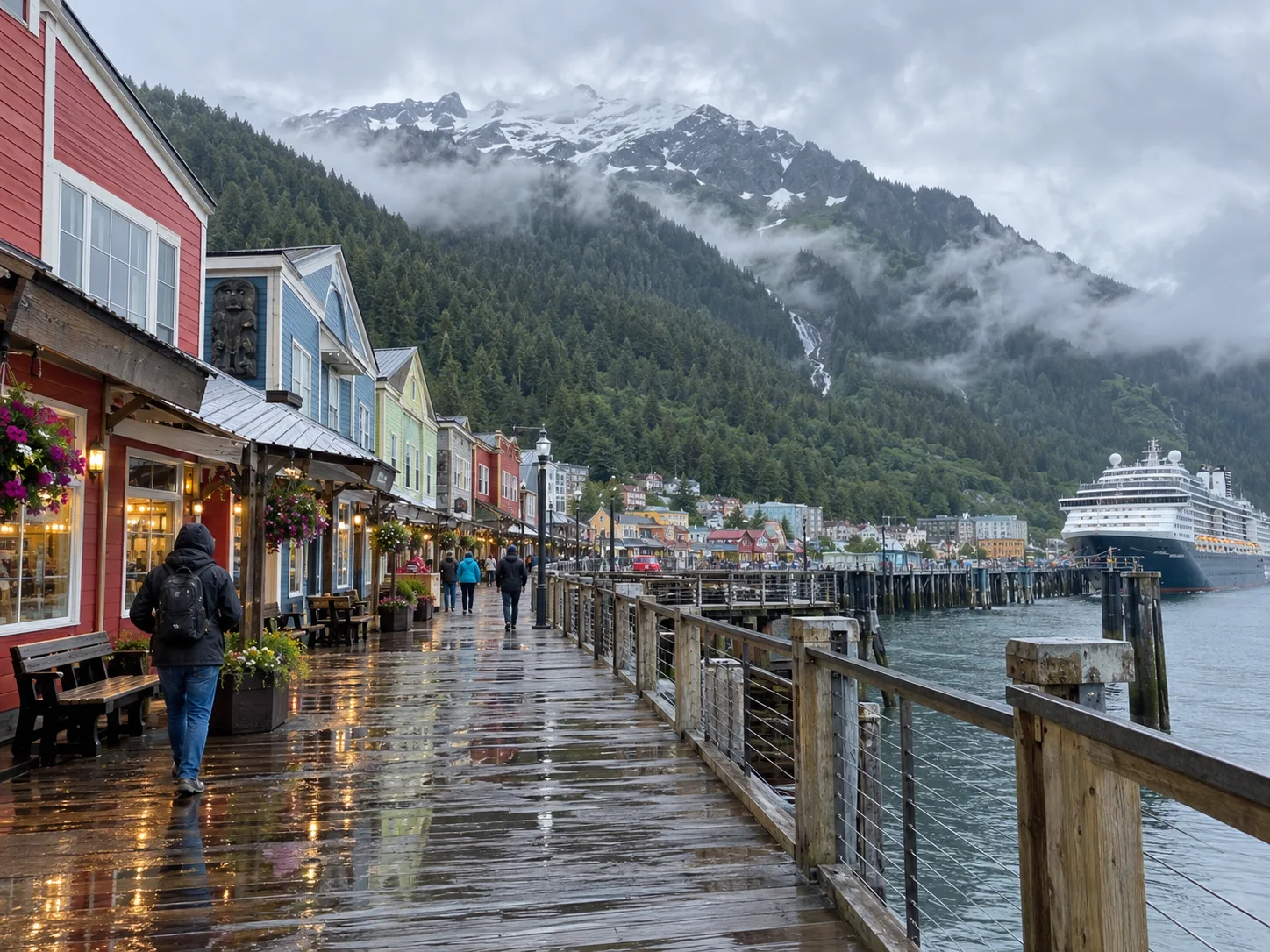
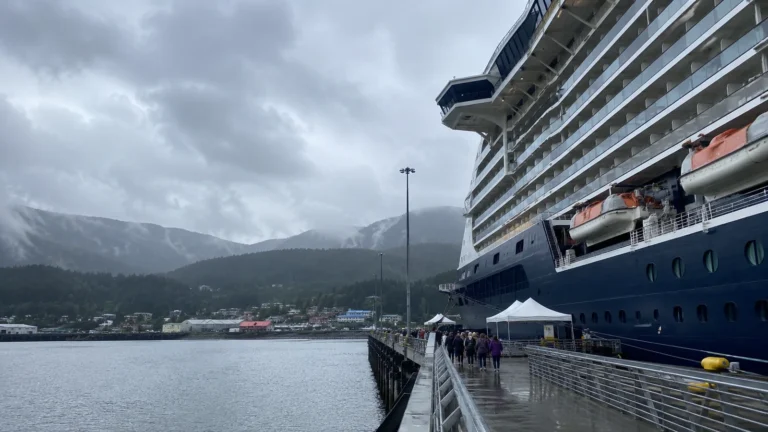
8. Juneau, Alaska
Choose a three-hour town route after any berth shuttle: the Alaska State Museum, South Franklin Street, and a waterfront walk. The museum gives Alaska’s art and history enough space to be more than background scenery between outdoor excursions.
A distant berth changes how much walking time you actually have, so confirm the shuttle’s return stop before exploring. If weather cancels your scenic excursion, the museum is a useful replacement; on a shortened call, keep that single anchor and skip extended shopping.
Juneau pairs mountain and channel views with whale-watching, glacier experiences, hiking, museums, and Alaska history. It works for active travelers and for someone who prefers a gentler town day.
Weather affects flightseeing, boats, trails, and visibility, while multiple berths change walking distance. Book only one weather-sensitive centerpiece and keep a downtown alternative ready.
Choose Juneau for: Wildlife, glaciers, accessible adventure, and broad excursion choice.
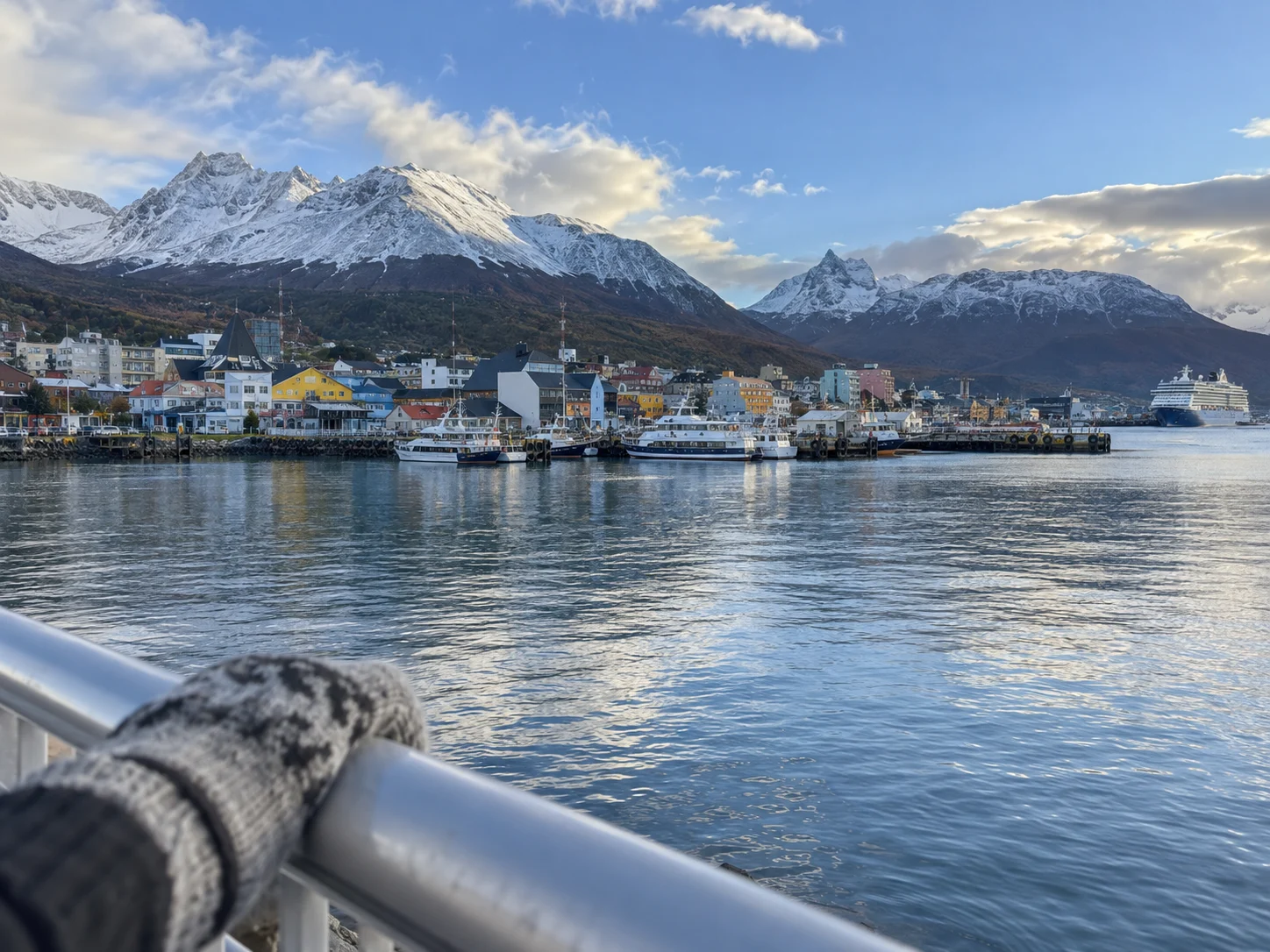
9. Ushuaia, Argentina
Spend three to four hours walking from the pier along Maipú to the Museum of the End of the World, then on to the Maritime Museum in the former prison. The old cell blocks now hold several museums, an unexpectedly atmospheric way to understand the city’s maritime and prison history.
Check opening hours against your arrival before walking to the farther museum. In rain, go directly to the former prison by taxi; on a short call, choose the waterfront and one museum instead of adding a Beagle Channel boat departure.
Ushuaia’s mountains, channel, forests, and expedition atmosphere make it feel like the edge of a continent. The compact center offers museums and food, while national-park and Beagle Channel outings expand the landscape.
Wind and fast-changing weather are part of the destination. Excursions that combine several transportation modes need extra schedule protection, particularly on a standard port call rather than an embarkation stay.
Choose Ushuaia for: Southern scenery, maritime history, and expedition energy.
Best cruise ports for beaches and water
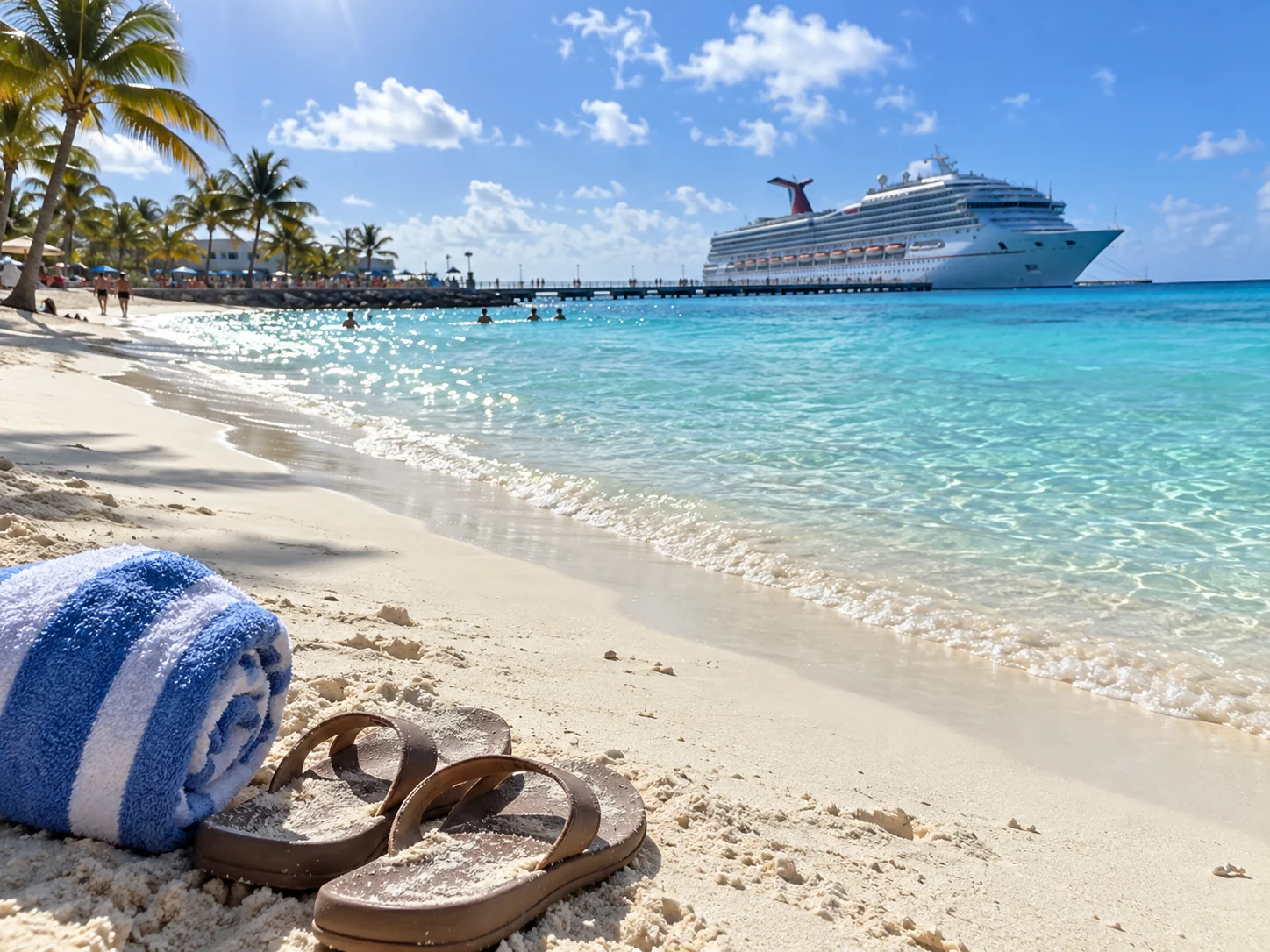
10. Grand Turk, Turks and Caicos
Pair the cruise-center beach with a prearranged taxi visit to Cockburn Town and the Turks and Caicos National Museum, giving the outing about four hours plus your return margin. The town’s museum and historic waterfront give this beach stop a little island history, including the Molasses Reef shipwreck story.
Agree on the return pickup before leaving the cruise center and check museum opening that day. For a short call, stay at the nearby beach; if swimming weather fails, use the museum as the main stop and return early.
Grand Turk offers a simple beach day close to the cruise facilities, plus snorkeling and island tours for travelers who want more. That ease makes it especially appealing on an itinerary with several complicated ports.
Beach conditions, sea life, chairs, and crowd levels vary with weather and ship calls. Do not leave valuables unattended or assume water is safe merely because it looks calm.
Our Grand Turk port guide helps separate the immediate cruise-center options from plans that require transportation.
Choose Grand Turk for: Low-effort beach time and a relaxed warm-weather day.
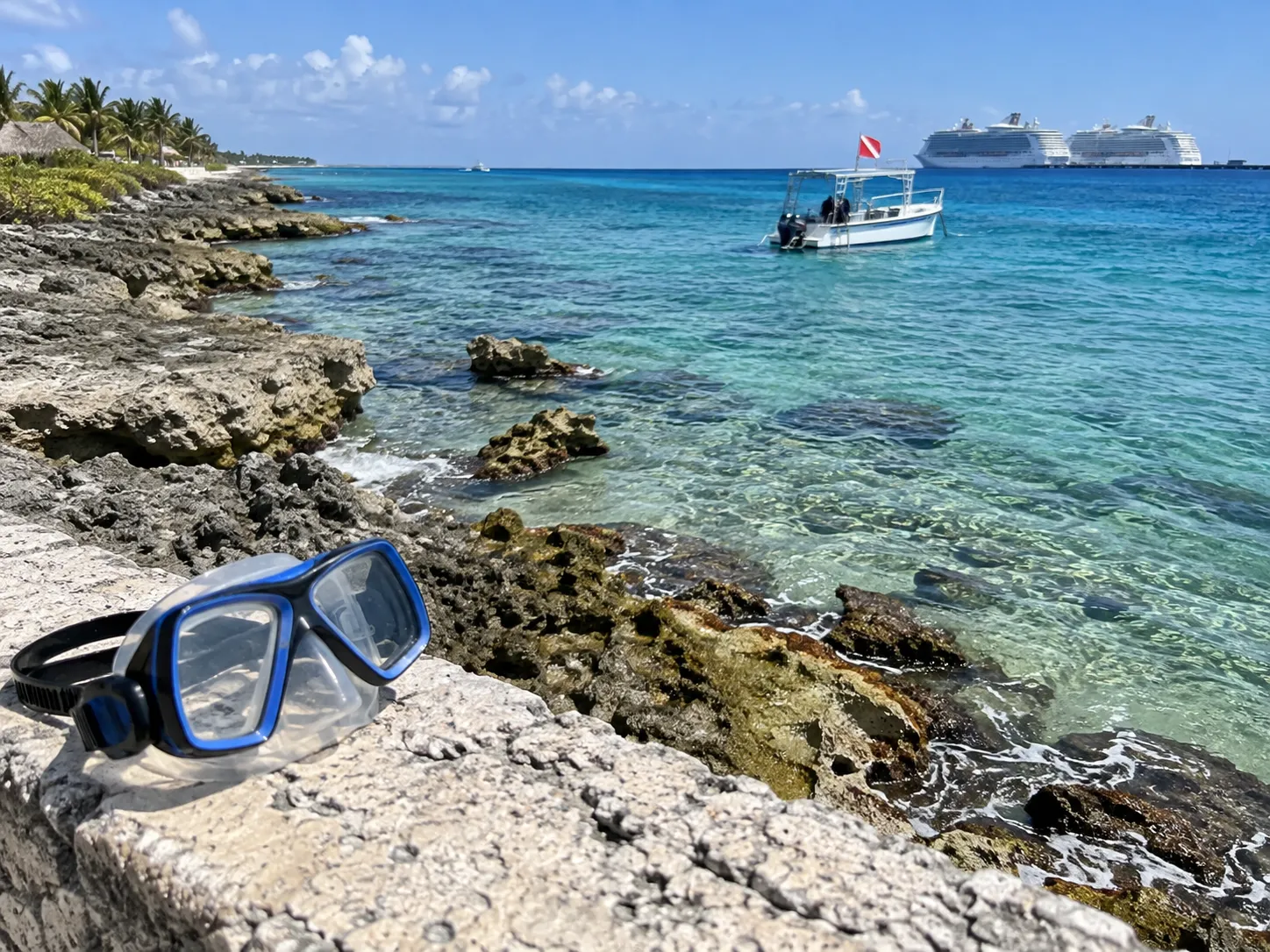
11. Cozumel, Mexico
For a nondiving day, I’d give San Miguel three hours: Benito Juárez Park, the malecón waterfront, and the Cozumel Museum. Its eleven exhibition rooms connect the island’s natural setting with its history, making it a useful break from souvenir shopping.
Punta Langosta is the town-side arrival, while southern piers generally mean a taxi into town, so confirm your dock first. Rain suits the museum; a short call suits the plaza and waterfront, while a reef excursion deserves its own block of time rather than being squeezed into this walk.
Cozumel is a diving and snorkeling favorite with beach clubs, reefs, food, and a lively town. The island can suit both an organized water excursion and an easy day ashore.
Ships use different piers, and those locations are not interchangeable for walking plans. Confirm the terminal, choose operators carefully, and never touch or stand on coral.
Choose Cozumel for: Reef activities, repeatable port days, and options across many budgets.
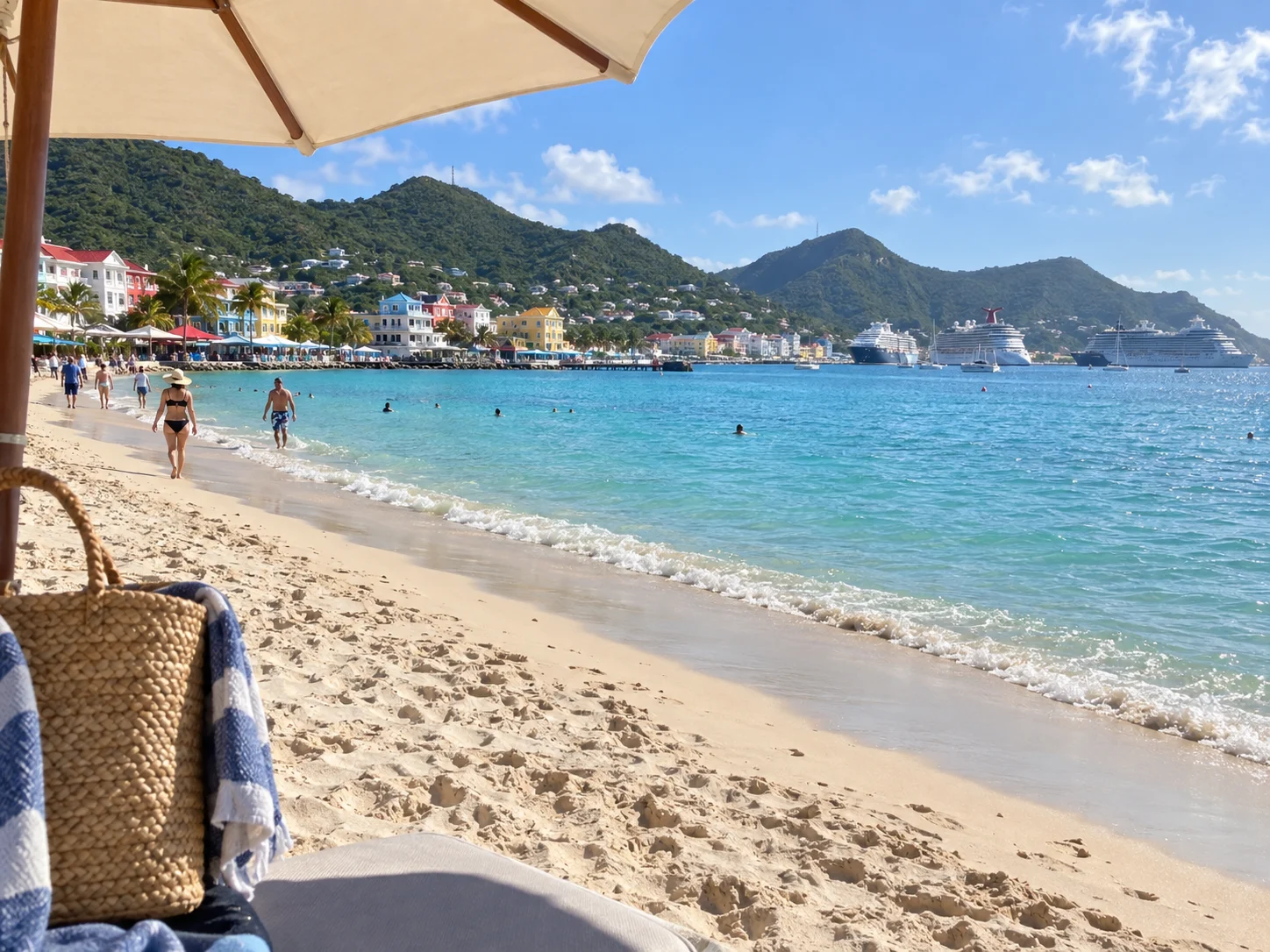
12. Philipsburg, Saint Maarten
From the cruise port, I’d take the available water taxi or land transfer into Philipsburg, then spend three hours on Great Bay’s boardwalk, the Courthouse on Front Street, and a beachside lunch. The courthouse dates to 1793, a small historic counterpoint to the beach bars and shops.
Check the last suitable return sailing if using the water taxi. A short call can stay entirely around Great Bay; during rain, browse Front Street and have a covered lunch, then use land transport if boat operations are affected.
Philipsburg places shopping, beach time, and restaurants within an approachable port day, while island tours reach French-side towns and additional beaches. It is flexible enough for groups that do not want the same activity.
Traffic can turn a distant beach into a stressful return, especially when several ships call. Agree on a turnaround time and keep the final part of the day near the ship.
Choose Philipsburg for: A mix of beach, town, shopping, and island scenery.
Best cruise ports for food and local flavor
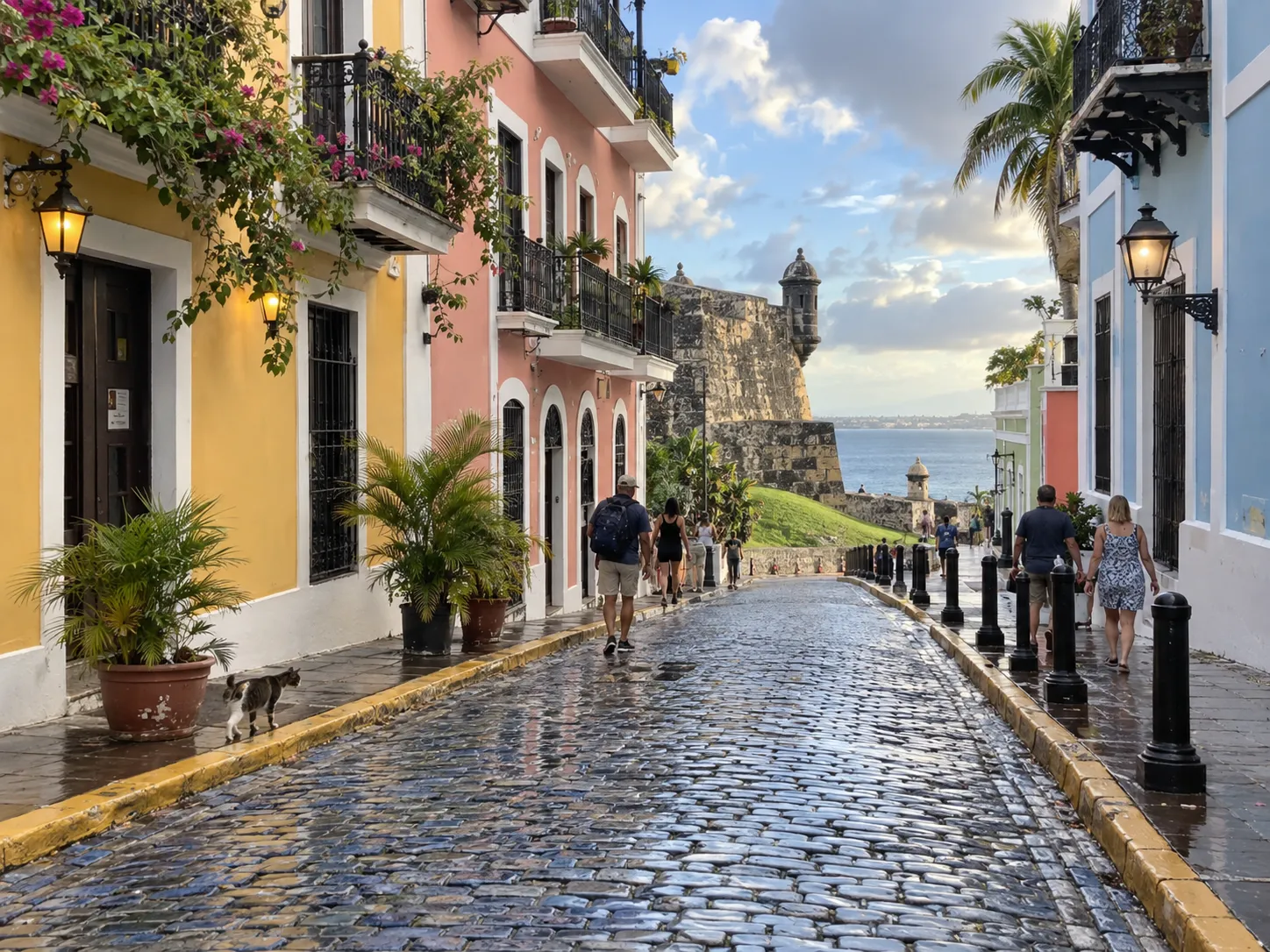
13. San Juan, Puerto Rico
From an Old San Juan pier, I’d allow three to four hours for Castillo San Cristóbal, Plaza Colón, and coffee along Calle Fortaleza; a Pan American Pier arrival needs a transfer first. The National Park Service explains the distinction beautifully: San Cristóbal defended the land approach, while El Morro guarded the sea.
Choose one fort rather than rushing through both. For a short call, keep Plaza Colón and nearby streets; in heavy rain or thunderstorms, skip exposed fortifications and settle into an indoor café before the return trip.
Old San Juan gives many cruisers colorful streets, forts, plazas, coffee, and Puerto Rican food close to the waterfront. It is one of the easiest Caribbean ports to enjoy without making the beach the whole point.
Heat, steep streets, rain, and pier assignment still matter. Start with the farthest fort or neighborhood priority, then wander back toward the ship.
Choose San Juan for: Food, fortifications, walkability, and a strong evening call.
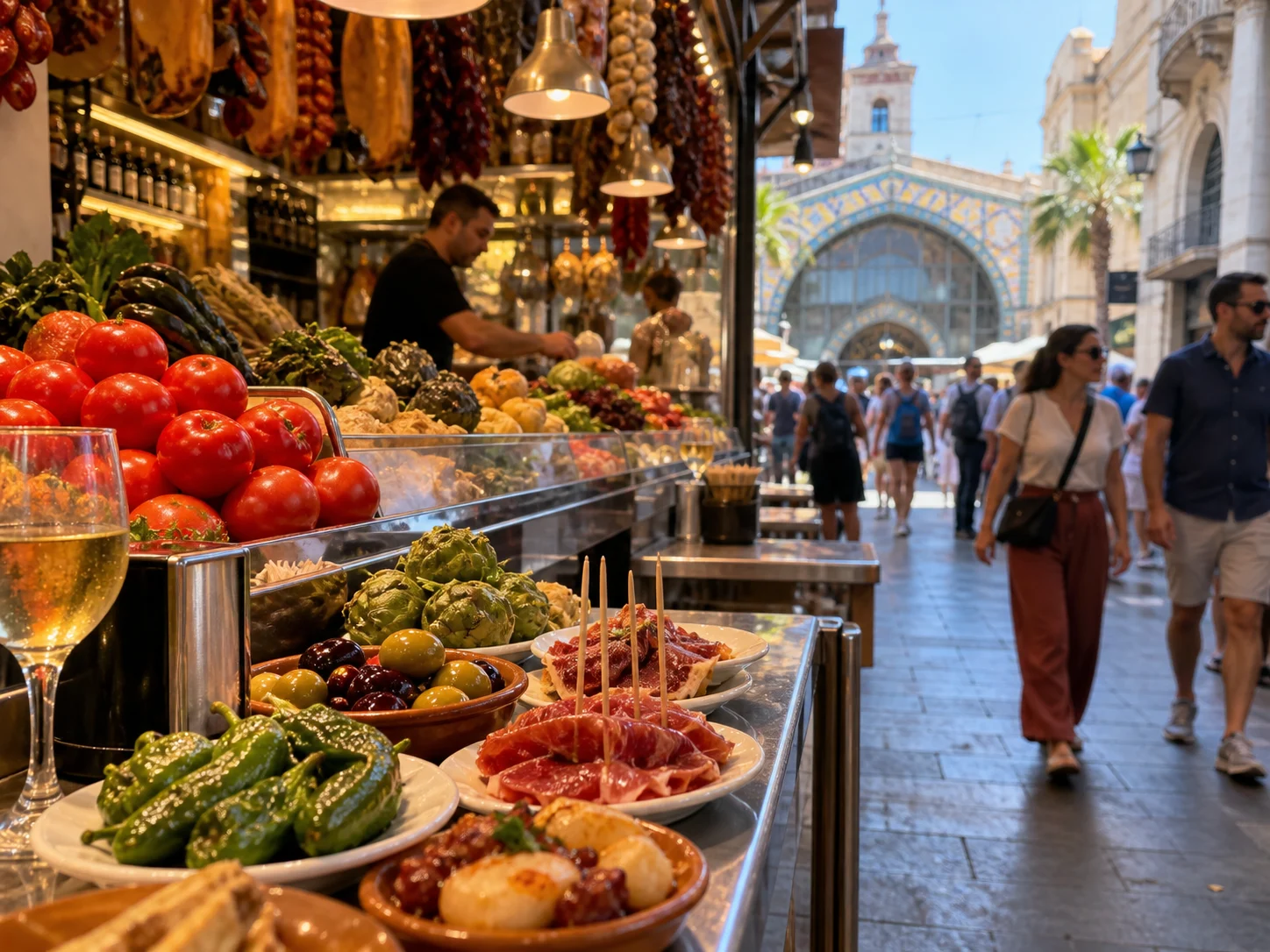
14. Barcelona, Spain
After your terminal transfer, I’d allow three hours for Barcelona Cathedral, the Gothic Quarter’s lanes, and Plaça Reial with a relaxed lunch. The shift from narrow medieval streets to the open, palm-lined square is part of the pleasure, so leave room to wander.
Confirm any cathedral entry slot and your terminal shuttle stop before committing to the walk. In rain, focus on a booked cathedral visit and covered lunch; with less time, choose the square and surrounding streets instead of adding a timed Sagrada Família journey.
Barcelona can be both a port of call and an excellent embarkation city, with architecture, markets, beaches, and museums. It rewards travelers who arrive early or stay afterward rather than compressing the city into six hours.
The Port of Barcelona operates multiple passenger terminals in different locations, so “we dock in Barcelona” is not a complete transport plan. Use the port’s official passenger information and terminal map, then confirm the assigned terminal with the cruise line.
Timed-entry attractions can sell out, and pickpocketing precautions belong in any crowded-city plan. One reserved landmark plus a walkable neighborhood and lunch is a far better day than racing between every Gaudí building.
Choose Barcelona for: Food, architecture, embarkation convenience, and a longer city stay.
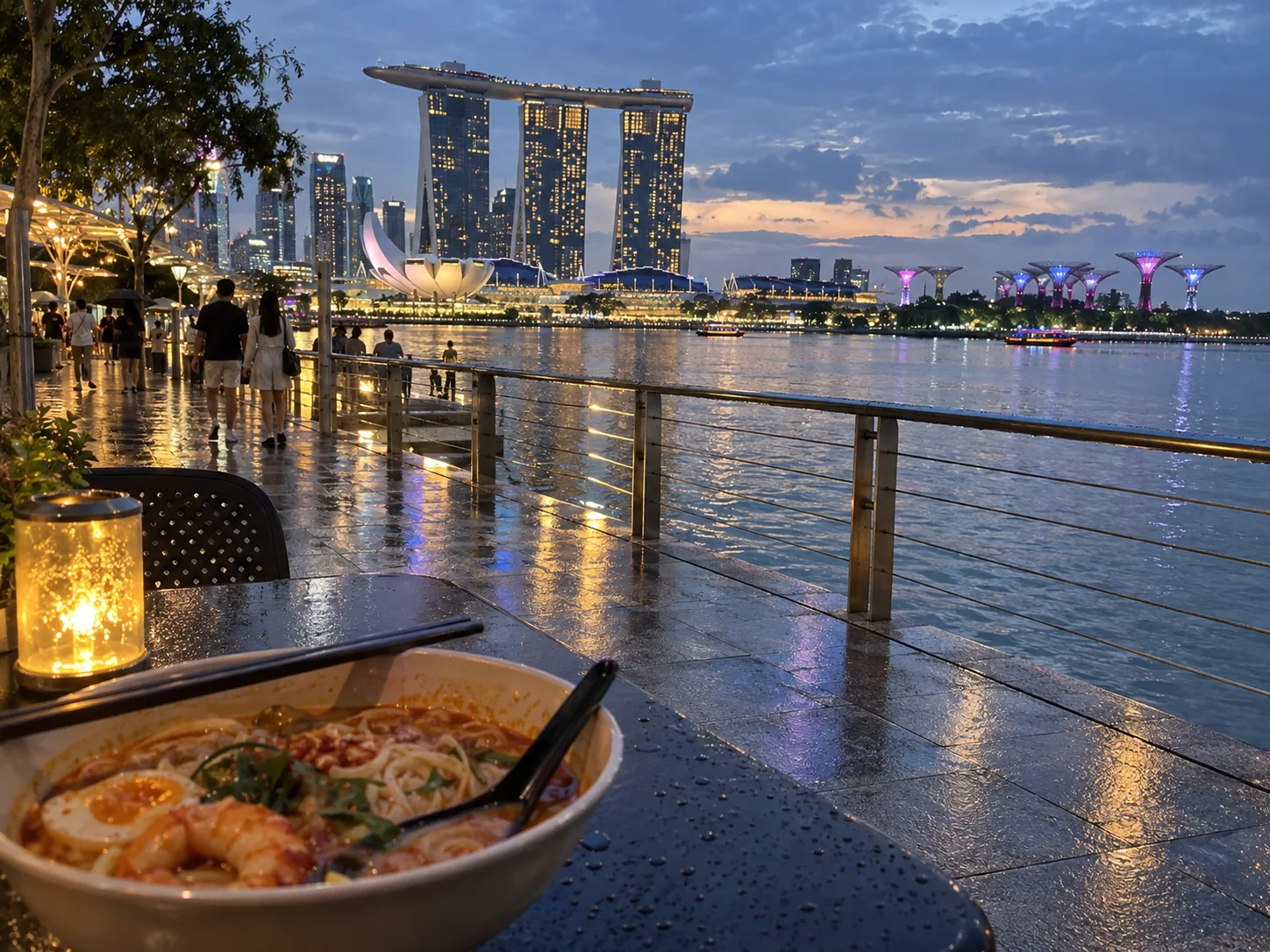
15. Singapore
Reserve four to five hours after the port transfer for Gardens by the Bay, choosing Cloud Forest and the Supertree Grove, then taking a separate ride to Maxwell Food Centre for lunch. The indoor mountain and vertical planting make Cloud Forest a proper stop, rather than a quick greenhouse detour.
Confirm whether your ship uses Marina Bay Cruise Centre or Singapore Cruise Centre, and check garden tickets before arrival. In rain, keep Cloud Forest and the covered hawker-center meal; on a short call, choose just the Gardens area and eat there.
Singapore combines excellent public transportation, hawker centers, gardens, neighborhoods, and major attractions in a polished urban stop. It also works beautifully as a pre-cruise stay for regional itineraries.
Humidity, rain, terminal location, and attraction reservations affect the route. Use transit for longer hops and build the day around one neighborhood cluster instead of crisscrossing the city.
Choose Singapore for: Food, efficient transit, family-friendly attractions, and an Asia gateway.
Best cruise ports for slower or overnight calls
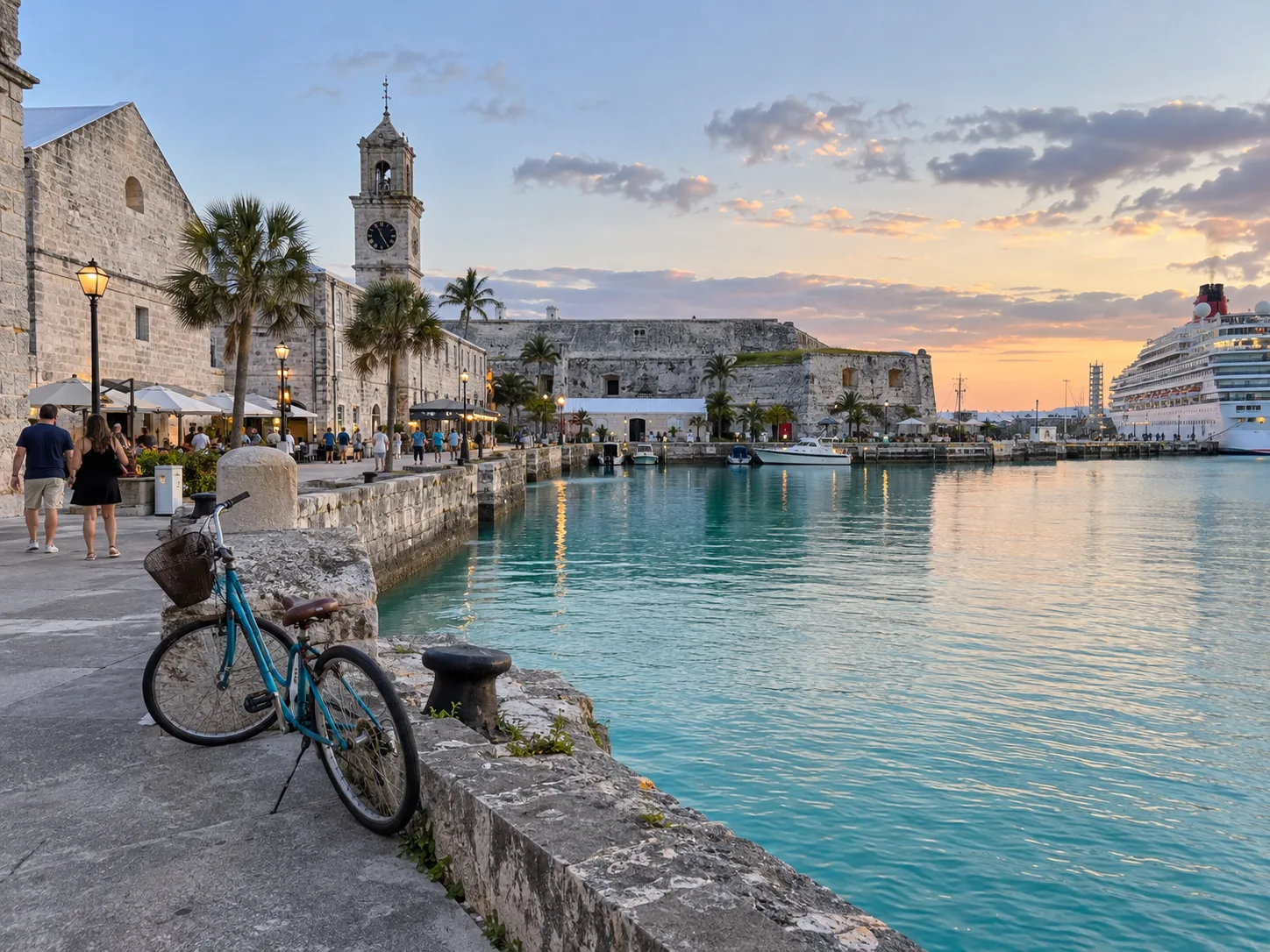
16. Royal Naval Dockyard, Bermuda
Begin an overnight stay with an easy three-hour Dockyard loop: the National Museum of Bermuda, Bermuda Arts Centre, and Clocktower Mall. The museum occupies the old Keep, so the fortifications themselves are part of the story before you even enter a gallery.
This route starts near the Dockyard berths and avoids making a ferry connection the first decision of the trip. It also works in shortened form on departure day; in rain, prioritize museum galleries and the Clocktower, saving Hamilton or a beach for a separate weather window.
Bermuda often gives cruisers more than one day, which changes everything. Beaches, Hamilton, Saint George’s, museums, and coastal scenery become easier when you are not forcing the whole island into one afternoon.
Ships commonly use the Dockyard, not downtown Hamilton, and ferries or buses connect other parts of the island. Government ferry schedules are seasonal, so check Bermuda’s current transport announcements and posted timetables rather than saving an old screenshot.
Our Bermuda cruise planning guide helps turn a multi-day call into a logical island route.
Choose Bermuda for: Overnight flexibility, beaches, public transit, and a calmer pace.
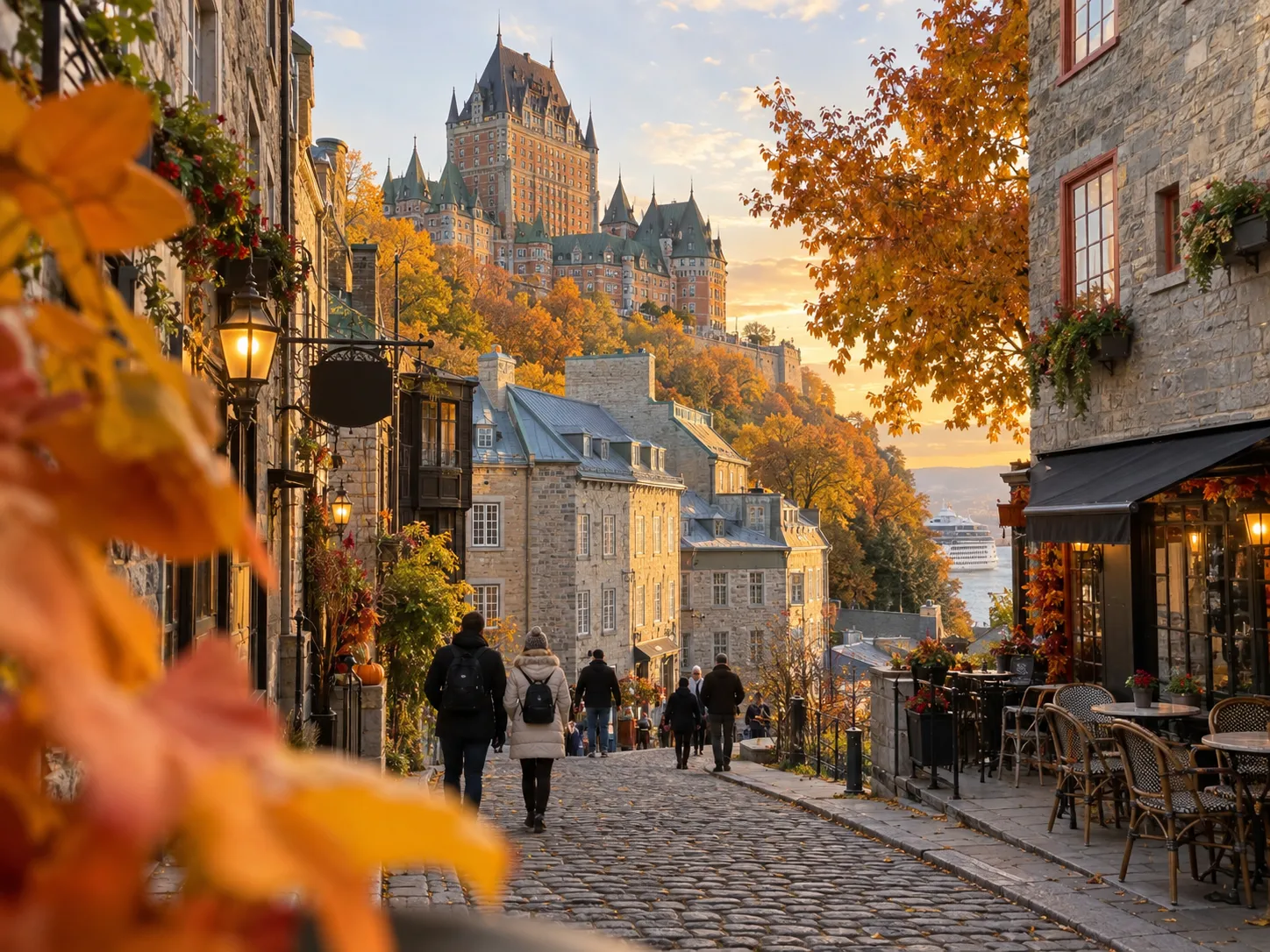
17. Québec City, Canada
After confirming your berth’s route into Lower Town, I’d give Place Royale, Petit-Champlain, and Dufferin Terrace three hours. Use the funicular from Louis Jolliet House if operating, then notice how dramatically the perspective changes from intimate shopping streets to the broad river view.
The funicular helps with the cliff, but the surrounding streets still include slopes and uneven surfaces. For rain or a short call, keep Place Royale and Petit-Champlain with a café stop, rather than forcing the Upper Town portion.
Québec City offers fortified streets, French Canadian food, river views, and historic architecture in a compact core. Fall sailings add seasonal color, although nature controls the timing and intensity.
Hills, cobblestones, weather, and berth location deserve attention. An overnight call lets you enjoy dinner after day-trip crowds thin and gives more room for a countryside excursion.
Choose Québec City for: History, food, cool-weather cruising, and a walkable overnight.
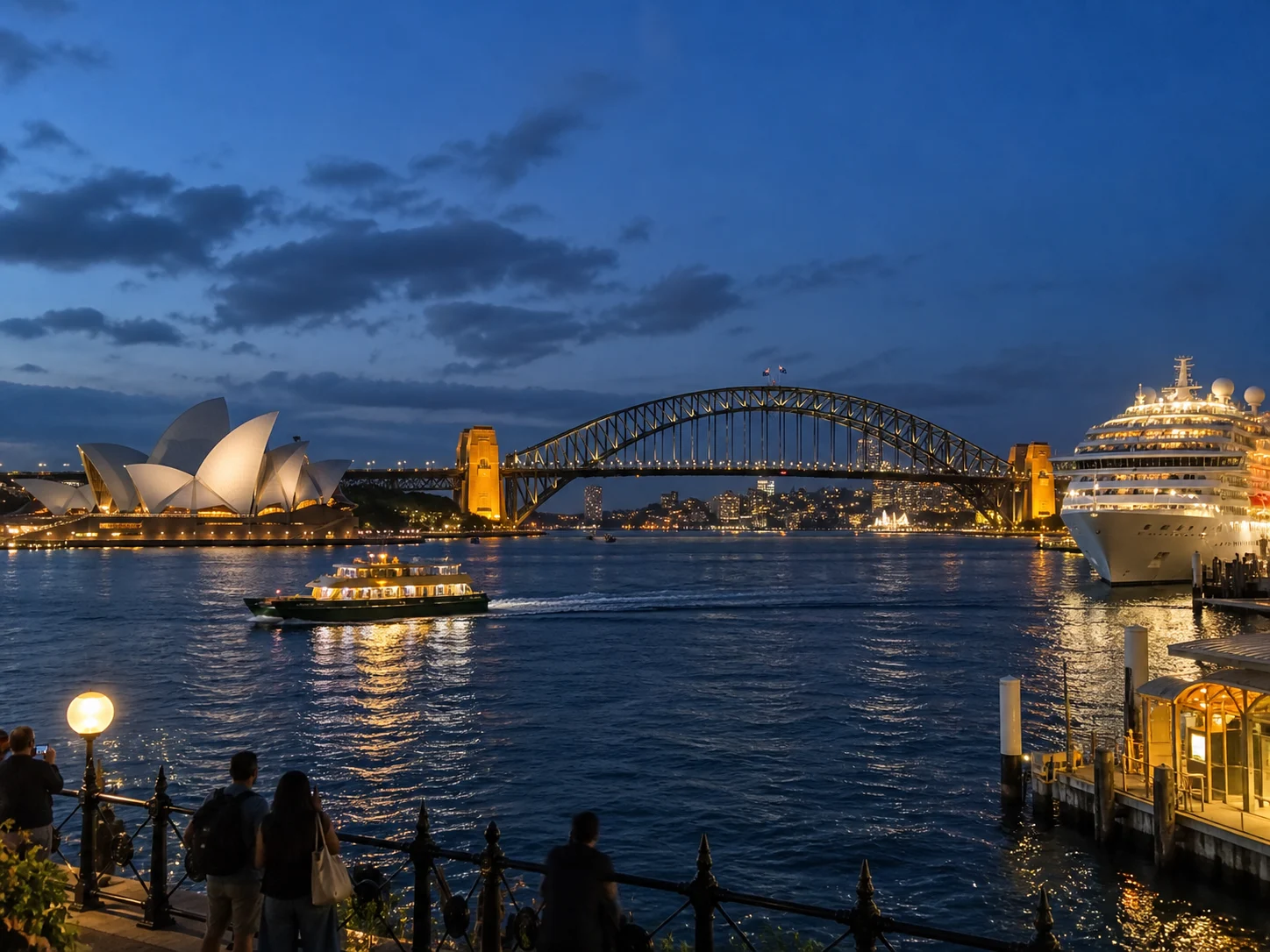
18. Sydney, Australia
Allow three hours for The Rocks, Circular Quay, and the Sydney Opera House forecourt, starting on foot from the Overseas Passenger Terminal or after a transfer from White Bay. Watch the ferries threading through the harbor, because the working waterfront is as much of the experience as the famous roofline.
For rain, consider a prebooked Opera House tour and check its mobility demands before paying. A short call suits The Rocks and Circular Quay alone; White Bay passengers should protect the transfer back rather than adding another harbor crossing.
Sydney’s harbor can deliver one of cruising’s great arrivals, with the Opera House, bridge, ferries, neighborhoods, and beaches. It is far too good to treat as a hurried transfer between airport and ship.
Not every vessel uses the same terminal, and some berth farther from the central harbor. Confirm the exact facility, arrive at least a day early for an embarkation, and let ferries do some of the sightseeing.
Choose Sydney for: Harbor drama, an extended city stay, and easy independent exploration.
Beautiful ports that require extra planning
Santorini is unforgettable, but tendering, cable-car lines, heat, steps, and simultaneous ship calls can consume a short day. Kotor has a magnificent bay approach, yet tender operations and road traffic affect plans beyond the old town.
Livorno opens the door to Florence and Pisa, but Florence is not beside the ship. Civitavecchia is marketed as Rome’s port, though reaching central Rome creates a substantial transport day with real delay consequences.
Those destinations may still be the highlight of an itinerary. They simply need more margin than a port where the experience begins at the gangway.
How to choose an itinerary by ports
Write down the one experience that makes each itinerary tempting, then investigate its berth, transport, ticket, and weather dependencies. A route with three different kinds of days often feels better than five ports that all require a 7:00 morning coach.
Consider sea days as part of the rhythm. A sea day after a demanding Rome or Florence trip can be welcome, while six consecutive port mornings may be less luxurious than the brochure suggests.
Also check whether missing one weather-sensitive port would ruin the cruise for you. Tender ports and exposed destinations sometimes become inaccessible, and compensation is not a substitute for choosing a route with several meaningful highlights.
Port-day safety and document checks
Carry the ship’s contact information, berth or tender location, identification required by the line, and enough money for an emergency return. Keep the all-aboard time in ship time and return earlier than the final possible minute.
The State Department recommends a passport book for cruise passengers even when it is not strictly required, because an emergency flight home can be difficult without one. Requirements still depend on citizenship, itinerary, destination, and carrier.
Health needs do not pause ashore, either. The CDC’s cruise travel guidance covers medication, vaccinations, illness reporting, motion sickness, and destination-specific preparation.
Frequently asked questions
What is the best cruise port in the world?
There is no universal winner, but Valletta, Bergen, Dubrovnik, San Juan, and Sydney combine memorable arrivals with strong days ashore. The answer changes with interests, berth, mobility, season, and time in port.
Which cruise ports are easiest without an excursion?
Bergen, Valletta, San Juan, central Copenhagen calls, and many Barcelona itineraries can work independently after the berth and transport are confirmed. Even an easy port needs a return buffer and current opening information.
Which cruise ports are best for beaches?
Grand Turk, Cozumel, Saint Maarten, and Bermuda offer strong beach possibilities with very different logistics. Weather, currents, transport, and ship crowds can change the best choice on a specific day.
Are tender ports worse than docked ports?
No, but tendering adds time, weather dependence, queues, and accessibility considerations. A beautiful tender port can be worth it when the itinerary has enough time and your plan remains flexible.
Should I choose the ship or the ports first?
Destination-focused travelers should shortlist itineraries first, then choose among suitable ships and lines. Travelers who care most about dining, entertainment, children’s programs, or accessibility may sensibly put the ship first.
My honest way to pick the best ports
Choose one port that delivers pure scenery, one that works easily on foot, and one that invites a deeper cultural or food experience. Then I’d check whether the itinerary allows enough time to enjoy each without spending the whole vacation watching the clock.
The best cruise port is not always the most famous name on the map. It is the place where arrival logistics, available hours, and your favorite kind of day line up beautifully.