Best Attractions in Havana, Cuba: Planning Guide
Havana is best explored as a living city, not a checklist of pastel buildings and classic cars. Start with Old Havana’s plazas, add one museum or fortress, then choose between Vedado, Finca Vigía, Fusterlandia, or the beach based on your time and travel authorization.
Before the fun part, U.S. travelers need an unusually important reality check. The legal route, Cuban entry documents, and transportation plan are three separate decisions.
Can Americans visit Havana?
U.S. law does not authorize tourist travel transactions in Cuba. OFAC allows travel-related transactions connected to 12 categories, including family visits, journalistic activity, professional research, religious activity, humanitarian projects, and support for the Cuban people, subject to each category’s conditions.
A general license is built into the regulations, so a traveler who meets every requirement may not need to apply for a separate paper license. That does not make the category a casual box to check, and this article is travel planning information rather than legal advice.
The frequently used “support for the Cuban people” category requires a full-time schedule that strengthens civil society or independent activity and creates meaningful interaction with Cuban people. The current federal regulation also says that simply staying in a private home, eating in private restaurants, and shopping at private stores is not enough by itself.
OFAC requires travelers relying on an authorization to keep records, and direct transactions with restricted entities or prohibited accommodations may be barred. Review the current OFAC Cuba FAQs, the exact regulation for your category, and the latest restricted lists before paying anyone.
Going through Canada, Mexico, or another country does not remove these rules for a person subject to U.S. jurisdiction. A Cuban visa, D’Viajeros submission, airline ticket, or foreign cruise reservation handles a different requirement and does not prove OFAC authorization.
If you are not subject to U.S. jurisdiction, check the rules for your passport, residence, airline, insurer, and Cuban entry. The practical details in our Cuba travel tips still need to be checked against current government instructions.
Will a cruise ship take you to Havana?
Do not plan on a normal mainstream cruise from the United States to Havana in 2026. A 2019 federal rule removed the license exception for passenger and recreational vessels traveling to Cuba and established a general policy of denial for most vessel license applications.
That passenger-vessel restriction is why the old round-trip Havana cruise market disappeared. An international sailing advertised outside the United States may face a different vessel situation, but U.S. persons still need their own transactions and activities authorized.
Never book a ship, flight, or third-country connection because a seller says “Americans can go now.” Confirm the itinerary with the cruise line, confirm Cuban entry with official Cuban sources, and confirm U.S. authorization through OFAC or qualified counsel when your facts are unclear.
If Havana is unavailable, compare other current port options in the cruise-port directory. A beautiful old article or cached cruise schedule is not evidence that a ship still calls there.
The best attractions in Havana
1. Old Havana’s five major plazas
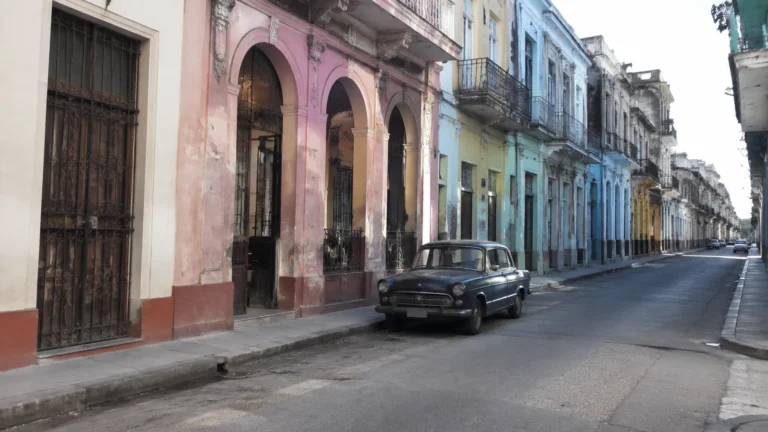
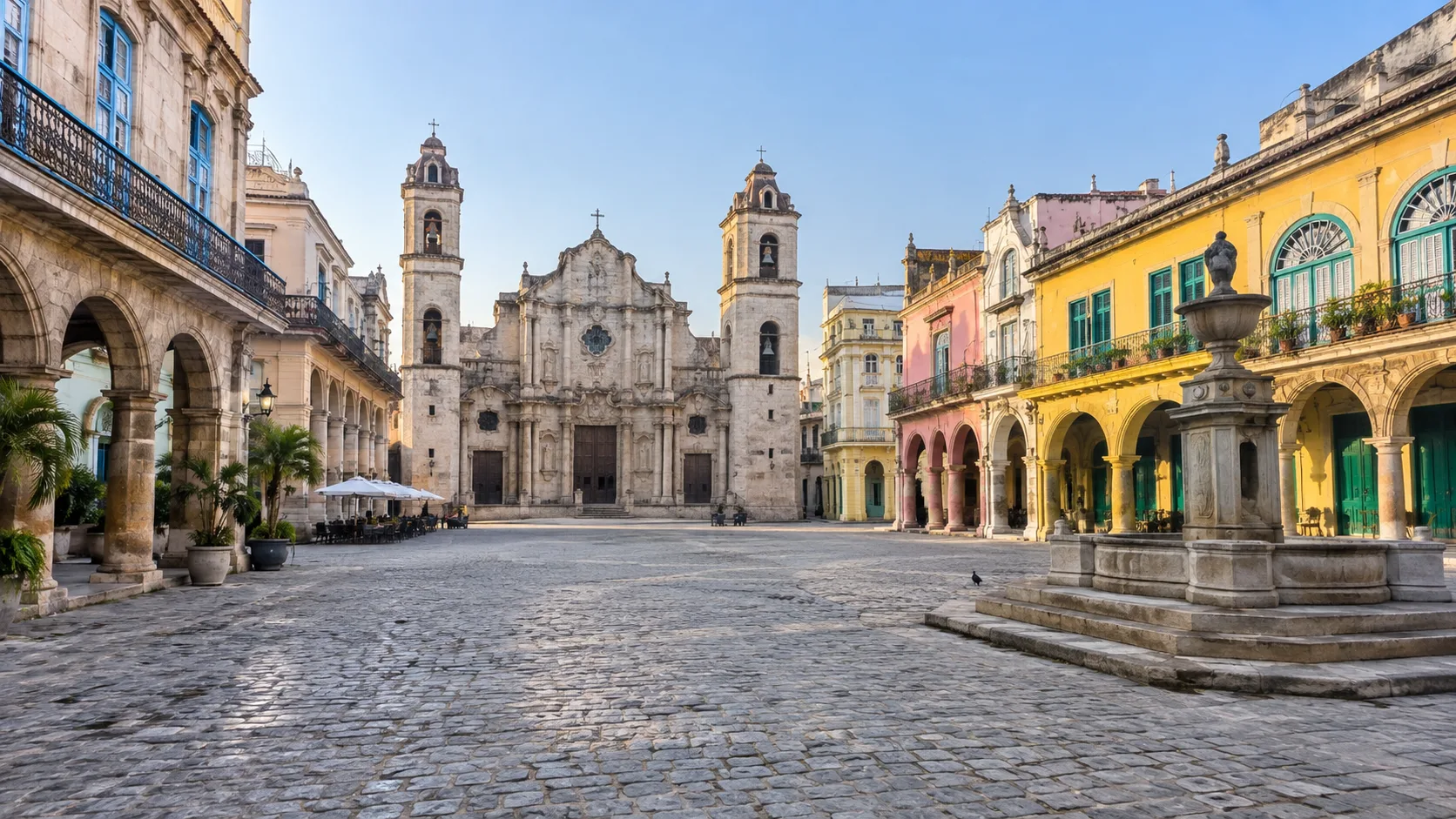
Old Havana is the essential first choice because its street plan lets architecture, daily life, churches, courtyards, and small businesses share the same walk. UNESCO identifies five principal squares: Plaza de Armas, Plaza Vieja, Plaza de San Francisco, Plaza del Cristo, and Plaza de la Catedral.
The UNESCO World Heritage listing describes the district’s mix of Baroque and neoclassical monuments and its arcaded homes with balconies and interior courtyards. Give the plazas at least half a day instead of racing between photo stops.
Best for: First visits, architecture, street scenes, and travelers with limited time. Cobblestones, broken sidewalks, heat, and few reliable elevators make a step-free route much harder than the compact map suggests.
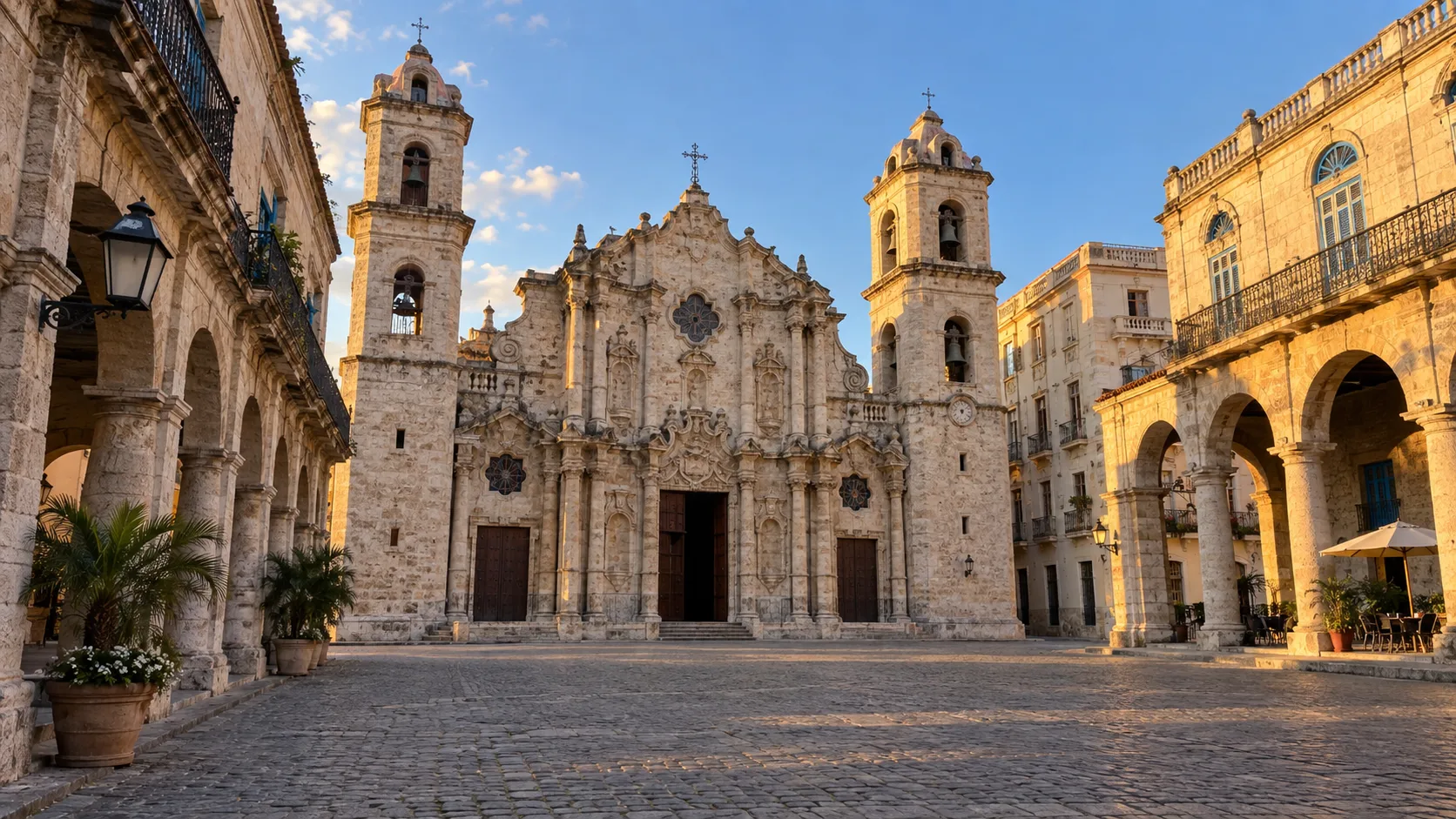
2. Plaza de la Catedral and Havana Cathedral
Plaza de la Catedral is the most theatrical square, framed by stone facades and the asymmetrical towers of the Catedral de San Cristóbal. Arrive early for clearer views, then slow down enough to notice the different textures rather than photographing only the front.
Church access can pause for services, events, maintenance, or power problems. Dress respectfully, ask before photographing people, and keep a second nearby stop ready.
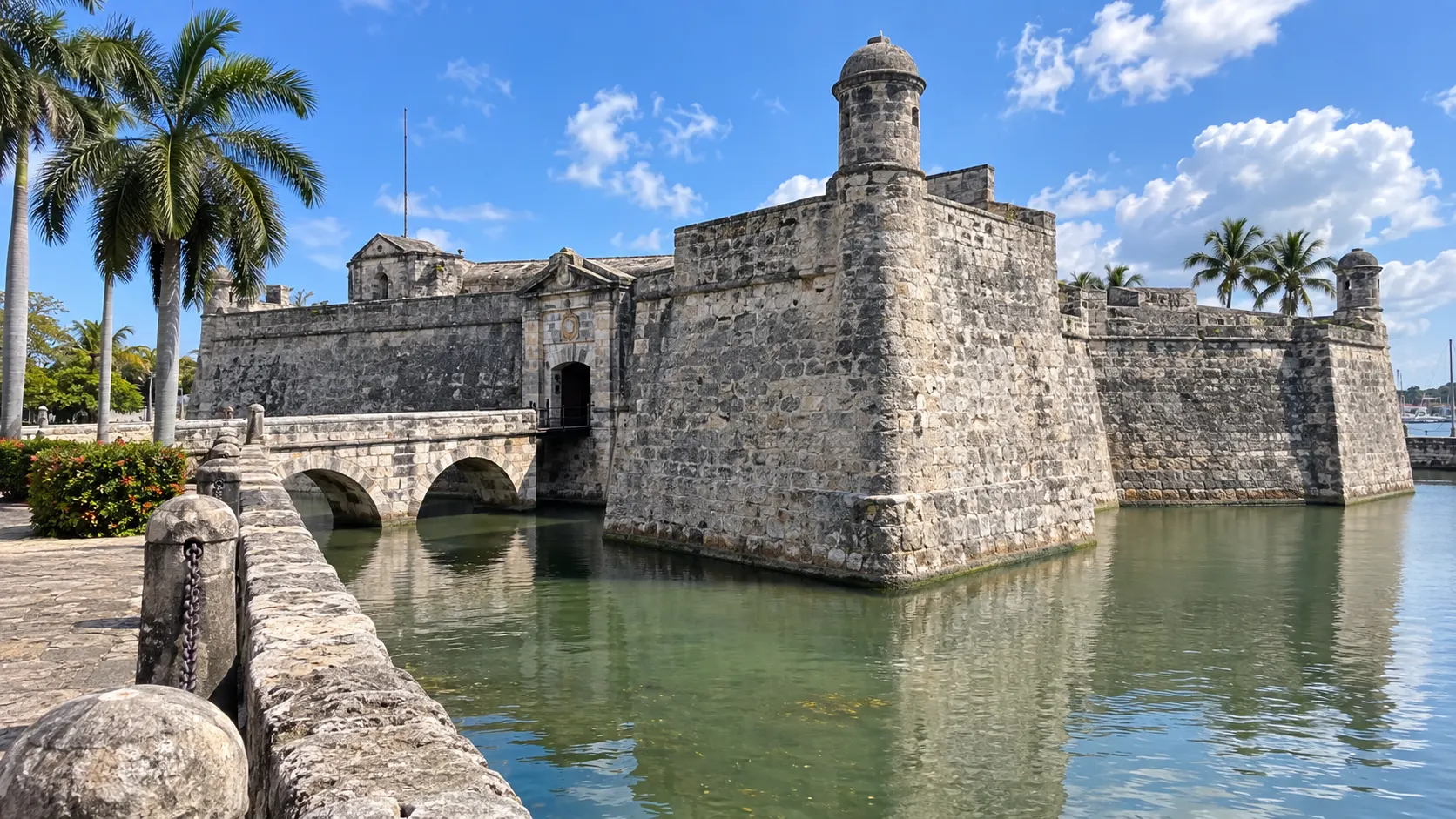
3. Castillo de la Real Fuerza
Beside Plaza de Armas, Castillo de la Real Fuerza is one of the oldest surviving colonial fortresses in the Americas. Its harbor position explains the defensive system better than a standalone museum label ever could.
Pair the exterior, moat, and plaza even if the interior collection is unavailable. This is the smartest fortress for a short walking day because it does not require crossing the harbor.
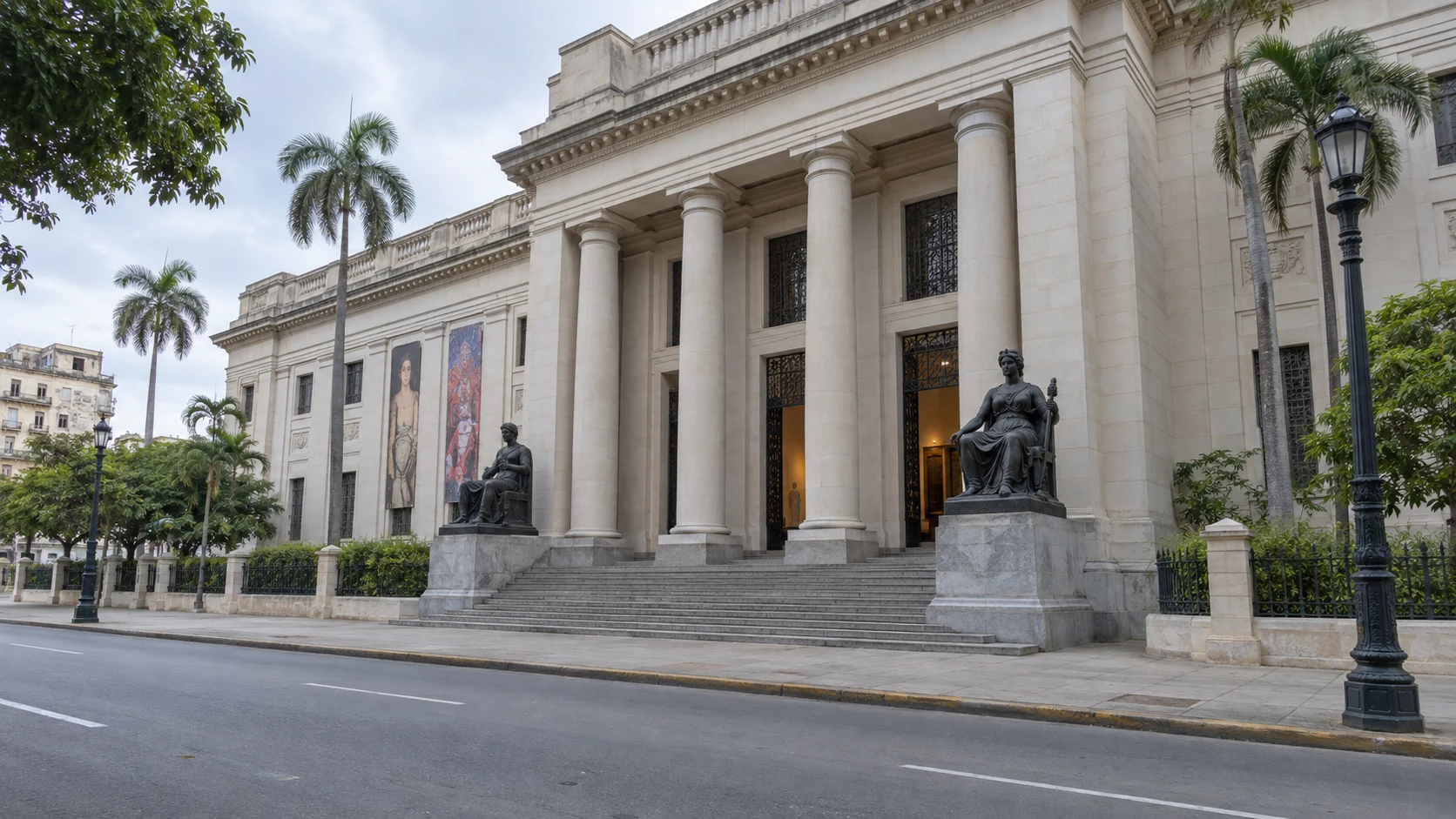
4. Museo Nacional de Bellas Artes
The National Museum of Fine Arts is the strongest indoor choice for understanding Cuban visual culture. Its Arte Cubano collection traces work from colonial periods into modern and contemporary art, while a separate building houses the universal collection.
Choose the Cuban collection if you have time for only one building. Verify same-day opening, which galleries are accessible, and whether cash is required because published schedules can outlive operational changes.
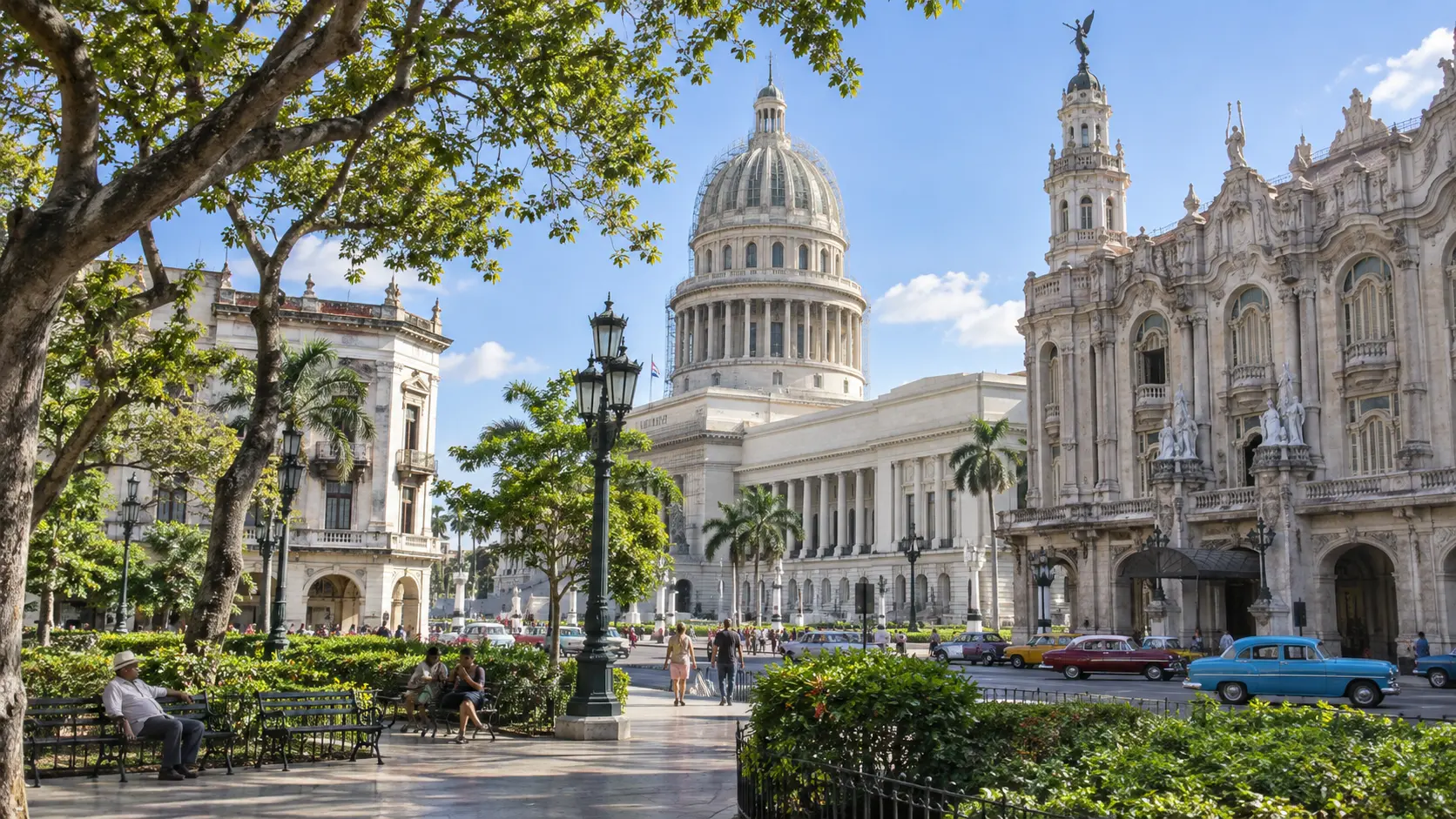
5. El Capitolio, Parque Central, and Gran Teatro
This compact cluster delivers three grand city views without another transfer. El Capitolio’s dome anchors the skyline, Parque Central provides a breathing space, and the Gran Teatro de La Habana Alicia Alonso adds an ornate facade beside it.
Interior access and performances require separate confirmation, so treat the architecture as the dependable layer. From here, walk the Paseo del Prado toward the sea if heat and mobility allow.
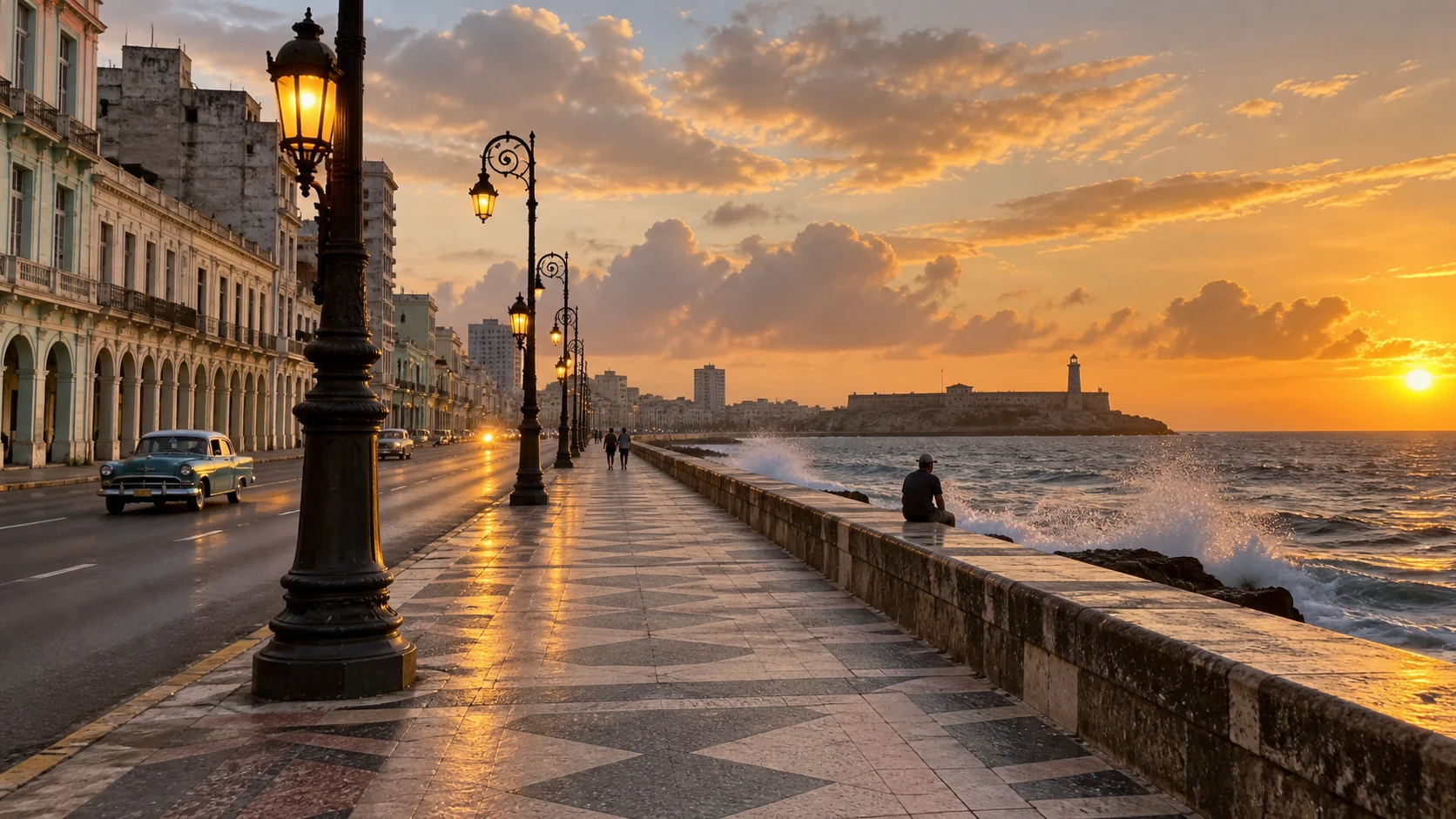
6. Paseo del Prado and the Malecón
The tree-lined Prado creates an easy visual bridge between Centro Habana and the waterfront. Its central promenade is more pleasant than the traffic lanes, with stone benches, bronze lions, and plenty of people-watching.
The Malecón is best for changing light and city atmosphere, not swimming. Waves can break over the seawall, shade is limited, and rough weather can make the edge unsafe, so follow local closures and stand well back.
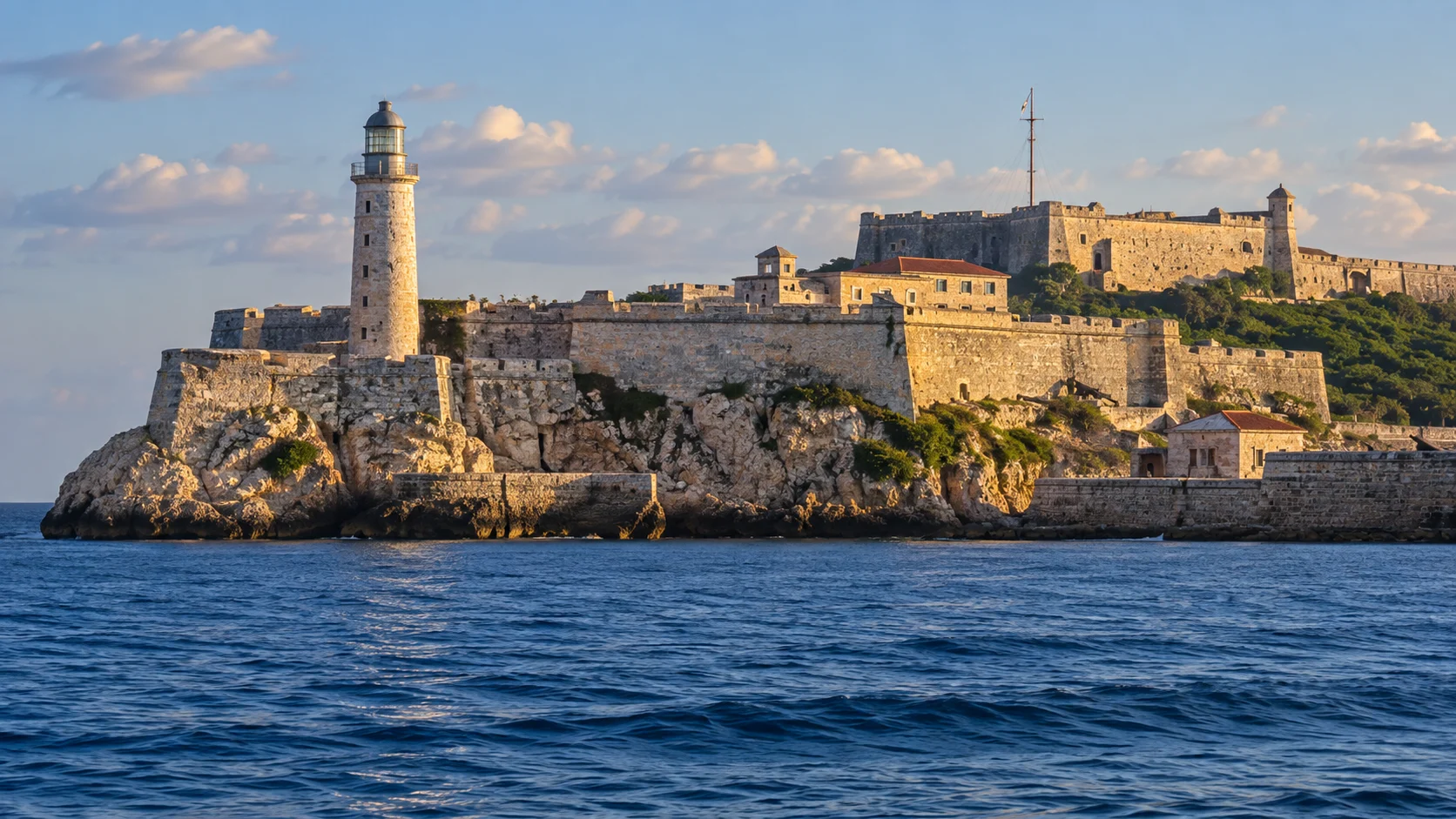
7. Morro Castle and La Cabaña
Across the harbor entrance, Castillo de los Tres Reyes del Morro and Fortaleza de San Carlos de la Cabaña give Havana’s defense story its scale. UNESCO includes both in the city’s extensive fortification system.
They require a vehicle route through the harbor tunnel and more time than Real Fuerza. Confirm evening access and any cannon ceremony locally, since transport, fuel, power, and event schedules can change.
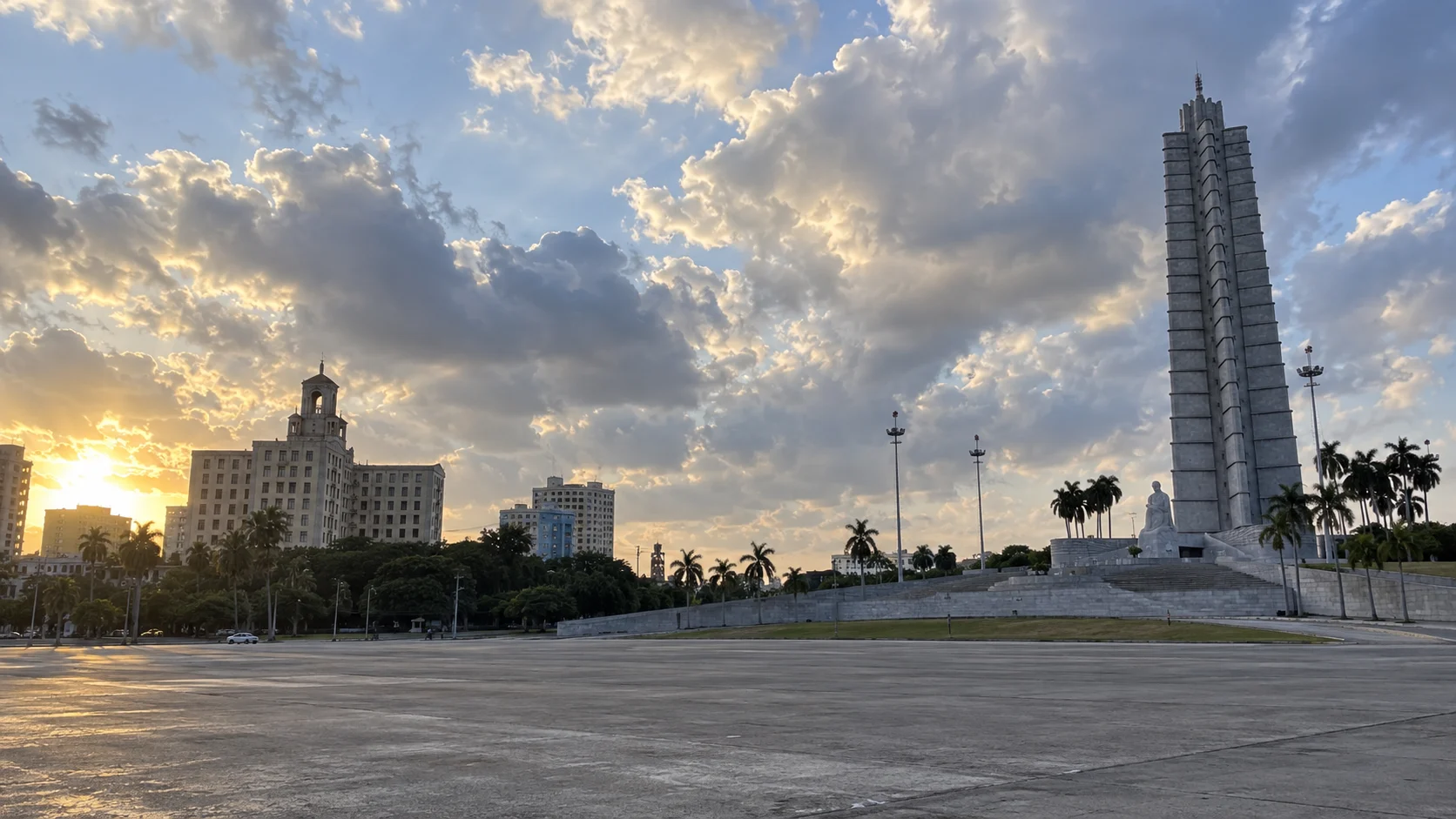
8. Vedado and Plaza de la Revolución
Vedado shows a broader, greener, more modern Havana than the colonial core. Plaza de la Revolución is an immense civic space surrounded by nationally significant monuments and government buildings, so its value is historical context rather than charm.
Use a reputable driver or guide to connect dispersed Vedado stops. Do not photograph military or police personnel or sensitive government, harbor, rail, and airport facilities.
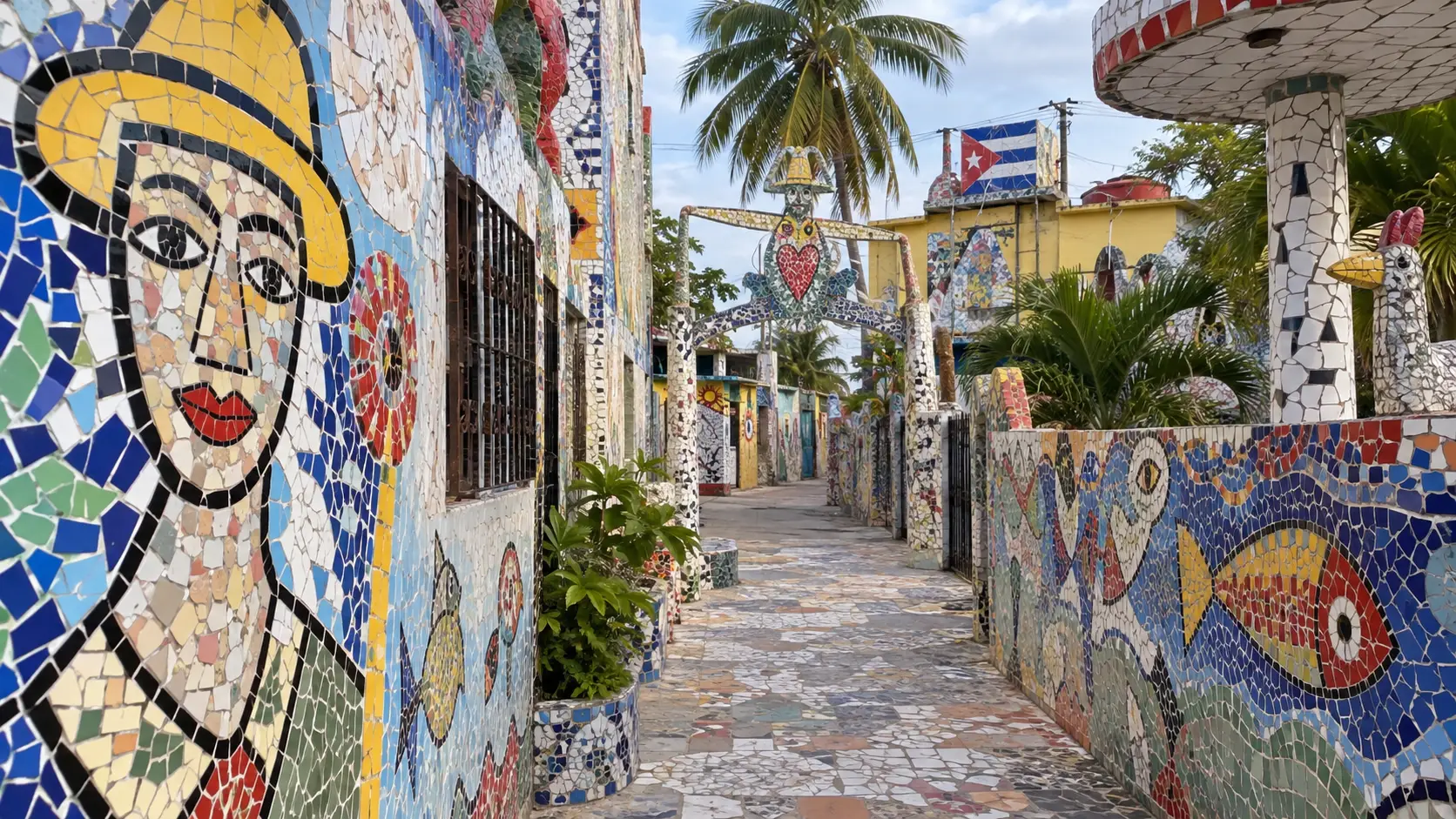
9. Fusterlandia
In Jaimanitas, artist José Fuster’s mosaic project spills across his home, neighboring walls, benches, roofs, and public spaces. It is playful, intensely colorful, and a welcome contrast to central Havana’s formal monuments.
Allow a few hours including the round-trip drive, not a hurried gap between Old Havana sights. Ask permission before photographing residents or private interiors, and make any purchase directly and transparently.
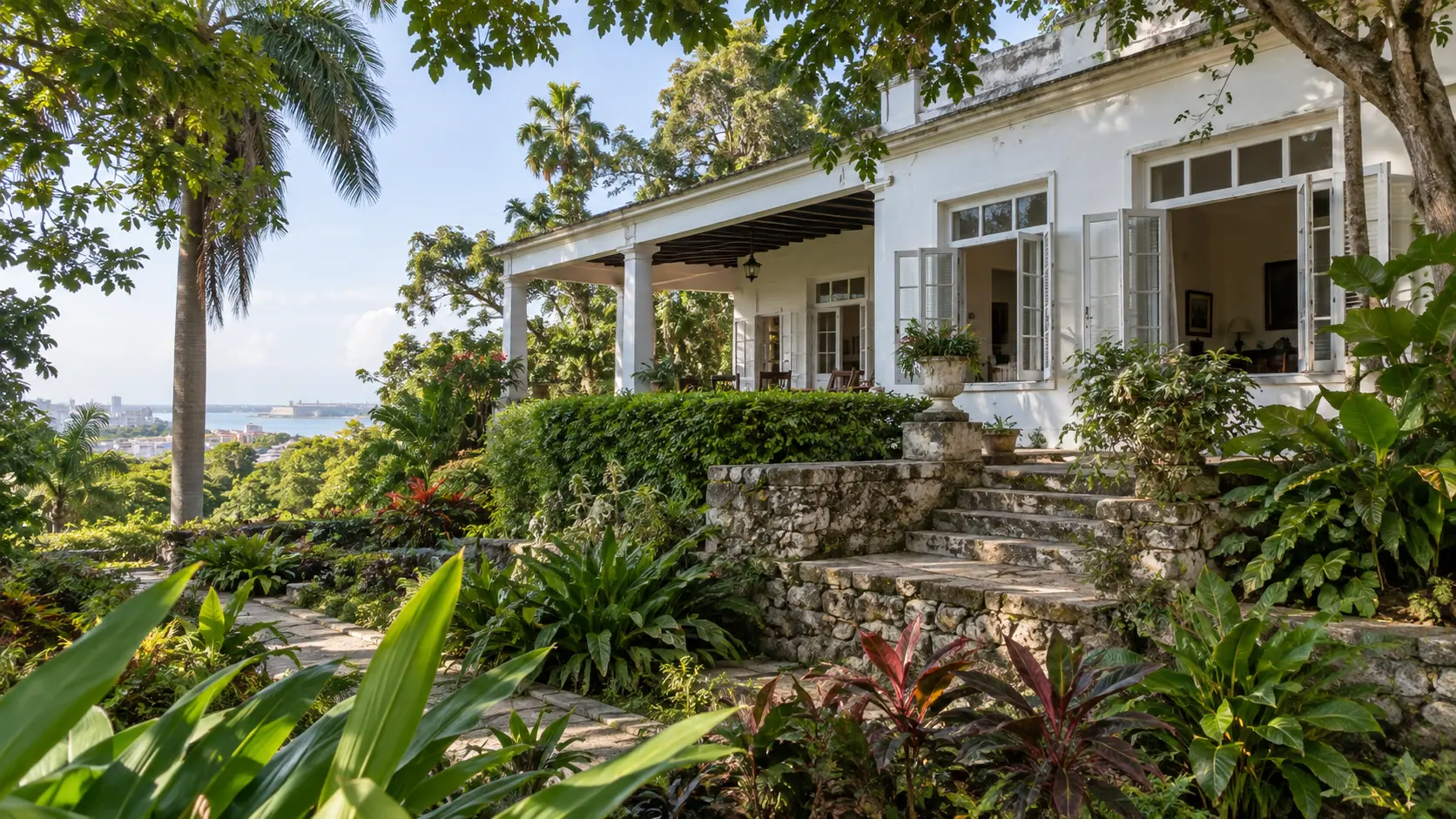
10. Finca Vigía
Finca Vigía in San Francisco de Paula preserves the house where Ernest Hemingway lived and worked for many years. The rooms are often viewed through windows rather than entered, so binoculars or a camera zoom can help with books and personal details.
This is a dedicated outing beyond central Havana and should be paired with one nearby stop, not squeezed into a plaza walk. Confirm access before arranging a driver because museum operations can shift.
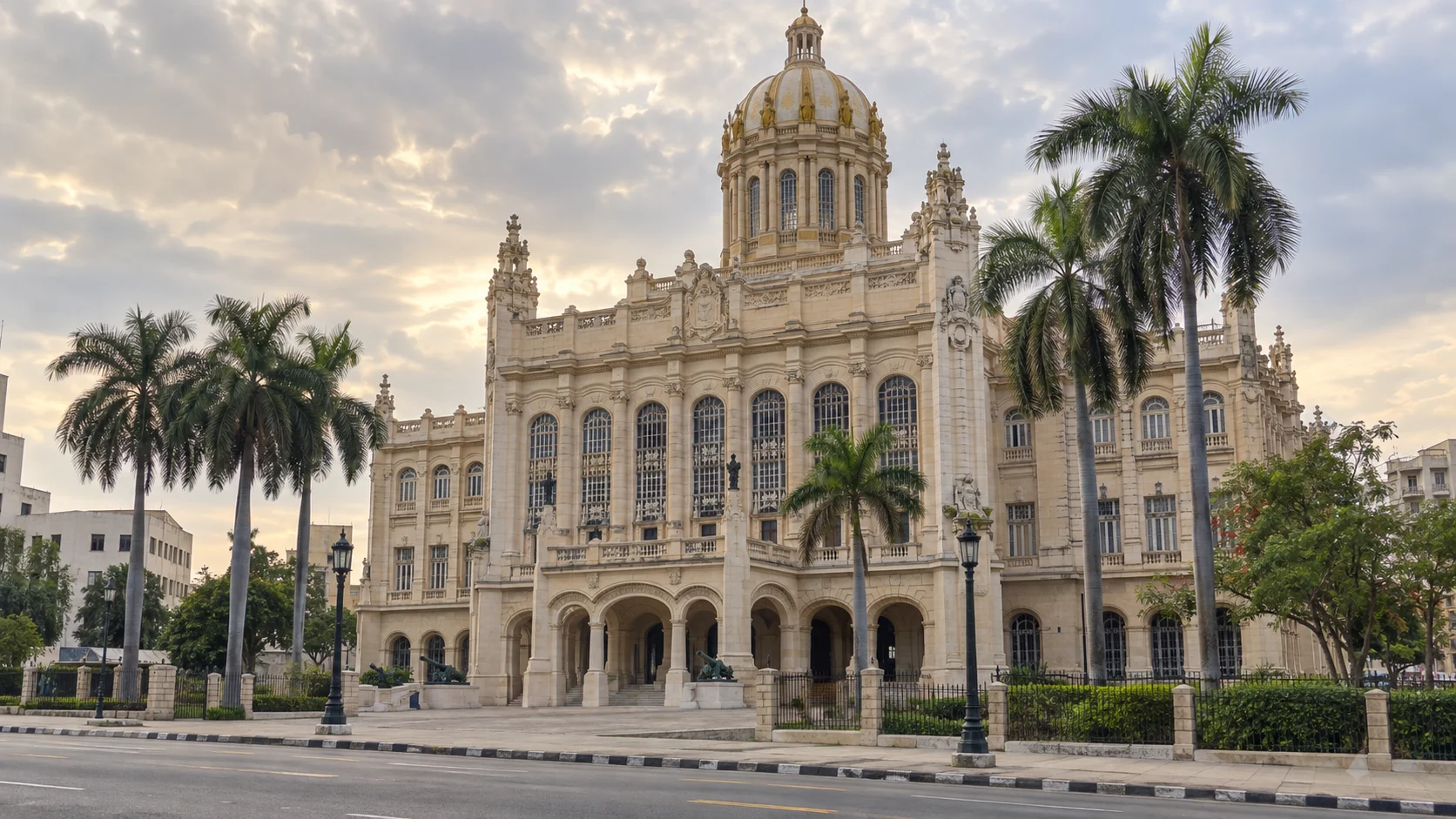
11. Museum of the Revolution exterior
The former Presidential Palace is historically important and visually striking, but restoration and partial closures have made interior plans unreliable. Put it on the route as an exterior stop, then enter only if current official information and the ticket desk confirm what is open.
Interpretation reflects the institution’s perspective, so curious travelers may want broader historical context before and after the visit. Nearby Bellas Artes is the better anchor when museum time is limited.
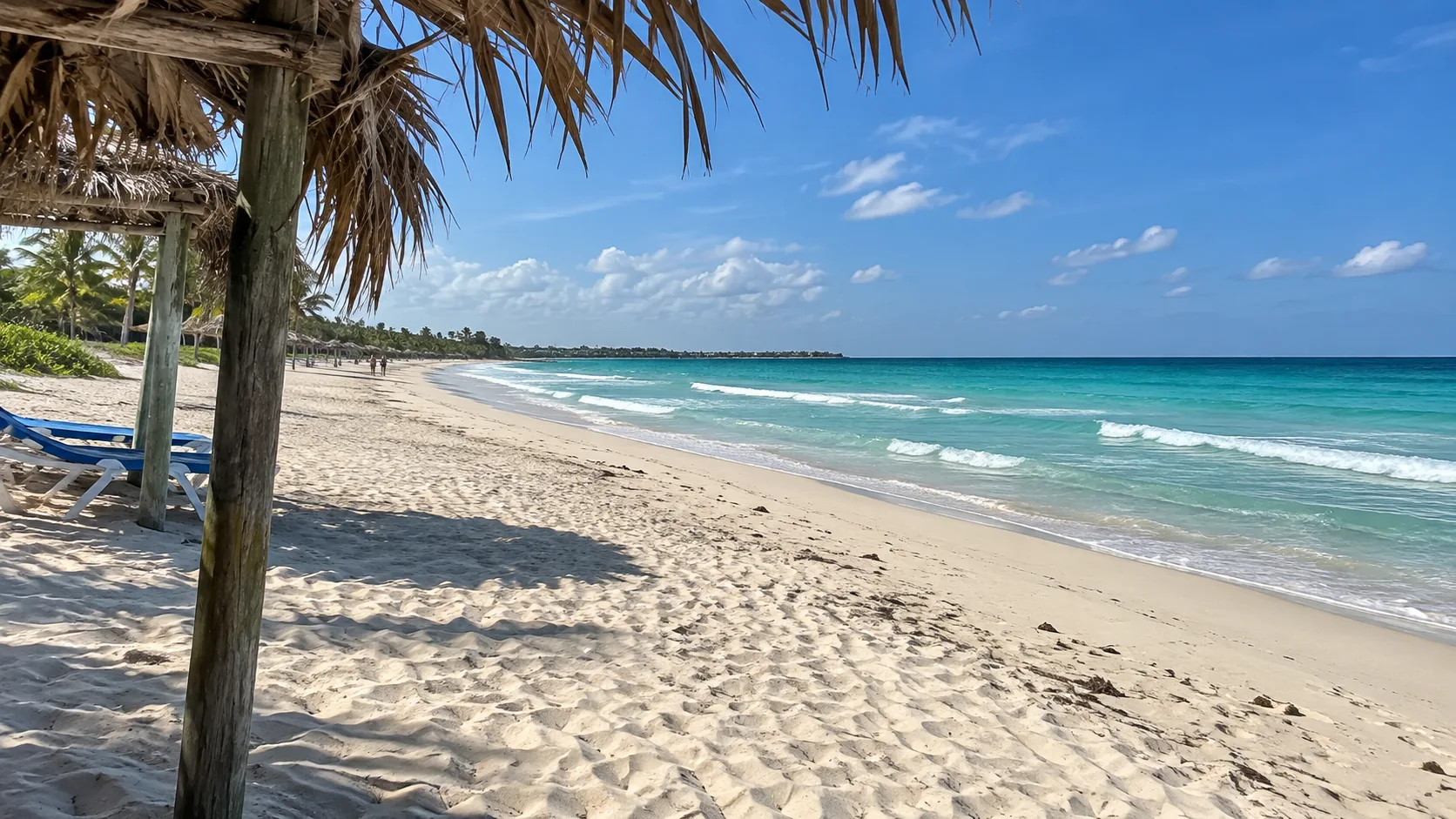
12. Playas del Este
Havana’s practical beach escape is Playas del Este, a string of beaches roughly 12 miles east of the old city. Santa María del Mar has more services, while other stretches can feel quieter but offer fewer dependable facilities.
Beach conditions, transport, food, shade, and restrooms vary, so bring water, sun protection, and a return plan. For U.S.-regulated travelers, a leisure beach day does not substitute for a qualifying full-time schedule and may not fit the authorization being used.
How to plan one or two days in Havana
One day for a first-time visitor
Start early at Plaza de Armas, connect the five Old Havana plazas, and choose either Real Fuerza or the Cuban art collection. Finish with the Prado and a sunset look at the Malecón if conditions are calm.
This route keeps most of the day on foot and limits transportation risk. If U.S. rules apply, build the day around the actual licensed purpose and qualifying activities rather than assuming this sightseeing outline satisfies federal requirements.
Two days with deeper context
Keep day one in Old Havana, then use day two for one coherent theme. Pick Vedado plus Fusterlandia for modern city culture, Finca Vigía for literature, or Morro and La Cabaña for military architecture.
I would not combine all three in one day because every extra ride adds fuel, traffic, and waiting uncertainty. Playas del Este deserves its own half-day or longer when legally and practically appropriate.
Practical Havana planning
The U.S. State Department currently lists Cuba at Level 2, advising increased caution because of crime and unreliable electrical power. Its Cuba information page also warns of prolonged power cuts, limited accessibility, unreliable internet, and medical constraints.
- Carry enough lawful payment options because U.S.-issued credit and debit cards generally do not work in Cuba.
- Keep small cash amounts separate and avoid displaying expensive jewelry or electronics.
- Download maps, confirmations, addresses, and emergency contacts for offline use.
- Pack a charged power bank, flashlight, medication, water treatment backup, and shelf-stable snack.
- Confirm the next day’s museum, restaurant, driver, and power situation through a current local contact.
- Use bottled or properly treated water and have medical evacuation coverage that actually applies in Cuba.
Our cruise packing framework is also useful for keeping documents, medication, and backup power in the bag that stays with you. Cuba simply demands a stronger offline and cash contingency than most Caribbean stops.
Which Havana attractions should you prioritize?
- First visit: Old Havana’s plazas, Real Fuerza, Prado, and the Malecón.
- Art lover: Bellas Artes, Fusterlandia, and independent studios that fit your authorized schedule.
- History lover: Real Fuerza, Morro, La Cabaña, Plaza de la Revolución, and carefully contextualized museums.
- Families: A shorter plaza walk, one shaded indoor stop, and generous food and restroom breaks.
- Limited mobility: A prearranged vehicle, curbside drop-offs, and verified step-free access at every interior.
- Repeat visitor: Vedado, Jaimanitas, a community-based activity, or one carefully chosen outer district.
Havana rewards depth more than speed. Choose one area, leave room for a closure or blackout, and spend your time understanding the city instead of collecting twenty rushed photographs.
Most importantly, verify authorization before buying the trip and verify operations again before leaving your room. The best Havana day is culturally rich, logistically humble, and built on rules that are current for you.