Peru Travel Tips: Entry, Altitude, Safety and Routes
Peru rewards curiosity, but it does not reward rushing. The smartest first trip pairs Machu Picchu with time to acclimatize, treats demonstrations as real transportation problems, carries soles for small purchases, and remembers that Lima, the Andes, Pacific desert, and Amazon are completely different worlds.
Peru entry requirements for U.S. travelers
U.S. tourists currently do not need a visa for stays of 90 days or less. Your passport must have at least six months of validity from entry and one blank visa page, while Peruvian immigration determines the authorized stay at arrival.
Make sure immigration records your entry, especially at a land border, and avoid unofficial crossings. Without a valid entry record, departure can be delayed while authorities confirm when and where you entered.
Review the U.S. State Department’s Peru information shortly before travel because entry, advisory, and emergency details can change. Travelers using official or diplomatic passports follow different visa rules.
Peru’s safety advisory deserves a map
Peru is currently under a Level 2 advisory due to crime, civil unrest, and kidnapping risk, with specific Level 4 areas. Those include the Colombia-Peru border area in Loreto, the VRAEM, and designated areas within Ayacucho, Cusco, Huancavelica, and Junín.
Cusco city, the Sacred Valley, Inca Trail, and Machu Picchu are not inside the advisory’s named affected area. That distinction is exactly why reading the full map matters more than reacting to a department name.
Check current local news, avoid protests, and build slack around every important transfer. Demonstrations can close rail lines, highways, city streets, and airport approaches without a dependable reopening time.
Insurance should cover medical treatment, evacuation, delays, missed connections, and the activities on your itinerary. Many private hospitals expect payment in advance and may not accept U.S. insurance directly.
Crime prevention without traveling in fear
Pickpocketing, phone theft, robbery, and distraction scams occur in tourist areas and on public transportation. Keep the phone away near traffic, wear a secure crossbody bag, and carry only the cash and cards needed that day.
Use an ATM inside an open bank or shopping center, inspect it, cover the keypad, and put money away before leaving. If confronted in a robbery, do not resist.
Never leave a drink unattended or accept an open beverage from a stranger. Meet app contacts in busy public places, share the plan with someone, and arrange your own ride home.
Use safe airport and city transportation
Arrange the first Lima airport transfer through lodging, an official airport counter, or a reputable app or company. Match the driver and license plate before entering and ignore unsolicited helpers who cannot verify the booking.
Street taxis are not all metered, so agree on the fare before departure when appropriate. A low price from an unmarked car is not a bargain if the ride cannot be traced.
Peru’s long-distance buses range from comfortable established services to informal operations with weak safety standards. Choose a reputable company, keep valuables with you, and think carefully about nighttime road travel.
Driving yourself is rarely the easiest first-trip solution because of traffic, mountain roads, inconsistent behavior, poor lighting, and accident risk. If renting, understand insurance, document the vehicle, and avoid driving after dark.

Peruvian money and card tips
The official currency is the Peruvian sol, with the international code PEN. U.S. dollars are accepted in some tourism businesses, but soles are more practical for local food, markets, taxis, tips, and small shops.
Cards work widely at established hotels and restaurants, yet some vendors add a disclosed fee. Choose to be charged in soles rather than accepting a terminal’s convenient-looking conversion to dollars.
Carry two cards separately and a modest cash reserve. Do not depend on one ATM in a small town, especially before a holiday, road trip, or multi-day trek.
Altitude is the first big itinerary decision
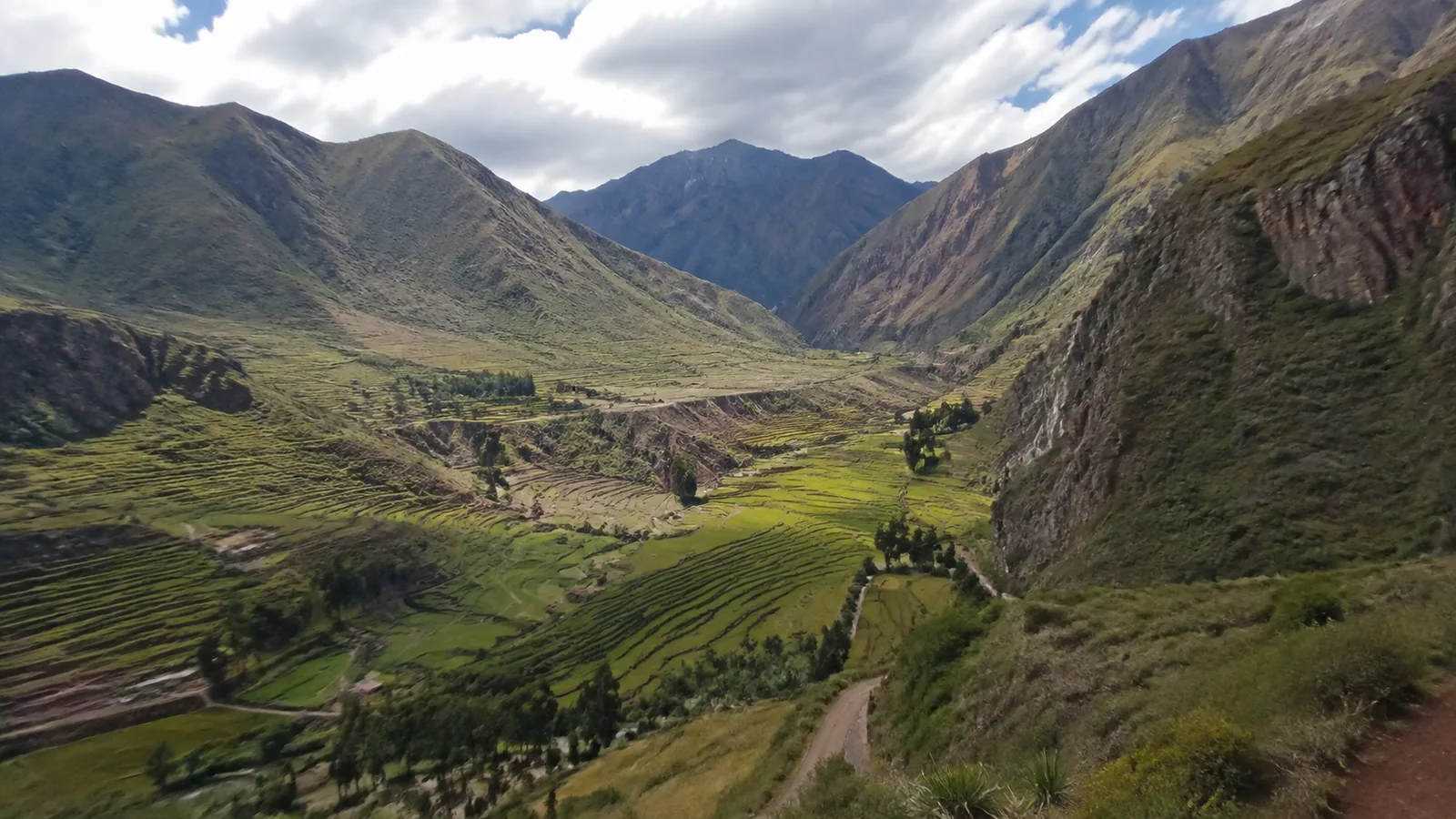
Cusco sits at roughly 11,150 feet, while Lake Titicaca is around 12,500 feet. Any unacclimatized traveler sleeping above 8,000 feet can develop altitude illness, regardless of youth or fitness.
The CDC’s high-altitude guidance recommends gradual ascent and light activity during early acclimatization. Talk with a clinician about the route and preventive medication when a rapid flight to altitude is unavoidable.
A headache with nausea, dizziness, tiredness, or poor appetite can signal acute mountain sickness. Do not ascend higher with symptoms, and descend for worsening illness rather than hoping a tour schedule will fix it.
Confusion, loss of coordination, breathlessness at rest, or a worsening cough can indicate a life-threatening emergency. Descend and seek urgent medical help.
Plan Machu Picchu before booking the train
Machu Picchu admission is sold by date, entry time, circuit, and route, and the choices produce different viewpoints and site access. Buy through the Ministry of Culture’s official Tu Boleto platform and make sure every traveler’s passport details are correct.
A train ticket, hotel, or bus ride does not include citadel admission unless the package clearly says so. Secure the entrance ticket first, then coordinate train, bus, guide, luggage, and lodging around that exact slot.
Carry the original identity document used for booking and follow current rules on bags, food, walking poles, and permitted equipment. Circuits are designed to manage movement, so visitors should not expect to backtrack wherever they like.
Some travelers sleep in Machu Picchu Pueblo, while others visit from the Sacred Valley or Cusco. An overnight closer to the site reduces same-day connections but does not remove the need for a timed plan.
The Inca Trail is not an independent hike
The classic Inca Trail requires an authorized operator and date-specific permits tied to passport information. Popular dates can sell well in advance, and the trail’s annual maintenance closure and other disruptions must be checked for the chosen year.
Ask how the operator pays and equips porters, handles waste, manages altitude emergencies, and limits pack weights. The cheapest quote can move costs onto workers and safety.
Choose Peru regions that fit together
Lima
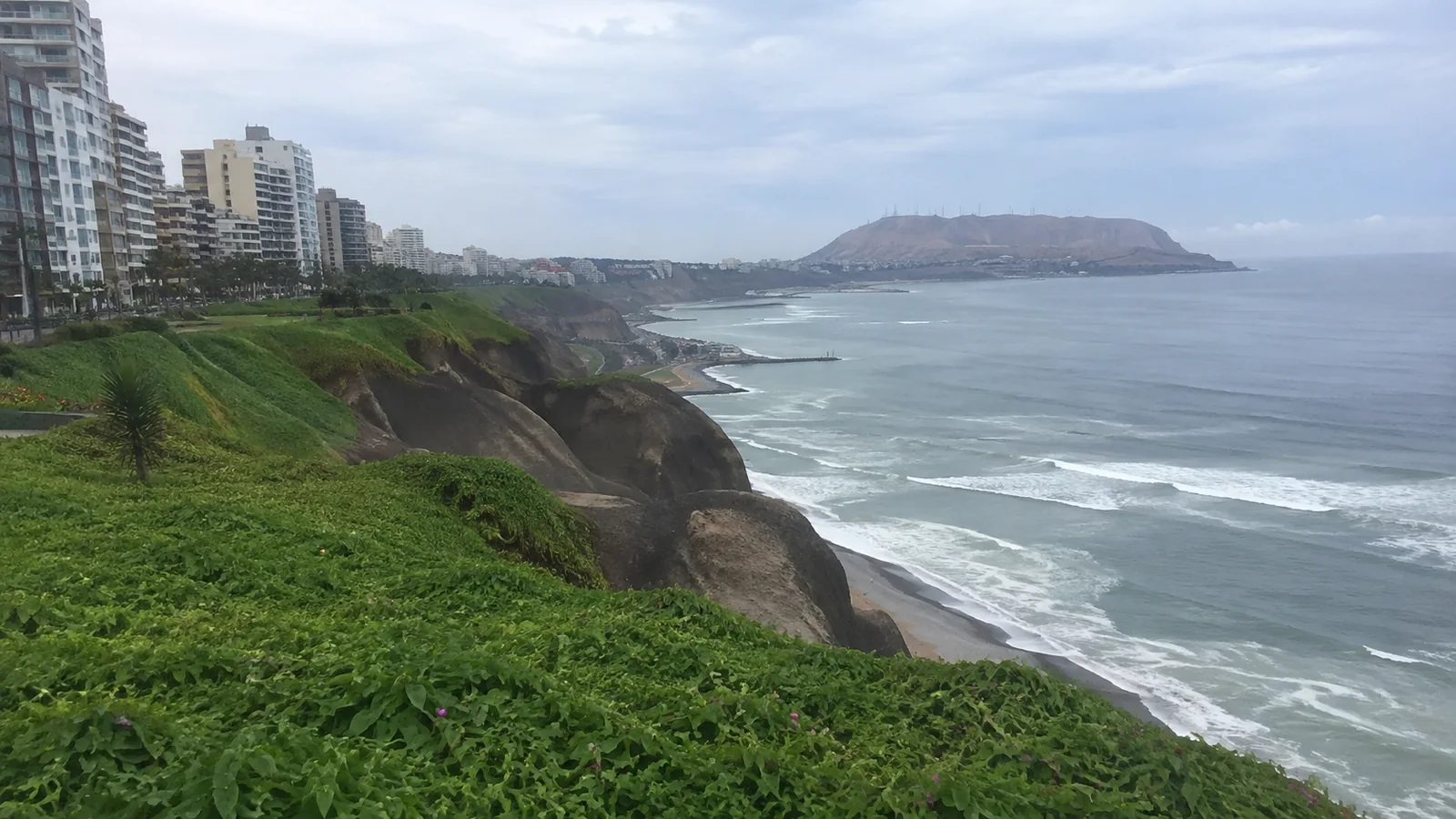
Lima deserves more than an exhausted airport night, especially for food, museums, archaeology, and Pacific views. Miraflores and Barranco are common visitor bases, but traffic makes neighborhood choice important.
Cusco and the Sacred Valley
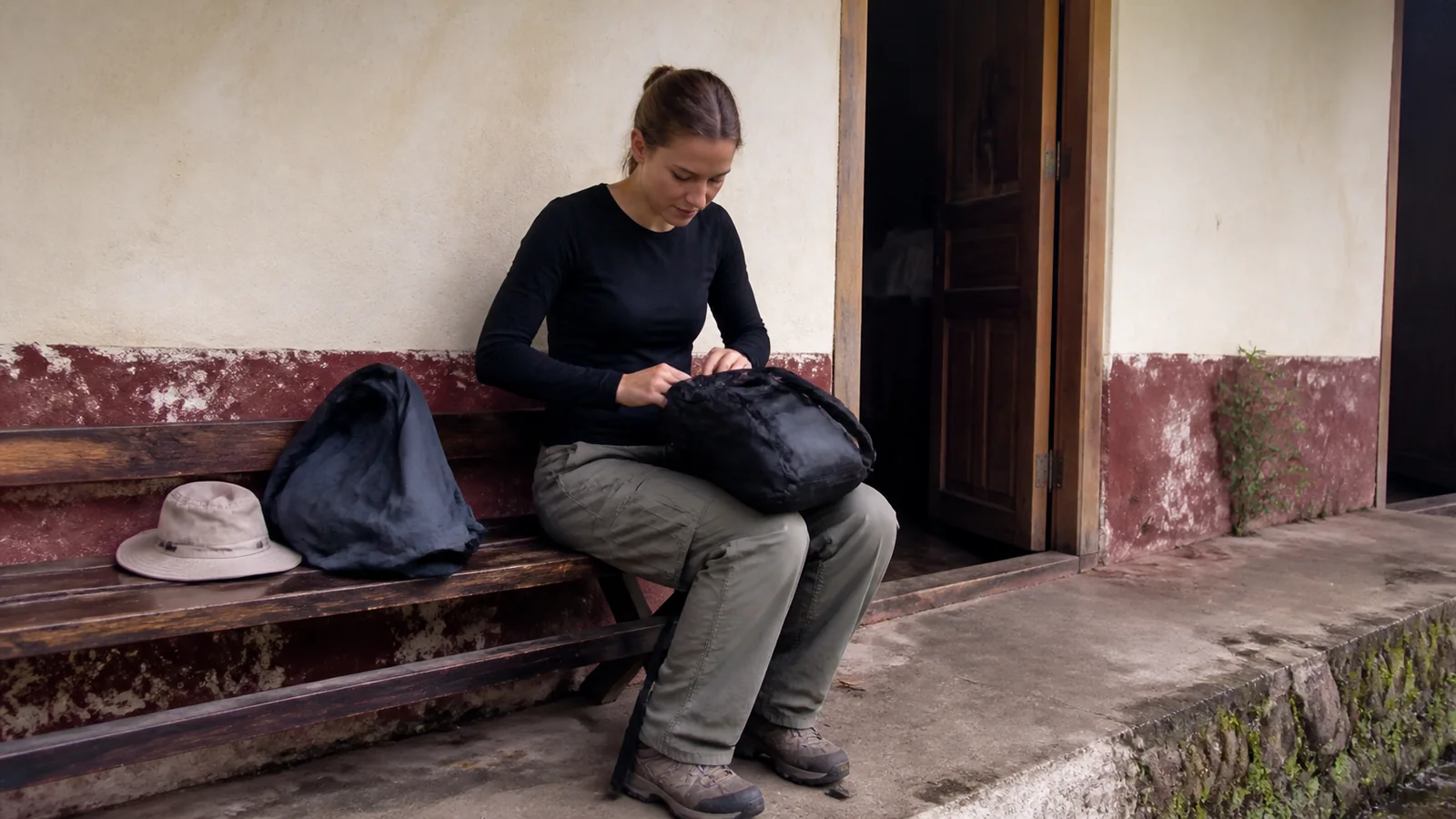
Cusco combines Inca foundations, colonial architecture, living Quechua culture, museums, markets, and a very real first-day hill. The Sacred Valley generally sits lower, so some travelers begin there to soften the arrival at altitude.
Arequipa and Colca Canyon
Arequipa offers volcanic scenery, distinctive stone architecture, convents, markets, and one of Peru’s strongest regional food traditions. Colca Canyon adds long drives, higher passes, walking options, and condor viewpoints.
A condor sighting is never guaranteed, and getting close for a photo is not the goal. Stay at viewpoints, keep noise down, and let wildlife set the distance.
Puno and Lake Titicaca
Lake Titicaca brings high-altitude light, islands, wetlands, and Aymara and Quechua communities. Choose community visits that explain who operates the experience and where the money goes.
Puno’s elevation can hit hard after a lowland arrival. Give it real acclimatization time rather than treating a night bus as a health strategy.
The Amazon
Iquitos is reached by air or river rather than road from Lima, while Puerto Maldonado is a common gateway in southeastern Peru. The lodges, river systems, wildlife, seasonality, and health considerations differ, so “the Amazon” is not one interchangeable excursion.
Ask about boat safety, life jackets, guide training, wildlife ethics, electricity, mosquito protection, and emergency communication. Do not touch or feed wildlife, and avoid experiences that use captive animals as photo props.
Coast and northern Peru
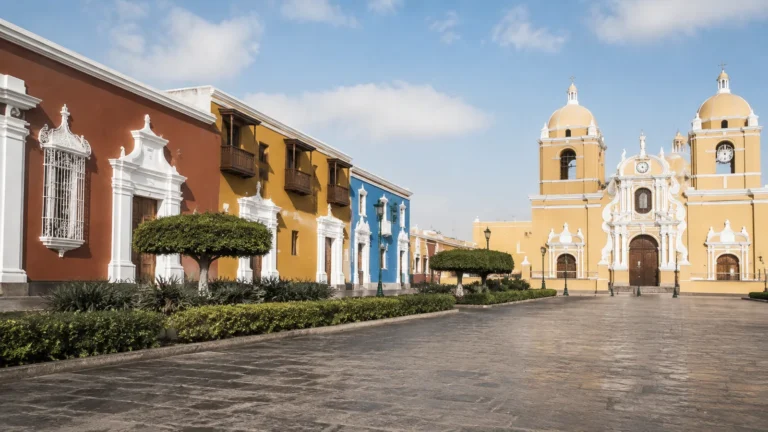
Paracas and the Ballestas Islands pair desert coast with marine wildlife, while Huacachina centers on dunes and adventure activities. Farther north, Trujillo, Chan Chan, the Moche sites, beaches, Chachapoyas, and Kuélap can anchor a second Peru trip.
The official Peru tourism site is useful for comparing regions before choosing a route. Confirm opening, access, and tickets directly because political events, weather, restoration, and transportation can change quickly.
Health planning changes by region
Review the CDC’s current Peru traveler guidance several weeks before departure. Recommendations for yellow fever, malaria prevention, routine vaccines, food and water safety, and insect precautions depend heavily on the itinerary.
Use effective repellent, long sleeves, and screened or air-conditioned lodging where appropriate. High-altitude Cusco and lowland Amazon travel create different risks even inside the same vacation.
Drink sealed or reliably treated water and use it for brushing teeth when local guidance advises. Choose food cooked thoroughly and served hot, then carry oral rehydration supplies for digestive trouble.
Avoid ayahuasca and kambo experiences, which the current U.S. advisory links to serious illness, death, assault, injury, and robbery. A spiritual sales pitch does not replace medical screening, regulation, or emergency care.
Peru weather is regional
Lima’s warmer summer and gray, misty winter do not predict conditions in Cusco. The Andes generally have wetter and drier periods, while the Amazon stays hot, humid, and rainy with seasonal variation in river levels.
Pack layers, sun protection, a real rain shell, and footwear suited to the exact route. Mountain sun can burn through cool air, and a clear morning can become a wet afternoon.
Floods, landslides, earthquakes, and road damage can affect travel. Keep an offline copy of reservations, know the lodging’s emergency plan, and never cross a flooded road or trail.
Cultural respect and photography
Spanish is widely used, while Quechua, Aymara, and other Indigenous languages remain vital. Learn a few polite Spanish phrases and never treat traditional clothing as a costume provided for your camera.
Ask before photographing a person, child, ceremony, market stall, or working animal, and agree on any expected payment first. Respect no-photo rules at museums, churches, archaeological sites, and military or government facilities.
Buy textiles from makers or transparent cooperatives when possible and ask about fiber, dyes, and production. Bargaining should remain respectful of skilled work.
What to pack for Peru
- Passport, entry details, insurance, and ticket copies
- Two cards, Peruvian soles, and an emergency reserve
- Secure crossbody day bag
- Layered clothing for coast, mountains, and jungle
- Waterproof jacket and comfortable walking shoes
- Sun hat, sunscreen, sunglasses, and lip balm
- Effective insect repellent for relevant regions
- Personal medicines and basic stomach supplies
- Portable charger and offline maps
- Refillable bottle with a reliable treatment plan
These Paracas planning tips help turn the southern coast into more than a rushed bus stop. These South America value destinations put Peru’s costs in context, while these South America cruise routes offer a different way to connect Pacific ports.
Peru travel FAQs
How many days do you need in Peru?
Ten days can cover Lima, the Sacred Valley, Cusco, and Machu Picchu with basic acclimatization. Two weeks creates room for Arequipa, the Amazon, the coast, or Puno without treating every transfer as a race.
Should you go straight from Lima to Cusco?
Many travelers do, but the rapid jump to roughly 11,150 feet increases altitude-illness risk. A slower ascent or an initial stay lower in the Sacred Valley may help, though no itinerary removes risk completely.
Can you buy Machu Picchu tickets at the last minute?
Limited in-person availability should never be the foundation of an international trip. Buy the preferred circuit and time through the official system before committing to nonrefundable transportation.
Final thoughts
The happiest Peru itinerary has a little blank space in it. Altitude, demonstrations, road conditions, and weather all become easier when one delay does not knock down the whole trip.
Secure Machu Picchu properly, respect regional differences, and let Peru be more than its most famous stone walls. The reward is a journey through inventive cities, living cultures, huge landscapes, and meals worth rearranging an afternoon for.