Glamping Pods: What They Include and How to Book One
A glamping pod is the sweet spot for travelers who want birdsong and a firepit without wrestling tent poles at midnight. The catch is that “pod” has no universal amenity list, so one booking may be a heated tiny cabin with a bathroom while another is basically a dry wooden shell with mattresses.
What is a glamping pod?
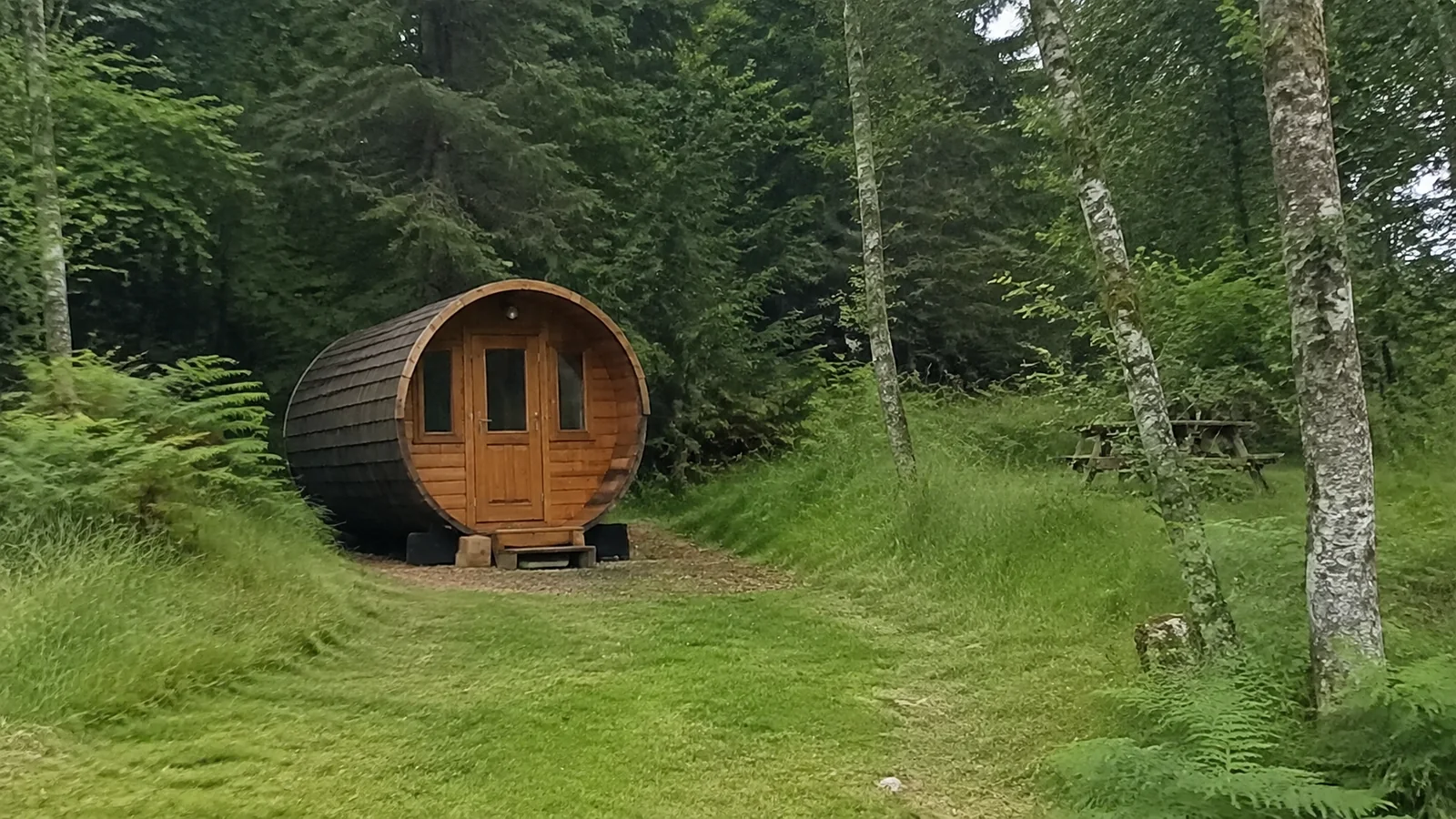
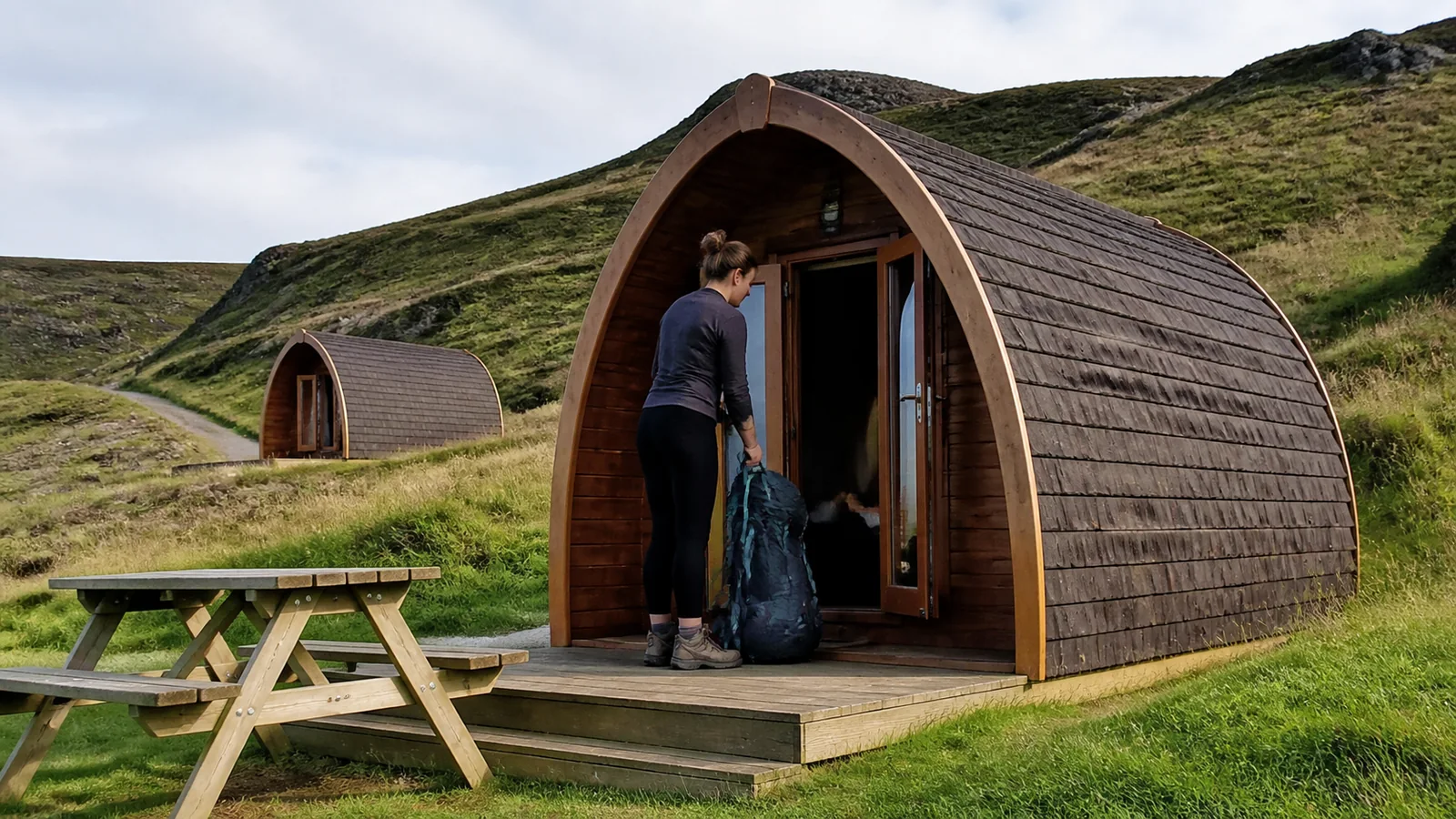
A glamping pod is a compact, weather-resistant vacation unit designed to give guests a camping-style setting with more shelter and comfort than a tent. Most are small wooden or composite structures, often with a curved, barrel, cabin, or geometric shape.
The word describes a style of lodging, not a regulated hotel category. A host can call a simple sleeping hut, a tiny home with plumbing, or a sleek studio with a hot tub a glamping pod, which is why the photos and amenity list matter more than the label.
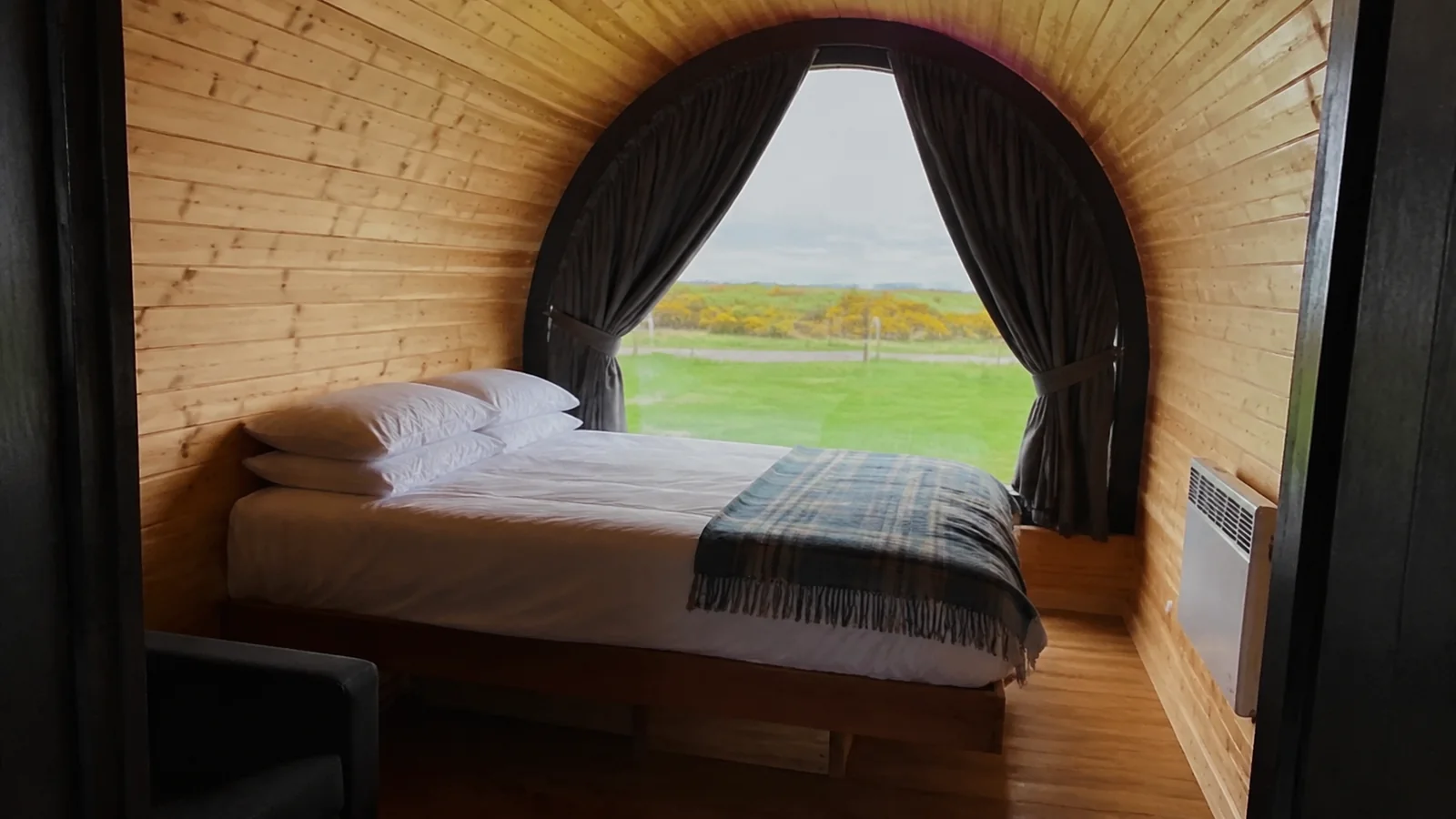
At the simple end, expect a lockable room, beds or mattresses, lighting, and access to a shared bathhouse. At the plush end, a pod may include climate control, an en suite bathroom, kitchenette, linens, Wi-Fi, deck, grill, and private soaking tub.
The broader glamping family also includes safari tents, yurts, domes, treehouses, Airstreams, and tiny cabins. Hipcamp’s explanation of glamping styles is useful for seeing how loosely the term is applied across booking platforms.
Is a glamping pod actually camping?
Purists can debate this around their perfectly stacked firewood. For trip-planning purposes, a pod is outdoor lodging: you sleep in a fixed structure but may still cook outside, walk to the restroom, manage mud and insects, and live by campground quiet hours.
That is the charm for many people. You get a solid door, raised floor, proper mattress, and less gear while keeping the easy access to trails, lakes, stargazing, and slow mornings that makes camping appealing.
It is not automatically a wilderness experience. Some pods sit deep in forests, while others are packed into holiday parks, resort grounds, farms, vineyards, or suburban backyards.
What does a glamping pod include?
Never assume a pod has electricity, running water, heat, air conditioning, bedding, cookware, or a toilet. Even government-run recreation sites illustrate the range: the Fallen Leaf yurts near Lake Tahoe have beds, lighting, and heaters but no bedding, cooking supplies, or extra electrical outlets.
That example is a yurt rather than a pod, but the booking lesson is exactly the same. “Furnished” does not mean hotel-ready, and an amenity at the campground may be nowhere near your unit.
Before paying, confirm each of these in writing:
- Bed setup: Mattress sizes, bunks, sofa beds, loft ladders, and maximum occupancy
- Linens: Sheets, pillows, blankets, towels, or a bring-your-own requirement
- Bathroom: Private, shared, composting, vault toilet, or no toilet on site
- Water: Potable tap, refill point, hot water, or water you must carry in
- Cooking: Kitchenette, microwave, grill, fire ring, shared kitchen, or no cooking setup
- Power: Number and type of outlets, lighting, USB ports, and charging limits
- Temperature: Insulation, safe installed heat, fan, or air conditioning
- Connectivity: Wi-Fi and realistic cellular reception
- Access: Parking distance, steps, path surface, lighting, and luggage transport
- Rules: Pets, fires, food storage, visitors, alcohol, and quiet hours
If the listing says “bathroom available,” ask whether it is private and how far away it is. That one fuzzy phrase can mean a toilet behind the next door or a flashlight walk across a wet campground.
Who will love a glamping pod?
A pod is a lovely first step for someone who likes nature but has no desire to buy a tent, sleeping pad, stove, and half an outdoor store. It also works well for short road trips because setup and breakdown take minutes rather than swallowing both ends of the stay.
Couples often appreciate the privacy and cozy scale, while families can enjoy the novelty without asking young children to sleep on the ground. Friends can book neighboring units and keep a bit of personal space instead of squeezing into one rental house.
Pods can also make outdoor stays easier for people who need a real bed, solid walls, or nearby power. Accessibility varies wildly, though, and a cute curved doorway, gravel path, narrow bathroom, or loft bed may make the unit less usable rather than more.
Who may not enjoy one?
A light sleeper may struggle with rain on the roof, dawn birds, neighboring campfires, or a shared bathhouse door. Anyone who expects hotel housekeeping and room service may find even a luxury pod surprisingly hands-on.
Very small units can feel cramped after a full rainy day, especially with children, a dog, and damp gear. Couples should also look carefully at bathroom privacy because some designer pods place a tub or toilet much closer to the bed than the wide-angle photo suggests.
A pod is not automatically the budget choice. Once a cleaning fee, booking charge, firewood, linen rental, pet fee, and two-night minimum are added, a nearby cabin or motel may cost less.
How much do glamping pods cost?
There is no honest universal nightly price because a basic unheated pod and a private spa pod are entirely different products. Location, season, day of week, view, bathroom setup, and minimum stay can move the total more than the word “glamping” does.
Compare the complete checkout price for the same dates and number of guests. Then divide it by the number of nights, adding anything you must rent or buy, such as bedding, firewood, parking, or a camp kitchen kit.
Also check the cancellation policy before getting attached to the sunset photo. Outdoor stays are vulnerable to wildfire smoke, road closures, storms, extreme heat, and personal plans that change, yet some small properties use stricter terms than hotels.
How to choose a glamping pod that matches the photos
Start with the map rather than the duvet. Look at the drive, road surface, last fuel and grocery stop, surrounding land use, nearby units, and distance to the activity that brought you there.
Read the least enthusiastic recent reviews first. They often reveal highway noise, thin curtains, temperamental hot water, steep paths, farm smells, weak heating, or a communal bathroom that the main description barely mentions.
Next, study every photo for what is missing. If there is no image of the bathroom, kitchen, view from the deck, parking area, or space between pods, ask for clarification instead of filling the gap with wishful thinking.
A responsible listing should make these details easy to find:
- Exact sleeping arrangement and maximum occupancy
- Private and shared facilities clearly separated
- Heating or cooling type and seasonal limitations
- Fire, food-storage, wildlife, and pet rules
- Emergency contact and severe-weather procedure
- Accessibility details based on measurements, not just an icon
- All mandatory fees before checkout
For public-land options, Recreation.gov lists cabins, yurts, furnished tents, and other reservable structures alongside ordinary campsites. Private booking sites have a larger and more imaginative range, but always verify the host, address, access rules, and payment protections before booking.
What to pack for a glamping pod
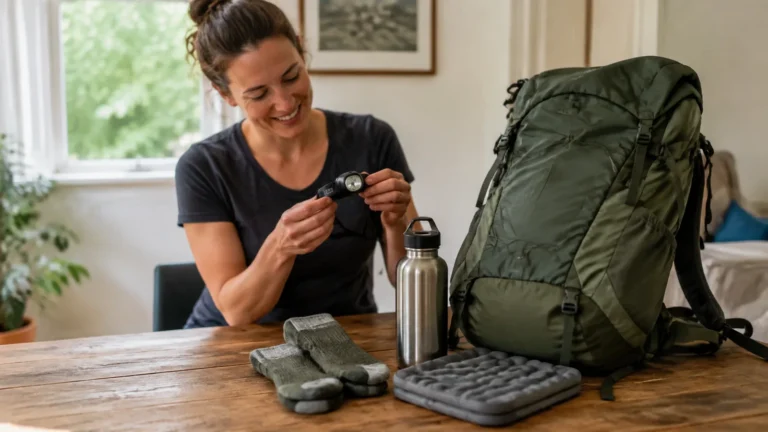
Pack from the actual listing, not from a generic glamping reel. A pod with an en suite bathroom and stocked kitchen needs a weekend bag, while a dry pod may require nearly everything except the tent.
For most stays, this is a sensible starting list:
- Weather layers and a waterproof outer layer
- Closed-toe shoes plus easy shoes for bathroom trips
- Flashlight or headlamp for every guest
- Refillable water bottles
- Food and cooler only if storage and cooking rules allow them
- Insect repellent and sunscreen
- Power bank and the correct charging cables
- Earplugs and an eye mask
- Basic first-aid supplies and personal medications
- Trash bags or reusable containers for packing out waste
Bring bedding only when required, but do not guess. A “double bed” may include a mattress and nothing else, while a linen package may omit towels or charge per person.
My broader collection of practical travel tips can help with the road-trip side of the stay. If the pod is a base for serious backcountry time, its walls do not replace the navigation, water, clothing, and emergency gear the outing itself requires.
Glamping pod safety without spoiling the fun
Ask whether the unit has working smoke and carbon-monoxide alarms when it contains a fuel-burning heater, stove, or fireplace. Never take a grill, camp stove, portable heater, or generator inside unless the appliance and property instructions explicitly designate a safe installed use.
Learn where to go during lightning, high winds, flood warnings, wildfire, or a power outage. A pod feels sturdier than canvas, but its safety still depends on construction, trees, terrain, access roads, and the hazard itself.
Food rules are safety rules in wildlife country. Use the provided locker or host instructions for all food, trash, toiletries, and scented items rather than assuming a locked pod is approved bear-resistant storage.
Keep fires inside designated rings and obey current restrictions, even if the listing gallery shows a roaring campfire. The National Park Service’s Leave No Trace principles are a clear refresher on fire impacts, waste, wildlife, and consideration for other visitors.
Are glamping pods eco-friendly?
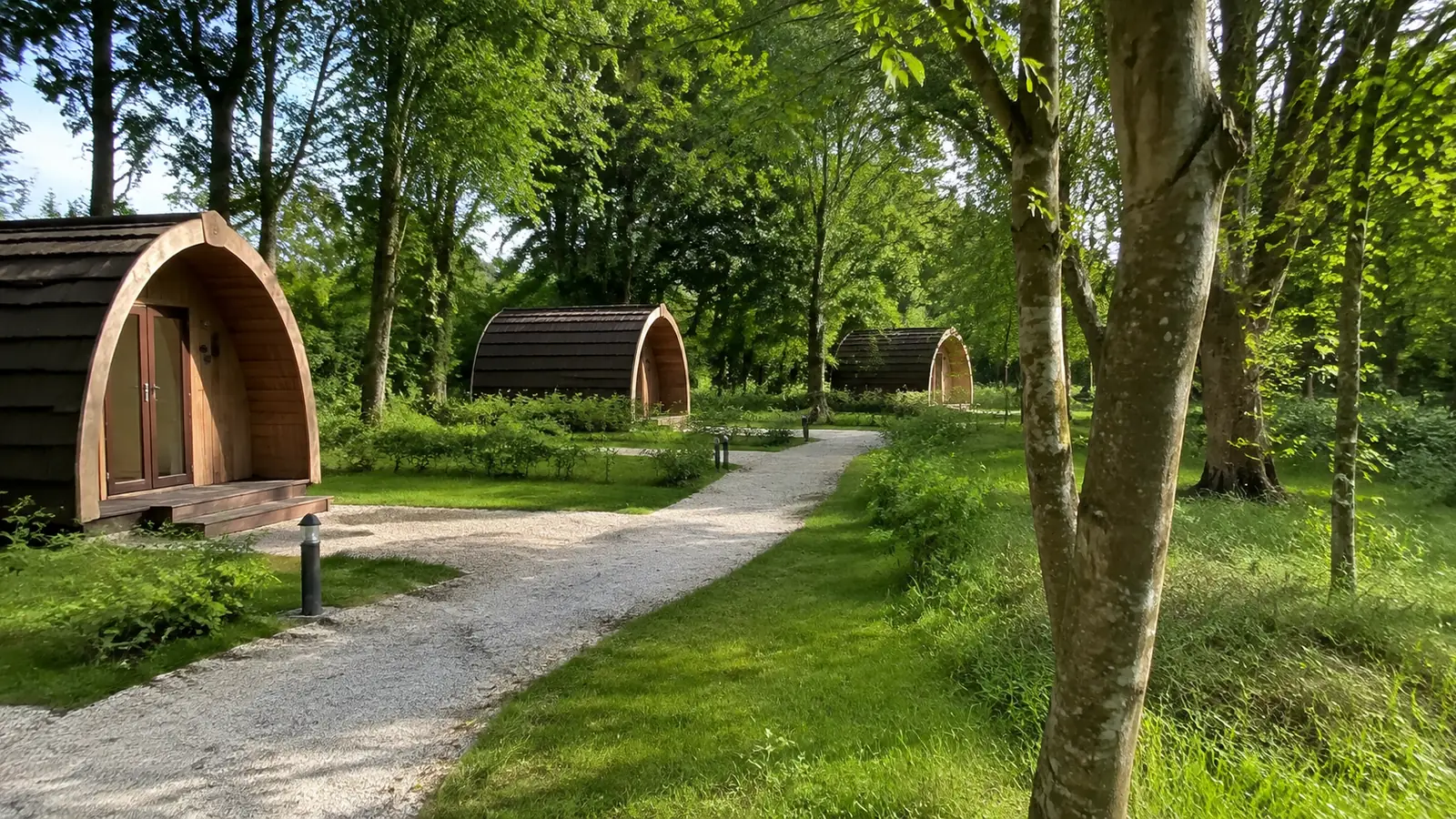
Sometimes, but the pod shape proves nothing. A small footprint can reduce material and energy demand, yet a poorly sited development may disturb habitat, strain local water, add traffic, or market disposable amenities as luxury.
Look for specific practices such as renewable electricity, efficient heating, safe wastewater treatment, refill stations, habitat protection, low-impact paths, local employment, and transparent waste handling. “Eco pod” without evidence is decoration, not environmental performance.
My breakdown of the essential characteristics of ecotourism is helpful here. The strongest properties protect the place, benefit local people, and help guests understand the landscape rather than simply placing a hot tub near trees.
Where to take a glamping-pod trip
Choose the setting first, then the pod. A beautiful unit cannot rescue a trip built around a six-hour drive for one night or an activity that is closed in your season.
Forest and lake regions work especially well because the pod becomes a dry base for hiking, paddling, fall color, or snowshoeing. My Northern Wisconsin planning guide is full of the kind of small towns, lakes, and wooded drives that pair naturally with cabin-style stays.
Coastal pods are wonderfully atmospheric, but salt, wind, fog, insects, tides, and exposed access deserve attention. Mountain pods need the same respect for elevation, road conditions, sudden weather, and seasonal closures as any other mountain lodging.
A farm stay can be friendly and memorable, but expect real farm sounds, animals, equipment, mud, and early mornings. A dark-sky pod may deliver glorious stars while also being far from restaurants, cellular service, and late-night assistance.
Frequently asked questions
Do glamping pods have bathrooms?
Some have private bathrooms, some share a bathhouse, and some have only a toilet or no plumbing at all. Confirm the exact setup and walking distance before booking.
Are glamping pods heated?
Many are, but not all heat is equal. Check the heater type, operating dates, insulation, overnight temperatures, and whether the host supplies fuel.
Can you cook inside a glamping pod?
Only when the unit has an approved cooking setup and the host permits it. Never improvise with a camping stove or grill indoors.
Are glamping pods good with children?
They can be fantastic, but look for loft ladders, water, heaters, firepits, roads, steep drops, and distance to bathrooms. “Family-friendly” is a marketing phrase, so match the physical setup to your child’s age and needs.
Are dogs allowed in glamping pods?
Pet policies vary by unit, not just by campground. Check fees, size or number limits, leash rules, furniture restrictions, and whether pets can be left alone.
My honest verdict on glamping pods
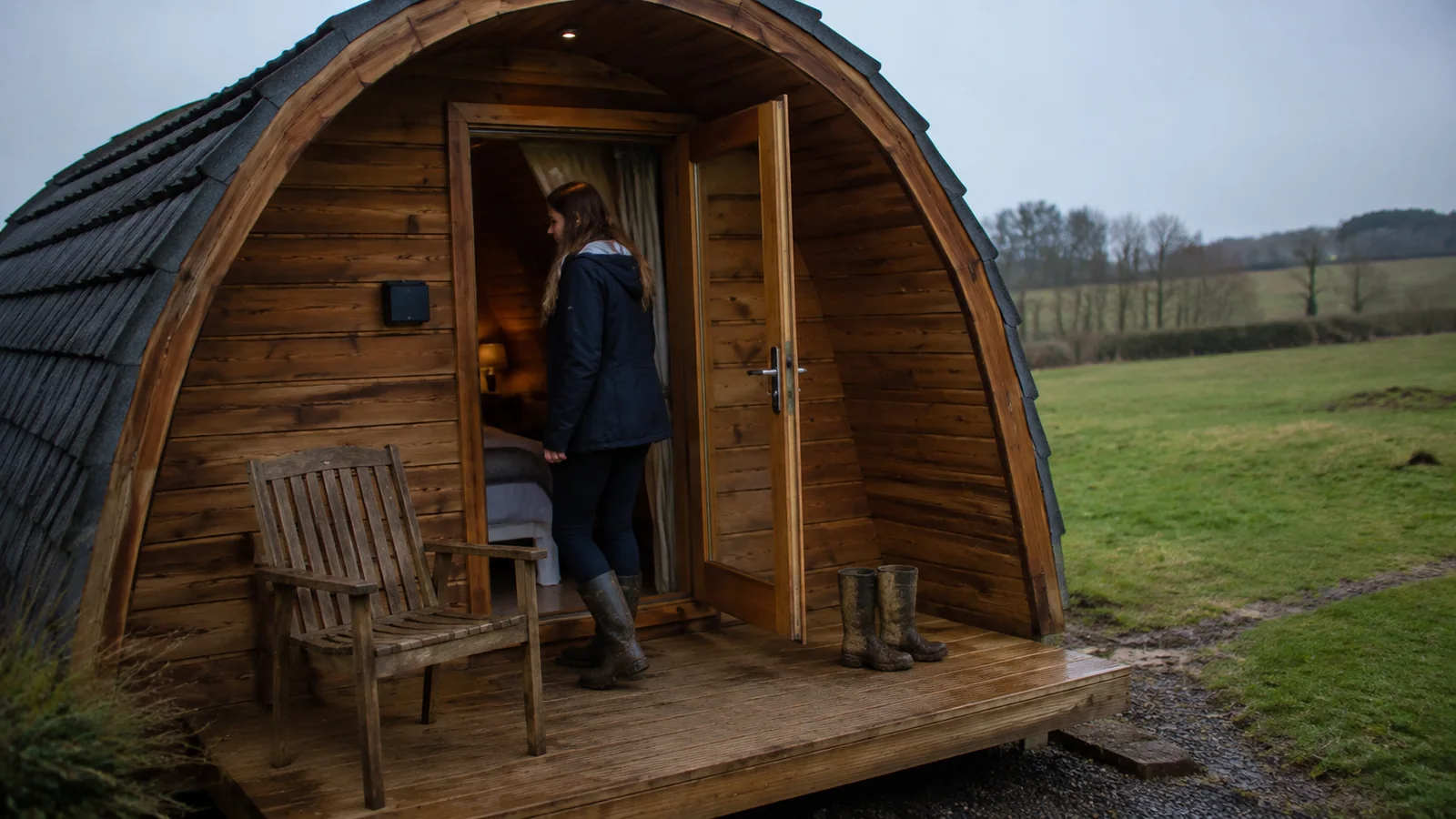
A good glamping pod makes nature easier without sanding away all its texture. It is warm shelter after rain, a real mattress after a long walk, and coffee on a little deck without an hour of campsite assembly.
The best choice is not automatically the fanciest pod. It is the one whose location, facilities, access, rules, and total price match the trip you actually want, with every important detail confirmed before you arrive.