Best Gifts for Hikers: Useful Ideas for Every Budget
The best gift for a hiker is not the gadget with the longest feature list. It is the item that fits their trails, body, existing kit, and comfort level, which is why a thoughtful question or a gift receipt can matter more than a surprise logo.
How to Choose a Gift a Hiker Will Use
First identify what “hiking” means to the recipient. A city-park walker, hot-desert day hiker, rainy-forest regular, winter peak hiker, and long-distance backpacker need very different gear.
Ask where they hike, how long their outings last, what weather they encounter, and whether they already have a favorite brand or system. If you cannot ask directly, choose a low-fit-risk accessory, an experience, or credit from a retailer with a generous return policy.
The National Park Service organizes hiking preparedness around ten essential systems: navigation, sun protection, insulation, illumination, first aid, fire, repair tools, food, hydration, and emergency shelter. That framework is more useful than guessing which novelty belongs on a backpack.
Best Hiking Gifts Under $25
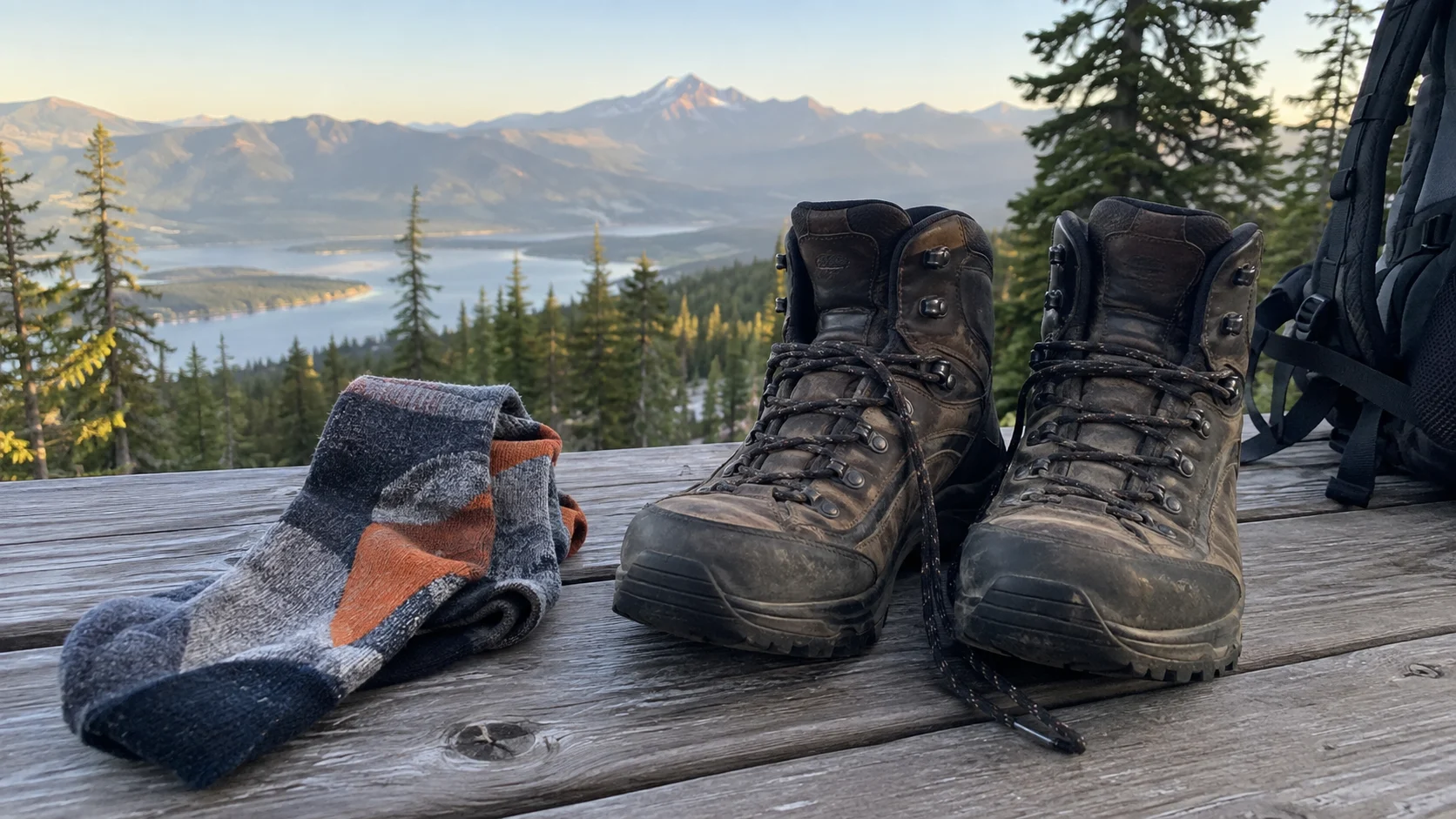
1. Technical Hiking Socks
Quality wool-blend or synthetic socks manage moisture better than ordinary cotton and can make a familiar pair of boots more comfortable. Check shoe size, preferred cushion, sock height, fiber sensitivity, and climate before buying.
This is low-risk only if the recipient is flexible about fabric and fit. A person who has dialed in a blister-free sock system may prefer an exact replacement over a “premium” alternative.
2. Blister and Foot-Care Kit
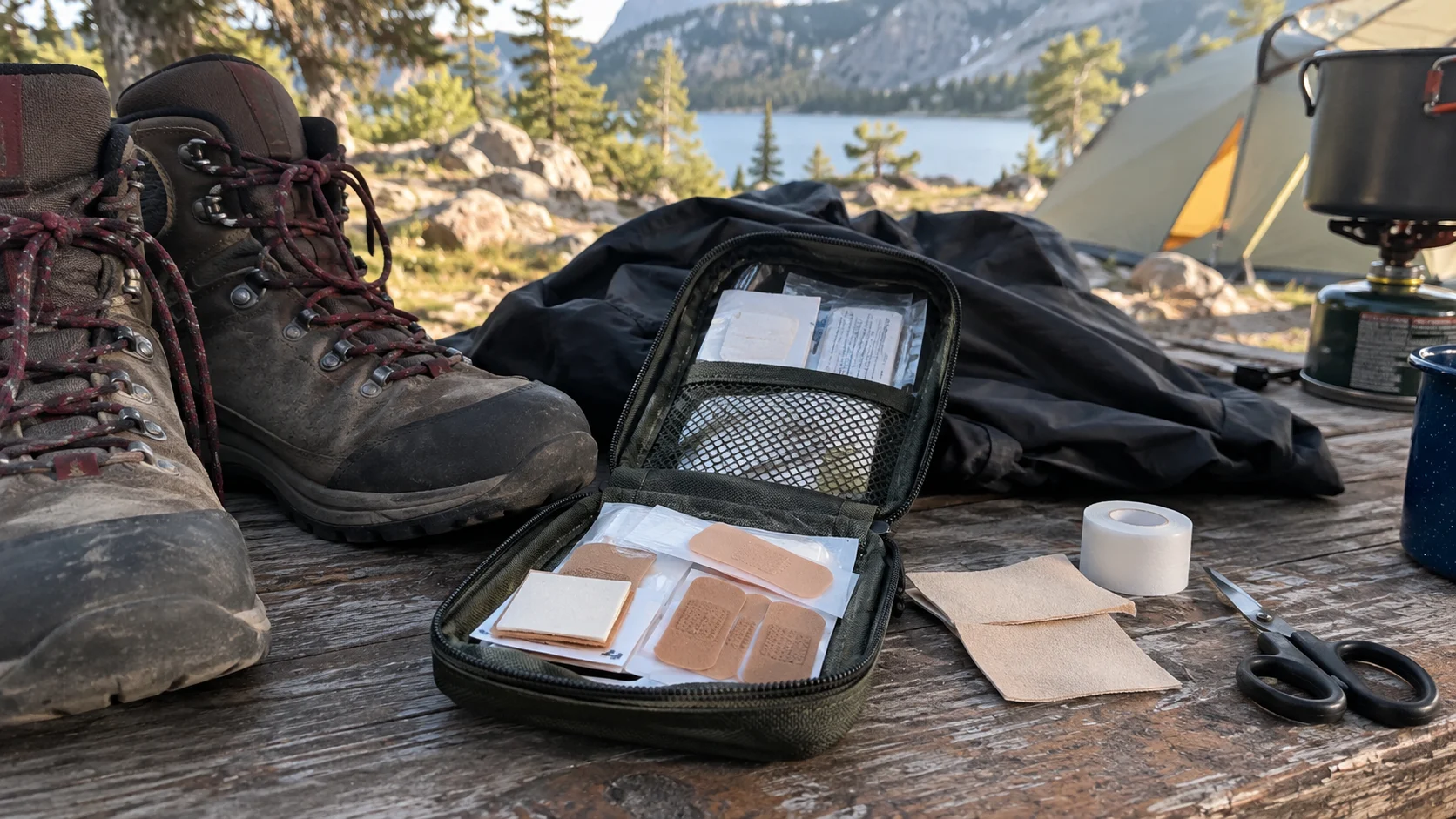
A compact kit with moleskin or preferred blister dressings, antiseptic wipes, tape, and small scissors is practical for day hikers. Look for clear expiration dates, useful instructions, and packaging that can be opened with cold or wet hands.
Do not present it as a complete first-aid kit unless it truly covers the recipient’s needs. Foot care is one module inside a broader safety system.
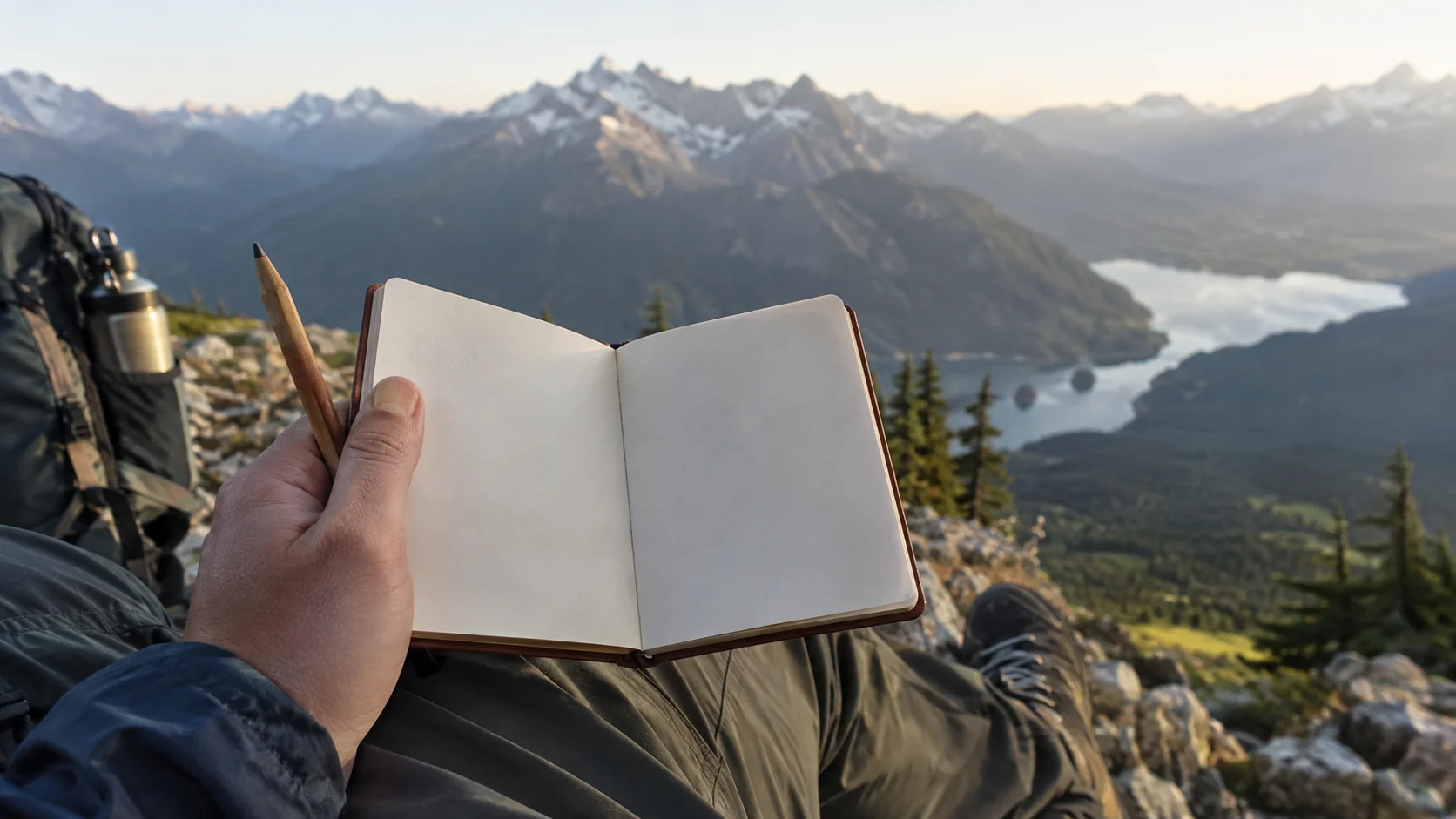
3. Pocket Trail Journal
A weather-resistant notebook gives hikers a place to record routes, wildlife, trail conditions, campsite notes, or memories without draining a phone. Add a pencil and write a personal note on the first page, but leave the rest of the book theirs.
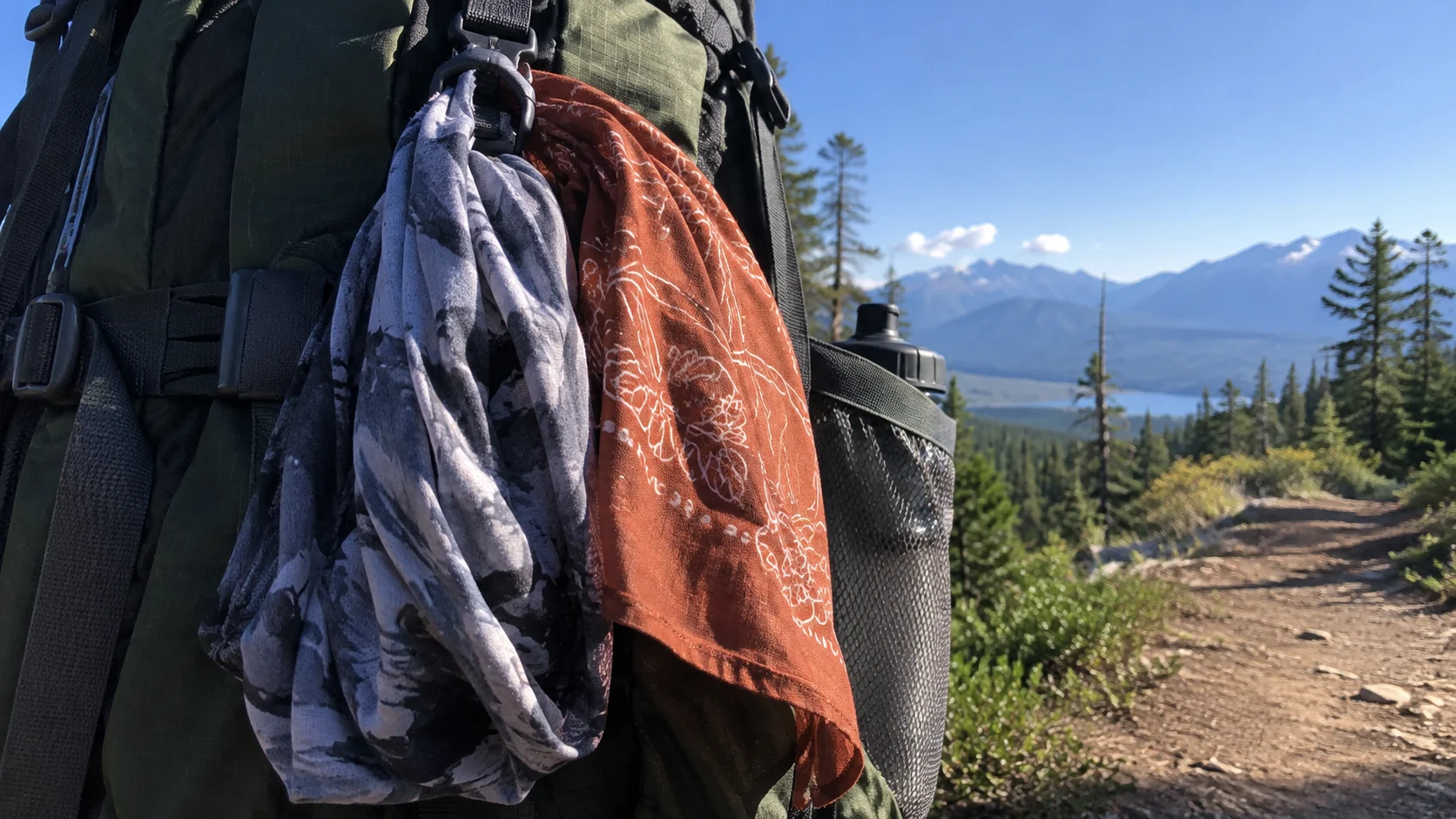
4. Bandana or Lightweight Neck Gaiter
This simple item can provide sun coverage, manage sweat, add a little warmth, or keep loose hair controlled. Choose a breathable fabric and a color the person will actually wear, not just a mountain print that looks giftable.
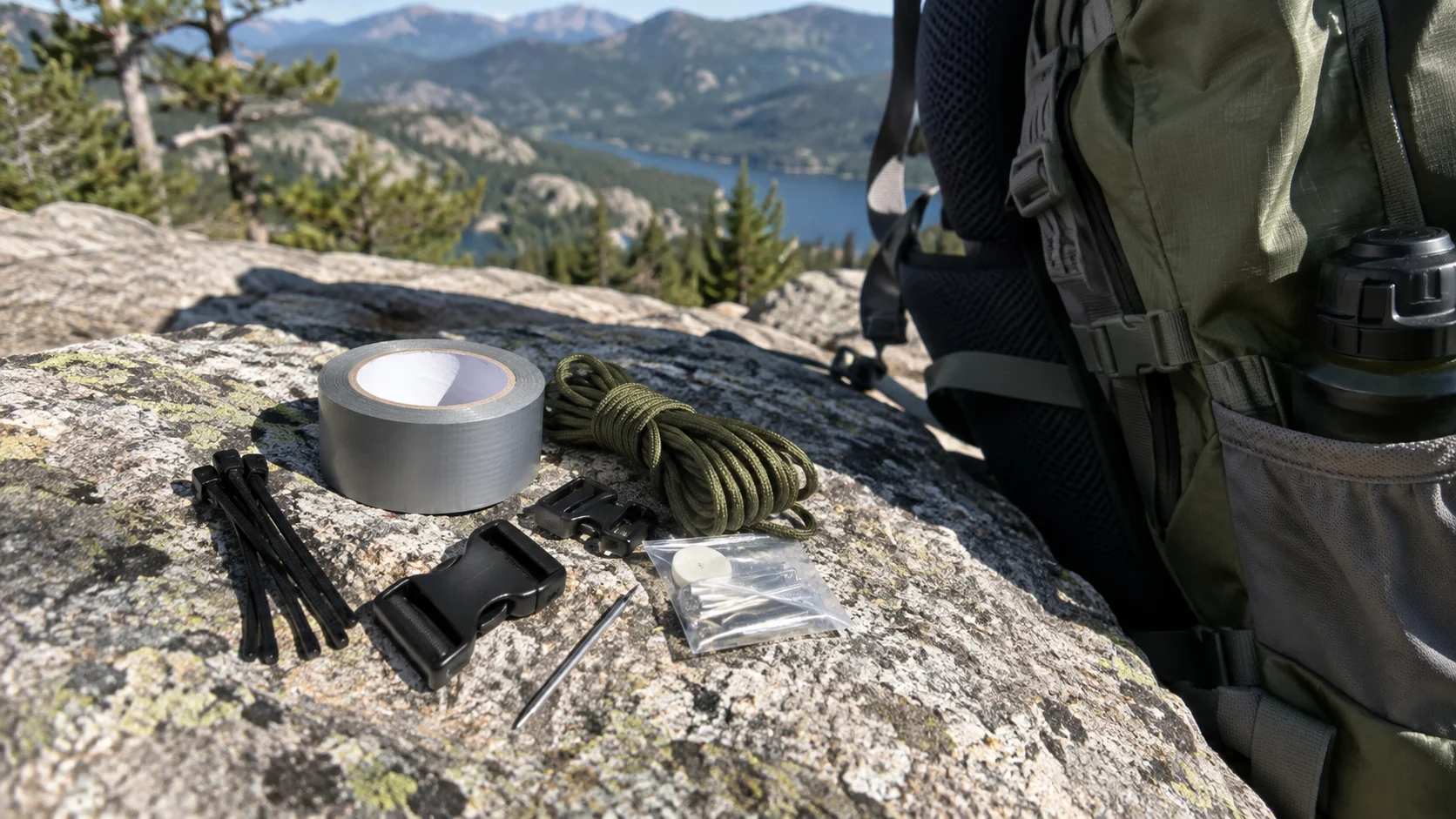
5. Small Repair Supplies
Gear tape, a few zip ties, cord, and patch material can rescue a torn jacket, pack strap, or sleeping pad. Build the kit around what the recipient carries, and avoid a heavy multi-tool if they already trim every ounce.
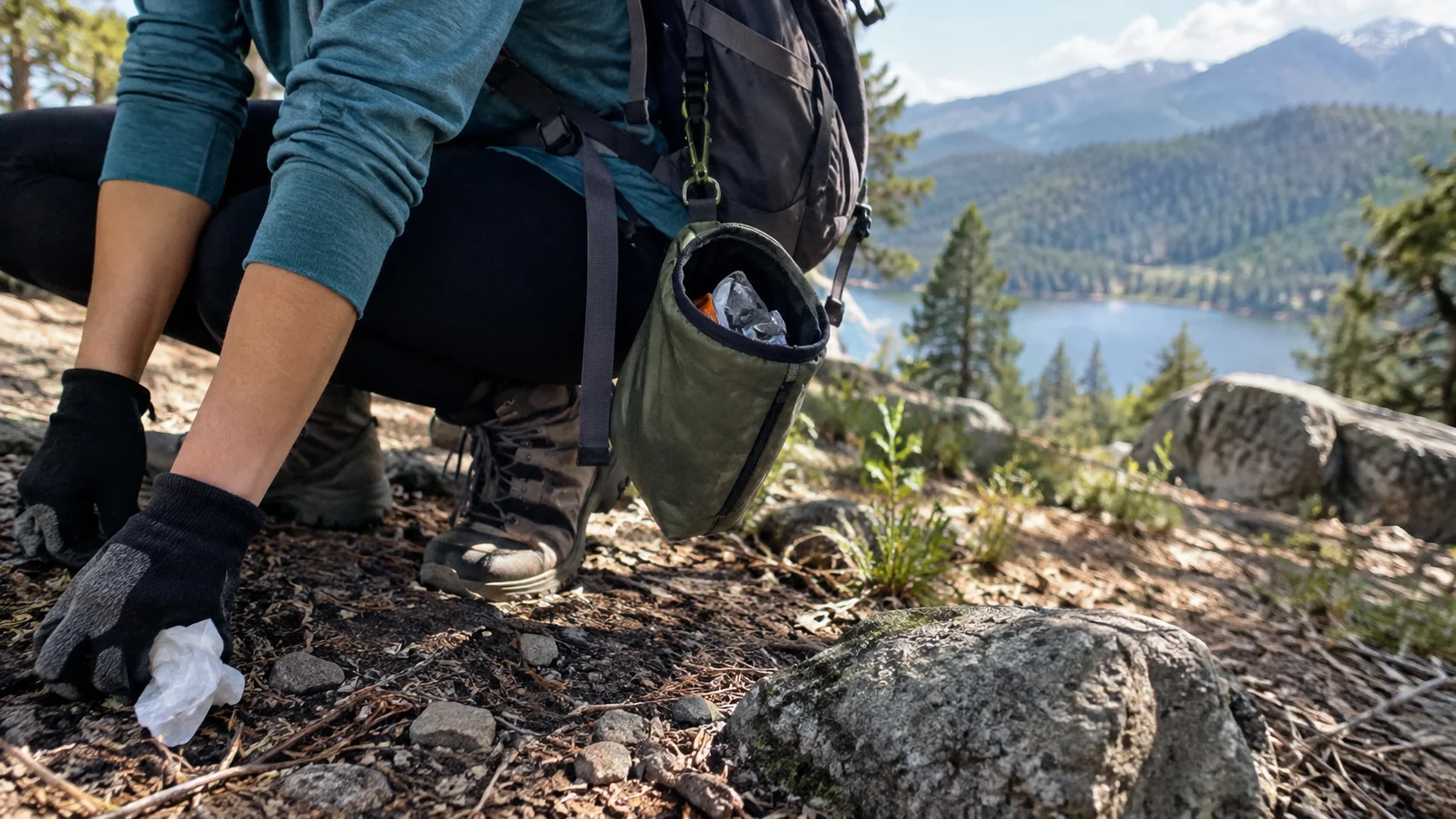
6. Reusable Trail Trash Pouch
A washable, odor-resistant pouch makes it easier to pack out snack wrappers and small litter. It is especially useful for hikers who already pick up trash, though it should never imply that one person is responsible for cleaning an entire trail.
Best Hiking Gifts From $25 to $75

7. A Reliable Headlamp
A headlamp is useful even when the plan ends before sunset, because delays happen and a phone flashlight ties up a hand. Compare beam controls, lockout mode, battery type, weather resistance, weight, comfort, and whether it can use replaceable batteries when charging is unavailable.
More lumens are not automatically better. An intuitive low mode, dependable switch, and fresh backup power may be more valuable than a short-lived maximum beam.
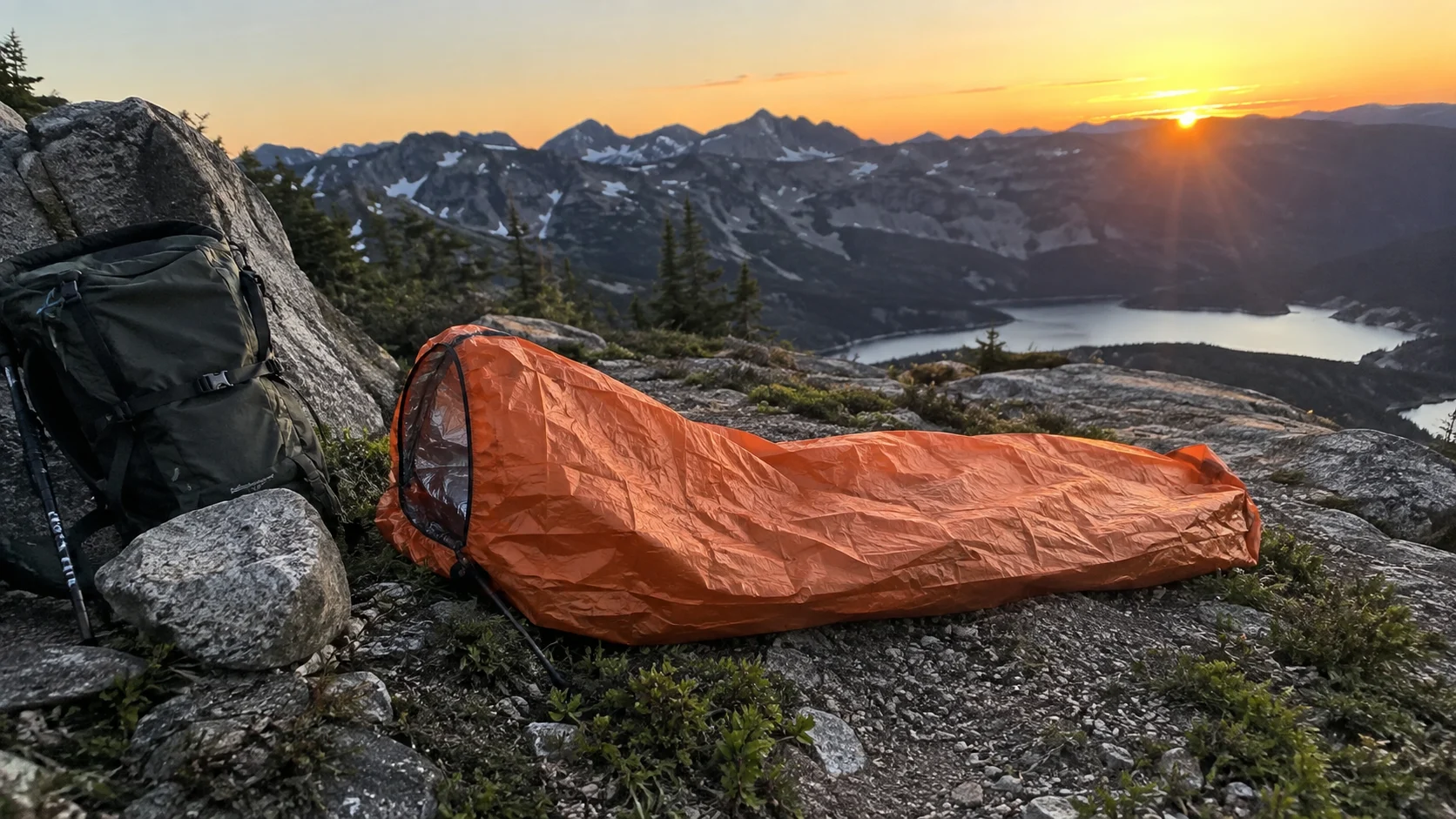
8. Compact Emergency Shelter
An emergency bivy, reflective blanket, or compact tarp adds wind and rain protection when an outing goes wrong. The NPS specifically includes emergency shelter among the ten essentials, even on a day trip.
Choose a reusable option if durability matters and check packed size if the recipient hikes light. A shelter is not permission to ignore forecasts, clothing, route choices, or turnaround time.
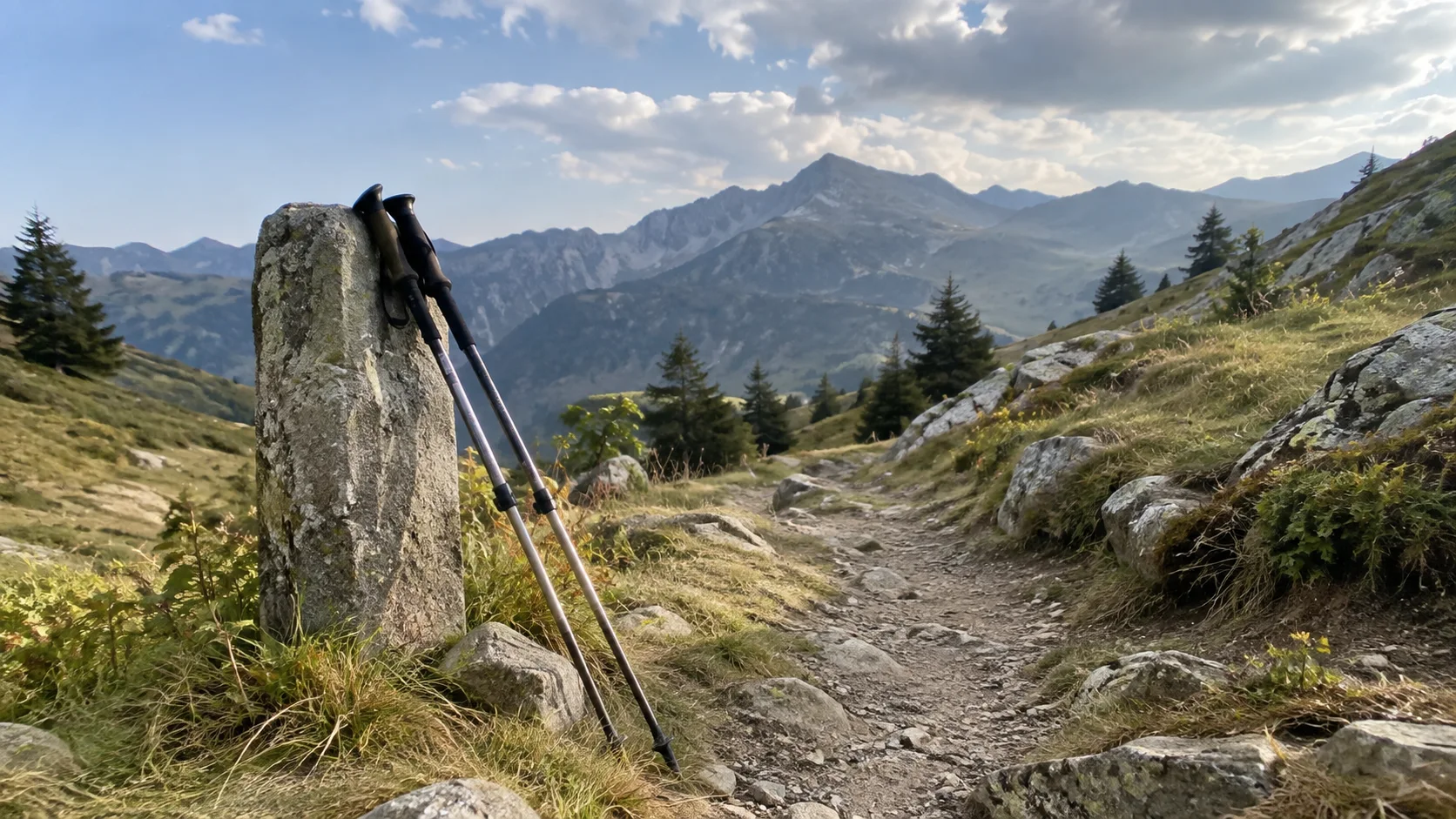
9. Trekking Poles
Poles can improve balance on loose descents, stream crossings, snow, and uneven trail, but grip shape and adjustment style are personal. Ask about height range, packed length, terrain, wrist comfort, and whether the hiker needs one pole or a pair.
Replaceable tips and baskets add long-term value. Rubber tips may be required or preferred on certain hard surfaces, while snow baskets belong to a different use case.

10. Insulated Sit Pad
A folding or closed-cell sit pad turns a cold rock, damp log, or snowbank into a comfortable lunch stop. It is an excellent gift for hikers who value breaks, wildlife watching, or winter outings and a poor choice for someone cutting every nonessential ounce.
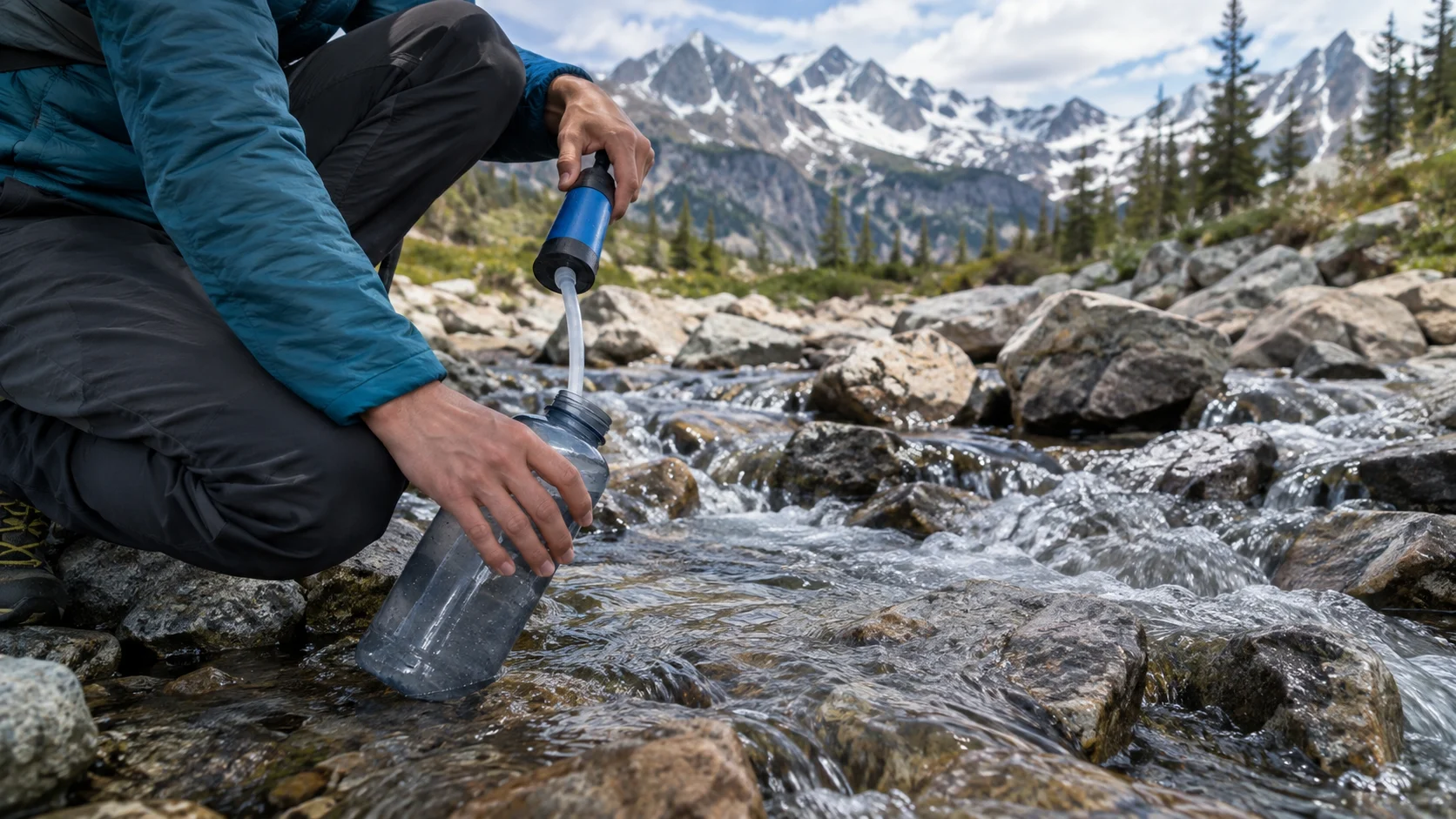
11. Water Filter or Purifier
Water treatment can be a smart gift only after you understand the recipient’s trips and bottles. Compare what the device treats, flow rate, maintenance, freezing risk, cartridge life, compatibility, and whether a backup method is still needed.
A filter that has frozen may be damaged even when it looks normal, and not every filter handles viruses or chemical contamination. Include the manufacturer instructions and never promise that one device makes every water source safe.
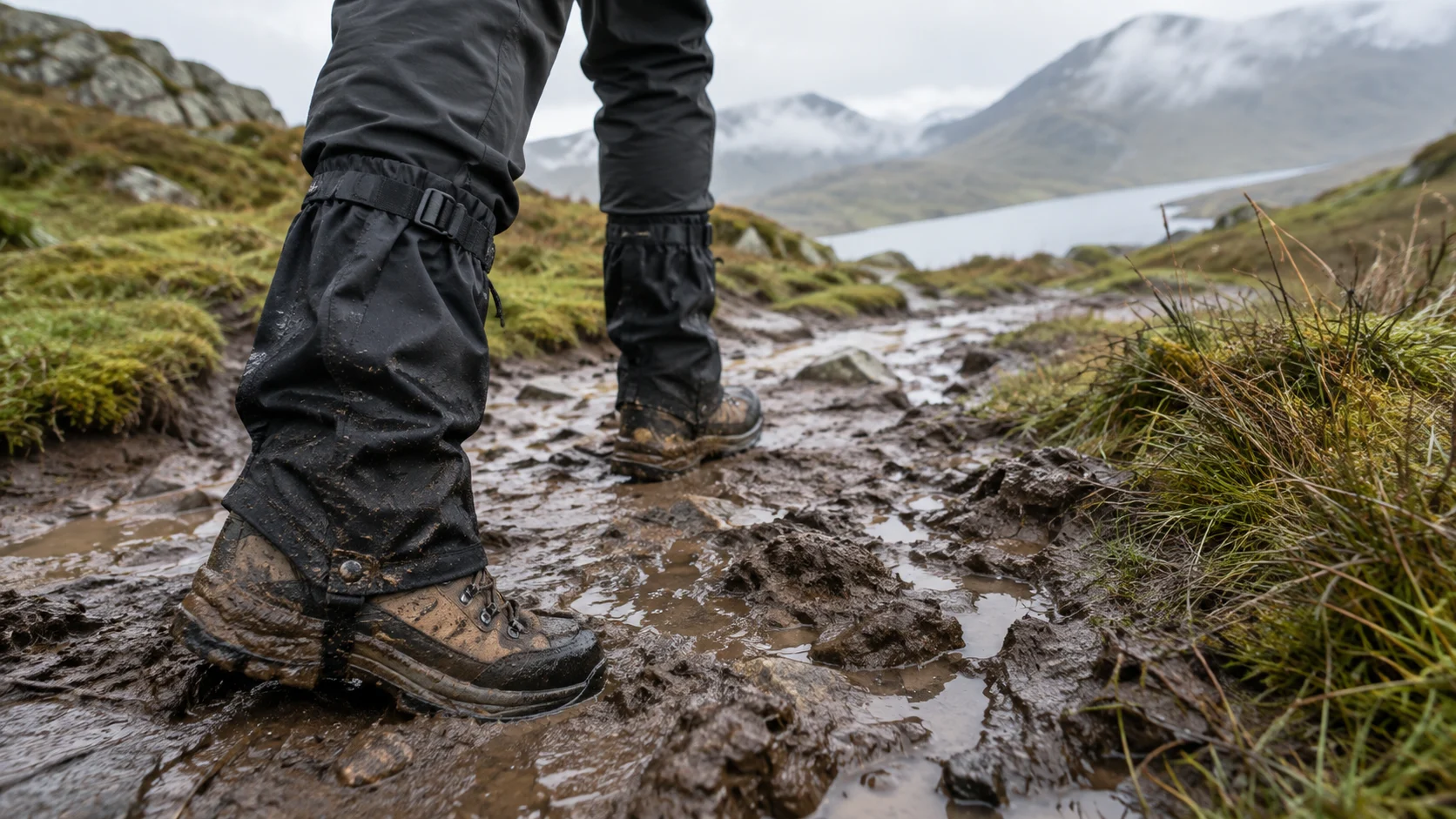
12. Gaiters
Low gaiters help keep grit and small debris out of trail shoes, while taller waterproof models target snow, mud, and brush. Match the style to footwear, calf size, fastening point, and actual terrain.
13. Sun Protection Kit
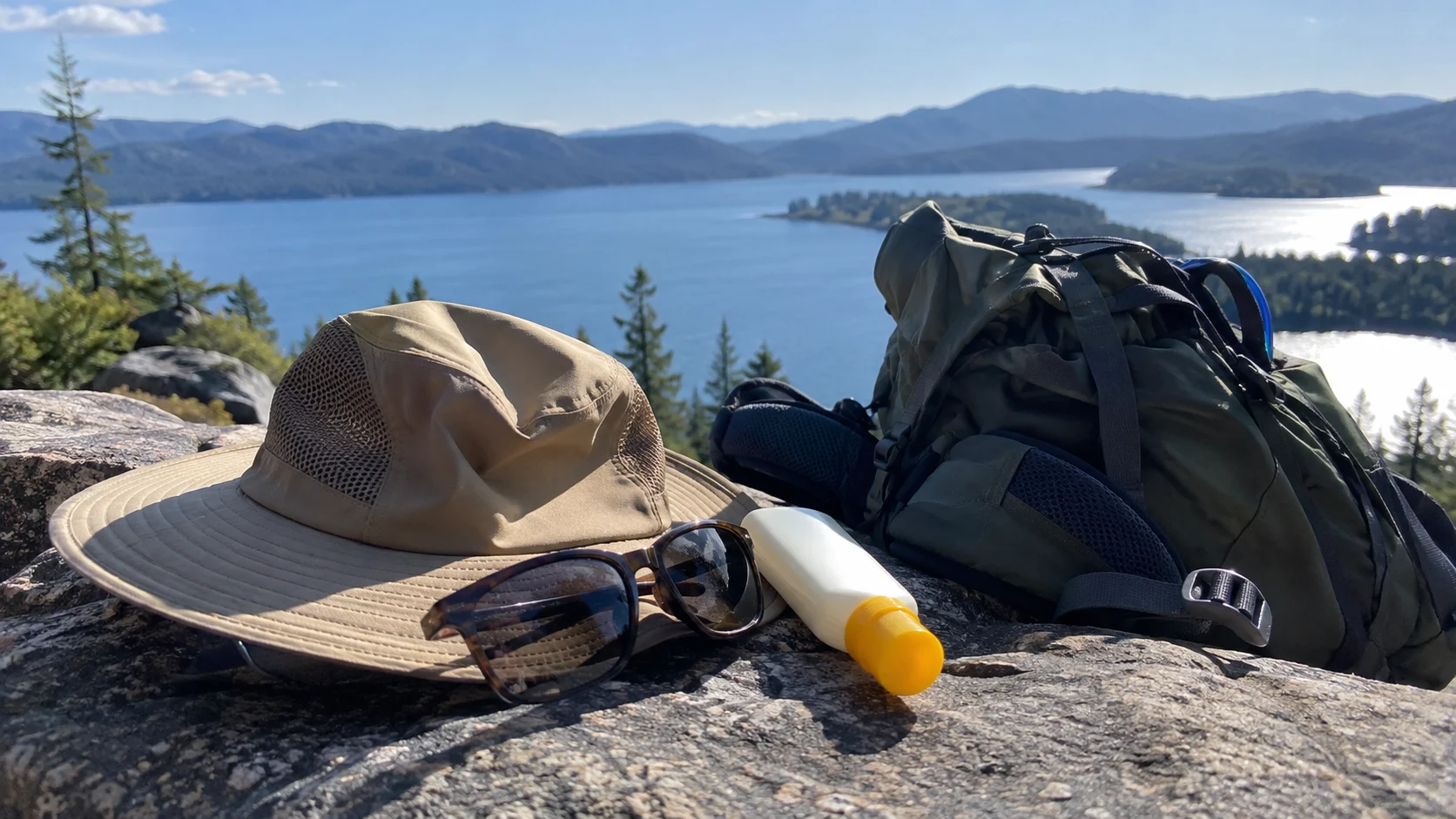
A brimmed hat, sunglasses retainer, lip balm, and sunscreen create a useful warm-weather bundle. Skin products are personal, so check allergies, fragrance preferences, and expiration dates rather than buying the largest multipack.
Best Hiking Gifts From $75 to $200
14. Navigation Course and Compass
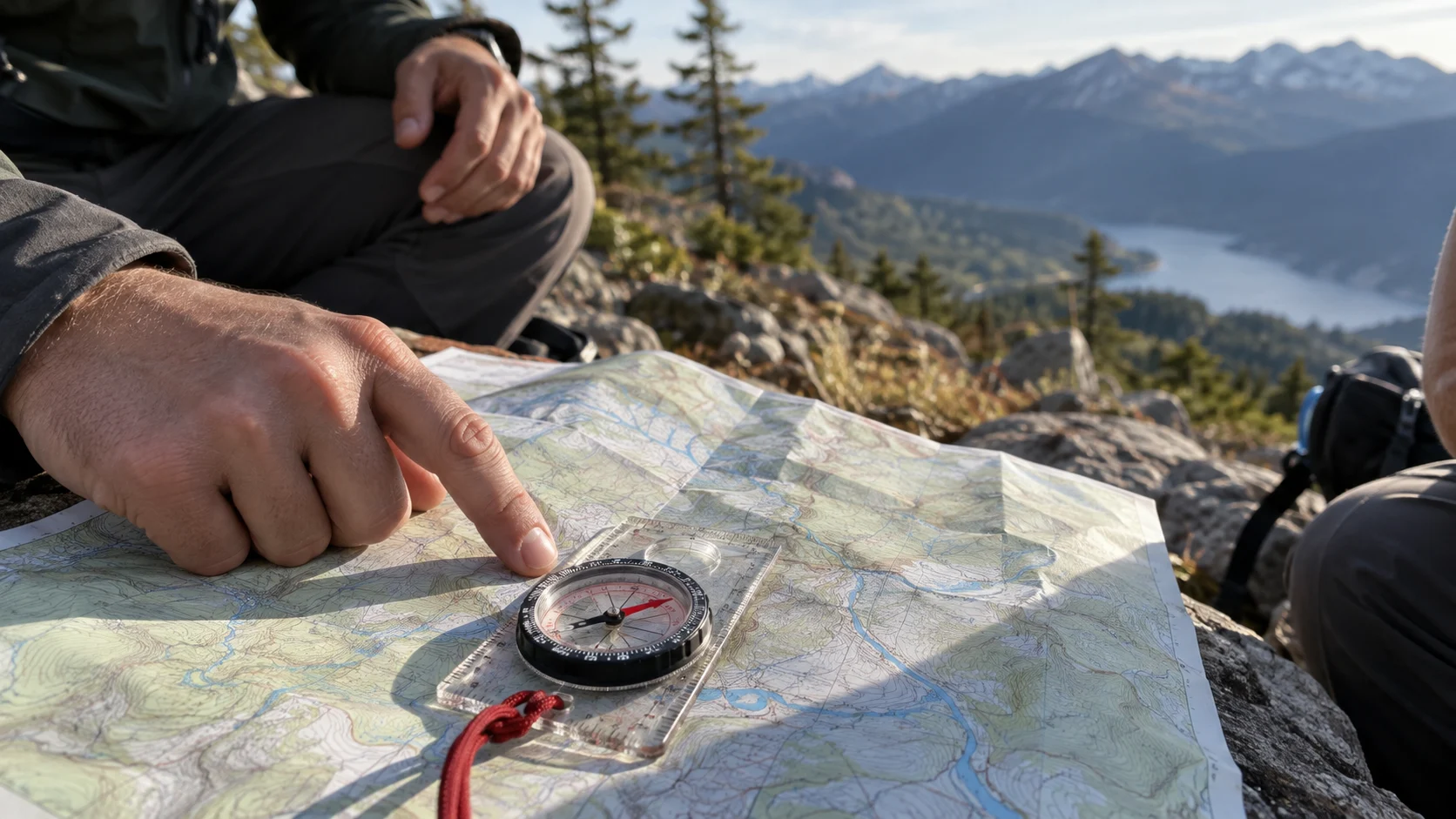
A quality baseplate compass is valuable only when the hiker knows how to use it. Pairing it with a local navigation class turns a small tool into a durable skill and avoids pretending that downloading a map solves every route problem.
The NPS hiking-safety guidance recommends a map, compass, GPS, and the knowledge to use them, along with route research and an emergency plan. A phone can help, but battery, damage, cold, and poor coverage are real limits.
15. Hiking Pack, Chosen Together
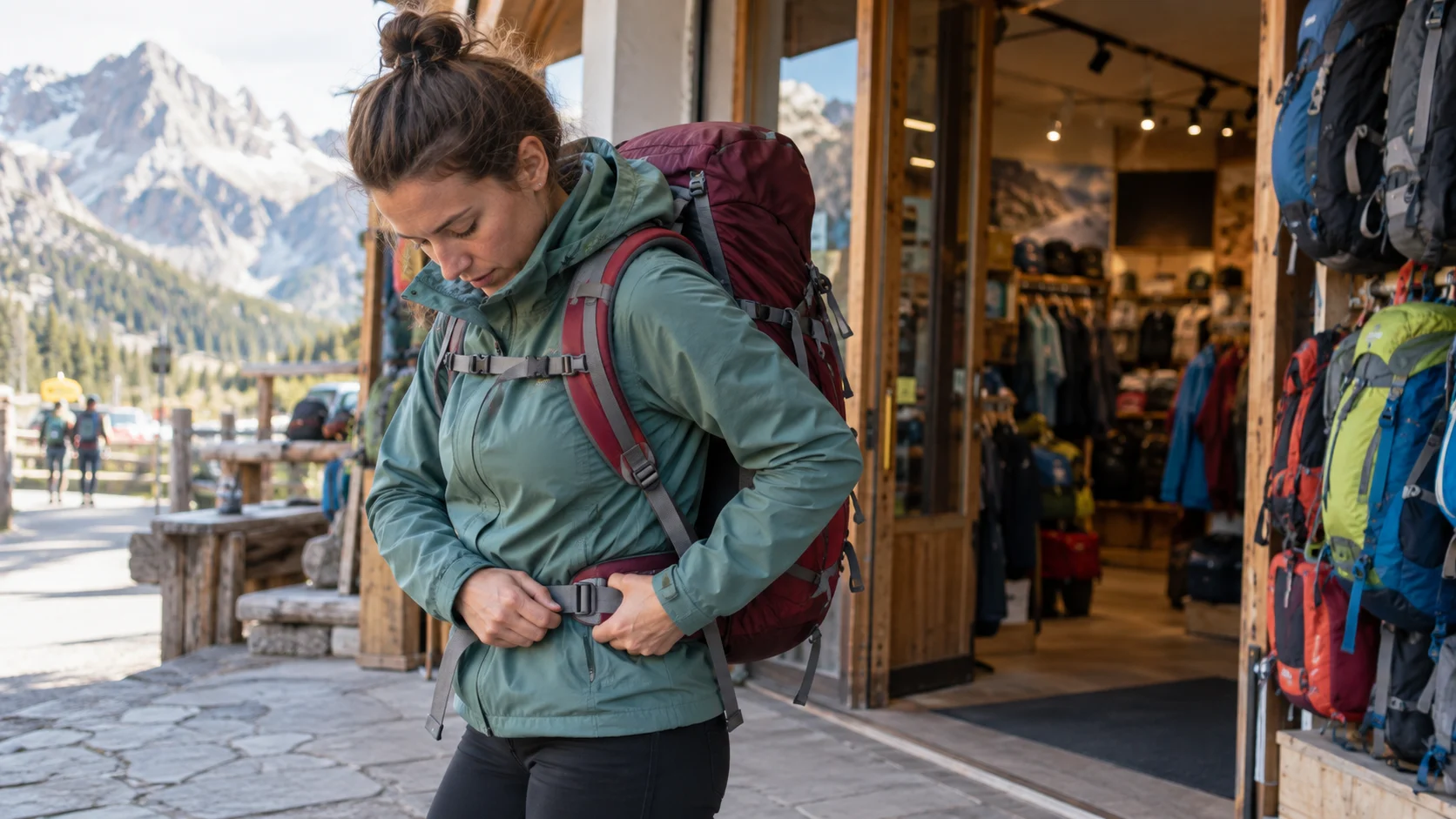
A daypack can be a wonderful gift, but torso length, shoulder shape, hip-belt position, load, ventilation, and pocket preferences make blind buying risky. Give a shopping appointment or retailer credit and let the recipient walk around with weight in the pack.
Do not assume a backpacking pack is simply a larger daypack. This hiking versus backpacking comparison explains why trip length, shelter, food, and sleep systems change the load and gear.
16. Rain Shell Credit
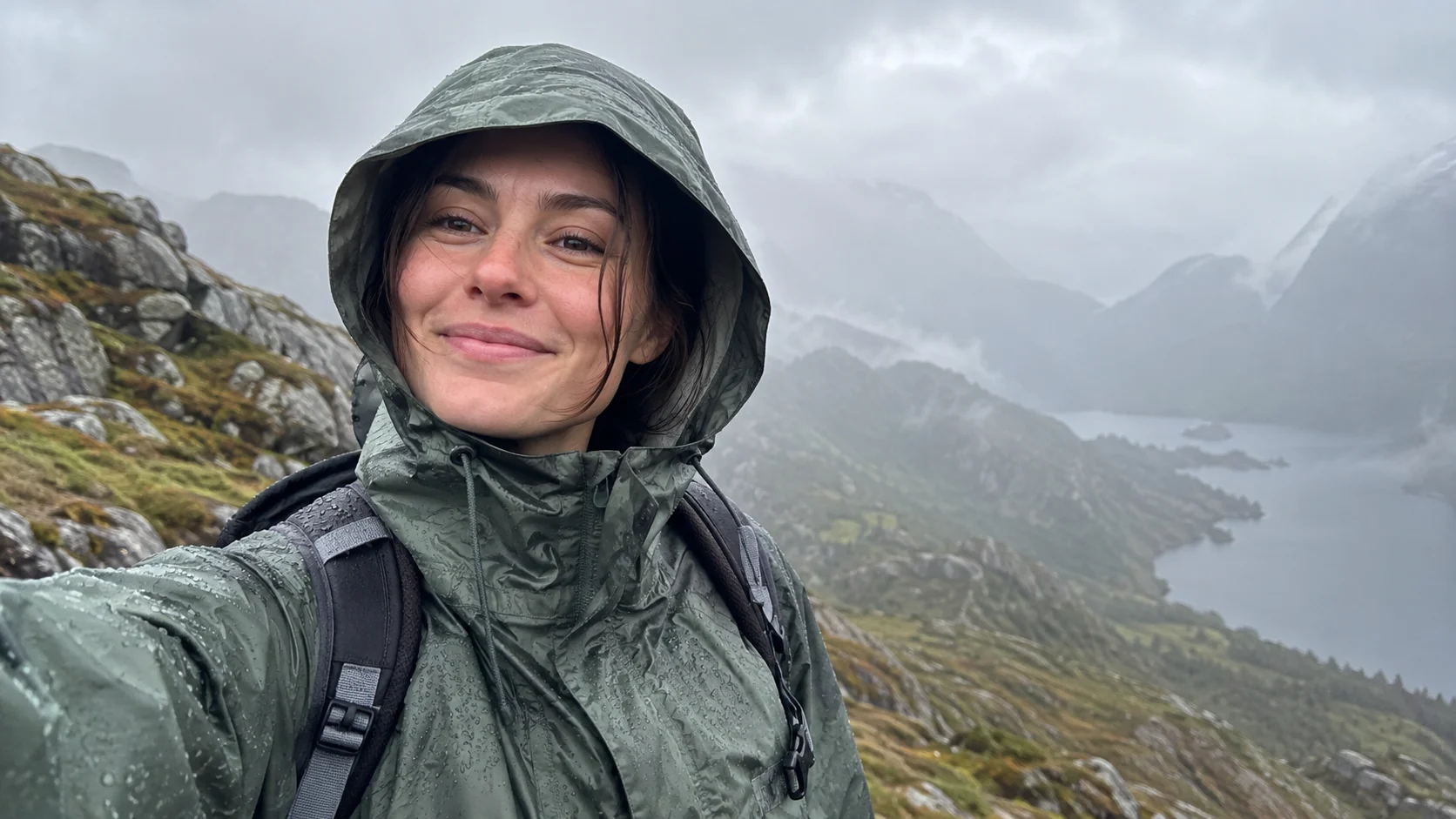
A waterproof shell sits at the intersection of fit, climate, exertion, and layering, so a gift card with a planned try-on is safer than a random jacket. Ask whether the priority is low weight, ventilation, durability, helmet compatibility, or sustained wet-weather use.
Water-resistant wind layers and waterproof shells are not the same thing. Product care also matters because dirt and worn water repellency can make an otherwise sound jacket feel clammy.
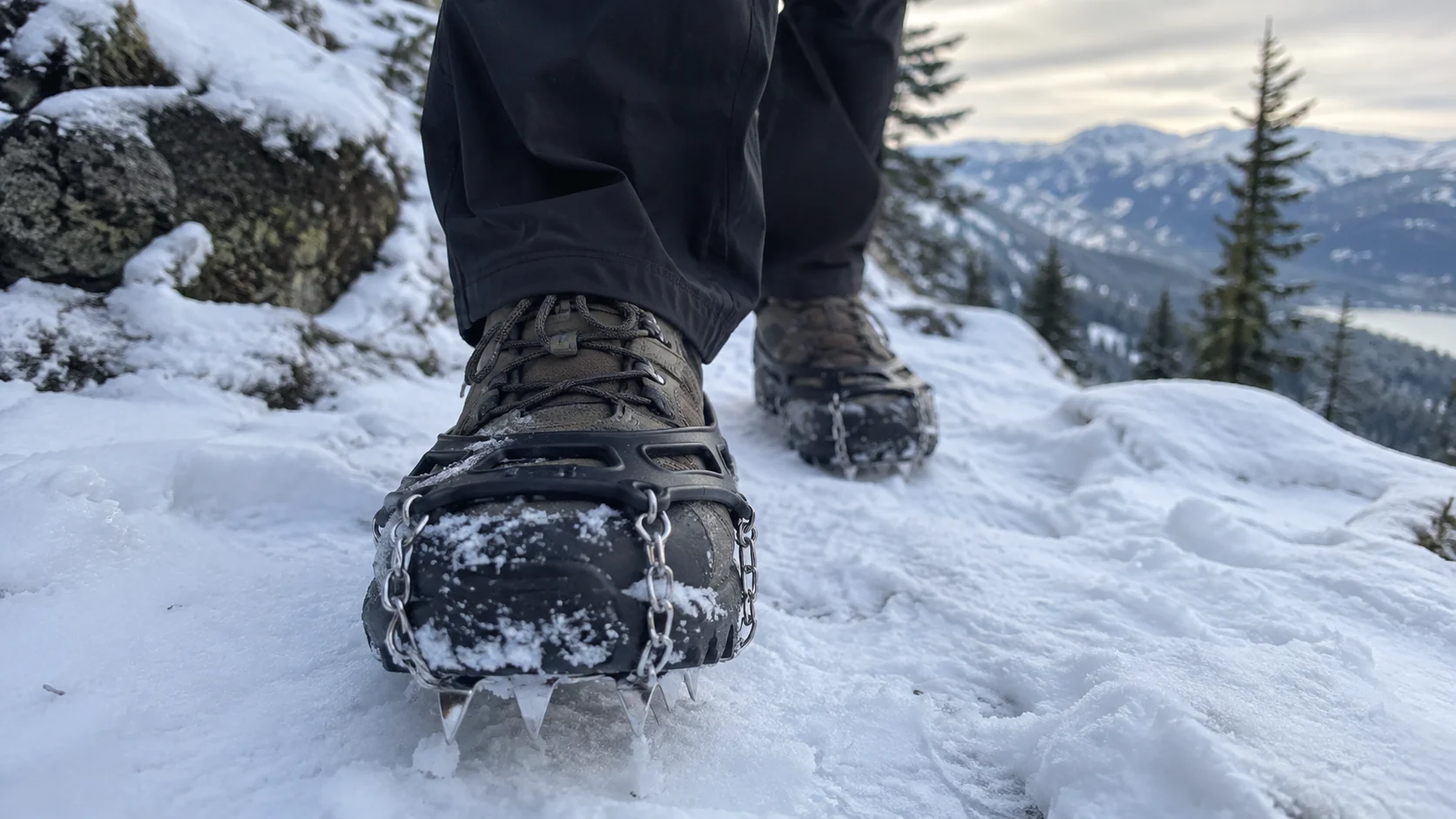
17. Microspikes or Traction Device
Winter traction can transform a familiar icy trail, but it must match the boot, surface, and intended slope. Basic stretch-on spikes are not crampons and should not be gifted as equipment for technical mountaineering.
Ask where the recipient hikes and whether they have the skills for that terrain. Fit-test at home and include a storage pouch so sharp metal does not damage other gear.
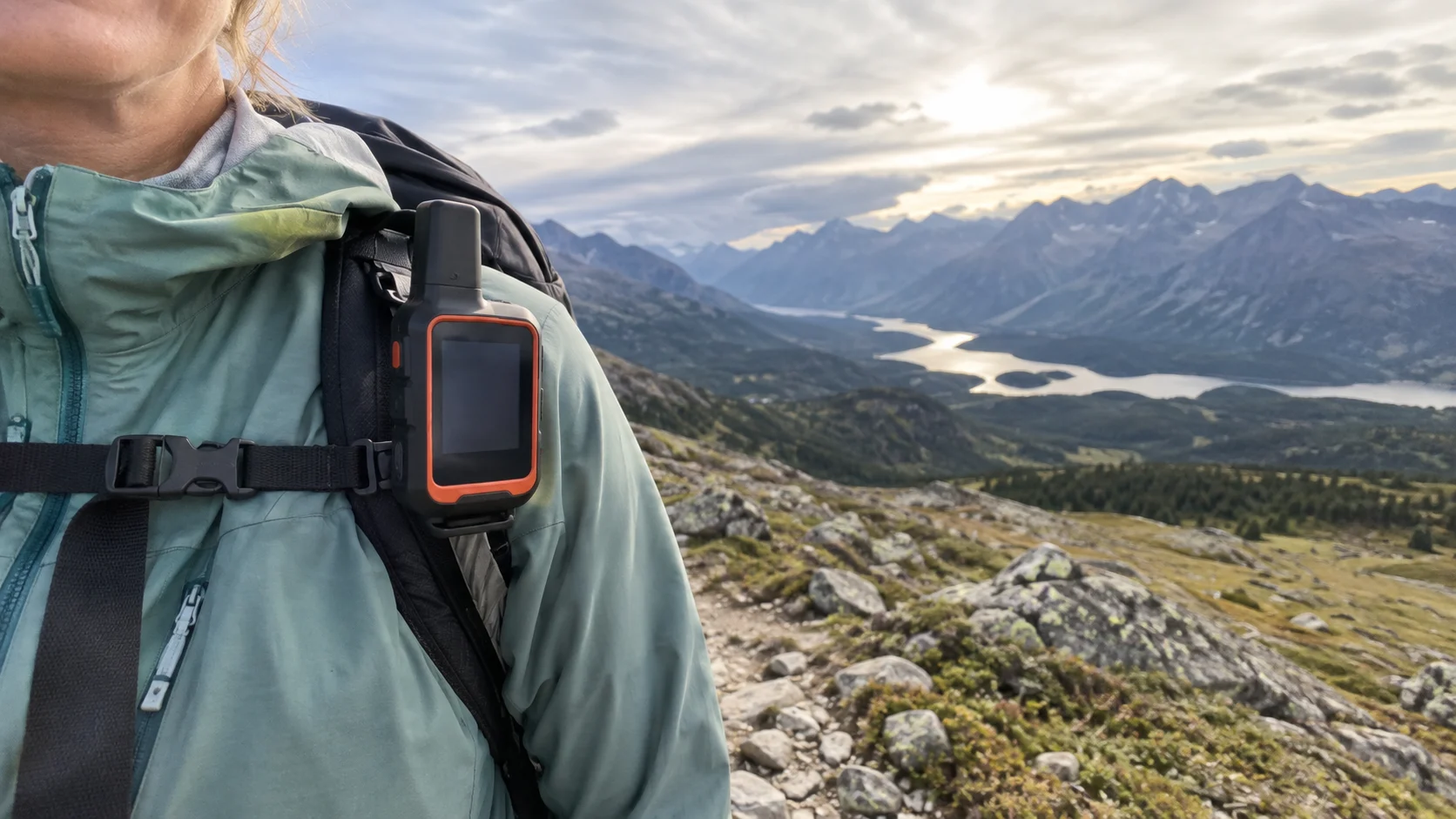
18. Satellite Communicator Contribution
A satellite communicator can support two-way messaging, location sharing, weather access, and SOS functions outside cell coverage, depending on the device and plan. The better gift may be money toward the exact device and its subscription rather than hardware the recipient cannot afford to keep active.
Confirm coverage network, subscription terms, activation, battery life, phone dependence, and messaging limitations. An SOS button does not replace training, an itinerary left with a trusted person, or conservative decisions.
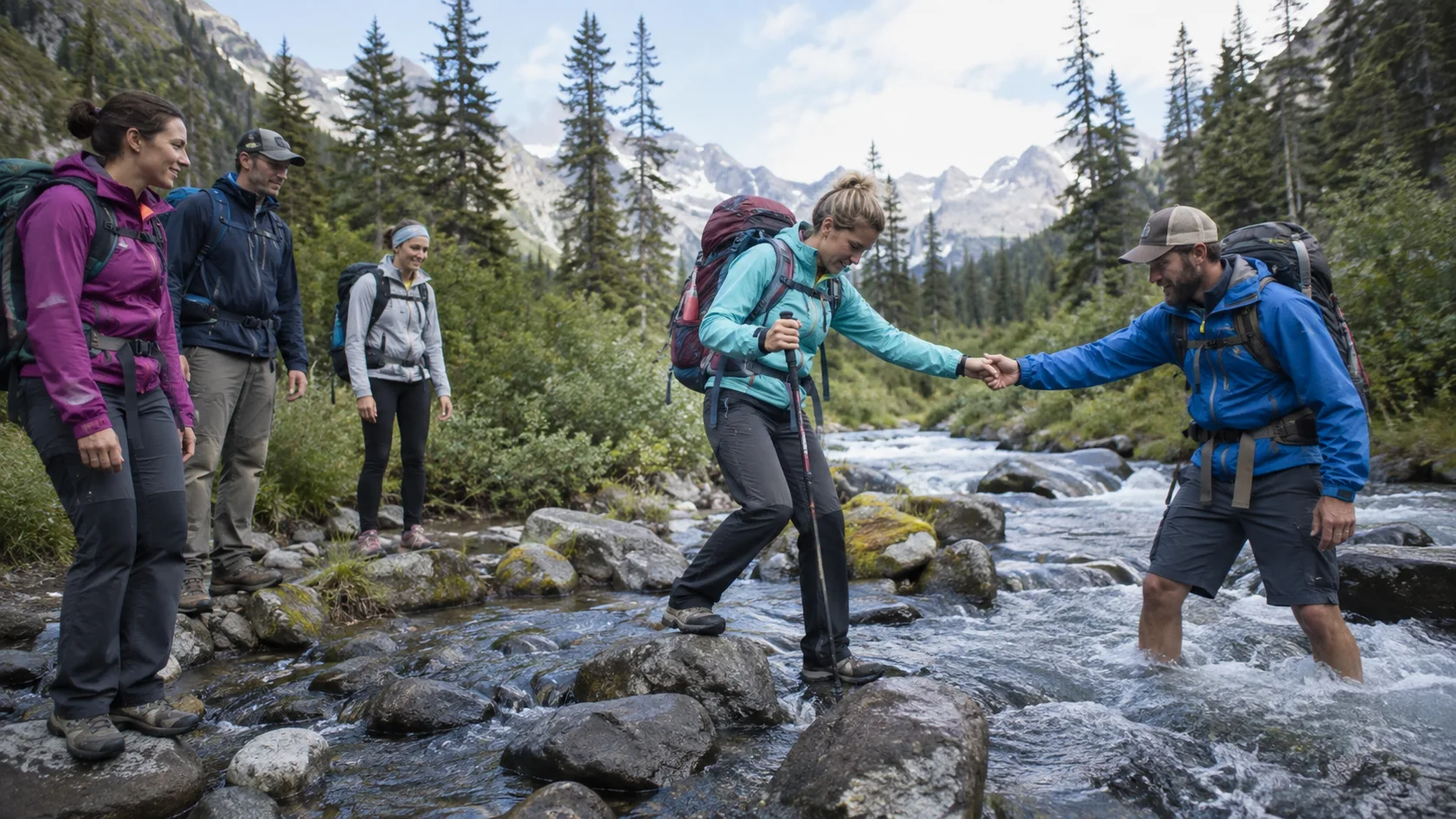
19. Guided Skills Day
Consider wilderness first aid, navigation, avalanche education, desert hiking, snow travel, birding, or a naturalist-led walk. Match the course to the person’s goals and fitness, and check prerequisites before creating pressure around an expensive date.
Hiking Gifts Over $200
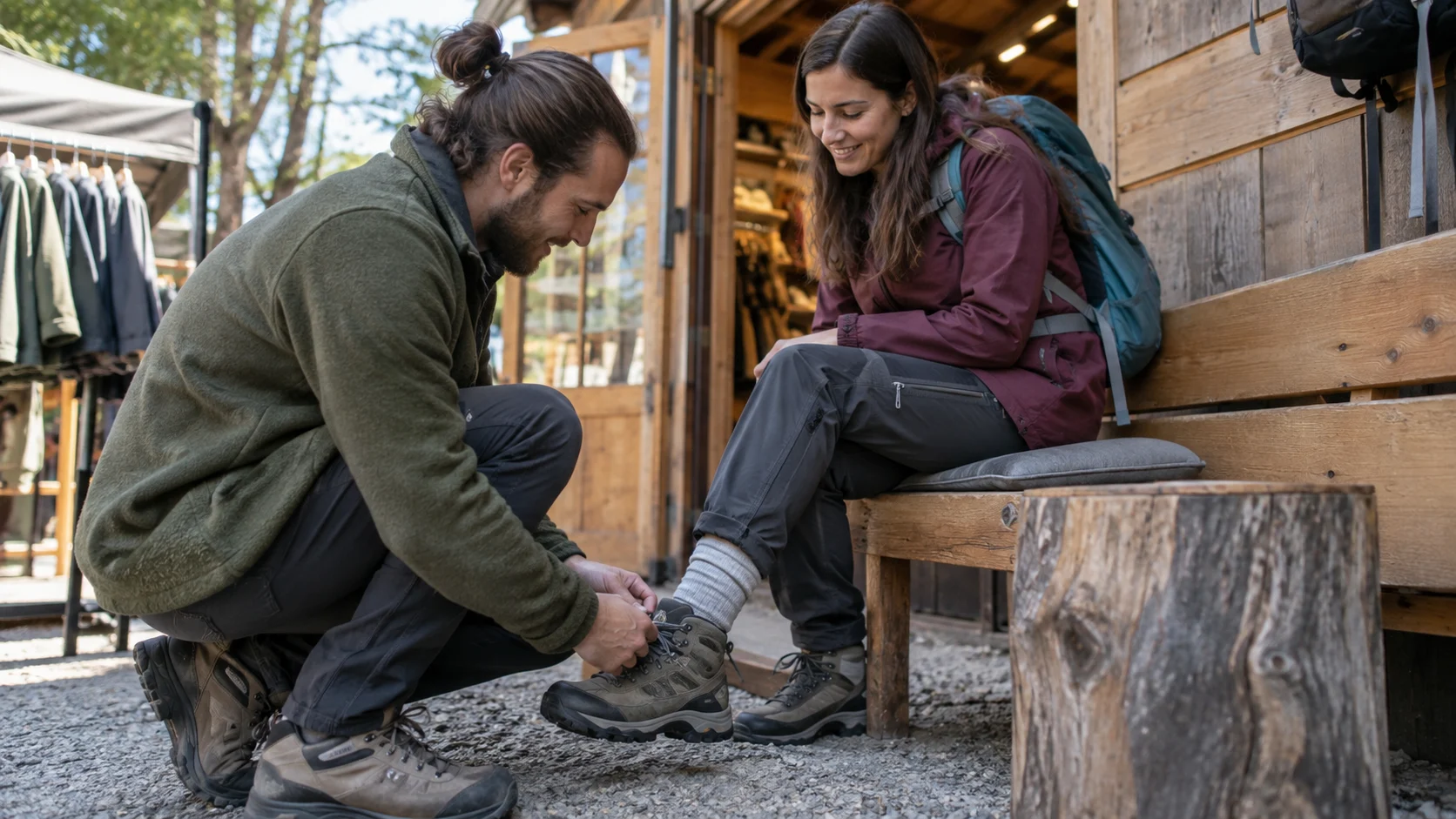
20. Professionally Fitted Footwear
Boots or trail shoes affect every mile, which makes them a terrible surprise and an excellent shared shopping trip. Pay for the pair after the hiker tests size, heel hold, toe room, width, socks, insoles, and the load they normally carry.
The NPS advises sturdy, rubber-soled hiking footwear for dirt and gravel trails, but no single boot style suits every foot or route. Generous return terms matter because indoor comfort does not guarantee trail comfort.
21. Technical Outerwear or Insulation
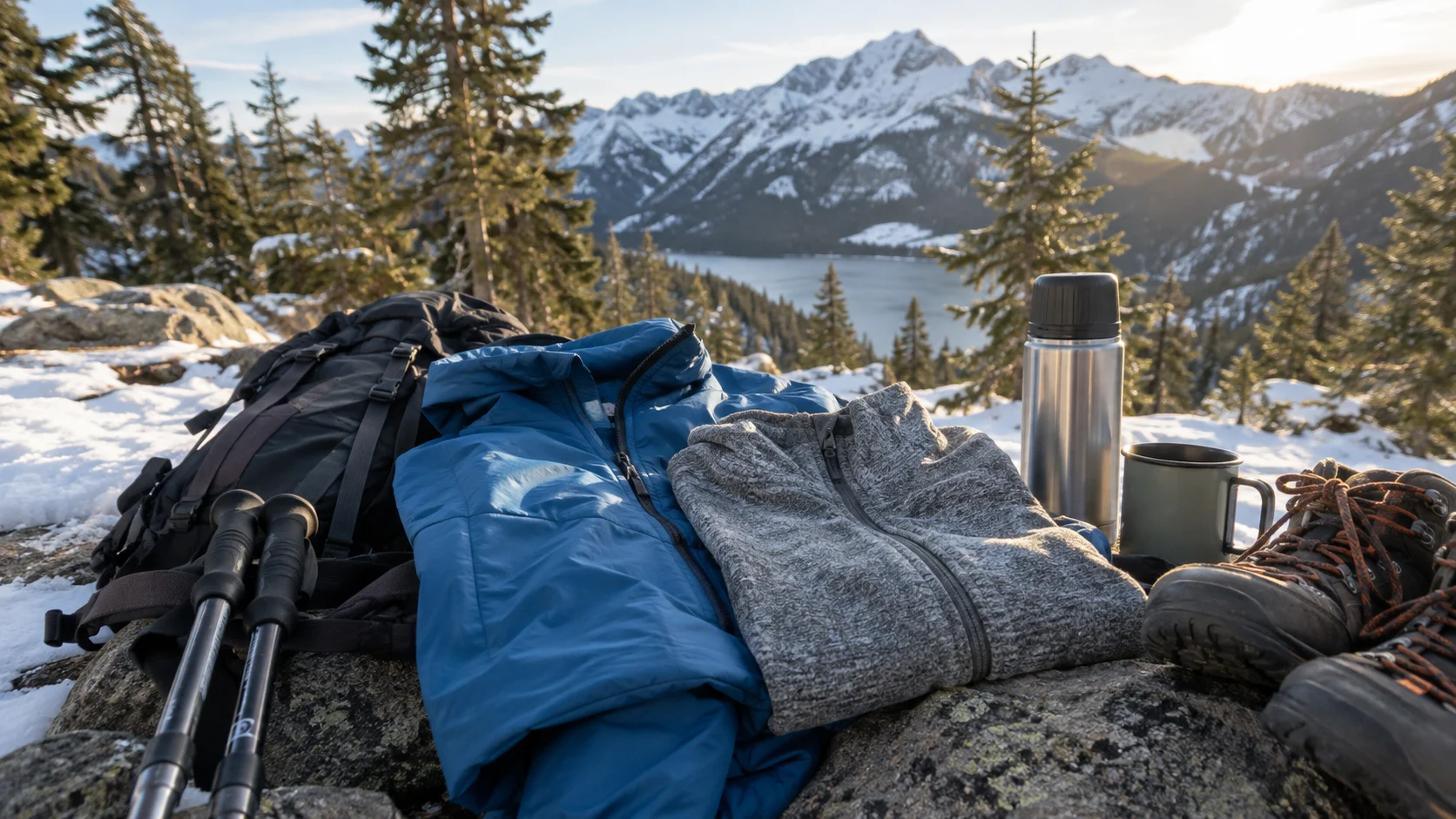
A breathable rain shell, insulated jacket, or winter layer can be a meaningful upgrade when you know the person’s size and missing system. Buy together and make sure the new layer works over what they already wear.
Warmth claims depend on wind, moisture, activity, metabolism, and the rest of the clothing system. Avoid presenting a jacket as safe for a temperature the manufacturer does not support.
22. A Hiking Weekend
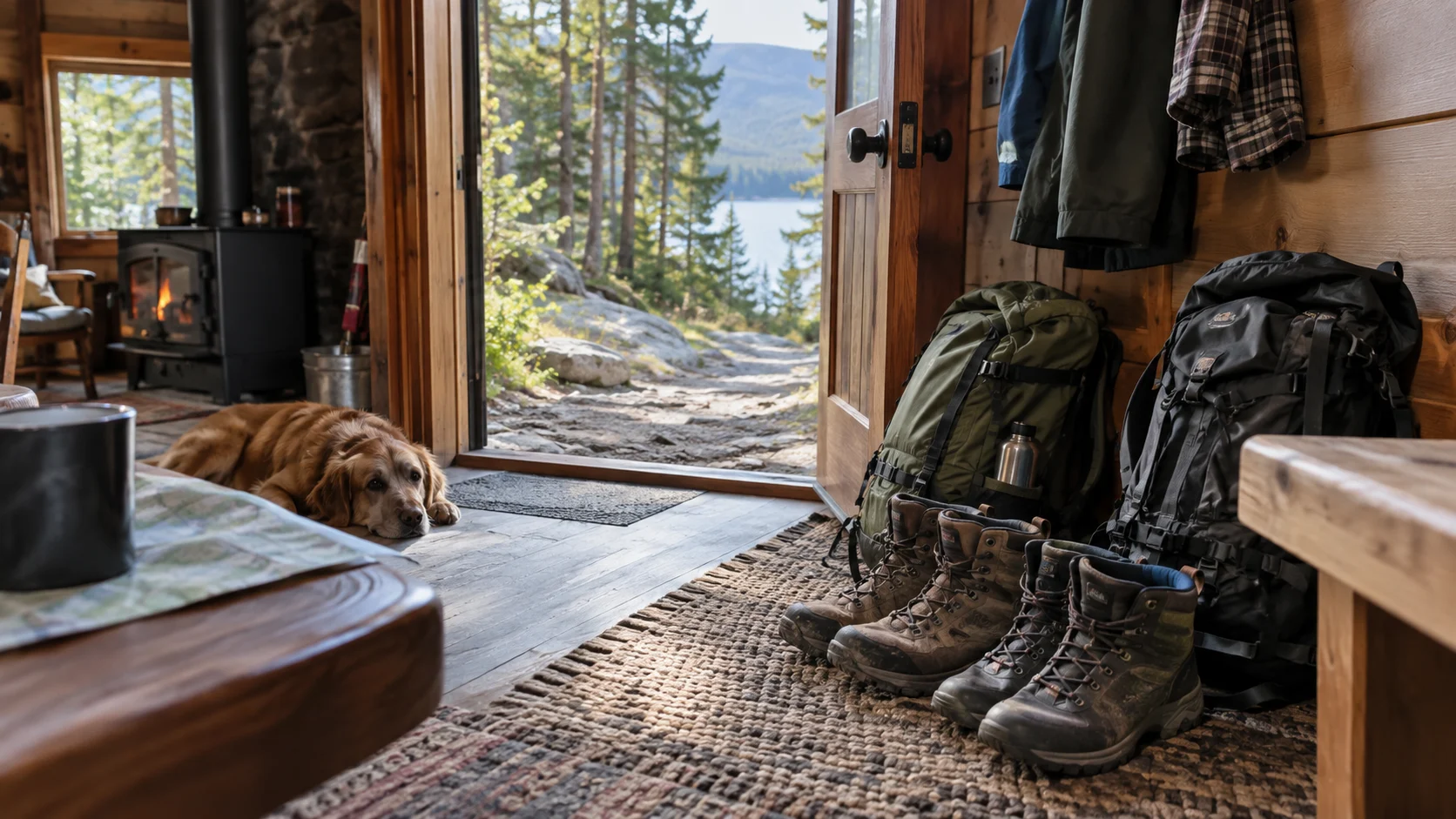
Covering lodging, transportation, permits, or a guide can be better than adding another object to a full gear closet. Keep the dates flexible and let the hiker help choose mileage, elevation, season, and recovery time.
If inspiration is part of the gift, pair it with this collection of beautiful national parks or a destination the recipient already talks about. The promise should be time together, not a surprise endurance test.
Experience Gifts and No-Gear Options
23. Public Lands Pass
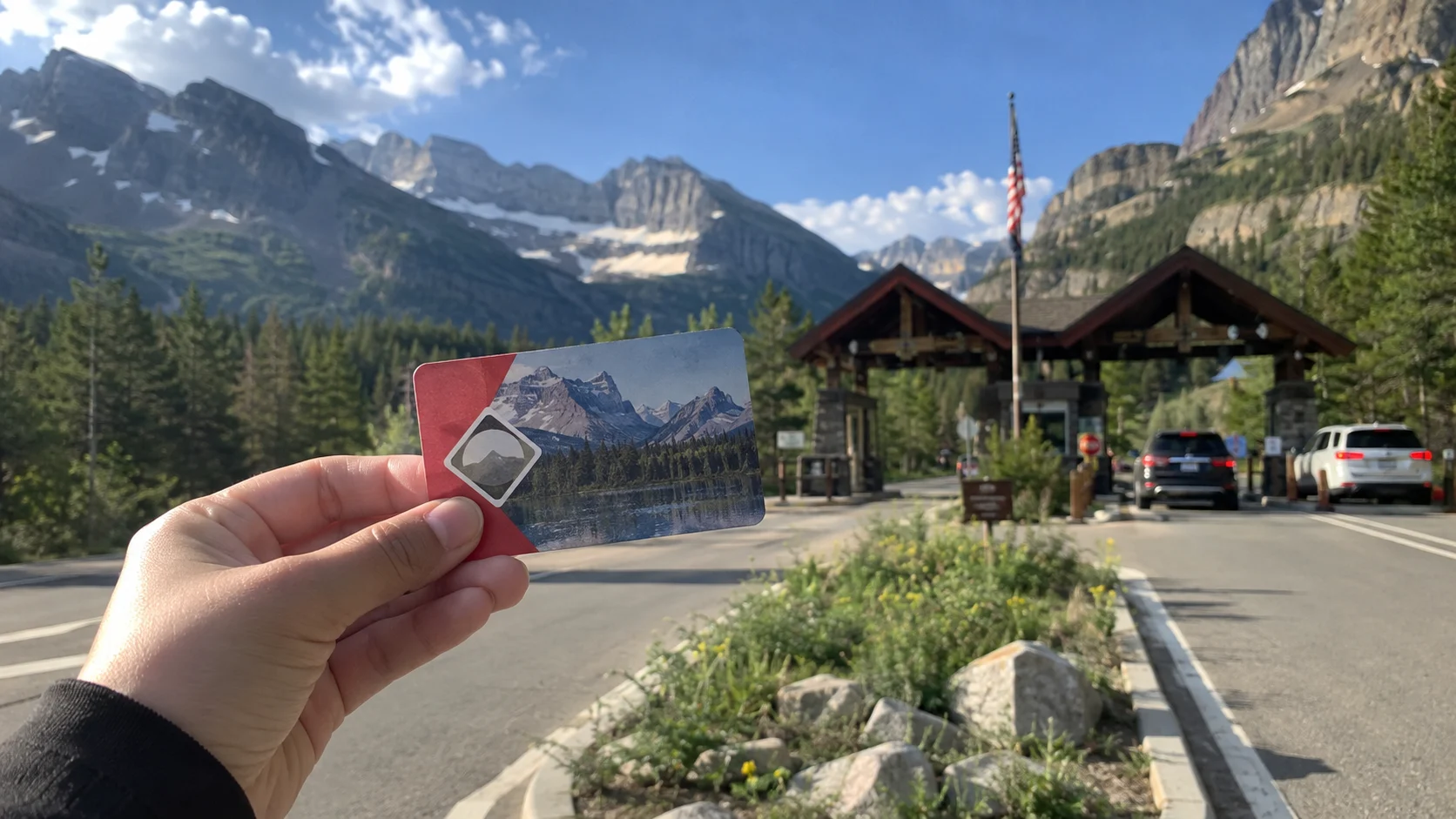
An America the Beautiful pass can be useful for someone who regularly visits federal recreation sites that charge entrance or standard amenity fees. The NPS pass page explains current pass types, eligibility, coverage, and purchasing options.
Check whether the hiker already owns one and whether their usual sites charge covered fees. A federal pass does not automatically cover state parks, camping, reservations, tours, or every parking charge.
24. Shuttle, Permit, or Campsite Credit
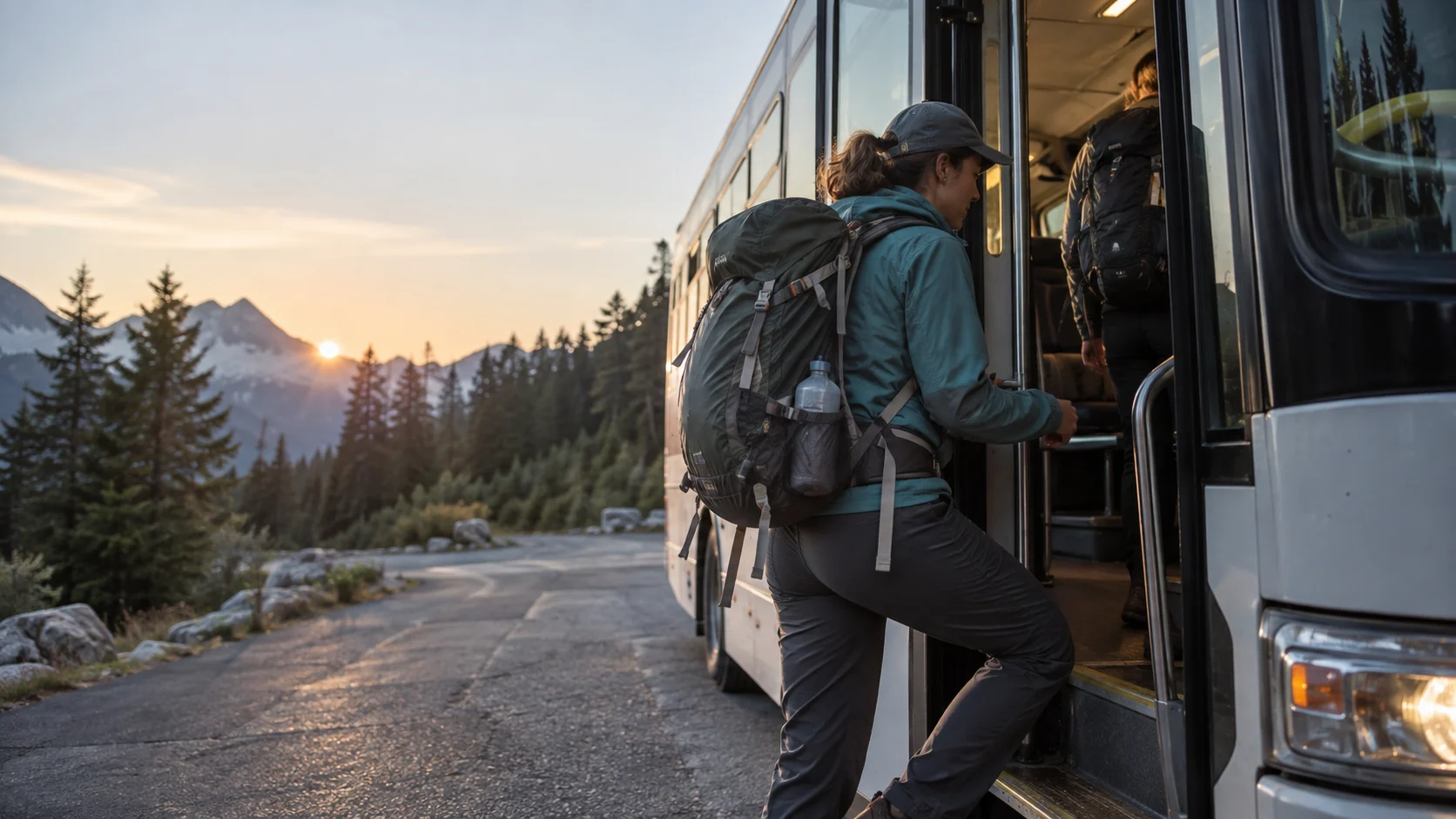
Some memorable hikes require a shuttle, reservation, permit, ferry, or campground rather than new equipment. Offer to cover the exact booking once dates are chosen, because many reservations are nontransferable or tied to a trip leader.
25. Conservation Donation or Volunteer Day
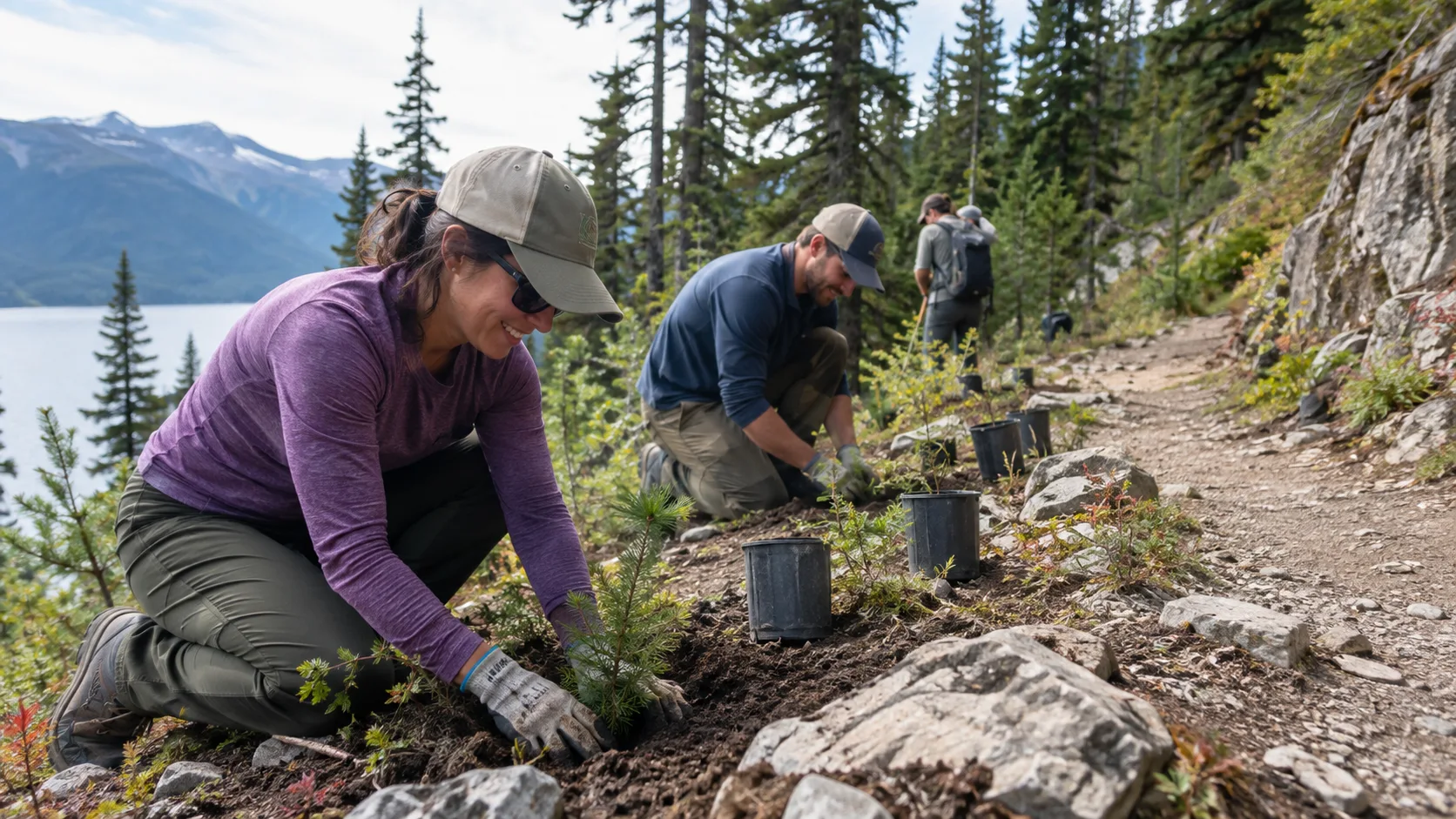
A donation to a local trail association, search-and-rescue support group, or conservation organization can suit the hiker who owns enough. Choose a group connected to land they use, and confirm nonprofit status and how the contribution will be acknowledged.
A volunteer trail day can also be meaningful if the recipient wants the work and meets physical requirements. It should not arrive as a moral obligation disguised as a present.
Gifts to Avoid Unless the Hiker Chooses Them
- Boots and packs: Fit is too personal for a blind purchase.
- Climbing or avalanche gear: Life-safety equipment requires exact compatibility, training, inspection, and retirement history.
- Bear spray: Transport rules, expiration, legal restrictions, and local wildlife guidance complicate gifting.
- Huge survival kits: Many are heavy, redundant, or filled with unfamiliar tools.
- Knives and fire starters: Laws, park restrictions, wildfire bans, and travel security rules vary.
- Ultralight replacements: Lower weight may sacrifice warmth, durability, or features the recipient values.
Safety gear is only helpful when it is appropriate, maintained, and understood. A gift that silently encourages someone onto harder terrain is not an upgrade.
Match the Gift to the Hiker
For a new day hiker
Start with a headlamp, socks, foot-care kit, simple first-aid supplies, or a navigation class. These support ordinary outings without implying that the recipient needs expedition equipment.
For a backpacker
Ask for an exact wish list because backpackers balance weight, compatibility, and redundancy across the whole pack. A food resupply, shuttle, permit, repair supply, or retailer credit is often safer than a major item.
For a winter hiker
Consider an insulated sit pad, traction chosen for known trails, warm accessories in the correct size, or a formal skills course. Winter equipment should match the route, not just the temperature at the parking lot.
For the hiker who has everything
Give time, access, training, transportation, a favorite consumable, or support for a trail organization. An Isle Royale trip or another logistically awkward destination may become possible when the gift covers the ferry or lodging rather than another mug.
One Safety Note Worth Including
A weather radio, app, or communicator can deliver information, but it cannot make an exposed trail safe. The National Weather Service says a tent offers no lightning protection and advises moving to a substantial building or hard-topped vehicle when thunder threatens.
Write a kind note that frames the gift as support, not invincibility. The most experienced hikers still change routes, turn around, and leave equipment unused when conditions say no.
The Best Gift for Most Hikers
If you know the exact missing item, buy it with a gift receipt and respect the recipient’s preferred model. If you do not, choose a headlamp, socks, class, public-lands pass, trail expense, or retailer credit based on the kind of hiking they already enjoy.
Useful beats impressive on the trail. The right gift makes a familiar outing safer, easier, warmer, or more joyful without creating a new fit problem in the gear closet.