First-Time Solo Travel: A Calm, Practical Planning Guide
Your first solo trip does not need to be daring to count. Choose a place that makes the logistics easy, give yourself room to change plans, and build a few quiet safety nets before you leave.
Make your first solo trip deliberately easy
A three- or four-night trip with one home base is a better first test than a two-week sprint through five cities. You get enough time to settle in without multiplying transfers, check-ins, and chances for something to wobble.
Pick a destination where the language, transportation, or culture feels at least partly familiar. If international travel already feels comfortable, your first solo trip can stretch farther, but it should still have a simple arrival and a manageable pace.
A nearby city, a compact island, or a resort town with walkable restaurants can work beautifully. A cruise can also remove some daily logistics, though solo fares and ship choice matter, so start with these first-time cruise decisions before booking one.
Use the friction test, not a “perfect destination” list
No place is effortless or universally safe. Compare the specific parts of the trip that will affect you most:
- Can you reach your lodging without two late-night transfers?
- Will you have appealing things to do alone after dark?
- Is public transportation usable with your luggage and mobility needs?
- Can you get mobile data, use your usual payment cards, and reach medical care?
- Do local laws or social attitudes create a concern for your identity?
- Can your budget cover a central room instead of the cheapest room far away?
For international trips, check the U.S. State Department’s destination information and current Travel Advisory. Look beyond the advisory level to the regional notes, local laws, entry rules, transportation cautions, and embassy contact information.
Travelers may experience the same destination very differently. Women, LGBTQ+ travelers, travelers of color, and people with disabilities should research the neighborhoods, laws, accessibility, and social conditions that match their own trip rather than accepting a blanket label of “safe.”
Book the arrival before the fun
The first evening deserves more planning than the third museum. Book a flight or train that arrives in daylight when practical, then write down exactly how you will get from the terminal to your lodging.
Save the hotel name, street address, phone number, and entrance photo offline. If you plan to use a taxi or rideshare, learn where the official pickup area is and what backup option works if your phone has no service.
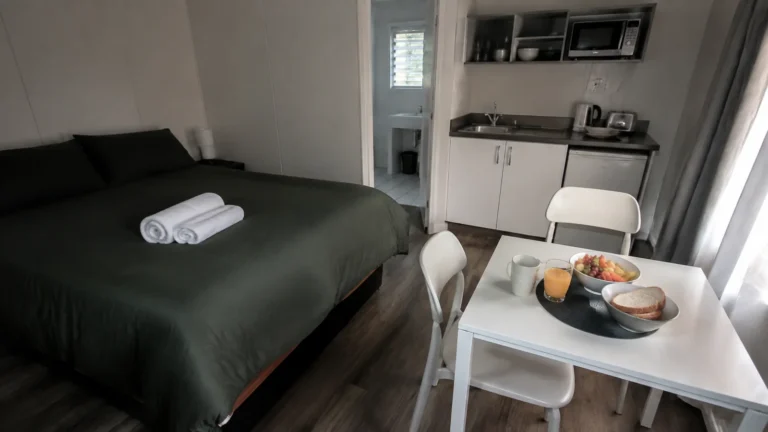
A central room may cost more per night but save money on rides and make evenings easier. Recent guest reviews are useful for clues about the block, entrance, noise, elevator access, and whether the reception desk is actually staffed when you arrive.
Do not assume “near downtown” means pleasant to walk after dinner. Map the precise entrance, nearby transit stops, a grocery or pharmacy, and two places where you would comfortably eat alone.
Give the first 24 hours a soft landing
Your arrival-day plan can be gloriously unambitious: check in, buy water, eat a real meal, take a short daylight walk, and sleep. Save the prepaid, timed, or hard-to-replace activity for the next morning.
Download the destination area in your map app and save screenshots of key directions. A paper card with your lodging address is still useful when a battery dies, an app logs you out, or a driver does not recognize your pronunciation.

Build a budget for one person
Solo travel is not automatically expensive, but you cannot split every room, taxi, or rental car. Price the complete day instead of celebrating a cheap airfare that lands at midnight and requires a costly transfer.
Add transportation, lodging, taxes, resort fees, food, admissions, mobile data, insurance, and a disruption cushion. The comparison method in these 100 practical travel tips can help you catch the small costs that quietly become a large total.
Carry two payment methods and store them separately. A small amount of local cash should cover a ride, simple meal, or phone charge, but carrying your entire trip budget in cash creates a bigger problem if your wallet disappears.
Set one daily spending number and one emergency reserve that does not count as vacation money. That reserve is for a safer ride, replacement phone, last-minute room, changed ticket, or medical need.
Create safety layers that do not run your trip
The goal is not to feel suspicious of everyone. It is to make one lost item, poor decision, or uncomfortable interaction easier to exit.
- Tell one trusted person your lodging and major transportation details.
- Choose a realistic check-in schedule and agree on what they should do if you miss it.
- Keep your room number private and meet new acquaintances in public areas.
- Confirm a driver, license plate, and destination before entering a car.
- Watch your drink from pour to finish and leave it behind if you lose track of it.
- Move toward staff, families, or a busy business when a situation feels wrong.
You never owe a stranger the truth about being alone. “My friend is meeting me” is a complete response, and changing hotels, rides, or plans because you feel uneasy is a valid use of your emergency budget.
Avoid posting your room, exact location, or empty-home status publicly in real time. Share the moment later, after you have moved on.
Separate documents and backups
The State Department’s international travel checklist advises making multiple copies of travel documents, leaving a set with someone you trust, and keeping another set separate from the originals. It also notes that passport-validity rules vary by country, with some destinations requiring six months beyond your travel dates.
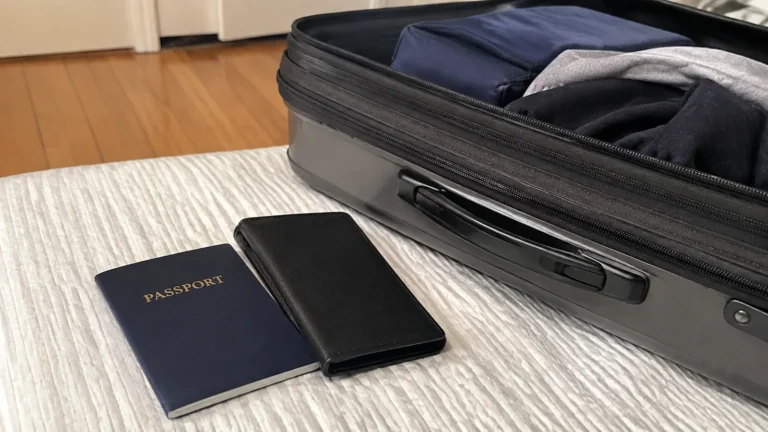
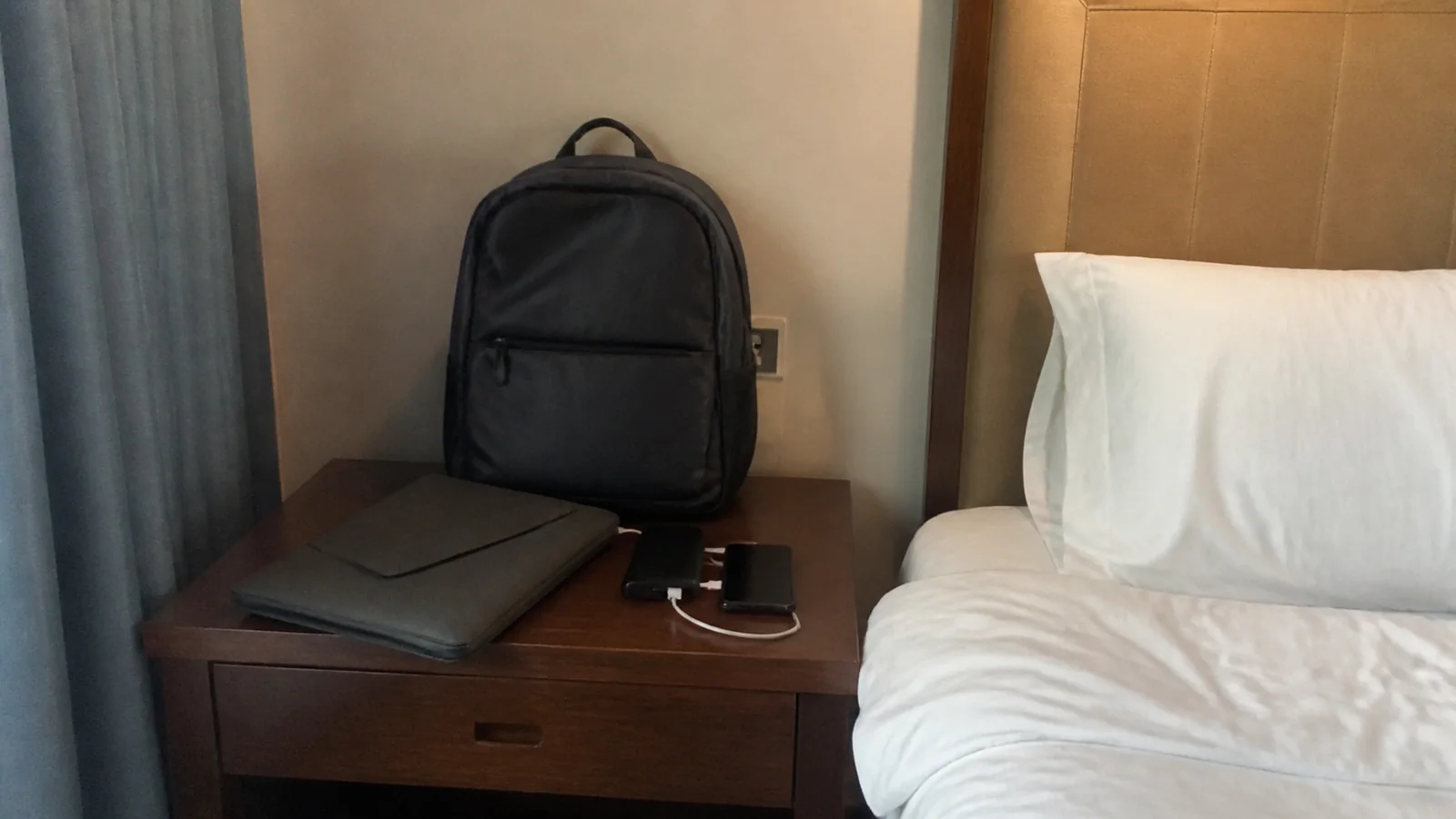
Keep offline copies of your passport identification page, insurance details, tickets, prescriptions, and key phone numbers. Protect digital copies with a device lock and do not leave the only backup inside the bag holding the originals.
U.S. citizens traveling abroad can also enroll in the free Smart Traveler Enrollment Program through the State Department planning page. STEP provides messages from the nearest U.S. embassy or consulate about issues such as security, demonstrations, and severe weather.
Plan health needs before departure
Check routine and destination-specific health needs early enough to act on them. The CDC’s destination pages identify relevant vaccines, medicines, notices, and health risks by country.
Pack prescription medicine in its labeled container and keep essential doses in your personal item. Rules for controlled or common prescriptions can differ abroad, so verify them with the destination’s embassy before you travel.
Do not assume your regular health plan will handle an overseas emergency. The State Department recommends reviewing travel insurance for emergency medical care, medical transportation, dates, destinations, preexisting conditions, and planned activities.
Save the local emergency number and the nearest appropriate clinic, especially if you have allergies, mobility needs, or a chronic condition. A brief medical summary on your phone should include medicines, allergies, insurance contacts, and an emergency contact.
Plan one anchor, then leave room
One booked anchor per day gives your trip shape without turning it into a race. Choose the museum, food tour, boat trip, or performance that matters most, then keep the rest flexible.
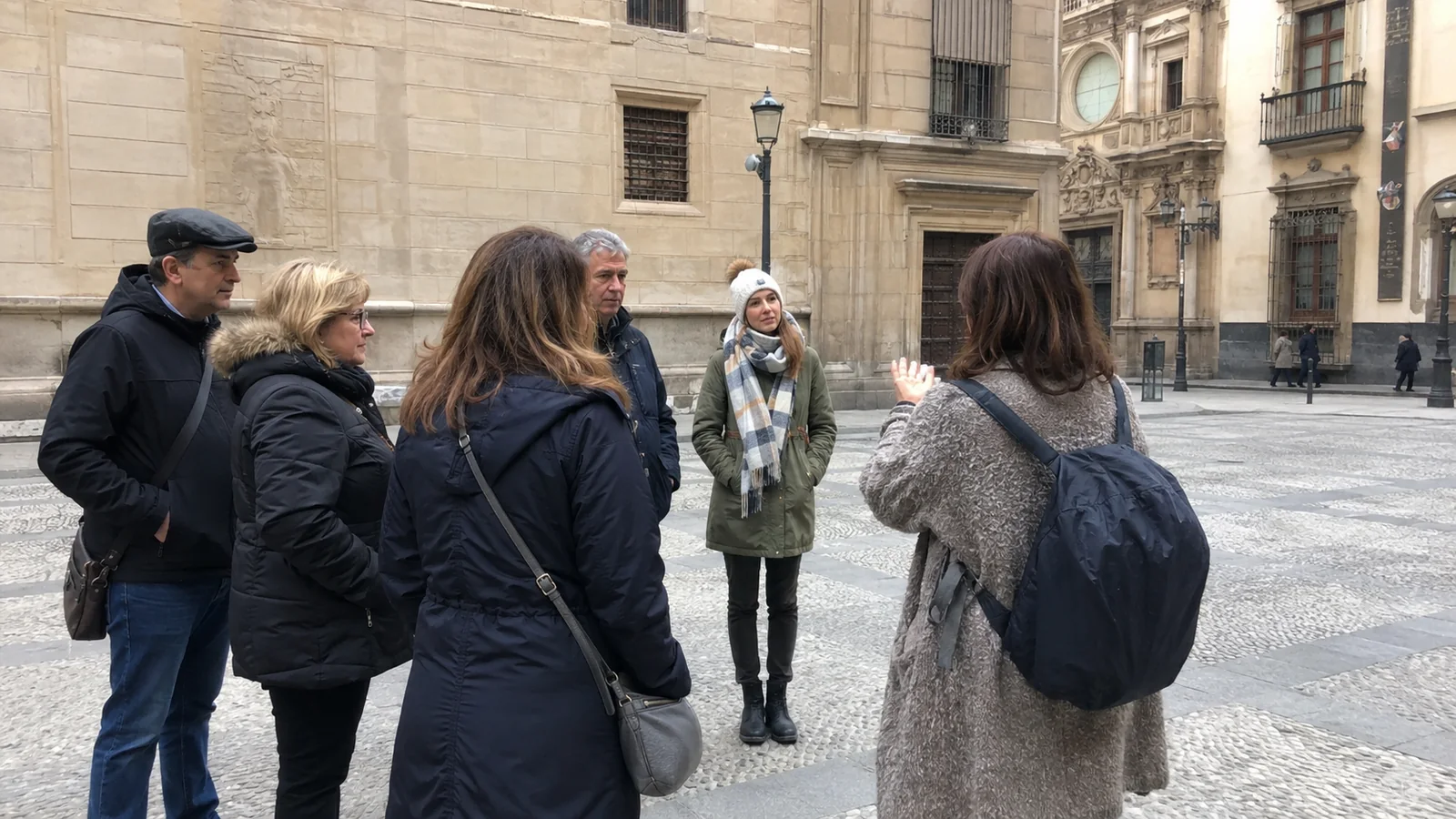
A guided walking tour, class, or small-group excursion can provide easy conversation without committing your whole vacation to strangers. If you enjoy the group, you can suggest coffee afterward; if not, you already have permission to continue alone.
Avoid making your first independent outing a remote hike, technical water activity, or long drive without service. Choose a guide or group when the activity requires navigation, specialized skills, wildlife awareness, or a reliable rescue plan.
Eating alone gets easier quickly
Lunch, counter seating, food halls, cafés, and hotel restaurants are gentle starting points. For a popular dinner, reserve a specific time so you do not spend the evening wandering hungry and second-guessing every doorway.
Bring a book or jot down the day’s highlights, but you do not need a prop to justify your seat. Order what sounds good, look around, and let dinner be an activity rather than dead time.
Expect a wobble without calling the trip a failure
The emotional dip often arrives when you are tired, hungry, or making too many decisions. Eat, rest, and solve the next hour before deciding you dislike solo travel.
You can call home, return to your room early, repeat a favorite café, or cancel a sight that no longer sounds fun. Independence includes changing your mind without negotiating with a travel companion.
If you want more company, add a morning tour, choose a social lodging common area, or sit at a restaurant counter. If you want less, trade the crowded attraction for a garden, scenic train, or quiet neighborhood walk.
A simple four-day first solo itinerary
Day one: arrive and orient
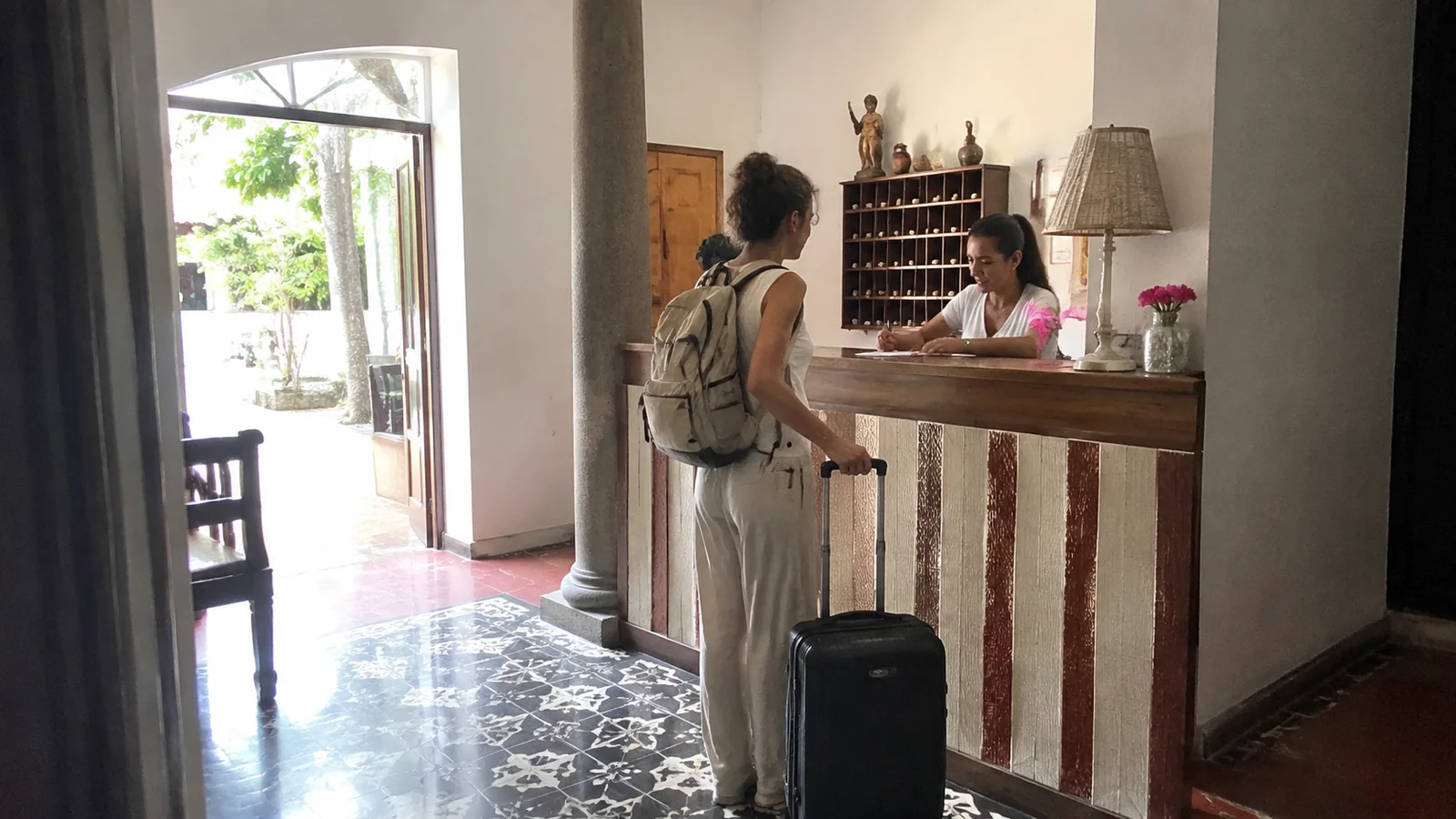
Reach your lodging in daylight if possible, check in, and confirm how the door and front desk work after hours. Walk one familiar loop to a meal, convenience store, transit stop, and back.
Day two: use a structured activity
Book a small-group tour or timed attraction in the morning, when your energy is high. Keep the afternoon open for something you noticed along the way.
Day three: practice independence
Take public transportation or a straightforward day trip you researched in advance. Return before you are exhausted, then choose either a reserved dinner or an easy meal close to your room.
Day four: repeat what worked
Revisit a favorite place, buy any last items, and allow a generous departure buffer. Write down which parts felt freeing and which created stress while the details are fresh.
What to do when something goes wrong
If your phone is lost, use the paper lodging information and ask a staffed business for help contacting your provider or trusted person. Remotely lock the device as soon as you can, but do not confront someone you believe has it.
If a card disappears, freeze it in the issuer’s app or call the number stored separately. Use your second payment method and move money between accounts only through a connection you trust.
If your U.S. passport is lost abroad, contact the nearest U.S. embassy or consulate and report the loss. Your stored copy does not replace the passport, but it can make the replacement process easier.
For an immediate threat or medical emergency, contact local emergency services first. Embassy staff can help U.S. citizens understand local resources, but they do not replace police, ambulances, or travel insurance.
Advice for solo travelers with specific concerns
Women should research local patterns of harassment, transportation norms, dress expectations, and whether rides or accommodations offer useful safeguards. The answer is rarely “never go,” but it may be “stay in this district, arrive in daylight, and skip that transfer.”
LGBTQ+ travelers should check both laws and how they are enforced. The State Department’s LGBTQ+ traveler information explains that local laws and attitudes can affect safety and ease of travel abroad.
Travelers with disabilities should ask lodging and tour operators concrete questions instead of relying on an “accessible” label. Request doorway widths, step counts, elevator dimensions, bathroom setup, vehicle access, and the actual walking surface.
For a destination-specific example, the planning choices in solo travel in Fiji show why island transfers, lodging style, and location matter as much as the country name. Use that same level of detail wherever you choose.
First-time solo travel questions
How long should a first solo trip be?
Three or four nights is long enough to experience arrival, full days, eating alone, and departure without committing a large budget. Choose two nights if anxiety or limited time is the main barrier, but keep the route especially simple.
Should I join a group trip instead?
A group trip is a smart bridge if transportation, language, or evenings alone are your biggest concerns. Compare the single-room charge, pace, free time, group size, age mix, and what happens if you skip an activity.
Is a hostel necessary for meeting people?
No. Walking tours, cooking classes, day excursions, coworking spaces, and restaurant counters create social openings without requiring a shared dorm.
How do I tell whether a destination is safe?
Start with official advisories and local laws, then examine the particular neighborhoods, transportation, arrival time, activities, and traveler-specific concerns in your plan. Safety is a set of conditions and choices, not a permanent badge attached to a country.
Your first trip only needs to prove one thing
You do not need to prove that you can handle every destination alone. You only need a trip that lets you practice choosing the day, solving small problems, and enjoying your own company.
Start short, spend where it reduces friction, and keep your exit options easy. If you come home knowing what you want more of next time, the trip did its job.