Scuba Diving Equipment List: What to Own, Rent and Check
A scuba equipment list should do more than help you buy shiny things with clips. It should match your certification, environment, body, dive plan, and ability to maintain life-support gear, while leaving room to rent bulky equipment that makes little sense in an airplane suitcase.
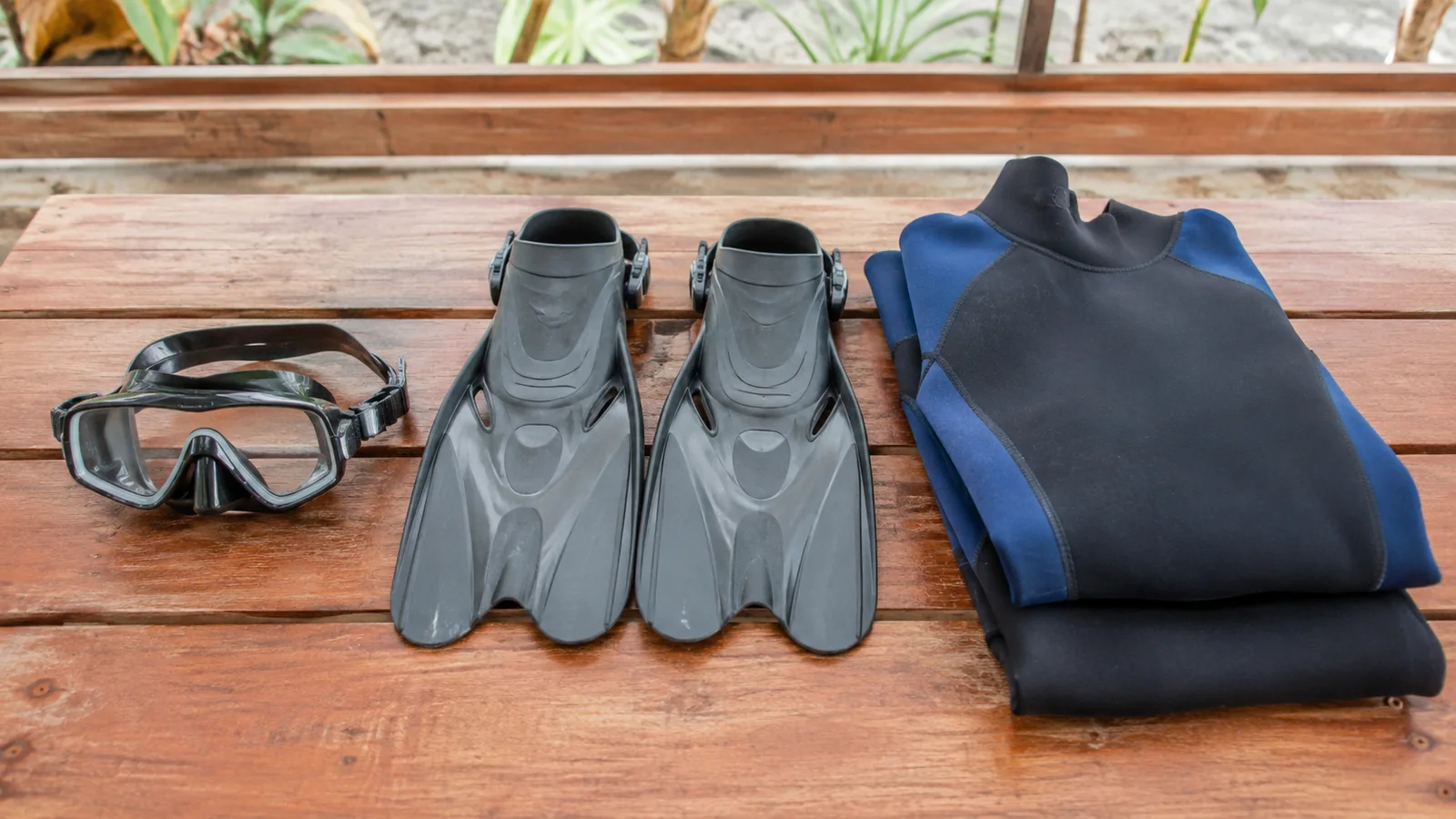
The complete recreational scuba equipment checklist
Personal fit and comfort gear
- Scuba mask with a comfortable, reliable seal
- Snorkel when required by your operator, training agency, or conditions
- Open-heel or full-foot fins suited to the environment
- Boots for open-heel fins, shore entries, or thermal protection
- Wetsuit, drysuit, rash guard, hood, gloves, or layered exposure system
Core life-support and buoyancy equipment
- Buoyancy control device, usually called a BCD or BC
- Regulator first stage and primary second stage
- Alternate air source configured as you were trained
- Submersible pressure gauge or approved air-integration setup
- Scuba cylinder with the correct gas, valve, inspection status, and fill
- Weights and a clearly understood quick-release system
Information, navigation, and signaling gear
- Personal dive computer
- Compass
- Depth and timing backup when required by the plan or training
- Surface marker buoy and reel or spool
- Audible surface signal, such as a whistle
- Dive flag and float where local law or site practice requires them
- Dive light, plus a backup for night or overhead-environment training
- One or two cutting tools placed where you can reach them
Boat, shore, and save-a-dive supplies
- Certification card, log details, medical clearance when required, and insurance information
- Defog, spare mask strap, fin strap or buckle, mouthpiece, and batteries
- Manufacturer-approved O-rings and small tools you are trained to use
- Dry bag, water, sun protection, towel, and warm clothing
- First-aid and emergency-oxygen resources appropriate to the operation
This is a general open-water list. The PADI equipment overview is broader, but cave, ice, decompression, sidemount, and rebreather gear require specific training.
Training comes before equipment
Buying a regulator does not make an uncertified person ready for independent scuba, any more than buying an airplane seat makes one a pilot. Begin with a recognized course or a supervised introductory experience, then dive within the depth, gas, environment, and equipment limits of your certification.
Complete the current medical screening honestly before training or returning after a health change. The Undersea and Hyperbaric Medical Society publishes the Recreational Diving Medical Screening System, which directs some candidates to a physician rather than asking a divemaster to improvise medical clearance.
Drysuits, enriched air nitrox, full-face masks, diver propulsion vehicles, and delayed surface marker buoy deployment all add procedures. Get instruction before the equipment appears on your body underwater.
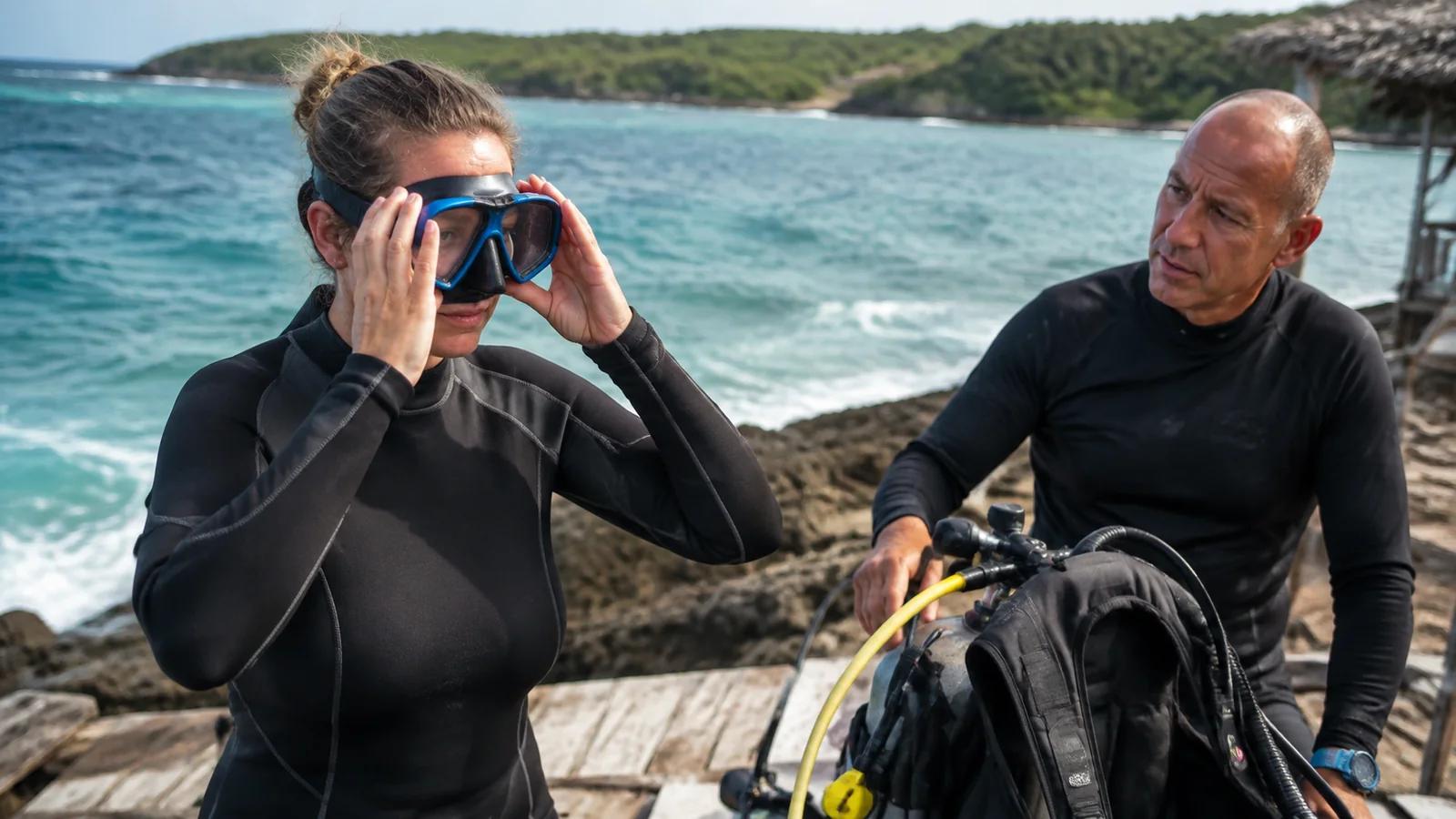
Mask: buy fit, not a logo
A mask creates the air space that lets you see and equalize pressure around your eyes and nose. The best model seals comfortably on your face without a brutally tight strap, leaves room to pinch your nose, and accepts any corrective lens you need.
Test several masks at a dive shop and practice clearing and replacement in controlled water. A spare mask becomes sensible for remote, technical, or overhead diving only when your training covers managing the switch.
Fins, boots, and snorkel
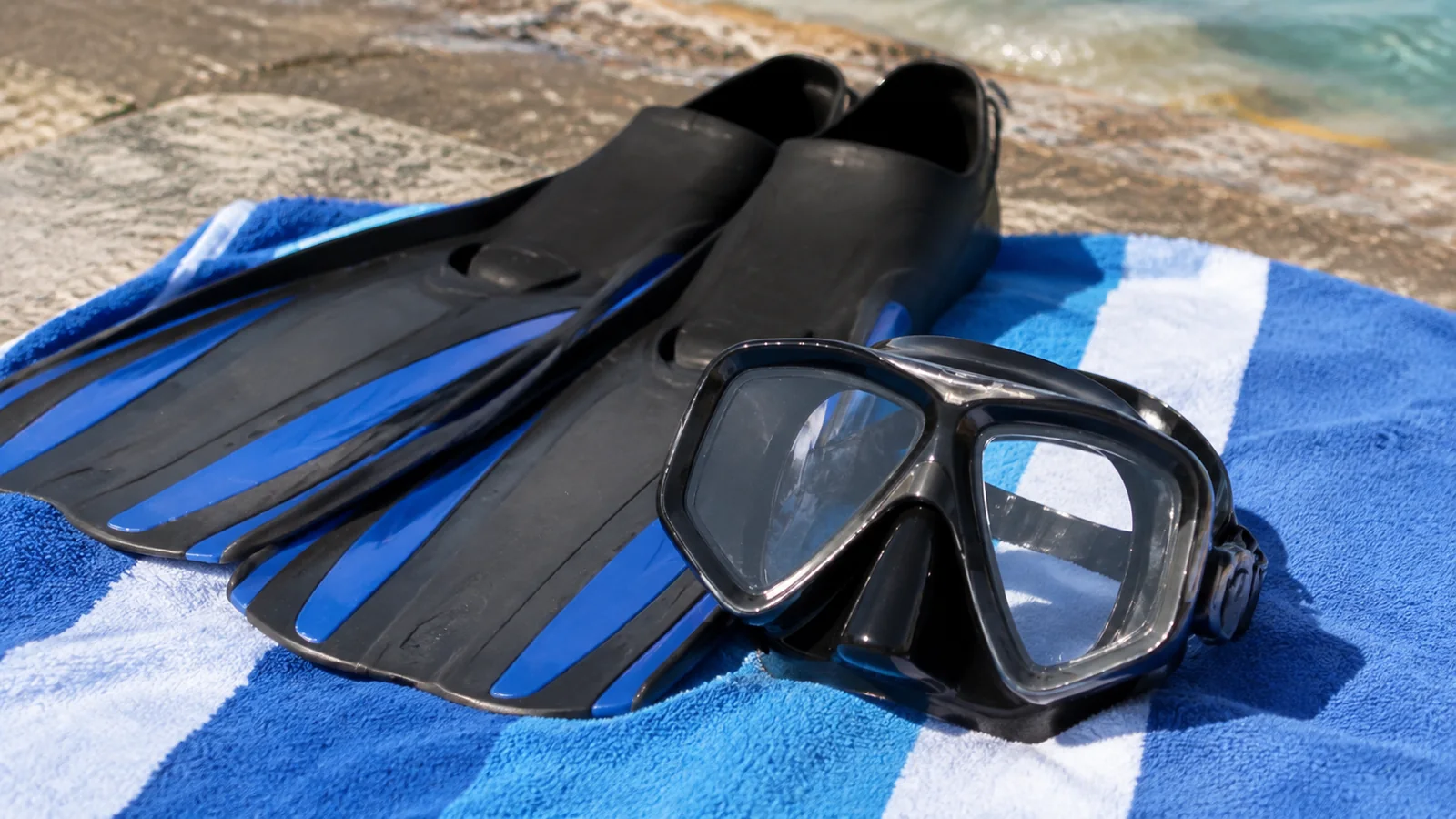
Full-foot fins travel lightly and suit warm, easy entries, while open-heel fins with boots handle colder water, ladders, and rocky shore access. Stiffness, blade shape, ankle mobility, leg strength, and kicking style matter more than the most dramatic fin in the catalog.
If warm-water destinations are your goal, our Dominican Republic diving planner helps translate a generic packing list into tropical-site questions. Exposure protection and boat procedures still vary by operator and season.
Exposure protection: dress for the whole dive
Choose a wetsuit by actual water temperature, dive duration, repetition, wind on the boat, and your personal cold tolerance. Thickness labels alone do not guarantee warmth because fit, seam construction, compression, hood use, and circulation all matter.
A drysuit keeps most water out and uses an insulating undergarment, but it also becomes part of your buoyancy system. Take drysuit training, use the correct inflation gas and valves, and practice emergency skills before cold open water.
Gloves may be restricted in protected areas to discourage touching coral. Never grab the reef for stability, and streamline dangling gauges or accessories before they become tiny underwater wrecking balls.
BCD and weights: fit changes underwater
A BCD secures the cylinder, provides surface flotation, and lets a trained diver adjust buoyancy. Jacket, back-inflate, and wing systems feel different, so try the unit with your exposure suit and realistic weight rather than over a T-shirt in a bright store.
Confirm that you can reach inflators, dump valves, releases, and any integrated-weight handles with either hand as your training requires. Conduct a proper weight check when the cylinder, suit, salt or fresh water, and equipment configuration change.
Know exactly which weights ditch and which do not. More lead is not a shortcut for weak buoyancy skills, and too much weight increases the amount of air moving through your buoyancy system.
Regulator, alternate air, and pressure information
The first stage reduces cylinder pressure, while second stages deliver breathing gas on demand. Your setup also needs a reachable alternate air source and a reliable way to monitor remaining pressure, configured consistently with your training and buddy briefing.
Match the regulator to expected water temperature, breathing gas, depth, valve type, and manufacturer limits. Cold-water and enriched-oxygen service require compatible equipment and procedures, not a cheerful assumption that metal all behaves the same.
Inspect hoses, mouthpieces, connections, and breathing performance before each dive, then make a controlled-water check. A technician handles internal regulator service; the hotel balcony is not an authorized repair bench.
Cylinders and breathing gas
Cylinders differ in material, capacity, working pressure, buoyancy, valve, and inspection requirements. Most traveling recreational divers rent locally because cylinders are heavy, regulated for transport, and useless without a suitable fill facility.
Verify the cylinder’s inspection markings and gas label, analyze nitrox yourself as trained, record the oxygen fraction, and respect the maximum operating depth. Do not call every cylinder an “oxygen tank,” because standard recreational cylinders commonly contain air or another trained-for blend.
Never place a filled scuba cylinder in airline baggage. Confirm current airline and hazardous-material rules before transporting an empty cylinder with the valve removed.
Dive computer and compass
A dive computer tracks depth and time to calculate information for the diver wearing it, but it does not make decompression sickness impossible. Divers Alert Network’s computer guidance stresses understanding the display and keeping the computer with you through every dive in a repetitive series.
Learn ascent-rate alerts, no-decompression information, gas settings, safety-stop behavior, battery status, and lockout rules before entering the water. Each buddy should use and follow a personal computer rather than sharing one profile between two different depths.
A compass remains valuable when visibility collapses or the boat is no longer where your internal optimism placed it. Practice navigation in easy conditions before relying on it in current or low visibility.
Surface marker buoy, whistle, flag, and cutting tool
Carry a highly visible surface marker and an audible signal on open-water dives, sized for local conditions. Deploying a delayed marker from depth can create entanglement and uncontrolled-ascent hazards, so learn the skill from an instructor.
Dive-flag shapes, distances, and legal requirements vary by jurisdiction, and a flag does not force every boat operator to behave sensibly. Ask the local shop what the law requires and stay alert at the surface.
A compact line cutter or blunt-tip knife can address fishing line, net, or kelp, provided you can reach it and know how to use it without injuring yourself. Avoid oversized blades that create legal, travel, and attachment problems without adding practical rescue value.
Lights, cameras, and task loading
Every diver on a night dive needs a primary light, and the team needs suitable backups under the applicable training standard. Charge batteries, inspect seals, and use a hand or wrist arrangement that still allows gas sharing and buoyancy control.
Cameras are optional and surprisingly skilled at stealing attention from depth, gas, buddy position, and the reef. New divers should build stable buoyancy first, then add photography when managing the core dive no longer consumes every available brain cell.
Operator prerequisites can also exceed a basic certification for night dives or challenging sites. Our Hawaii manta night-dive overview shows why logged dives, recent experience, lights, and tour-specific rules belong in the same conversation.
What to buy first and what to rent
Buy a well-fitting mask first, then consider fins, boots, exposure protection, and a computer as your diving becomes regular. These pieces reward personal fit, hygiene, familiarity, or continuous profile tracking.
Rent BCDs and regulators until you understand preferred fit and configuration, unless frequent local diving makes ownership worthwhile. Cylinders and weights are usually the easiest rentals for air travel, while cold-water locals may save money by owning a matched setup.
Before renting, ask what is included, whether a computer costs extra, which exposure thickness is stocked, and whether alternate-air and pressure systems match your training. Inspect and test rental equipment with the same seriousness as owned gear.
Maintenance is part of the price
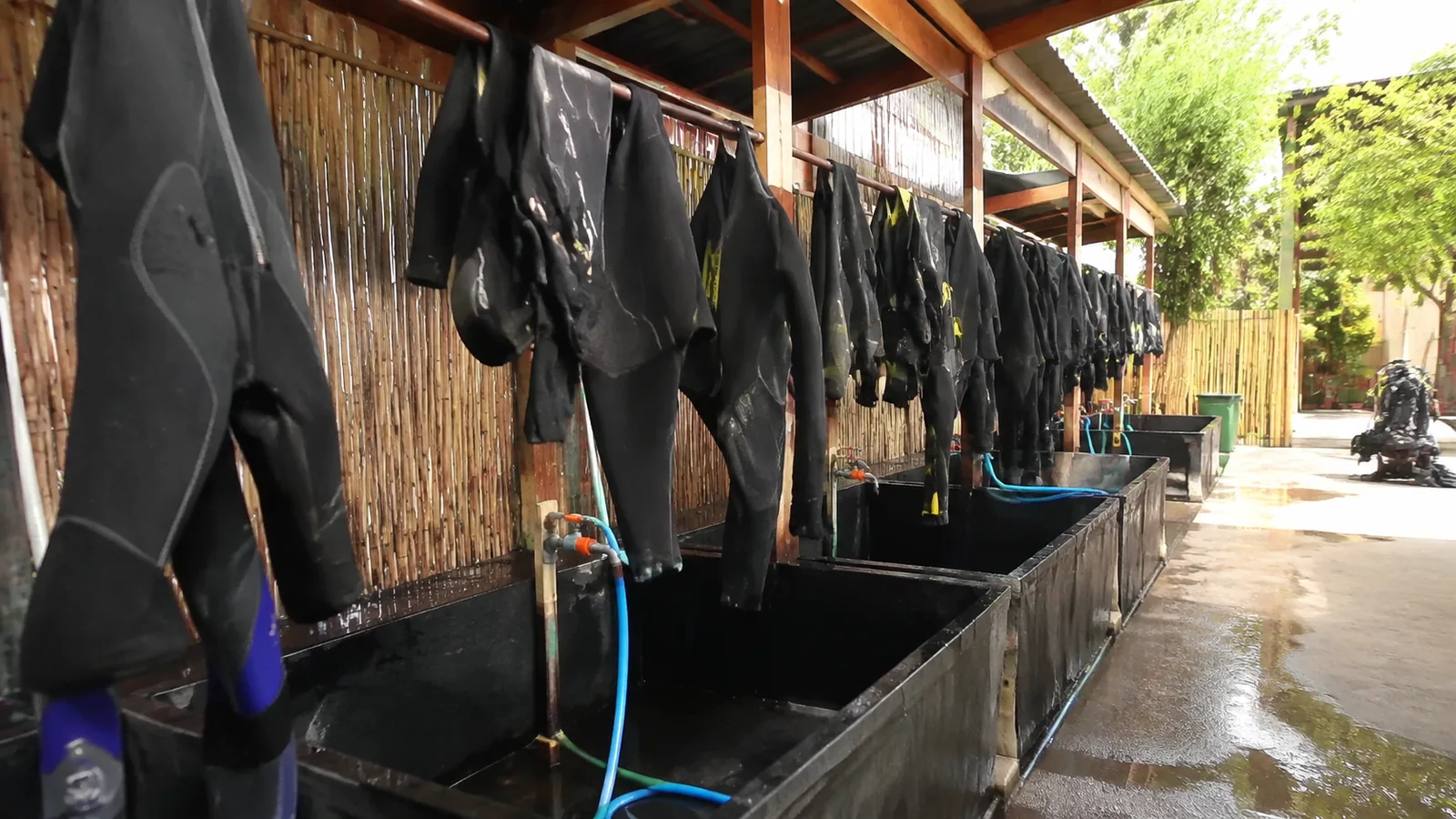
Follow each manufacturer’s service interval rather than a universal internet calendar. Divers Alert Network’s gear-maintenance guidance recommends inspection, correct rinsing, drying, storage, and professional attention for life-support components.
Rinse salt, sand, and contamination as the manufacturer directs, protect regulator dust caps, dry equipment away from damaging heat, and store suits without crushing them. Keep a service log and do not dive gear with cracked hoses, sticky inflators, damaged buckles, leaking seals, or unresolved odd behavior.
Check the U.S. Consumer Product Safety Commission scuba recall page and manufacturer notices by model and serial number. Two regulator recalls were announced in 2026, a useful reminder that “looks new” is not a safety inspection.
Travel packing without an overweight surprise
Weigh the complete bag at home and confirm airline rules for batteries, tools, lights, and cylinders. Carry a computer, regulator, prescription mask, certification proof, and critical batteries in hand luggage when permitted because rental fins are easier to replace than a missed dive profile.
Pack wet gear in a ventilated or separate bag on the return journey and protect delicate second stages from crushing. For freshwater wreck plans, our Lake Michigan dive-site overview helps flag the colder exposure protection and site experience questions a tropical list can miss.
The predive check that no shopping list replaces
Assemble equipment in daylight when possible, confirm the correct gas and pressure, breathe from both second stages while watching the pressure gauge, test inflation and every dump, secure the cylinder, and verify releases. Then complete the buddy check taught by your certification agency.
Brief hand signals, lost-buddy procedure, turn pressure, route, maximum depth and time, weighting, alternate-air location, and surface plan. If equipment feels wrong, the computer is unfamiliar, or conditions exceed training, skip the dive without apology.
Frequently asked questions
How much scuba gear does a beginner need to own?
None before training, unless the course specifies personal mask, snorkel, fins, or boots. Renting the core kit lets beginners learn preferences before accepting purchase and maintenance costs.
Can I scuba dive without certification?
Uncertified participants may try a recognized introductory program under direct professional supervision and within that program’s limits. They should not rent equipment and attempt independent recreational dives.
Do I need my own dive computer?
A computer is a strong early purchase because familiarity and complete repetitive-dive tracking matter. If renting, learn the model before diving and keep the same unit through the series.
What is the most important scuba item?
No single item replaces the system: breathing gas, regulator, buoyancy, exposure protection, instruments, training, buddy procedures, and judgment work together. The most expensive setup is still unsafe when poorly fitted, badly maintained, or used beyond training.
Final equipment rule
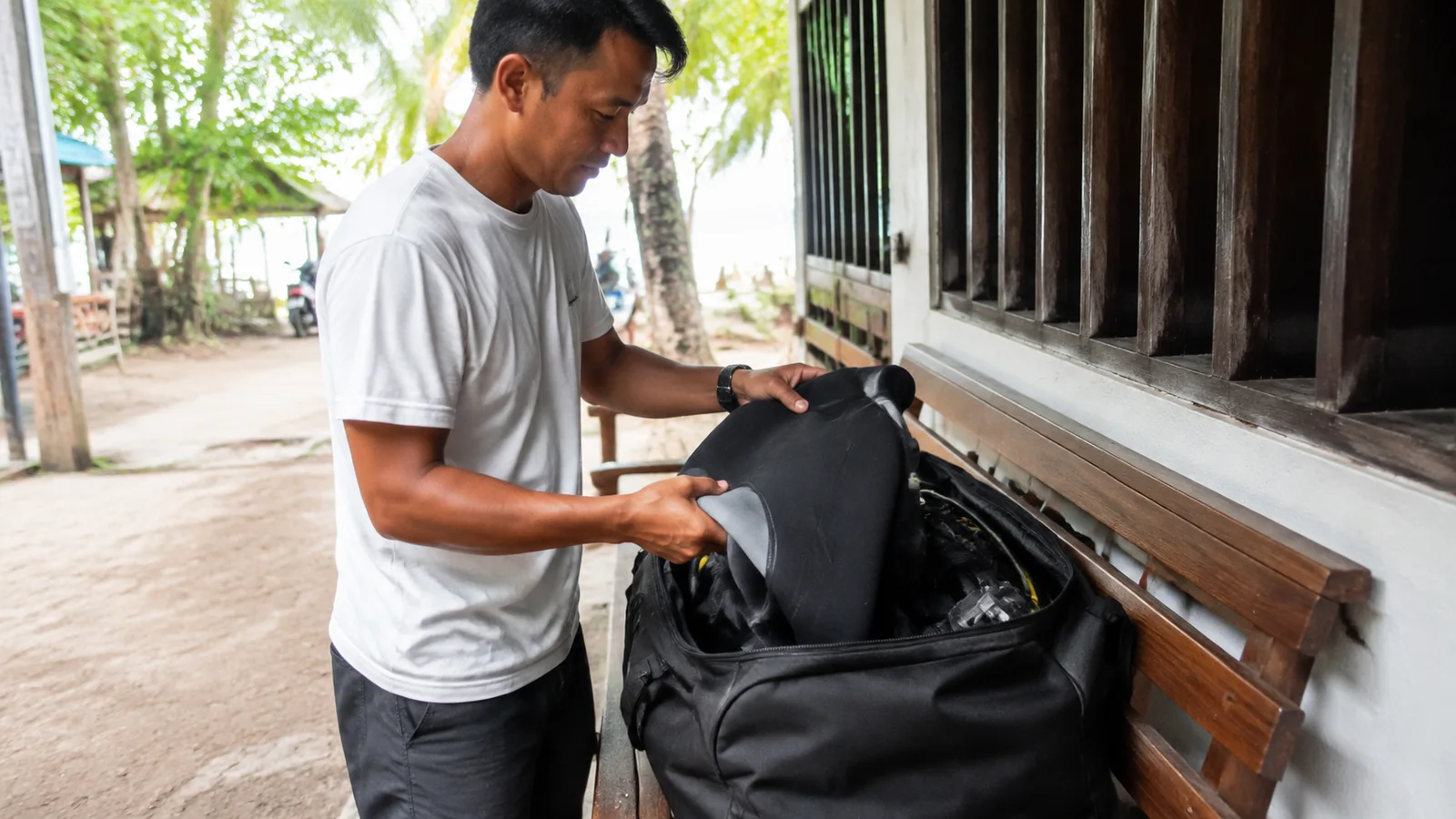
Own what benefits from fit and familiarity, rent what is bulky or destination-specific, and maintain every life-support component exactly as directed. The best scuba kit is the one you are trained to use, have inspected today, and can operate calmly when the dive stops going to plan.