Skip to Content

75 Travel Tips I Actually Use: Flights, Hotels, Packing, Money and Safety

Most travel advice is either obvious, outdated, or weirdly specific. I do not need 159 hacks involving shower caps and dental floss. I need a system that prevents expensive mistakes, keeps my documents safe, gets me through airports, and leaves enough flexibility that the trip still feels like a vacation.

Contents show

75 travel tips I actually use

  1. Check passport validity before booking international travel.
  2. Research visa and entry rules by nationality.
  3. Save digital and offline copies of critical documents.
  4. Buy travel insurance when the prepaid risk justifies it.
  5. Book the first night's lodging before arrival.
  6. Choose hotel location before hotel luxury.
  7. Read the most recent reviews, not just the rating.
  8. Check resort, parking, destination, and service fees.
  9. Know the airport-to-hotel plan before landing.
  10. Leave margin between flights, trains, and cruises.
  11. Avoid same-day flights for high-risk cruise departures.
  12. Keep medication in carry-on luggage.
  13. Pack one complete change of clothes in carry-on.
  14. Do not pack 14 outfits for a seven-day trip.
  15. Pack by laundry cycle, not trip length.
  16. Limit shoes aggressively.
  17. Wear the bulky layer in transit when useful.
  18. Weigh bags before leaving home.
  19. Check every airline's actual baggage rules.
  20. Keep valuables out of checked luggage.
  21. Download offline maps.
  22. Screenshot reservations and addresses.
  23. Carry a power bank.
  24. Use airplane mode deliberately.
  25. Understand roaming before crossing a border.
  26. Keep two payment methods stored separately.
  27. Decline dynamic currency conversion when appropriate.
  28. Use reputable ATMs.
  29. Carry a small emergency cash reserve.
  30. Know local tipping expectations.
  31. Research common scams before arrival.
  32. Do not flash expensive gear unnecessarily.
  33. Trust specific warning signs, not vague paranoia.
  34. Tell someone where I am on higher-risk or remote days.
  35. Save emergency numbers offline.
  36. Learn five useful local phrases.
  37. Respect religious-site clothing and photography rules.
  38. Ask before photographing people when appropriate.
  39. Do not confuse “authentic” with invading private life.
  40. Book capacity-limited attractions early.
  41. Leave flexible space every day.
  42. Plan by neighborhood.
  43. Do not schedule more than two hard anchors most days.
  44. Check actual opening days, not old blog posts.
  45. Know the last train or transport home.
  46. Start earlier for popular outdoor attractions.
  47. Pack for weather, not the season name.
  48. Check elevation and exposure separately from city weather.
  49. Carry more water than the Instagram photo suggests.
  50. Respect wildlife distance.
  51. Do not count on animal sightings.
  52. Build a backup plan for weather-sensitive activities.
  53. Choose one expensive meal or experience deliberately.
  54. Do not prepay every optional activity.
  55. Track the full trip budget, not just airfare and hotel.
  56. Check the final hotel and onboard folio before leaving.
  57. Save receipts for disputed charges.
  58. Keep transit cards and tickets accessible.
  59. Know whether public transport accepts contactless payment.
  60. Do not assume rideshare exists everywhere.
  61. Check rental-car insurance before pickup.
  62. Photograph rental-car condition before driving away.
  63. Learn local road rules before renting internationally.
  64. Never rely on one navigation app in remote areas.
  65. Download entertainment before long transit.
  66. Carry headphones.
  67. Bring a reusable bottle when refilling is practical.
  68. Leave luggage room for the return trip.
  69. Back up photos during longer trips.
  70. Review travel disruptions before leaving for the airport.
  71. Use the hotel's real address, not just its name.
  72. Keep one low-stimulation recovery block after red-eyes.
  73. Do not force every famous attraction into the itinerary.
  74. Repeat places I love.
  75. Come home with a record of what worked.
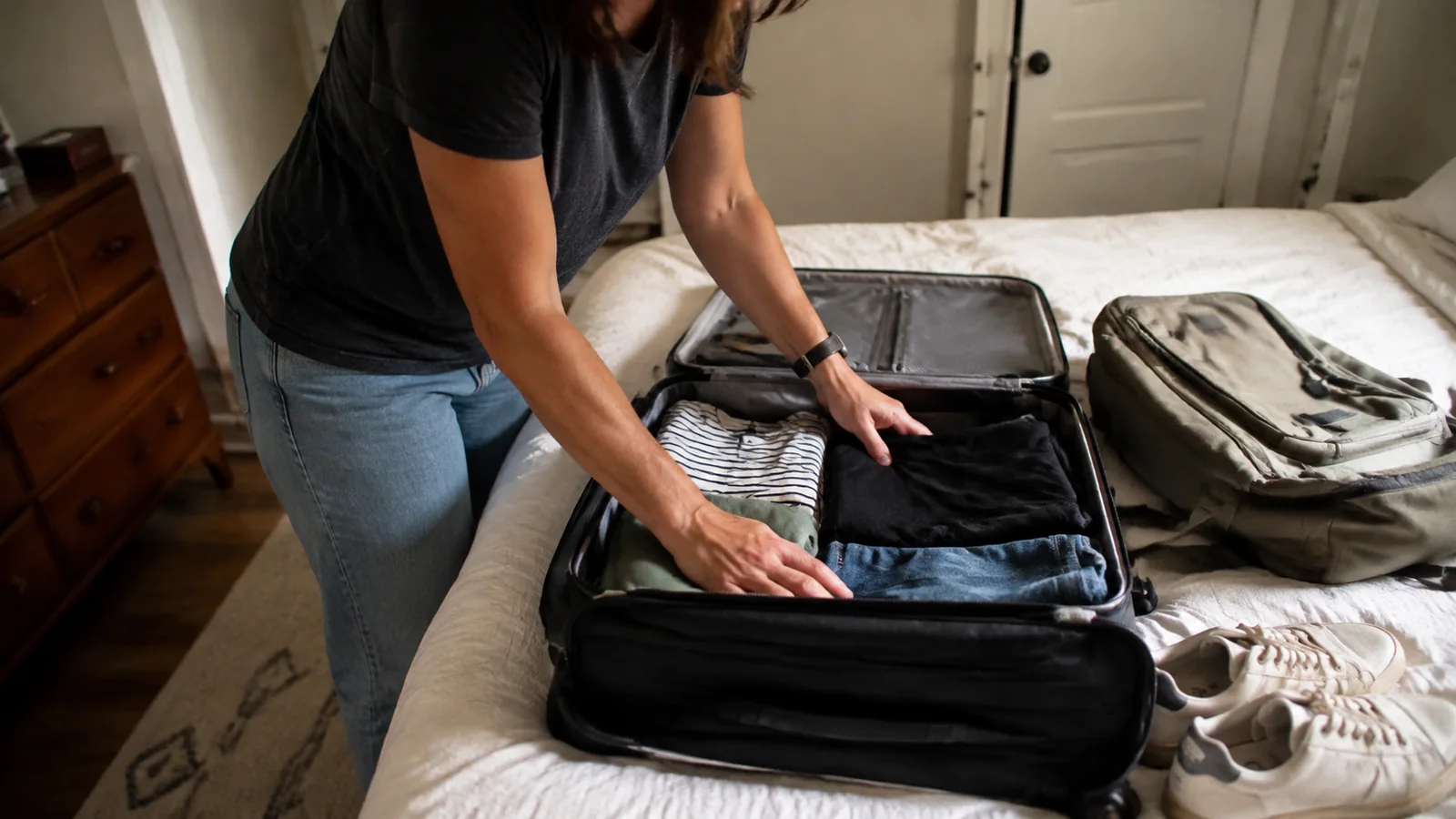
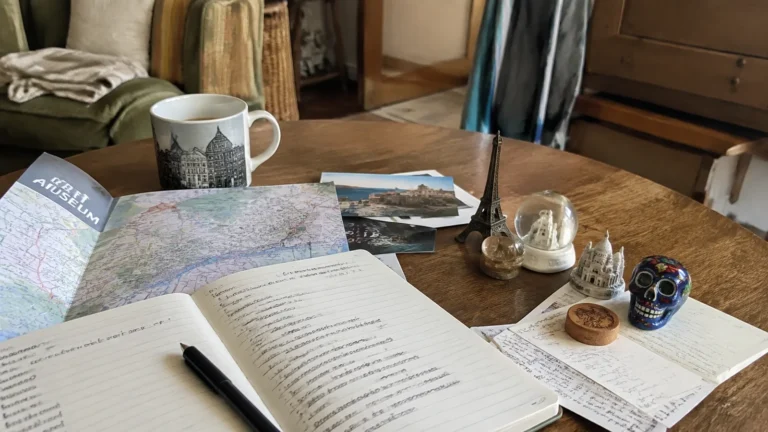
Traveler planning a trip with luggage and travel documents

Before I book anything

I start with the rules that can make the trip impossible rather than the fun part.

That means passport, visas, entry requirements, weather season, major holidays, and whether I can realistically get from the airport to where I am staying.

1. Check passport validity early

I do not wait until online check-in to look at the expiration date.

Different countries use different passport-validity rules, so the popular “always six months” shortcut can be wrong in both directions.

2. Check entry requirements by nationality

Visa rules depend on the passport I hold, destination, trip purpose, and sometimes transit route.

I use official immigration, embassy, consulate, or State Department-style sources instead of an old travel blog summary.

3. Transit countries matter

A connection can create entry or transit requirements even when I never leave the airport.

I check the entire flight path, especially when tickets are booked separately.

4. Save offline document copies

I keep secure digital copies of my passport, insurance, key reservations, and emergency contacts.

I also make sure they are available offline because a dead phone signal is exactly when I tend to need them.

5. Travel insurance is about exposure

I care more about how much money and medical risk I am exposed to than whether the trip cost “a lot.”

A remote expedition, cruise, nonrefundable international trip, or expensive tour can justify stronger coverage than a refundable weekend drive.

6. Book the first night

I love flexibility, but I do not want to land tired in an unfamiliar city and start apartment hunting from baggage claim.

The first night is one of the easiest parts of a trip to make predictable.

7. Location beats hotel luxury

A slightly smaller room in the right neighborhood can save hours of transit over a trip.

I compare walking distance, late-night transportation, neighborhood feel, and the places I actually plan to visit before caring about a rooftop pool.

8. Recent reviews matter most

A hotel can change management, renovate, lose breakfast, start construction next door, or develop cleanliness problems quickly.

I read the newest reviews for recurring patterns rather than treating a four-year-old five-star review as equally useful.

9. Search for hidden fees

I look for resort fees, destination fees, parking, breakfast, Wi-Fi, cleaning fees, security deposits, and taxes.

A cheaper nightly rate can become more expensive after mandatory charges.

10. Know the arrival plan

I save the real hotel address, local-language version when helpful, and at least two transport options.

“We will just figure it out after landing” is fun until the airport train stops running at midnight.

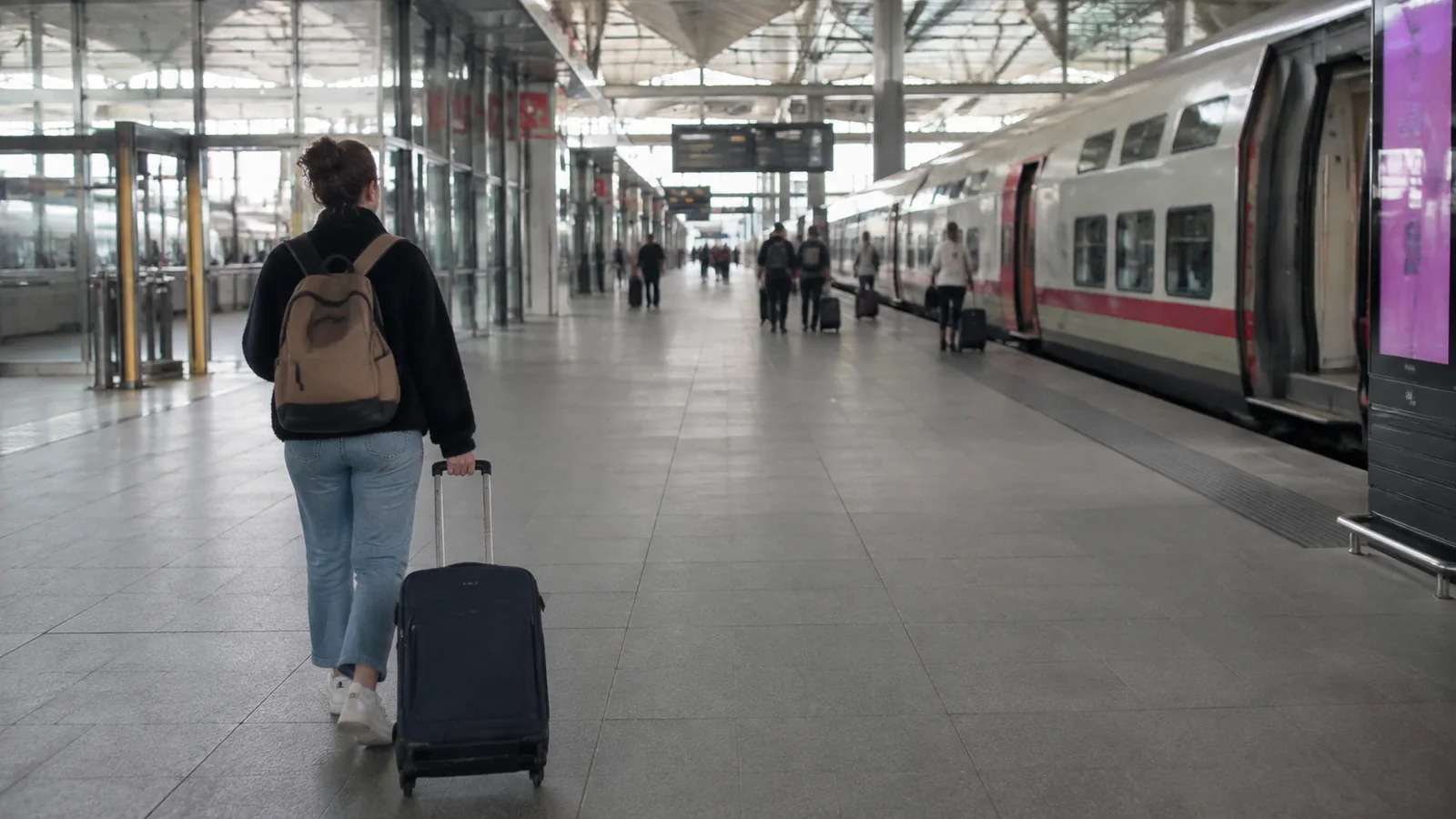
Traveler navigating a busy train station during a trip

Flights and connections

My biggest flight-planning rule is to think in terms of consequences.

A 45-minute connection can be completely legal and still be a terrible idea if missing it means losing a cruise, wedding, or once-daily onward flight.

11. Add connection margin when the stakes are high

I use longer connections for international transfers, large unfamiliar airports, separate tickets, checked bags, immigration, or important events.

I care less about shaving 40 minutes from the itinerary than protecting the entire trip.

12. Avoid same-day cruise flights when practical

If a ship leaves without me, the consequences are much larger than missing one hotel night.

I usually arrive at the embarkation city the day before when weather, distance, or limited replacement flights create meaningful risk.

13. Keep essentials in carry-on

Medication, passport, wallet, electronics, valuables, and one change of clothes stay with me.

Checked luggage can be delayed without ruining the first 24 hours if I plan for it.

14. Do not depend on seatback entertainment

I download a few shows, books, podcasts, or music before long flights.

Aircraft swaps and broken screens happen often enough that offline entertainment earns its space.

15. Dress for temperature swings

Airports can be hot and planes can feel freezing.

I use layers instead of packing one giant blanket-like sweatshirt that is useless at the destination.

Packing without turning it into engineering

I pack around activities and laundry.

The old article had dozens of packing “hacks,” but the biggest difference comes from simply bringing fewer things.

16. Pack for one laundry cycle

For longer trips, I usually pack seven to ten days of repeatable clothes and plan laundry.

I do not bring 21 outfits because the trip lasts 21 days.

17. Limit shoes

Shoes are bulky, heavy, and terrible suitcase roommates.

I try to cover the trip with a walking shoe, one dressier or casual alternative, and one activity-specific pair only when genuinely necessary.

18. Wear the bulky layer

If a jacket or boots are coming regardless, wearing them in transit can save luggage space.

I still prioritize comfort on long flights over winning a packing contest.

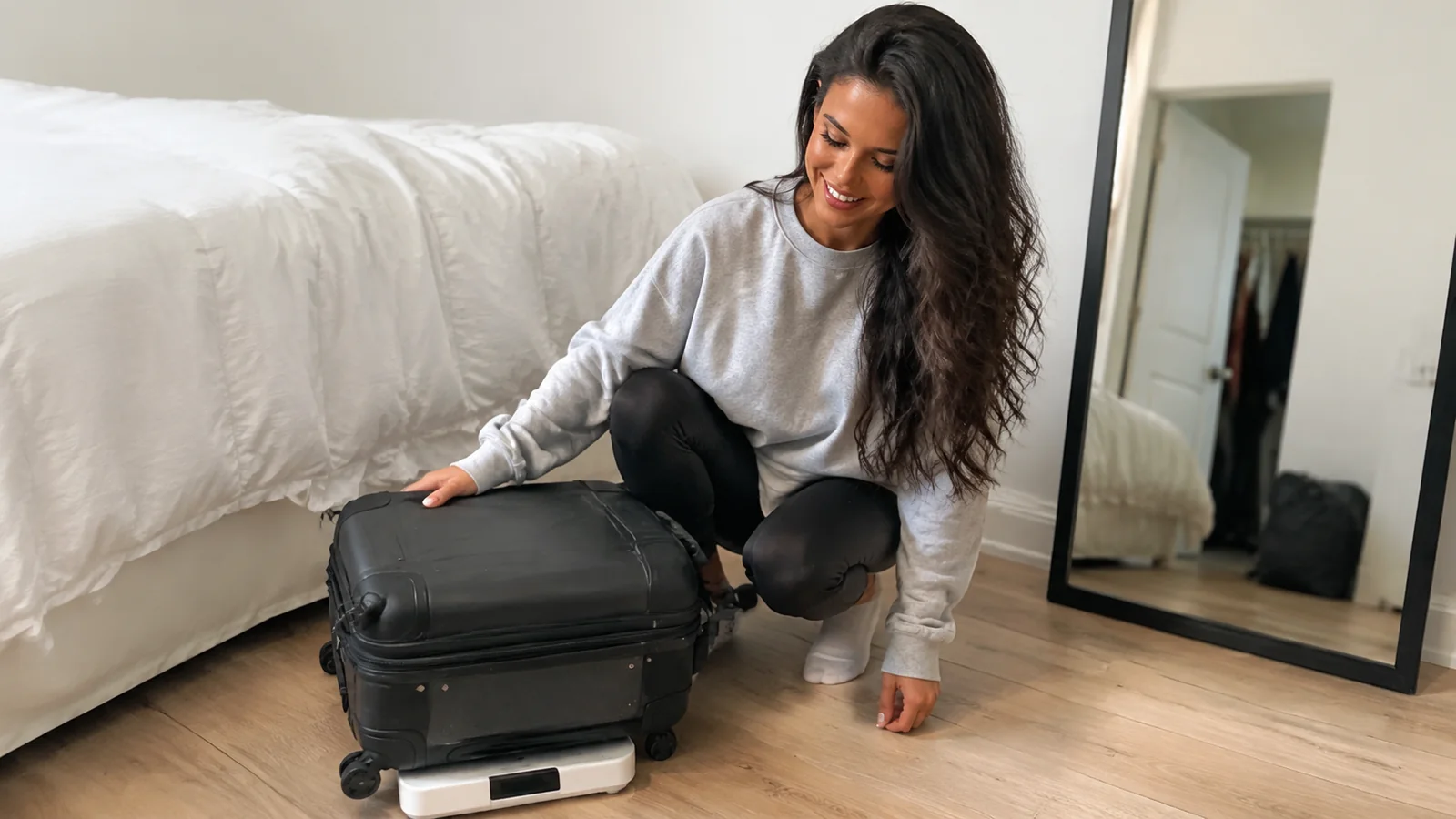
19. Weigh luggage at home

A small luggage scale is useful when I am close to airline limits.

Repacking on the bedroom floor is far nicer than opening my suitcase beside an airport check-in line.

20. Every airline is different

I verify carry-on dimensions, weight, personal-item rules, checked baggage, and fare restrictions with the actual operating airline.

A bag that worked on the outbound flight may not meet a different carrier's rules on the return.

21. Do not check valuables

I keep jewelry, cameras, computers, essential documents, medication, keys, and sentimental items out of checked bags.

Airline reimbursement cannot replace everything that has monetary value.

Suitcase packed efficiently for an international vacation

Phones and connectivity

My phone is the single most useful travel tool I carry.

That makes battery, offline access, and roaming settings more important than buying another clever travel gadget.

22. Download offline maps

I download the destination area before travel.

This helps with subway stations, walking routes, and finding the hotel when the local SIM refuses to activate.

23. Screenshot the critical details

I save confirmation numbers, QR codes, hotel address, excursion meeting point, and transport instructions as screenshots.

I do not assume every booking app will happily load in an underground station.

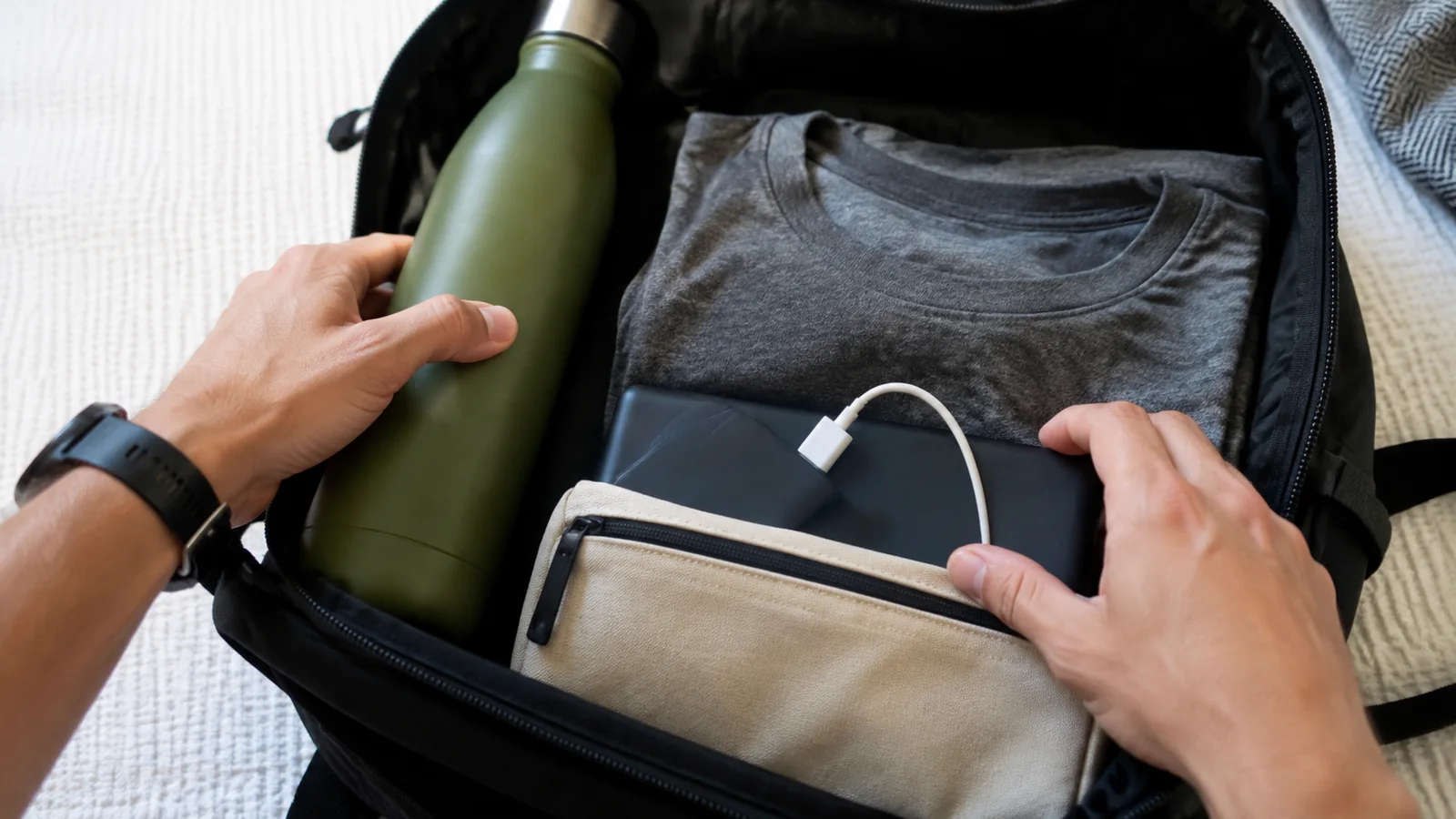
24. Carry a power bank

Navigation, photography, translation, tickets, messages, and transit can destroy a phone battery on a long sightseeing day.

A charged power bank is more useful to me than most specialized travel accessories.

25. Use airplane mode deliberately

This is especially important on cruise ships and near international borders.

I choose when cellular service is active instead of allowing the phone to connect to an expensive maritime or roaming network automatically.

26. Understand roaming before departure

I compare my carrier's international plan with local or regional eSIM options.

I do not assume a local SIM is always cheapest or that my normal plan automatically works worldwide.

Money

I want enough redundancy that one frozen card does not become an emergency.

I also want to avoid losing money through convenience fees I never agreed to intentionally.

27. Carry two payment methods

I keep cards from separate accounts or networks when practical.

I store them separately so one lost wallet does not remove every way to pay.

28. Dynamic currency conversion can be expensive

When a terminal offers to charge me in my home currency instead of the local currency, I look carefully at the exchange choice.

In many cases, choosing local currency lets my card issuer handle conversion at a better rate.

29. Use reputable ATMs

I prefer machines attached to banks or trusted financial institutions.

I avoid random standalone ATMs in heavily touristy areas when the fee structure looks unclear.

30. Carry emergency cash

I do not carry my entire trip budget in cash.

I keep enough for a taxi, meal, or short interruption when cards or mobile payment stop working.

31. Know tipping expectations

Tipping customs vary wildly.

I look up the destination and service type instead of importing U.S. restaurant habits everywhere.

Safety without paranoia

I do not believe every tourist needs an anti-theft backpack, hidden money belt, fake wallet, and five padlocks.

I focus on the risks that actually match the place and activity.

32. Research common scams

I spend five minutes learning the destination's classic taxi, distraction, ticket, ATM, bracelet, petition, and fake-official scams.

Recognizing the setup is usually more useful than traveling around terrified of everyone.

33. Do not display valuables unnecessarily

I use my phone and camera when I want them.

I just do not leave an expensive device unattended on a café table or wave a wallet around in a crowded station.

34. Trust concrete warning signs

I leave when someone is following me, pressuring me, blocking me, manipulating transportation, or creating an intentionally confusing situation.

I try not to label an entire neighborhood dangerous simply because it looks unfamiliar.

35. Share remote-day plans

For hikes, solo road trips, remote beaches, and other higher-consequence outings, I tell somebody where I am going and when I expect to return.

This is much more useful than posting every location publicly in real time.

36. Save emergency numbers

I know the local emergency number and save my insurer, embassy or consulate information when relevant.

I want those numbers before I need them.

Traveler preparing safely for an international vacation

Cultural respect

I do not need to become an expert in another culture before visiting.

I do need enough awareness to avoid making my ignorance somebody else's problem.

37. Learn five words

Hello, please, thank you, excuse me, and goodbye are enough to improve many interactions.

I do not pretend those words make me fluent.

38. Check religious-site rules

Some churches, mosques, temples, monasteries, and shrines require shoulders or knees covered, head coverings, shoe removal, silence, or photography restrictions.

I check before arriving rather than argue with the policy at the door.

39. Ask before photographing people

This matters especially in markets, ceremonies, villages, workplaces, and situations involving children.

Travel does not turn local people into scenery.

40. Stop chasing “authenticity”

Famous attractions are not automatically fake and residential neighborhoods are not public theater.

I can enjoy local businesses and everyday places without trying to prove I found somewhere tourists are not supposed to know.

Itinerary planning

The best improvement I have made to my travel planning is scheduling less.

I care about anchor reservations and geography, then I leave room for the trip to change.

41. Book capacity-limited experiences early

Major museums, famous restaurants, small-group tours, ferries, national park permits, and special attractions can sell out.

I prioritize the things I would be genuinely disappointed to miss.

42. Leave open time

I try to keep at least one flexible block each day.

That becomes lunch, a nap, a neighborhood walk, weather recovery, shopping, or something I discovered after arrival.

43. Use two hard anchors

Most sightseeing days do not need more than two fixed commitments.

A 10 a.m. museum and 7 p.m. dinner leave enough room to experience the city between them.

44. Group attractions by neighborhood

I avoid crossing the same city four times because a ranking article placed attractions in random order.

One well-planned neighborhood day often feels richer and much less tiring.

45. Check operating days

Museums close on specific weekdays, markets can be seasonal, ferries change schedules, and restaurants take holidays.

I verify the official current schedule close to the trip.

46. Know how I get home at night

I check the last train, metro, ferry, or bus before going far from the hotel.

A cheap afternoon ride can become an expensive late-night taxi if service ends earlier than expected.

Weather and outdoors

I pack for conditions rather than the destination's marketing photo.

Mountains, deserts, coasts, and water can create very different weather from the nearby city.

47. Start outdoor attractions earlier

Popular trails, beaches, national parks, and viewpoints can be calmer and cooler in the morning.

Starting early also gives me more daylight margin if the activity takes longer than planned.

48. Check actual weather, not seasonal stereotypes

“Summer” does not mean dry, and “tropical” does not mean constant sunshine.

I look at the local forecast, climate patterns, and specific elevation before packing.

49. Elevation changes conditions

A mountain trail can be dramatically colder and windier than the town at its base.

I pack layers for the activity rather than dress entirely for the hotel parking lot.

50. Carry enough water

Scenic trails often have no safe drinking-water source.

I check route-specific guidance instead of assuming a stream, café, or fountain will appear.

51. Wildlife sightings are never owed

I choose wildlife tours based on responsible operation and habitat, not a guarantee of seeing one specific animal.

A whale, bear, leopard, turtle, or bird does not work for the tourism board.

52. Have a weather backup

Boat trips, balloons, helicopters, snorkeling, high-elevation roads, and outdoor performances can cancel.

I make sure the destination still works if the signature activity does not happen.

Spending without ruining the budget

I like travel splurges more when I choose them on purpose.

I hate discovering that 20 small “vacation mode” purchases became the most expensive part of the trip.

53. Pick the splurge

I would rather choose one amazing hotel night, tasting menu, spa, flight, boat trip, or private guide deliberately.

Then I can save on the categories that matter less to me.

54. Do not prepay everything

Weather, energy, illness, and changing interests can make a fully prepaid itinerary feel like a prison sentence.

I reserve what sells out and leave the rest flexible.

55. Track the whole trip cost

I include airfare, bags, hotels, fees, transfers, insurance, meals, tips, attractions, transportation, roaming, parking, pet care, and souvenirs.

The cheap flight is not cheap if every other part of the trip is unusually expensive.

56. Review final bills before leaving

Hotel, rental-car, resort, cruise, and minibar mistakes are easier to correct while I am still physically there.

I look at the folio instead of assuming every charge is correct.

57. Save receipts when a charge could be disputed

Rental cars, deposits, prepaid tours, and expensive purchases are the obvious examples.

A photo or digital receipt can save a lot of time later.

Ground transportation

Transportation mistakes create some of the dumbest travel stress because they are often avoidable.

I care about how the system actually works rather than whether an app claims one route is theoretically possible.

58. Keep transit tickets accessible

I do not bury the metro card, rail ticket, or parking receipt underneath everything else in my bag.

Repeatedly needing the same item is a sign it deserves its own pocket.

59. Check contactless payment rules

Some systems accept bank cards or phones directly.

Others require a local card, advance ticket, validation, zone selection, or separate tap-out.

60. Do not assume rideshare exists

Uber, Lyft, Bolt, Grab, and local competitors vary dramatically by country and city.

I know at least one legal taxi or public transport alternative before arrival.

Rental cars

Rental-car desks are where tired travelers agree to expensive things they do not understand.

I decide insurance, toll, fuel, driver, and return questions before pickup whenever possible.

61. Understand insurance before the counter

I check my personal auto policy, credit card, travel insurance, and destination requirements before declining or buying rental coverage.

I do not assume a U.S. credit card benefit works identically in every country or vehicle category.

62. Photograph the car before leaving

I capture existing scratches, wheels, windshield, mirrors, fuel level, and major exterior panels.

I do the same at return when damage disputes are a concern.

63. Learn road rules

I check which side of the road I drive on, parking signs, tolls, low-emission zones, winter equipment, speed-camera rules, and whether an international driving permit is required.

Renting the car is the easy part.

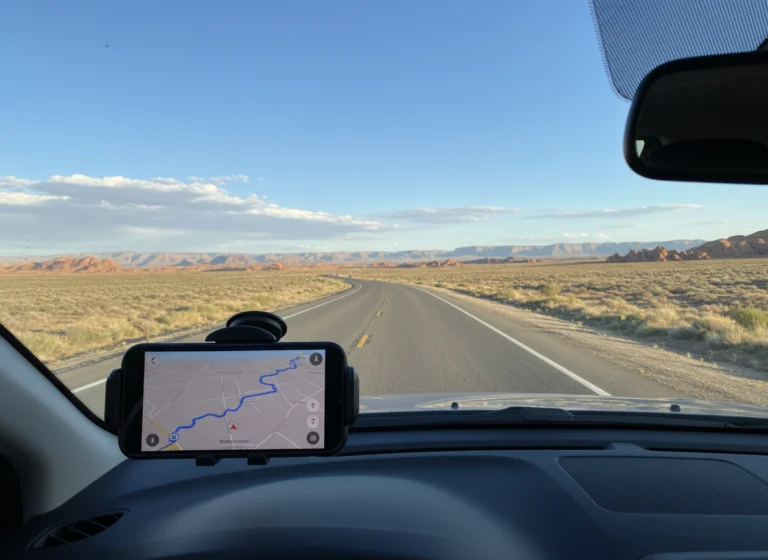
64. Use more than one navigation source in remote areas

Offline maps, official trail maps, paper backup, or dedicated GPS can matter where cell service disappears.

I do not blindly follow a phone onto an unmaintained road because the blue line looks confident.

Comfort

Not every travel tip needs to save money or prevent disaster.

Some simply make the day more pleasant.

65. Download entertainment

I do this before flights, long trains, ferries, and cruises.

Good Wi-Fi is never guaranteed exactly when I am bored.

66. Bring headphones

This sounds obvious until the only pair is in checked luggage.

I keep a small pair accessible during transit.

67. Carry a refillable bottle when practical

I use one where tap or refill water is safe and convenient.

I do not turn it into a moral project in destinations where sealed drinking water is the practical option.

68. Leave luggage room

I do not start a shopping-heavy trip with a suitcase packed to the zipper.

Even a few inches of spare capacity makes the return trip much easier.

69. Back up photos

On longer trips, I back up important photos to cloud storage or another device when connectivity allows.

Losing a phone should not erase three weeks of memories too.

Disruptions

A good traveler is not somebody whose plans never break.

It is somebody who can absorb the break without making the whole trip collapse.

70. Check disruptions before leaving

I look at flight status, train strikes, road closures, weather alerts, port changes, and major demonstrations before heading out.

I would rather know about the problem over breakfast than at the station.

71. Save the real address

Hotel names can be duplicated or mistranslated.

I keep the full street address and map pin offline.

72. Recover after red-eyes

I do not land from an overnight flight and schedule three ticketed attractions immediately.

A shower, food, daylight, easy walk, and early sleep often create a much better first day.

73. Skip attractions without guilt

I do not need every famous monument, museum, market, viewpoint, and restaurant in one visit.

A trip can be successful even when the checklist remains incomplete.

74. Repeat things I like

If the same café, beach, park, or restaurant makes me happy, I go back.

Travel does not require maximum novelty per hour.

75. Write down what worked

After the trip, I note what I overpacked, where I overspent, which hotel location worked, what reservation was worth it, and what I would skip next time.

That is how travel gets easier instead of forcing me to relearn the same lessons every vacation.

Traveler overlooking a scenic destination while planning the day

Travel myths I would stop repeating

The internet has turned a lot of weak observations into permanent travel “hacks.”

I would drop these entirely.

“Incognito mode gets cheaper flights”

I do not rely on this.

Airfare moves because of inventory, fare classes, demand, competition, and airline pricing systems, not because clearing cookies magically unlocks a secret cheap fare.

“Always exchange cash at the airport”

Airport currency desks are convenient, but convenience can come with poor spreads or fees.

I compare ATM, card, bank, and exchange options rather than defaulting to the first counter after customs.

“Always tell your bank you're traveling”

Some banks no longer use travel notices at all.

I check the issuer's current process instead of following a rule that may not exist for my cards.

“Roll every piece of clothing”

Rolling, folding, compression, and packing cubes all work differently depending on fabric and bag shape.

The real space-saving strategy is bringing less.

“Corner hotel rooms are always bigger”

Sometimes they are and sometimes they are not.

I book actual room categories and floor plans instead of requesting architectural folklore at check-in.

“The TV USB port is a reliable charger”

It may charge slowly or not at all when the TV is off.

I bring the charger I need instead of treating hotel electronics like my backup power strategy.

“Carry a multi-tool everywhere”

Blades and tools can create airport security, border, and local-law problems.

I do not pack one unless the trip genuinely requires it and I have checked the transportation and destination rules.

Frequently asked questions

What is the most important travel tip?

Protect the parts of the trip that are hard to recover from: passport, visas, essential medication, major connections, and high-value reservations.

How early should I plan international travel?

I check passport and entry requirements before booking. Flights, hotels, and major attractions can then be booked according to season, demand, and flexibility.

How do I pack lighter?

Pack for a laundry cycle, limit shoes, repeat clothes, and remove “just in case” items that are cheap and easy to buy locally.

Should I use cash or cards abroad?

I usually use cards where they are widely accepted and keep a modest amount of cash for small vendors, transit, tips, or emergencies.

Should I buy travel insurance?

I strongly consider it when I have substantial nonrefundable costs, international medical exposure, cruises, remote travel, or expensive disruptions to protect against.

How many activities should I plan each day?

My default is two hard timed commitments at most, with flexible activities around them.

Should I book tours in advance?

I book capacity-limited or must-do experiences early and leave lower-priority tours flexible when possible.

How do I avoid travel scams?

Research the destination's common scam patterns, use official or reputable transport, protect payment information, and leave situations involving pressure, confusion, or fake authority.

How do I travel more safely alone?

Share important plans, keep transportation options available, avoid unnecessary intoxication in unfamiliar settings, know how to reach the hotel, and trust specific warning signs.

How do I make travel less stressful?

Reduce hard commitments, choose a convenient hotel location, build transport buffers, download information offline, and stop treating every hour as something that needs to be optimized.

My final recommendation

I would rather follow 20 good travel habits consistently than memorize 159 clever hacks. Protect the passport, understand the money, keep the phone working, leave margin in the itinerary, pack less, and know how I am getting home.

Everything else is optional. The best travel system is the one that handles the boring problems quietly enough that I can spend the trip paying attention to where I actually am.