Your First Solo Road Trip: How to Build a Trip You Will Enjoy
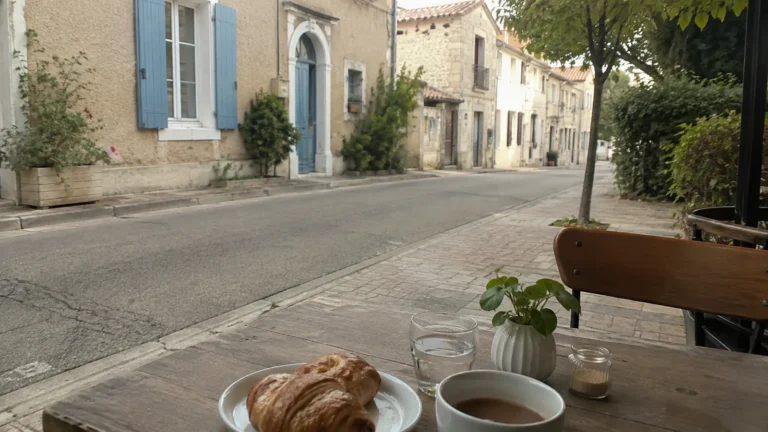
A solo road trip means the bakery detour needs exactly one vote, and I find that a very appealing way to spend a weekend.
The freedom is the best part, but for a first trip I would keep the route simple enough that being the driver, navigator, decision-maker, and person who remembers where the hotel is still feels fun.
Start Smaller Than Your Dream Road Trip
I would not make the first solo drive a three-week cross-country expedition unless you already spend a lot of time traveling independently. A three- or four-day trip within a few hours of home lets you learn what you enjoy without turning every lesson into a major logistical problem.
My three-day road trips are good templates because each region stays geographically tight. Pick the version that makes you excited to be there, not the one that sounds most impressive alone.
Choose a Destination That Works Solo
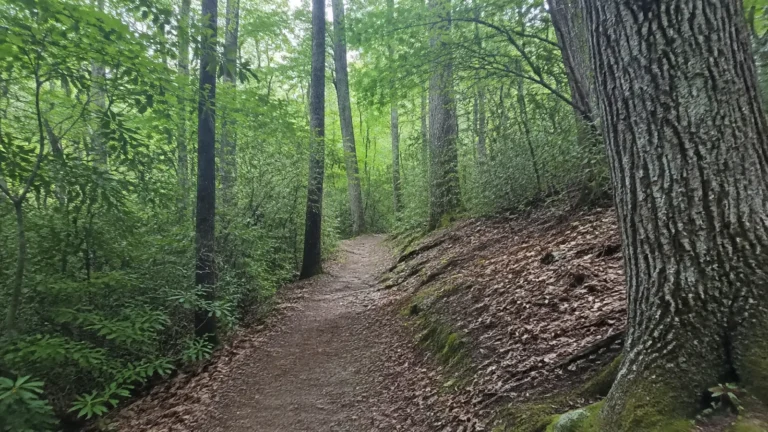
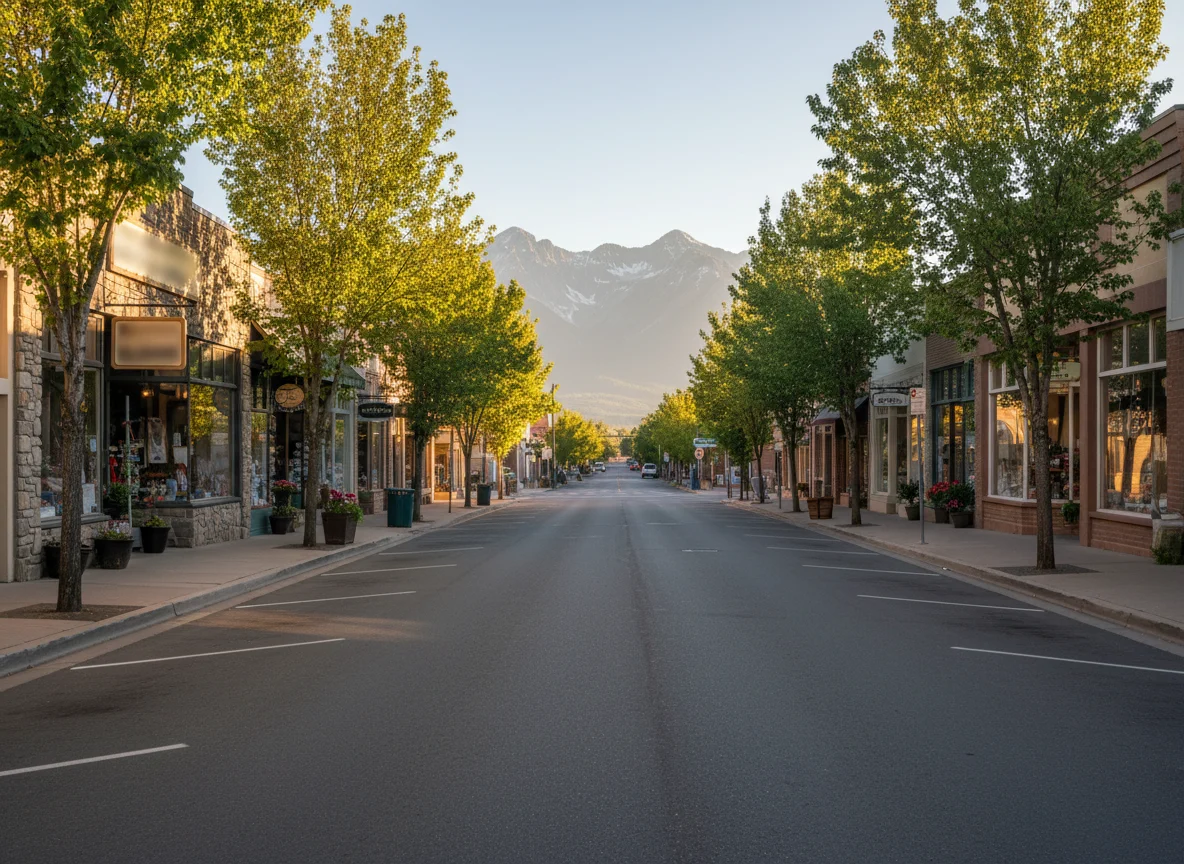
I like places where I can park the car and walk for part of the day. Small towns, national parks with straightforward roads, lake regions, coastal drives, and walkable historic centers work particularly well.
I would avoid an itinerary built around constant valet parking, complicated nightlife, remote backcountry driving, or activities that only become fun with a group. The trip should suit being solo rather than requiring you to work around it.
For the First Trip, Stay Somewhere With Services
A cabin forty minutes down an unmarked gravel road can be wonderful once you know you enjoy solo travel. For the first trip, I would rather have a hotel or inn near restaurants, fuel, and normal town activity.
That does not mean you need to stay in a giant city. Door County, Galena, Santa Fe, Taos, Newport, Traverse City, and dozens of smaller destinations can give you atmosphere without isolation.
Keep the First Driving Day Short
I want to arrive with enough energy to walk around, eat dinner, and get comfortable in the new place. A seven-hour solo drive followed by a confusing after-dark hotel arrival is not the introduction I would choose.
Three or four hours is a comfortable starting range for many travelers, with breaks built in. Adjust that to your own driving experience and never use somebody else’s mileage tolerance as a challenge.
Drowsy Driving Is the Limit, Not the Itinerary
When you travel alone, there is nobody to take over the wheel if you become tired. The National Highway Traffic Safety Administration warns that fatigue impairs driving and recommends starting a long trip well-rested, avoiding peak sleepiness periods when possible, and stopping when drowsiness appears.
NHTSA’s drowsy-driving guidance makes the point I care about most: caffeine cannot reliably compensate for serious sleep deprivation. If you are fighting to stay awake, the driving day is over.
Do Not Use an Arrival Time as a Personal Challenge
If navigation says 5:42 p.m., I do not feel obligated to prove it right. Stop for food, stretch, take the bathroom break, and arrive later.
Solo road trips get easier the moment you stop imagining somebody is scoring the efficiency. Nobody is.
Plan the Route Before You Drive
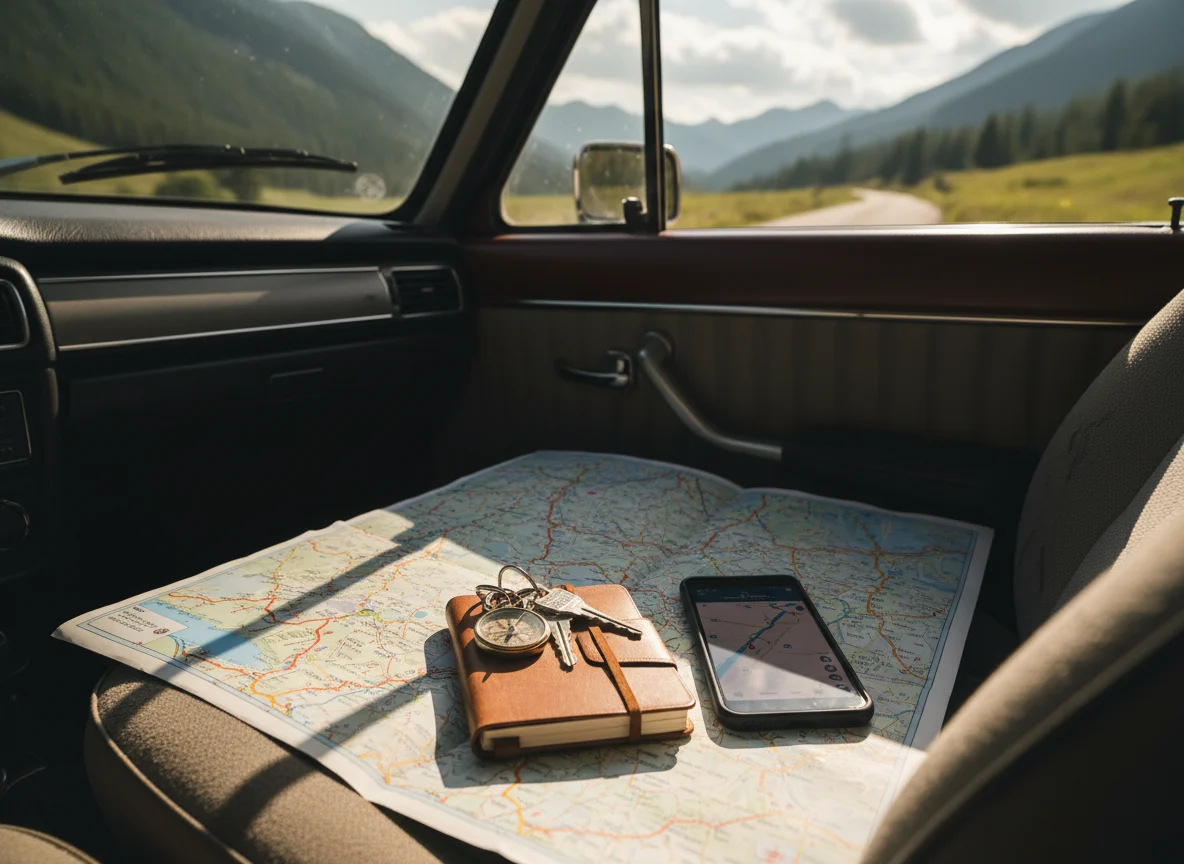
I know the overnight town, hotel, major road, and one or two likely stops before leaving. I do not want to be deciding among six scenic alternatives while also driving through an unfamiliar interchange.
My Google Maps road-trip guide explains how I save places and download offline maps. The planning is there to make the driving calm, not to lock every hour into place.
Download Offline Maps
This matters even more alone because you cannot hand a passenger the phone and ask them to figure out what happened to the signal. Download the region, save the hotel address, and know the main route before entering remote areas.
I also keep a paper map or screenshot of critical roads for especially rural trips. Technology is wonderful until the exact moment it needs service.
Tell Someone the Basic Plan
I share the rough route, hotel, and expected arrival with someone I trust when the trip includes remote roads or long driving days. I do not need to provide a minute-by-minute surveillance schedule.
A simple message when I arrive solves most of it. The goal is that somebody knows where to start if I unexpectedly stop communicating.
Keep the Car in Good Shape
Before a solo road trip, I am more interested in tires, fluids, lights, wipers, fuel, and the spare-tire setup than I am in clever organizers. I want to know what the vehicle does if a tire goes flat before I am standing beside the road.
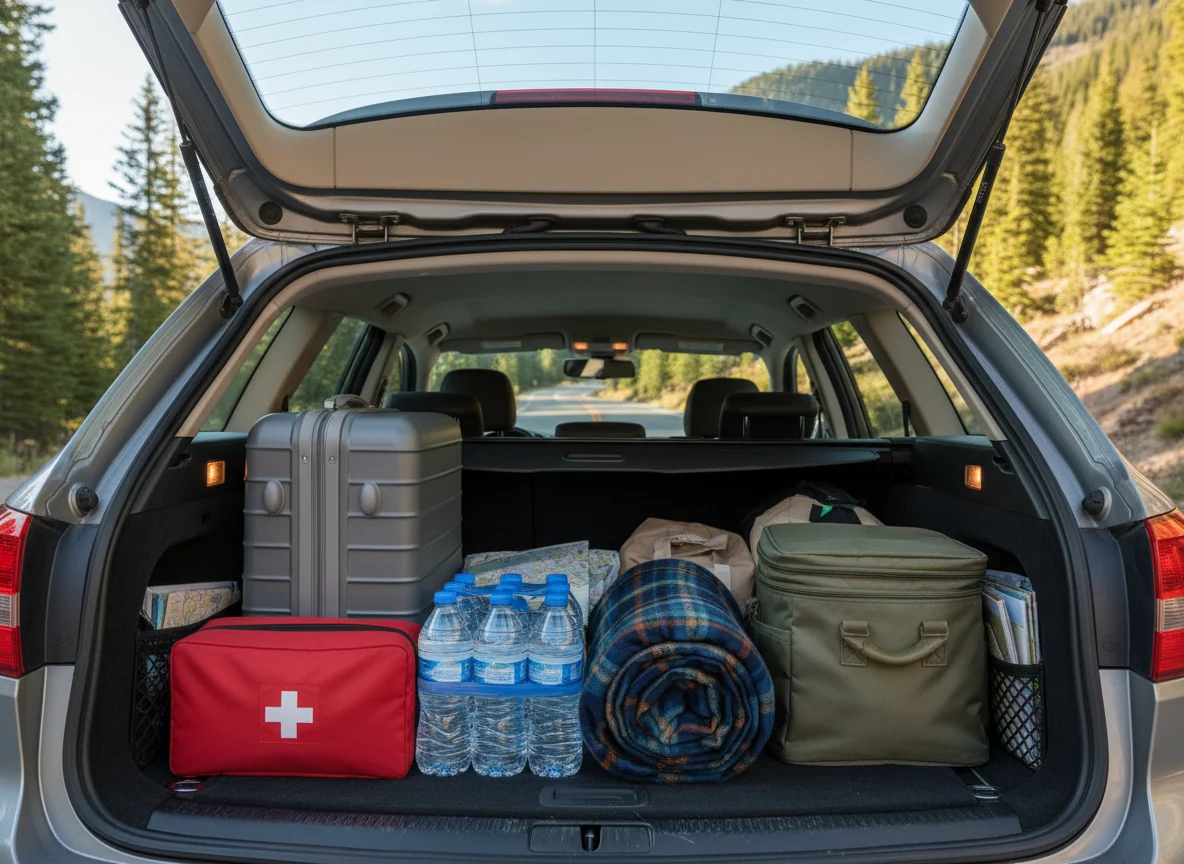
NHTSA’s road-trip safety guidance recommends a roadside kit with items such as a phone and charger, first aid supplies, flashlight, jumper cables, tire-pressure gauge, water, food, medicines, maps, and emergency clothing or blankets.
Know Your Roadside Assistance
I keep the roadside-assistance number and vehicle insurance information somewhere easy to find. If I am renting, I save the rental company’s roadside instructions too.
Do not assume every flat, dead battery, or lockout is covered the same way. Knowing who to call removes one layer of decision-making when something already went wrong.
Do Not Let the Gas Tank Become a Plot Twist
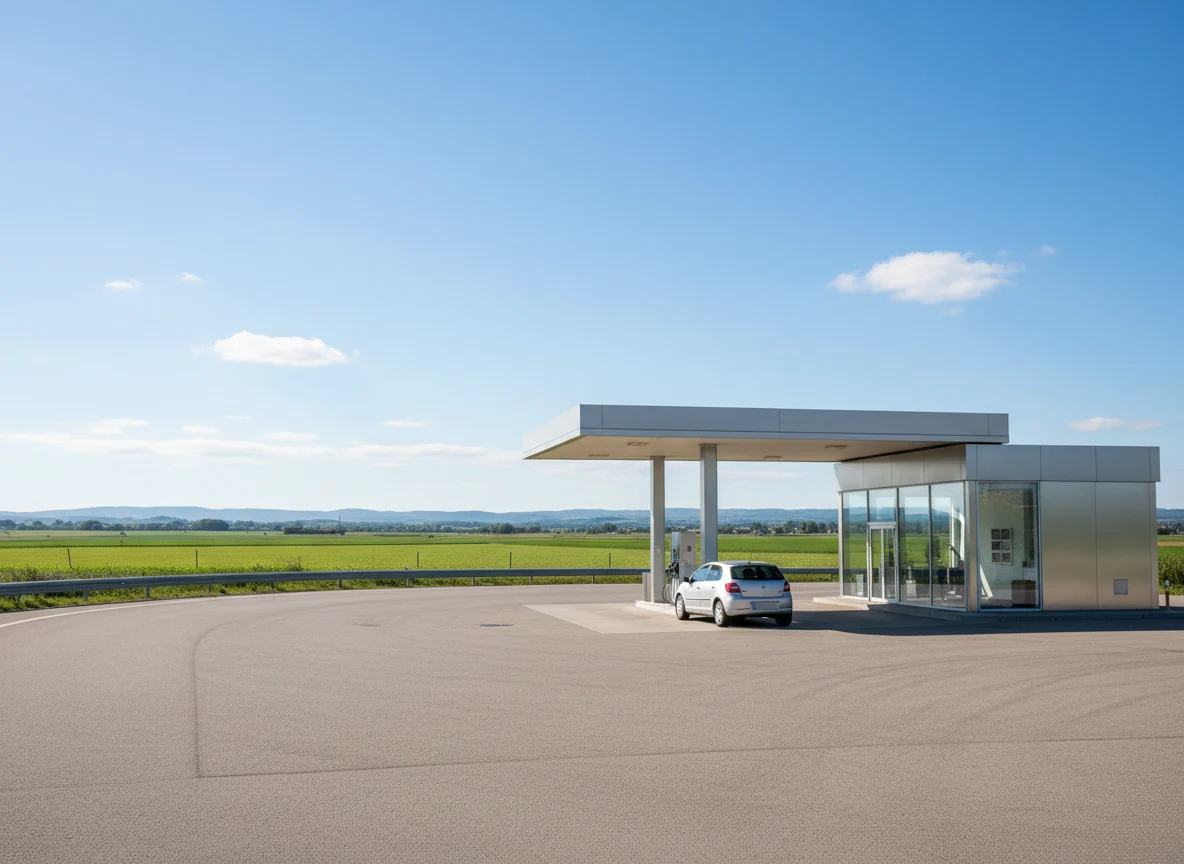
I refuel earlier when driving alone in remote areas. The cost difference between stations matters much less to me than reaching a sparsely populated stretch with enough fuel to handle a closure or detour.
NHTSA also recommends keeping the gas tank close to full when possible on longer trips. I translate that into “do not drive past a perfectly good rural gas station at one-quarter tank because the next one is seven cents cheaper.”
Choose Hotels That Make the Evening Easy
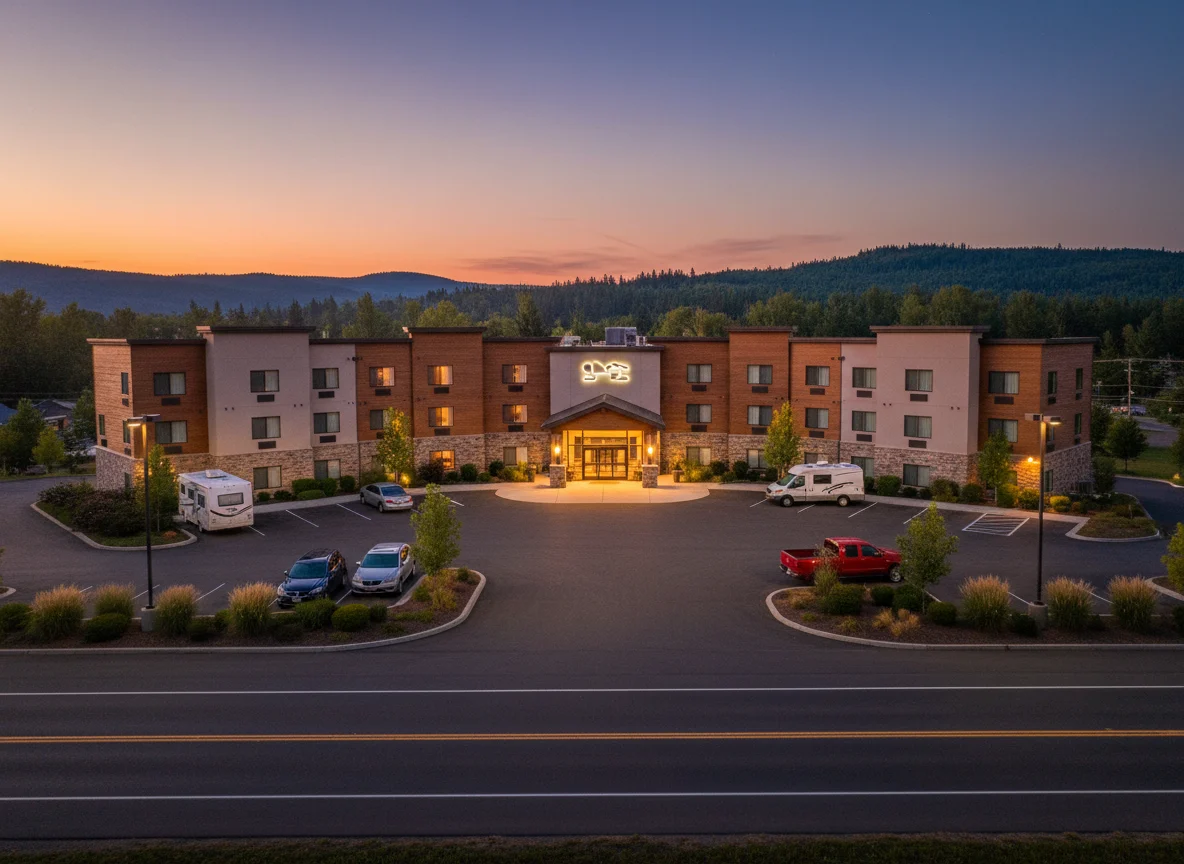
I prefer a well-reviewed hotel in an active area where I can park easily and walk to dinner when possible. Saving $30 at an isolated interchange does not excite me if it means another nighttime drive after a full day.
My road trip hotel guide covers parking, cancellation, access roads, recent reviews, and the things I check before booking.
Arrive Before Dark When the Location Is Unfamiliar
I especially try to reach cabins, rural inns, mountain towns, and small hotels before dark. Finding the entrance, understanding the parking, and getting oriented is much easier when I can see everything.
If I know I will arrive late, I choose a straightforward hotel with clearly documented check-in. This is not the night for a romantic off-grid treehouse reached by an unsigned lane.
One Main Activity Per Day Is Enough
Solo travel can create a weird urge to prove you are using the time well. I would much rather choose one hike, museum, boat trip, town, or scenic drive and let the rest of the day develop naturally.
My road trip route guide uses the same one-anchor approach for every trip. It feels even better alone because changing the optional stops requires no negotiation.
Do the Things You Actually Like
If you do not like breweries, you do not have to visit a brewery because a guide says the town has one. If you love antique shops, you can spend three hours in them without apologizing to anybody.
This sounds obvious, but solo travel can make people follow generic “must-do” lists more closely because there is no travel partner contributing ideas. Your preferences still get a vote, and now they get every vote.
Eating Alone Gets Easy Very Quickly
I like eating at the bar, counter, patio, café, or a small table where I can watch the room. Lunch is also a great time to try the restaurant I care most about because the atmosphere often feels lower-pressure and reservations may be easier.
I bring a book or use the time to plan tomorrow, but I do not feel obligated to stare at my phone. Most people in the restaurant are thinking about their own dinner, not evaluating mine.
Takeout Is a Valid Travel Experience
If I have had a huge day, I will happily get takeout and eat somewhere scenic or in the hotel. Solo travel does not require performing independence in a formal restaurant every night.
My road trip food ideas also make it easy to carry a picnic for days when the best lunch view is nowhere near a restaurant.
Keep Valuables Out of Sight
I do not leave a camera bag, laptop, purse, passport, or obvious electronics visible in a parked car. Luggage stays in the trunk or covered cargo area whenever possible.
If the car is packed during a hotel transfer day, I avoid leaving it for long periods in places where the entire luggage setup is visible. A route with fewer hotel changes helps here too.
Trust the Situation, Not the Itinerary
If a parking area, road, trail, person, hotel, or neighborhood makes me uncomfortable, I change the plan. I do not need to prove the concern was objectively justified before leaving.
That is not about being afraid of solo travel. It is about recognizing that flexibility is one of the advantages of traveling alone.
Stay Aware Without Spending the Trip Scared
I pay attention to where I park, keep the phone charged, avoid getting impaired when I still need to drive, and know how I am getting back to the hotel. Then I get on with the vacation.
Solo travel should not become an endless safety ritual. Basic preparation creates room to relax.
Keep Alcohol Separate From Driving Plans
If I am wine tasting, going to a brewery, or planning cocktails at dinner, I decide the transportation before I drink. Staying walkable, using a tour, or arranging a rideshare makes the evening much more enjoyable.
NHTSA’s guidance is straightforward that alcohol and drugs impair driving. Solo travel does not create an exception because nobody else is available to take the keys.
What to Pack for a First Solo Road Trip
- Phone and multiple charging options
- Driver’s license, insurance, and registration or rental agreement
- Offline maps
- Roadside-assistance information
- First aid kit
- Flashlight
- Water and snacks
- Weather layer
- Basic emergency car supplies
- Medications
- Hotel confirmations saved offline
My road trip packing list has the longer version. For solo trips, I care especially about keeping important items accessible because there is nobody in the passenger seat to dig through the bags for me.
Choose a Route With Easy Backup Plans
For a first trip, I like destinations where rain does not destroy everything. A town with food, shops, museums, or scenic drives is easier than an itinerary depending on three exposed hikes.
Door County, Santa Fe and Taos, Rhode Island, northern Michigan, Galena, and the Florida Keys can all pivot fairly easily. That flexibility builds confidence much faster than a route where one closure erases the day.
My Ideal First Solo Road Trip
I would leave home Friday morning, drive three or four hours, stay two nights in one walkable base, plan one main Saturday activity, and use Sunday for one relaxed stop on the way home. That is enough time to experience the freedom without spending the entire weekend managing logistics.
After that trip, I would know whether I want something longer, more remote, more outdoorsy, or more ambitious. The first solo road trip does not need to be the trip of a lifetime.
One More Solo-Driving Resource
For longer interstate days, I also use the Federal Highway Administration’s 511 directory to find each state’s official traveler-information service. That gives me a better source for closures and incidents than relying only on a navigation reroute.
The Best Part Is Realizing You Can Change Your Mind
You can leave the museum early, stay at the beach another hour, eat dinner at 4:30, drive the prettier road, or decide you are tired and go back to the hotel. That freedom is not the consolation prize for traveling alone.
It is the reason I would build the first trip with plenty of space to use it.