15 International Kitchen Tools Worth Owning
A good international kitchen tool does more than look interesting on a shelf. It changes texture, heat, technique, or the way food is shared, and it earns its space by making dishes you actually want to cook.
These 15 tools range from versatile workhorses to joyful specialists, with honest guidance on what to buy, what to skip, and what your current cookware can already handle.
How to choose an international kitchen tool
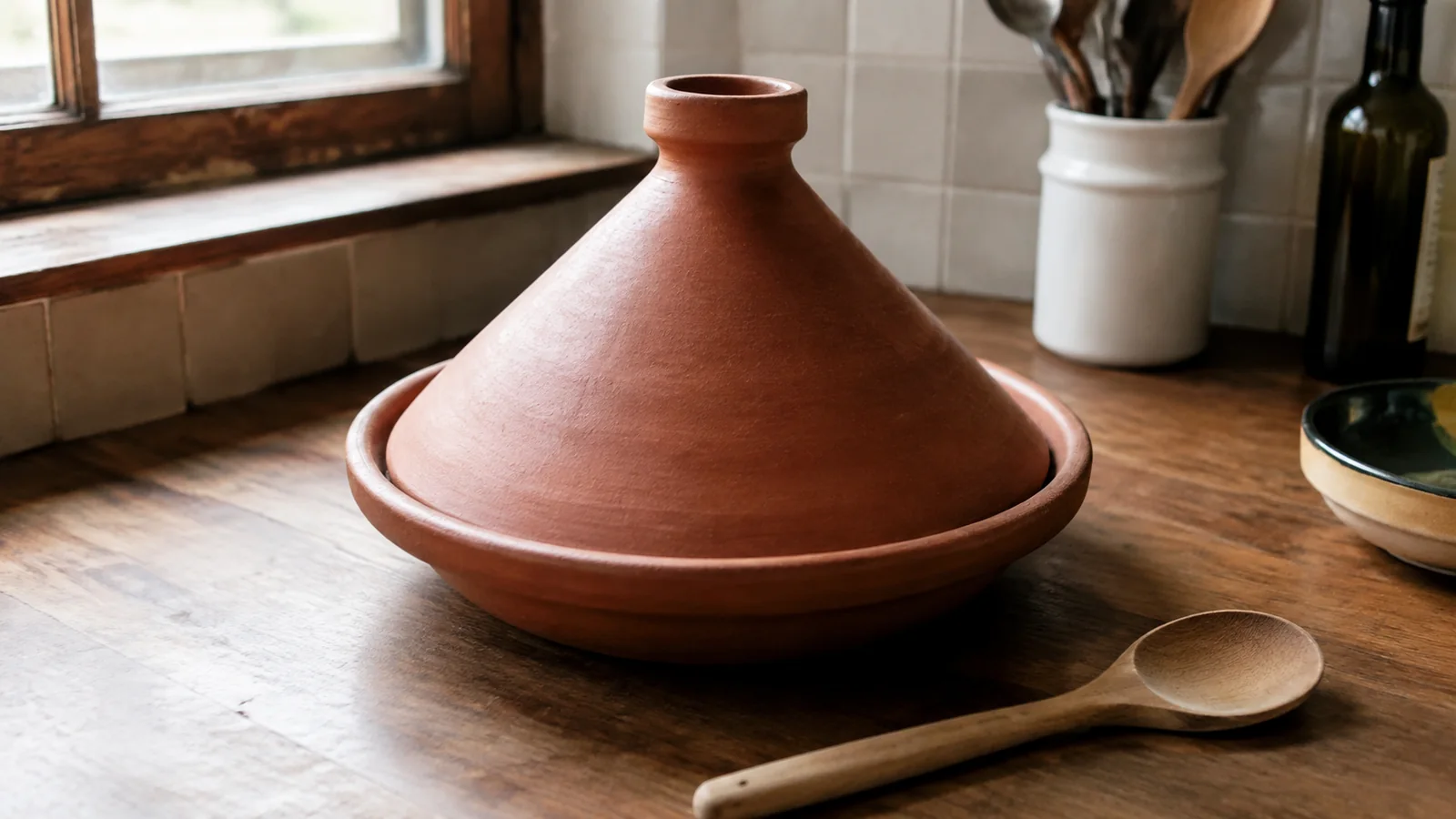
Start with the food, not the object. A molcajete makes sense if you prepare salsa every week, while an aebleskiver pan is delightful but hard to justify if round Danish pancakes appear once a year.
Also remember that cooking traditions cross borders and change over time. These tools are associated with particular cuisines, but no single country is a neat, sealed culinary box.
- Check your heat source: Induction needs magnetic cookware, and traditional clay may require a gas flame, diffuser, oven, or manufacturer-approved setup.
- Measure before buying: A wok, steamer, or paella pan that overwhelms the burner will heat unevenly and become a storage problem.
- Read the care instructions: Carbon steel, cast iron, bamboo, clay, and stone all demand different habits.
- Buy food-safe pieces: Decorative pottery is not automatically safe cookware, even when its shape looks familiar.
- Choose a substitute honestly: A regular skillet or saucepan may not be traditional, but it can be the smarter first step while you learn a dish.
There is one current safety issue worth taking seriously. The FDA’s 2025 imported-cookware warning identifies certain aluminum, brass, and aluminum-alloy products that may leach lead, so origin alone is not proof of safety.
Heat-centered cookware
1. Carbon-steel wok
A carbon-steel wok is the most versatile purchase here. Its sloping sides and responsive metal support stir-frying, steaming, shallow frying, braising, and tossing, but only when the pan matches the stove and the cook is willing to maintain its seasoning.
Choose a flat bottom for most home ranges, a sturdy handle, and a diameter your strongest burner can heat. Skip heavy cast iron for fast tossing, and avoid a delicate nonstick coating if you want the high-heat flexibility that makes a wok special.
2. Japanese donabe
A donabe is a Japanese clay cooking pot suited to rice, soup, hot pot, and meals brought directly to the table. Japan House Los Angeles describes it as a traditional special-clay vessel used for shared one-pot dishes, which captures why it feels so different from an ordinary saucepan.
Check the maker’s exact instructions for seasoning, soaking, flame level, cooling, and cooktop compatibility. Clay dislikes thermal shock, and many traditional pots will not work directly on induction, so this is a beautiful choice for attentive cooks rather than rough everyday treatment.
3. Moroccan tagine
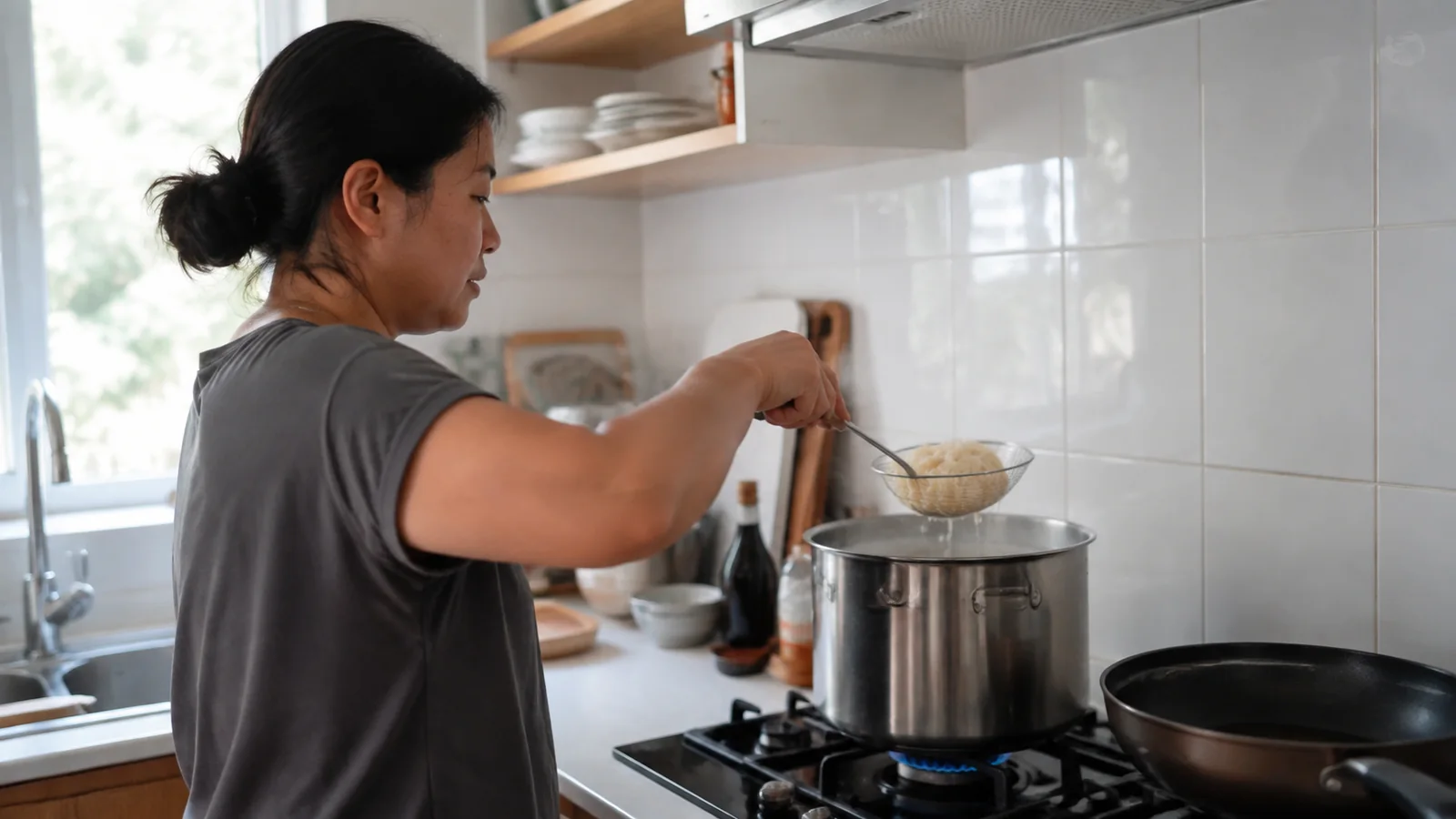
The tagine’s conical lid recirculates moisture over meat, vegetables, fruit, and spices, while the shallow base can move from cooking to serving. It is as much about gentle heat and presentation as it is about the famous silhouette.
Confirm whether a piece is cookware, serving ware, or decoration, then follow its instructions on seasoning and flame diffusers. The FDA’s lead-glazed pottery guidance advises against using pottery that contains leachable lead for cooking, serving, or food storage, which matters for tagines and any glazed souvenir ceramics.
A Dutch oven can make a very good tagine-style braise if you are testing recipes before buying specialized clay. Travelers planning to explore the cuisine in context can also use these Morocco travel-planning tips to build food experiences into a broader trip.
4. Spanish paella pan
A paella pan is wide, shallow, and built to spread rice in a thin layer. That geometry helps evaporation and crust development in a way a deep pot cannot, but the pan only works well when heat reaches its full base.
Choose the pan after measuring the burner, grill, or dedicated gas ring you will use. A modest pan that fits the heat source will outperform a dramatic party-size pan balanced over one small kitchen burner.
5. South Asian tawa or tava
A tawa is a broad, low-sided griddle used across South Asia for flatbreads and, depending on its shape and material, foods such as dosa. Cast iron holds heat beautifully but is heavy, while carbon steel responds faster and still develops seasoning.
Buy for your usual recipe: a gently concave roti tawa is not the same as a large, flat dosa griddle. A cast-iron skillet is a reasonable substitute for small flatbreads, though tall sides make turning and moving them less graceful.
6. Danish aebleskiver pan
An aebleskiver pan contains round wells that turn batter into crisp-edged, spherical Danish pancakes. It does one charming job very well, and creative cooks also use the wells for other small sweet or savory bites.
This is a specialist, so borrow one before committing if storage is tight. For cast iron, the core care is simple: the Lodge care guidance boils it down to washing, drying, and rubbing with oil, with prompt drying doing most of the rust-prevention work.
7. Persian tahdig rice cooker
A tahdig rice cooker is designed to make Persian-style rice with a crisp golden crust at the bottom. It can reduce the anxiety around timing and browning, especially for a cook who wants repeatable tahdig without hovering over a pot.
Its weakness is specialization, and results still depend on rice, water, fat, and the cooker’s settings. Buy one only after comparing voltage, capacity, removable-pot construction, replacement parts, and whether the controls allow the crust level you want.
Grinding, pressing, and spice tools
8. Mexican molcajete and tejolote
A molcajete and its pestle, the tejolote, crush roasted chiles, tomatoes, garlic, and spices against a rough volcanic-stone surface. The result is textured rather than blender-smooth, and the serving bowl retains the work’s heat and aroma.
Look for genuine dense stone, expect substantial weight, and follow the maker’s curing process until loose grit is gone. A small smooth mortar will grind spices, but it cannot reproduce the capacity or coarse texture of a seasoned molcajete.
9. Thai granite mortar and pestle
A heavy granite mortar is the better choice for pounding curry pastes, garlic, dried spices, and other dense ingredients. It provides force and stability, while a tall clay mortar is traditionally paired with a wooden pestle for lighter bruising and salads such as som tam.
Those two Thai mortar styles are not interchangeable just because both are bowls with pestles. Choose the granite version for hard grinding and the clay-and-wood form for bruising vegetables without reducing them to paste.
10. Mexican tortilla press
A tortilla press quickly flattens balls of masa between two lined plates, making thickness more consistent than hand patting for most beginners. Cast iron feels stable and powerful, while aluminum is easier to move and store.
This tool presses corn masa, not conventional wheat-flour tortillas, whose gluten makes rolling more appropriate. Parchment or a split food-storage bag prevents sticking, and a skillet can serve as an improvised press before you buy the real thing.
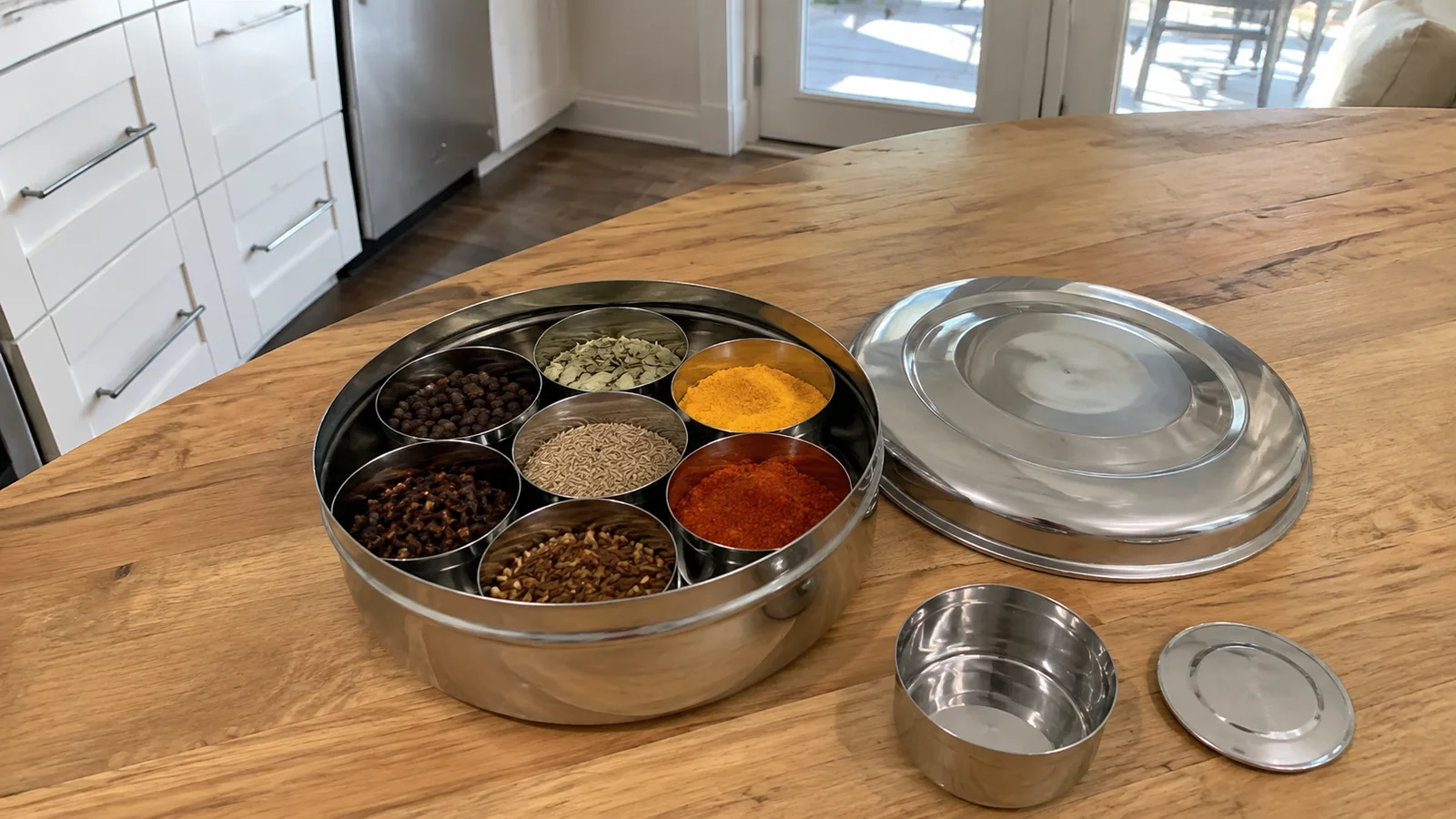
11. Indian masala dabba
A masala dabba is a round spice box holding several small open cups beneath one fitted lid. It keeps the spices used together within one hand’s reach, making tempering and layered seasoning noticeably smoother.
Fill it with your own frequently used spices rather than a decorative assortment chosen by someone else. Keep the main lid dry and closed, use clean spoons, and store bulk refills separately so light, heat, air, and steam do not flatten every spice at once.
Steaming, skimming, and serving
12. Chinese bamboo steamer
Stacked bamboo baskets let steam circulate around dumplings, buns, fish, vegetables, and reheated rice dishes while absorbing some condensation. The tiers make it possible to cook more than one component over a single wok or pot.
Measure the steamer against the supporting cookware, line foods to reduce sticking, and leave gaps for steam. Hand-wash it, dry it completely in moving air, and never seal damp bamboo in a cabinet where mold can take hold.
13. East Asian bamboo skimmer
A wide bamboo or wire-mesh skimmer lifts dumplings, noodles, fried foods, and vegetables while leaving water or oil behind. Its broad, shallow basket is gentler and faster than fishing for fragile pieces with a small slotted spoon.
Bamboo-framed versions feel light and stay cooler at the handle, but they need thorough drying and eventual replacement. Stainless versions are less romantic and often more durable, so choose based on how frequently you fry and whether easy sanitation matters more than tradition.
14. Korean dolsot
A dolsot is a Korean stone bowl that holds fierce heat at the table, crisping rice beneath bibimbap and keeping soups bubbling. That heat retention is the entire point, and it also creates the biggest handling risk.
Use the bowl only according to its material and maker instructions, place it on a heatproof trivet, and keep a clear oven mitt dedicated to serving. A small cast-iron pot can create crisp rice, but it will not offer the same table presentation or stone heat behavior.
International drink tools
15. Italian moka pot
A moka pot brews concentrated stovetop coffee through pressure, sitting between drip coffee and espresso in body and ritual. It is compact, relatively affordable, and genuinely useful for people who prefer a strong small cup without a full espresso machine.
Follow the pot’s instructions rather than tamping coffee like espresso. Bialetti’s official Moka Express method fills water only to the safety valve, adds grounds without pressing them, and uses low heat; classic aluminum models also need a compatible solution if your stove is induction.
Two drink specialists to consider next
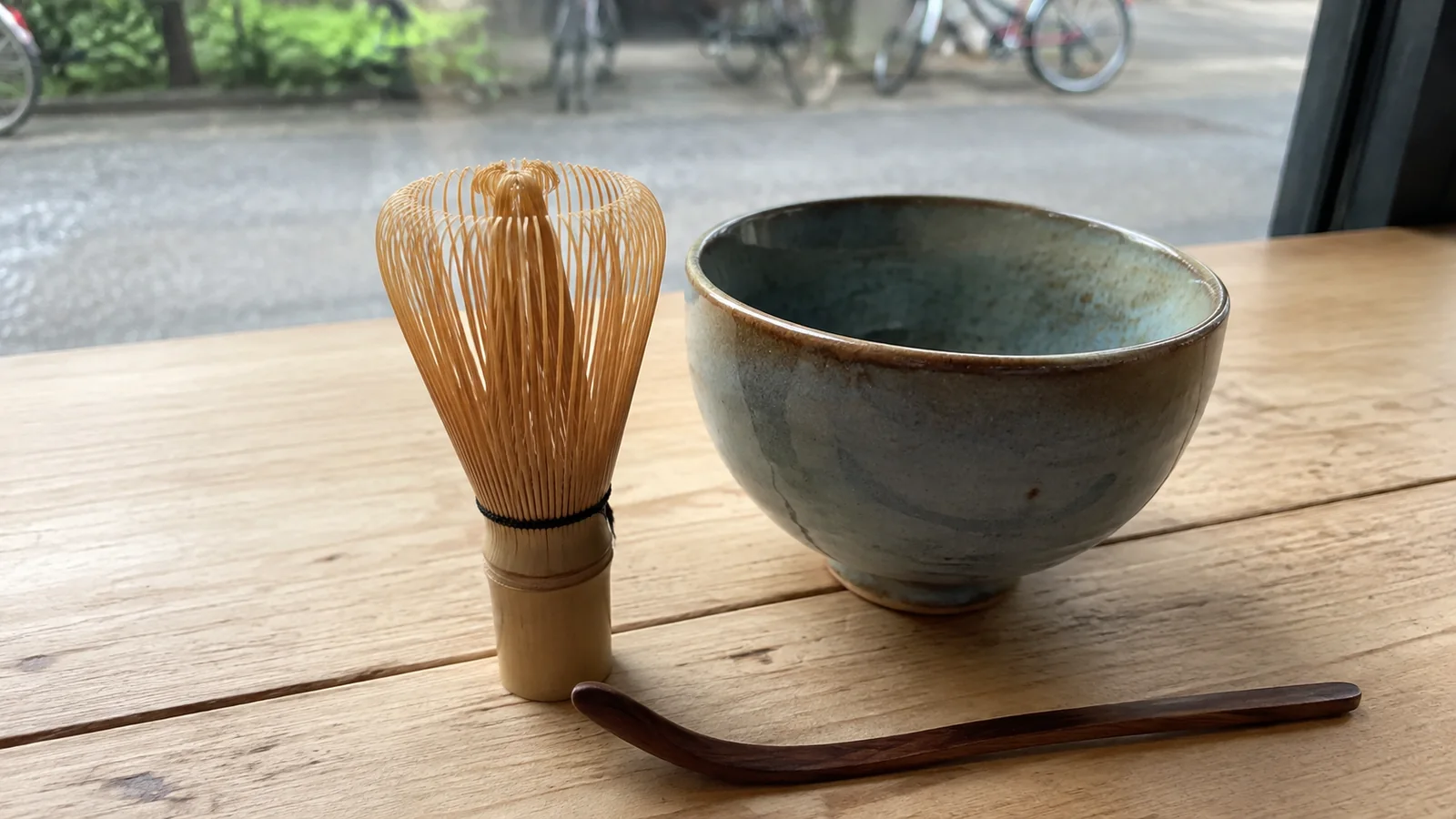
A Japanese bamboo chasen whisk disperses matcha in water and builds fine foam with a quick wrist motion, but its delicate tines need rinsing, air-drying, and protection from crushing. Buy it if you prepare matcha often; a small modern whisk is more practical for occasional lattes.
A Turkish cezve is a small long-handled pot for finely ground coffee, typically with a narrow neck that helps manage foam. It suits patient stovetop brewing and makes a lovely bridge between kitchen practice and the food culture in these Istanbul travel tips, but it is not a filter brewer and grounds remain in the cup.
What should you buy first?
For maximum usefulness, start with a carbon-steel wok, a sturdy mortar and pestle, or a bamboo steamer sized to cookware you already own. Each handles a wide range of ingredients and teaches a technique rather than one recipe.
For a meaningful gift, match the tool to a dish the recipient already cooks. A masala dabba for an organized spice lover or a moka pot for a strong-coffee drinker is more considerate than a large tagine handed to someone with an induction stove and one cabinet.
Travelers buying directly from makers should ask about food safety, intended use, care, and packing before money changes hands. This site’s approach to mindful travel is a useful reminder that learning who made an object and paying fairly can matter as much as bringing it home.
How to avoid turning tools into clutter
Set a simple threshold: name three dishes you will cook with the tool in the next two months and the exact place it will live. If you cannot do both, take a cooking class, borrow the item, or test the technique with existing cookware first.
A class is especially useful for tools built around feel, such as a wok, molcajete, chasen, or clay pot. Cooking can be part of the broader case for travel as a hands-on hobby, because a practiced technique carries more memory than an unused souvenir.
The best international kitchen tools are not rare for rarity’s sake. They are durable invitations to slow down, learn why a method works, and cook another culture’s food with curiosity instead of treating the equipment as decoration.