When to Book Cruise Shore Excursions: What I Would Reserve First
I would book scarce, important cruise excursions early once the itinerary and cancellation terms make sense. That includes small-group activities, limited transport, accessible vehicles, and experiences the whole trip is built around.
For an easy walk or flexible beach day, I would leave more room to decide later instead of paying for every port immediately.
What I would book first
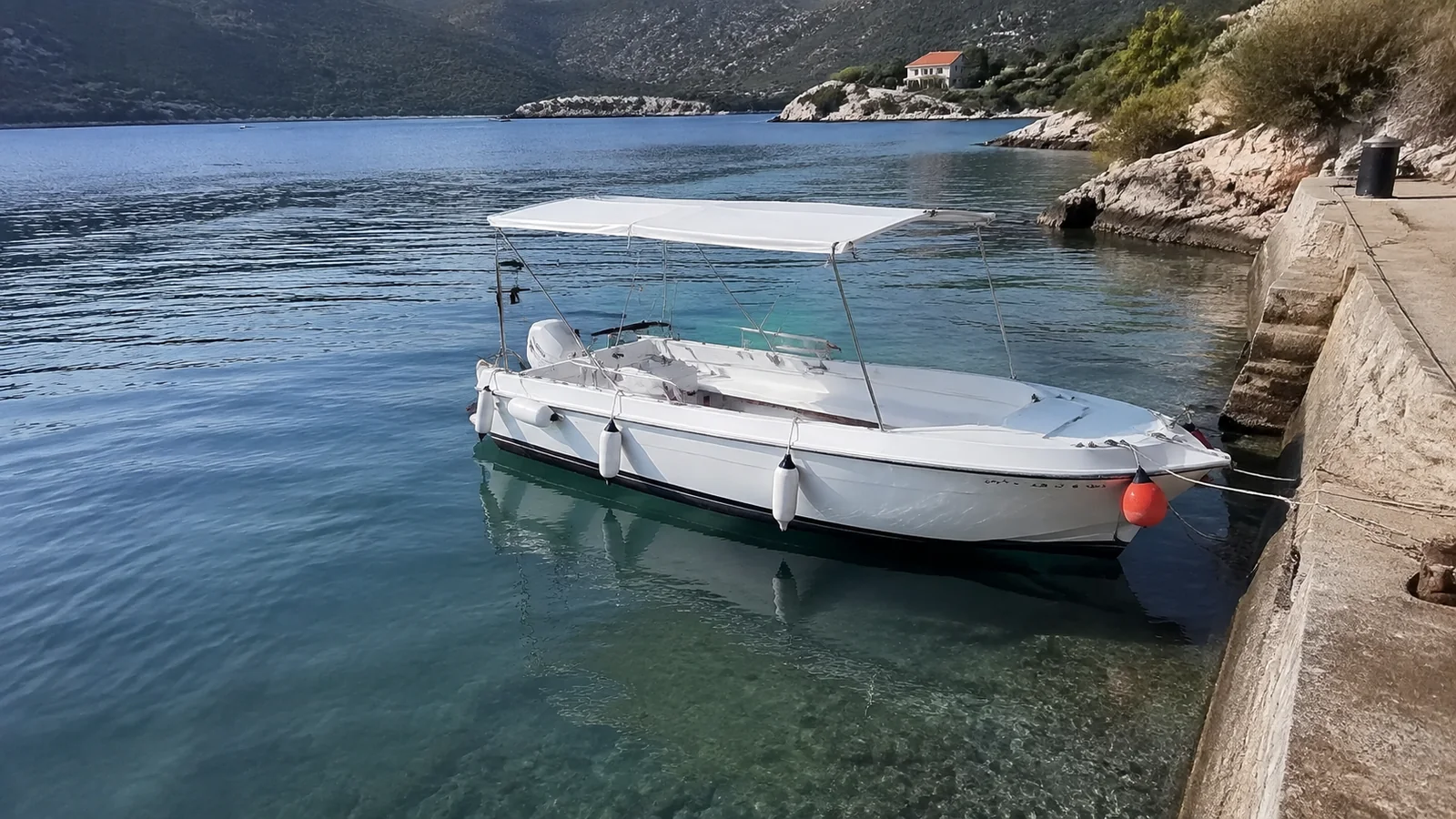
- An activity with genuinely limited seats, such as a small boat, flight, or private vehicle.
- A tour with specific accessibility equipment or a guide who meets a particular need.
- A timed attraction central to the trip, after checking transport and entry requirements.
- An excursion needed by a large group that wants to stay together.
- A remote or complicated port day where the ship’s coordinated tour is the best fit.
I would book these when they become available at an acceptable price with terms I understand. A sale countdown alone would not move an ordinary city tour to the top of the list.
Check when your actual sailing opens for booking
Cruise lines release excursions according to their own schedules, and availability can change as operators finalize arrangements. One destination may appear before another on the same itinerary.
Look in the booking portal for your ship and departure date. A general excursion page shows possibilities, not necessarily inventory for your cruise.
Royal Caribbean’s booking and cancellation FAQ explains its purchase channels and conditions. For another line, use the instructions attached to that reservation.
I would check periodically if a must-do activity is not listed, then ask whether it is unavailable or simply not released. Do not interpret a blank page as a definite sellout.
Avoid buying a similar-looking tour for the wrong port date through a general search page. Confirm the ship, date, meeting time, and landing location before paying.
Scarce capacity is a better reason than a sale banner
A helicopter seat, small fishing boat, specialist guide, or adapted vehicle cannot expand capacity as easily as a large coach tour. Waiting may remove the particular experience you wanted.
I would prioritize the activity with the fewest acceptable substitutes. If any of several museum visits would be enjoyable, that decision can wait longer than a specific small-group wildlife trip.
A large family or friends group also needs more available seats at the same time. Confirm the entire party before buying a few places and hoping the remaining travelers can join later.
Do not assume expensive means scarce. Look at the actual vehicle size, departure frequency, and whether the experience has several equivalent alternatives.
If the only remaining choice has an unsuitable time or activity level, I would skip it rather than book from fear of missing out. Availability is not a reason to ignore whether the tour works.

Read cancellation terms before booking early
Early booking is most comfortable when the cancellation conditions leave reasonable flexibility. Read the exact deadline and which clock it uses.
Royal Caribbean’s current guidance generally permits excursion changes or cancellation until 48 hours before port arrival, while certain tours involving flights, trains, special events, overnight or hotel stays, and Private Journeys have a 30-day-before-sailing deadline. Other restrictions can apply, so check the particular product.
That difference is substantial. A traveler expecting to reconsider everything once aboard could already be inside the penalty period for a special tour.
Princess’s excursion terms likewise direct passengers to the applicable cancellation conditions and deadlines. Do not transfer another line’s standard cutoff to a Princess booking.
I would save the terms and add a reminder before the last penalty-free cancellation time. A reservation made months ahead is easy to forget when the decision deadline arrives.
Missed-port protection is a separate clause
An operator’s ordinary cancellation policy may not explain what happens if the ship skips the destination. Look specifically for missed-port, late-arrival, and itinerary-change terms.
Royal Caribbean’s missed-port excursion FAQ confirms a refund for its excursion canceled because the ship misses the port. An independent operator needs its own written arrangement.
I would favor a clear refund clause for a port where tendering or weather could disrupt access. That protection can matter more than a small price difference.
Ask what happens if the ship arrives late but still visits. A policy covering a complete missed call may not cover your inability to reach an early meeting point.
If the ship changes the day of the visit, confirm whether the operator can move the booking. It may have another group, limited equipment, or attraction tickets tied to the original date.
Book the return plan as carefully as the activity
A tour is only suitable if you can reach its start and return before the ship’s deadline. Check the all-aboard time instead of using the scheduled sailing time as your target.
For an independent activity, allow for getting from the berth or tender landing to the meeting point. A description saying “near the port” is not precise enough when multiple terminals are possible.
I would ask for the return location and expected time in writing. If the plan depends on several transport connections working perfectly, choose a shorter activity or compare the ship excursion.
My Naples port guide shows why a city walk, Pompeii visit, and coastal day trip create different timing demands. Book according to the route you will actually take.
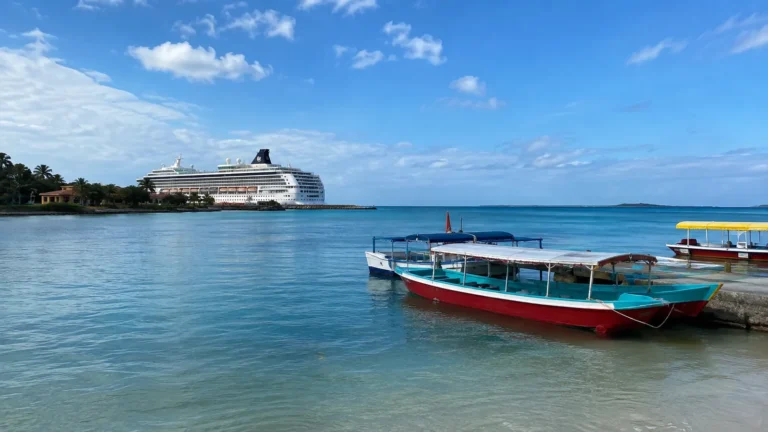
At a tender stop, do not promise an operator that you will take the first boat. My Grand Cayman guide can help you think through the landing and return arrangements.

Accessibility and other specific needs deserve early contact
An excursion title rarely answers every access question. Contact the operator with your actual mobility device, transfer ability, or other necessary accommodation.
Ask about vehicle entry, steps, walking surfaces, restrooms, seating, and the attraction itself. An accessible vehicle alone does not make the whole tour accessible.
I would obtain the practical details before paying, then reserve early if the correct equipment is limited. A vague assurance that staff will help is not a substitute for a workable arrangement.
For children, check minimum age, height, weight, swimming ability, and required equipment. A family should not discover an exclusion at the meeting point after the cancellation deadline has passed.
My family cruise guide helps with the broader vacation choice. For excursions, prioritize the least flexible need in the group before comparing optional stops.
Price changes do not always justify canceling and rebooking
A tour may later appear at a lower price, but check the final amount for the same date, departure, and inclusions. A different product or reduced itinerary is not the same deal.
Before canceling, confirm the penalty, refund timing, and whether replacement space is actually available. Releasing your seats can mean losing them.
I would ask whether the seller can adjust the price without canceling if it offers that option. Do not assume a price-match policy exists just because another cruise line provides one.
If rebooking is possible, compare the savings with any new fees or lost credits. A lower headline number may not improve the final cost.
Save the new confirmation and verify that the correct travelers remain booked. Remove obsolete reminders so the group does not turn up at the old meeting time.
Avoid reserving more than the itinerary can comfortably hold
A full excursion every day can become tiring, especially when early starts and long drives repeat. Leave time for the ship and for an uncomplicated port visit.
I would identify one or two high-priority experiences, then give the remaining days a lighter plan. That makes the spending and energy requirements easier to assess.
Consider the whole route before booking similar activities in several ports. Two different island tours can still feel repetitive if both spend most of the day on a coach.
A self-guided destination can provide welcome flexibility. My Key West guide offers an example of a port day that may not require a paid tour.
Do not fill a day just because excursion credit is available. Check whether the credit makes an activity you want cheaper, rather than making an unwanted activity feel free.
Compare the total price and what is included
Add transportation, admission, equipment, meals, and any other mandatory charges. Confirm whether the quote is per person or for the whole private group.
I would also check where the tour begins and ends. A cheaper activity requiring an expensive taxi each way may cost more than a port pickup.
For a family, verify each age category and whether a child needs a paid seat even when an attraction itself is free. Transport and admission can follow different pricing rules.
My cruise budget guide helps put the total beside other trip expenses. Decide how much the day’s experience is worth before repeated planner offers push the budget upward.
A more expensive ship excursion can be worthwhile for coordination or a specific return policy. Compare those benefits directly rather than assuming the lowest price is always best.
When waiting until onboard makes sense
Waiting can work for a flexible city tour, a simple beach transfer, or an activity you would happily skip. You can also ask staff about current conditions and updated timing.
I would not depend on onboard availability for the one excursion that makes the trip special. A waitlist is a possibility, not a reservation.
If a must-do tour is full, ask about cancellations or another suitable departure. Keep a realistic alternative rather than checking the app all day.
Booking at the destination can suit a straightforward plan with a verified operator, but do not let the time pressure replace basic checks. Confirm the business, route, price, return time, and payment terms.
Avoid handing money to someone simply because they claim the ship’s tours are sold out. That claim does not establish the quality or legitimacy of their alternative.
Reconfirm shortly before sailing
Review each booked port date, meeting point, cancellation deadline, and return time. Check for itinerary notices and any requested passenger details.
Download confirmations and contact information for offline use. A link inside an email may not open when you are standing outside the terminal without data.
I would make sure every participant understands the start time and required items. If the operator requires identification, suitable footwear, or a specific form, resolve that before the morning of the tour.
Keep the port agent’s number and the ship’s deadline with the day’s instructions. My missed-ship guide explains why those details belong in the plan even when the excursion looks straightforward.

The booking order I would follow
I would reserve the scarce experiences and necessary accommodations first, once the terms and transport work. Then I would book ordinary tours selectively and leave some ports flexible.
That approach protects the experiences you care about without turning every day into a prepaid obligation. Early booking is useful when it secures the right plan, not simply because it gets another item checked off.