Month-Long Cruises: How to Plan 28–40 Days at Sea
A month-long cruise can feel wonderfully expansive or about two weeks too long. The difference comes down to route rhythm, cabin comfort, sea-day tolerance, hidden costs, and whether you actually like the ship enough to call it home for 28 to 40 nights.
Are Month-Long Cruises Worth It?
They are worth considering when you want a slower itinerary, dislike repeated airport transfers, and enjoy sea days as much as ports. They are a poor fit when vacation time is scarce, medical or family obligations are hard to leave, or shipboard routine starts feeling repetitive after one week.
- Best for: Retirees, remote workers with realistic connectivity needs, slow travelers, and destination collectors
- Best value format: A repositioning cruise or carefully priced back-to-back
- Best polished experience: A dedicated Grand Voyage or world-cruise segment
- Biggest comfort decision: Cabin location, storage, and usable personal space
- Biggest budget surprise: The cumulative cost of drinks, Wi-Fi, laundry, excursions, insurance, and gratuities
- Biggest paperwork mistake: Treating a cruise-line booking as proof of entry eligibility
Four Ways to Cruise for About a Month
A single 28- to 40-night itinerary
This is the simplest format because one booking carries you from embarkation to final disembarkation. It often explores a broad region, crosses an ocean, or reaches ports that seven-night routes cannot include efficiently.
A live example is Holland America’s 28-day Legendary Alaska Arctic Circle Solstice, which reaches beyond a standard Inside Passage loop. Availability, fares, ports, and ship assignments can change, so use named sailings as examples rather than permanent promises.
A world-cruise segment
World cruises are often sold in sectors, letting you join for one region instead of three or four months. Princess says its world cruises run roughly 114 to 131 days and offers shorter segments around 20 to 30 days.
Cunard also sells World Voyage sectors alongside full voyages for 2027 and 2028. A sector can include some world-voyage atmosphere and special programming, but benefits may differ from those offered to full-voyage guests.
A repositioning cruise
Repositioning cruises move a ship between seasonal regions, such as Europe and the Caribbean or Alaska and Asia. Fares can be attractive per night, but the itinerary may contain long runs of sea days and require a one-way international flight.
This format suits travelers who like the ship and the crossing itself. It is less appealing if your mental picture of a month-long cruise includes a new port almost every morning.
Two or more cruises back-to-back
Back-to-backs let you create a longer trip from ordinary sailings, sometimes from the same cabin. They offer more date and route flexibility, but you may repeat menus, shows, ports, safety drills, and embarkation-day routines.
Confirm whether the ship changes terminals, requires immigration processing between segments, or makes you move cabins. Two reservation numbers can also mean two sets of promotions, package rules, onboard accounts, and cancellation terms.

Choose the Route Rhythm Before the Cruise Line
Count sea days, port days, overnight calls, tender ports, and runs of consecutive busy days. A 30-night voyage with 14 sea days feels completely different from one with 24 port calls.
Sea-day lovers should look for ocean crossings and broad regional arcs. Travelers who get restless should favor overnights, late departures, and clusters of ports with a recovery day every few stops.
Pay attention to climate changes along the route. A voyage from Northern Europe to the tropics needs more clothing range and may cross multiple time zones, while a month around one warm region simplifies packing.
Match the Ship to Your Daily Life
On a seven-night cruise, a weak library, repetitive buffet, or limited promenade may be a minor annoyance. After four weeks, ordinary spaces and routines matter more than the waterslide you use once.
Compare included dining, specialty restaurants, casual lunch choices, evening entertainment, enrichment, fitness facilities, outdoor walking space, self-service laundry, medical services, and quiet indoor seating. The adult cruise-line comparison is useful for narrowing the vibe, but the exact ship still decides daily life.
Large mainstream ships
These can offer the widest entertainment and dining variety, which helps combat repetition. They may also carry more families, louder public spaces, more reservations, and a less intimate social rhythm.
Premium ships
Premium lines often emphasize traditional service, enrichment, longer routes, and calmer evenings. They can be a sweet spot for a month, provided the dining schedule, dress expectations, and entertainment style suit you.
Luxury and small ships
Smaller ships may reach unusual ports and bundle more into the fare, reducing daily purchase decisions. The tradeoff is a higher starting price, fewer big-production options, and less anonymity when the same guests share spaces for weeks.
Your Cabin Matters More on Day 25
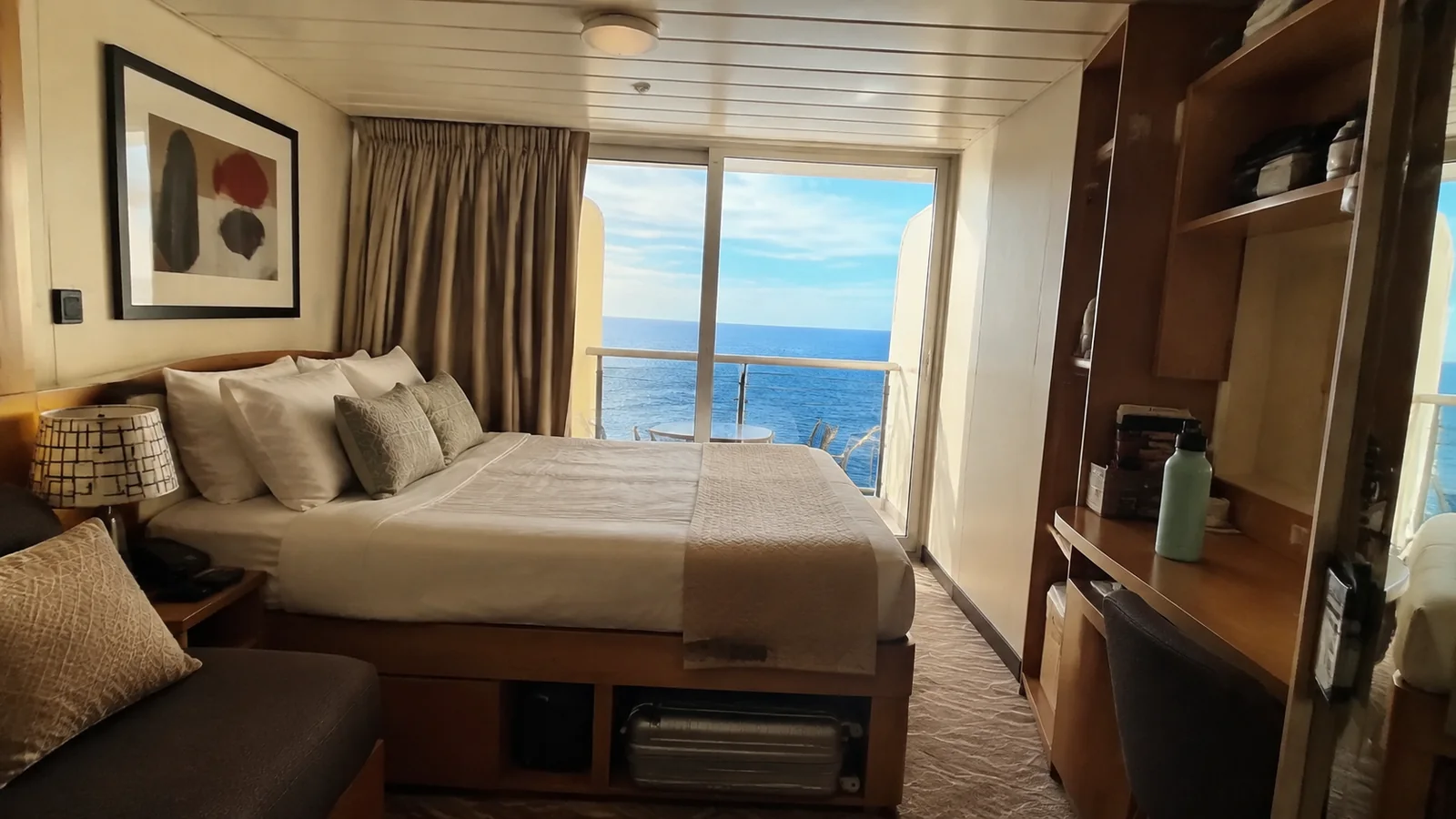
Storage, seating, light, temperature control, outlet placement, and bathroom layout become daily quality-of-life issues. A cabin that feels efficient for a weekend can feel cramped when clothing, medication, paperwork, and electronics accumulate.
Use these cabin selection checks on the current deck plan. Look above, below, and beside the room for pools, gyms, theaters, crew doors, connecting cabins, laundries, and open atriums.
Inside cabin
An inside can make a long cruise financially possible and offers excellent darkness for sleep. It works best for guests who spend little waking time in the room and have a reliable quiet place elsewhere onboard.
Oceanview
An oceanview adds daylight without the full balcony price, a sensible compromise on cool or windy routes. Confirm obstruction, porthole versus picture window, and whether the bed blocks easy access to the glass.
Balcony
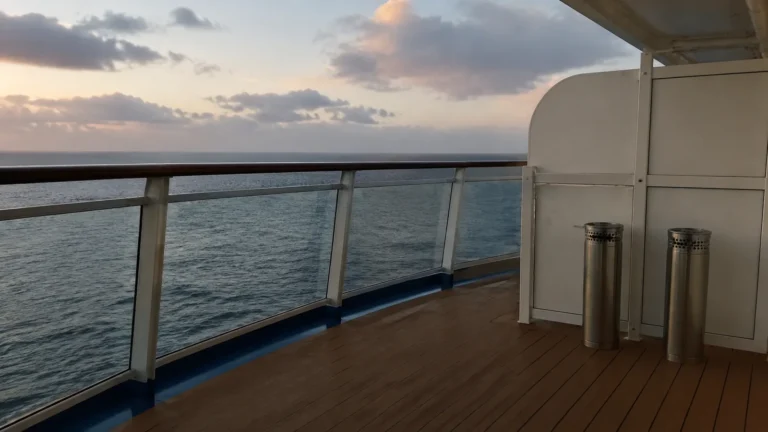
A balcony provides private outdoor space and can transform long sea-day stretches. It may offer less value in rough, cold, very humid, or port-intensive conditions, and location can expose it to wind or public-deck sightlines.
Suite
A suite can improve storage, seating, dining, and service enough to justify the cost for two people sharing a month. Compare usable layout and included benefits rather than paying mainly for a category name.

Build the Real Budget
Start with cruise fare, port taxes and fees, daily gratuities or service charges, insurance, transportation, hotels, and visas. Then add excursions, drinks, specialty dining, Wi-Fi, laundry, spa, fitness classes, medications, and pet or home care.
A $12 daily habit costs about $360 over 30 days, while a $25 habit reaches $750. Small recurring charges deserve more attention than one souvenir.
Compare included value line by line because “all-inclusive” has different boundaries. Premium alcohol, streaming-speed internet, shore excursions, crew gratuities, room service, specialty restaurants, and medical care may still cost extra.
Budget for ports without touring every day
Mix a few high-priority excursions with self-guided towns, public transit, and quiet ship days. Paying for a full-day tour in every port can exhaust both the traveler and the budget.
Keep a separate contingency fund for medical care, missed connections, changed flights, and an unexpected hotel. Travel insurance is a contract with exclusions, not a promise that every disruption will be reimbursed.
Passport, Visa, and Entry Rules Multiply
The U.S. State Department’s cruise travel guidance tells long-term and world-cruise passengers to ensure they have enough blank passport pages for visas and stamps. It also recommends a passport book because an emergency flight home cannot be taken on a passport card.
Check every country, including ports where you do not plan to leave the ship, and every airport used before or after the voyage. Nationality, residency, prior travel, ship-arranged visas, and itinerary changes can all affect eligibility.
Some destinations require months of passport validity beyond travel dates, while others require electronic authorization or a visa in advance. Get cruise-line instructions in writing, then verify them against government and embassy sources for your passport.
Do not forget transit permissions for one-way flights. A connection in a country not shown as a cruise port can create its own document requirement.
Health and Medication Need a Month-Scale Plan
Discuss destination vaccines, chronic conditions, mobility, motion sickness, and prescription supply with qualified clinicians early. Ship medical centers provide valuable care but are not replacements for full-service hospitals or every specialist.
The CDC’s cruise ship health guidance recommends bringing prescription and over-the-counter medicines for the full trip plus extra for delays. Keep medicines in original labeled containers, carry prescription copies, and verify whether any destination restricts your medication.
Pack essential medicine and medical devices in carry-on baggage, not only in a checked suitcase. Confirm refrigeration, power, distilled water, sharps disposal, oxygen, dialysis, and mobility equipment directly with the cruise line.
Insurance should be evaluated for preexisting-condition rules, trip length caps, evacuation, international treatment, and the full prepaid cost. Annual plans can contain per-trip duration limits that make a month-long voyage ineligible.
Pack Less and Plan Laundry
A month does not require 30 outfits. Pack a compact color palette, layers for the route, comfortable shoes, one dressier combination if needed, and enough specialty items for the longest stretch between laundry days.
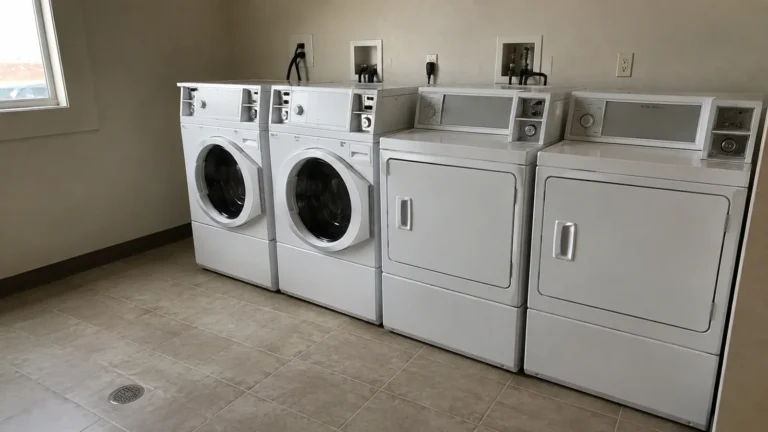
Check whether the exact ship has self-service machines, bag specials, package pricing, or only per-item laundry. The full cruise packing strategy helps reduce luggage without pretending every line allows irons, steamers, or unlimited liquids.
Bring a small stain treatment, a collapsible hamper, and quick-drying basics if permitted. Do not string wet clothes across sprinklers or use prohibited heating appliances in the cabin.

Internet and Remote Work Require a Backup
Ship internet may work well for email one day and struggle with video calls the next. Satellite coverage, weather, location, network demand, package restrictions, and device limits all affect performance.
Ask whether the plan supports VPNs, streaming, calls, and multiple devices, then calculate the 30-day cost. Download work files, entertainment, authentication backups, and key contacts before boarding.
A month-long cruise is risky for work that requires uninterrupted live meetings or regulated data access. Build port-based alternatives and deadline slack rather than promising an employer land-quality service.
Protect Your Energy and Relationships
Do not schedule every meal, show, lecture, and port as a shared obligation. Couples and friends benefit from separate activities, independent quiet time, and permission to skip something without guilt.
Create a light routine for sleep, movement, meals, laundry, and spending reviews. These practical cruise habits become more valuable as the trip stretches beyond the novelty phase.
Solo travelers should compare the single supplement, solo lounges, hosted events, cabin location, and included benefits. A lower supplement on an unsuitable ship is not automatically better value.
Booking and Cancellation Deserve Extra Care
Long voyages often require larger deposits and earlier final payment, with cancellation penalties escalating well before departure. Read the exact fare rules, promotion terms, name-change policy, and insurance timing before placing a deposit.
If you combine separate cruises, flights, or hotels, one cancellation may not cancel the others. Ask what happens if the ship changes, a segment is redeployed, or a port with a visa requirement is removed after you obtained documents.
Reserve an accessible cabin, rare cabin category, or world-cruise segment early when choice matters. Monitor price changes only within the rules of your fare and avoid losing valuable inclusions for a headline reduction.
Who Should Choose Which Format?
Choose a Grand Voyage if you want cohesion
A dedicated long itinerary is best for travelers who value enrichment, a stable community, unusual ports, and one continuous narrative. Expect a higher fare than a simple repositioning cruise, but compare included events and services.
Choose a world-cruise sector if you want a taste
A sector works for travelers interested in one geographic arc and the atmosphere of a larger journey. Confirm which full-voyage perks, transfers, luggage services, and events do or do not apply to sector guests.
Choose repositioning if sea days are the point
This is the value hunter’s favorite when the ship itself fits. Price the one-way airfare and accept that weather can limit outdoor space during an ocean crossing.
Choose back-to-back if flexibility wins
Back-to-backs suit travelers who want specific dates, repeated favorite ports, or a familiar mainstream ship. Secure the same cabin when possible, then verify turnaround-day procedures and package continuity.

The Bottom Line
A month-long cruise is less about enduring four vacations in a row and more about building a temporary life at sea. Route rhythm, cabin comfort, inclusions, documents, medical planning, and realistic connectivity matter more than the lowest nightly fare.
For a first long voyage, choose roughly 28 to 35 nights with a balanced mix of ports and sea days. If that sounds calming rather than confining, you may have found the rare vacation that finally gives a destination room to breathe.